Raising Chickens in Utah: 2026 Laws & Best Breeds
Raising chickens in Utah: laws for Salt Lake City, Provo, Ogden, St. George, plus cold-hardy breeds and high-desert care tips.
Researched from university extension, USDA, and veterinary sources. How we research.
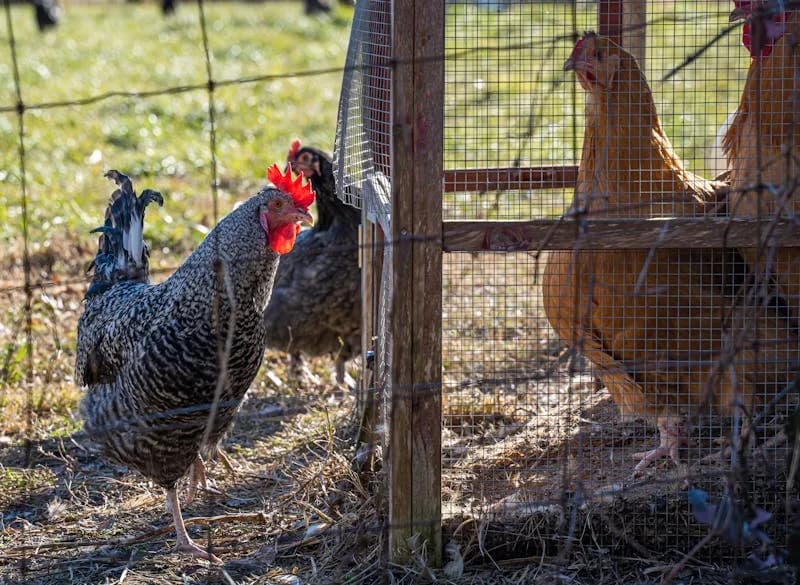
Utah has no statewide ban or permit system for backyard chickens, so the rules that matter come from your city or county. Most major Utah cities along the Wasatch Front allow hens in residential zones, but flock limits, permit rules, and coop setbacks vary widely from town to town. Roosters are banned almost everywhere outside agricultural zoning, mostly because of noise complaints.
Utah is a high-desert state with big swings between hot, dry summers and cold, snowy winters. Salt Lake City and the Wasatch Front see summer highs in the 90s and winter lows in the teens and 20s, while St. George in the southwest pushes past 105F in July. Low humidity helps your flock in summer but does nothing for the cold, so building a dry, well-ventilated coop that handles both extremes is the goal.
What You'll Learn
- •Are Backyard Chickens Legal in Utah?
- •Utah Chicken Laws by City
- •Can You Sell Eggs in Utah?
- •Best Chicken Breeds for Utah's Climate
- •Summer Care in Utah
- •Winter Care in Utah
- •Common Predators in Utah
- •FAQ
Are Backyard Chickens Legal in Utah?
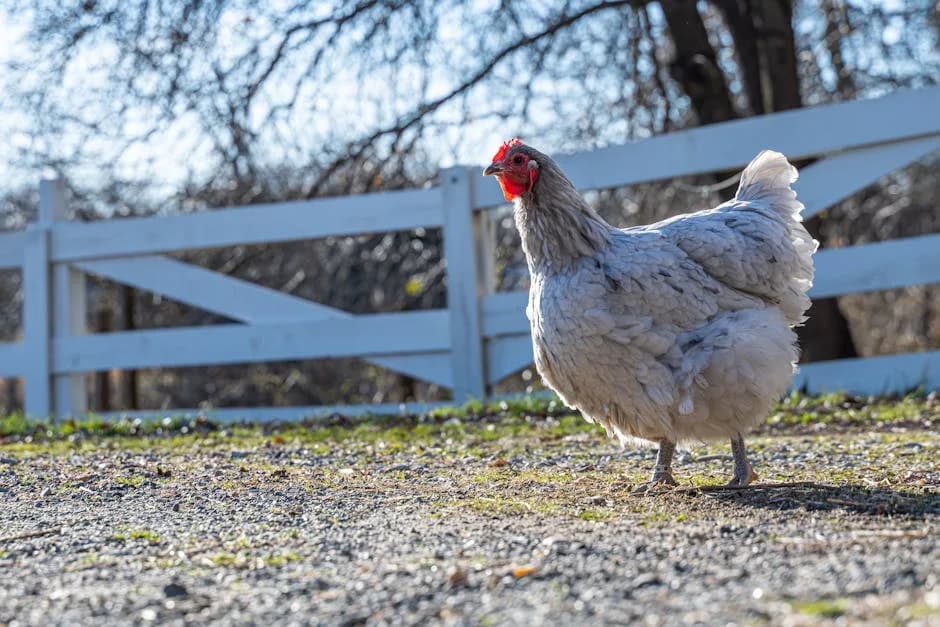
Yes, in most areas. Salt Lake City, West Valley City, West Jordan, Provo, Ogden, St. George, Sandy, and Layton all allow backyard hens with varying rules. Roosters are banned in residential areas in nearly every Utah city. Permit requirements vary: Salt Lake City, Ogden, Provo, and Layton require a permit or annual license, while St. George and Sandy generally don't require one for a standard small flock.
Before buying chicks, check three things: your city's municipal code for poultry, any HOA restrictions on your property, and your specific zoning district. Even in chicken-friendly cities, an HOA can override municipal rules entirely. Many Utah subdivisions have covenants that prohibit poultry no matter what the city allows.
If you live on unincorporated county land or in an agricultural zone, you'll generally face far fewer restrictions on flock size. Utah's strong agricultural tradition means county governments rarely regulate small-scale poultry keeping outside city limits.
Utah Chicken Laws by City
Important: City and county ordinances change frequently. The information below was researched in May 2026 but may not reflect the latest rules. Always verify with your local zoning or code enforcement office before starting a flock. Links to official sources are provided where available.
Salt Lake City
Backyard Chickens, Salt Lake City and Salt Lake City Code 8.08
Salt Lake City has one of the more generous urban chicken allowances in the state.
- •Hens: Up to 15 hens.
- •Roosters: Not permitted.
- •Permit: Required from Salt Lake County Animal Services. The fee is $75 regardless of the number of birds.
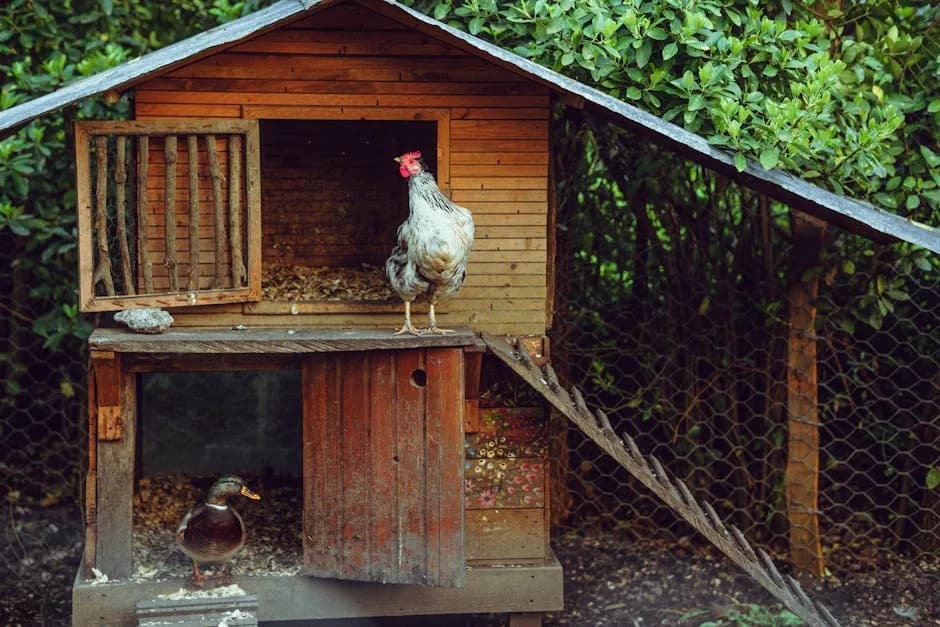
- •Setbacks: Coop must be in the rear yard, at least 25 feet from any dwelling on an adjacent lot.
- •Coop standards: Minimum of 2 square feet per chicken in the coop, or 6 square feet per chicken if the birds are not allowed outside the coop.
West Valley City
West Valley City Municipal Code 7-2-122
Utah's second-largest city allows a small residential flock after years of debate.
- •Hens: Up to 4 hens on a standard residential lot. Larger agricultural-zoned parcels use an animal-points system that allows more.
- •Roosters: Not permitted in residential areas.
- •Containment: Chickens must be kept in a properly enclosed, sanitary coop within city limits.
- •Note: Confirm the current flock limit and any permit requirement with West Valley City code enforcement before building.
West Jordan
Ownership and Maintenance of Fowl, West Jordan City
West Jordan allows a modest backyard flock with a permit.
- •Hens: Up to 5 egg-laying hens, plus up to 5 chicks.
- •Roosters: Not permitted. Crowing hens are also prohibited.
- •Permit: Required from the city.
- •Coop standards: If chickens aren't allowed to roam outside the coop, the coop must provide a minimum of 6 square feet of floor area per bird.
- •Note: Verify current setback distances with West Jordan Animal Services before placing your coop.
Provo
Provo scales the number of hens to your lot size and requires annual registration.
- •Hens: Limit is based on lot size. Up to 2 hens on a 6,000-square-foot lot, scaling up to 6 hens on a 10,000-square-foot lot.
- •Roosters: Not permitted, regardless of age.
- •Permit: Annual registration with the city is required.
- •Setbacks: Coop must be in the rear yard, at least 15 feet from any property line and 6 feet from any dwelling.
- •Coop standards: Covered, ventilated, predator-resistant coop with at least 2 square feet per chicken, or 6 square feet per chicken if the birds can't roam outside it.
Ogden
Ogden City Code 15-13-41 and Urban Chickens, Ogden City
Ogden adopted its residential chicken ordinance in 2017 and ties the flock allowance to open yard space.
- •Hens: Up to 6 hens, provided the rear yard has at least 2,000 square feet of non-paved open area free of structures (not counting the coop and run).
- •Roosters: Not permitted.
- •Permit: A land use permit plus annual animal licensing. The license fee is $5 per chicken.
- •Setbacks: Coop must be at least 25 feet from homes on adjacent property and 5 feet from property lines.
- •Containment: Chickens must be kept in a fully enclosed coop and run at all times. Birds are for egg production only, with no on-site slaughter.
St. George
St. George City Code, Title 10
St. George, the hot southwestern hub, scales its flock allowance to lot size and doesn't require a permit.
- •Hens: 6 hens allowed on a 6,000-square-foot lot, with 1 additional hen per extra 1,000 square feet, up to a maximum of 16.
- •Roosters: Not permitted.
- •Permit: None required for a standard backyard flock.
- •Setbacks: Coop must be at least 50 feet from any dwelling and 20 feet from property lines.
- •Note: St. George amended its chicken rules to make them more accessible for smaller lots. Confirm current details with the city before building.
Sandy
Ordinances and Fees, Sandy City
Sandy allows backyard hens in residential areas with a rooster ban.
- •Hens: A limited backyard flock is allowed. Contact Sandy City for the current per-lot hen limit.
- •Roosters: Not permitted in residential neighborhoods.
- •Permit: Sandy generally does not require a permit for a small residential flock, but confirm with the city, since rules change.
- •Coop standards: Coop must be secure, predator-resistant, and placed toward the rear of the property away from neighboring homes.
Layton
Layton allows chickens with a permit and ties larger flocks to lot size.
- •Hens: Allowed with a city permit. The number permitted scales with lot size, so larger lots can keep more birds.
- •Roosters: Not permitted except in agricultural zones.
- •Permit: Annual permit required. The fee has been $30.
- •Coop standards: Chickens must be kept in coops or pens within a fenced yard, kept clean and free of objectionable odors. No on-site slaughter.
- •Note: Confirm the current per-lot hen limit and permit fee with Layton City before getting birds.
Can You Sell Eggs in Utah?
Yes. Small backyard flock owners in Utah can generally sell their own ungraded eggs directly to consumers, such as from the farm, at a roadside stand, or to neighbors. Once you sell beyond small direct-to-consumer volumes or want to sell to stores and restaurants, you'll likely need to register with the Utah Department of Agriculture and Food and follow state grading, labeling, and refrigeration rules.
Good practice for selling backyard eggs in Utah:
- •Keep eggs clean and free of cracks
- •Refrigerate promptly after collecting
- •Label cartons as "ungraded" with your name and contact info
- •Use new cartons, or clearly relabel reused ones
- •Keep the lay date on the carton
Rules and thresholds change, so contact the Utah Department of Agriculture and Food before you start selling to confirm what applies to your operation.
Best Chicken Breeds for Utah's Climate
Utah's high desert means hot, dry summers and genuinely cold winters, especially along the Wasatch Front and in the mountain valleys. You want cold-hardy breeds that also tolerate heat and dry air. The low humidity is a gift in summer, since dry heat is easier on birds than the muggy heat in the South, but winters demand frost-resistant combs and solid feathering.
Best cold-hardy, dual-purpose breeds for Utah:
- •Wyandotte: Rose comb resists frostbite, dense feathering handles cold, and they still tolerate summer heat. One of the best all-around picks for Utah.
- •Rhode Island Red: Tough and adaptable across Utah's temperature swings. Reliable layer at 250 to 300 eggs per year.
- •Plymouth Rock: Hardy in cold, steady in heat, and a dependable layer at 250 to 280 eggs per year.
- •Australorp: Excellent layer that handles cold well and tolerates dry heat with shade and water.
- •Sussex: Good forager, cold-hardy, and calm. A strong family-flock choice for the Wasatch Front.
- •New Hampshire Red: Productive and adaptable across Utah's full climate range.
Best for hot southern Utah (St. George area):
- •Leghorn: Lightweight with a large comb for cooling. Built for heat and an outstanding layer at 280 to 320 eggs per year.
- •Easter Egger: Hardy, heat-tolerant, and lays colorful blue and green eggs. Great for families.
- •ISA Brown: Friendly production hybrid that lays 300-plus eggs per year and handles warm weather well.
Breeds to be cautious with:
- •Heavily feathered breeds like Brahmas and Cochins handle Utah cold beautifully but struggle in St. George summer heat. If you keep them in southern Utah, plan for heavy shade, ventilation, and active cooling from June through September.
Summer Care in Utah
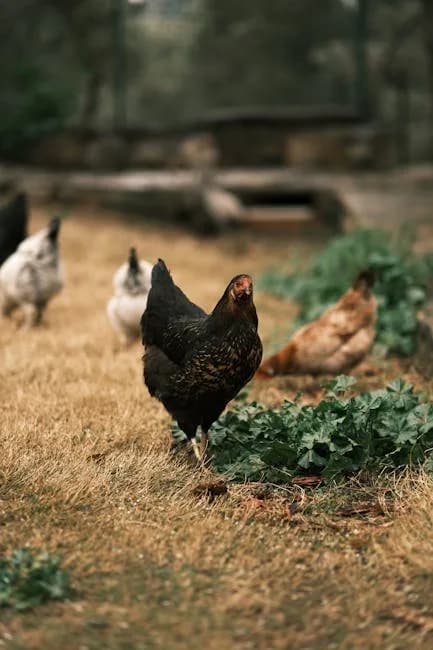
Utah summers are hot and very dry. Salt Lake City regularly hits the mid-90s, and St. George pushes past 105F in July. The upside is low humidity, which makes the heat easier on chickens than in humid states. The downside is fast dehydration and intense afternoon sun.
Keeping your flock safe in the heat:
- •Shade is non-negotiable. Provide tree cover, shade cloth, or a tarp over the run. In southern Utah, full afternoon shade is essential.
- •Keep water cool and constant. Check waterers at least twice a day, three times during heat waves. Add ice when temperatures climb past 95F. In dry Utah heat, dehydration is the fastest killer.
- •Maximize ventilation. Open all coop vents and windows. Cross-ventilation moves hot air out, and Utah's dry air means you can ventilate aggressively without humidity problems.
- •Watch for heat stress above 90F. Panting, wings held away from the body, pale combs, and lethargy are warning signs. Move stressed birds to shade and offer cool water right away.
- •Freeze treats. Frozen watermelon, berries, or ice blocks with scratch grains help cool birds on the hottest afternoons.
- •Provide a dust bath. Utah's dry climate is perfect for dust bathing, which helps birds regulate temperature and control parasites.
- •Mind the sun. Light-feathered breeds can get sunburned skin in intense high-altitude sun. Shade solves this too.
Winter Care in Utah
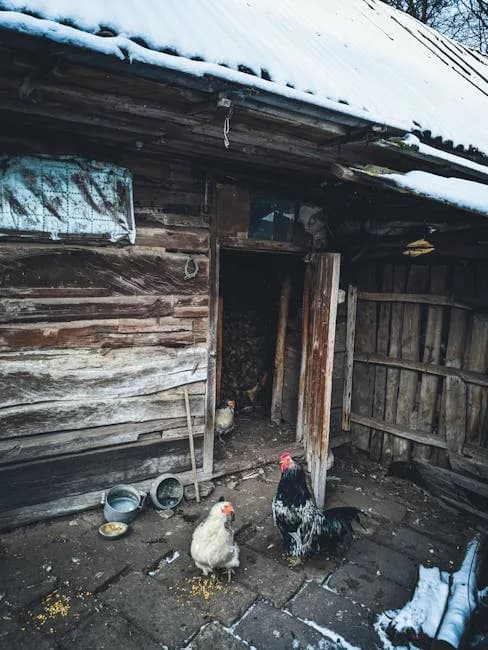
Utah winters are cold, and the Wasatch Front gets heavy snow. Salt Lake City sees average January lows in the low 20s, mountain valleys drop into the teens or lower, and even St. George cools off at night. Cold-hardy breeds handle it well if the coop is dry and draft-free.
Winter coop tips:
- •Ventilation matters more than heat. A sealed coop traps moisture from breath and droppings, and that trapped humidity causes more frostbite than cold air does. Keep vents open at the roofline, above the birds' heads, to let damp air escape without creating a draft.
- •Insulation helps in the mountains. Light insulation is worth it in colder valleys, but it's optional along the milder valley floors. Either way, prioritize keeping the coop dry.
- •Don't use heat lamps. Healthy, full-feathered cold-hardy birds handle Utah winters without supplemental heat. Heat lamps are a leading cause of coop fires.
- •Keep water from freezing. A heated waterer base keeps water available on sub-freezing days, which is most of winter in northern Utah.
- •Use deep bedding. Build up pine shavings over winter for insulation and warmth. Keep it dry and replace it when damp.
- •Protect combs from frostbite. Large single-comb breeds can get frostbite during cold snaps. Rub combs with petroleum jelly before nights in the teens, or pick rose-comb breeds like Wyandottes.
- •Plow snow access. Chickens hate walking on snow. Clear a section of the run so they'll go outside and stay active.
- •Shorter days mean fewer eggs. Production drops naturally in winter. Adding a timed light to extend daylight to about 14 hours is optional but effective.
Common Predators in Utah
Utah's mix of suburbs, foothills, desert, and mountains supports a wide range of predators. Your location sets your biggest threats, but every part of the state has something that will go after chickens.
Suburban and urban predators:
- •Raccoons: The most common chicken predator statewide. They open simple latches and reach through wire. Use hardware cloth with half-inch openings and secure latches with carabiner clips.
- •Hawks: Red-tailed and Cooper's hawks are common across Utah. A covered run is the best defense. Fishing line strung over an open run helps deter aerial attacks.
- •Foxes: Red foxes are found throughout Utah's valleys. Smart and persistent, so lock the coop every evening without exception.
- •Domestic dogs: A leading cause of chicken kills in Utah suburbs. A solid fence and a secure coop handle this.
- •Magpies and skunks: Both target eggs and young chicks. Seal gaps larger than an inch and collect eggs daily.
Rural, foothill, and mountain predators:
- •Coyotes: Common across all of Utah, from open desert to suburban edges. They dig under fences, so bury hardware cloth 12 inches deep or lay a wire apron along the ground.
- •Raptors and owls: Great horned owls hunt at night statewide. A fully enclosed, covered coop prevents owl attacks.
- •Bobcats: Present in foothills and canyon country across the state. Capable of killing multiple birds in one visit.
- •Cougars (mountain lions): Present in Utah's foothills and mountains. Rare around chickens but possible near the wildland edge. A sturdy, fully enclosed run is your protection.
- •Birds of prey in open country: Golden eagles range over rural Utah and will take poultry. Cover the run if you're in open terrain.
General predator-proofing tips:
- •Lock the coop every night, no exceptions
- •Use hardware cloth on all openings, not chicken wire
- •Install an automatic coop door if you're not always home at dusk
- •Keep feed in sealed containers to avoid attracting wildlife
- •Consider a motion light or coop camera for monitoring
- •An electric fence is the strongest defense against heavy predator pressure near the foothills
FAQ
Do I need a permit to keep chickens in Utah?
It depends on your city. Salt Lake City requires a $75 permit through Salt Lake County Animal Services, Ogden requires a land use permit plus a $5-per-bird annual license, and Provo, West Jordan, and Layton require registration or a permit. St. George and Sandy generally don't require a permit for a standard small flock. Always check your city's code and any HOA covenants first.
How many chickens can I have in Utah?
It varies by city. Salt Lake City allows up to 15 hens, St. George allows 6 to 16 based on lot size, Ogden and Provo cap most lots at 6, West Jordan allows 5 hens plus 5 chicks, and West Valley City allows 4 on a standard lot. Rural and agricultural-zoned land generally has no flock limit. Verify with your city before buying chicks.
Are roosters allowed in Utah cities?
Almost universally, no. Salt Lake City, West Valley City, West Jordan, Provo, Ogden, St. George, Sandy, and Layton all ban roosters in residential areas, mainly due to noise complaints. Agricultural zones and unincorporated county land generally allow roosters.
What's the best chicken breed for Utah?
Wyandottes are a top all-around pick for Utah thanks to their frostbite-resistant rose comb and dense feathering, which handle the cold while still tolerating dry heat. Rhode Island Reds, Plymouth Rocks, and Australorps are also excellent. In hot southern Utah, add heat-tolerant Leghorns.
Can I sell eggs from my backyard flock in Utah?
Yes. Small backyard flock owners can generally sell their own ungraded eggs directly to consumers, such as from the farm or to neighbors. Selling to stores or in larger volumes usually requires registration with the Utah Department of Agriculture and Food and compliance with grading and labeling rules. Keep eggs clean, refrigerated, and clearly labeled.
Your first step to keeping chickens in Utah is checking your city's ordinance and any HOA restrictions. Most cities along the Wasatch Front allow some form of backyard flock, so the odds are good. Once you know the rules, build a dry, well-ventilated coop that handles both Utah's hot summers and cold winters, then pick cold-hardy breeds. Check out our beginner's guide to raising backyard chickens for a complete walkthrough of getting started.
Picking a coop for Utah? The breed you choose matters, but so does the coop. Our best chicken coops on Amazon roundup covers picks across flock sizes and price ranges, with notes on which models hold up best in cold, snowy climates.
Raising Chickens in Other States
If you're moving, considering a different state, or just curious how the rules compare, browse our other state guides:
Northeast: Connecticut, Delaware, Maine, Maryland, Massachusetts, New Hampshire, New Jersey, New York, Pennsylvania, Rhode Island, Vermont
Southeast: Alabama, Florida, Georgia, Kentucky, Louisiana, Mississippi, North Carolina, South Carolina, Tennessee, Virginia, West Virginia
Midwest: Illinois, Indiana, Iowa, Kansas, Michigan, Minnesota, Missouri, Nebraska, North Dakota, Ohio, South Dakota, Wisconsin
South & Southwest: Arizona, Arkansas, New Mexico, Oklahoma, Texas
Mountain & West: Alaska, California, Colorado, Hawaii, Idaho, Montana, Nevada, Oregon, Washington, Wyoming
Related Guides
Raising Chickens in Alaska: 2026 Laws & Best Breeds
Raising chickens in Alaska: laws for Anchorage, Fairbanks, Juneau, plus extreme cold-hardy breeds and sub-arctic care tips.
State GuidesRaising Chickens in Delaware: 2026 Laws & Best Breeds
Raising chickens in Delaware: laws for Wilmington, Dover, Newark, plus best breeds and tips for the First State's climate.
State GuidesRaising Chickens in Idaho: 2026 Laws & Best Breeds
Raising chickens in Idaho: laws for Boise, Meridian, Nampa, plus cold-hardy breeds and tips for the state's varied climate.
State GuidesRaising Chickens in Kansas: 2026 Laws & Best Breeds
Raising chickens in Kansas: laws for Wichita, Overland Park, Topeka, plus hardy breeds and storm-ready coop tips for the Sunflower State.