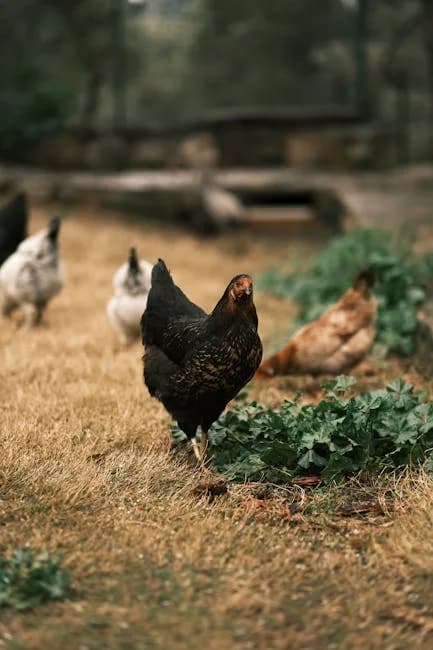
Raising Chickens in Pennsylvania: 2026 Laws & Best Breeds
Your complete guide to raising chickens in Pennsylvania. Covers city laws for Pittsburgh, Philadelphia, and more, plus cold-hardy breeds and winter care tips.
Researched from university extension, USDA, and veterinary sources. How we research.
Pennsylvania is one of the most chicken-friendly states on the East Coast, at least once you get outside Philadelphia. There's no statewide ban or blanket permission for backyard chickens. Each city, borough, and township sets its own rules, so your neighbor one town over might have completely different regulations than you do. The good news: most of Pennsylvania, especially its rural and suburban areas, allows small backyard flocks. Here's everything you need to know.
What You'll Learn
- •Are Backyard Chickens Legal in Pennsylvania?
- •Pennsylvania Chicken Laws by Major City
- •Best Chicken Breeds for Pennsylvania's Climate
- •Winter Care Tips for Pennsylvania Flocks
- •Common Predators in Pennsylvania
- •Can You Sell Eggs in Pennsylvania?
- •Where to Buy Chicks in Pennsylvania
- •FAQ
Are Backyard Chickens Legal in Pennsylvania?
Pennsylvania has no statewide law that bans or explicitly permits backyard chickens. Regulation happens at the municipal level, meaning each city, borough, township, and county sets its own zoning ordinances for keeping poultry in residential areas.
The state's strong agricultural roots work in your favor. Pennsylvania is home to over 50,000 farms and ranks in the top 10 nationally for egg production. Rural and agricultural-zoned properties typically have few or no restrictions on keeping chickens. Suburban and urban areas are more of a mixed bag, with some cities welcoming backyard hens and others banning them outright.
Before buying chicks, you'll need to check three things: your municipal zoning code, any HOA or deed restrictions on your property, and whether your locality requires a permit or registration. Pennsylvania also requires compliance with the state's Clean Streams Law, which means you need to manage manure properly to prevent nutrient runoff into waterways, even with a small backyard flock.
One important note: Pennsylvania's "Right to Farm" law (Act 133) protects agricultural operations from nuisance lawsuits, but this primarily applies to commercial farming operations, not small residential flocks. Don't assume it shields you from local zoning violations.
Pennsylvania Chicken Laws by Major City
Important: City and county ordinances change frequently. The information below was researched in March 2026 but may not reflect the latest rules. Always verify with your local zoning or code enforcement office before starting a flock. Links to official sources are provided where available.
Philadelphia, Philadelphia Code §10-100 (Animals)
- •Backyard chickens are prohibited in most residential areas of Philadelphia
- •A 2004 ordinance (Bill No. 040566) classified chickens as "farm animals" and banned them from residential zones
- •Exceptions exist for properties over 3 acres, industrial districts, schools, zoos, and research facilities
- •Bills to legalize backyard hens were introduced in 2019 and 2022 but neither passed as of early 2026
- •Advocates continue pushing for legalization; contact your City Council representative if you support the effort
Pittsburgh, Zoning Code §912.07.B (Urban Agriculture)
- •Up to 5 chickens allowed on lots of 2,000 square feet or more
- •1 additional chicken permitted for each additional 1,000 square feet of lot area
- •Roosters are not permitted
- •Zoning certificate required from the Zoning Division
- •Feed must be stored in rodent-proof containers
- •Fowl may not run at large (Ordinance §635.02)
Bethlehem, Bill No. 16-2022 (Chicken Ordinance)
- •Up to 6 hens allowed with a permit from the Animal Control Officer
- •Roosters are not permitted
- •Ordinance passed in 2022 as a pilot program for residential properties
- •Contact Bethlehem's Animal Control for current permit requirements and fees
Scranton, Code of the City of Scranton (Domestic Fowl provisions)
- •Chickens, ducks, geese, and other domestic fowl are allowed
- •On lots under 20,000 square feet, a maximum of 2 hens is permitted
- •Fowl must be confined or housed at least 15 feet from any neighboring dwelling
- •The Director of Public Health has authority to enforce removal of fowl that violate setback requirements
Harrisburg
- •Backyard chickens are allowed; zoning ordinances apply based on your district
- •Roosters are not permitted in residential areas
- •Contact Harrisburg's Bureau of Codes Enforcement at (717) 255-3151 for current requirements specific to your zoning district
Erie, Erie City Code, Animals (§505.07)
- •The city code prohibits keeping farm animals or livestock within city limits
- •Recent discussions have considered allowing limited backyard chickens, but as of early 2026 the ban remains in effect
- •Contact Erie's Zoning Office for the latest status
Lancaster City
- •Backyard chickens are not currently permitted in Lancaster City proper
- •The city has denied past efforts to legalize hens, citing lot size constraints
- •Surrounding Lancaster County townships (outside city limits) have their own ordinances, and many in this agricultural region do allow chickens; check with your township zoning office
Other areas: Pennsylvania has over 2,500 municipalities, each with their own zoning codes. If your city isn't listed above, search for your municipality on eCode360 or the Municode Library, or call your local zoning office directly.
Best Chicken Breeds for Pennsylvania's Climate
Pennsylvania's climate varies significantly from east to west. The southeastern counties around Philadelphia have milder winters, while the northwestern areas near Erie and the Allegheny Plateau can see heavy lake-effect snow and extended stretches below zero. Anywhere in the state, you need breeds that handle cold well.
Here are six breeds that thrive in Pennsylvania:
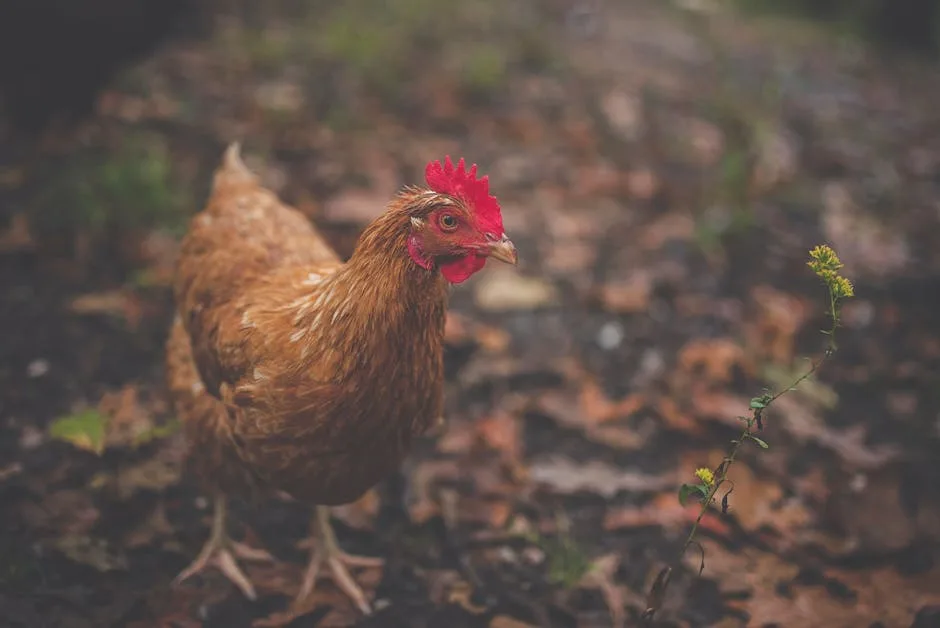
Rhode Island Red, The workhorse of backyard flocks everywhere, and for good reason. They'll lay 250 to 300 brown eggs per year and barely slow down in cold weather. Their tight, dense plumage insulates well, and their temperament makes them easy for beginners to manage.
Wyandotte, A fantastic choice for Pennsylvania's winters. Their rose combs are significantly less prone to frostbite than single combs, which matters when temperatures drop into the teens and single digits. The Silver Laced and Golden Laced varieties are beautiful birds that lay about 200 eggs per year.
Plymouth Rock, Developed in New England for exactly this kind of climate. Friendly, cold-hardy, and consistent layers of around 200 large brown eggs per year. They're calm enough for families with kids and tough enough for Pennsylvania winters.
Buff Orpington, Their dense, fluffy feathering acts like a down jacket. They're one of the friendliest breeds you'll find, which makes them a popular first chicken. Expect 200 to 280 eggs per year, with some slowdown during the coldest months.
Brahma, These gentle giants are built for cold weather. Their pea combs resist frostbite, feathered legs and feet provide extra insulation, and they continue laying through winter better than most breeds. They're also calm and docile despite their large size.
Australorp, Record-setting egg layers that handle cold weather well. You'll get 250+ eggs per year from a healthy Australorp, and they adapt well to being confined during stretches of bad weather. Their black plumage absorbs sunlight on winter days, which helps them stay warm.
Breeds to be cautious with in Pennsylvania: Mediterranean breeds like Leghorns have large single combs that are vulnerable to frostbite. They can work in southeastern PA with some extra care, but they're risky choices for the colder western and northern regions without careful comb management (petroleum jelly on cold nights).
Winter Care Tips for Pennsylvania Flocks
Pennsylvania winters are serious business, especially in the western mountains and northern tier counties. Even the milder southeastern areas see weeks of below-freezing temperatures. Here's how to keep your flock healthy from November through March.
Ventilation Over Insulation
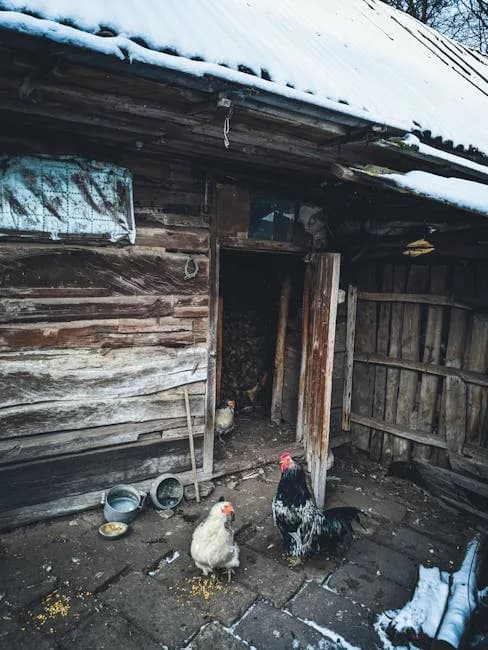
This is the most common mistake Pennsylvania chicken keepers make: sealing up the coop too tightly. Moisture from droppings and breathing causes frostbite far more than cold air does. Your coop needs ventilation openings near the roofline where warm, moist air rises. Keep those openings above roost level so cold drafts don't blow directly on your birds.
The deep litter method is ideal for Pennsylvania winters. Layer pine shavings or straw 6 to 12 inches deep and let the composting action generate gentle warmth from below. Turn it occasionally and add fresh material on top throughout the season.
Prevent Frozen Water
Frozen waterers are a daily reality from December through February across most of the state. Heated waterer bases or heated waterers are worth the investment. Check our best chicken feeders and waterers guide for recommended options. Without a heated setup, plan on swapping water multiple times a day.
Supplemental Lighting
Pennsylvania gets about 9 to 10 hours of daylight in December, well below the 14 to 16 hours chickens need for consistent egg production. A timer-controlled LED bulb in the coop, set to turn on before dawn, can keep hens laying through the dark months. Add light in the morning rather than the evening so your birds can roost naturally at dusk.
Frostbite Prevention
Watch for pale, swollen, or blackened combs and wattles, particularly after nights that dip below 10°F. Apply petroleum jelly to combs and wattles before cold snaps. Use wide, flat roosts (2x4 lumber with the flat side up) so chickens can cover their toes with body feathers while sleeping.
Snow and Ice Management
Clear paths from the coop to the run after snowfall. Many chickens refuse to walk on snow, which means they'll stay cooped up and get bored. Laying down straw or hay over snowy ground can encourage them to venture out. Keep them active with hanging treats, scattered scratch grains, and an indoor dust bath to reduce stress and pecking.
Common Predators in Pennsylvania
Pennsylvania's mix of farmland, forests, and suburbs means your flock faces threats from both wild and domestic predators.
Hawks and owls are the primary aerial predators. Red-tailed hawks are abundant across the state and will target free-ranging chickens during the day. Great horned owls are active at dusk and dawn. Covered runs or overhead netting are your best defense. See our chicken run fencing guide for options.
Raccoons are common throughout Pennsylvania. They're clever enough to open simple latches, and they'll reach through chicken wire to grab birds. Use hardware cloth (1/2-inch openings) instead of chicken wire, and secure doors with carabiner clips or two-step latches.
Foxes are widespread in both rural and suburban areas. Red foxes are the most common species and will dig under fences. Bury hardware cloth 12 inches deep around your run or extend an apron of wire mesh outward from the fence base.
Black bears are a genuine concern in the Pocono Mountains, northern tier, and western Pennsylvania. Bears will destroy coops to get at feed and chickens. Store feed in bear-proof containers and consider electric fencing if you're in bear country. The Pennsylvania Game Commission reports bear populations expanding into more suburban areas.
Weasels and minks can squeeze through gaps as small as 1 inch. They kill multiple birds in a single attack. Hardware cloth with 1/2-inch openings on every opening, including ventilation holes, is essential.
For a complete protection strategy, read our guide to protecting your flock from predators.
Can You Sell Eggs in Pennsylvania?
Yes, you can sell eggs in Pennsylvania, but the state has specific regulations you need to follow.
The Pennsylvania Department of Agriculture oversees egg sales under the Egg Refrigeration Law. Here's what small-flock owners need to know:
- •Egg sales license: All egg sellers in Pennsylvania need a valid license from the Pennsylvania Department of Agriculture
- •Small producer exemption: If you have fewer than 3,000 laying hens, sell eggs within 5 days of lay, and sell predominantly within 100 miles of your production facility, simplified regulations apply
- •Labeling: Eggs must be labeled with the producer's name and address, the date of lay, and the quantity. If not graded, they must be marked "unclassified"
- •Refrigeration: Eggs must be kept refrigerated at or below 45°F (7°C) at all times after washing
- •Direct sales: Selling directly to consumers at your farm, roadside stand, or local farmers' market is the simplest approach
Contact the Pennsylvania Department of Agriculture's Bureau of Food Safety at (717) 787-4315 for specific questions about licensing and compliance.
Where to Buy Chicks in Pennsylvania
Pennsylvania has no shortage of options for sourcing your first flock:
Tractor Supply and local feed stores, Stores across the state carry chicks in spring, typically from late February through May. It's the easiest way to buy small numbers and get hands-on advice. Call ahead to check breed availability.
Moyer's Chicks (Quakertown, PA), A Pennsylvania-based hatchery that's been operating since 1946. They specialize in commercial and backyard breeds and ship day-old chicks. Being in-state means shorter shipping times for PA customers.
Mail-order hatcheries, Meyer Hatchery, Cackle Hatchery, and Murray McMurray all ship day-old chicks to Pennsylvania addresses. Most have minimum orders of 3 to 6 chicks for small shipments. Order in late winter for spring delivery.
Local breeders and swaps, Check Craigslist, Facebook Marketplace, and Pennsylvania-specific poultry groups on Facebook. The Pennsylvania Poultry Federation is a good resource for connecting with local breeders.
Penn State Extension, Pennsylvania State University's extension service offers poultry workshops and resources. Some county offices coordinate group chick orders at reduced prices in spring.
If you're new to chickens, our raising chicks week-by-week guide covers everything from setting up a brooder to their first time outside.
FAQ
Can you have chickens in Philadelphia?
No, backyard chickens have been banned in most residential areas of Philadelphia since 2004 under City Code §10-100. Chickens are classified as "farm animals" and prohibited unless you're on a property of 3+ acres, in an industrial district, or at a school, zoo, or research facility. Legalization bills were introduced in 2019 and 2022 but neither passed. Advocates are hopeful for a future bill.
How many chickens can you have in Pittsburgh?
Pittsburgh allows up to 5 chickens on lots of 2,000 square feet or more under Zoning Code §912.07.B. You can keep 1 additional chicken for each additional 1,000 square feet of lot area. Roosters are not permitted, and you need a zoning certificate. Feed must be stored in rodent-proof containers.
Do you need a permit to keep chickens in Pennsylvania?
It depends on your municipality. Pittsburgh requires a zoning certificate. Bethlehem requires a permit from Animal Control. Scranton allows chickens under its health code provisions without a specific permit process, though setback rules apply. Many rural townships have no permit requirement at all. Always check with your local zoning office.
What's the best chicken breed for Pennsylvania?
Wyandottes and Rhode Island Reds are the top picks for most of Pennsylvania. Both handle cold winters well, lay consistently, and are easy to manage. For the colder northwestern and mountain areas, Brahmas are an excellent choice thanks to their pea combs and feathered feet that resist frostbite.
Can you sell backyard chicken eggs in Pennsylvania?
Yes, but you need an egg sales license from the Pennsylvania Department of Agriculture. Small producers with fewer than 3,000 hens who sell within 5 days of lay and within 100 miles of production qualify for simplified regulations. Eggs must be labeled with your name, address, date of lay, and quantity. All eggs must be refrigerated at or below 45°F.
Picking a coop for Pennsylvania? The breed you choose matters, but so does the coop. Our best chicken coops on Amazon roundup covers picks across flock sizes and price ranges, with notes on which models hold up best in different climates.
Raising Chickens in Other States
If you're moving, considering a different state, or just curious how the rules compare, browse our other state guides:
Northeast: Connecticut, Delaware, Maine, Maryland, Massachusetts, New Hampshire, New Jersey, New York, Rhode Island, Vermont
Southeast: Alabama, Florida, Georgia, Kentucky, Louisiana, Mississippi, North Carolina, South Carolina, Tennessee, Virginia, West Virginia
Midwest: Illinois, Indiana, Iowa, Kansas, Michigan, Minnesota, Missouri, Nebraska, North Dakota, Ohio, South Dakota, Wisconsin
South & Southwest: Arizona, Arkansas, New Mexico, Oklahoma, Texas
Mountain & West: Alaska, California, Colorado, Hawaii, Idaho, Montana, Nevada, Oregon, Utah, Washington, Wyoming
Related Guides
Raising Chickens in Alaska: 2026 Laws & Best Breeds
Raising chickens in Alaska: laws for Anchorage, Fairbanks, Juneau, plus extreme cold-hardy breeds and sub-arctic care tips.
State GuidesRaising Chickens in Delaware: 2026 Laws & Best Breeds
Raising chickens in Delaware: laws for Wilmington, Dover, Newark, plus best breeds and tips for the First State's climate.
State GuidesRaising Chickens in Idaho: 2026 Laws & Best Breeds
Raising chickens in Idaho: laws for Boise, Meridian, Nampa, plus cold-hardy breeds and tips for the state's varied climate.
State GuidesRaising Chickens in Kansas: 2026 Laws & Best Breeds
Raising chickens in Kansas: laws for Wichita, Overland Park, Topeka, plus hardy breeds and storm-ready coop tips for the Sunflower State.