Best Chicken Feeders and Waterers (2026 Reviews)
Top-rated chicken feeders and waterers for backyard flocks. Hanging, treadle, and nipple styles compared, with pros, cons, and pricing for every budget.
Researched from university extension, USDA, and veterinary sources. How we research.
The right chicken feeder and waterer can save you hours of work every week and keep your flock healthier at the same time. The wrong ones? You'll be dealing with moldy feed, dirty water, and constant refills.
Our top feeder pick: RentACoop 25lb Hanging Feeder. BPA-free, 4 large ports, adjustable stand, works for flocks up to 12 birds. Around $70.
Our top waterer pick: RentACoop Nipple Waterer Kit. Clean water every time, fits any 5-gallon bucket, and costs under $20.
We've researched dozens of feeders and waterers, read through hundreds of forum threads and keeper reports, and compared what real backyard chicken keepers recommend. Here's what actually works.
Quick Answer: Best Feeders and Waterers
| Need | Pick | Price |
|---|---|---|
| Best overall feeder | RentACoop 25lb Hanging | ~$70 |
| Stop feeding rats/mice | Grandpa's Treadle Feeder | ~$220 |
| Cheapest solid feeder | FARM-TUFF 25lb Galvanized | ~$58 |
| Best overall waterer | RentACoop Nipple Kit | ~$18 |
| Best for winter | Farm Innovators Heated 3gal | ~$48 |
| Zero-setup gravity | FARM-TUFF Double Wall 5gal | ~$58 |
What You'll Learn
- •How We Picked
- •Types of Chicken Feeders (and Which to Choose)
- •Best Chicken Feeders for Backyard Flocks
- •Types of Chicken Waterers
- •Best Chicken Waterers for Backyard Flocks
- •How to Pick the Right Size for Your Flock
- •What Feeders and Waterers Really Cost
- •Common Feeder and Waterer Mistakes
- •Frequently Asked Questions
How We Picked
We keep chickens ourselves, so this list comes from daily use and from what the wider community reports over years, not a quick spec scan. We prioritized three things: feed and water cleanliness (the whole point of good gear is less waste and fewer disease problems), durability in an outdoor setting, and value at each price tier so there's a real pick whether you have $20 or $150 to spend.
We also confirmed every product link below is currently in stock and points to the exact item described. Gear listings change often, so a "best of" list is only useful if the links actually work. Where a product we used to recommend went out of stock, we swapped in the closest in-stock equivalent and said so.
No paid placements, no free units in exchange for ranking. These are the feeders and waterers we'd buy with our own money.
Types of Chicken Feeders (and Which to Choose)
Not all feeders are created equal. Here's a quick breakdown of the main styles you'll run into:
Hanging tube feeders are the most popular choice for backyard flocks. They hang from the coop ceiling or a hook, which keeps them off the ground and away from bedding. Most hold 10 to 25 pounds of feed. They're affordable, easy to fill, and work well for flocks of 4 to 12 birds.
Treadle feeders are the premium option. They have a pedal that chickens step on to open the lid. This keeps mice, rats, sparrows, and rain out of your feed. They cost more upfront ($80 to $200+), but they'll save you money on wasted feed over time. Grandpa's Feeders is the most well-known brand, and for good reason.
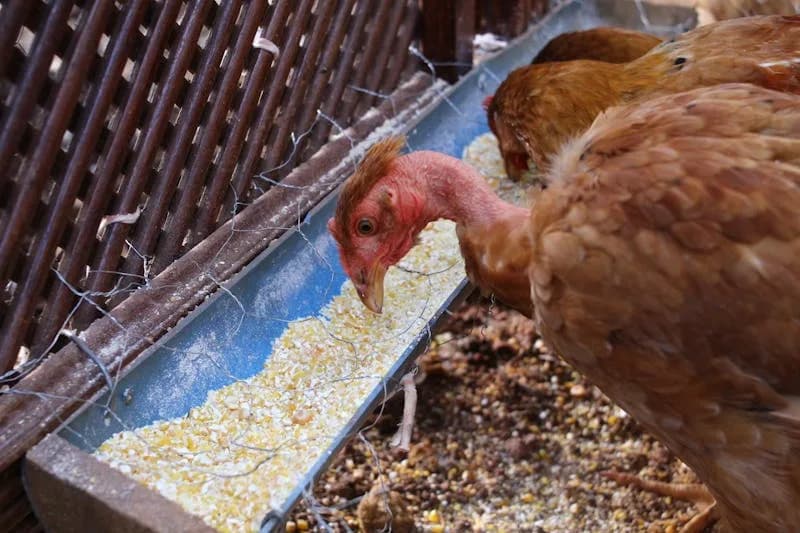
Trough feeders are long, open containers that sit on the ground. They're cheap and work fine for chicks, but adult birds will scratch feed everywhere. Not ideal for a permanent setup.
PVC pipe feeders are a popular DIY option. You can build one for under $15, and they hold a lot of feed. The downside is they can clog if feed gets damp, and they're harder to clean than commercial options.
For most backyard flocks, a hanging tube feeder is the sweet spot. If you've got rodent problems or want to go hands-off, step up to a treadle feeder.
Best Chicken Feeders for Backyard Flocks
Feeders at a Glance
| Feeder | Capacity | Material | Pest-proof | Price | Best For |
|---|---|---|---|---|---|
| RentACoop Hanging | 25 lb | BPA-free plastic | Anti-roost cone | ~$70 | Best overall |
| Grandpa's Treadle | 20 lb | Galvanized steel | Yes (treadle) | ~$220 | Pest control |
| FARM-TUFF | 25 lb | Galvanized steel | No | ~$58 | Budget |
1. RentACoop 25lb Hanging Chicken Feeder: Best Overall
RentACoop 25lb Hanging Feeder. Around $70
This is the feeder that comes up over and over again in chicken-keeping communities, and it's earned that reputation. It holds 25 pounds of feed, has four large feeding ports, and comes with an adjustable stand so you can set the height to match your birds.
Why it works: The center-placement ports and anti-roost design keep birds from perching and fouling the feed, and the port shape lets chickens eat comfortably without flinging feed everywhere. It'll handle a flock of 6 to 12 birds easily, and the BPA-free build holds up outdoors.
One thing to know: Set the height so the ports sit at the level of your birds' backs. Too low and they'll bill feed onto the ground. (RentACoop revised this feeder from 20lb to 25lb, so you get a bit more capacity than older guides mention.)
2. Grandpa's Automatic Chicken Feeder: Best for Pest Control
Grandpa's Feeders Automatic Feeder. Around $220 (20 lb)
If rats, mice, or wild birds are raiding your feed, this is the answer. Grandpa's has been making treadle feeders for over 20 years, and they're built like tanks. Galvanized steel construction, a lid that keeps rain out, and a weighted step plate that only opens when a chicken (not a sparrow) steps on it.
Why it works: The 20-pound size feeds up to 6 birds for about 10 days, and a larger 40-pound model handles bigger flocks. You'll train your flock to use it in about a week. Most chickens figure it out in a day or two.
One thing to know: It's a bigger investment upfront. But if you're losing $10 to $20 a month in feed to pests, it pays for itself within a year.
3. FARM-TUFF 25lb Galvanized Hanging Feeder: Budget Pick
FARM-TUFF 25lb Galvanized Hanging Feeder. Around $58
This is the no-frills option that gets the job done. It's galvanized steel rather than plastic, holds 25 pounds, and hangs from a hook or rafter so the birds cannot scratch bedding into it. At around $58, it's hard to beat for keepers who want durable metal without paying treadle-feeder prices.
Why it works: Galvanized steel lasts far longer than plastic and shrugs off chewing rodents. Simple, cheap, and built to last. A good starter feeder, and plenty of keepers never feel the need to upgrade.
One thing to know: It has no pest-proofing, so don't leave it out overnight if you have a rodent problem. Bring it in at dusk or pair it with a treadle feeder for nighttime.
Types of Chicken Waterers
Clean water matters even more than clean feed. A chicken drinks about a pint of water per day (more in summer), and dirty water spreads disease fast. Here are your options:
Nipple waterers are the gold standard for clean water. Small metal or plastic nipples attach to a bucket or PVC pipe, and chickens peck at them to get a drink. The water stays sealed inside the container, so it never gets dirty. This is what most experienced chicken keepers recommend.
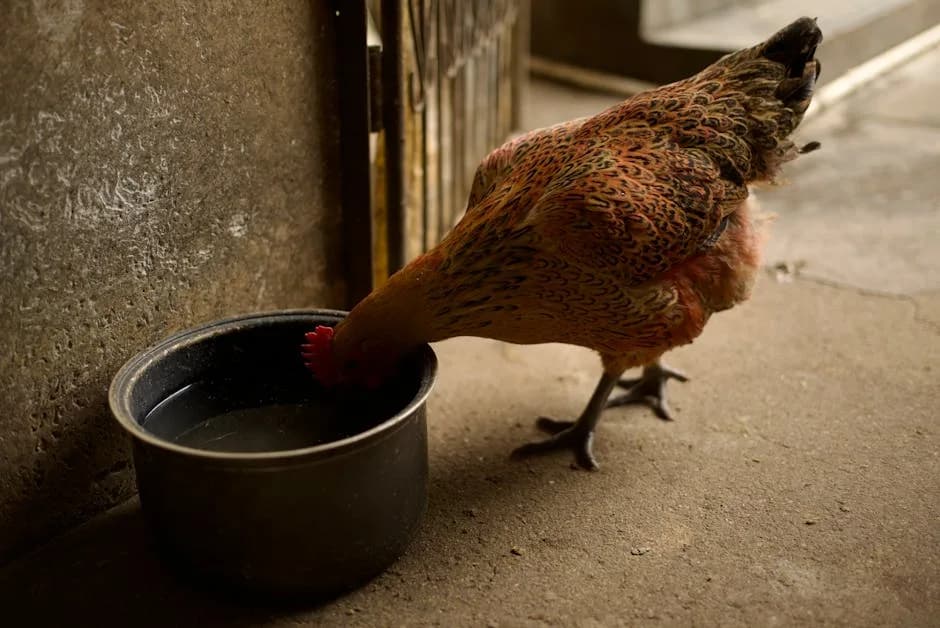
Cup waterers work similarly but fill a small cup when the chicken pecks a trigger. They're a good middle ground between nipple and open waterers. Slightly more water waste than nipples, but easier for some birds to learn.
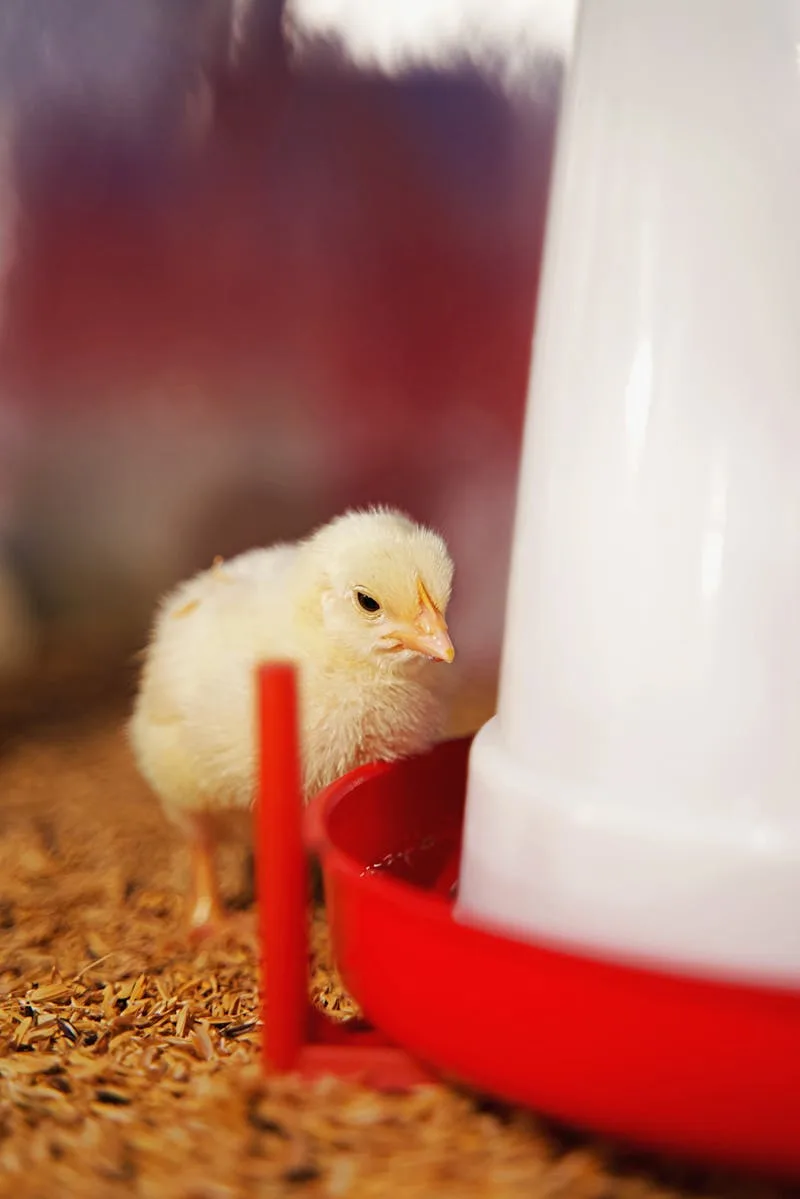
Bell and gravity waterers are the traditional red-and-white plastic waterers you see everywhere. Water fills a trough around the base as the birds drink. They're cheap and easy, but the open water gets dirty fast. You'll be scrubbing green algae out of them every few days in warm weather.
Heated waterers are essential if you live somewhere with freezing winters. They keep water from turning into a block of ice. You can get heated bases that work with your existing gravity waterer, or buy an all-in-one heated unit.
For most flocks, nipple waterers are the way to go. They're cheap, stay clean, and save you the daily chore of dumping and refilling dirty water.
Best Chicken Waterers for Backyard Flocks
Waterers at a Glance
| Waterer | Type | Capacity | Stays clean | Price | Best For |
|---|---|---|---|---|---|
| RentACoop Nipple Kit | Nipple (DIY) | Any bucket | Excellent | ~$18 | Best overall |
| Farm Innovators Heated | Heated gravity | 3 gal | Moderate | ~$48 | Winter |
| FARM-TUFF Double Wall | Gravity | 5 gal | Moderate | ~$58 | Zero-setup capacity |
1. RentACoop Nipple Waterer Kit: Best Overall
RentACoop DIY Nipple Waterer Kit. Around $18
This kit comes with horizontal-style poultry nipples, a dribble dish to catch drips, a drill bit sized to fit, and an installation tool. Drill them into any 5-gallon bucket or food-grade container, and you've got a clean waterer that lasts for years.
Why it works: Horizontal nipples are easier for chickens to use than vertical ones, and they rarely leak when installed correctly. The dribble dish catches the occasional drop so your bedding stays dry. One 5-gallon bucket with 3 to 4 nipples will water 10 to 12 birds for several days.
Why keepers love it: This is the most-recommended waterer setup in the backyard chicken community by a wide margin. The kit includes everything you need, and the nipples don't leak like some cheaper alternatives. The current kit is a generous multi-pack, so you'll have spares for a second bucket.
2. Farm Innovators Heated Poultry Waterer (3 Gallon): Best for Winter
Farm Innovators Heated Waterer. Around $48
If you're in a climate where temperatures drop below freezing, you need a heated waterer. This 3-gallon hanging unit has a built-in thermostat that kicks on automatically in cold weather, drawing about 100 watts only when it needs to. It holds enough water for 6 to 10 birds.
Why it works: No more trudging out to the coop with warm water every morning. No more cracking ice out of frozen waterers. It just works.
One thing to know: You'll need an outdoor-rated extension cord or a power source in your coop. If you'd rather keep your existing setup, a heated base is a cheaper way to add freeze protection.
3. FARM-TUFF Double Wall Poultry Waterer (5 Gallon): Best Zero-Setup Capacity
FARM-TUFF Double Wall 5-Gallon Waterer. Around $58
If you want a large gravity waterer that works right out of the box with no drilling or assembly, this double-wall 5-gallon drinker is the durable choice. It holds enough for a week with a small flock and the double-wall build resists dents and UV better than the cheap single-wall founts.
Why it works: Zero learning curve. Fill it, flip it, set it down, and your chickens drink from it immediately. The wide capacity means fewer refills.
One thing to know: It costs more than a basic plastic fount, and like any open waterer it needs cleaning every 2 to 3 days in warm weather to keep algae down. Elevating it on a cinder block helps keep bedding and dirt out. If clean water with the least effort is your goal, the nipple kit above beats any gravity waterer.
How to Pick the Right Size for Your Flock
Here's a rough guide for sizing your feeders and waterers:
Feeders:
- •3 to 6 chickens: 10 to 15 lb feeder
- •6 to 12 chickens: 20 to 25 lb feeder
- •12+ chickens: 40 lb feeder or two smaller ones
Waterers:
- •3 to 6 chickens: 3 gallon waterer or a 5-gallon bucket with 2 to 3 nipples
- •6 to 12 chickens: 5 gallon waterer or bucket with 4 nipples
- •12+ chickens: Two 5-gallon waterers, placed in different spots
Pro tip: It's always better to go slightly bigger than you think you need. Running out of water on a hot summer day is a real risk, and dehydration can kill a chicken faster than almost anything else.
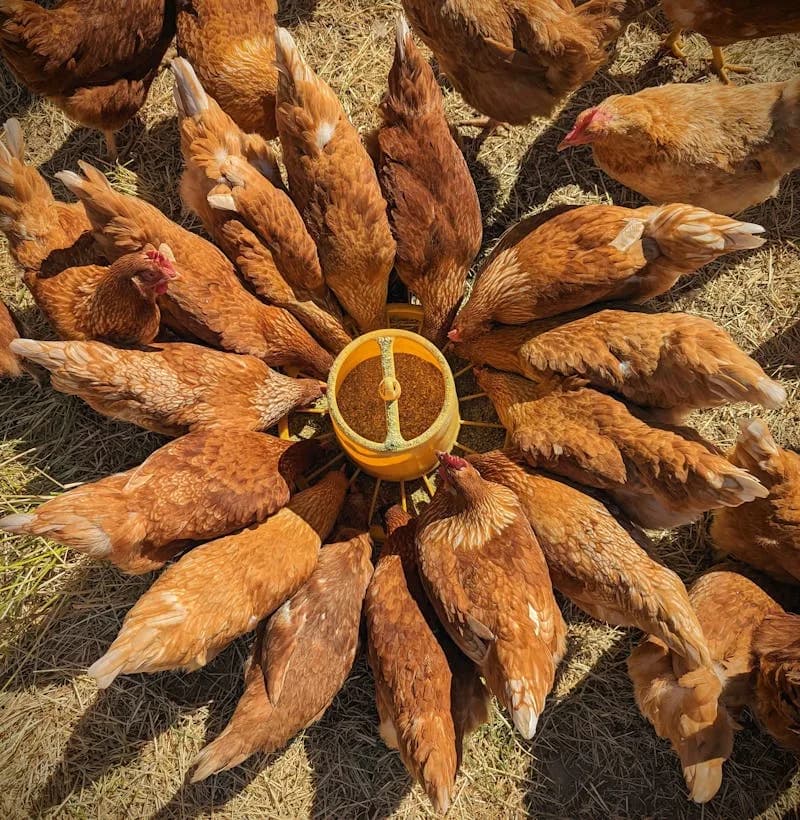
Also consider having at least two water stations if your flock is bigger than 6 birds. Chickens have a pecking order, and lower-ranking birds sometimes get bullied away from a single water source.
What Feeders and Waterers Really Cost
You don't need to spend a fortune to set up feeding and watering right. Here's what a realistic starter kit and an upgraded kit look like:
| Item | Starter setup | Upgraded setup |
|---|---|---|
| Feeder | FARM-TUFF 25lb (~$58) | Grandpa's Treadle (~$220) |
| Waterer | RentACoop nipple kit + bucket (~$25) | Farm Innovators heated (~$48) |
| Winter add-on | Skip until needed | De-icer base (~$35) |
| Realistic total | ~$50 | ~$210 |
For most new keepers, about $50 covers a durable feeder and a clean nipple waterer that will last years. The bigger spend on a treadle feeder pays back fast if you're feeding rodents, and the heated gear is only worth it if your winters drop below freezing. Buy the basics first, then upgrade the piece that's actually causing you grief, whether that's wasted feed or frozen water.
Common Feeder and Waterer Mistakes
Putting feeders and waterers on the ground. Chickens scratch constantly. Ground-level feeders fill up with bedding, dirt, and droppings within hours. Hang feeders at back height and improve waterers on a block or platform.
Using open waterers in summer without cleaning them. Warm water plus sunlight equals algae in 48 hours. Either switch to nipple waterers or commit to cleaning your gravity waterer every other day.
Keeping feed in the coop overnight. Unless you're using a treadle feeder, an open feeder in the coop is an invitation for mice and rats. Either remove it at night or invest in a rodent-proof option.
Not providing enough water stations. One waterer for 15 birds creates bottlenecks. Bullied birds at the bottom of the pecking order may not drink enough, which affects egg production and health.
Forgetting about winter. Water freezes. If you live anywhere that drops below 32°F, you need a plan. A heated waterer or a heated base (around $50) is a worthwhile investment. Add a little poultry-safe probiotics and electrolytes to the water during heat waves and cold snaps to help birds cope with the stress.
If you're still setting up your coop, check out our guide to the best chicken coops on Amazon to make sure you've got the right home for your flock, and our coop camera guide if you want to keep an eye on the feeders remotely. And if you're not sure what to put in those feeders, our complete feeding guide breaks down exactly what chickens need at every age.
Frequently Asked Questions
How often should you clean chicken feeders and waterers?
Clean waterers every 2 to 3 days in warm weather and weekly in cooler months. Feeders need a thorough scrub every 2 to 4 weeks. Nipple waterers need less frequent cleaning since the water stays sealed, but you should still swap the water in the bucket weekly.
What type of chicken waterer is best?
Nipple waterers are the best option for most backyard flocks. They keep water clean, prevent algae buildup, and reduce the spread of bacteria. They're cheap to set up (under $20 for a DIY bucket system) and practically eliminate daily water-cleaning chores.
What is the best chicken feeder?
For most flocks, a hanging tube feeder like the RentACoop 25lb is the best all-around choice: durable, easy to fill, and sized right for 6 to 12 birds. If rodents are stealing your feed, step up to a treadle feeder like Grandpa's, which only opens when a chicken stands on the pedal. On a tight budget, the galvanized Little Giant does the job for around $25.
How do I stop wild birds and rats from eating my chicken feed?
Use a treadle feeder. The weighted pedal stays closed until a full-grown chicken steps on it, so sparrows, mice, and rats can't reach the feed. Also avoid leaving any open feeder out overnight, store bulk feed in a metal bin with a tight lid, and clean up spilled feed around the coop.
Can chickens learn to use a treadle feeder?
Yes, most chickens figure out treadle feeders within 3 to 7 days. Start by propping the lid open so they can see the feed inside. Gradually lower the prop over several days until they're stepping on the pedal themselves. Younger birds tend to learn faster than older hens.
Should I keep food and water inside or outside the coop?
Keep water available both inside and outside during the day. Feed is best kept outside in a covered run area to discourage rodents from entering the coop at night. If you free range during the day, make sure there's water accessible in the yard too.
How much water does a chicken drink per day?
An average chicken drinks about 1 pint (500ml) of water per day in moderate weather. In summer heat, that can double to a full pint and a half. A 5-gallon bucket will last a flock of 10 birds about 3 to 4 days in normal conditions.
How do I keep my chickens' water from freezing in winter?
The simplest fix is a heated waterer with a built-in thermostat, like the Farm Innovators 3-gallon unit, which only powers on when temperatures drop. If you already own a gravity waterer, a heated base accomplishes the same thing for less money. Both need an outdoor-rated extension cord run to the coop.
Are plastic or metal chicken feeders better?
Metal (galvanized steel) feeders last longer, resist chewing rodents, and hold up better outdoors, which is why treadle feeders and the FARM-TUFF are steel. Good BPA-free plastic feeders like the RentACoop are lighter, easier to carry, and still last years if kept out of direct sun. For most keepers either works; choose metal if rodents or longevity are your top concern.
How many feeders and waterers do I need?
Plan on one feeder per 6 to 10 birds and at least two water stations once your flock passes 6 birds. Multiple stations stop dominant hens from blocking lower-ranking birds, which keeps everyone eating and drinking enough. Spread them out so a bullied bird always has somewhere else to go.
Do baby chicks need different feeders and waterers?
Yes. Chicks need shallow, low feeders and waterers they can't drown in, often a small mason-jar style waterer with a narrow trough. Switch to full-size hanging feeders and nipple waterers once the birds move out to the coop. Our week-by-week chick guide covers brooder gear in detail.
Your feeders and waterers are gear you'll use every single day, so it's worth getting this right from the start. For more help getting your flock off the ground, check out our beginner's guide to raising backyard chickens or our week-by-week chick raising guide if you're starting with baby chicks.
Sources:
- •University of Kentucky Cooperative Extension. Small Flock Poultry housing. https://poultry.extension.org/
- •University of Missouri Extension. Small flock housing recommendations. https://extension.missouri.edu/publications/g8351
- •Penn State Extension. Poultry housing and equipment. https://extension.psu.edu/animals/poultry
Product prices and availability are accurate as of the date shown and are subject to change. Any price and availability information displayed on Amazon at the time of purchase will apply to the purchase of this product.
Related Guides
Best Chicken Coop Bedding and Litter (2026 Reviews)
The best chicken coop bedding for 2026. Pine shavings, hemp, aspen, and odor-control litter compared, with pros, cons, and pricing for every flock and budget.
Gear ReviewsBest Heated Chicken Waterers for Winter (2026)
Nine heated chicken waterers, bases, and de-icers checked in stock for winter 2026, with the wattage, freeze rating, and flock size each one handles.
Gear ReviewsBest Chicken Tractors and Mobile Coops (2026 Reviews)
Seven chicken tractors and mobile coops checked in stock in 2026, from a $135 wheeled starter to the Omlet Eglu Cube, plus wheel kits for the coop you own.
Gear ReviewsBest Chicken Nesting Box Pads (2026 Reviews)
The best nesting box pads and liners for chickens. Excelsior, hemp, washable pads, and herb blends compared for clean eggs and easy cleanup.