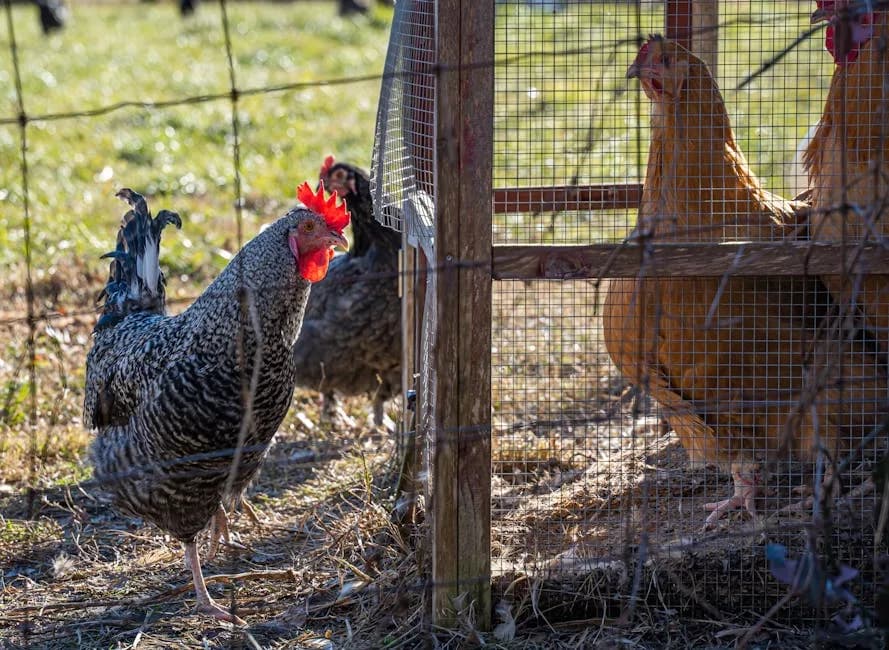
Complete Beginner's Guide to Raising Backyard Chickens
Everything you need to know before getting your first flock. Covers laws, coops, breeds, feeding, health, and what to expect in your first year.
Researched from university extension, USDA, and veterinary sources. How we research.
Complete Beginner's Guide to Raising Backyard Chickens
So you want to raise chickens. Maybe you're tired of paying $7 for a dozen eggs. Maybe your kids have been begging for them. Maybe you just saw your neighbor's flock wandering around and thought, "that looks pretty nice." Whatever your reason, you're in the right place.
Raising backyard chickens is one of those things that sounds way more complicated than it actually is. Yes, there's a learning curve. But if you can keep a dog alive, you can keep chickens alive. They're honestly less work than most pets.
This guide covers everything you need to get started, from checking your local laws to collecting your first egg. No prior experience needed.
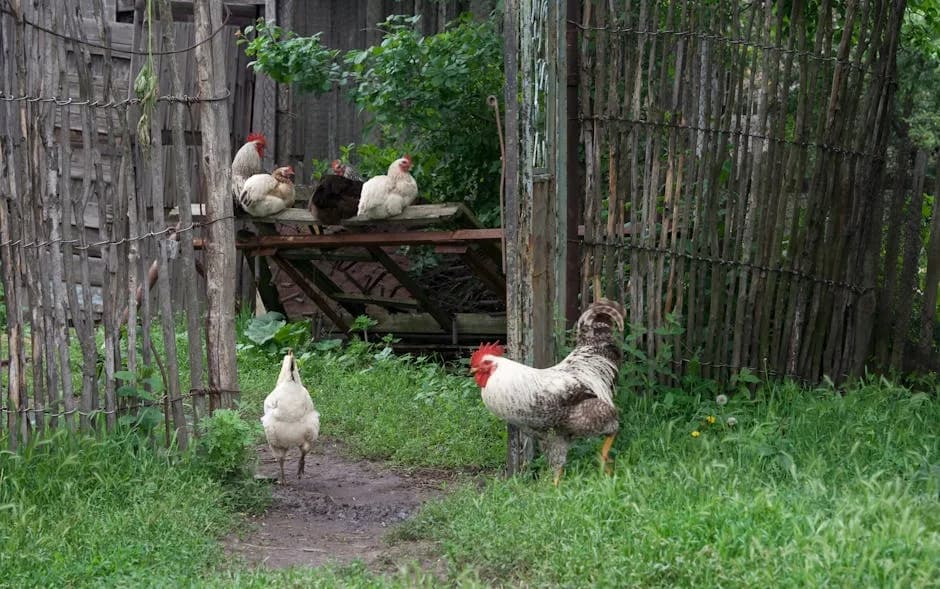
Check Your Local Laws First
Before you do anything else, look up your city or county ordinances around keeping poultry. This is the step most people skip, and it can cause real problems later.
Here's what to look for:
- •Are hens allowed? Most suburban and urban areas allow hens. Some do not. Check before you fall in love with the idea.
- •How many? Many cities cap it at 4 to 6 hens. Some allow more. Rural areas often have no limit.
- •Are roosters allowed? Usually no, at least in town. Roosters crow. A lot. Your neighbors won't appreciate it.
- •Setback requirements. Some places say your coop must be a certain distance from the property line or your neighbor's house. Common setbacks are 10 to 25 feet.
- •Permits. A few cities require you to get a permit or register your flock. It's usually cheap and quick.
Your city's website is the best place to start. Search for "poultry ordinance" or "backyard chickens" plus your city name. If you can't find it online, call your local zoning office. They deal with these questions all the time.
If chickens aren't allowed in your area, don't give up just yet. Many cities have updated their ordinances in recent years to allow small flocks. You might be able to petition for a change or request a variance.
How Much Space Do Chickens Need?
Chickens need more space than most beginners think, but less than you might fear. Here's the general rule of thumb, based on recommendations from the University of Kentucky Cooperative Extension Service:
- •Inside the coop: 4 square feet per bird (minimum)
- •In the run (outdoor area): 10 square feet per bird (minimum)
- •Free range: As much as you can give them
So if you want 4 chickens, plan for a coop that's at least 16 square feet inside (a 4x4 foot coop works) with a run that's at least 40 square feet.
More space is always better. Crowded chickens get stressed, pick at each other, and are more likely to get sick. If you can give them extra room, do it.
A few other space considerations:
- •Nesting boxes: One nesting box for every 3 to 4 hens. They will share. A 12x12x12 inch box works for most breeds.
- •Roosting bars: Each bird needs about 8 to 10 inches of roosting space. Place roosts higher than the nesting boxes so they sleep on the roosts instead of in the boxes. See our best chicken roosting bars and perches guide for ready-made options and sizing.
- •Ventilation: This is huge. Your coop needs airflow near the top to let moisture and ammonia escape, but no direct drafts on the birds at roost level. Poor ventilation is the number one coop mistake beginners make.
Picking Your First Breeds
Not all chickens are the same. Some lay an egg almost every day. Some barely lay at all. Some are friendly enough to sit in your lap. Others want nothing to do with you.
For your first flock, stick with breeds that are:
- •Hardy (tolerant of both heat and cold)
- •Good egg layers (200+ eggs per year)
- •Friendly and calm
- •Easy to find at local feed stores
Not sure where to get them? Our guide on where to buy chickens compares hatcheries, feed stores, and local breeders.
Here are five great starter breeds:
Rhode Island Red. The workhorse of backyard flocks. Lays 250 to 300 brown eggs per year. Hardy in all climates. Friendly but independent. You'll find these at just about any feed store.
Buff Orpington. Big, fluffy, and gentle. Often called the "golden retriever" of chickens. Lays about 200 to 280 light brown eggs per year. Great with kids. They do go broody sometimes (meaning they want to sit on eggs and hatch them), which can pause egg production.
Plymouth Rock (Barred Rock). Another solid all-around breed. Lays 200 to 280 brown eggs per year. Calm personality. Handles cold weather well. The black-and-white barred pattern makes them easy to spot.
Australorp. An Australian breed that holds the world record for egg laying (364 eggs in 365 days, set back in the 1920s). Modern Australorps lay about 250 eggs per year. Quiet and docile.
Easter Egger. Technically not a breed but a hybrid that carries the blue egg gene. Lays about 200 to 280 eggs per year in shades of blue, green, or pink. Fun if you want colorful eggs. Friendly and curious.
Start with 3 to 6 birds. Chickens are social animals and need at least 2 companions, but 3 or more is better. Starting with one breed keeps things simple, but mixing breeds works fine too.
You can read our full breakdown in 10 Best Chicken Breeds for Beginners.

Setting Up Your Coop
Your coop is the most important purchase (or build) you'll make. It needs to keep your birds safe from predators, dry in rain, cool in summer, and warm enough in winter.
Buying vs. Building
Buying a pre-made coop is the fastest way to get started. Amazon and farm supply stores sell coops ranging from $150 to $800+. The cheaper ones are fine for 2 to 4 birds but often need some modifications (better latches, hardware cloth instead of chicken wire).
Building your own saves money if you already have tools and basic carpentry skills. Plenty of free plans are available online. A basic coop for 4 hens can be built for $100 to $300 in materials.
See our Best Chicken Coops on Amazon guide for specific recommendations.
Must-Have Coop Features
No matter what coop you choose, make sure it has:
- •A solid floor or predator-proof base. Raccoons, foxes, and rats will try to dig in. A wooden floor raised off the ground, or hardware cloth buried 12 inches around the perimeter, keeps them out.
- •Hardware cloth (not chicken wire) on all openings. Chicken wire keeps chickens in, but it doesn't keep predators out. A raccoon can reach right through it. Use 1/2-inch hardware cloth instead.
- •A door you can lock at night. Raccoons can open simple latches. Use a carabiner or two-step latch.
- •Nesting boxes. One box per 3 to 4 hens, with a lip on the front to hold in bedding.
- •Roosting bars. 2x4 lumber with the wide side up works great. Place them higher than the nesting boxes.
- •Ventilation openings near the roofline. Covered with hardware cloth. You want air moving through the coop without drafts hitting the birds directly.
- •Easy access for cleaning. A big door or removable wall panel makes cleaning much easier. You'll thank yourself later.
What Do Chickens Eat?
Feeding chickens is simpler than feeding a dog. Here's the basic breakdown:
Chicks (0 to 8 weeks)
Feed them chick starter (also called starter feed). It has about 20% protein, which growing chicks need. Keep it available at all times in a chick feeder. They also need clean water, always.
Pullets (8 to 18 weeks)
Switch to grower feed with about 16 to 18% protein. Some brands sell a combined "starter/grower" feed that works for 0 to 18 weeks.
Laying Hens (18+ weeks)
Switch to layer feed when they start laying eggs (or around 18 weeks). Layer feed has about 16% protein plus added calcium (around 3.5 to 4%) for strong eggshells.
Treats and Supplements
Chickens love treats, but keep them to 10% or less of total diet. Good treats include:
- •Kitchen scraps (vegetable peels, fruit, cooked rice, bread)
- •Mealworms (they go crazy for these)
- •Scratch grains (cracked corn, wheat)
- •Fresh greens from the garden
Things chickens should NOT eat: avocado (toxic), raw potatoes (toxic), chocolate, caffeine, dried beans (raw), very salty or sugary foods.
Grit: Chickens don't have teeth. They swallow small rocks and store them in their gizzard to grind up food. If your birds free-range, they find grit naturally. If they're in a run, provide a dish of poultry grit.
Oyster shell: Keep a dish of crushed oyster shell available for laying hens. They will eat it when they need extra calcium. Don't mix it into the feed because not all birds need the same amount.
Water: More Important Than Food
Chickens drink a surprising amount of water. A laying hen drinks about a pint of water per day, and more in hot weather.
Keep water clean and available at all times. Dirty water leads to disease. Change it at least once a day, more often in summer.
In winter, you'll need a way to keep water from freezing. A heated waterer base or a heated dog bowl works well. Check it every morning either way.
Daily, Weekly, and Monthly Chores
Here's what actually takes up your time:
Daily (5 to 10 minutes)
- •Collect eggs (once or twice a day)
- •Check food and water, refill as needed
- •Quick visual check: are all birds active and eating?
- •Lock them in the coop at dusk, let them out at dawn (or use an automatic coop door)
Weekly (20 to 30 minutes)
- •Scoop out dirty bedding from the coop and nesting boxes
- •Add fresh bedding as needed
- •Scrub and refill waterers
- •Check for any damage to the coop or run
Monthly (1 to 2 hours)
- •Deep clean the coop: remove all bedding, scrub surfaces with a vinegar solution, add fresh bedding
- •Check birds for mites or lice (look around the vent area and under wings)
- •Inspect the coop for holes, loose boards, or signs of predator attempts

Predators: The Biggest Threat
Predators are the number one cause of chicken loss for backyard keepers. Common predators include:
- •Raccoons (the most common coop raider, surprisingly strong and smart)
- •Hawks (attack during the day in the run or while free-ranging)
- •Foxes (can dig under fences)
- •Dogs (including your own or your neighbor's)
- •Rats and mice (steal eggs and feed, can harm chicks)
- •Opossums (eat eggs, occasionally kill chickens)
Prevention is everything:
- •Use hardware cloth, not chicken wire
- •Bury hardware cloth or install an apron around the run perimeter
- •Lock the coop at night (every night, no exceptions)
- •Cover the top of the run with netting or hardware cloth if hawks are a problem
- •Remove feed at night to avoid attracting rodents
Common Health Issues
Healthy chickens are active, bright-eyed, and eating well. Watch for these warning signs:
- •Lethargy or staying away from the flock. Something is wrong.
- •Pale comb. Could be anemia from mites or internal parasites.
- •Runny nose or wheezing. Respiratory infection. Isolate the bird and consult a vet.
- •Soft or thin eggshells. Usually a calcium deficiency. Make sure oyster shell is available.
- •Feather loss outside of molting season. Could be mites, bullying, or nutritional issues.
Keep a small first aid kit on hand: Vetericyn spray for wounds, poultry electrolytes for heat stress, and a pet carrier for isolating sick birds. Our guide to the best chicken probiotics and electrolytes explains when those supplements actually help and when plain water is the better call. The Merck Veterinary Manual (available free online) is a solid reference for poultry health.
Find an avian vet in your area before you need one. Not all vets treat chickens, and you don't want to be searching for one in an emergency.
What to Expect in Your First Year
Here's a rough timeline of what your first year looks like:
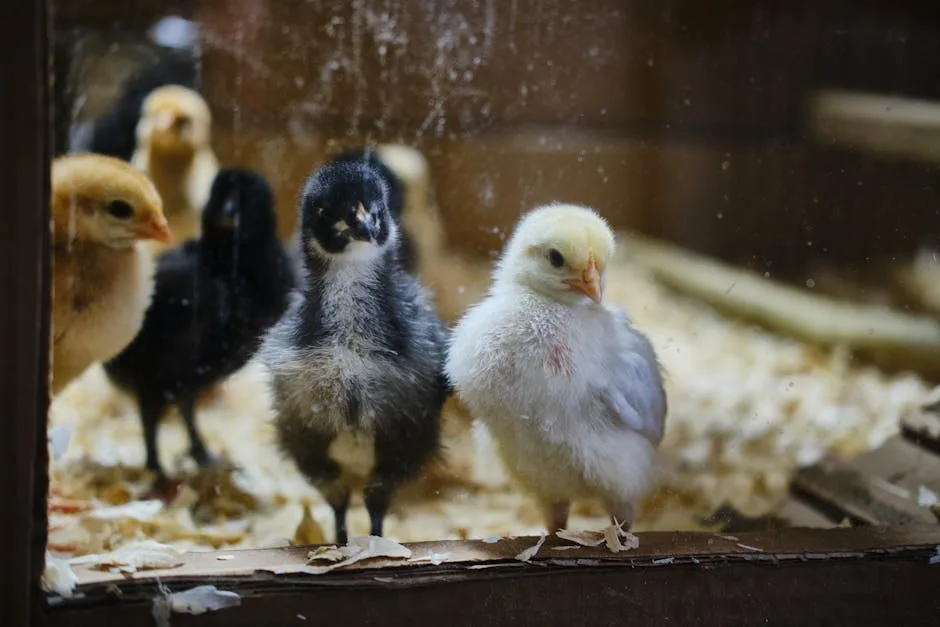
Weeks 1 to 6 (if starting with chicks): Keep them in a brooder indoors with a heat lamp. Temperature starts at 95°F and drops 5 degrees per week. This is the messiest phase. They grow fast.
Weeks 6 to 8: Move them to the coop (if nighttime temps are above 50°F and they're fully feathered). They will be awkward teenagers at this point.
Weeks 8 to 18: They grow into full-size birds. No eggs yet. This is the "eating your feed and giving nothing back" phase. Be patient. It is also when each bird's personality shows up, which makes it the perfect time to pick chicken names that actually fit.
Weeks 18 to 24: First eggs! They start small (called pullet eggs) and get bigger over the next few weeks. Not every hen starts at the same time.
Months 6 to 12: Full production. Most breeds lay 4 to 6 eggs per week at peak. You'll have more eggs than you know what to do with. Start giving them to neighbors.
First fall/winter: Egg production drops when daylight hours decrease. This is normal. Some people add a light to the coop to maintain production, but letting them rest naturally is fine too. Your birds will go through their first molt (lose and regrow feathers), which looks alarming but is totally normal.

How Much Does It All Cost?
Here's a ballpark for a small flock of 4 hens:
| Item | Cost Range |
|---|---|
| Coop (pre-made) | $150 to $500 |
| Chicks (4) | $12 to $20 |
| Feeder and waterer | $20 to $40 |
| Starter feed (50 lb bag) | $15 to $25 |
| Layer feed (50 lb bag, monthly) | $15 to $25 |
| Bedding (monthly) | $5 to $10 |
| Miscellaneous (grit, oyster shell, treats) | $10 to $20 |
First year total: Roughly $300 to $700, depending on coop cost. After the first year, ongoing costs are about $20 to $40 per month for feed and bedding.
Will you save money on eggs? Honestly, probably not, at least not in the first year. But the eggs are better, the experience is worth it, and once the coop is paid for, ongoing costs are pretty low.
Quick Start Checklist
Here's your action list:
- •Check local laws and ordinances
- •Choose your coop location (level ground, some shade, good drainage)
- •Buy or build your coop and run
- •Set up feeders, waterers, nesting boxes, and bedding
- •Choose your breeds and order chicks or pullets
- •Stock up on the right feed for their age
- •Set up a brooder if starting with chicks
- •Let them settle in and enjoy the show
You're going to love it. Chickens are funny, relaxing to watch, and satisfying to care for. And once you crack that first fresh egg into a pan, you'll wonder why you didn't start sooner.
Frequently Asked Questions
Do backyard chickens smell bad?
Not if you keep their coop reasonably clean. Spot-clean droppings a couple times a week and do a full bedding swap monthly. Deep litter method also works great and actually reduces odor over time. Most backyard flocks don't produce noticeable smell beyond a few feet from the coop.
How much time per day do chickens take?
Plan on about 10 to 15 minutes daily for feeding, watering, and checking on your birds. Weekly coop cleaning adds maybe 30 minutes. It's honestly less work than walking a dog. The biggest time investment is the initial setup and learning curve.
Can I raise chickens in a small backyard?
Yes, as long as your local laws allow it. A small flock of 3 to 4 hens needs about 12 to 16 square feet of coop space and 40 to 60 square feet of run space. That fits in most suburban yards. You don't need acreage to keep chickens successfully.
Do I need a rooster for hens to lay eggs?
No. Hens lay eggs on their own without a rooster present. You only need a rooster if you want fertilized eggs for hatching chicks. Most city and suburban ordinances ban roosters anyway because of the noise, so this works out fine.
What's the biggest mistake beginners make with chickens?
Underbuilding the coop is the most common one. People buy a "6-chicken coop" that barely fits 3 birds comfortably. Build bigger than you think you need. Also, skimping on predator protection causes a lot of heartbreak. Use hardware cloth, not chicken wire.
Still deciding between chickens and another backyard bird? Our comparison of chickens vs ducks breaks down the differences for first-time keepers.
Got questions? Check out our breed guide to pick the right birds, or browse our gear reviews to find the best coops, feeders, and supplies.
Sources:
- •University of Kentucky Cooperative Extension. Small Flock Poultry. https://poultry.extension.org/
- •Penn State Extension. Backyard Poultry Resources. https://extension.psu.edu/animals/poultry
- •University of Florida IFAS. 4-H Poultry Project. https://edis.ifas.ufl.edu/
- •Cornell University Cooperative Extension. Small-flock Poultry. https://cals.cornell.edu/
Related Guides
How Many Chickens Should a Beginner Start With?
Find the right flock size for your yard, budget, and egg goals. Most beginners do best starting with 3 to 6 hens.
Beginner GuidesRaising Chickens for Meat: A Complete Beginner's Guide
Everything you need to know about raising meat chickens at home. Covers breeds, timelines, feed requirements, processing basics, and real cost breakdowns.
Beginner GuidesRooster vs Hen: How to Tell the Difference
How to tell a rooster from a hen: comb and wattle size, hackle and saddle feathers, crowing, spurs, and behavior, plus the age each clue appears.
Beginner GuidesDuck Eggs vs Chicken Eggs: Taste, Nutrition, Baking
How duck eggs compare to chicken eggs on size, taste, nutrition, and baking, plus whether raising ducks for eggs is right for your backyard.