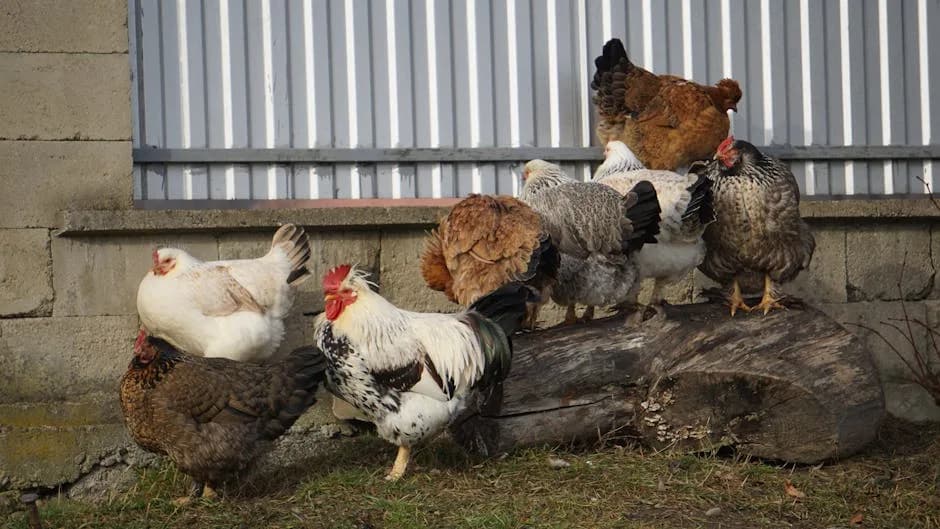
Best Chicken Breeds for Beginners (2026 Picks)
10 best chicken breeds for first-time keepers, ranked by egg production, temperament, hardiness, and ease of care. With a quick comparison table.
Researched from university extension, USDA, and veterinary sources. How we research.
Best Chicken Breeds for Beginners (2026 Picks)
Picking your first chicken breed is the single decision that most affects your first year with backyard chickens. The right breed means consistent eggs, a calm bird that doesn't bully the others, and minimal health surprises. The wrong breed means a flock that doesn't lay, gets picked on by predators, or struggles with your climate.
After comparing the breeds most-recommended by university poultry extension programs, hatchery sales data, and the backyard chicken community, ten breeds consistently rank as the best picks for first-time keepers. This guide ranks each by egg production, temperament, climate hardiness, and how easy they are to source from feed stores and hatcheries.
What You'll Learn
- •Quick comparison: all 10 breeds at a glance
- •How we picked these 10 breeds
- •1. Rhode Island Red: best overall
- •2. Buff Orpington: best for families
- •3. Plymouth Rock: best all-around
- •4. Australorp: best egg layer
- •5. Easter Egger: best for colored eggs
- •6. Speckled Sussex: best personality
- •7. Wyandotte: best for cold climates
- •8. Leghorn: best for maximum eggs
- •9. Cochin: best for pet chickens
- •10. ISA Brown: best production hybrid
- •How to choose the right breed for you
- •Common mistakes choosing your first breed
- •Where to buy beginner-friendly chicks
- •Frequently Asked Questions
Quick Comparison: All 10 Breeds at a Glance
| Breed | Eggs/yr | Egg color | Temperament | Climate | Best for |
|---|---|---|---|---|---|
| Rhode Island Red | 250-300 | Brown | Friendly, assertive | All US | Most beginners |
| Buff Orpington | 200-280 | Light brown | Docile, cuddly | Cold-hardy | Families with kids |
| Plymouth Rock | 200-280 | Brown | Calm, friendly | All US | First-time keepers |
| Australorp | 250-300 | Light brown | Quiet, gentle | Cold-hardy | High egg production |
| Easter Egger | 200-280 | Blue/green/pink | Curious, friendly | All US | Colorful eggs |
| Speckled Sussex | 200-250 | Light brown | Very friendly | All US | Personable pet birds |
| Silver Wyandotte | 200-240 | Brown | Calm, independent | Cold extreme | Northern climates |
| White Leghorn | 280-320 | White | Active, flighty | Hot-tolerant | Maximum eggs |
| Cochin | 150-180 | Brown | Gentle | Cold-hardy | Pet chickens |
| ISA Brown | 300-350 | Brown | Friendly, calm | All US | Maximum production |
Top three picks for most first-time keepers: Rhode Island Red, Buff Orpington, and Plymouth Rock. All three are widely available at feed stores, lay well, handle most climates, and have forgiving temperaments. Picking these three breeds for your first flock of 6 hens is the safest possible starting point.
How We Picked These 10 Breeds
Four factors weighted equally:
- •Egg production: Realistic annual egg counts in backyard conditions (not industrial-farm peak rates). Minimum 150 eggs/year to make the list.
- •Beginner temperament: Calm, predictable behavior. Not aggressive, not flighty, tolerates handling.
- •Climate hardiness: Cold tolerance (winter survival), heat tolerance (Southern summers), or strong adaptation to specific climates.
- •Availability: Sourced from feed stores, mainstream hatcheries, or commonly available through local breeders. Rare or specialty-only breeds excluded.
We cross-referenced rankings against University of Kentucky, University of Florida, Penn State Extension, and Cornell University poultry science publications. The 10 below are the breeds these extension programs consistently recommend for new keepers, weighted by community feedback from active backyard chicken forums.
Heritage breeds (developed over decades for specific traits) are favored over commercial-only breeds, with the exception of ISA Brown which earns inclusion for its productivity.
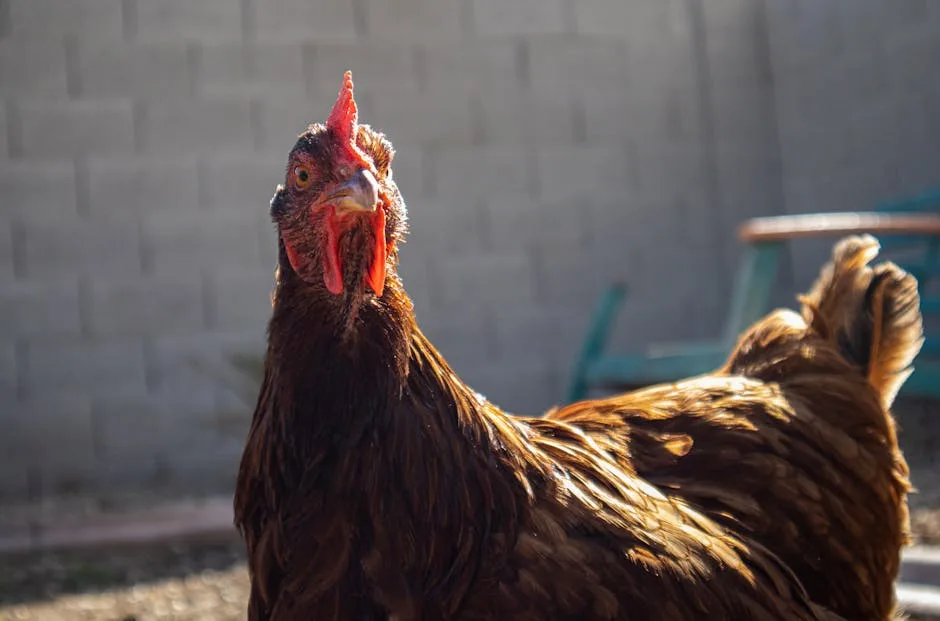
1. Rhode Island Red: Best Overall
If you could only pick one breed for a backyard flock, this would be it. Rhode Island Reds are the Toyota Camry of the chicken world: reliable, practical, and everywhere for a reason.
Egg production: 250 to 300 brown eggs per year. That's roughly 5 to 6 eggs per week at peak production. Few breeds match this consistently.
Temperament: Friendly but independent. They're not typically lap chickens, but they're curious and will follow you around the yard. Some hens can be a little bossy with other breeds, so keep that in mind if you're mixing flocks.
Hardiness: Excellent in both cold and hot climates. Their single comb can get frostbite in extreme cold, but with a dry, ventilated coop they do fine in most of the US.
Why beginners love them: Low-maintenance, excellent foragers, practically bombproof. If you forget to close the coop door one night (please don't make a habit of it), a Rhode Island Red is probably the bird that will survive.
Where to buy: Available at every Tractor Supply, Rural King, and major hatchery. $3-$5 per chick. The most widely-available breed in the US.
Lifespan: 5-8 years; productive laying typically through year 3.
For the full breed deep dive, see our Rhode Island Red complete breed guide.
| Stat | Details |
|---|---|
| Egg Production | 250-300/year |
| Egg Color | Brown |
| Size | Large (6.5-8.5 lbs) |
| Temperament | Friendly, assertive |
| Cold Hardy | Excellent |
| Heat Tolerant | Good |
| Broodiness | Low |
| Foraging | Strong |
| Beginner Rating | ★★★★★ |
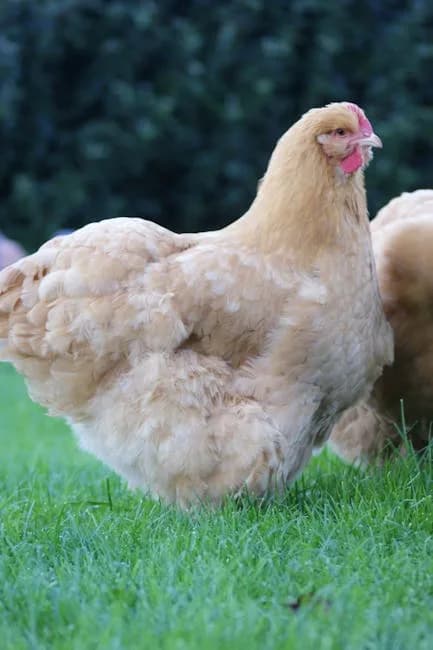
2. Buff Orpington: Best for Families
If Rhode Island Reds are the reliable sedan, Buff Orpingtons are the big fluffy teddy bear of the chicken world. Gentle, beautiful, and one of the most popular breeds for families with kids.
Egg production: 200 to 280 light brown eggs per year. Not quite as prolific as Rhode Island Reds, but still very solid.
Temperament: Calm, docile, and affectionate. These birds genuinely seem to enjoy being around people. Many Buff Orpington owners report their hens sit in their lap, tolerate being carried, and come running when they see you. One of the best breeds for children.
Hardiness: Excellent in cold weather thanks to thick, fluffy feathering. Not the best in extreme heat. In hot climates, make sure they have shade and plenty of water.
The broody factor: Buff Orpingtons go broody more than most breeds. That means they will sometimes decide to sit on a clutch of eggs and try to hatch them, even if there's no rooster and the eggs aren't fertile. When a hen goes broody, she stops laying. You can break broodiness, but it takes a few days.
Where to buy: Widely available at feed stores in spring. $3-$5 per chick. Multiple color varieties beyond classic Buff (Blue, Lavender, Black, etc.) available from specialty hatcheries at $8-$15.
Lifespan: 5-10 years; broody seasons reduce laying.
See our Buff Orpington complete breed guide for full details. If you love the temperament but want a showier bird, the Lavender Orpington is the same gentle chicken in a soft grey-blue coat.
| Stat | Details |
|---|---|
| Egg Production | 200-280/year |
| Egg Color | Light brown |
| Size | Large (7-8 lbs) |
| Temperament | Calm, docile, friendly |
| Cold Hardy | Excellent |
| Heat Tolerant | Fair |
| Broodiness | High |
| Foraging | Moderate |
| Beginner Rating | ★★★★★ |
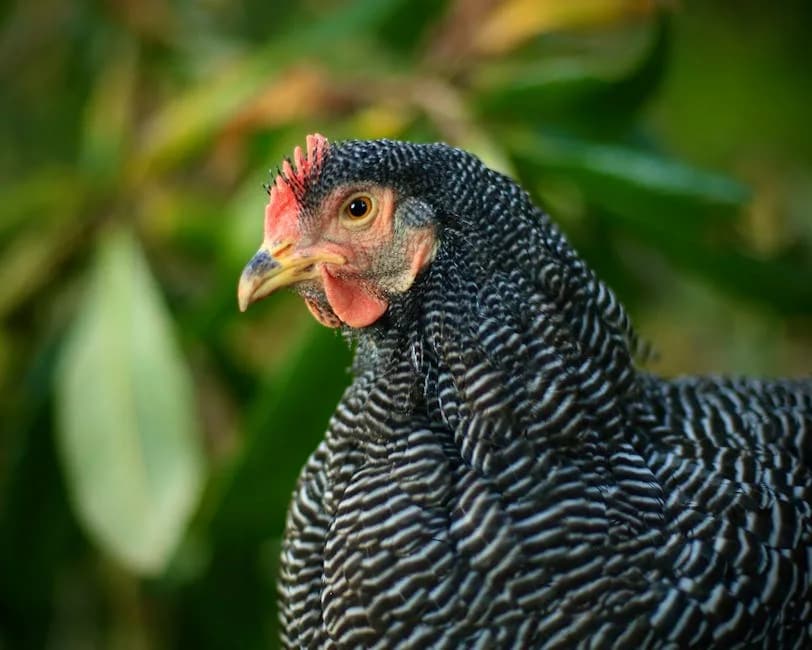
3. Plymouth Rock: Best All-Around
The Barred Rock is one of the oldest American chicken breeds and has stuck around this long because it does everything well. Good eggs, good personality, good in most climates. No real weaknesses.
Egg production: 200 to 280 brown eggs per year. Consistent layers that keep going through winter better than many breeds.
Temperament: Calm and friendly. Not quite as cuddly as Buff Orpingtons, but easy to handle and not flighty. They get along well with other breeds in mixed flocks.
Hardiness: Very cold hardy. Tight, dense feathering insulates them well. They handle heat reasonably well too, though not as well as lighter breeds.
Appearance: The classic black-and-white barred (striped) pattern makes them one of the most recognizable chickens. A beautiful bird.
Where to buy: Available at every major feed store. $3-$5 per chick. Three color variants commonly available: Barred (the classic), White, and Partridge.
Lifespan: 8-10 years; productive laying through year 4.
For more, see our Plymouth Rock complete breed guide.
| Stat | Details |
|---|---|
| Egg Production | 200-280/year |
| Egg Color | Brown |
| Size | Large (7-8 lbs) |
| Temperament | Calm, friendly |
| Cold Hardy | Excellent |
| Heat Tolerant | Good |
| Broodiness | Moderate |
| Foraging | Strong |
| Beginner Rating | ★★★★★ |
4. Australorp: Best Egg Layer
The Australorp holds the world record for egg laying: 364 eggs in 365 days, set by a hen in Australia in the 1920s. Modern Australorps aren't quite that productive, but they're still exceptional layers.
Egg production: 250 to 300 light brown eggs per year. One of the best layers on this list, and they keep laying well into year 3.
Temperament: Quiet, gentle, and a little shy at first. They warm up to people with regular handling. Once they trust you, they're very sweet birds. Their calm nature makes them a good choice for suburban backyards where noise might be an issue.
Hardiness: Great in cold weather. Their black feathering absorbs heat, which helps in winter but can make them uncomfortable in very hot summers. Provide shade in warm climates.
Why they stand out: If your main goal is eggs and you want a calm, quiet bird, Australorps are hard to beat.
Where to buy: Available at most feed stores. $3-$5 per chick. The Black Australorp is the standard; Blue and Splash variants are rarer.
Lifespan: 6-10 years; one of the longer-productive heritage layers.
See our Australorp complete breed guide for full details.
| Stat | Details |
|---|---|
| Egg Production | 250-300/year |
| Egg Color | Light brown |
| Size | Large (6.5-8 lbs) |
| Temperament | Quiet, gentle, shy |
| Cold Hardy | Excellent |
| Heat Tolerant | Fair |
| Broodiness | Low to moderate |
| Foraging | Good |
| Beginner Rating | ★★★★☆ |
5. Easter Egger: Best for Colored Eggs
Easter Eggers aren't technically a breed (they're a hybrid carrying the blue-egg gene), but they're one of the most popular backyard chickens in America for one simple reason: colorful eggs.
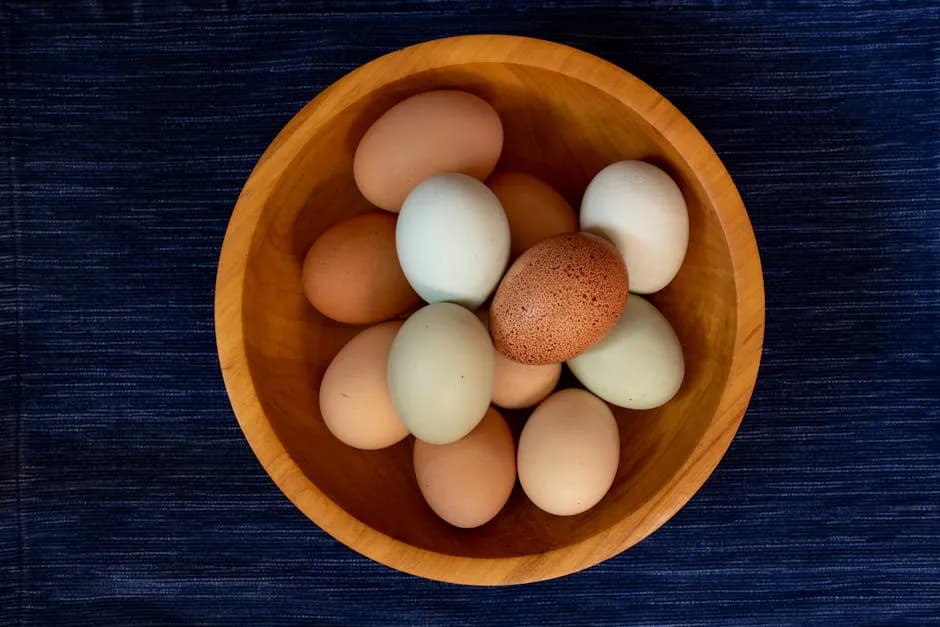
Egg production: 200 to 280 eggs per year in shades of blue, green, olive, or sometimes pink. Each hen lays one color consistently. You won't know what color you get until she starts laying around 18-24 weeks.
Temperament: Friendly, curious, and fun to watch. They tend to be active foragers with a lot of personality. Many Easter Egger owners say they're the most entertaining birds in their flock.
Hardiness: Generally hardy in both cold and warm climates. Since they're a mixed variety, individual birds can vary.
The fun factor: Kids especially love Easter Eggers because of the colorful eggs. Opening the nesting box and finding a blue or green egg never gets old.
A note on naming: Feed stores sometimes label Easter Eggers as "Ameraucanas" or "Araucanas," but true Ameraucanas are a specific breed that's harder to find and more expensive. If you're paying $3 to $5 per chick at a feed store, it's almost certainly an Easter Egger. That's totally fine. For the full breakdown, see our Easter Egger vs Ameraucana comparison.
Where to buy: Every feed store carries them in spring. $3-$5 per chick. True Ameraucanas are $10-$25 per chick from specialty breeders.
See our Easter Egger complete breed guide for more.
| Stat | Details |
|---|---|
| Egg Production | 200-280/year |
| Egg Color | Blue, green, pink (varies per hen) |
| Size | Medium-Large (5-7 lbs) |
| Temperament | Friendly, curious |
| Cold Hardy | Good |
| Heat Tolerant | Good |
| Broodiness | Low to moderate |
| Foraging | Strong |
| Beginner Rating | ★★★★★ |
6. Speckled Sussex: Best Personality
The Speckled Sussex is a gorgeous bird with a personality to match. Their mahogany feathers tipped with white and black give them a unique spotted look that gets more beautiful after each molt.
Egg production: 200 to 250 light brown eggs per year. Not the highest on this list, but very respectable.
Temperament: Friendly and curious. Sussex chickens follow you around the yard, investigate everything you're doing, and generally act like they're your assistant. One of the most personable breeds.
Hardiness: Good in cold weather. They handle heat reasonably well too. A solid all-climate bird.
Foraging ability: Speckled Sussex are outstanding foragers. If you let your birds free-range, these will cover the most ground and find the most bugs. This can lower your feed costs noticeably.
Where to buy: Available at most major hatcheries and many feed stores. $4-$7 per chick. Sometimes only available in straight-run rather than sexed pullets.
See our Sussex complete breed guide for full details.
| Stat | Details |
|---|---|
| Egg Production | 200-250/year |
| Egg Color | Light brown |
| Size | Large (7-8 lbs) |
| Temperament | Very friendly, curious |
| Cold Hardy | Good |
| Heat Tolerant | Good |
| Broodiness | Moderate |
| Foraging | Exceptional |
| Beginner Rating | ★★★★☆ |
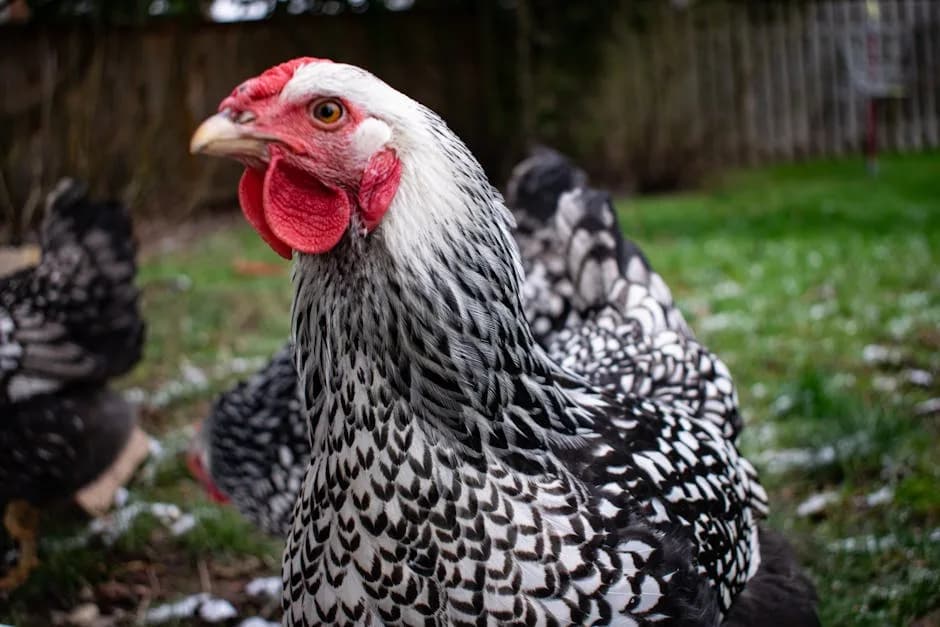
7. Wyandotte: Best for Cold Climates
Wyandottes are a dual-purpose American breed known for their beautiful laced feather pattern and rock-solid cold weather performance. If you live somewhere with harsh winters, these belong on your shortlist.
Egg production: 200 to 240 brown eggs per year. Slightly lower than some other breeds on this list, but they lay more consistently through winter than many others.
Temperament: Calm but can be aloof. Not aggressive, but not the most cuddly breed either. They tend to stick to their own group in mixed flocks.
Hardiness: Exceptional cold hardiness. Their rose comb (flat and close to the head) is much less prone to frostbite than single combs. If you live in Minnesota, Maine, or anywhere with brutal winters, Wyandottes are a top pick.
Appearance: The Silver Laced variety is stunning. Each feather is white with a black border. They also come in Gold Laced, Blue, Buff, Black, and several other patterns.
Where to buy: Available at most major hatcheries. $4-$8 per chick depending on variety. Silver Laced and Gold Laced are most common at feed stores.
See our Wyandotte complete breed guide for full details.
| Stat | Details |
|---|---|
| Egg Production | 200-240/year |
| Egg Color | Brown |
| Size | Large (6.5-8 lbs) |
| Temperament | Calm, independent |
| Cold Hardy | Exceptional |
| Heat Tolerant | Fair |
| Broodiness | Moderate |
| Foraging | Good |
| Beginner Rating | ★★★★☆ |
8. Leghorn: Best for Maximum Eggs
If pure egg production is your top priority and you don't care as much about personality, Leghorns are the answer. This is the breed commercial egg farms use, and for good reason.
Egg production: 280 to 320 white eggs per year. The highest producer on our list among heritage breeds. Some Leghorns will lay an egg almost every single day for their first two years.
Temperament: Active, flighty, and not very cuddly. Leghorns are more "wild" in personality compared to the docile breeds above. They're not mean, just nervous and busy. Not the best choice if you want a pet chicken.
Hardiness: Excellent in warm climates. Their large single comb makes them more vulnerable to frostbite in cold areas. You can apply petroleum jelly to the comb in winter to help.
Size: Leghorns are smaller than most breeds on this list (about 4.5 to 6 pounds). They eat less feed per egg produced, making them the most efficient layers.
Best for: Keepers who want maximum eggs and don't mind a more hands-off relationship with their birds.
Where to buy: Every feed store carries White Leghorns. $3-$5 per chick. Brown and Light Brown Leghorns are less common but available from specialty hatcheries.
See our Leghorn complete breed guide for full details.
| Stat | Details |
|---|---|
| Egg Production | 280-320/year |
| Egg Color | White |
| Size | Medium (4.5-6 lbs) |
| Temperament | Active, flighty |
| Cold Hardy | Fair (frostbite risk) |
| Heat Tolerant | Excellent |
| Broodiness | Very low |
| Foraging | Exceptional |
| Beginner Rating | ★★★☆☆ |
9. Cochin: Best for Pet Chickens
Cochins are the opposite of Leghorns. They're enormous, fluffy, slow-moving, and they lay... okay. People keep Cochins because they're lovable, not because they're egg machines.
Egg production: 150 to 180 brown eggs per year. Lower than most breeds on this list, but Cochins make up for it in personality.
Temperament: Calm, gentle, and friendly. Cochins are basically the Labradors of the chicken world. They tolerate handling well, rarely get aggressive, and they're perfect for families with small children.
Hardiness: Outstanding cold hardiness thanks to their heavy feathering, including feathered feet and legs. They struggle in hot, humid weather. Keep them cool in summer.
The broody factor: Cochins go broody frequently. If you want a hen that will hatch eggs for you, a Cochin is a natural incubator. If you just want eggs for breakfast, broodiness can be annoying.
Best for: Families, people who want a pet chicken, and anyone who just wants big fluffy birds wandering around the yard.
Where to buy: Available at most hatcheries and many feed stores. $5-$10 per chick. Multiple color varieties (Buff, Black, Blue, Partridge) widely available.
See our Cochin complete breed guide for full details.
| Stat | Details |
|---|---|
| Egg Production | 150-180/year |
| Egg Color | Brown |
| Size | Very Large (8-11 lbs) |
| Temperament | Calm, gentle |
| Cold Hardy | Excellent |
| Heat Tolerant | Poor |
| Broodiness | Very high |
| Foraging | Moderate |
| Beginner Rating | ★★★★☆ |
10. ISA Brown: Best Production Hybrid
ISA Browns are a commercial hybrid bred specifically for maximum egg production in backyard settings. They're not a heritage breed, but if you want eggs above all else, they deliver.
Egg production: 300 to 350 brown eggs per year. The highest production on our list. ISA Browns will lay reliably for their first 2 to 3 years, then production drops off more sharply than heritage breeds.
Temperament: Friendly, calm, and easy to handle. Most ISA Browns are quite docile and tolerate being picked up. They adapt well to confinement or free range.
Hardiness: Good in most climates. Not quite as cold hardy as some heritage breeds, but they do fine with a proper coop.
The trade-off: Because they're bred for maximum production, ISA Browns tend to have shorter productive lifespans. Heritage breeds lay fewer eggs per year but keep laying for more years.
Where to buy: Available at most feed stores and major hatcheries. $4-$7 per chick. Often labeled as "Red Sex Link" or "Cinnamon Queen" depending on the hatchery.
See our ISA Brown complete breed guide for full details.
| Stat | Details |
|---|---|
| Egg Production | 300-350/year |
| Egg Color | Brown |
| Size | Medium (5-6 lbs) |
| Temperament | Friendly, calm |
| Cold Hardy | Good |
| Heat Tolerant | Good |
| Broodiness | Very low |
| Foraging | Good |
| Productive lifespan | 2-3 years (vs 4-5 heritage) |
| Beginner Rating | ★★★★★ |
How to Choose the Right Breed for You
A decision tree based on what matters most:
Want maximum eggs? → ISA Brown (300-350), Leghorn (280-320), or Rhode Island Red (250-300).
Want a family-friendly pet chicken that also lays? → Buff Orpington (most cuddly), Cochin (gentlest), or Speckled Sussex (most interactive).
Live in a cold climate (below 0°F regularly)? → Wyandotte (rose comb, excellent), Plymouth Rock, Australorp, or Buff Orpington. Avoid single-comb breeds in extreme cold.
Live in a hot climate (90°F+ regularly)? → Naked Neck (bare neck sheds heat), Leghorn (large comb dissipates heat), Easter Egger, or Rhode Island Red. Avoid Cochins and Brahmas which can heat-stress.
Want colorful eggs? → Easter Eggers (variable blue/green/pink) or specifically Olive Eggers, Cream Legbars, or Marans for deep brown.
Want a quiet bird for suburban neighbors? → Australorp (quietest), Plymouth Rock, or Wyandotte. Avoid roosters of any breed.
Want to start with the simplest mixed flock? → Get 2 each of three different breeds: Rhode Island Red + Buff Orpington + Plymouth Rock. This combination is bulletproof for first-time keepers and gives you variety in personality and egg appearance.
Want eggs AND meat (dual-purpose)? → Plymouth Rock, Wyandotte, or Delaware. See our roundup of the best dual-purpose chicken breeds for the full list, or for dedicated meat birds see our Cornish Cross guide.
Common Mistakes Choosing Your First Breed
Six mistakes that come up repeatedly in backyard chicken forums.
1. Picking based on aesthetics alone. Silkies and Polish are gorgeous but harder for beginners (Silkies need extra care, Polish have vision issues from their crests). Pick a hardy breed first; pick pretty birds later when you're experienced.
2. Buying breeds incompatible with your climate. Cochins in Florida or Leghorns in Minnesota both create avoidable problems. Match the breed to your climate using the decision tree above.
3. Getting only one breed. Variety in personality and egg color makes chicken keeping more rewarding. 2-3 breeds in a starter flock is the sweet spot.
4. Starting with too many birds. Most cities limit hens to 6 or fewer, and 6 is plenty for a family. Beginner keepers who buy 12+ chicks often regret the management burden.
5. Underestimating the heat-sensitive breeds. Buff Orpingtons, Cochins, and Brahmas all struggle in Southern summers. If you're in Florida, Texas, or the Gulf states, lean toward Mediterranean breeds (Leghorn) and lighter heritage breeds.
6. Buying "rare" or "designer" breeds first. Save Olive Eggers, Cream Legbars, and Lavender Orpingtons for your second flock. Start with breeds that are widely available at feed stores in case you need to replace a bird or expand.
Where to Buy Beginner-Friendly Chicks
Three main sources for the breeds on this list. For the full rundown of every option, including started pullets and grown hens, see our guide on where to buy chickens.
Local feed stores (spring)
- •Tractor Supply Co.: Carries chicks February through May. All 10 breeds listed above appear seasonally. $3-$5 per chick. Walk-in availability.
- •Rural King: Similar selection, similar timing.
- •Local independent farm supply stores: Often carry chicks from regional hatcheries; may have less common varieties.
Local feed stores are the easiest source for first-time keepers because you can pick chicks in person and don't have to deal with shipping minimums. Once you have picked your birds, our list of chicken names has more than 500 ideas sorted by color, breed, and personality.
Hatcheries (year-round, shipped)
- •Murray McMurray Hatchery: Established 1917, ships to all 50 states. Large breed selection. Usually 15+ chick minimum.
- •Cackle Hatchery: NPIP certified, broad breed selection, ships nationwide. 3-bird minimum on some orders.
- •Meyer Hatchery: Good for less common breeds and color varieties. As few as 3 chicks per order.
- •Hoover's Hatchery: Often the source behind Tractor Supply chicks.
Mail-order chicks ship at 1 day old and arrive within 24-48 hours. Reliable but stressful for the chicks (loss rate 1-3% is typical).
Local breeders
For specific varieties or heritage lines, local breeders are often best. Find them through:
- •Facebook groups: Search "[your state] chickens" or "[your city] backyard chickens"
- •Craigslist farm + garden section
- •State poultry club directories
- •County 4-H extension offices
Local breeders typically charge $5-$15 per chick for standard breeds, more for show-quality or rare varieties. The advantage is breed verification, often better health, and the ability to pick the parent birds.
Started pullets (skip the brooder)
If you don't want to deal with chicks, "started pullets" are 16-20 week old hens almost at laying age. They cost $20-$40 each but skip the 4-month brooder phase entirely. Available through hatcheries (limited shipping) and local breeders.
Frequently Asked Questions
What is the easiest chicken breed for beginners?
Rhode Island Red, Buff Orpington, and Plymouth Rock are the three most-recommended beginner breeds. All are widely available at feed stores, lay 200-300 eggs per year, have calm temperaments, handle most US climates, and are bombproof in terms of basic care. A mixed flock of all three is the safest possible starting point for a new chicken keeper.
What chicken breed lays the most eggs?
ISA Brown leads with 300-350 eggs per year as a commercial hybrid. Among heritage breeds, the White Leghorn leads at 280-320 eggs per year. Rhode Island Red and Australorp both produce 250-300 eggs annually. Production hybrids like ISA Brown lay more eggs but for fewer years (2-3 vs 4-5 for heritage breeds).
What's the friendliest chicken breed for kids?
Buff Orpington is the consensus best family chicken: calm, affectionate, fluffy enough to be cuddly, and tolerant of handling. Cochins are similarly gentle and even bigger/fluffier but lay fewer eggs. Speckled Sussex are also friendly and follow people around. Skip flighty breeds like Leghorns or aloof breeds like Wyandottes if family interaction is the priority.
Can I keep just one chicken?
You shouldn't. Chickens are flock animals and get stressed and lonely when kept alone. A solo chicken can develop behavioral issues and stop laying. The minimum is two, but three or more is better. Many cities cap residential flocks at 4-6 hens, which is a good size for most backyards.
How many chickens should a beginner start with?
3 to 6 hens. This gives you enough eggs for a typical family (about 18-30 eggs per week from 6 mature layers), enough birds for a healthy social flock, and isn't overwhelming for daily care. See our how many chickens should a beginner start with guide for more detail.
Are some chicken breeds better for cold climates?
Yes. Breeds with small "rose" or "pea" combs (Wyandotte, Brahma) handle cold much better than single-comb breeds (Leghorn, Rhode Island Red) because large combs are prone to frostbite. Dense-feathered breeds (Cochin, Brahma, Buff Orpington) also retain heat better. For sub-zero climates, prioritize Wyandotte, Brahma, Plymouth Rock, or Buff Orpington.
How many breeds should I start with?
Most beginners do well starting with 2 to 3 breeds. This gives you variety in egg color and personality without making things too complicated. Pick breeds with similar temperaments so nobody gets bullied. You can always add more breeds later. Avoid mixing very calm breeds (Buff Orpington) with very flighty breeds (Leghorn) in your first flock; the calm birds get bullied.
What chicken breeds lay colored eggs?
Easter Eggers lay variable colored eggs (blue, green, olive, pink). Ameraucanas lay consistent sky-blue eggs. Olive Eggers lay olive-green eggs (cross between blue-egg and dark-brown-egg breeds). Cream Legbars lay sky-blue eggs and are autosexing at hatch. Marans lay deep chocolate-brown eggs. Welsummers lay reddish-brown. A mixed flock of these breeds produces a "rainbow basket."
How long do beginner chicken breeds live?
Heritage breeds typically live 5-10 years; productive laying generally happens through year 4-5. Production hybrids (ISA Brown) live similar overall lifespans but productive laying ends after 2-3 years. Most hens become pets in their later years even when laying decreases.
When do chickens start laying eggs?
Most breeds on this list start laying between 18-24 weeks of age. Leghorns and ISA Browns often start earliest (16-18 weeks). Heritage breeds like Cochin and some Wyandotte lines start later (24-30 weeks). The first eggs are usually small ("pullet eggs") and grow to full size over the first 2-3 months of laying.
What chicken breeds should beginners avoid?
Breeds that are typically not recommended for first-time keepers: Silkies (require extra care due to crest and inability to fly), Polish (large crest blocks vision; vulnerable to bullying), Game breeds like Old English Game (aggressive temperament), Bantam-only ornamentals (lower egg production), and rare imported breeds (hard to source replacements). Stick to the 10 breeds in this guide for your first flock.
Can I mix breeds in the same flock?
Yes, with some care. Most of the breeds on this list mix well together. Avoid mixing calm breeds (Cochin, Buff Orpington) with very flighty breeds (Leghorn) since the calm birds can get picked on. Introducing new birds to an established flock requires gradual integration. See our how to introduce new chickens to your flock guide and can you mix chicken breeds deep dive.
Do I need a rooster for hens to lay eggs?
No. Hens lay eggs on their own without a rooster. You only need a rooster if you want fertilized eggs for hatching chicks. Most cities and HOAs ban roosters because of the noise, so the no-rooster default works for most backyard keepers. See our do you need a rooster guide for the full pros and cons.
You really can't go wrong with any breed on this list. They're all beginner-friendly for a reason. Pick the two or three that sound most exciting to you, and don't overthink it.
Your first flock is a learning experience no matter what breed you choose. And once you get hooked (and you will), you'll probably end up trying other breeds anyway. That's how it works. Nobody stops at their first flock.
Ready to set up the rest of your operation? Check out our best chicken coops on Amazon buyer's guide, our how big should my chicken coop be sizing guide, or head back to the complete beginner's guide to raising backyard chickens for the full walkthrough.
Sources:
- •University of Kentucky Cooperative Extension Service, Small Flock Poultry. https://poultry.extension.org/
- •Penn State Extension, Backyard Poultry Programs. https://extension.psu.edu/
- •University of Florida IFAS, 4-H Poultry Project. https://edis.ifas.ufl.edu/
- •Cornell University Cooperative Extension, Small-Flock Poultry. https://cals.cornell.edu/
- •The Livestock Conservancy, Heritage Chicken Breeds. https://livestockconservancy.org/
Related Guides
Crested Chicken Breeds: Types, Care, and Crest Facts
Crested chicken breeds like Polish and Silkie wear feathery pom-poms. Learn the types, why they grow crests, and how to keep them healthy.
BreedsDual-Purpose Chicken Breeds: 10 Best for Eggs & Meat
Dual-purpose chicken breeds give you steady eggs and a meaty carcass from one flock. Compare the 10 best breeds by egg count, weight, and temperament.
BreedsBantam Chickens: Breeds, Care, and Egg Facts
Bantam chickens are mini breeds for small yards. Learn the popular types, how they differ from standard hens, egg laying, and care basics.
BreedsBest Egg Laying Chickens: 11 Breeds Ranked by Eggs Per Year
The best egg laying chickens ranked by yearly output from registry and hatchery figures: ISA Brown, Leghorn, sex links, Rhode Island Red, Australorp, and more.