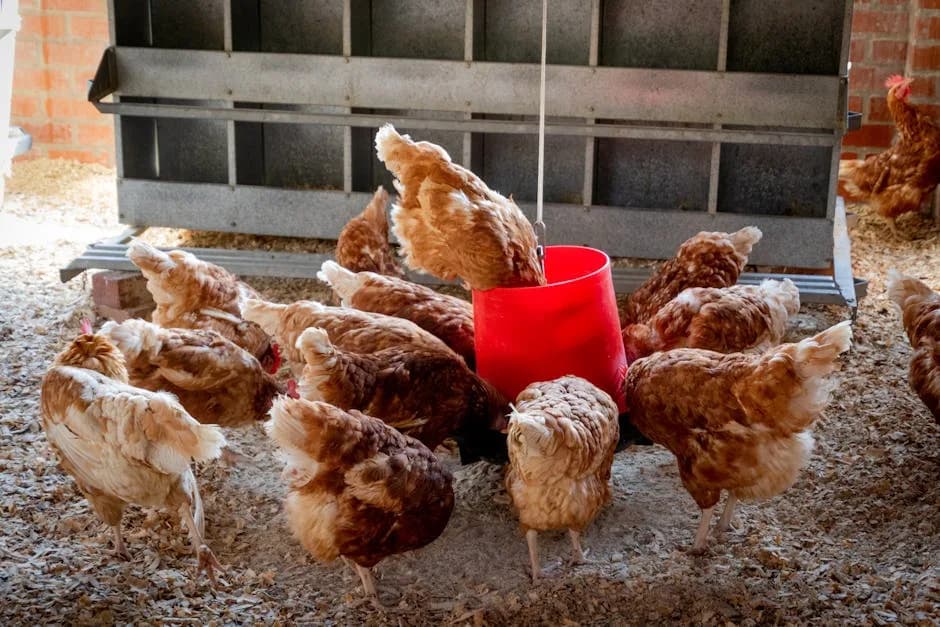
What Do Chickens Eat? Complete Feeding Guide
A practical guide to feeding backyard chickens at every age, from chick starter to layer feed, treats, supplements, and foods to avoid.
Researched from university extension, USDA, and veterinary sources. How we research.
What Do Chickens Eat? A Complete Feeding Guide
If you're new to keeping chickens, feeding them might seem confusing at first. Walk into a farm store and you'll see a wall of different feeds: starter, grower, layer, crumble, pellet, medicated, organic. Then someone on Reddit tells you they just throw their chickens table scraps and call it a day.
So what is the right answer? It depends on the age of your birds, what you're trying to accomplish, and how much effort you want to put in. But the basics are simpler than you might think.
This guide breaks it all down: what to feed at every stage, how much they need, what treats are safe, what supplements matter, and what foods can actually hurt your flock.
The Golden Rule: Commercial Feed is Your Foundation
Here's the thing most experienced chicken keepers agree on: a quality commercial feed should make up 90% of your flock's diet. These feeds are formulated by poultry nutritionists to provide the exact balance of protein, carbohydrates, fats, vitamins, and minerals your birds need.
According to Oregon State University Extension, manufactured feeds are "considered a complete diet, providing all of the nutrients required by chickens." In most cases, you'll not need to add supplemental nutrients if you're using a quality commercial feed as your base.
That doesn't mean treats and scraps are off limits. It just means they're extras, not the main course.
Feeding by Age: What to Use When
Chickens have different nutritional needs at different life stages. Using the wrong feed at the wrong time can hurt egg production or even cause health problems down the road.
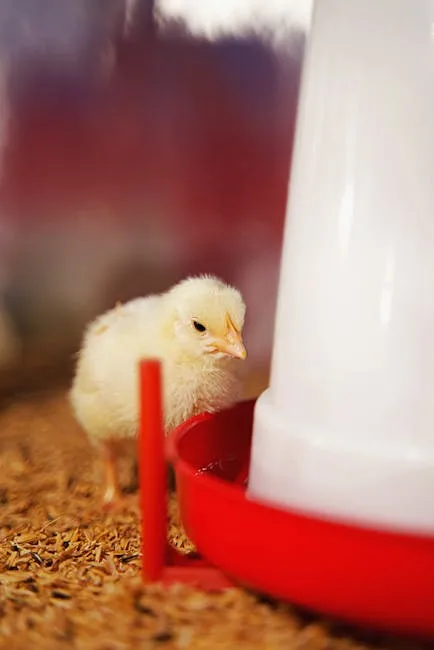
Chick Starter (Hatch to 6 Weeks)
Baby chicks need a high-protein starter feed to support their rapid growth. Starter feeds typically contain 18 to 20% protein. For a full breakdown of protein levels, medicated vs unmedicated, and how much a chick eats, see our chicken starter feed guide.
Key points:
- •Use chick starter crumble (not pellets, which are too big for tiny beaks)
- •Medicated starter contains amprolium, which helps prevent coccidiosis. If your chicks were vaccinated for coccidiosis at the hatchery, use unmedicated starter instead, since amprolium can interfere with the vaccine
- •Keep feed available at all times. Chicks eat small amounts frequently throughout the day
- •Don't use meat-bird (broiler) starter for layer chicks. Broiler starter has higher protein (22%+) designed for fast weight gain, which isn't what you want for future egg layers
Pro tip: Chicks need grit if they're eating anything besides their crumble. Sprinkle a little chick-sized grit in their brooder once a week.
Grower Feed (6 to 18 Weeks)
Once your chicks hit about six weeks old, switch to a grower or developer feed. These contain less protein (about 15 to 16%) and are designed to sustain steady, healthy growth without pushing birds to mature too fast.
According to Oregon State University Extension, grower and developer feeds are "virtually interchangeable; either one can be fed to chickens between six weeks of age and the beginning of egg production."
Key points:
- •Lower protein than starter, which is intentional. You want steady growth, not rapid growth
- •No extra calcium at this stage. Too much calcium before laying age can damage developing kidneys
- •Continue providing grit if birds are eating anything beyond their feed
Layer Feed (18+ Weeks)
When your pullets start laying (usually around 18 to 20 weeks), switch to a layer feed. This is the feed they will eat for the rest of their productive lives.
Layer feeds contain about 16 to 18% crude protein and, critically, extra calcium (3 to 4%) for strong eggshells. The Alabama Cooperative Extension System recommends around 18% crude protein for laying hens to maintain good egg production.
Key points:
- •Available in pellet or crumble form. Pellets tend to waste less food since birds can't pick through them as easily
- •Switch to layer feed when you see the first egg, or at 18 weeks, whichever comes first
- •Never feed layer feed to chicks or growing pullets. The high calcium content can cause kidney damage in young birds
What About Mixed-Age Flocks?
If you keep birds of different ages together, feeding gets a little tricky. You can't give layer feed to young birds, but your layers need that extra calcium.
The simplest solution: feed everyone an all-flock or grower feed (16% protein, low calcium), and provide oyster shell in a separate dish. Laying hens will eat the oyster shell when they need it. The younger birds will mostly ignore it.
How Much Do Chickens Eat?
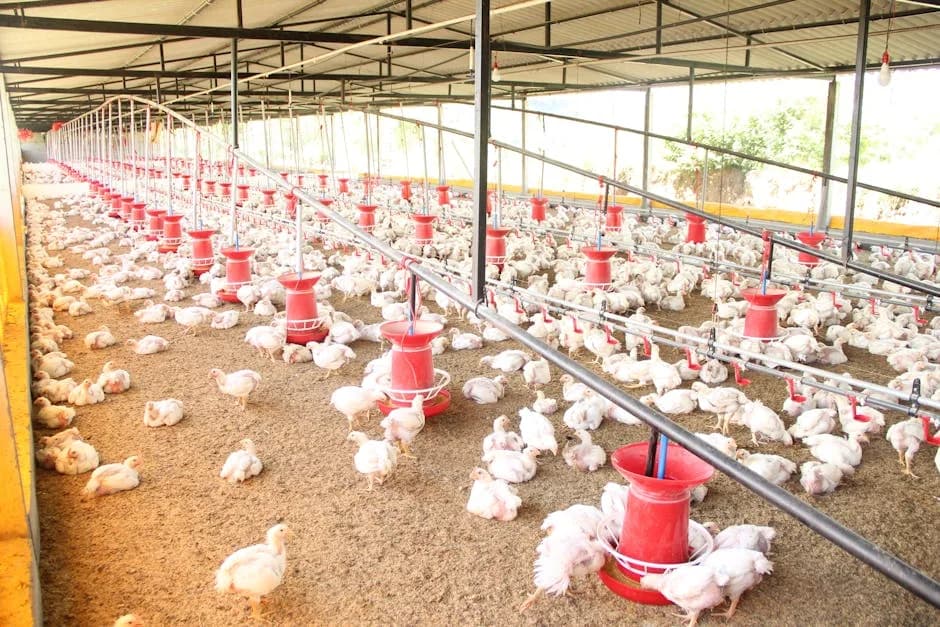
A standard-size laying hen eats roughly 1/4 pound (about 1/2 cup) of feed per day. That works out to about 1.5 to 2 pounds per week per bird.
But that number varies depending on:
- •Breed size. Bantams eat less, large breeds like Orpingtons eat more
- •Season. Chickens eat more in winter to generate body heat, and less in hot summer months
- •Free ranging. Birds that forage for bugs and greens may eat slightly less commercial feed
- •Laying status. Actively laying hens eat more than hens in molt or during winter break
Most backyard keepers use a free-choice approach: keep the feeder full and let the birds eat what they need. Chickens are pretty good at self-regulating, unlike dogs that will eat until they pop. As one experienced keeper on r/BackYardChickens put it: "All my chickens have unlimited access to feed 24/7. I have never had one overeat or get fat."
A flock of 6 hens will go through a 50-pound bag of feed roughly every 5 to 6 weeks, depending on the factors above.
Pellets vs. Crumble vs. Mash
Commercial feed comes in three textures:
Pellets are compressed cylinders, about the size of a pencil eraser. They're the most popular choice because birds can't sort through them to pick out favorite bits, which means less waste. Pellets also stay cleaner in the feeder.
Crumble is basically pellets that have been broken into smaller pieces. Great for chicks and younger birds. Some adult hens prefer crumble over pellets, though it does tend to create more dust and waste.
Mash is the loose, unprocessed form. It's cheaper but creates the most waste since chickens will scratch through it and scatter it everywhere. Mash works better when mixed with water to make a wet feed.
For most backyard flocks, pellets are the way to go.
Recommended Feeds
Here are some solid options that backyard chicken keepers trust:
Manna Pro Organic Layer Pellets
Manna Pro's organic layer pellets are USDA Certified Organic, non-GMO, and work for mixed flocks (chickens, ducks, turkeys). At 16% protein with added calcium, they cover the basics well. Available in 10-pound bags, which is perfect if you have a small flock and don't want to store a 50-pound bag.
Nutrena Country Feeds 16% Layer Pellets
A solid mid-range option from a brand with decades of experience in animal nutrition. 16% protein with a good vitamin and mineral balance. Comes in a 50-pound bag, which is the most economical way to buy feed if you have 4 or more birds.
Check Price on Amazon$41.39 as of Oct 4
Affiliate Disclosure: These are affiliate links. If you buy through them, we earn a small commission at no extra cost to you. We only recommend products we genuinely think are worth your money. Full disclosure.
Essential Supplements
Even with a good commercial feed, there are a few supplements worth keeping on hand.
Oyster Shell (Calcium)
Layer feed contains calcium, but some hens need more than what is in the feed, especially heavy layers. Crushed oyster shell is the standard calcium supplement. Put it in a separate dish and let your hens eat it as needed. They know when they need it.
Signs of calcium deficiency: thin or soft eggshells, shell-less eggs, or a drop in egg production.
Manna Pro Crushed Oyster Shell on Amazon
Grit
Chickens don't have teeth. They swallow small rocks and store them in their gizzard, which grinds up food. If your birds free range, they probably pick up enough grit on their own. But if they're mostly in a coop and run, offer a dish of poultry grit.
There are two types:
- •Insoluble grit (crushed granite): stays in the gizzard and grinds food
- •Soluble grit (oyster shell): dissolves and provides calcium
You want both available if your birds don't free range.
Manna Pro Chicken Grit on Amazon
Apple Cider Vinegar
Some keepers add a splash of raw, unfiltered apple cider vinegar (with the "mother") to their flock's water. The idea is that it supports gut health and discourages harmful bacteria. This one is more of a folk remedy than hard science, but many experienced keepers swear by it.
If you try it, use about 1 tablespoon per gallon of water. Don't use it in metal waterers since the acid will corrode them.
Treats and Kitchen Scraps: The Fun Stuff
Treats should make up no more than 10% of your flock's diet. Think of them like snacks, not meals.
Safe and Healthy Treats
Fruits: Watermelon (a summer favorite), berries, bananas (mashed, in moderation), apples (remove seeds), grapes cut in half, cantaloupe
Vegetables: Leafy greens (lettuce, kale, spinach, cabbage), broccoli, cucumbers, bell peppers, carrots (grated), celery (chopped short), squash, pumpkin (seeds and all, which may help with intestinal parasites), corn on the cob, peas, cooked sweet potatoes and potatoes
Grains: Oats (cooked or raw), cooked rice, whole wheat bread in small amounts
Protein: Mealworms (dried or live; chickens go nuts for these), scrambled eggs (yes, really), plain cooked meat scraps, black soldier fly larvae
Other: Plain yogurt in small amounts, sunflower seeds (black oil sunflower seeds are popular), scratch grains as an occasional treat
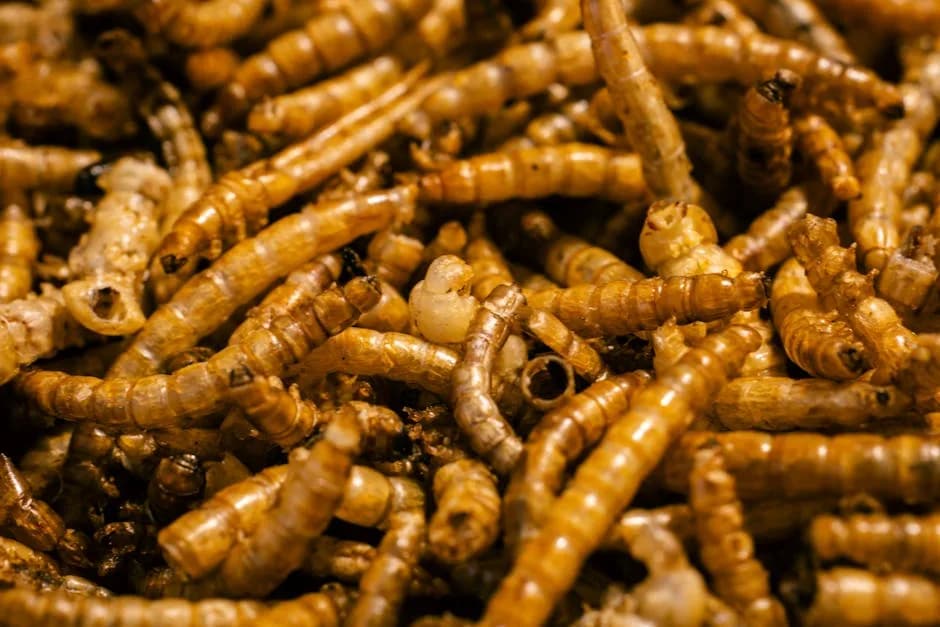
Dried Mealworms: The Ultimate Chicken Treat
If you want to make your chickens love you, get a bag of dried mealworms. They will come running from across the yard when they hear that bag crinkle. Mealworms are high in protein (about 50%) and make a great treat, especially during molt when birds need extra protein to regrow feathers.
Just don't overdo it. A small handful per bird a few times a week is plenty.
Dried Mealworms for Chickens on Amazon
Foods to NEVER Feed Your Chickens
This is important. Some common foods are genuinely toxic to chickens, and our what can chickens eat page keeps the full safe, limited, and never lists in one place.
Avocado (skin and pit). Contains persin, a toxin that can cause heart failure, breathing difficulty, and death in chickens. The flesh is less toxic, but it's safest to just avoid avocado entirely.
Chocolate. Contains theobromine, which is toxic to chickens just like it's to dogs. Dark chocolate is worse than milk chocolate, but keep all chocolate away from your flock.
Dried or raw beans. Raw kidney beans and other dried beans contain phytohaemagglutinin, a lectin that's toxic to chickens (and humans, for that matter). Fully cooked beans are fine.
Green potatoes and tomato leaves. These contain solanine, a toxin found in nightshade plants. Ripe tomatoes are fine. Regular cooked potatoes are fine. But green potatoes, potato sprouts, and tomato plant leaves should stay out of the coop.
Onions in large quantities. Small amounts probably won't cause problems, but large amounts can damage red blood cells and cause anemia. Garlic is generally considered safe in small quantities and some keepers use it as a natural health booster.
Moldy or rotten food. Some molds produce mycotoxins that can make chickens very sick. If you wouldn't eat it yourself, don't give it to your chickens.
Processed junk food. Chips, candy, heavily salted or sugared foods. Your chickens don't need a snack aisle.
The Kitchen Scrap Debate
You'll hear two camps on this topic. One group tosses all their kitchen scraps to the chickens and says they have done it for decades with no problems. The other group says scraps are the enemy of balanced nutrition.
The truth is somewhere in the middle. Kitchen scraps can be a great supplement, but they shouldn't replace commercial feed. If your hens are filling up on bread and pasta, they're not eating their layer feed, which means they're missing out on balanced nutrition.
A good rule: scraps should be no more than a treat, not a meal replacement. And stick to the safe foods listed above.
Water: The Most Important "Nutrient"
This one is easy to overlook, but water is the single most important thing you provide your flock. A laying hen drinks about a pint of water per day, more in hot weather.
Tips for keeping water clean and available:
- •Change water daily, especially in summer when algae grows fast
- •Keep waterers in shade when possible
- •In winter, use a heated waterer or water heater base to prevent freezing
- •Nipple waterers stay cleaner than open troughs since chickens can't scratch bedding into them
Dehydration will tank egg production faster than almost anything else. If your hens suddenly stop laying, check their water supply first.
Free Ranging and Foraging
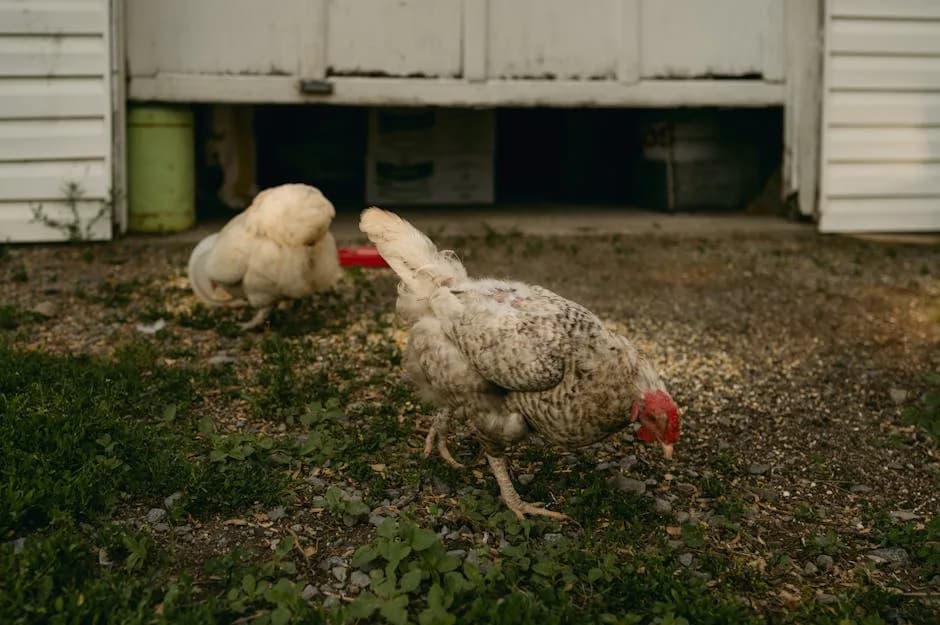
If your chickens have access to a yard, pasture, or garden area, they will supplement their own diet with bugs, worms, grass, seeds, and whatever else they can find. Free-range birds tend to produce eggs with darker, richer yolks because of the variety in their diet.
Free ranging doesn't eliminate the need for commercial feed. Think of it as a bonus on top of their regular diet. Most free-range flocks still eat about 80 to 90% of their normal feed amount.
According to the University of Maryland Extension, "nutrition obtained from pasture depends on the forage quality of the pasture and chicken breed," so don't count on foraging alone to meet their nutritional needs.
Seasonal Feeding Tips
Winter
Chickens burn more calories staying warm in cold weather. You may notice they eat more feed during winter months. Some keepers offer a handful of scratch grains or cracked corn in the evening. The digestion process generates heat, which can help birds stay warm overnight. This is a supplement, not a replacement for their regular feed.
Summer
Heat suppresses appetite. Your hens may eat less during hot spells, which can reduce egg production. Frozen fruit treats (watermelon, berries) help cool them down and encourage eating. Make sure fresh, cool water is always available.
Molting Season
When chickens molt (usually in fall), they drop and regrow feathers. Feathers are about 85% protein, so molting birds benefit from extra protein. Switch to a higher-protein feed (18 to 20%) during molt, or supplement with protein-rich treats like mealworms, sunflower seeds, or scrambled eggs. Our chicken molting guide walks through the full timeline and how to support a molting flock.
Common Feeding Mistakes
Overfeeding treats. If your hens are getting fat or egg production drops, cut back on treats and scraps. Commercial feed first, treats second.
Using the wrong feed for the age group. Layer feed for chicks can cause kidney damage. Starter feed for layers doesn't provide enough calcium. Match the feed to the life stage.
Not providing grit. If your birds eat anything besides commercial feed (treats, scraps, foraged bugs), they need grit to digest it.
Storing feed improperly. Keep feed in a sealed container, like a galvanized trash can with a tight lid. This keeps mice out and prevents moisture from causing mold. A 50-pound bag left open in a damp garage will go bad quickly.
Ignoring water quality. Dirty, algae-filled water discourages drinking and can harbor bacteria. Clean waterers are just as important as good feed.
What Does Feeding Cost?
A 50-pound bag of standard layer feed costs roughly $15 to $25 at most farm stores. Organic feed runs higher, typically $25 to $40 for a 50-pound bag.
For a flock of 6 hens eating about 1.5 pounds per day total, one 50-pound bag lasts about 5 weeks. That puts your monthly feed cost at roughly $15 to $35, depending on what you buy.
Add in oyster shell ($8 to $12 for a 5-pound bag that lasts months), grit (similar price), and occasional treats, and you're looking at around $25 to $50 per month to feed a small flock.
Is it cheaper than buying eggs at the store? Probably not, at least for the first year when you factor in coop costs. But by year two, with feed as your only ongoing expense, the math starts working in your favor, especially at current egg prices.
Quick Reference: Feeding Schedule by Age
| Age | Feed Type | Protein | Calcium | Notes |
|---|---|---|---|---|
| 0-6 weeks | Chick Starter | 18-20% | Low | Crumble form, medicated optional |
| 6-18 weeks | Grower/Developer | 15-16% | Low | No extra calcium yet |
| 18+ weeks | Layer Feed | 16-18% | 3-4% | Add oyster shell on the side |
| Molting | High-protein feed | 18-20% | Normal | Extra protein treats help |
Frequently Asked Questions
Can chickens eat table scraps?
Yes, but in moderation. Fruits, vegetables, cooked rice, pasta, and bread are all fine as treats. Keep scraps to no more than 10 percent of their total diet so they still eat enough layer feed for balanced nutrition. Avoid anything salty, sugary, or processed.
How often should I feed my chickens?
Most people keep feed available all day using a gravity feeder. Chickens self-regulate pretty well and won't typically overeat commercial feed. If you prefer scheduled feeding, morning and evening works fine. Just make sure they always have access to clean water.
What treats are best for chickens?
Dried mealworms, black soldier fly larvae, and sunflower seeds are the top picks for protein-rich treats. Watermelon and berries are great in summer. Scrambled eggs are surprisingly excellent for them, especially during molt. Stick to natural, whole foods and skip processed snacks.
Do chickens need supplements besides feed?
Laying hens need calcium beyond what's in layer feed. Offer crushed oyster shell free-choice in a separate container. All chickens that eat anything besides pellets need insoluble grit to grind food in their gizzard. Free-range birds usually pick up enough grit on their own.
Is organic chicken feed worth the extra cost?
That depends on your priorities. Organic feed costs roughly 50 to 75 percent more than conventional feed. The eggs won't be dramatically different nutritionally. If avoiding pesticides and GMOs matters to you, it's worth it. If you're on a tight budget, conventional feed produces healthy chickens too.
Related Articles
- •Complete Beginner's Guide to Raising Backyard Chickens
- •Best Chicken Breeds for Beginners
- •How to Build a Chicken Coop: Plans, Materials & Tips
Product prices and availability are accurate as of the date shown and are subject to change. Any price and availability information displayed on Amazon at the time of purchase will apply to the purchase of this product.
Related Guides
Can Chickens Eat Apples? Yes, But Core Them First
Chickens can eat apples, skin and all, but the seeds carry amygdalin, which releases cyanide. How much a hen would need to eat, how to feed apples, and cores.
Feed & NutritionCan Chickens Eat Avocado? No, and Here Is the Evidence
Chickens cannot safely eat avocado. Persin in the skin, pit, leaves, and flesh damages the heart in birds. What Merck and the case reports say, and what to do.
Feed & NutritionCan Chickens Eat Bell Peppers? Fruit Yes, Plant No
Chickens can eat bell peppers, seeds and all. The plant is a nightshade, so leaves and stems stay off the menu. Hot peppers, colors, how much, and chicks.
Feed & NutritionCan Chickens Eat Blackberries? Berries, Leaves, and Canes
Chickens can eat blackberries, the lowest-sugar berry a flock gets. Leaves and canes, purple droppings, frozen and wild berries, and how many to feed.