Best Chicken Run Fencing & Netting (2026)
The best chicken run fencing and hawk netting for 2026: half-inch hardware cloth, welded wire, overhead netting, and electric netting, with extension sourcing.
Researched from university extension, USDA, and veterinary sources. How we research.
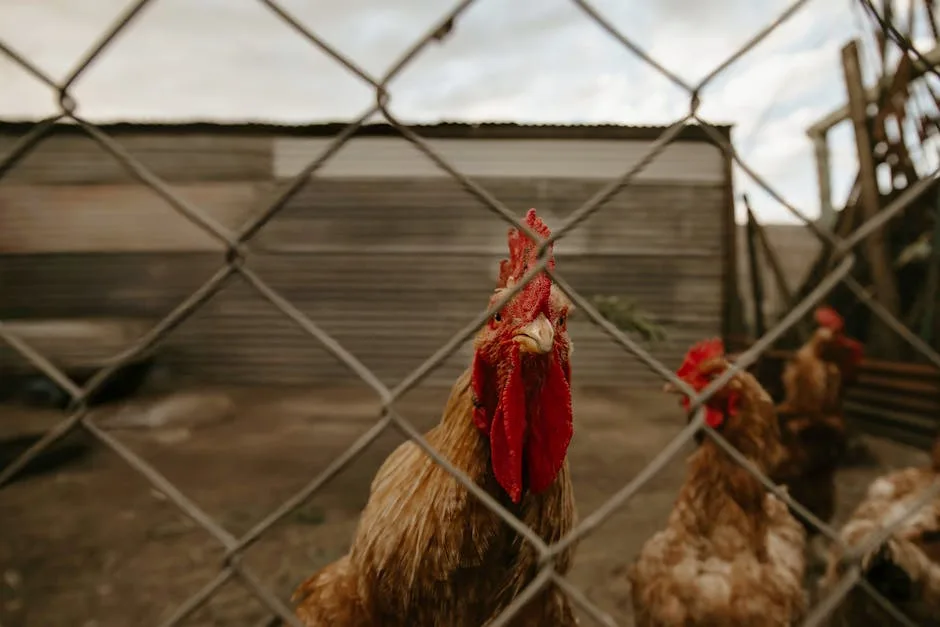
The right fencing is the difference between a safe flock and a devastating predator attack (for the whole coop, not just the run, see our predator-proof chicken coop checklist). Chicken wire might seem like the obvious choice, but here's the truth: it keeps chickens in but won't keep most predators out. Raccoons tear through it, dogs push through it, and hawks fly right over it. You need something better. Here's a complete guide to choosing the right fencing and netting for your chicken run. And if you have a flighty bird that treats the top of the fence as optional, learning how to clip its wings keeps it grounded while you sort out the fencing.
Our top pick for run walls: 1/2-inch Hardware Cloth, The gold standard for predator-proof chicken runs. Nothing short of a bear is getting through 19-gauge galvanized hardware cloth.
What You'll Learn
- •Why Chicken Wire Isn't Enough
- •Best Fencing for Chicken Run Walls
- •Best Overhead Netting for Hawk Protection
- •Best Electric Poultry Netting
- •How to Predator-Proof the Bottom of Your Run
- •Fencing Comparison: Which Type Is Right for You?
- •Installation Tips
- •Frequently Asked Questions
Why Chicken Wire Isn't Enough
This is one of the most important things new chicken keepers need to understand. "Chicken wire" is one of the most misleading product names in existence.
Standard chicken wire (also called poultry netting) is thin, lightweight hexagonal mesh. It does a fine job keeping chickens contained, but it fails against predators:
- •Raccoons can reach through the gaps and pull chickens against the wire, or rip the wire apart entirely
- •Dogs and coyotes can push through or tear standard chicken wire
- •Weasels and rats fit right through the 1-inch hexagonal openings; the University of New Hampshire's extension advice is that any wire mesh on a chicken enclosure should have openings smaller than one inch so predators cannot reach through
- •Snakes pass through easily
- •Hawks obviously fly over any wall-only fencing
Chicken wire has its uses (temporary barriers, garden protection, lightweight partitions, and, per Colorado State University's extension, as an overhead cover against hawks), but it should never be your primary predator defense on a wall. For a deeper look at the threats your flock faces, check out our complete predator protection guide. Hardware cloth secures the run during the day; to close the coop itself after your flock roosts, see our guide to the best automatic chicken coop doors.
Best Fencing for Chicken Run Walls
Hardware Cloth (Best Overall)
1/2-inch Galvanized Hardware Cloth
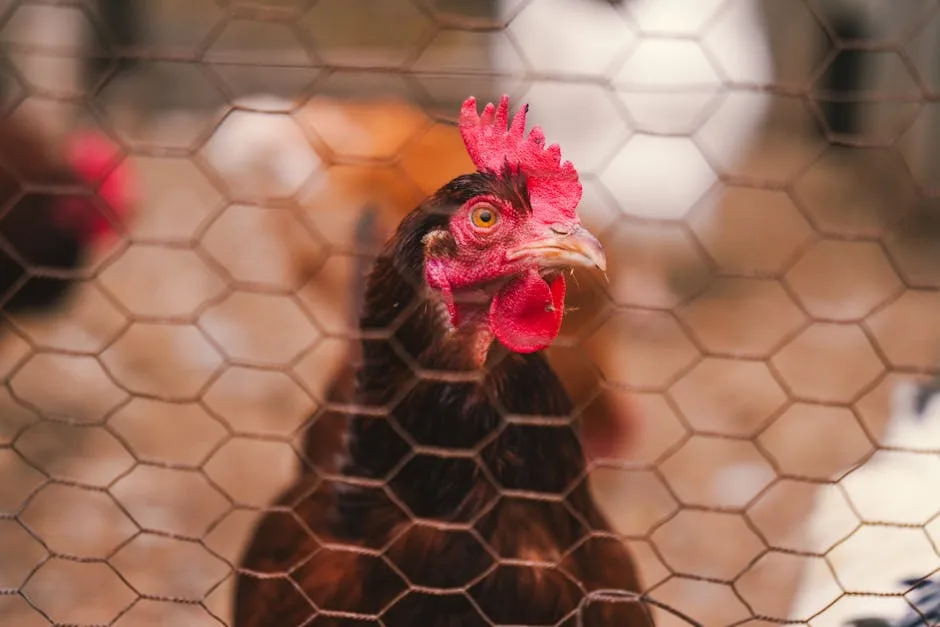
Hardware cloth is the single best material for securing a chicken run. It's welded wire mesh, typically 19-gauge galvanized steel, with 1/2-inch openings that are too small for predator paws, snakes, or rodents to get through. Colorado State's extension specifically recommends small-mesh fencing where raccoons and members of the mink family are the predators, and notes that the cheaper 2-by-3-inch welded wire is not enough against them; the linked roll is 48 inches by 100 feet, and the price on the button is pulled from Amazon twice a day.
Why it's the best:
- •Raccoon-proof (they can't reach through or tear it)
- •Keeps out weasels, rats, snakes, and mice
- •Durable and rust-resistant when galvanized
- •Available in various widths (24", 36", 48")
- •Galvanized wire lasts many years outdoors
Drawbacks:
- •Most expensive fencing option
- •Harder to work with (need tin snips and gloves)
- •Heavier than other options
- •Sharp cut edges can injure you during installation
Best for: The coop itself (windows, vents, doors) and high-priority sections of the run where predator pressure is highest. If budget allows, use it for the entire run.
Welded Wire Fencing (Best Budget Alternative)
If hardware cloth is too expensive for your entire run, welded wire fencing (typically 2x4-inch or 1x2-inch openings) is a solid compromise. The heavier gauge wire is strong enough to resist dogs, coyotes, and most raccoon attacks.
Why it works:
- •Much cheaper per square foot than hardware cloth
- •Strong enough to stop most large predators
- •Easy to work with and attach to posts
- •Good for large runs where hardware cloth would cost a fortune
Drawbacks:
- •The larger openings (especially 2x4-inch) won't stop weasels, snakes, or reaching raccoon paws; raccoons pulling a bird's head through wire is a signature kill that both Colorado State's and New Hampshire's extension guides describe
- •Consider lining the bottom 2 feet with hardware cloth for extra protection
- •Not as secure as full hardware cloth coverage
Best for: Large run perimeters where you want strength on a budget. Combine with a hardware cloth apron at ground level for the best protection-to-cost ratio.
Chain Link Fencing (Good for Large Areas)
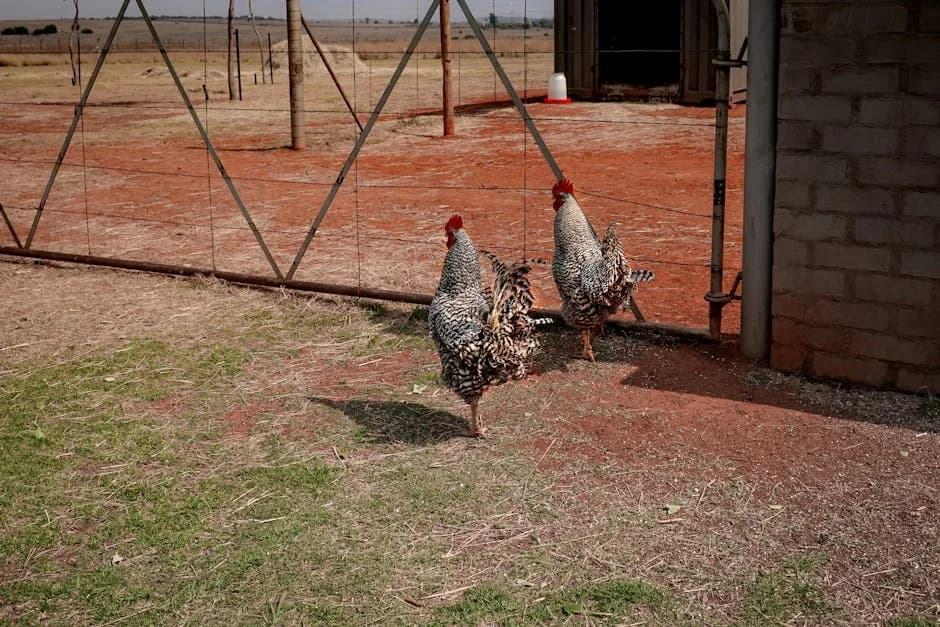
If you're fencing a very large area (100+ square feet), chain link provides excellent strength and durability. It stops dogs, coyotes, and other large predators. The downside is the openings are large enough for raccoon paws and small predators to get through, so you'll want to line the bottom section with hardware cloth.
Chain link is often cheaper per foot than other options when you're covering big areas, and it lasts decades. Many keepers buy used chain link from demolition sites or Craigslist for significant savings.
Best Overhead Netting for Hawk Protection
Hawks hunt by day and owls by night, as Cornell Cooperative Extension's predator guide puts it, and an open-topped run is exposed to both. Colorado State's extension recommends covering the run with welded wire, chicken wire, or game-bird netting, or stringing a random grid of crisscrossing wires overhead, and notes that owls stop being a problem once the birds are shut in the coop at night. Overhead netting is the most effective daytime defense for free-range and open-run chickens.
Heavy-Duty Poultry Netting
Polypropylene or nylon bird netting stretched over your run creates an effective hawk barrier. Look for netting with 2-inch mesh or smaller to prevent hawks from pushing through.
Pros:
- •Affordable way to cover large areas
- •Lightweight and easy to install over existing runs
- •UV-stabilized netting lasts several seasons; uncoated netting degrades faster
- •Blocks hawks, owls, and other aerial predators
Cons:
- •Can sag under snow or heavy rain (needs support in the middle for spans over 10 feet)
- •Small songbirds occasionally get tangled
- •Cheaper versions go brittle in sunlight and need replacing sooner
- •Won't stop a determined climbing predator
Installation tip: Run a support wire or rope across the middle of your run at a higher point than the edges, creating a peaked tent shape. This prevents sagging and sheds rain and snow. PVC hoops also work well as a netting frame.
Welded Wire Overhead (Most Durable)
For permanent overhead protection that'll never sag or deteriorate, use welded wire fencing across the top of your run. It's heavier and more expensive, but it lasts indefinitely and doubles as protection against climbing predators like raccoons and opossums.
This works best on smaller runs (under 100 square feet) where the weight is manageable. For larger areas, netting with wire support is more practical.
Best Electric Poultry Netting
Electric netting is the top choice for keepers who want flexible, portable fencing that deters ground predators on contact.
Premier 1 PoultryNet
Premier 1 designed the electric poultry net most other brands copy. The 12/48/3 PoultryNet is 48 inches tall with 12 horizontal strands, 11 of them conductive, and vertical strings every 3 inches, and a 164-foot roll weighs 23 pounds with the posts built in. Our electric fence guide covers the energizer choice and the voltage numbers in detail.
Why it's the best electric option:
- •48 inches tall (keeps flighty breeds contained)
- •Electrified horizontal strands deter foxes, coyotes, dogs, and raccoons on contact
- •Portable with built-in posts (move it to fresh ground as needed)
- •Easy to set up and reconfigure
- •Double-spiked posts hold firm in most soil types
What you also need:
- •A fence energizer sized to the net; Premier's Solar IntelliShock 30 runs one clean net and the IntelliShock 100 gives margin for weeds or a second net
- •A ground rod driven into damp soil, at least 30 feet from any other ground system, per Premier's manual
Drawbacks:
- •Significant upfront cost (netting + energizer)
- •Requires a power source (solar works for most setups)
- •Vegetation touching the bottom wire shorts the fence and reduces effectiveness (keep grass trimmed)
- •Won't stop aerial predators (you still need overhead protection)
- •Can tangle small animals if the net is left slack
Best for: Free-range setups where you want a movable perimeter, rotational grazing, or areas where permanent fencing isn't practical. Also excellent as a secondary perimeter around a permanent run.
For a full guide on managing free-range safety, see our free-range chickens guide.
How to Predator-Proof the Bottom of Your Run
Many predators dig. Foxes, dogs, raccoons, and weasels will all try to tunnel under your fencing, and Colorado State's extension recommends burying galvanized hardware cloth or welded wire around the run perimeter wherever digging is a problem. There are two ways to do it:
Hardware Cloth Apron
The most popular method. Lay a 12 to 18-inch strip of hardware cloth flat on the ground along the outside perimeter of your run, attached to the bottom of the fence. Cover it with soil or mulch. When a predator tries to dig at the fence line, it hits the buried apron and can't get through.
This is easier to install than burying fencing vertically and works just as well. The apron doesn't need to be deep since digging predators start at the fence base and go straight down, not 18 inches away and then under.
Buried Fencing
Alternatively, bury the fence itself. Oklahoma State University's extension recommends setting the lower 12 inches of the run fence straight down into the ground, and suggests plowing a furrow of soil over the buried portion as the easy way to do it. This takes more labor than an apron but creates a clean look and won't be exposed by erosion over time.
Either method works. The apron approach is faster and easier for most backyard setups.
Fencing Comparison: Which Type Is Right for You?
Small permanent run (under 100 sq ft): Use 1/2-inch hardware cloth for walls and top. This is the most secure setup possible. Yes, it costs more, but for a small area the total cost is manageable ($150 to $300 in materials). Your birds will be safe from virtually every predator.
Medium permanent run (100 to 300 sq ft): Use welded wire for the walls with hardware cloth lining on the bottom 2 feet. Add overhead bird netting with wire support. Use a hardware cloth apron around the base. This balances cost and security well.
Large permanent run (300+ sq ft): Chain link or welded wire for walls, bird netting overhead with support wires, hardware cloth apron at the base. Line the coop section and door areas with hardware cloth for extra security where it matters most.
Free-range perimeter: Electric poultry netting (Premier 1 PoultryNet) with a solar energizer. Add overhead netting or accept the hawk risk with natural cover, roosters, and supervision.
Budget setup: Welded wire walls, deer netting overhead, and a buried wire apron. Not perfect, but significantly better than chicken wire alone. Upgrade sections with hardware cloth as budget allows.
Installation Tips
Use the right fasteners. Fencing staples for wood posts, zip ties or hog rings for connecting panels, and self-tapping screws with fender washers for attaching hardware cloth to framing.
Wear gloves. Cut hardware cloth edges are razor sharp. Leather work gloves are a must during installation.
Overlap seams. Where two pieces of fencing meet, overlap by at least 2 inches and secure with hog rings or zip ties every 4 to 6 inches. Gaps at seams are an invitation for weasels and snakes.
Check for gaps at the ground. Walk the entire perimeter and look for spots where the fencing doesn't sit flush with the ground. Fill gaps with dirt, rocks, or short sections of hardware cloth. Even a 2-inch gap at ground level lets weasels in.
Plan for a human-sized door. You need to get in and out easily for cleaning, egg collecting, and coop maintenance. A full-size door with a two-motion latch is worth building right the first time; the University of Maryland's extension warns that raccoons are intelligent enough to open simple latches, so use a carabiner through the hasp or a spring latch with a pin. Our predator-proof coop checklist covers latches and the rest of the coop.
Frequently Asked Questions
Is hardware cloth or chicken wire better for a chicken run?
Hardware cloth is far superior for predator protection. Chicken wire has openings large enough for raccoon paws, weasels, and snakes to get through, and it's thin enough for dogs to tear apart. Hardware cloth with 1/2-inch openings stops virtually all predators. Use chicken wire only for temporary partitions or situations where predator risk is very low.
How tall should a chicken run fence be?
Four feet is the minimum for heavy breeds like Buff Orpingtons and Wyandottes that don't fly much. Six feet is better for lighter, flightier breeds like Leghorns. If your run has overhead netting, fence height matters less since birds can't fly out regardless. For runs without a roof, 6 feet with an inward-angled top section keeps most breeds contained.
Does electric poultry netting really work?
Yes, it's highly effective against ground predators when properly installed and energized. Foxes, coyotes, raccoons, and dogs all learn to avoid electric netting after one or two shocks. The key is maintaining the fence: keep vegetation trimmed away from the bottom wire, make sure your energizer is working, and check for shorts regularly. It won't stop aerial predators, so overhead protection is still needed.
How do I keep hawks away from my chickens?
Overhead netting is the most reliable solution. Cover your run with bird netting or welded wire. For free-range birds, provide natural cover (bushes, trees, shelters), keep a rooster who'll sound hawk alarms, and consider a livestock guardian dog. Shiny deterrents (CDs, reflective tape) and fake owl decoys work temporarily but hawks adapt to them quickly.
How deep should I bury chicken run fencing?
You don't necessarily need to bury it at all. A hardware cloth apron laid flat on the ground extending 12 to 18 inches outward from the fence base (covered with soil or mulch) is just as effective and much easier to install. If you prefer burying, Oklahoma State's extension recommends the lower 12 inches of the fence set straight down.
Good fencing is an investment that pays off every night your flock sleeps safely. Start with the highest-priority areas (coop openings and the most vulnerable sections of your run) and upgrade over time. For more on building a secure setup from scratch, check out our complete guide to building a chicken coop.
Sources:
- •Colorado State University Extension. Chickens and Predators (small-mesh wire for raccoons and mink, 2-by-3 welded wire insufficient, covering the run, burying hardware cloth, owls and night lock-up). https://extension.colostate.edu/resource/chickens-and-predators/
- •University of New Hampshire Extension. What are the best ways to protect my chickens from predators? (mesh openings under one inch, raccoons pulling birds through wire). https://extension.unh.edu/blog/2019/02/what-are-best-ways-protect-my-chickens-predators
- •Oklahoma State University Extension. Protecting Small Poultry Flocks from Predators (burying the lower 12 inches of fence). https://extension.okstate.edu/fact-sheets/protecting-small-poultry-flocks-from-predators
- •Cornell Cooperative Extension, Warren County. Poultry Predator Control (hawks by day, owls at night). https://warren.cce.cornell.edu/agriculture/agriculture-resources/poultry/poultry-predator-control
- •University of Maryland Extension. Identifying and Preventing Poultry Predators in the Mid-Atlantic Region (raccoons open simple latches). https://extension.umd.edu/resource/identifying-and-preventing-poultry-predators-mid-atlantic-region-1
- •Premier 1 Supplies. PoultryNet 12/48/3 Electric Netting and Solar IntelliShock energizer manuals (net specification, grounding). https://www.premier1supplies.com/p/poultrynet-12-48-3-electric-netting
Product prices and availability are accurate as of the date shown and are subject to change. Any price and availability information displayed on Amazon at the time of purchase will apply to the purchase of this product.
Related Guides
Best Predator Deterrent Lights and Alarms (2026)
Predator deterrent lights, motion sprinklers, and driveway alarms that keep raccoons, foxes, and coyotes away from your chicken coop at night.
Gear ReviewsBest Chicken Roosting Bars and Perches (2026)
The best chicken roosting bars and perches for backyard coops. Freestanding roost ladders, platforms, and swings compared, with sizing and setup tips.
Gear ReviewsBest Chicken Coop Bedding and Litter (2026 Reviews)
The best chicken coop bedding for 2026. Pine shavings, hemp, aspen, and odor-control litter compared, with pros, cons, and pricing for every flock and budget.
Gear ReviewsBest Feed Storage Containers for Chickens (2026)
Best feed storage containers to keep chicken feed dry, fresh, and safe from rats and mice. Airtight bins, galvanized cans, and rolling bins compared.