Buff Orpington Breed Guide: Eggs, Care, Temperament
Buff Orpingtons lay 200-280 brown eggs yearly and make the friendliest backyard chickens. Get the full breed profile with care tips, pros, and cons.
Researched from university extension, USDA, and veterinary sources. How we research.
Buff Orpingtons are the golden retrievers of the chicken world. They're friendly, fluffy, and genuinely happy to follow you around the yard. If you're looking for a backyard chicken that'll sit in your lap, lay a steady supply of brown eggs, and get along with every other bird in the flock, this breed is hard to beat.
But there's more to Buff Orpingtons than their cuddly reputation. They're prone to broodiness, they can get bullied by more assertive breeds, and their fluffy feathers need some extra attention in wet weather. This guide covers everything you need to know before bringing Buff Orpingtons home, from egg production and temperament to housing, health, and real-world pros and cons.
What You'll Learn
- •Breed History and Origin
- •What Do Buff Orpingtons Look Like?
- •How Many Eggs Do Buff Orpingtons Lay?
- •Buff Orpington Temperament and Personality
- •Are Buff Orpingtons Good for Beginners?
- •Housing and Space Requirements
- •Feeding Your Buff Orpingtons
- •Common Health Issues
- •Buff Orpington vs Other Popular Breeds
- •Where to Buy Buff Orpington Chickens
- •Frequently Asked Questions
Breed History and Origin
The Orpington breed was created by William Cook in Orpington, Kent, England during the late 1800s. Cook wanted a dual-purpose bird that could lay well and look good on the dinner table. He started with Black Orpingtons in 1886, crossing Minorcas, Langshans, and Plymouth Rocks.
The Buff variety came along in 1894, and it quickly became the most popular color. Cook bred Buff Cochins, Hamburgs, and Dorkings to get that beautiful golden plumage. The birds arrived in the United States in 1903 and were an immediate hit.
The American Poultry Association recognized the Buff Orpington in 1902. During the mid-1900s, the breed's popularity dropped as commercial operations shifted to production hybrids. But backyard chicken keepers rediscovered them, and today they're consistently one of the top five most popular breeds for home flocks.
modern hatchery Buff Orpingtons look quite different from heritage birds. Hatchery stock tends to be smaller and less fluffy. If you want the classic, big, round Orpington look, you'll need to find a dedicated breeder who's working with heritage lines.
What Do Buff Orpingtons Look Like?
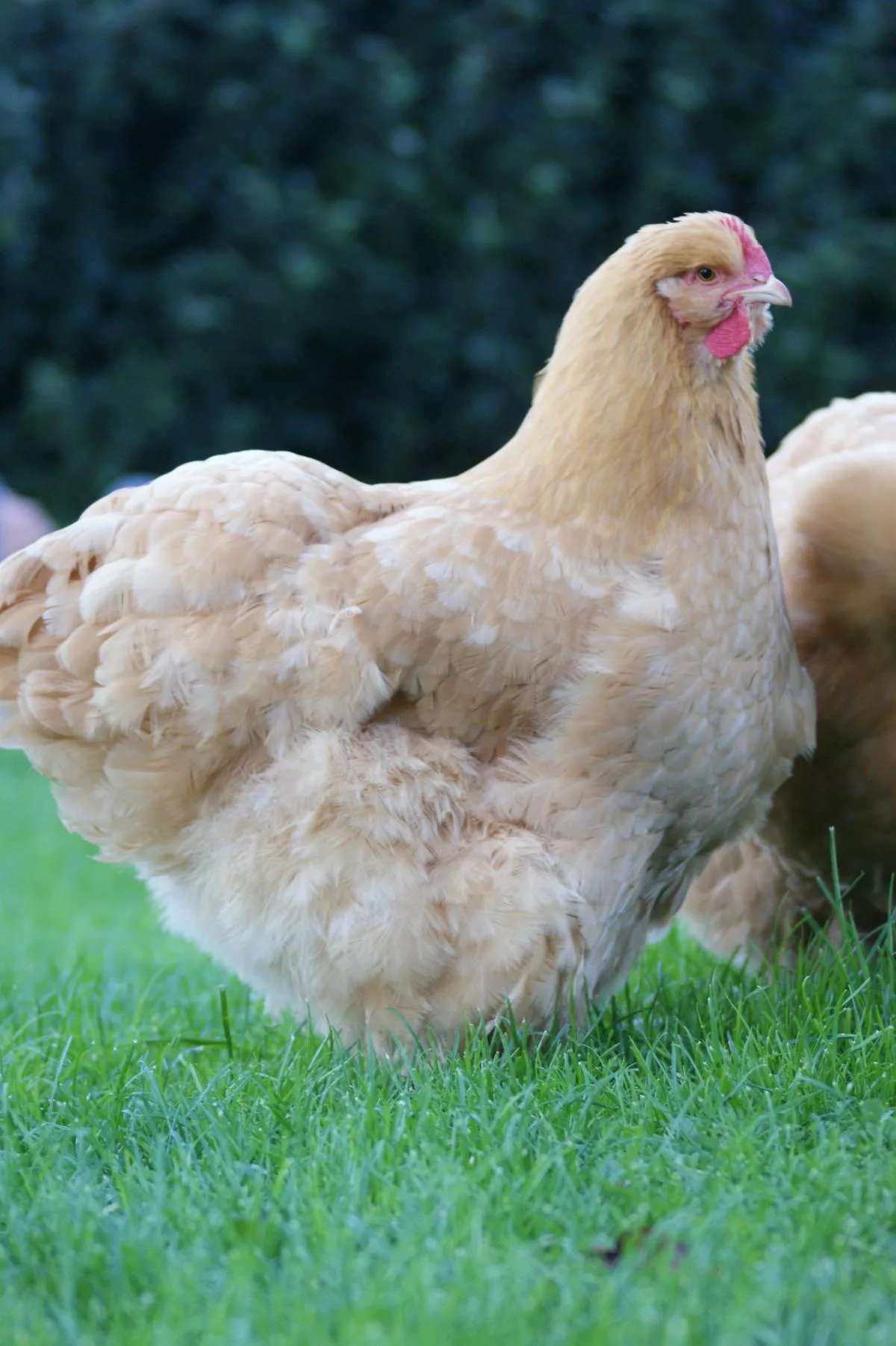
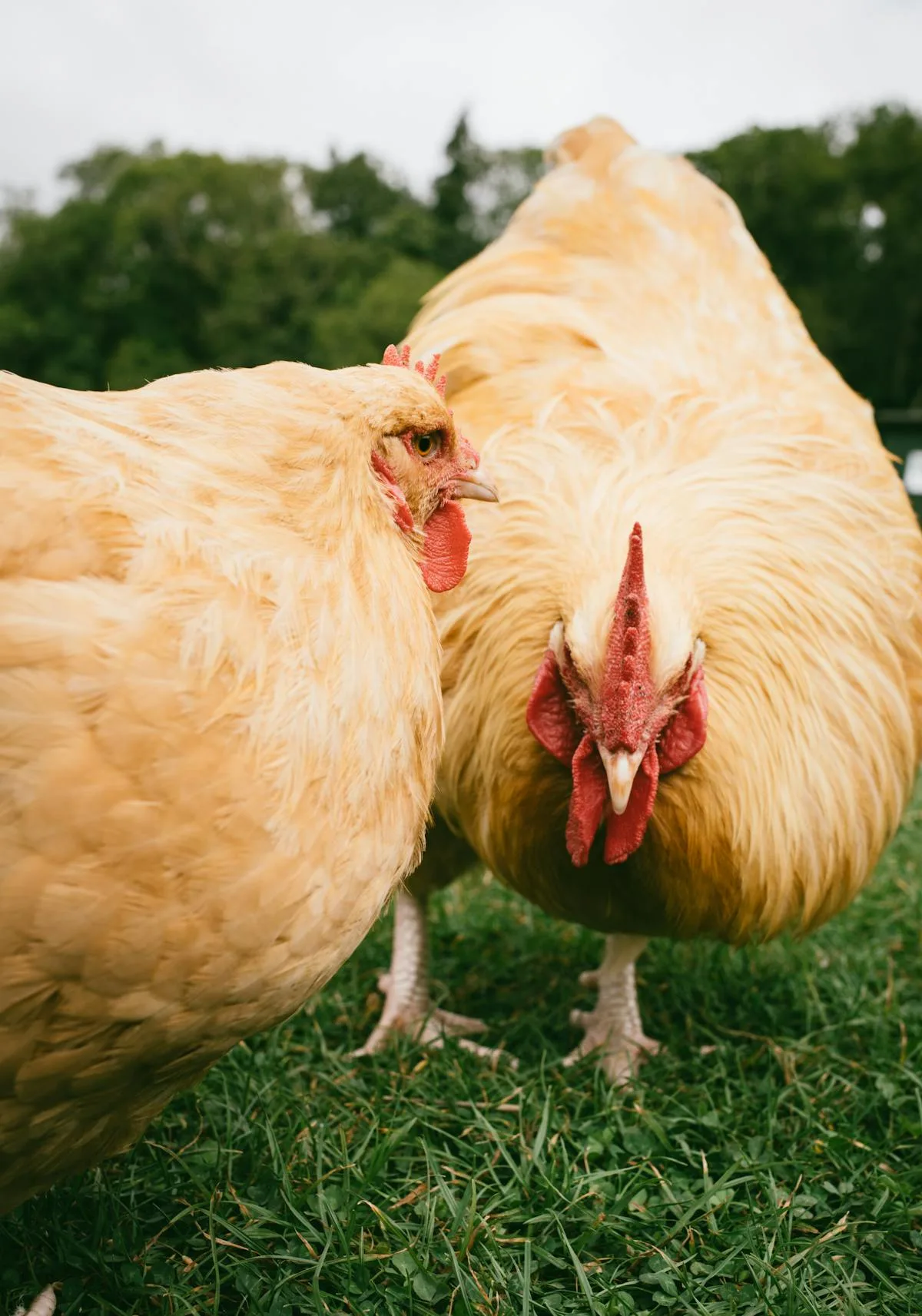
Buff Orpingtons are big, round, fluffy birds with gorgeous golden-buff feathers. Their thick plumage makes them look even larger than they actually are. Here's what you can expect:
Hens:
- •Weight: 7 to 8 pounds
- •Rich golden-buff feathers covering a broad, curvy body
- •Single comb with five points (medium-sized, red)
- •Clean yellow legs and feet
- •Reddish-bay eyes
- •Short tail held at a low angle
Roosters:
- •Weight: 8 to 10 pounds
- •Same golden plumage with slightly deeper copper tones on the hackle and saddle feathers
- •Larger comb and wattles than hens
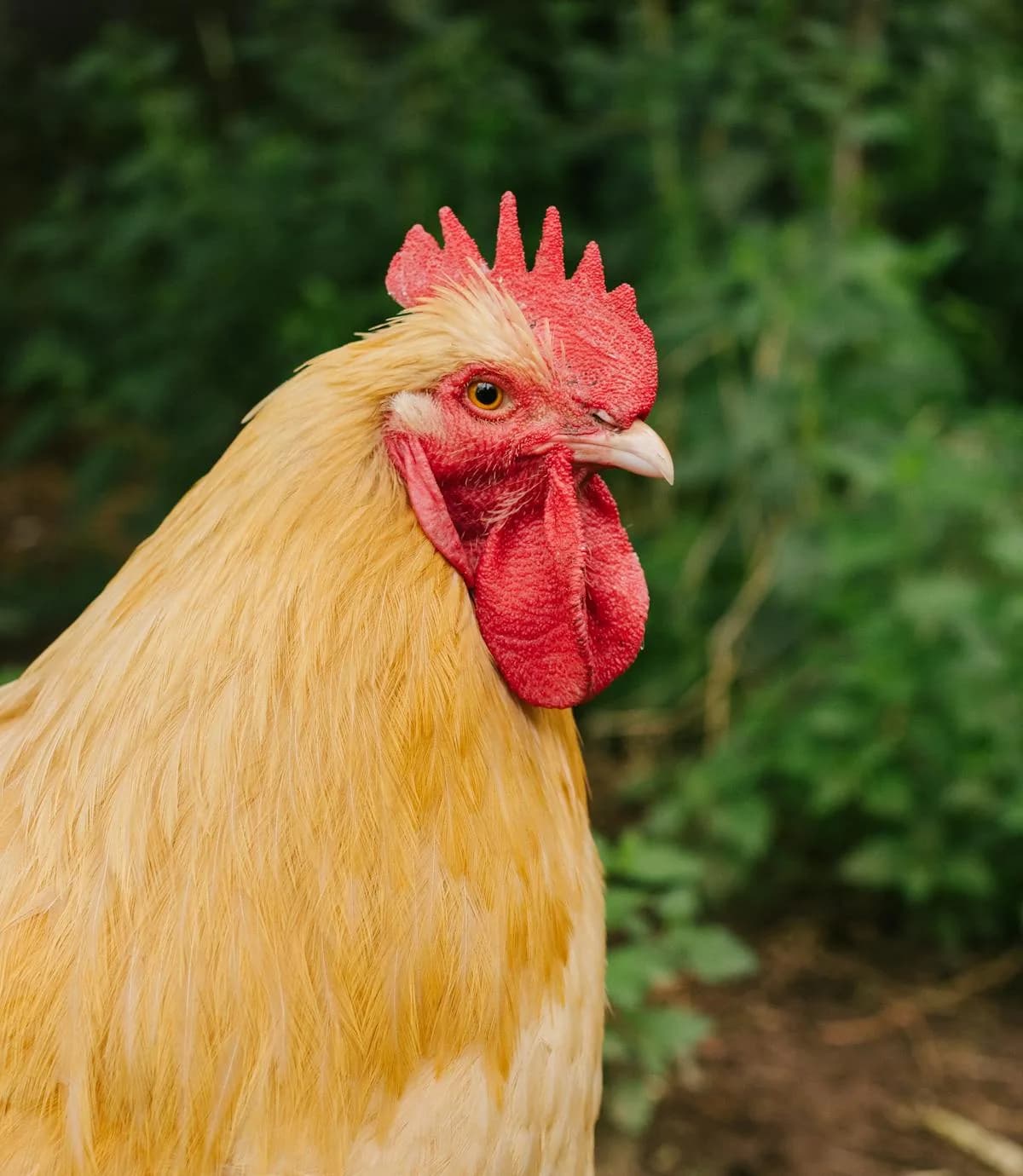
One thing that surprises people is just how fluffy these birds are. Their feathers are loose and abundant, which makes them look like round, golden pillows walking around the yard. That fluffiness is part of their charm, but it also means they hold moisture more than tight-feathered breeds, so you'll need to keep their coop dry.
Other recognized Orpington colors include Black, White, and Blue, but the Buff variety outsells them all by a wide margin. Among the unofficial colors, the striking Lavender Orpington has become a backyard favorite, prized because it breeds true to color. The Chocolate Orpington is the newest color, carried on a sex-linked gene.
How Many Eggs Do Buff Orpingtons Lay?
Buff Orpingtons are solid layers, though they won't break any records. Here's what to expect:
- •Eggs per year: 200 to 280 (about 4 to 5 per week)
- •Egg color: Light brown to medium brown
- •Egg size: Large (occasionally medium)
- •Start laying: Around 5 to 6 months of age
That's a respectable number for a heritage dual-purpose breed. You won't get the 300+ eggs that production breeds like Rhode Island Reds pump out, but Buff Orpingtons make up for it with consistency. Unlike hybrids that burn out after two years, Orpingtons tend to keep laying at a decent rate for three to four years.
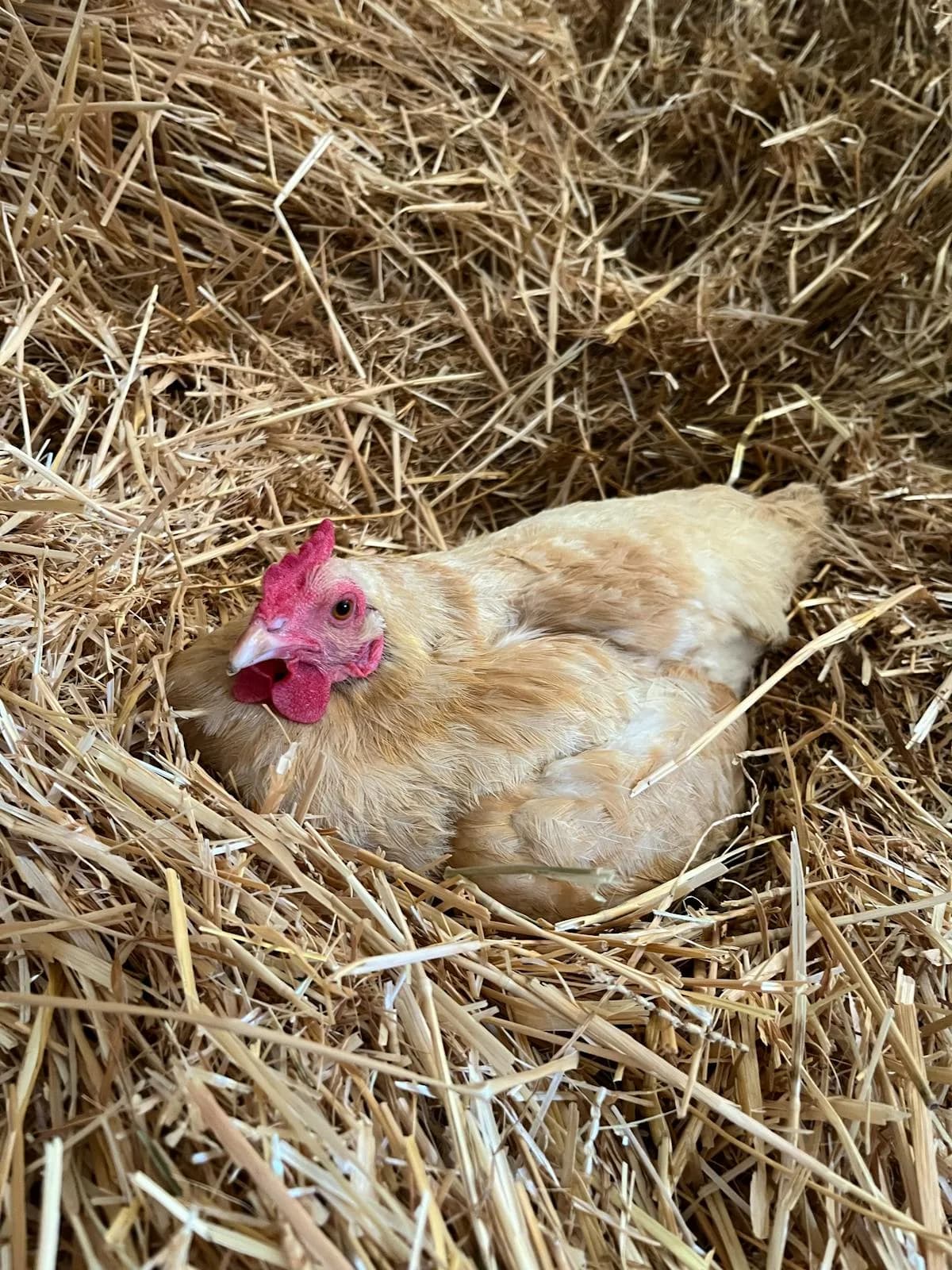
The biggest factor that'll cut into your egg count? Broodiness. Buff Orpingtons are one of the broodiest standard breeds around. When a hen goes broody, she stops laying and parks herself on a nest for three weeks (or longer). Some hens will go broody multiple times per season.
If you don't want to hatch chicks, you'll need strategies to break broody hens. But if you do want to hatch eggs naturally, Buff Orpingtons are fantastic mothers. They'll sit on eggs reliably and take excellent care of their chicks after they hatch.
Buff Orpington Temperament and Personality
This is where Buff Orpingtons really shine. They're one of the friendliest, most docile chicken breeds you'll find. Most Buff Orpingtons genuinely enjoy human interaction. They'll follow you around the yard, tolerate being picked up, and some will happily sit in your lap.
Here's what their personality is really like:
- •Calm and easygoing: They don't spook easily and adapt well to new situations
- •Friendly with people: Most tolerate handling, and many actively seek attention
- •Gentle with other chickens: They rarely pick fights or bully flockmates
- •Quiet: They're not silent, but they're on the quieter end compared to breeds like Leghorns
- •Not great at defending themselves: Their docile nature means more aggressive breeds can push them around
That last point matters if you're building a mixed flock. Buff Orpingtons do well with other gentle breeds like Plymouth Rocks, Australorps, and Cochins. But pairing them with assertive birds like Rhode Island Reds or Easter Eggers means you'll need to watch for bullying, especially around feeders and waterers.
Their friendliness makes them one of the best breeds for families with kids. Children can handle them without fear of being pecked or chased. That's a big deal if you're getting chickens as a family project.
Are Buff Orpingtons Good for Beginners?
Yes, Yes. Buff Orpingtons are consistently recommended as one of the best chicken breeds for beginners, and they've earned that reputation. Here's why they work so well for first-time chicken keepers:
Pros for beginners:
- •Friendly and easy to handle
- •Hardy in cold weather (that thick plumage is great insulation)
- •Good egg production without being high-maintenance
- •Not flighty, so they're easy to keep in a fenced area
- •Quiet enough for suburban neighborhoods
- •Dual-purpose (eggs and meat)
Potential challenges for beginners:
- •Broodiness can be confusing if you've never dealt with it
- •They can overheat in very hot climates
- •Their fluffy feathers make it harder to spot external parasites like mites
- •Docile temperament means they may get picked on in mixed flocks
If you're wondering how many chickens to start with, Buff Orpingtons are a great foundation bird. Start with three or four hens and you'll have plenty of eggs plus birds that are genuinely enjoyable to spend time with.
Housing and Space Requirements
Buff Orpingtons are big birds, so they need a bit more room than smaller breeds. Don't try to squeeze them into a tiny coop.
Minimum space guidelines:
- •Coop: 4 to 5 square feet per bird (more is always better)
- •Run: 10 square feet per bird minimum
- •Roost: 10 to 12 inches of roost space per bird
- •Nesting boxes: One box per 3 to 4 hens
Because they're heavy and not great flyers, Buff Orpingtons don't need tall fencing. A 4-foot fence will keep most of them contained. That's a nice perk if you're building your own setup.
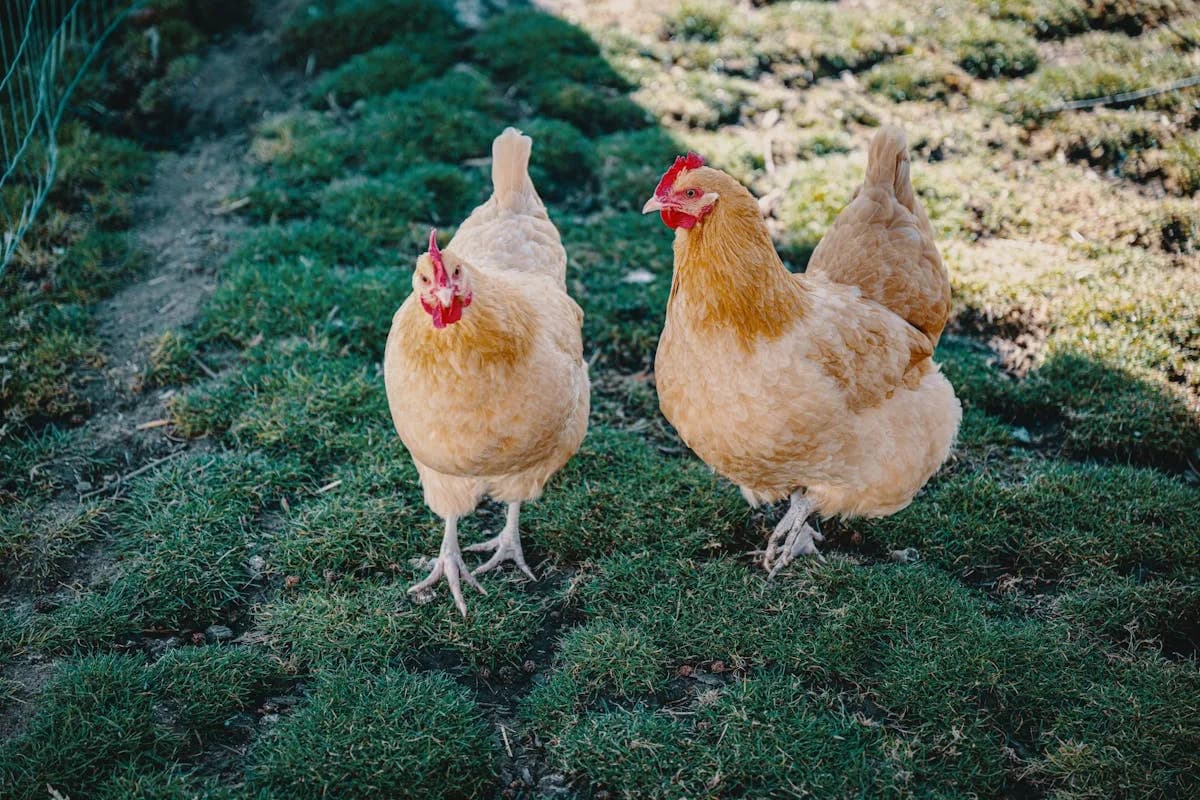
Ventilation matters a lot with this breed. Their dense, fluffy feathers trap moisture against their skin if the coop is damp and stuffy. Poor ventilation leads to frostbitten combs in winter and respiratory problems year-round. Make sure your coop has good airflow up high, away from the roost level.
Their feathering also makes them cold-hardy, which is one of their biggest selling points. Buff Orpingtons handle freezing temperatures well as long as the coop stays dry and draft-free. On the flip side, they can struggle in hot, humid climates. If you live somewhere that gets above 90°F regularly, you'll need to provide shade, frozen treats, and cool water to keep them comfortable.
Feeding Your Buff Orpingtons
Buff Orpingtons don't need any special diet, but there's one thing you need to watch: they love to eat, and they can get overweight quickly.
Basic feeding guidelines:
- •Layers (18+ weeks): 16% protein layer feed, available free-choice
- •Growing birds (8 to 18 weeks): Grower feed with 14 to 16% protein
- •Chicks (0 to 8 weeks): Starter feed with 18 to 20% protein
Buff Orpingtons are good foragers and they'll happily hunt for bugs, seeds, and greens if you give them access to a yard. Free-ranging helps keep them active and prevents the weight gain that sedentary Orpingtons are famous for.
Supplement their diet with:
- •Oyster shell (free-choice, for strong eggshells)
- •Grit (if they don't have access to dirt and gravel)
- •Treats in moderation: mealworms, leafy greens, scratch grains
The biggest feeding mistake with this breed is overdoing treats and scratch. These are calorie-dense and will pack weight onto an already heavy bird. Keep treats to no more than 10% of their daily intake. Check out our complete feeding guide for more details on nutrition.
Common Health Issues
Buff Orpingtons are generally healthy and sturdy, but their body type and feathering create a few breed-specific concerns:
Obesity: This is the number one health issue with Buff Orpingtons. Overweight hens lay fewer eggs, are more prone to reproductive problems like egg binding, and have shorter lifespans. Monitor their weight and limit high-calorie treats.
External parasites: Those beautiful fluffy feathers are the perfect hiding spot for lice and mites. You won't spot infestations as easily as you would on a sleek-feathered breed. Check the vent area and under the wings regularly, and dust with poultry-safe diatomaceous earth or permethrin if you find anything.
Bumblefoot: Heavy breeds are more susceptible to bumblefoot, a bacterial infection on the foot pad. It usually starts from a small cut that gets infected. Keep bedding clean and dry, and inspect feet monthly. Learn more in our guide to coop bedding options.
Heat stress: Buff Orpingtons don't do well in extreme heat. Watch for panting, wing spreading, and lethargy on hot days. Provide shade, electrolytes in water, and frozen fruit treats during heat waves.
Broodiness complications: Hens that go broody frequently can lose weight from not eating enough. A broody hen might also develop a bare breast patch that's slow to feather back in.
Overall, these are hardy birds with a lifespan of 8 to 10 years. With basic care and a clean coop, you shouldn't run into serious health problems.
Buff Orpington vs Other Popular Breeds
Wondering how Buff Orpingtons stack up against other popular backyard breeds? Here's a quick comparison:
Buff Orpington vs Rhode Island Red: Rhode Island Reds lay more eggs (250 to 300 per year) and are tougher, more independent birds. But they're also more assertive and less cuddly. If you want maximum eggs, go with RIRs. If you want a pet that also lays eggs, Buff Orpingtons win.
Buff Orpington vs Plymouth Rock: These two breeds are very similar in temperament and egg production. Plymouth Rocks are slightly better layers and a bit less broody. Buff Orpingtons are friendlier and fluffier. Either one makes an excellent choice for beginners.
Buff Orpington vs Australorp: Australorps are champion layers (one holds the world record at 364 eggs in a year). They're also docile and beginner-friendly. Buff Orpingtons are a touch friendlier and better for cold climates, while Australorps edge them out on egg production.
Buff Orpington vs Cochin: Cochins are even fluffier and friendlier than Orpingtons, but they lay significantly fewer eggs (around 150 per year). If eggs matter, Buff Orpingtons are the better choice. If you just want a feathered pet, Cochins are hard to resist.
Where to Buy Buff Orpington Chickens
Buff Orpingtons are one of the easiest breeds to find. You've got several options:
Hatcheries: Major hatcheries like Meyer Hatchery, Cackle Hatchery, and Murray McMurray all sell Buff Orpington chicks. Expect to pay $3 to $5 per chick with minimum order requirements (usually 3 to 15 birds). Hatchery birds are healthy and productive but won't look as impressive as heritage stock.
Breeders: For show-quality or heritage Buff Orpingtons, find a dedicated breeder. Check the Orpington Fanciers Club or local poultry shows. Heritage birds cost more ($10 to $25+ per chick) but they're bigger, fluffier, and closer to the breed standard.
Feed stores: Every spring, farm supply stores stock Buff Orpington chicks. This is the easiest option, but you can't always verify the quality of the breeding stock.
Started pullets: If you don't want to raise chicks from day one, look for started pullets (16 to 20 weeks old). They cost more ($20 to $35 each) but they'll start laying within weeks. Our chick raising guide covers everything if you do go the baby chick route.
Looking for the right coop? Whatever breed you settle on, the coop you put them in matters as much as the bird itself. Our best chicken coops on Amazon roundup covers current top picks across flock sizes and price ranges, from under-$100 starter coops to walk-in models for larger flocks.
Frequently Asked Questions
Are Buff Orpingtons good egg layers?
Buff Orpingtons are solid layers that produce 200 to 280 large brown eggs per year. They won't match production breeds like Leghorns, but they lay consistently for several years. Broodiness can reduce annual totals since hens stop laying when they're sitting on eggs.
How friendly are Buff Orpington chickens?
Buff Orpingtons are one of the friendliest chicken breeds available. Most enjoy being handled, will follow their owners around, and tolerate being held. They're excellent with children and often described as "lap chickens." Their docile nature makes them ideal for families and first-time chicken keepers.
Do Buff Orpingtons do well in cold weather?
Yes, Buff Orpingtons are very cold-hardy thanks to their thick, dense plumage. They handle freezing temperatures well as long as their coop stays dry with good ventilation. Their single combs can get frostbitten in extreme cold, so apply petroleum jelly on very cold nights.
How do you stop a Buff Orpington from going broody?
The most effective method is removing the hen from the nest and placing her in a wire-bottomed cage (a "broody breaker") for three to four days. The airflow under her body cools her down and breaks the broody hormones. Collecting eggs frequently also helps prevent broodiness from starting.
Can Buff Orpingtons live with other chicken breeds?
Yes. Buff Orpingtons do well in mixed flocks, especially with other docile breeds like Plymouth Rocks, Australorps, and Sussex. Avoid pairing them with very aggressive breeds, as Orpingtons won't fight back and may get bullied away from food and water.
Ready to start your backyard flock? Check out our complete beginner's guide to raising backyard chickens for everything you need to know about getting started.
Sources:
- •Livestock Conservancy. Buff Orpington breed page. https://livestockconservancy.org/heritage-breeds/heritage-breeds-list/buff-orpington-chicken/
- •United Orpington Club. https://unitedorpingtonclub.com/
- •The American Poultry Association. Standard of Perfection (reference). http://www.amerpoultryassn.com/
- •University of Kentucky Cooperative Extension. Small Flock Poultry resources. https://poultry.extension.org/
- •The Livestock Conservancy. Heritage breed conservation. https://livestockconservancy.org/
Related Guides
Chocolate Orpington Breed Guide: Genetics, Eggs, Care
Chocolate Orpingtons explained: the sex-linked chocolate gene, why hens show it and roosters carry it, 120 to 150 tinted eggs a year, care, and where to buy.
BreedsLavender Orpington Breed Guide: Eggs, Color, Care
Lavender Orpingtons are calm, cold-hardy hens that breed true to color and lay 150-250 brown eggs a year. Full guide to looks, eggs, care, and cost.
BreedsAustralorp: Complete Breed Guide (Eggs, Temperament, Care)
Australorps lay 250+ light brown eggs per year and thrive in backyard flocks. Get the full breed profile with care tips, history, and real pros and cons.
BreedsLeghorn Chicken Breed Guide: Eggs, Care, Temperament
Leghorn chickens explained: up to 320 white eggs a year, White vs Brown, temperament, frostbite risk, buying pullets, and how they compare with other layers.