How Many Chickens Should a Beginner Start With?
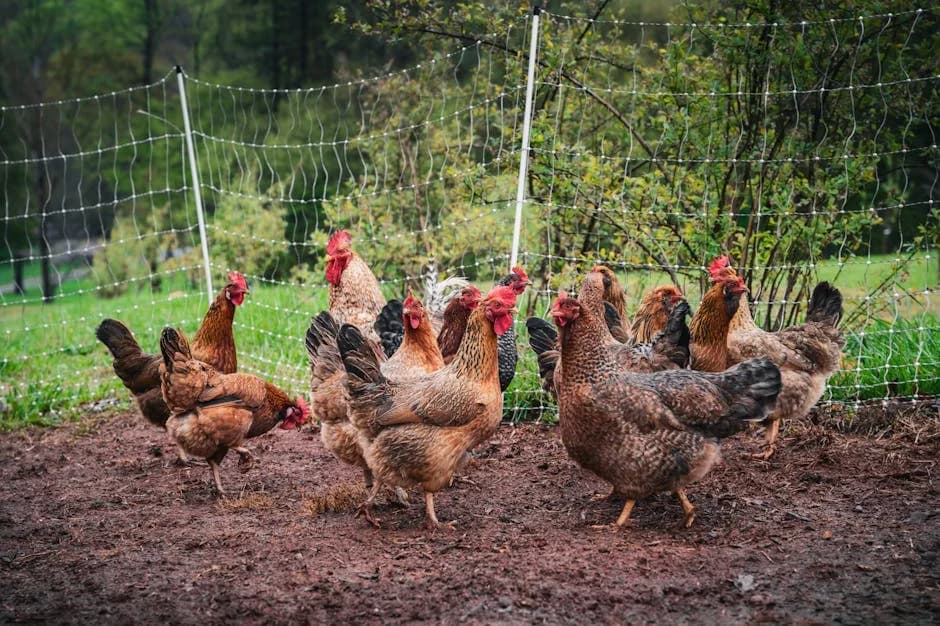
Find the right flock size for your yard, budget, and egg goals. Most beginners do best starting with 3 to 6 hens.
Researched from university extension, USDA, and veterinary sources. How we research.
How Many Chickens Should a Beginner Start With?
This is one of the first questions every new chicken keeper asks, and the answer matters more than you'd think. Start with too few and your hens will be lonely. Start with too many and you'll be overwhelmed before you even figure out what you're doing.
The short answer: 3 to 6 hens is the sweet spot for most beginners. But the right number for you depends on your yard size, local laws, egg goals, and honestly, how much work you're ready to take on.
Let's break it down so you can pick a number that actually makes sense for your situation. Once you settle on a number, our guide on where to buy chickens covers where to actually get them.
Why You Should Never Start With Just One Chicken
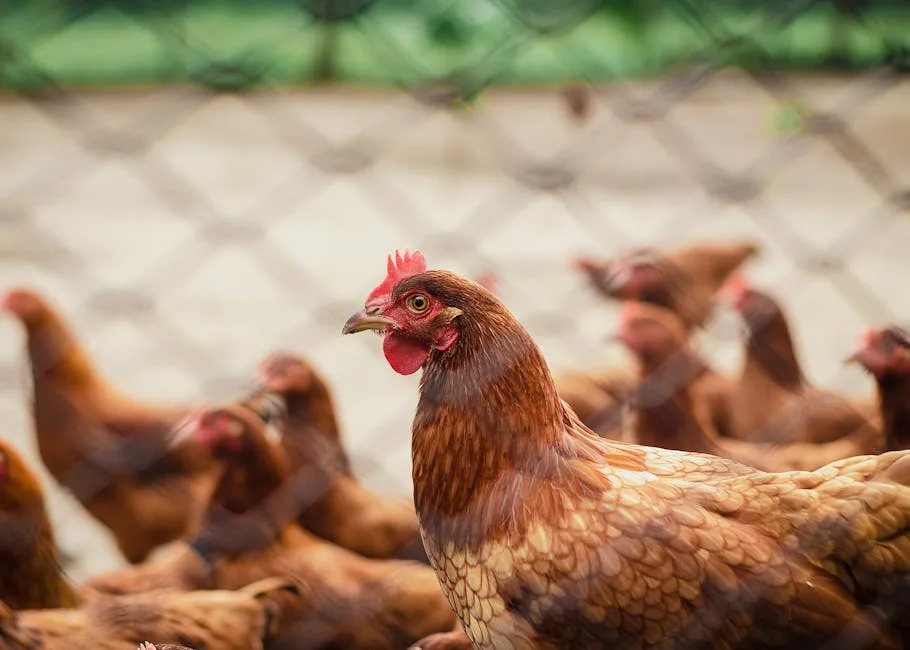
Chickens are flock animals. They're social creatures that rely on a group for safety, warmth, and mental well-being. A single chicken kept alone will become stressed, depressed, and often stop laying entirely.
According to the University of Minnesota Extension, hens thrive in small groups where they can establish a pecking order and engage in natural flock behaviors like dust bathing, foraging, and roosting together.
Two chickens is technically enough for companionship, but most experienced keepers recommend three as an absolute minimum. The reason is simple: if one hen gets sick or dies, the remaining bird isn't left alone. Three gives you a buffer.
As one commenter on r/BackYardChickens put it: "You don't want one chicken. They are flock animals. 3-4 is a good minimum to start with."
The Magic Number: 3 to 6 Hens
Here's why 3 to 6 is the range that works for most first-time chicken keepers:
3 hens give you:
- •Enough for a healthy social group
- •About 12-15 eggs per week during peak laying
- •More eggs than a couple needs, fewer than a big family needs
- •Minimal space requirements
- •Low feed costs (roughly $15-20/month)
6 hens give you:
- •A solid, stable flock with a clear pecking order
- •About 24-30 eggs per week at peak production
- •Enough eggs for a family of 4 with extras to share
- •Still manageable for a beginner
- •Feed costs around $30-40/month
The Cornell Cooperative Extension notes that each hen in her first year of production will lay about two eggs every three days, or up to 15 dozen per year. That number drops as hens age. So if you want a dozen eggs a week consistently, plan on keeping 4 to 5 hens.
Figure Out Your Egg Math
Before you pick a number, think about how many eggs your household actually goes through. Here's a quick calculator:
| Eggs per week you want | Hens you need (Year 1) | Hens you need (Year 3+) |
|---|---|---|
| 6-8 | 3 | 4-5 |
| 12-14 | 4-5 | 6-7 |
| 18-21 | 6-7 | 8-10 |
| 24+ | 8+ | 10+ |
Keep in mind that laying rates vary by breed. High-production breeds like Leghorns and Rhode Island Reds can give you 250-300 eggs per year. Heritage breeds or ornamental varieties might only lay 150-200. Check out our best egg laying breeds guide for a full breakdown.
Also remember: hens don't lay year-round at the same rate. Production drops in winter when daylight hours decrease. You'll get more eggs in spring and summer, fewer in fall and winter. Plan your flock size around the slow months if consistent supply matters to you.
Check Your Space Before You Decide
Your yard and coop size might make the decision for you. The general rule of thumb, recommended by university extension services across the country:
- •Inside the coop: 4 square feet per bird (minimum)
- •Outdoor run: 10 square feet per bird (minimum)
- •Free range: The more the better, but at least 25 square feet per bird
So for 4 hens, you need a coop that's at least 16 square feet (a 4x4 space) and a run of at least 40 square feet. For 6 hens, bump that up to 24 square feet of coop and 60 square feet of run.
These are minimums. More space means happier, healthier chickens with fewer behavioral problems like feather pecking. If you can give them more room, do it.
One practical tip from the backyard chicken community: build your coop bigger than you think you need. Almost every chicken keeper ends up wanting more birds eventually. It's way easier to build for 8 and start with 4 than to rebuild later. The phenomenon is so common it has a name: "chicken math."
For help planning your setup, check our guide on how to build a chicken coop or browse the best chicken coops on Amazon.

Check Your Local Laws
Many cities and towns limit the number of chickens you can keep. Common limits are 4 to 6 hens, with roosters usually banned in residential areas. Some areas require permits.
Before you settle on a flock size, look up your local poultry ordinance. A quick search for "[your city] backyard chicken ordinance" should turn up the rules. If you can't find anything online, call your local zoning office.
Common restrictions include:
- •Maximum number of hens (often 4-6 in suburban areas)
- •No roosters (they crow, loudly, starting at 4 AM)
- •Setback requirements (coop must be 10-25 feet from property lines)
- •Permit requirements (usually cheap, $10-25)
Rural areas typically have fewer restrictions. If you're on acreage, you may have no limit at all.
Our complete beginner's guide has more details on working through local regulations.
The Budget Factor
More chickens means more cost, obviously. But the good news is that the per-bird cost actually goes down as you scale up. Here's a rough breakdown of what to expect:
One-time startup costs (regardless of flock size):
- •Coop: $200-800 (bought) or $100-300 (DIY)
- •Feeder and waterer: $30-50
- •Bedding supplies: $20-30
- •First bag of feed: $15-20
Per-bird costs:
- •Chicks: $3-5 each at a feed store
- •Started pullets (4-6 months old): $15-30 each
- •Feed: about $5-7 per bird per month
- •Bedding: roughly $2-3 per bird per month
So the difference between keeping 3 chickens and 6 chickens is maybe $20-30 per month in ongoing costs. Not a huge jump. The coop is your biggest expense, and that cost is the same whether you put 3 or 6 birds in it (assuming you sized it right).
The Iowa State University Extension recommends planning your budget before buying chicks so you're not caught off guard by ongoing expenses.
Starting With Chicks vs. Started Pullets
Your flock size decision also depends on whether you're starting with baby chicks or older pullets.
Baby chicks (1-2 days old):
- •Cheapest option ($3-5 each)
- •Most breed variety available
- •Require a brooder setup for 6-8 weeks (heat lamp, enclosed space, special chick feed)
- •You might lose one or two, so buy an extra
- •Won't lay eggs for 5-6 months
- •More work upfront, but you get to watch them grow
Started pullets (16-20 weeks old):
- •More expensive ($15-30 each)
- •Limited breed selection
- •Skip the brooder phase entirely
- •Go straight into the coop
- •Start laying within weeks
- •Less work, faster eggs
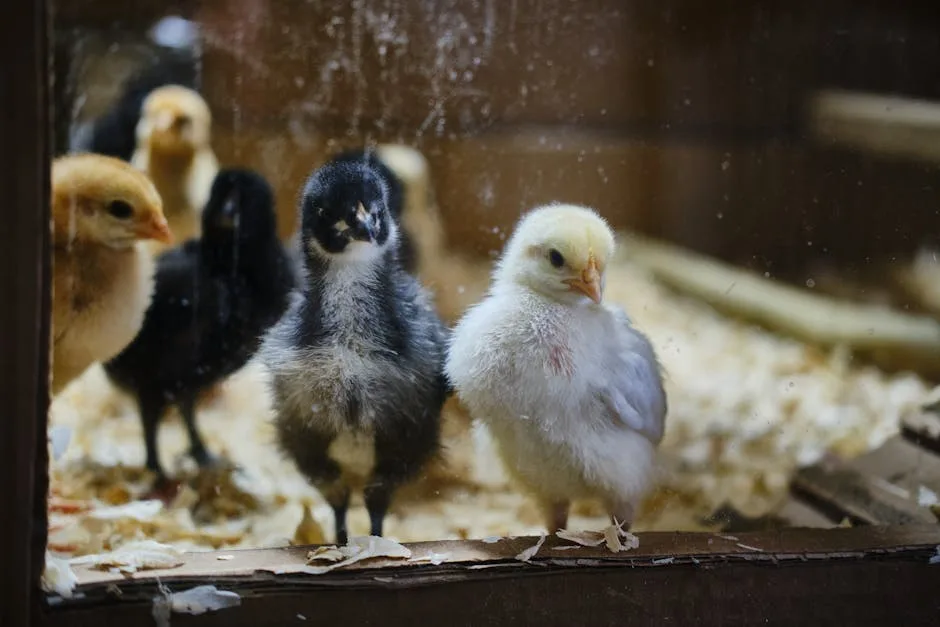
If you're starting with chicks, consider ordering one or two extras beyond what you actually want. Hatcheries sometimes include extra chicks to keep them warm during shipping, and occasionally a chick won't make it through the first week. Better to have 5 healthy pullets than 3 because you only ordered 4.

Common Beginner Mistakes With Flock Size
Starting with too many. Getting 12 chickens because they were cheap and cute at the feed store is a classic mistake. You end up drowning in eggs, spending more on feed than you expected, and the coop is overcrowded. Start small. You can always add more later.
Getting just two. If one gets sick or a predator gets in, you're down to one lonely bird. Three is a much safer minimum.
Not accounting for roosters. If you order "straight run" chicks (unsexed), roughly half will be roosters. Plan accordingly. If you want 4 hens, you might need to order 6-8 straight run chicks and rehome the roosters later. Or pay a little more for sexed pullets.
Forgetting about chicken math. Nearly every chicken keeper ends up with more birds than they planned. You see a pretty breed at the feed store. A friend needs to rehome some hens. You decide to try hatching eggs. It happens to almost everyone. Build your coop with expansion in mind from the start.
Mixing too many breeds. While variety is fun, some breeds don't get along well. Large, docile breeds (like Orpingtons) can get bullied by more assertive breeds (like Leghorns). Stick to 2-3 compatible breeds when starting out. Our best breeds for beginners guide can help you choose.
What Experienced Chicken Keepers Actually Recommend
The Reddit r/BackYardChickens community is full of people who've been through the beginner phase and come out the other side. The consensus is pretty consistent:
- •For a couple or single person: 3-4 hens
- •For a family of 4: 4-6 hens
- •For egg sharing/selling: 6-8+ hens
One experienced keeper summed it up well: "3-5 is good to start with. If you get a bigger breed, maybe go for 3. If they're smaller, you might want more. It'll give you a good sense of how much food, bedding, and equipment costs so you can get an idea of the maximum flock size you'd be able to manage."
Another common piece of advice: "Raising and caring for 6-8 chicks is really no harder than 4. If your coop will be large enough to house 6-8 full grown chickens, I'd consider starting with that many."
Our Recommendation
If you're brand new to chickens and just want to see if this is for you: start with 4 hens. Four is enough for a stable social group, gives you plenty of eggs for a small family, and won't overwhelm you while you're learning the basics.
If you're pretty sure you're going to love it and you have the space: start with 6. You'll have eggs to share with neighbors, the flock will be more resilient, and the extra work compared to 4 is minimal.
Either way, build your coop to hold at least 8. Future you will thank present you when chicken math inevitably kicks in.
Ready to get started? Here's what to read next:
- •Complete Beginner's Guide to Raising Backyard Chickens - Everything you need to know before your first flock
- •10 Best Chicken Breeds for Beginners - Find the perfect breeds for your first flock
- •What Do Chickens Eat? Complete Feeding Guide - Nutrition basics for happy, healthy hens
Frequently Asked Questions
Is 2 chickens enough to start with?
Two is the absolute minimum since chickens need companionship. But 3 to 4 is better because if one dies, you won't be left with a single lonely bird. Starting with 3 gives you a buffer and is still very manageable for a beginner.
How many chickens do I need for a family of 4?
Figure each hen lays about 4 to 5 eggs per week on average. For a family of 4 that eats eggs regularly, 4 to 6 hens will keep you well supplied. You'll even have extras to share with neighbors during peak laying season.
What happens if I start with too many chickens?
You'll need more coop space, more feed, and more time cleaning. The coop gets dirtier faster, birds can get stressed from overcrowding, and your feed bill climbs quick. It's easier to add chickens later than to deal with an overcrowded flock from day one.
Should I buy chicks or started pullets?
Chicks cost $3 to $5 each but need 6 months before they lay. Started pullets cost $20 to $30 but give you eggs within weeks. If you want eggs fast with less work, go with pullets. If you want the full experience and don't mind waiting, chicks are rewarding.
This article contains affiliate links. If you purchase through our links, we may earn a small commission at no extra cost to you. See our FTC disclosure for details.
Related Guides
How Many Eggs Does a Chicken Lay a Day? (Real Numbers)
A hen lays at most one egg a day, and most backyard hens lay 4 to 6 a week. Why one is the limit, what a good hen lays per year, and why counts drop.
Beginner GuidesWhen Do Chickens Start Laying Eggs? Age & Signs
Most hens lay their first egg around 18 to 22 weeks old. Learn the signs a pullet is ready, what delays laying, and how to know eggs are coming.
Beginner GuidesComplete Beginner's Guide to Raising Backyard Chickens
Everything you need to know before getting your first flock. Covers laws, coops, breeds, feeding, health, and what to expect in your first year.
Beginner GuidesRaising Chickens for Meat: A Complete Beginner's Guide
Everything you need to know about raising meat chickens at home. Covers breeds, timelines, feed requirements, processing basics, and real cost breakdowns.