How to Keep Chickens Warm in Winter (9 Tips)
Learn how to keep chickens warm in winter with 9 proven tips. From coop insulation to the deep litter method, here's what your flock really needs.
Researched from university extension, USDA, and veterinary sources. How we research.
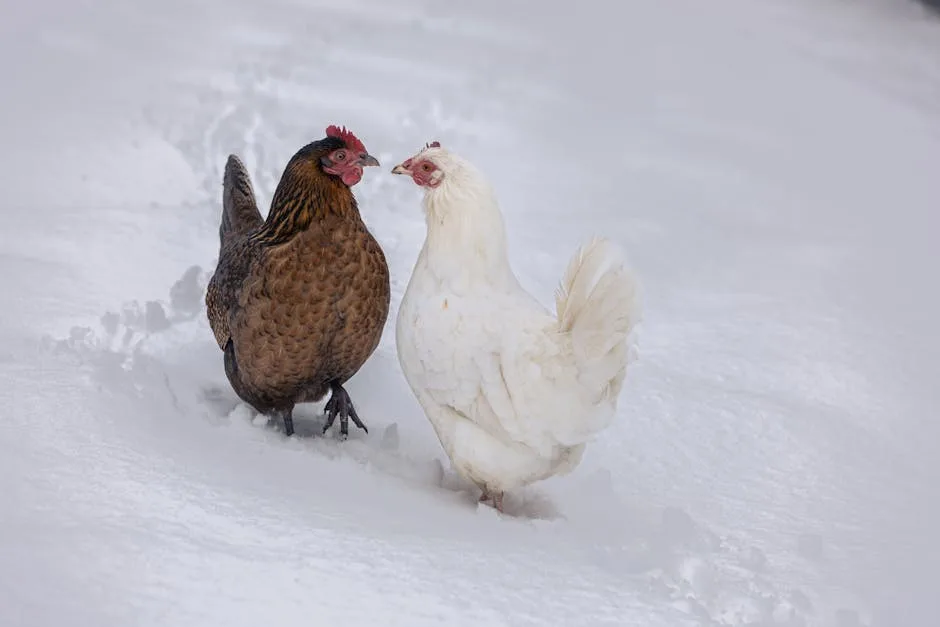
Most chickens handle cold weather better than you'd think. They've got built-in down jackets (literally), and healthy adult birds can tolerate temperatures well below freezing without any supplemental heat. The real threats aren't cold air, they're moisture, drafts, and frostbite.
That said, you can't just ignore your flock when temperatures drop. A few simple changes to your coop setup and daily routine will keep your chickens comfortable, healthy, and still laying eggs through the coldest months.
Here's what actually works, and what's a waste of money.
What You'll Learn
- •Do Chickens Actually Need Heat in Winter?
- •How Cold Is Too Cold for Chickens?
- •Insulate Your Coop the Right Way
- •Use the Deep Litter Method
- •Ventilation vs. Drafts: Know the Difference
- •Prevent Frostbite on Combs and Wattles
- •Keep Water From Freezing
- •Feed Extra Calories Before Bedtime
- •Choose Cold-Hardy Breeds
- •Should You Use a Heat Lamp?
- •Winter Egg Production: What to Expect
- •Frequently Asked Questions
Do Chickens Actually Need Heat in Winter?
Here's the truth that surprises most new chicken keepers: healthy, fully feathered adult chickens don't usually need supplemental heat. Their body temperature runs around 105-107°F, and they've got a thick layer of downy feathers that traps warm air against their skin.
At night, chickens fluff up their feathers and tuck their heads under a wing. If they're roosting side by side (and they will be), they share body heat effectively. A well-insulated coop with 5-6 chickens inside can stay 20-30°F warmer than outdoor temperatures just from their body heat alone.
The exceptions? Chicks under 6 weeks old, silkies (whose feathers don't insulate well), sick or injured birds, and single chickens housed alone. These birds may genuinely need a heat source.
For everyone else, focus on the coop environment rather than adding heat.
How Cold Is Too Cold for Chickens?
Most cold-hardy breeds handle temperatures down to 0°F without issues, as long as the coop is dry and draft-free. Some breeds like Wyandottes, Plymouth Rocks, and Orpingtons can handle even colder conditions, and the Canadian Chantecler was bred specifically to lay through hard winters.
Here's a rough guide:
- •32°F and above: No concerns. Business as usual.
- •20-32°F: Normal winter range. Ensure adequate bedding and ventilation.
- •0-20°F: Monitor closely. Check for frostbite on combs. Provide extra feed.
- •Below 0°F: High-risk zone. Consider a safe radiant heater for overnight. Keep water from freezing.
Wind chill matters more than the thermometer reading. A calm 10°F night is far easier on your flock than a windy 25°F night with gusts blowing through coop gaps.
Insulate Your Coop the Right Way
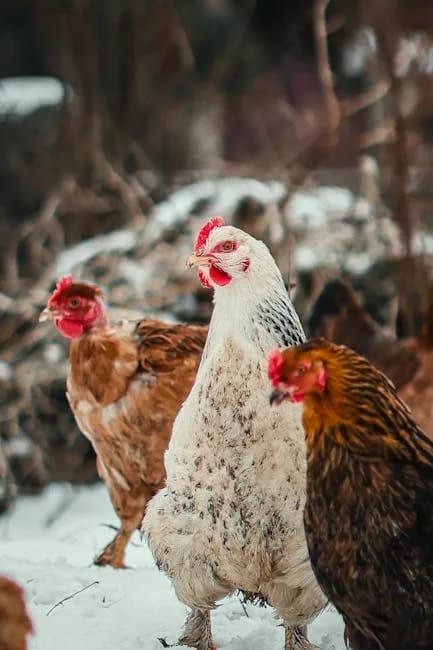
Insulation keeps warm air in and cold air out, but it's not as simple as stuffing fiberglass batts in the walls. Chickens will peck at exposed insulation, and loose material can harbor mites.
The best approach:
- •Sandwich insulation between panels. Use rigid foam board (1-2 inches thick) between the interior and exterior walls. Cover it with plywood so birds can't reach it.
- •Insulate the ceiling first. Heat rises, so the ceiling is where you lose the most warmth. This gives you the biggest return on effort.
- •Don't forget the floor. A thick layer of bedding (6+ inches) provides ground insulation. If your coop sits on bare ground, consider a layer of straw bales around the outside base.
- •Seal gaps, but not all of them. Fill cracks and holes at roost level and below. Leave ventilation openings near the roofline (more on this below).
If you're building a new coop, check out our guide on how to build a chicken coop for tips on winter-ready construction from the start.
Use the Deep Litter Method
The deep litter method is one of the best winter strategies because it actually generates heat. Here's how it works:
Instead of cleaning out your coop bedding regularly, you layer fresh bedding on top of the old material throughout fall and winter. The bottom layers slowly decompose, and that decomposition process creates warmth, sometimes adding 10°F or more to the coop temperature.
How to do it:
- •Start with 4-6 inches of pine shavings or chopped straw in early fall.
- •Every week or two, add 2-3 inches of fresh bedding on top.
- •Turn the litter occasionally with a pitchfork to mix it and prevent matting.
- •By late winter, you'll have 8-12 inches of composting bedding.
- •Do a full cleanout in spring. The spent litter makes excellent garden compost.
Important: The deep litter method only works in coops with good ventilation. Without airflow, moisture builds up and creates the exact problems you're trying to avoid: ammonia fumes, respiratory issues, and frostbite.
The bedding should feel dry to the touch. If it's damp or smells like ammonia, you need more ventilation or a full cleanout.
Ventilation vs. Drafts: Know the Difference
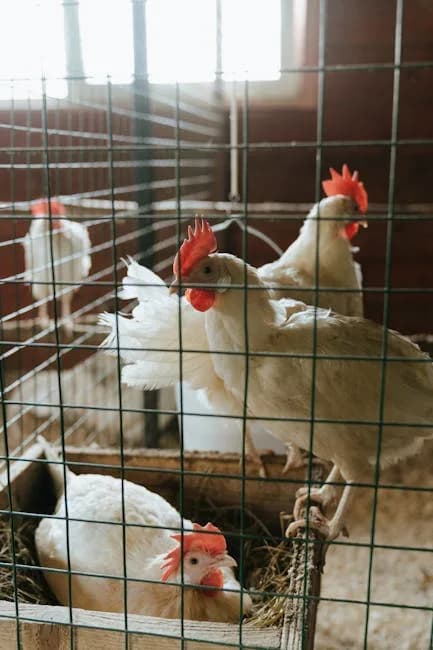
This is the single most misunderstood concept in winter chicken care. Many people seal up their coop completely to "keep the warm air in," and their birds end up sicker than they'd be in a drafty barn.
Ventilation is controlled airflow, typically through openings high up near the roofline. It lets moisture and ammonia escape without blowing directly on the birds.
Drafts are uncontrolled air currents at roost level that hit the birds directly. These are what cause frostbite and cold stress.
You want the first and not the second.
Practical setup:
- •Install ventilation openings (covered with hardware cloth) along the top of opposite walls. This creates cross-ventilation above the birds' heads.
- •Seal any gaps, cracks, or holes at roost height and below.
- •The rule of thumb: 1 square foot of ventilation per 10 square feet of floor space, minimum.
- •In very cold climates, you can partially close vents during extreme cold snaps, but never seal them completely.
If you see condensation on the inside of your coop walls or ceiling, you don't have enough ventilation. That moisture is what causes frostbite, not cold air alone.
Prevent Frostbite on Combs and Wattles
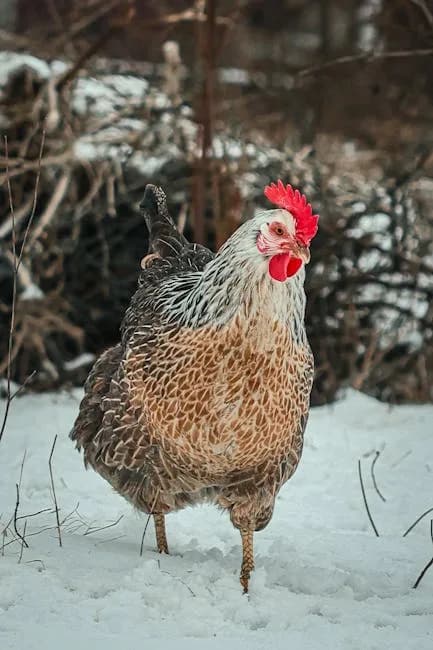
Frostbite is the most common winter health problem in backyard flocks. It shows up as black or gray tips on combs, wattles, and toes. Large, single combs are most vulnerable. Rose combs and pea combs sit closer to the head and rarely have issues.
Prevention tips:
- •Keep humidity low. This is the #1 factor. Proper ventilation handles most of it.
- •Apply petroleum jelly or coconut oil to large combs and wattles before extreme cold nights. This creates a moisture barrier.
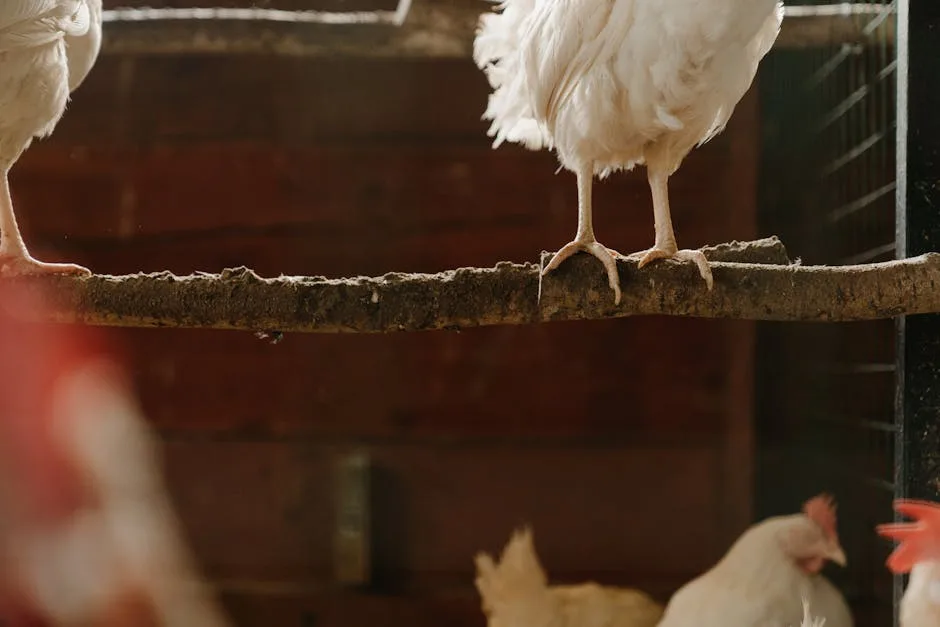
- •Use wide, flat roosts. A 2x4 laid flat (4-inch side up) lets chickens cover their toes completely with their body when roosting. Round dowel roosts force toes to wrap around and stay exposed. Our best roosting bars and perches guide covers what to look for in a winter-safe perch.
- •Don't overcrowd. More birds means more moisture from breathing and droppings. Make sure you've got at least 4 square feet per bird inside the coop.
If you spot frostbite, don't rub or warm the affected area rapidly. Bring the bird inside to warm gradually and apply antibiotic ointment to damaged tissue. Most chickens recover fine, though badly frostbitten comb tips may fall off.
Keep Water From Freezing
Chickens need fresh, unfrozen water every day, even in winter. Dehydration reduces egg production and makes birds more vulnerable to cold stress. A chicken drinks about a pint of water daily, and they won't eat enough snow to stay hydrated.
Solutions that work:
- •Heated waterer base: The simplest option. These electric bases sit under a standard metal waterer and keep water just above freezing. They cost about $30-50 and use minimal electricity.
- •Heated dog bowl: A cheaper alternative. Plug-in heated bowls designed for outdoor pets work great for small flocks.
- •Ping pong ball trick: Float a ping pong ball in the water. Even light wind makes it bob around, which slows ice formation. Won't work in deep freezes, but it buys time on marginal days.
- •Swap water twice daily: If you don't have electricity in your coop, carry warm water out in the morning and again in the afternoon.
Whatever method you use, check water at least twice a day during freezing weather. Even heated waterers can malfunction.
Feed Extra Calories Before Bedtime
Digestion generates body heat, especially when chickens are processing whole grains. Many experienced chicken keepers toss a handful of cracked corn or scratch grains into the coop about an hour before roosting time. The birds spend the night digesting those carbs, which helps keep their core temperature up.
This isn't a replacement for regular feed. Your flock should still have access to their normal layer feed or grower feed throughout the day. Think of scratch grains as a bedtime snack, not a meal replacement.
For a full breakdown of what to feed and when, check our complete feeding guide.
Other winter feeding tips:
- •Increase daily feed by about 10-15%. Birds burn more calories staying warm.
- •Warm oatmeal on especially cold mornings is a great treat (but don't overdo it, it's low in protein).
- •Keep grit available. Chickens need it year-round to digest food properly, and frozen ground means they can't pick up small stones naturally.
- •Fermented feed provides extra nutrition and is easier to digest.
Choose Cold-Hardy Breeds
If you live in a cold climate, breed selection is your best long-term strategy. Cold-hardy breeds have smaller combs (less frostbite risk), heavier body weight (better heat retention), and thicker feathering.
Top cold-hardy breeds:
- •Plymouth Rock: Dense feathering, calm temperament, lays well through winter
- •Buff Orpington: Thick, fluffy plumage, gentle, handles cold down to -10°F
- •Wyandotte: Rose comb (frostbite resistant), reliable winter layer
- •Australorp: Heavy body, good forager, still lays in short daylight
- •Rhode Island Red: Tough, adaptable, one of the best all-around cold weather breeds
- •Brahma: Giant breed with feathered feet, built for cold climates
Breeds to watch in cold weather:
- •Leghorns (large single combs, lean body)
- •Silkies (feathers don't insulate properly)
- •Naked Necks (obvious reasons)
- •Most Mediterranean breeds
If you're still picking your flock, our guide to the best chicken breeds for beginners covers temperament, egg production, and climate suitability.
Should You Use a Heat Lamp?
This is the most debated topic in backyard chicken keeping, and the short answer is: probably not.
Heat lamps cause more chicken deaths than cold weather ever has. They're a major fire hazard, especially in dusty, straw-filled coops. Every year, you'll find news stories about coop fires started by heat lamps that killed entire flocks (and sometimes damaged homes and barns).
Beyond the fire risk, heat lamps create a dependency problem. If your chickens get used to 60°F in their coop and the power goes out on a 5°F night, the sudden 55-degree temperature drop can kill birds that would've been fine if they'd acclimated naturally.
If you need supplemental heat:
- •Use a flat-panel radiant heater designed for coops (like the Sweeter Heater or Cozy Coop). These run at lower temperatures and won't ignite bedding.
- •Never use a clamp lamp. The clamp can slip, dropping the lamp into bedding.
- •Keep any heat source away from bedding, walls, and roosting birds.
- •Use a thermostat-controlled outlet so heat only kicks on below a set temperature (around 0°F is reasonable).
- •Have a backup plan for power outages.
For most backyard flocks in most climates, the strategies above (insulation, deep litter, ventilation, proper breeds) are all you need. Save the heater for genuine emergencies.
Winter Egg Production: What to Expect
Egg production naturally drops in winter because chickens respond to daylight length, not temperature. When days get shorter than about 14 hours, most hens slow down or stop laying entirely. This is normal and healthy.
Your options:
- •Accept reduced production. Many chicken keepers let their flock take a natural winter break. The rest period is good for the birds' long-term health and egg quality.
- •Add supplemental light. A single low-wattage LED bulb on a timer can extend "daylight" to 14-16 hours. Set it to come on early in the morning (not at night, so birds can naturally roost at dusk). You'll get more eggs, but you're pushing the birds harder.
Either approach is fine. Just don't expect peak summer production during January.
For more on maximizing your egg yields, see our guide to raising chickens for eggs.
Frequently Asked Questions
What temperature is too cold for chickens?
Most cold-hardy breeds can handle temperatures down to 0°F without supplemental heat, as long as the coop is dry, draft-free, and well-ventilated. Below 0°F, you should monitor closely for frostbite and consider a safe radiant heater for overnight. Wind chill, moisture, and drafts matter more than the actual air temperature.
Do chickens need a heat lamp in winter?
Healthy adult chickens don't need heat lamps in most climates. Heat lamps are a significant fire hazard and can create dangerous temperature dependency. Focus on proper insulation, ventilation, and the deep litter method instead. If you need supplemental heat in extreme cold, use a flat-panel radiant heater designed for poultry, not a clamp lamp.
How do you keep chicken water from freezing?
The easiest solution is a heated waterer base (about $30-50) that plugs in and keeps water just above freezing. Heated dog bowls work too. Without electricity, carry warm water out twice daily and float a ping pong ball in the bowl to slow ice formation on marginal days.
Should I insulate my chicken coop for winter?
Insulating your coop helps retain body heat from the birds, but ventilation is equally important. Use rigid foam board sandwiched between panels so chickens can't peck at it. Insulate the ceiling first since heat rises. Always maintain ventilation openings near the roofline to prevent dangerous moisture buildup.
Why did my chickens stop laying eggs in winter?
Egg production is driven by daylight, not temperature. When days shorten below about 14 hours, most hens reduce or stop laying. This is a natural rest period. You can add a low-wattage LED on a timer to extend light hours to 14-16, which will restart production for most breeds.
Your flock is tougher than you think. The biggest winter mistakes aren't about cold, they're about sealing coops too tight and creating moisture problems. Keep things dry, well-ventilated, and stocked with plenty of feed and water. Your chickens will handle the rest.
For a full overview of everything involved in keeping a healthy flock, check out our beginner's guide to raising backyard chickens.
Sources:
- •Merck Veterinary Manual. Poultry chapter. https://www.merckvetmanual.com/poultry
- •University of California Davis School of Veterinary Medicine. Poultry health. https://www.vetmed.ucdavis.edu/
- •Cornell University College of Veterinary Medicine. Avian Health. https://www.vet.cornell.edu/
- •USDA APHIS. Defend the Flock biosecurity program. https://www.aphis.usda.gov/livestock-poultry-disease/avian/defend-the-flock-program
Related Guides
Winter Chicken Care: A Complete Seasonal Guide
Keep your chickens healthy all winter with this complete care guide. Covers nutrition, water, egg production, frostbite prevention, and daily routines.
HealthChicken Vent Health: Pasty Butt, Prolapse, Egg Binding
Pasty butt, vent gleet, prolapse, and egg binding: how to spot each chicken vent problem, treat it safely at home, and know when to call a vet.
HealthChicken Molting: What's Normal and What's Not
Chickens molt and drop feathers every fall and stop laying for weeks. Learn the molt timeline, how to help, and the warning signs of a real problem.
HealthCommon Chicken Diseases: Symptoms, Treatment, Prevention
The most common backyard chicken diseases explained: symptoms, treatment, and prevention for Marek's, coccidiosis, respiratory illness, and more.