
Raising Chickens for Eggs: From Hatching to Your First Egg
Everything you need to raise chickens for eggs: breeds, incubation, brooding, and getting the most production from your laying flock.
Researched from university extension, USDA, and veterinary sources. How we research.
Raising Chickens for Eggs: From Hatching to Your First Egg
There's nothing quite like walking out to your coop and finding a warm, freshly laid egg sitting in the nesting box. It's one of those small pleasures that never really gets old, even after you've done it hundreds of times.
But getting to that first egg takes some patience. From the day a chick hatches (or the day you bring one home from the feed store), you're looking at roughly 18 to 24 weeks before you'll see your first egg. That's 4 to 6 months of feeding, watering, and waiting.
This guide covers the entire journey from egg to egg, so to speak. Whether you're starting with fertile eggs in an incubator or picking up day-old chicks at your local Tractor Supply, here's what to expect at every stage.
Choosing the Right Breeds for Egg Production
If eggs are your main goal, breed selection matters a lot. The difference between a high-production layer and a so-so one can be 100+ eggs per year. Our guide to how many eggs a chicken lays a day turns those annual figures into what lands in the basket each week.
Here are the top egg-laying breeds and what you can realistically expect from each:
White Leghorn: The queen of egg production. Leghorns lay 280 to 320 large white eggs per year. They're the breed used in most commercial egg operations for a reason. On the downside, they tend to be flighty and nervous. Not the friendliest birds.
Rhode Island Red: A great all-around choice. Expect 250 to 300 brown eggs per year. Hardy, friendly enough, and available everywhere. If you can only pick one breed, this is a safe bet.
Australorp: Holds the all-time egg-laying record (364 eggs in 365 days, set in Australia in the 1920s). Modern Australorps lay around 250 to 280 eggs per year. Calm and quiet, which makes them great for neighborhoods.
Golden Comet (or other sex-links): These hybrid birds are bred specifically for egg production. They'll give you 250 to 300 brown eggs per year starting as early as 16 weeks. The trade-off is they tend to burn out faster than heritage breeds, with production dropping off more sharply after year two.
Easter Egger: Not the highest producer at 200 to 280 eggs per year, but they lay blue, green, or pink eggs. If you want a fun, colorful egg basket, mix a few of these into your flock.
Buff Orpington: Lower production than the others at 200 to 280 eggs per year, but they're friendly and handle cold weather well. They do tend to go broody, which pauses egg production for weeks at a time.
For a dedicated egg flock, you can't go wrong with a mix of Rhode Island Reds and Australorps, plus a few Easter Eggers for color. For the full breakdown on all beginner-friendly breeds, check our 10 Best Chicken Breeds for Beginners.
Starting from Scratch: Incubating Fertile Eggs
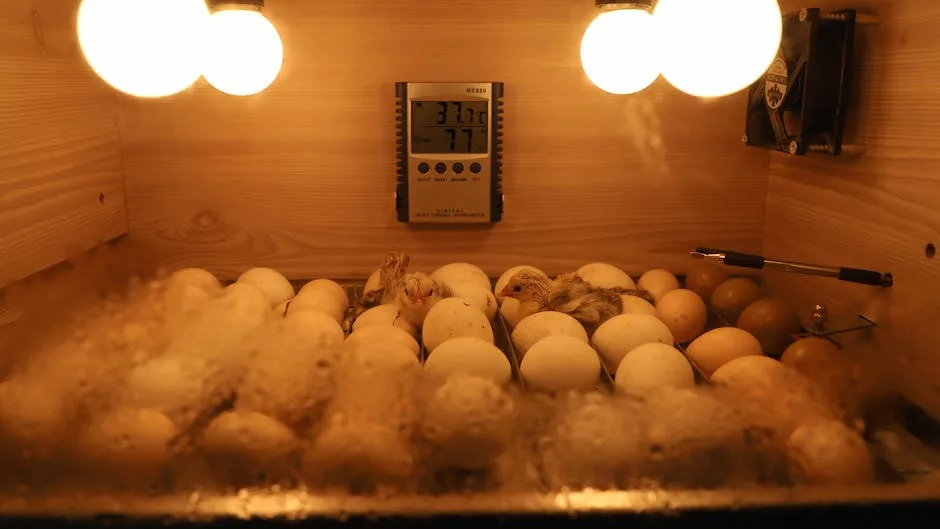
If you want the full experience (or if you already have a rooster and some fertile eggs), incubation is a fascinating process. It takes exactly 21 days from the time you set the eggs to the time they hatch.
You'll need an incubator. Our guide to the best chicken egg incubators compares the top models, but there are two main types:
Still-air incubators ($40 to $80): These are the budget option. They work, but they require more babysitting. Temperature can vary in different spots inside the incubator, so you need to turn eggs manually (3 to 5 times per day) and monitor closely.
Forced-air incubators with auto-turning ($80 to $200+): These have a fan for even heat distribution and a built-in egg turner. Much more hands-off and much higher hatch rates. If you're serious about hatching, spend the extra money here.
A reliable automatic egg incubator will save you a lot of stress and give you better results than the cheap manual ones.
Incubation basics:
- •Temperature: 99.5°F for forced-air, 101 to 102°F for still-air (measured at the top of the eggs)
- •Humidity: 45 to 55% for days 1 through 18, then bump up to 65 to 75% for the last 3 days (lockdown period)
- •Turning: At least 3 times per day if your incubator doesn't auto-turn. Stop turning on day 18.
- •Candling: Around day 7 to 10, hold each egg up to a bright light in a dark room. You should see veins and a dark spot (the embryo). Clear eggs are infertile and should be removed.
The Mississippi State University Extension has an excellent detailed guide on incubation parameters if you want to get really precise with your setup.
Don't expect a 100% hatch rate. Even with perfect conditions, 75 to 85% is considered good for shipped eggs. Eggs from your own flock or a local source tend to do better since they haven't been jostled in the mail.
The Brooder Stage: Weeks 1 Through 6
Whether your chicks hatched in an incubator or came from a feed store, they all need the same thing for the first 6 to 8 weeks: a brooder.
A brooder is just a warm, safe container where chicks live until they're feathered out enough to handle outdoor temperatures. It doesn't need to be fancy. A large plastic tote, a stock tank, or even a big cardboard box works fine.
Here's what chicks need in the brooder:
Heat: Chicks need to start at 95°F during their first week, then you drop the temperature by 5 degrees each week until they're fully feathered (around 6 weeks). A heat plate is safer than a heat lamp. Heat lamps cause house fires every year. It's a real risk that's not worth taking.
Bedding: Pine shavings work great. Don't use cedar (toxic to chicks) or newspaper (too slippery for their developing legs). For the first few days, some people cover the shavings with paper towels so the chicks learn to eat food instead of bedding.
Chick starter feed: Use a medicated or unmedicated chick starter crumble with 18 to 20% protein. Don't give layer feed to chicks. The high calcium content can damage their kidneys.
Water: Use a chick-sized waterer. Chicks can drown in open dishes. Keep the water clean. They will poop in it constantly. Some keepers add a splash of apple cider vinegar (with the mother) to the water for gut health, though the science on this is mixed.
Space: Start with about half a square foot per chick and increase as they grow. By week 4 to 5, you'll need at least 1 square foot per chick.
Our Raising Chicks Week-by-Week Guide goes into much more detail on what to expect each week during the brooder stage.
The Awkward Teenage Phase: Weeks 6 Through 16
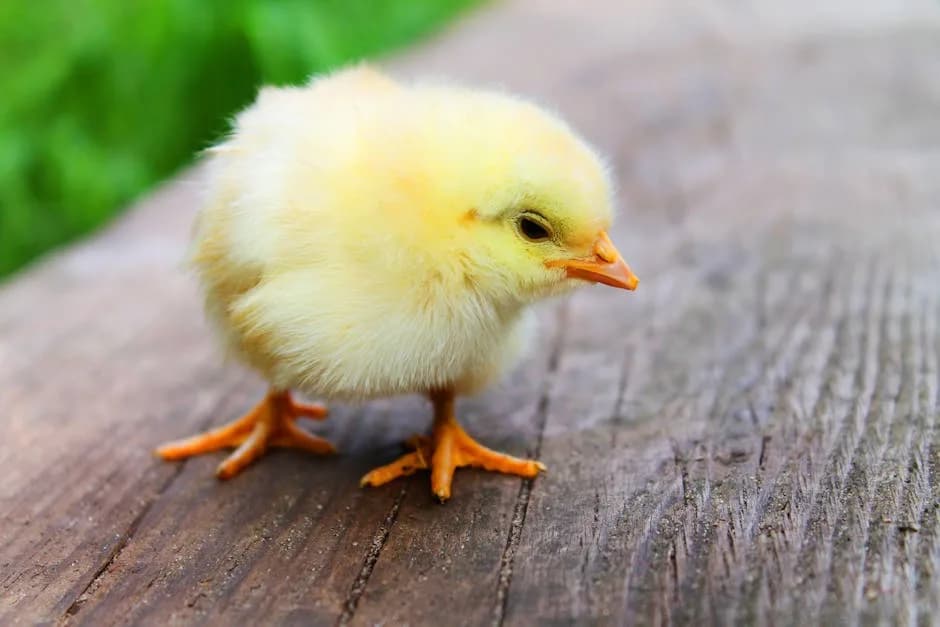
This is the pullet stage, and it's the least exciting part of the process. Your chicks are fully feathered but still months away from laying. They're basically teenagers. Awkward-looking, eating a lot, and contributing nothing to the household.
At around 6 to 8 weeks, you can move your pullets to the outdoor coop (assuming nighttime temperatures are above 50°F or so). If it's still cold out, wait a bit longer or provide supplemental heat in the coop for the first week or two.
During this stage:
- •Switch from chick starter to grower feed (16 to 18% protein) around 8 weeks. Stay on grower feed until they start laying, then switch to layer feed.
- •Let them explore the run and yard. They need exercise and stimulation. Bored pullets can develop pecking habits.
- •Introduce treats gradually. Small amounts of greens, mealworms, and scratch grains are fine. Keep treats to less than 10% of their total diet.
- •Watch for pecking order issues. If you're integrating pullets with an existing flock, this can be stressful. Do it gradually. Our guide on mixing chicken breeds has tips for smooth introductions.
This is also when you'll start to notice breed-specific personalities. Some birds will be bold and follow you around. Others will be skittish. A few might turn out to be roosters, no matter what the hatchery promised. (Sexing accuracy for most methods is about 90 to 95%, so with 6 chicks, there's a decent chance one is male.)
The Big Day: When Do Chickens Start Laying?
Most hens start laying between 18 and 24 weeks of age, though some breeds are earlier and some are later. For a deep dive into the exact signs and what pushes that first egg earlier or later, see our focused guide on when chickens start laying eggs.
Signs that your pullets are getting close to laying:
- •Reddening of the comb and wattles. This is the most reliable visual indicator. When a pullet's comb goes from pale pink to bright red, eggs are usually 2 to 4 weeks away.
- •Squatting behavior. If a hen crouches down when you reach toward her, she's getting ready to lay. This is a submissive posture that signals sexual maturity.
- •Exploring nesting boxes. You'll see them going in and out of the nesting boxes, rearranging the bedding, sitting in them, and generally acting curious about the whole setup.
- •Increased appetite. Egg production requires a lot of energy and calcium. Hens eat more as they ramp up.
The first few eggs are often small (called pullet eggs), and they might be oddly shaped, soft-shelled, or otherwise weird. That's completely normal. It takes a few weeks for a young hen's reproductive system to calibrate. By the time she's been laying for a month or so, the eggs will be consistent in size and quality.
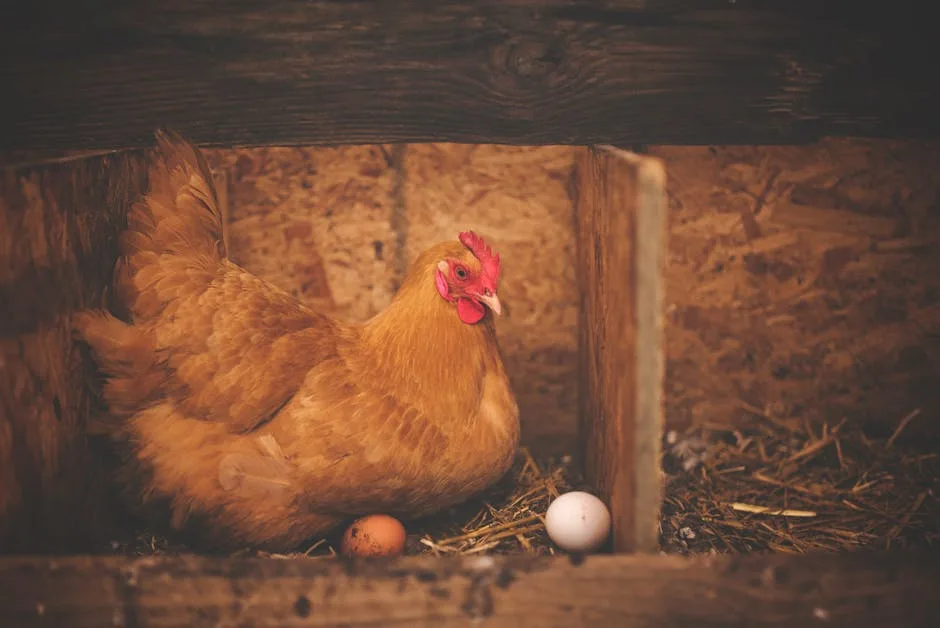
Make sure you have comfortable nesting box pads in each box. They keep eggs clean, cushion against breakage, and are easy to wash. One nesting box for every 3 to 4 hens is the standard recommendation.
Maximizing Egg Production
Once your hens are laying, there are several factors that affect how many eggs you'll actually get.
Light
This is the single biggest factor. Hens need about 14 to 16 hours of light per day to maintain peak production. During the short days of fall and winter, production naturally drops off or stops entirely.
Some keepers add a light on a timer in the coop to extend the "day" during winter months. A single 40-watt bulb on a timer that turns on early in the morning (so the light extends the morning, not the evening) works well. Set it so your hens get 14 to 16 total hours of combined natural and artificial light.
The argument against supplemental lighting is that hens have a finite number of eggs, and forcing year-round production burns through them faster. There's some truth to this, though research from the University of Minnesota Extension suggests that well-fed hens on supplemental light don't show significantly shorter productive lifespans than hens allowed to take a natural winter break.
Nutrition
Laying hens need a complete layer feed with 16 to 18% protein and about 3.5 to 4% calcium. The calcium is critical for strong eggshells. Always have oyster shell available free-choice on the side so hens can supplement their calcium intake as needed.
Don't overdo the treats. It's tempting to spoil your hens with scratch grains and mealworms, but too many treats dilute the nutritional value of their main feed. Keep treats under 10% of total intake.
Fresh, clean water is just as important as feed. A hen that's even mildly dehydrated will drop production. In summer, make sure water stays cool. In winter, use a heated waterer so it doesn't freeze.
Stress Reduction
Stressed hens lay fewer eggs. Common stressors include:
- •Predator harassment (even if they don't get caught, the fear is enough)
- •Overcrowding
- •Sudden changes in routine or environment
- •Extreme heat (over 90°F is when most breeds start struggling)
- •Loud, sustained noise
- •Introducing new birds without a proper integration period
Keep things calm and consistent, and your hens will thank you with eggs.
The Molt
Every year, usually in late fall, hens go through a molt where they shed and regrow their feathers. During a molt, egg production drops dramatically or stops entirely. This is normal and healthy. It usually lasts 8 to 12 weeks.
You can support molting hens by temporarily increasing protein in their diet. Some keepers switch to a higher-protein game bird feed or supplement with black oil sunflower seeds during the molt.
Collecting and Storing Eggs
Collect eggs at least once a day, ideally twice. Eggs left in the nesting box too long can get dirty, cracked, or encourage egg-eating behavior (once a hen learns that eggs are food, it's a hard habit to break).
A good egg collecting basket makes the daily collection more fun than it probably should. See our roundup of the best egg collecting baskets for our top picks.
Should you wash eggs? Fresh eggs have a natural protective coating called the bloom that seals the shell's pores and keeps bacteria out. If you wash it off, the egg becomes more porous and needs to be refrigerated. Unwashed eggs can sit on the counter for 2 to 3 weeks safely. Washed eggs should go in the fridge and will last 4 to 5 weeks.
If an egg is dirty, try dry-brushing it with a cloth or fine sandpaper first. Only wash with warm water (never cold, which can pull bacteria through the shell) if you really need to.
What to Expect in Year One and Beyond
Here's a rough timeline for your egg-laying journey:
- •Weeks 1 to 6: Brooder stage. No eggs, just cute fluffballs eating and growing.
- •Weeks 6 to 16: Pullet stage. Still no eggs. Patience.
- •Weeks 18 to 24: First eggs start appearing! Small, irregular, and exciting.
- •Months 6 to 18: Peak production. This is the golden age. Expect 4 to 6 eggs per day from a flock of 6 good layers.
- •Year 2: Production typically drops about 10 to 15% from year one.
- •Year 3 and beyond: Gradual decline each year. By year 4 or 5, most hens are laying about half of what they did in their first year.
The Penn State Extension notes that egg production in most breeds decreases by approximately 10 to 15 percent per year after the first full laying year. So a hen that laid 280 eggs in year one might lay 240 in year two, 200 in year three, and so on.
This is why many egg-focused keepers add a few new pullets each year to keep total production steady as older hens slow down.
Common Egg Problems (and What They Mean)
As you get further into egg collecting, you'll occasionally find weird ones:
- •Soft or shell-less eggs: Usually a calcium deficiency. Make sure oyster shell is always available. Can also happen with new layers whose systems are still calibrating.
- •Double yolkers: Common in young hens. Two yolks released at once. They're totally fine to eat.
- •Tiny "fairy eggs" (or "fart eggs"): A hiccup in the system where an egg forms without a yolk. Normal and nothing to worry about.
- •Blood spots: A small blood vessel ruptured during egg formation. Safe to eat. Just scoop it out if it grosses you out.
- •Bumpy or ridged shells: Can be caused by stress, disease, or just a quirk of that particular hen. Occasional weird shells are normal.
If you're consistently getting thin-shelled or shell-less eggs from multiple hens, check their diet and consider having your water tested. Hard water with very high mineral content can sometimes interfere with calcium absorption.
The Bottom Line
Raising chickens for eggs is one of the most rewarding parts of backyard farming. Yes, it takes about 5 months before you see your first egg. And yes, production won't last forever. But when your flock is in its prime, having more fresh eggs than you know what to do with is a pretty great problem to have.
Start with good egg breeds, give them proper nutrition and housing, keep stress low, and collect eggs daily. Do those basics right and you'll have eggs coming out of your ears before you know it.
For a broader overview of getting started with chickens, head over to our Complete Beginner's Guide to Raising Backyard Chickens. And if you're still deciding how many chickens to start with, we've got you covered there too.
Frequently Asked Questions
How long does it take for chickens to start laying eggs?
Most hens start laying between 18 and 24 weeks old, depending on breed. Production breeds like Leghorns and ISA Browns tend to start on the earlier end. Heritage breeds sometimes take closer to 6 months. You'll know they're getting close when their combs turn bright red.
Why did my chickens stop laying eggs?
The most common reasons are shorter daylight hours in winter, molting, stress, poor nutrition, or age. Hens naturally slow down after 2 to 3 years. Check that they're getting enough protein (16 to 18 percent layer feed) and at least 14 hours of light per day.
Do I need to wash fresh eggs before storing them?
No. Fresh eggs have a natural protective coating called the bloom that keeps bacteria out. Leave them unwashed and they'll stay good on the counter for 2 to 3 weeks, or up to 3 months in the fridge. Only wash them right before you use them.
How many eggs does one chicken lay per week?
It depends on the breed. High-production hens like ISA Browns lay 5 to 6 eggs per week. Heritage breeds average 3 to 5 per week. Egg production drops in winter and declines with age. Most hens lay best during their first two years.
Sources:
- •University of Minnesota Extension. "Lighting for Small-Scale Flocks." https://extension.umn.edu/
- •Penn State Extension. "Small-Flock Poultry Nutrition." https://extension.psu.edu/
- •Mississippi State University Extension. "Incubating Eggs." https://extension.msstate.edu/
- •r/BackYardChickens. Various threads on incubation, brooding, and egg production. https://www.reddit.com/r/BackYardChickens/
Product prices and availability are accurate as of the date shown and are subject to change. Any price and availability information displayed on Amazon at the time of purchase will apply to the purchase of this product.
Related Guides
How to Candle Eggs: A Day-by-Day Hatching Guide
Learn how to candle chicken eggs step by step. What to look for on day 7, 14, and 18, how to spot a quitter, and the gear you need. Beginner friendly.
Beginner GuidesDuck Eggs vs Chicken Eggs: Taste, Nutrition, Baking
How duck eggs compare to chicken eggs on size, taste, nutrition, and baking, plus whether raising ducks for eggs is right for your backyard.
Beginner GuidesHow Many Eggs Does a Chicken Lay a Day? (Real Numbers)
A hen lays at most one egg a day, and most backyard hens lay 4 to 6 a week. Why one is the limit, what a good hen lays per year, and why counts drop.
Beginner GuidesWhen Do Chickens Start Laying Eggs? Age & Signs
Most hens lay their first egg around 18 to 22 weeks old. Learn the signs a pullet is ready, what delays laying, and how to know eggs are coming.