Can You Mix Chicken Breeds? Mixed Flock Guide
Yes, you can mix chicken breeds. But some combinations work better than others. Here's how to build a mixed flock that actually gets along.
Researched from university extension, USDA, and veterinary sources. How we research.
Can You Mix Chicken Breeds? What to Know Before Building a Mixed Flock
Short answer: yes, Yes. Most backyard flocks are mixed breeds, and they do just fine together.
Long answer: some breed combinations work better than others, and there are a few things worth thinking about before you throw six different breeds into the same coop and hope for the best.
Why Most Backyard Flocks Are Mixed
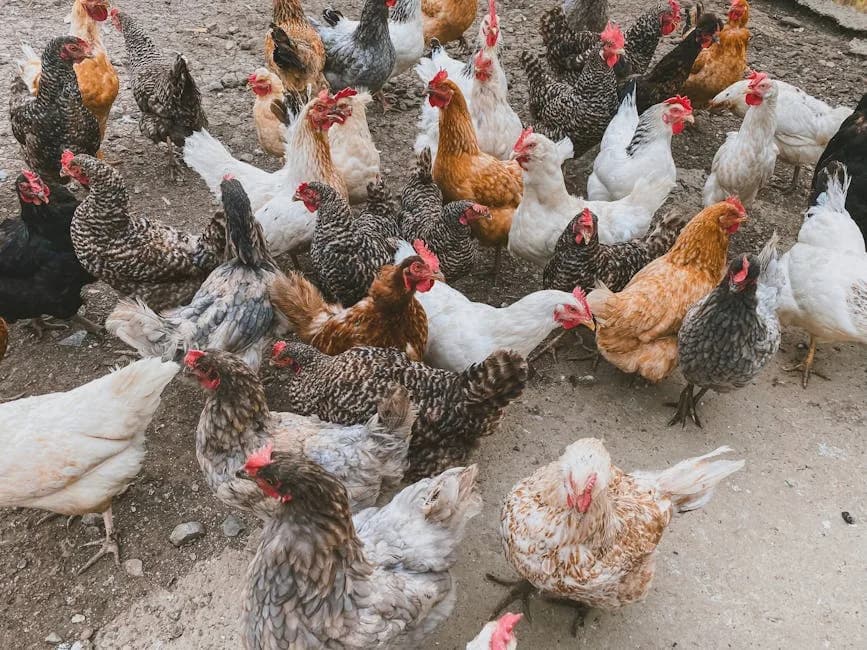
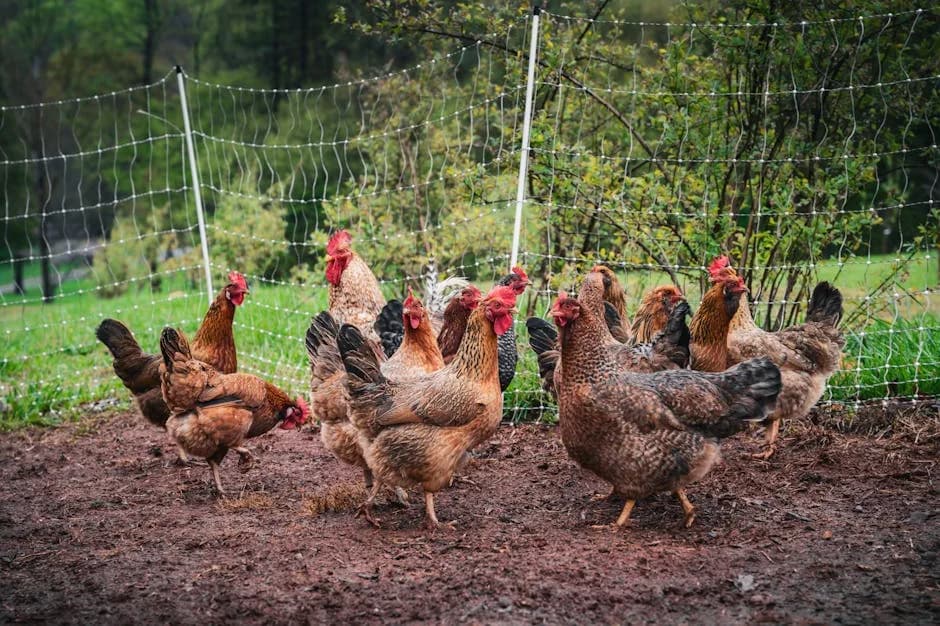
Walk into any feed store during "chick days" in spring and you'll see exactly why mixed flocks are so common. There are dozens of breeds, they're all adorable, and picking just one feels impossible. So most people grab a few of this, a few of that, and end up with a colorful flock.
That's totally fine. Chickens don't care about breed the way dogs sometimes do. A Buff Orpington doesn't look at a Barred Rock and think "you don't belong here." They care about pecking order, food, and roosting spots. That's pretty much it.
Mixed flocks also have some practical advantages:
- •Staggered egg colors. Different breeds lay different colored eggs. Mix a few breeds and you'll get a carton that looks like it belongs at a farmers market.
- •Different strengths. Some breeds handle heat better, others handle cold better. A mixed flock gives you some insurance against weather extremes.
- •Easier to tell them apart. When all your chickens look identical, it's surprisingly hard to notice if one's acting off. With different breeds, you can spot problems faster because you know each bird.
- •It's just more fun. Watching a flock with different sizes, colors, and personalities is genuinely entertaining.
The Pecking Order Is Real
Here's the thing most breed-mixing guides gloss over: chickens establish a strict social hierarchy, and size matters.
Every flock has a pecking order. The dominant hen gets first dibs on food, the best roosting spot, and the right to push everyone else around. This happens whether your flock is one breed or ten. But mixing breeds can make the pecking order rougher if you're not careful about size differences.
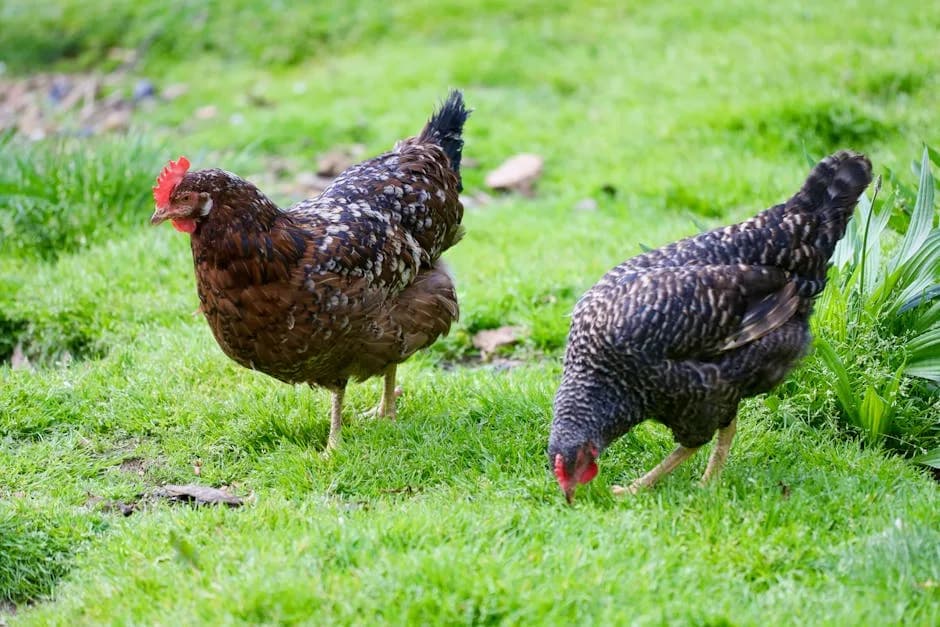
Large breeds like Brahmas, Jersey Giants, and Cochins will almost always end up near the top. Not because they're aggressive, but because they're big and other chickens respect that.
Small breeds like Silkies, Polish, and bantams can get bullied by standard-size birds. This doesn't mean you can't mix them, but you need to watch closely and make sure the little ones are actually getting to eat and drink.
The general rule: keep your size range reasonable. Mixing standard breeds with each other works great. Mixing bantams with large fowl takes more management.
Breeds That Mix Well Together
Some breeds are known for being easygoing flock members. If you're building a mixed flock, starting with a couple of these makes life easier:
Buff Orpingtons are the golden retrievers of the chicken world. Friendly, calm, not aggressive. They get along with almost everything. The same goes for their Lavender Orpington cousins, which share that easygoing temperament.
Plymouth Rocks (Barred Rocks) are steady, reliable, and not particularly bossy. Great flock citizens.
Australorps are gentle and quiet. They tend to mind their own business and lay like machines.
Wyandottes are calm and cold-hardy. They hold their own without being bullies.
Sussex are curious and friendly. They'll explore everything and don't start fights.
Easter Eggers are typically mellow and adapt well to mixed flocks. Plus they lay blue or green eggs, which makes the egg basket more interesting.
Breeds That Need More Thought
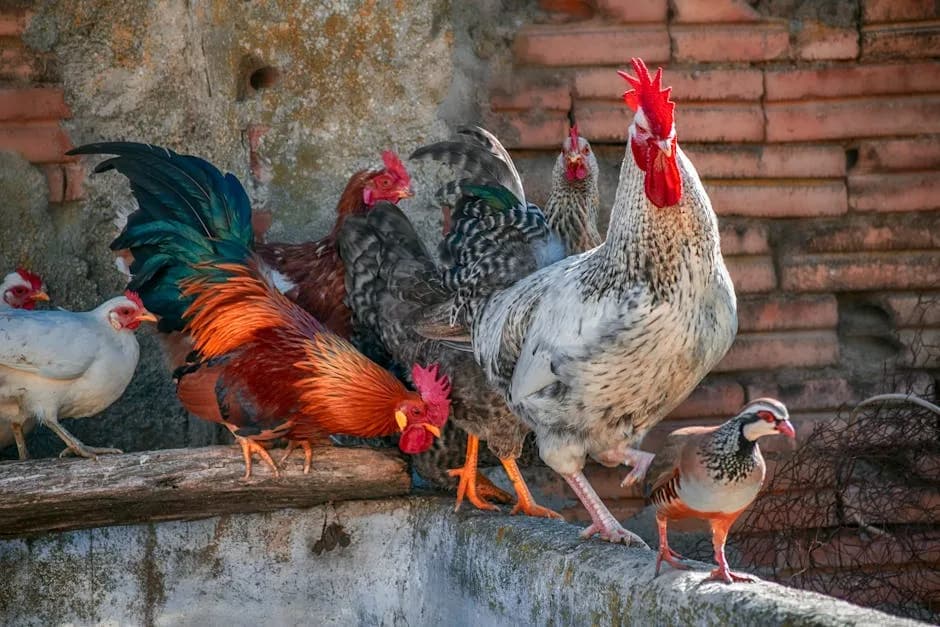
Some breeds aren't bad, they just need more consideration in a mixed setup:
Silkies are tiny, can't see well (their fluffy head feathers block their vision), and can't fly at all. Other breeds sometimes pick on them. If you want Silkies, consider giving them their own section or pairing them only with other gentle bantams.
Polish have the same visibility problem as Silkies. That big crest makes them easy targets for curious flock mates who decide to peck at it.
Leghorns are flighty and nervous. They're not aggressive, but they're high-strung, and that energy can stress out calmer breeds.
Game breeds were literally bred for aggression. Mixing them with docile breeds is asking for trouble, especially the roosters.
Malay and Aseel are large, assertive breeds that can dominate or injure smaller birds. Not ideal for a casual mixed flock.
Introducing New Breeds to an Existing Flock
If you already have chickens and you're adding a different breed, don't just toss the newcomers in. That's how birds get hurt.
The standard introduction process:
- •
Quarantine new birds for 2 to 4 weeks. Keep them completely separate. This protects your existing flock from any diseases the new birds might be carrying. No shared water, no shared tools, wash your hands between coops.
- •
Let them see each other first. Set up the new birds in a pen or cage within sight of your existing flock. A wire divider works great. Let them look at each other for a week or so. They'll posture and fuss, but they can't actually make contact.
- •
First supervised meetings. Let them free-range together in a large open area. More space means less conflict. Don't do introductions inside the coop where there's nowhere to run.
- •
Watch the first few days carefully. Some pecking is normal. That's how they establish the new order. But if one bird is getting cornered, bloodied, or prevented from eating and drinking, you need to separate and try again.
- •
Add multiple birds, not just one. A single new chicken is an easy target. Adding two or three at once distributes the attention.
Size and Space Requirements for Mixed Flocks
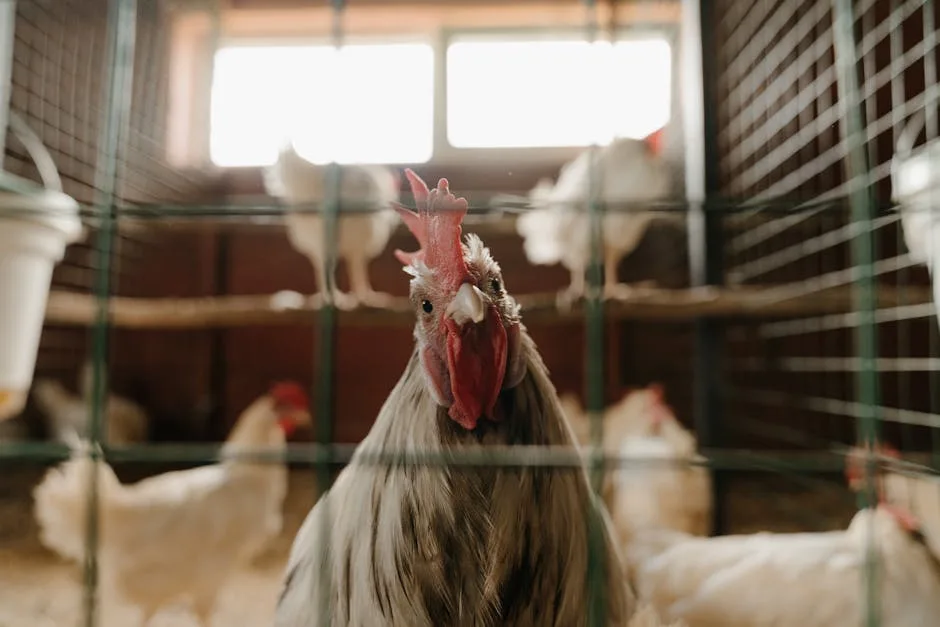
Mixed flocks often need a bit more space than single-breed flocks because different-sized birds need room to get away from each other.
Coop space: Plan for 4 square feet per standard bird and 2 square feet per bantam, minimum. If you're mixing large fowl with smaller breeds, err on the generous side. Crowding is the number one cause of bullying.
Run space: 10 square feet per bird minimum in an enclosed run. More is always better. Free-ranging solves most space problems because birds can just walk away from conflict.
Multiple feeding stations. This is the biggest practical tip for mixed flocks. Put out at least two feeders and two waterers, spaced apart. Dominant hens can't guard both at once, so the lower-ranking birds still get to eat.
Roosting bars at different heights. Chickens prefer to roost as high as possible. In a mixed flock, the dominant birds claim the top bar. Having bars at different levels gives everyone a spot without a nightly fight.
Will Different Breeds Crossbreed?
If you have a rooster, yes. Roosters don't care about breed. They'll mate with any hen in the flock.
The chicks from cross-bred parents are perfectly healthy. They just won't be purebred, so they might look like a random mix of both parents. They won't breed "true" to either parent breed.
If you're keeping chickens just for eggs and don't have a rooster (which is most backyard flocks), this isn't even a consideration. Hens lay eggs regardless of whether a rooster is around. The eggs just won't be fertilized.
If you do want to breed purebred chickens, you'll need to keep breeds in separate pens with their own roosters. That's more of a breeder setup than a typical backyard flock.
Common Mistakes with Mixed Flocks
Adding one bird at a time. A lone newcomer gets all the harassment. Always add in pairs or groups.
Mixing bantams with large aggressive breeds. A standard Brahma won't hurt a bantam on purpose, but a standard game hen might. Know your breeds' temperaments.
Not enough space. This causes 90% of mixed flock problems. When birds can't get away from each other, minor pecking turns into real bullying.
Ignoring the quiet one. In a mixed flock, the bird that's always hiding in the corner or the last to eat is probably getting picked on. Don't assume it's just "her personality." Check for missing feathers, wounds, or weight loss.
Assuming all chickens are the same. Different breeds have different cold tolerance, heat tolerance, and dietary needs. Silkies can't get their feathers wet the way a Rhode Island Red can. Leghorns handle heat much better than Orpingtons. Know what each breed needs.
The Bottom Line
Mixing chicken breeds works great for most backyard flocks. It's actually the norm, not the exception. Just keep a few principles in mind:
- •Match sizes roughly. Standard with standard, bantam with bantam, or at least make sure you've got gentle large breeds with smaller ones.
- •Give them enough space. More room means fewer problems.
- •Introduce new birds slowly and in groups.
- •Watch for bullying and intervene if it gets serious.
- •Set up multiple food and water stations.
Do that, and your mixed flock will sort itself out. They'll establish their pecking order, figure out who sleeps where, and get on with the business of eating bugs and laying eggs.
Frequently Asked Questions
Will different chicken breeds fight each other?
There'll be some pecking order stuff no matter what, but outright fighting is rare if you match breeds with similar temperaments. Avoid pairing very aggressive breeds like Asils with docile ones like Silkies. Similar-sized, mellow breeds mix together without much drama.
Can I mix bantams with standard-size chickens?
You can, but watch carefully. Standard chickens can bully bantams due to the size difference. It works best when they're raised together from chicks. Provide extra hiding spots and multiple feeders so smaller birds can eat without getting pushed around.
Do mixed flocks lay fewer eggs?
No. Each hen lays based on her breed's genetics regardless of who else is in the flock. A mixed flock actually gives you a fun variety of egg colors and sizes. You might get brown, white, blue, and green eggs from the same coop.
How do I introduce new breeds to an existing flock?
Add at least two new birds at a time so nobody's singled out. Keep them separated but visible for a week or two, then let them mingle supervised. Nighttime introductions work well since chickens are groggy and less territorial when they're settling in to roost.
Have questions about specific breed combinations? Check out our breed guide for beginners or our complete beginner's guide to get started.
Sources:
- •The American Poultry Association. Standard of Perfection (reference). http://www.amerpoultryassn.com/
- •University of Kentucky Cooperative Extension. Small Flock Poultry resources. https://poultry.extension.org/
- •The Livestock Conservancy. Heritage breed conservation. https://livestockconservancy.org/
Related Guides
Crested Chicken Breeds: Types, Care, and Crest Facts
Crested chicken breeds like Polish and Silkie wear feathery pom-poms. Learn the types, why they grow crests, and how to keep them healthy.
BreedsDual-Purpose Chicken Breeds: 10 Best for Eggs & Meat
Dual-purpose chicken breeds give you steady eggs and a meaty carcass from one flock. Compare the 10 best breeds by egg count, weight, and temperament.
BreedsBantam Chickens: Breeds, Care, and Egg Facts
Bantam chickens are mini breeds for small yards. Learn the popular types, how they differ from standard hens, egg laying, and care basics.
BreedsBest Chicken Breeds for Beginners (2026 Picks)
10 best chicken breeds for first-time keepers, ranked by egg production, temperament, hardiness, and ease of care. With a quick comparison table.