Plymouth Rock Chicken Breed Guide: Eggs & Care
Plymouth Rock chickens lay 200-250 brown eggs yearly and make perfect beginner birds. Get the full breed profile with care tips, varieties, and FAQs.
Researched from university extension, USDA, and veterinary sources. How we research.
Plymouth Rock chickens are one of America's oldest and most beloved backyard breeds, and they've earned that reputation. These friendly, cold-hardy birds lay around 200 to 250 large brown eggs per year, they're calm enough for kids to handle, and they'll keep producing through winter when other breeds take a break. If you're looking for a reliable dual-purpose bird that won't give you headaches, Plymouth Rocks deserve a spot at the top of your list.
But there's more to this breed than just the classic Barred Rock you've probably seen in photos. Plymouth Rocks come in seven recognized varieties, and each one has its own quirks. This guide covers everything you need to know, from egg production and temperament to housing needs and common health issues.
What You'll Learn
- •Breed History and Origin
- •What Do Plymouth Rock Chickens Look Like?
- •Plymouth Rock Varieties
- •How Many Eggs Do Plymouth Rocks Lay?
- •Plymouth Rock Temperament and Personality
- •Are Plymouth Rocks Good for Beginners?
- •Housing and Space Requirements
- •Feeding Your Plymouth Rocks
- •Common Health Issues
- •Plymouth Rock vs Other Popular Breeds
- •Where to Buy Plymouth Rock Chickens
- •Frequently Asked Questions
Breed History and Origin
The Plymouth Rock chicken was first exhibited at a poultry show in Boston in 1849, but that original strain disappeared for about 20 years. The breed we know today was developed in the 1860s by crossing Dominiques with Black Javas. A breeder named D.A. Upham of Worcester, Massachusetts is widely credited with stabilizing the breed and getting it recognized by the American Poultry Association in 1874.
Plymouth Rocks quickly became the most popular farm chicken in America. By the early 1900s, they were the go-to bird for both eggs and meat on small farms across the country. During World War II, Barred Rocks were one of the primary breeds used in the government's "Hens for Victory" campaign to boost home egg production.
The breed's popularity dipped in the mid-20th century as commercial hybrid layers took over, but they've made a strong comeback with the backyard chicken movement. The Livestock Conservancy listed them as "Recovering" for years before graduating the breed in 2023, a sign that Plymouth Rocks are thriving again.
What Do Plymouth Rock Chickens Look Like?
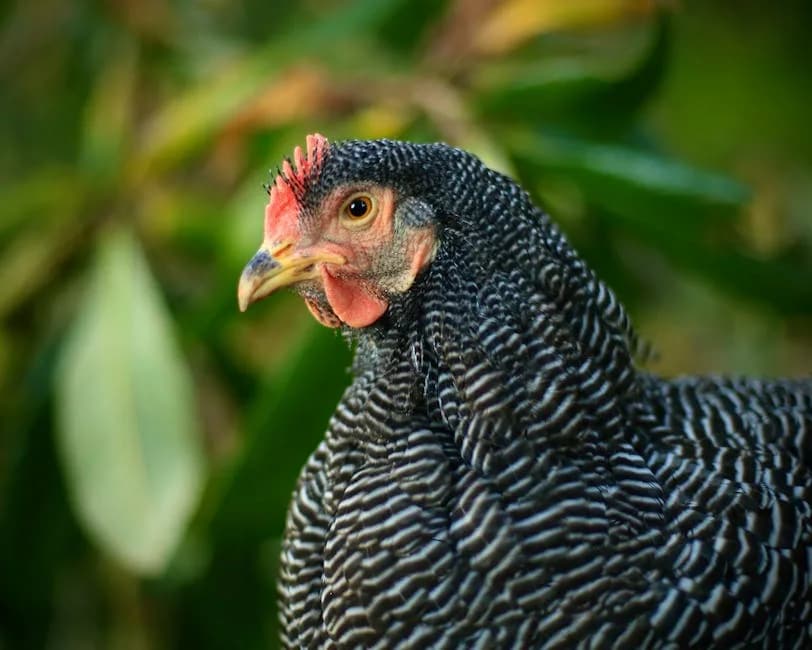
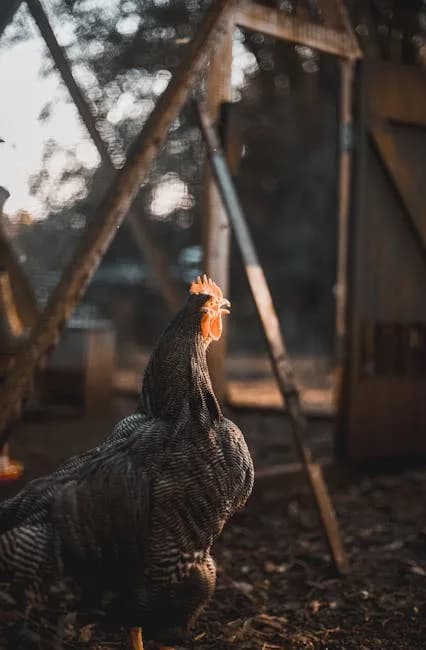
Plymouth Rocks are big, solid birds. Roosters typically weigh 9 to 9.5 pounds, while hens come in around 7 to 7.5 pounds. They've got a broad, deep body with a full breast and a long, flat back. Their single comb has five points, and they've got bright red wattles and earlobes.
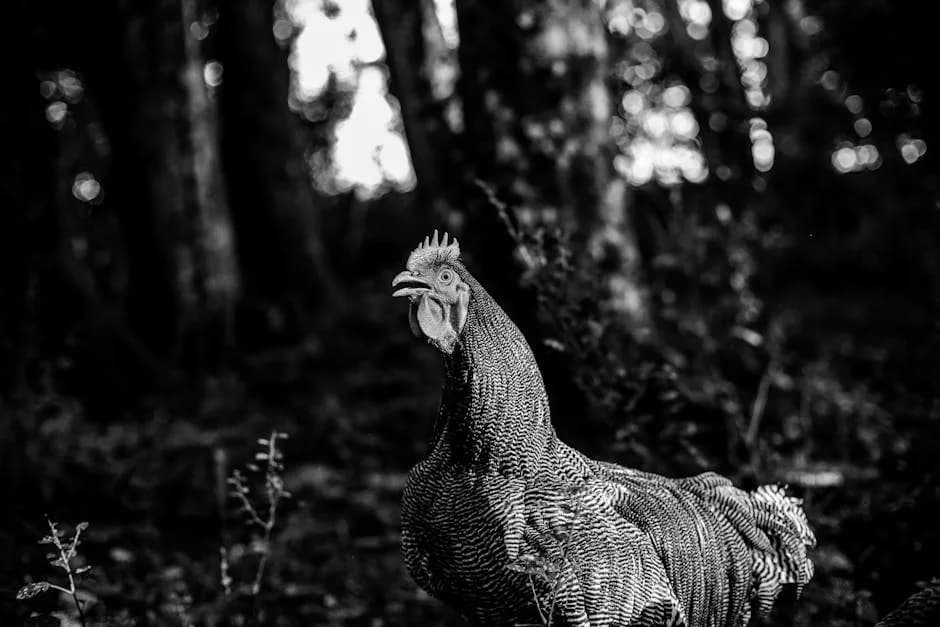
The most recognizable feature is the barred plumage pattern on Barred Rocks. Each feather has alternating bands of dark and light, creating that signature striped look. Hens tend to have slightly darker barring than roosters, which is actually a handy way to sex chicks early on. Male Barred Rock chicks usually have a larger, more defined white head spot at hatching.
Their legs are clean (no feathering), yellow-skinned, and sturdy. The beak is horn-colored, and their eyes are reddish-bay. Overall, they look exactly like what you'd picture when someone says "farm chicken."
Plymouth Rock Varieties
The American Poultry Association recognizes seven varieties of Plymouth Rock chickens:
- •Barred - The classic black-and-white striped pattern. By far the most common and popular variety.
- •White - Solid white plumage. Widely used in the commercial broiler industry as the foundation for Cornish Cross meat birds.
- •Buff - Warm golden-buff feathers. A beautiful bird that's gaining popularity with backyard keepers.
- •Silver Penciled - White feathers with fine dark penciling. Striking but harder to find.
- •Partridge - Rich mahogany and black pattern similar to other partridge-colored breeds.
- •Columbian - White body with black neck hackles and tail feathers. Looks similar to a Light Brahma.
- •Blue - Slate blue-gray plumage. A newer addition that's become trendy in recent years.
All seven varieties share the same body type, temperament, and egg-laying ability. The differences are purely cosmetic. That said, Barred and White are the easiest to find, while Silver Penciled and Partridge can be tough to source.
How Many Eggs Do Plymouth Rocks Lay?
Plymouth Rocks are solid, dependable layers. You can expect around 200 to 250 large brown eggs per year from a healthy hen, which works out to roughly four or five eggs per week. That puts them right in the sweet spot for a dual-purpose breed, not quite as prolific as production breeds like Leghorns, but more than enough to keep a family supplied.
Here's what makes Plymouth Rocks stand out from other layers: they're excellent winter producers. While many breeds slow down dramatically when daylight hours drop, Plymouth Rocks keep laying through the cold months. You'll still see a dip in production, but it won't be as dramatic as with breeds like Orpingtons or Wyandottes.
Pullets typically start laying at around 18 to 20 weeks old, which is about average. Their eggs start out medium-sized and gradually increase to large over the first few months of laying. The shell color is a warm light brown, sometimes with a slightly pinkish tint.
One thing to note: Plymouth Rocks can go broody, especially heritage strains. Hatchery birds have had much of the broodiness bred out of them, but if you get birds from a breeder focused on preserving heritage traits, don't be surprised if a hen decides to sit on eggs in the spring. Some keepers see this as a bonus if they want to hatch chicks naturally.
Plymouth Rock Temperament and Personality
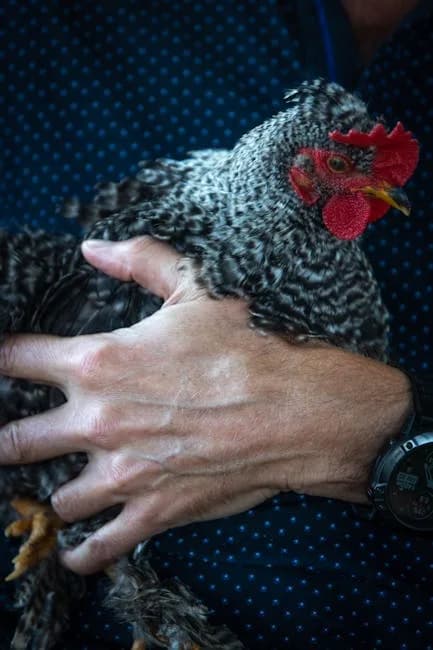
If you could only use one word to describe Plymouth Rock chickens, it would be "friendly." These birds genuinely seem to enjoy being around people. They'll follow you around the yard, come running when they see you (especially if you've got treats), and many will tolerate being picked up and held.
They're calm, curious, and rarely aggressive. Roosters can be protective of their flock, but Plymouth Rock roosters are generally much mellower than breeds like Rhode Island Reds or Leghorns. They're one of the better rooster breeds if you've got kids around.
In the pecking order, Plymouth Rocks tend to land somewhere in the middle. They're not pushy or dominant, but they're big enough that they won't get bullied by most other breeds. They mix well in flocks with other docile breeds like Orpingtons, Wyandottes, and Australorps.
They're also relatively quiet birds. Hens will do their egg song after laying, and they'll make noise if they spot a predator, but they're not the type to squawk all day for no reason. That makes them a good pick if you've got neighbors nearby.
Are Plymouth Rocks Good for Beginners?
Plymouth Rocks are one of the absolute best breeds for first-time chicken keepers. Here's why:
They're forgiving. Plymouth Rocks are hardy, adaptable birds that don't need perfect conditions to thrive. They handle cold weather well thanks to their dense plumage and moderate comb size. They also tolerate heat reasonably well, though you'll want to provide shade and plenty of water in the summer.
They're low-maintenance. No special dietary needs, no unusual health problems, no complicated housing requirements. Give them a solid coop, quality feed, fresh water, and space to roam, and they'll do great.
They're friendly enough for kids. If you're raising chickens as a family project, Plymouth Rocks are perfect. They're patient with handling and rarely peck or scratch at people.
They produce well. Getting four to five eggs a week from each hen is satisfying for beginners who want to see a tangible return on their investment.
If you're trying to decide how many chickens to start with, three to four Plymouth Rock hens is a great starting point. That'll give you a dozen or more eggs per week without being overwhelming.
Housing and Space Requirements
Plymouth Rocks are big birds, so they need a bit more room than bantam or smaller breeds. Here's what to plan for:
Coop space: At least 4 square feet per bird inside the coop. With Plymouth Rocks being on the larger side, 5 square feet is even better. Overcrowding leads to pecking, stress, and lower egg production.
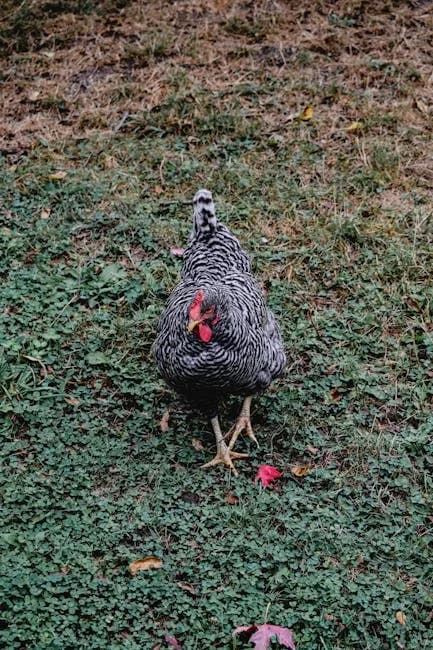
Run space: A minimum of 10 square feet per bird in an enclosed run. If you can free-range them, even better. Plymouth Rocks are excellent foragers and will happily spend all day scratching around the yard looking for bugs and seeds.
Roost bars: Give them 10 to 12 inches of roost space per bird. Use 2x4 lumber with the wide side up so they can cover their toes with their body heat in winter. Place roosts at least 2 feet off the ground, but not so high that the heavy birds risk leg injuries jumping down.
Nesting boxes: One box for every three to four hens, sized at least 12x12 inches. Plymouth Rocks aren't picky about nesting boxes, but they do prefer a dark, quiet spot.
For bedding, pine shavings work great in the coop. They're absorbent, easy to clean, and help control odor. Sand is another excellent option for the run area since it drains well and is easy to rake.
Feeding Your Plymouth Rocks
Plymouth Rocks don't have any special dietary requirements, but their larger size means they'll eat a bit more than smaller breeds.
Chicks (0-8 weeks): Start with a quality chick starter feed containing 18-20% protein. Make sure they've got clean water available at all times and add a chick-safe waterer so they can't drown.
Pullets (8-18 weeks): Switch to a grower feed with 16-18% protein. You can start offering small treats like mealworms and chopped greens, but keep treats to less than 10% of their total diet.
Laying hens (18+ weeks): Move to a complete layer feed with 16% protein and added calcium. Keep a separate dish of crushed oyster shells available so hens can self-regulate their calcium intake for strong eggshells.
Treats and supplements: Plymouth Rocks love kitchen scraps like watermelon, corn, leafy greens, and cooked rice. Mealworms are like chicken crack and work great for training them to come when called. Just remember that treats shouldn't make up more than 10% of their diet.
During winter, you can give your flock scratch grains in the late afternoon. Digesting the extra calories helps them generate body heat through the night. Check out our complete feeding guide for more detailed information.
Common Health Issues
Plymouth Rocks are generally healthy, sturdy birds without any breed-specific diseases. But there are a few things to watch for:
Frostbite on combs: Their single comb can be susceptible to frostbite in cold climates. Applying a thin layer of petroleum jelly to the comb and wattles before temperatures drop below zero can help. Make sure your coop has good ventilation (moisture causes frostbite, not cold air alone) but no drafts at roost level.
Bumblefoot: Because Plymouth Rocks are heavy birds, they can be prone to bumblefoot, a bacterial infection on the foot pad usually caused by landing hard on rough surfaces. Keep roosts at a reasonable height and check feet regularly.
External parasites: Mites and lice can affect any breed. Provide a dust bathing area (a shallow container of sand mixed with food-grade diatomaceous earth) and inspect your birds regularly. Check under wings and around the vent area.
Obesity: Plymouth Rocks love to eat, and they can pack on extra weight if they're overfed or don't get enough exercise. An overweight hen will lay fewer eggs and can develop reproductive issues. Free-ranging or providing a large run helps keep them active.
Average lifespan: With good care, Plymouth Rocks typically live 8 to 10 years, which is above average for chickens. Production will naturally decline after the first two to three years, but many keepers enjoy their Plymouth Rocks as pets long after they've slowed down on egg laying.
Plymouth Rock vs Other Popular Breeds
Trying to decide between Plymouth Rocks and other beginner-friendly breeds? Here's how they stack up:
Plymouth Rock vs Rhode Island Red: Both are excellent dual-purpose breeds. Rhode Island Reds lay slightly more eggs (250-300 per year vs 200-250), but Plymouth Rocks have a calmer, friendlier temperament. If maximum eggs are your priority, go with RIRs. If you want a more docile bird, especially with kids around, Plymouth Rocks win.
Plymouth Rock vs Buff Orpington: Orpingtons are equally friendly and fluffy, but Plymouth Rocks are better layers and more active foragers. Orpingtons tend to go broody more often, which is great if you want to hatch chicks but annoying if you just want eggs.
Plymouth Rock vs Wyandotte: Both are cold-hardy and dual-purpose. Wyandottes have a rose comb that's more resistant to frostbite, but Plymouth Rocks are generally friendlier and easier to handle. Egg production is similar between the two.
Plymouth Rock vs Australorp: Australorps are slightly better layers (around 250-300 eggs per year), but Plymouth Rocks are hardier in cold weather and have a more outgoing personality. Both are great choices for beginners.
For a deeper comparison across multiple breeds, check out our guide to the best chicken breeds for beginners.
Where to Buy Plymouth Rock Chickens
Plymouth Rocks are widely available from multiple sources:
Hatcheries: Major hatcheries like Murray McMurray, Cackle Hatchery, and Meyer Hatchery all carry Barred Rocks and usually White Rocks. Some carry the rarer color varieties. Most hatcheries require a minimum order of 3 to 15 chicks and ship day-old birds via USPS.
Farm stores: Tractor Supply, Rural King, and similar farm supply stores carry Barred Rock chicks during "chick days" in spring (typically February through May). This is the cheapest and easiest option if you just want a few birds.
Local breeders: For heritage-quality Plymouth Rocks with better temperaments and stronger genetics, look for local breeders. Check Facebook groups, Craigslist, and your state's poultry association. You'll pay more ($10-25 per chick vs $3-5 from hatcheries), but the quality difference is often noticeable.
Pricing: Day-old chicks typically run $3 to $5 from hatcheries. Sexed pullets are slightly more. Started pullets (8-12 weeks old) cost $15 to $25 each. Point-of-lay hens (16-20 weeks) can run $25 to $40 depending on your area.
Looking for the right coop? Whatever breed you settle on, the coop you put them in matters as much as the bird itself. Our best chicken coops on Amazon roundup covers current top picks across flock sizes and price ranges, from under-$100 starter coops to walk-in models for larger flocks.
Frequently Asked Questions
Are Plymouth Rock and Barred Rock the same chicken?
Barred Rock is the most common variety of Plymouth Rock chicken. Plymouth Rock is the breed name, and Barred refers to the black-and-white striped feather pattern. There are seven recognized Plymouth Rock varieties, but people often use "Barred Rock" and "Plymouth Rock" interchangeably since the barred variety is so popular.
How long do Plymouth Rock chickens live?
Plymouth Rocks typically live 8 to 10 years with proper care, which is longer than average for most chicken breeds. Egg production slows after the first two to three years, but many backyard keepers enjoy them as pets well beyond their peak laying years.
Can Plymouth Rock chickens handle cold weather?
Yes, Plymouth Rocks are one of the most cold-hardy breeds available. Their dense plumage provides excellent insulation, and they'll continue laying eggs through winter when many other breeds stop. The main concern is frostbite on their single comb during extreme cold, so make sure your coop stays well-ventilated to reduce moisture buildup.
How do you tell if a Barred Rock chick is male or female?
Barred Rock chicks can often be sexed at hatching by looking at the white head spot. Male chicks typically have a larger, more diffuse white spot on top of their heads, while female chicks have a smaller, more defined spot. This isn't 100% accurate, but it's a useful early indicator. By 6 to 8 weeks, males will start developing larger combs and thicker legs.
Do Plymouth Rock chickens get along with other breeds?
Plymouth Rocks are one of the best breeds for mixed flocks. Their calm, docile personality means they rarely pick fights, and their large size prevents them from being bullied by more assertive breeds. They mix well with Orpingtons, Wyandottes, Australorps, and Sussex. Just be cautious when pairing them with very aggressive breeds. Check out our guide on how to introduce new chickens for tips on blending flocks smoothly.
Plymouth Rocks have been a backyard favorite for over 150 years, and there's a good reason they keep showing up on every "best breeds" list. They're friendly, productive, hardy, and easy to care for. Whether you're starting your first flock or adding to an existing one, you really can't go wrong with a few Plymouth Rocks in the mix. Ready to pick your first birds? Start with our complete beginner's guide to raising backyard chickens for everything you need to know.
Sources:
- •Livestock Conservancy. Plymouth Rock breed page. https://livestockconservancy.org/heritage-breeds/heritage-breeds-list/plymouth-rock-chicken/
- •The American Poultry Association. Standard of Perfection (reference). http://www.amerpoultryassn.com/
- •University of Kentucky Cooperative Extension. Small Flock Poultry resources. https://poultry.extension.org/
- •The Livestock Conservancy. Heritage breed conservation. https://livestockconservancy.org/
Related Guides
Araucana Chicken Breed Guide: Blue Eggs, Tufts, Care
Araucana chicken breed guide: rumpless bodies, ear tufts, true blue eggs, the lethal tuft gene, care, and how they differ from Ameraucanas.
BreedsChocolate Orpington Breed Guide: Genetics, Eggs, Care
Chocolate Orpingtons explained: the sex-linked chocolate gene, why hens show it and roosters carry it, 120 to 150 tinted eggs a year, care, and where to buy.
BreedsLavender Orpington Breed Guide: Eggs, Color, Care
Lavender Orpingtons are calm, cold-hardy hens that breed true to color and lay 150-250 brown eggs a year. Full guide to looks, eggs, care, and cost.
BreedsNaked Neck Chicken (Turken) Breed Guide: Eggs & Care
Naked Neck chickens, or Turkens, are hardy dual-purpose birds with bare necks. Full breed guide: eggs, temperament, heat tolerance, size, and care.