How to Introduce New Chickens to Your Flock
Step-by-step guide to introducing new chickens to an existing flock. Covers quarantine, the see-but-don't-touch method, and 7 tips to reduce pecking.
Researched from university extension, USDA, and veterinary sources. How we research.
Adding new chickens to an existing flock is one of the most stressful things you'll deal with as a chicken keeper. The short answer: you can't just toss new birds in and hope for the best. You'll need a quarantine period, a gradual introduction through a fence or wire barrier, and about 2 to 4 weeks of patience before everyone settles in.
The good news? Thousands of chicken keepers do this successfully every year. With the right approach, your new birds will integrate smoothly and the pecking order drama stays manageable. Here's exactly how to do it.
What You'll Learn
- •Why You Can't Skip the Quarantine Period
- •When Are New Chickens Old Enough to Join the Flock?
- •The See-But-Don't-Touch Method (Step by Step)
- •The Nighttime Introduction Trick
- •7 Tips to Reduce Pecking and Bullying
- •What's Normal vs. What's a Problem
- •How Long Does It Take for Chickens to Accept New Flock Members?
- •Frequently Asked Questions
Why You Can't Skip the Quarantine Period
Before you even think about introductions, every new bird needs to spend at least 2 weeks (ideally 30 days) completely separated from your existing flock. This isn't optional. It's the single most important step.
New chickens can carry diseases that don't show symptoms right away. Marek's disease, respiratory infections, mites, lice, and internal parasites can all devastate your healthy flock if you skip quarantine. The new birds might look perfectly fine while silently carrying something nasty.
During quarantine:
- •Keep new birds in a separate area where they don't share air, water, or space with your existing flock. A different part of the yard, a garage, or a spare coop works.
- •Handle your existing flock first, then the new birds. Change shoes or wash your hands between groups.
- •Watch for symptoms like sneezing, runny eyes, lethargy, pale combs, or unusual droppings.
- •Check for external parasites by looking under wings and around the vent area.
Transport and rehoming are stressful on a bird, so many keepers also run electrolytes and probiotics in the water for the first few days of quarantine to help new arrivals rehydrate and settle.
If everything looks healthy after 30 days, you're ready to start introductions.
When Are New Chickens Old Enough to Join the Flock?
Age matters a lot when you're introducing new birds. If you're raising chicks from day one, don't rush this.
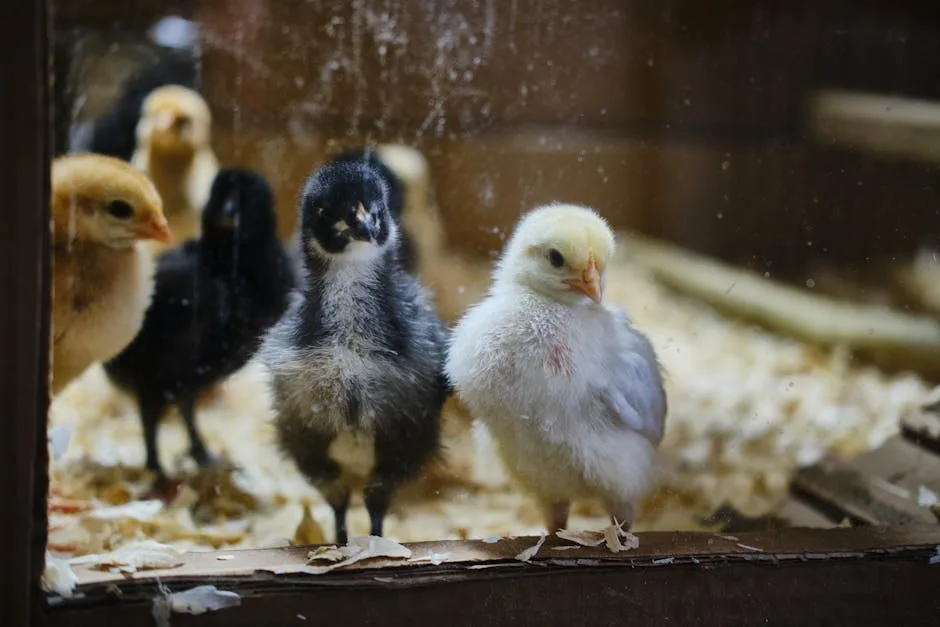
Chicks (under 6 weeks): Way too young. They need a brooder with supplemental heat and shouldn't be anywhere near adult birds. A full-grown hen can seriously injure or kill a small chick with one peck.
Pullets (6 to 12 weeks): Getting closer, but still risky. At this age, they're big enough to move to an outdoor setup, but they'll get bullied badly by adults. If you introduce at this age, you'll need extra hiding spots and a lot of supervision.
Pullets (12 to 16 weeks): This is the sweet spot. They're large enough to hold their own, fast enough to run away, and old enough to understand flock dynamics. Most experienced chicken keepers aim for this window.
Adult hens: Can be introduced at any time using the methods below. Adult-to-adult introductions tend to go smoother since the birds are similar in size.
The general rule: new birds should be close to the same size as your existing flock before you let them interact directly. Size differences lead to the worst bullying.
The See-But-Don't-Touch Method (Step by Step)
This is the gold standard for flock introductions, and it's the method most experienced keepers recommend. Sometimes called the "playpen method" or "look but don't touch," the concept is simple: let both groups see each other through a barrier before they share space.
Here's how it works:
Week 1: Visual Introduction
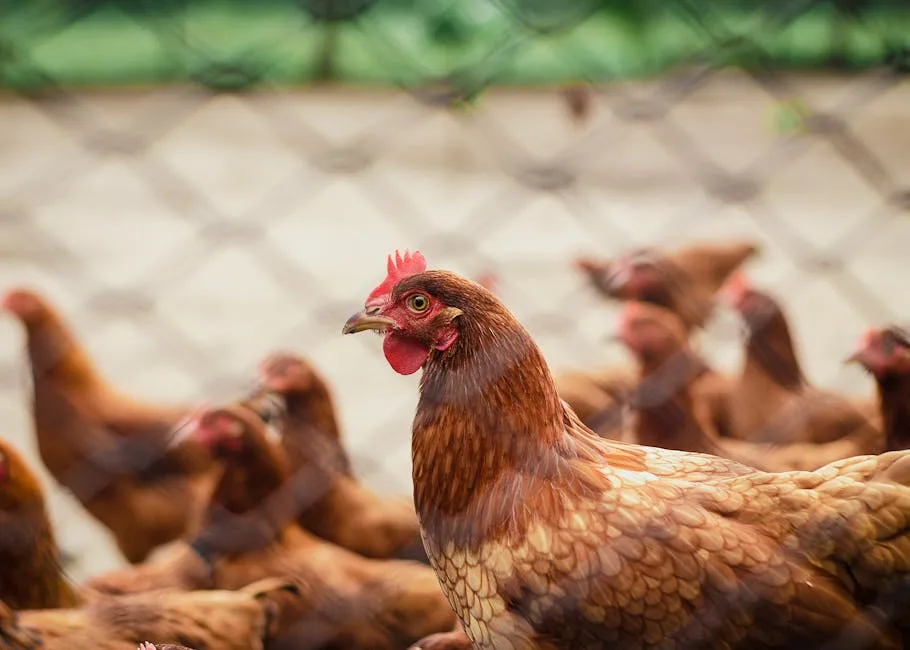
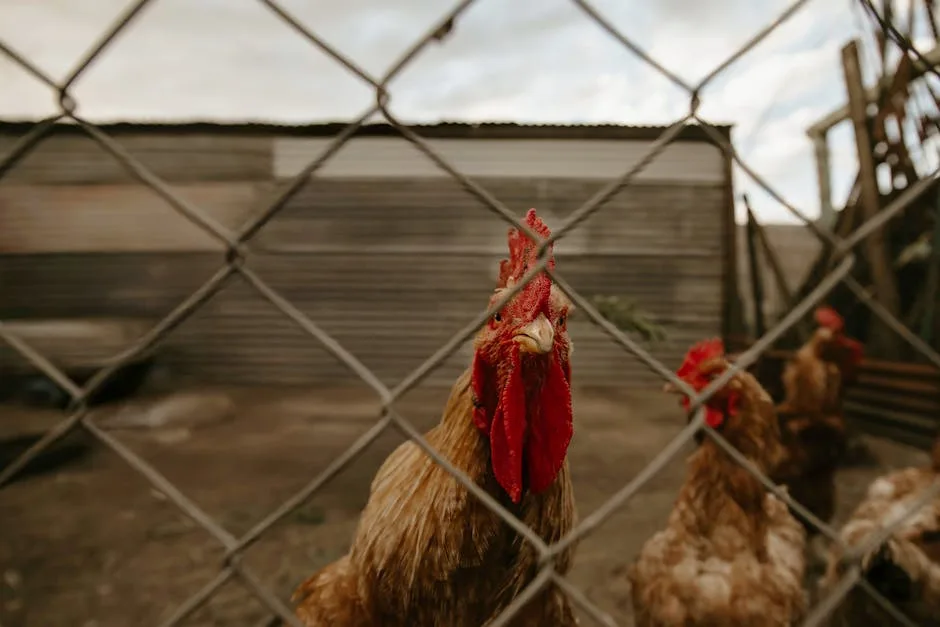
Set up a wire fence, dog crate, or temporary pen inside or right next to your chicken run. Place the new birds on one side so both groups can see, hear, and smell each other, but nobody can make physical contact.
You'll notice a lot of pacing, staring, and maybe some chest-puffing from your established hens. That's completely normal. They're sizing up the newcomers.
During this phase:
- •Give each group their own food and water stations
- •Make sure the new birds have shade and shelter on their side
- •Keep this going for at least 5 to 7 days
Week 2: Supervised Free Range
If your birds free range, let both groups out in the yard at the same time while you're watching. Open space gives new birds room to escape if things get heated. Most of the time, they'll keep their distance naturally.
Watch for:
- •Normal behavior: Occasional pecking, chasing that stops quickly, standoffs
- •Problem behavior: Relentless chasing, drawing blood, cornering a bird with no escape
Do supervised sessions for 30 to 60 minutes, then separate them again. Increase the time each day.
Week 3: Shared Space
Once supervised sessions go smoothly, you can start letting them share the coop and run full-time. The first few days, keep a close eye on things, especially at roosting time when birds are competing for perch spots.
The Nighttime Introduction Trick
You've probably heard that you can add new chickens to the coop after dark and everyone wakes up thinking they've always been together. This trick has some truth to it, but it's not magic.
Here's what actually happens: chickens are essentially blind in the dark and enter a calm, almost trance-like state on the roost. If you place new birds on the roost after dark, there's less initial aggression when everyone wakes up because the novelty factor is reduced.
But it doesn't replace gradual introduction. The existing flock will still notice the new birds by mid-morning and the pecking order negotiations will start. The nighttime trick works best as the final step after you've already done the see-but-don't-touch method for a couple weeks.
To use it effectively:
- •Wait until it's completely dark and all birds are roosting
- •Quietly place the new birds on the roost (not on the floor)
- •Be there at first light to supervise
- •Have food and water scattered in multiple spots so nobody gets blocked
7 Tips to Reduce Pecking and Bullying
Even with a perfect introduction, some pecking is guaranteed. It's how chickens establish their social hierarchy. But you can minimize the rough stuff:
1. Add multiple food and water stations. Dominant hens will guard resources. If there are 3 feeding spots instead of 1, new birds can eat without confrontation. Check out our best chicken feeders and waterers guide for options that work well for larger flocks.
2. Create hiding spots and visual barriers. Pallets leaned against the fence, overturned crates, or bushes inside the run give bullied birds places to duck behind and break the line of sight. When a dominant hen can't see the new bird, she usually stops chasing.
3. Introduce multiple birds at once. Never add a single chicken to an established flock. One bird becomes an easy target. Adding 2 or 3 new birds at the same time spreads the attention and gives them each an ally.
4. Keep roost bars at the same height. Chickens associate height with status. If all your roosting bars are at the same level, there's less competition for the "top spot."
5. Make the run bigger if possible. Crowding makes everything worse. You need at least 10 square feet of run space per bird, and more is always better. If your coop is tight, check out our best chicken coops guide for upgrade ideas.
6. Add distractions. A head of cabbage hung from a string, a pile of scratch grains scattered on the ground, or a flock block gives everyone something to focus on besides the newcomers.
7. Don't intervene too quickly. Light pecking, brief chasing, and stare-downs are all normal pecking order behavior. Only step in if blood is drawn or one bird is being relentlessly cornered with no escape.
What's Normal vs. What's a Problem
It's hard to watch your chickens be mean to the new birds, but understanding what's normal will save you a lot of stress.
Normal Pecking Order Behavior
- •Quick pecks to the head or back (no blood)
- •Short chases that end after a few seconds
- •One bird puffing up and standing tall
- •New birds eating last or roosting in less desirable spots
- •Some feather pulling or chest bumping
Signs You Need to Intervene
- •Blood drawn from wounds (chickens are attracted to blood and will keep pecking at it)
- •A bird being cornered repeatedly with no way to escape
- •One bird refusing to eat or drink for more than a day
- •A bird that looks injured, limping, or has lost significant feathers
- •Relentless aggression from one specific hen that doesn't ease up after a few days
If one particular hen is the problem, try removing her from the flock for a few days. When she returns, her position in the pecking order resets and she'll be less aggressive. This is often more effective than removing the victim.
How Long Does It Take for Chickens to Accept New Flock Members?
Expect the full integration process to take 2 to 4 weeks from the first visual introduction to everyone coexisting peacefully. Some flocks settle in faster, and others take longer. Here's a rough timeline:
| Phase | Duration | What to Expect |
|---|---|---|
| Quarantine | 2-4 weeks | New birds isolated, health monitoring |
| Visual introduction | 1-2 weeks | Fence separation, getting used to each other |
| Supervised mixing | 3-7 days | Short sessions together, increasing duration |
| Full integration | Ongoing | Pecking order settles over 1-2 weeks |
After about a month of shared living, you shouldn't see much aggression beyond the normal everyday flock dynamics. New birds will likely stay at the bottom of the pecking order for a while, but they won't be actively bullied.
If you're starting from scratch and wondering how many chickens to get, planning for future additions from the start makes everything easier. Build a coop with extra space, and you won't be scrambling when you inevitably want more birds.
Frequently Asked Questions
Can you introduce just one chicken to a flock?
It's possible but not recommended. A single new bird gets all the negative attention from the existing flock, which makes the transition harder and more stressful. Always try to add at least 2 or 3 birds at the same time so they have companions and the aggression gets spread around.
Should I introduce new chickens at night?
The nighttime method can help reduce initial aggression, but it shouldn't be your only strategy. Use it as the final step after doing at least a week of visual introductions through a fence. Just placing birds on the roost in the dark won't prevent pecking order conflicts the next morning.
How do I introduce chicks to adult chickens?
Wait until chicks are at least 12 to 16 weeks old and close to the same size as your adults. Use the see-but-don't-touch method for 1 to 2 weeks, then do supervised sessions before full integration. If you're raising chicks from hatch, patience is everything.
Can you mix different chicken breeds in one flock?
Yes. Most backyard flocks are mixed breeds, and chickens don't care what breed their flockmates are. The key is matching temperaments and sizes. Check out our guide to mixing chicken breeds for the combinations that work best.
What do I do if my chickens won't stop fighting?
If aggression continues beyond 2 to 3 weeks, try removing the bully hen for a few days to reset her pecking order position. Also make sure your coop isn't overcrowded, that there are multiple food and water stations, and that the run has hiding spots. Persistent fighting usually points to a space or resource problem.
Ready to expand your flock? Start with our best chicken breeds for beginners to pick birds with friendly temperaments that integrate easily.
Sources:
- •University of Kentucky Cooperative Extension. Small Flock Poultry. https://poultry.extension.org/
- •Penn State Extension. Backyard Poultry Resources. https://extension.psu.edu/animals/poultry
- •University of Florida IFAS. 4-H Poultry Project. https://edis.ifas.ufl.edu/
- •Cornell University Cooperative Extension. Small-flock Poultry. https://cals.cornell.edu/
Related Guides
Rooster vs Hen: How to Tell the Difference
How to tell a rooster from a hen: comb and wattle size, hackle and saddle feathers, crowing, spurs, and behavior, plus the age each clue appears.
Beginner GuidesDuck Eggs vs Chicken Eggs: Taste, Nutrition, Baking
How duck eggs compare to chicken eggs on size, taste, nutrition, and baking, plus whether raising ducks for eggs is right for your backyard.
Beginner GuidesCan Chickens Fly? How High, How Far, and Which Breeds
Chickens can fly, just not far: seconds, not minutes, and a 4-foot fence is nothing to a Leghorn. Which breeds fly, how high, and how to keep them home.
Beginner GuidesChicken Coop Plans: 8 Free Extension Designs (2026)
Eight free chicken coop plans from extension and USDA archives, each opened and checked: sizes, hen counts, materials lists, and what to update on the old ones.