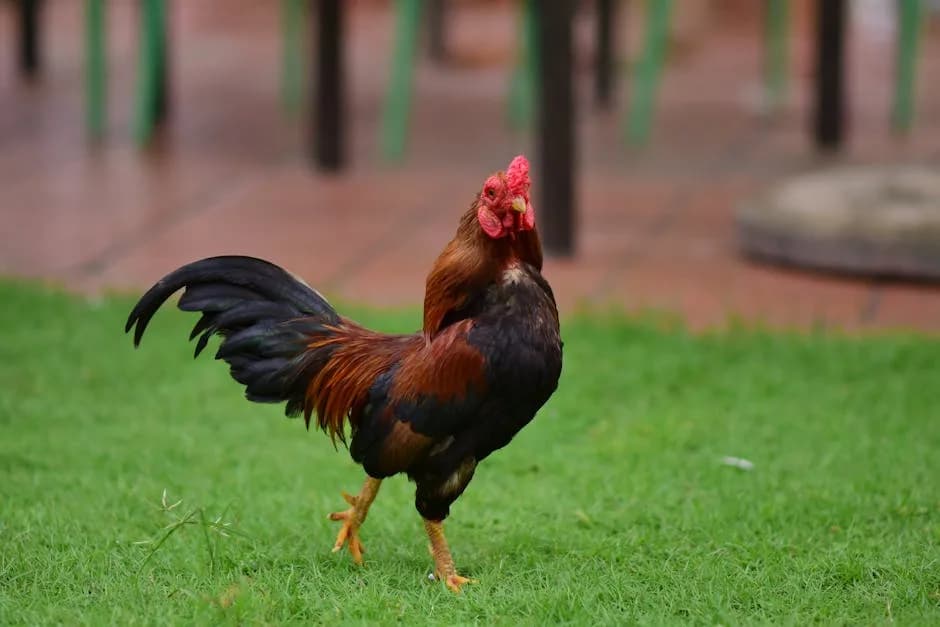
Do You Need a Rooster? Pros, Cons, and What to Expect
Wondering if you need a rooster for your backyard chickens? Here are 7 pros and 6 cons to help you decide, plus tips on rooster-to-hen ratio.
Researched from university extension, USDA, and veterinary sources. How we research.
No, you don't need a rooster for your hens to lay eggs. Hens produce eggs with or without a rooster around. But that doesn't mean roosters are useless. They bring real benefits to a backyard flock, along with some legitimate drawbacks. Whether or not you should keep one depends on your setup, your neighbors, and what you want from your flock.
What You'll Learn
- •Do Hens Need a Rooster to Lay Eggs?
- •7 Reasons to Keep a Rooster
- •6 Reasons You Might Not Want One
- •Rooster-to-Hen Ratio: Getting It Right
- •Best Rooster Breeds for Backyard Flocks
- •How to Handle an Aggressive Rooster
- •Local Laws and Rooster Restrictions
- •Frequently Asked Questions
Do Hens Need a Rooster to Lay Eggs?
This is the most common question new chicken keepers ask, so let's clear it up: hens lay eggs regardless of whether a rooster is present. The egg-laying process is driven by light cycles and hormones, not by mating.
The only thing a rooster does in the egg equation is fertilize them. If you want fertile eggs for hatching chicks, you need a rooster. If you just want eggs for eating, you don't.
Fertilized eggs are perfectly safe to eat, by the way. You can't tell the difference in taste, nutrition, or appearance unless the egg has been incubated. A fertilized egg collected the same day it's laid is identical to an unfertilized one for cooking purposes.
7 Reasons to Keep a Rooster
1. Flock Protection
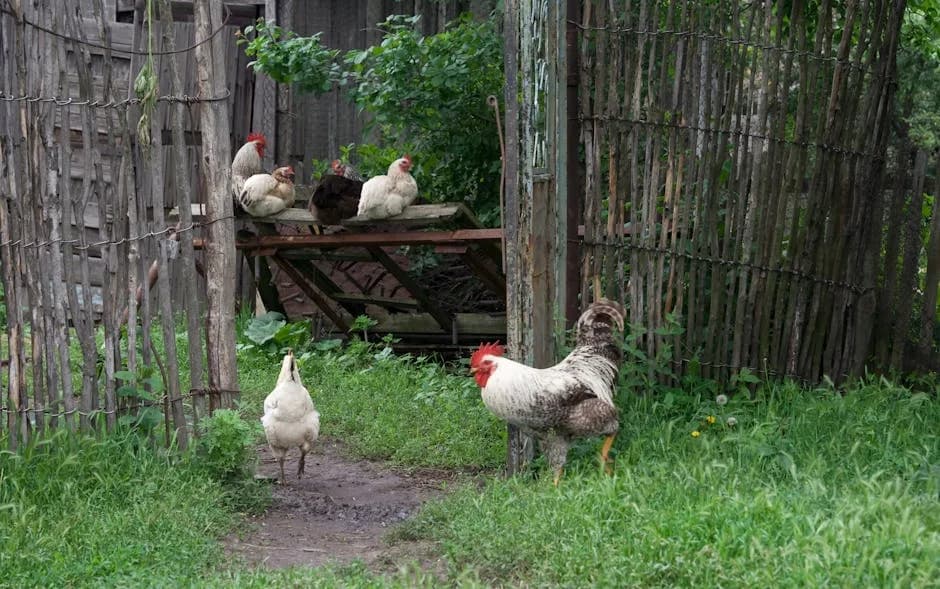
A good rooster takes his watchdog role seriously. He'll scan the sky for hawks, keep an eye on ground-level threats, and sound loud alarm calls when he spots danger. Some roosters will physically place themselves between a predator and the hens, which can buy the flock time to escape.
This doesn't replace solid predator protection like secure fencing and a locked coop, but it adds an extra layer of safety, especially during free-range time.
2. Fertile Eggs for Hatching
If you want to hatch your own chicks or let a broody hen sit on eggs, you need a rooster. Breeds like Silkies and Buff Orpingtons go broody regularly, and having a rooster means those broody episodes can actually produce chicks.
Hatching your own replacement hens is also more economical than buying new pullets every few years as your older hens slow down production.
3. Flock Order and Reduced Hen Squabbling
Roosters act as flock managers. They break up fights between hens, keep the pecking order more stable, and generally reduce tension in the group. Many keepers report that their hens are calmer and more relaxed with a rooster around.
Without a rooster, you'll sometimes see a dominant hen take on a pseudo-rooster role, crowing (yes, hens can crow), mounting other hens, and being more aggressive. A rooster fills that leadership role naturally.
4. Foraging Guide
Roosters do something called "tidbitting," where they find food, make a specific clucking sound, and call the hens over to eat. It's an endearing behavior that helps the flock find food more efficiently during free-ranging.
5. They're Beautiful
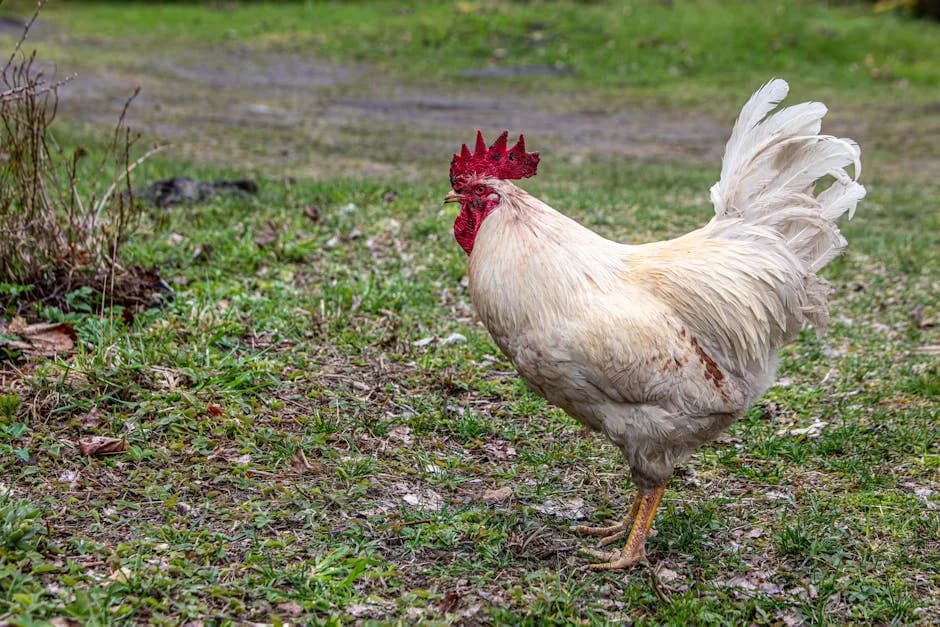
Let's be honest. Roosters are gorgeous birds. Their larger combs, longer tail feathers, iridescent plumage, and dramatic coloring make them the showpieces of any flock. Breeds like Wyandottes and Plymouth Rocks have particularly striking roosters.
6. Natural Flock Dynamics
A flock with a rooster mimics how wild chickens (jungle fowl) naturally live. One dominant male leads a group of hens. If you're raising chickens partly for the experience of observing natural animal behavior, a rooster completes the picture.
7. Entertainment Value
Roosters have big personalities. They strut, they crow, they perform elaborate dances for hens, and they have distinct individual temperaments. Many keepers find their rooster is the most entertaining bird in the flock.
6 Reasons You Might Not Want One
1. Crowing
This is the number one reason people skip roosters. Roosters crow. A lot. Not just at dawn, but throughout the day. Some crow 20 to 30 times per day or more. And it's loud, often hitting 90+ decibels at close range.
If you've got neighbors within earshot, crowing will almost certainly cause complaints. Even if your relationship with your neighbors is great, a rooster at 5 AM can test anyone's patience.
2. Noise Ordinances and Local Laws
Many cities, suburbs, and HOAs ban roosters outright, even in areas that allow hens. Before you get attached to the idea of keeping one, check your local ordinances. Getting a rooster in a restricted area means you'll eventually have to rehome him, and finding homes for roosters is notoriously difficult.
3. Aggression Toward Humans
Not all roosters are aggressive, but some definitely are. An aggressive rooster will charge, spur, and attack people, including children. Rooster spurs are sharp and can cause real injuries. This is especially concerning if you've got kids who spend time around the flock.
Aggression often develops around 6 to 8 months of age as the rooster matures. It can sometimes be managed, but not always.
4. Over-Mating Hens
A rooster with too few hens will mate excessively, causing feather loss, bald patches, and skin injuries on the hens' backs and necks. This is stressful for the hens and can lead to open wounds that attract infection.
Getting the rooster-to-hen ratio right is critical (more on that below).
5. Harder to Rehome
If you end up with a rooster you can't keep, finding him a new home is challenging. Animal shelters are typically overflowing with unwanted roosters. Many people end up having to process them for meat or find a farm willing to take them in. This is a real concern if you're buying straight-run chicks (unsexed) and end up with multiple males.
6. They Eat But Don't Produce Eggs
A rooster eats as much as (or more than) a hen but contributes zero eggs. If you're keeping chickens primarily for eggs and tracking the cost of raising them, a rooster is an added expense with no direct egg return.
Rooster-to-Hen Ratio: Getting It Right
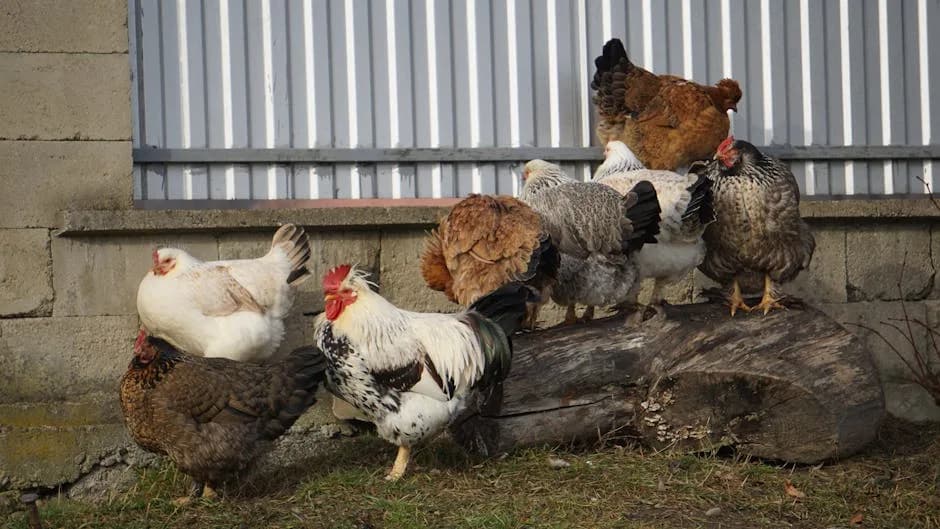
If you decide to keep a rooster, the ratio matters a lot. The general guideline is 1 rooster per 8 to 12 hens.
Too many roosters, too few hens:
- •Hens get over-mated, causing stress, feather loss, and injuries
- •Roosters fight each other for dominance, sometimes to the death
- •The flock becomes chaotic and stressed
One rooster, right number of hens:
- •Hens get mated but not harassed
- •Good fertility rates for hatching
- •Calm, organized flock dynamics
Multiple roosters can work if you've got enough hens (8 to 12 per rooster) and enough space. They need to be able to establish separate territories. Raising roosters together from chick age helps, but it's still not guaranteed to work.
If you're keeping a small backyard flock of 4 to 6 hens, one rooster is the maximum, and even that's pushing the ratio. With fewer than 6 hens, it's often better to skip the rooster entirely.
Best Rooster Breeds for Backyard Flocks
Breed matters when it comes to rooster temperament. Some breeds produce consistently gentle roosters while others are more prone to aggression.
Breeds known for friendly roosters:
- •Buff Orpington: Calm, gentle giants. Often the most recommended breed for a first rooster.
- •Australorp: Docile and easy-going. Great temperament all around.
- •Wyandotte: Confident but not usually aggressive toward people.
- •Plymouth Rock: Friendly and mellow.
- •Silkie: Gentle, though small. Less effective as flock protectors due to size.
- •Brahma: Large but docile. Their size alone deters some predators.
- •Sussex: Friendly and curious.
Breeds more likely to have aggressive roosters:
- •Rhode Island Red: Can be quite aggressive and territorial
- •Leghorn: Flighty and can be confrontational
- •Game breeds: Bred historically for fighting; high aggression is common
- •Old English Game: Beautiful but often very aggressive
Keep in mind that individual personality varies. You can get a mean Orpington rooster or a sweet Rhode Island Red. Breed tendencies are averages, not guarantees. Handling roosters frequently from chick age improves temperament regardless of breed.
How to Handle an Aggressive Rooster
If your rooster starts showing aggression toward people, here are some strategies:
Don't run. Running triggers the chase instinct and reinforces that he's dominant over you. Stand your ground, face him, and walk toward him calmly. You want him to move away from you, not the other way around.
Pick him up. Regularly catching and holding an aggressive rooster (especially in front of the hens) reminds him that you're the top of the pecking order. Hold him under your arm until he relaxes, then set him down calmly. Do this daily for a week or two.
Never kick or hit. Physical punishment makes aggression worse. The rooster sees violence as a challenge and will escalate.
Carry a stick or shield. If you've got a rooster that charges, carrying a long stick or even a trash can lid can redirect him without confrontation. You're not hitting him with it, just blocking his approach.
Protect children. Kids should never be left unsupervised with an aggressive rooster. Their small size makes them easy targets, and rooster spurs can cause serious eye and face injuries to children.
Know when to rehome. Some roosters are genuinely dangerous and no amount of training will fix them. If you've tried everything for a month and the rooster is still attacking people, it's time to find him a new home or process him. Safety comes first.
Local Laws and Rooster Restrictions
Before getting a rooster, research your local laws. Here's what to check:
City/county ordinances. Many urban and suburban areas ban roosters while allowing hens. Some set decibel limits or restrict crowing hours (which you can't actually control). Check your city's municipal code or call your local animal control office.
HOA rules. Even if your city allows roosters, your homeowners association may not. HOA rules often override local ordinances for properties in their jurisdiction.
Noise complaints. In areas where roosters are technically legal, repeated noise complaints can still result in fines or orders to remove the bird. Crow collars (velcro bands that reduce crowing volume) exist but they're controversial and don't eliminate noise entirely.
Zoning. Some areas allow roosters on properties above a certain acreage but not on smaller lots. Agricultural zoning is almost always more permissive than residential.
If you're unsure about your local rules, check before bringing a rooster home. It's much harder to deal with after you've bonded with the bird.
Frequently Asked Questions
Will hens lay more eggs with a rooster?
No, a rooster doesn't increase egg production. Hens lay based on light cycles, nutrition, and genetics, not based on whether a rooster is present. Some keepers report slightly more consistent laying because a rooster reduces flock stress, but the difference is minimal. For maximum egg production, focus on good feed, adequate light, and high-production breeds.
How can you tell if a chick is a rooster?
It depends on the breed and age. Some breeds can be feather-sexed at hatch, and sex-link breeds show color differences between males and females. For most breeds, you'll start seeing clues around 4 to 8 weeks: roosters develop larger, redder combs earlier; their legs are thicker; and they start attempting to crow around 12 to 16 weeks. Some breeds like Silkies are notoriously difficult to sex until they crow or lay an egg. Our guide on how to tell a rooster from a hen breaks down each clue by age.
What do you do with an unwanted rooster?
Options include rehoming to a farm or homestead (check Craigslist, Facebook groups), processing for meat, contacting local poultry rescues, or posting on breed-specific forums. Be upfront about temperament issues. Unfortunately, roosters are in oversupply in the backyard chicken world, so finding homes can take time.
Can you keep two roosters together?
Yes, but only with enough hens (8 to 12 per rooster) and enough space. Roosters raised together from chick age are more likely to coexist peacefully. Two unfamiliar adult roosters thrown together will almost certainly fight. In small backyard flocks with under 10 hens, one rooster maximum is the safe rule.
Are roosters louder than hens?
Yes, significantly. A rooster's crow reaches 90+ decibels (about as loud as a lawn mower) and happens multiple times per day starting before dawn. Hens make noise too, especially the "egg song" after laying, but hen noises are shorter, less frequent, and much quieter. If noise is a concern, hens only is the way to go.
A rooster can be a fantastic addition to the right flock, or a source of constant headaches in the wrong situation. Think about your space, your neighbors, your local laws, and what you actually want from your chickens before deciding. If you do decide to keep one, our guide on how to care for a rooster covers feeding, spur trimming, and keeping him healthy. And if you're still planning your first flock, our guide on how many chickens a beginner should start with helps you figure out the right setup from day one.
Sources:
- •University of Kentucky Cooperative Extension. Small Flock Poultry. https://poultry.extension.org/
- •Penn State Extension. Backyard Poultry Resources. https://extension.psu.edu/animals/poultry
- •University of Florida IFAS. 4-H Poultry Project. https://edis.ifas.ufl.edu/
- •Cornell University Cooperative Extension. Small-flock Poultry. https://cals.cornell.edu/
Related Guides
Rooster vs Hen: How to Tell the Difference
How to tell a rooster from a hen: comb and wattle size, hackle and saddle feathers, crowing, spurs, and behavior, plus the age each clue appears.
Beginner GuidesHow to Care for a Rooster: A Complete Guide
How to care for a rooster: feeding, spur trimming, comb frostbite, hen ratios, taming, and health. A practical guide for backyard chicken keepers.
Beginner GuidesDuck Eggs vs Chicken Eggs: Taste, Nutrition, Baking
How duck eggs compare to chicken eggs on size, taste, nutrition, and baking, plus whether raising ducks for eggs is right for your backyard.
Beginner GuidesCan Chickens Fly? How High, How Far, and Which Breeds
Chickens can fly, just not far: seconds, not minutes, and a 4-foot fence is nothing to a Leghorn. Which breeds fly, how high, and how to keep them home.