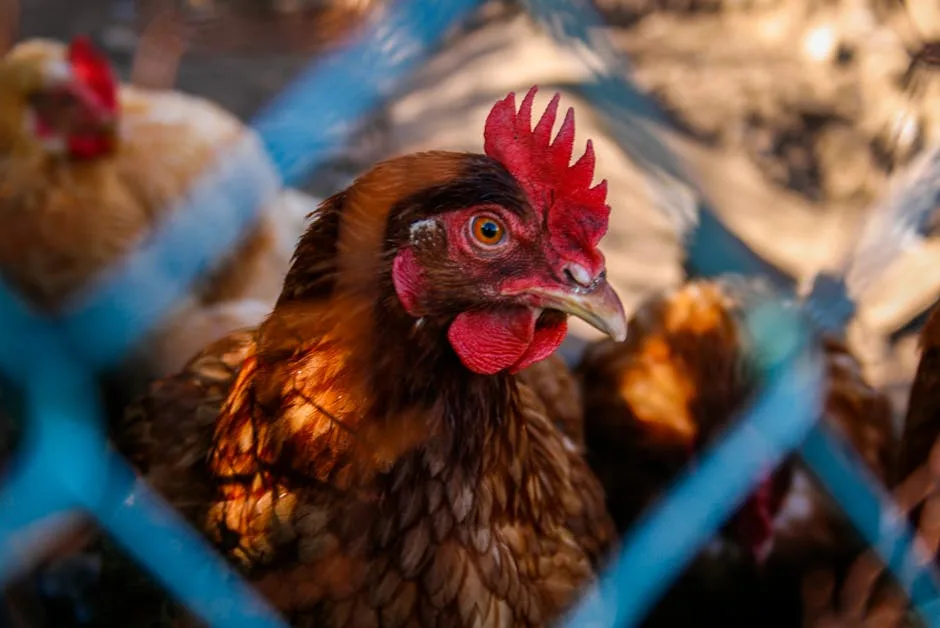
Chicken Predators: How to Protect Your Flock
Learn which predators target backyard chickens and 10 proven ways to protect your flock. Covers raccoons, hawks, foxes, and more.
Researched from university extension, USDA, and veterinary sources. How we research.
Losing a chicken to a predator is one of the worst feelings in backyard farming. The good news? Most predator attacks are preventable with the right setup. Whether you're dealing with raccoons, hawks, foxes, or neighborhood dogs, this guide covers every common chicken predator and exactly how to keep your flock safe.
What You'll Learn
- •Common Chicken Predators and How to Identify Them
- •Raccoons: The #1 Backyard Chicken Predator
- •Hawks and Owls: Protecting Against Aerial Predators
- •Foxes, Coyotes, and Weasels
- •Dogs and Cats: Domestic Predator Threats
- •Snakes and Rats: The Egg Thieves
- •How to Predator-Proof Your Chicken Coop
- •Best Fencing for Predator Protection
- •Predator Deterrents That Actually Work
- •What to Do After a Predator Attack
- •Frequently Asked Questions
Common Chicken Predators and How to Identify Them
Before you can protect your chickens, you've got to know what you're up against. Different predators attack in different ways, and the signs they leave behind can tell you exactly who's responsible.
Here's a quick breakdown of the most common chicken predators by region:
- •Raccoons, Found everywhere in the US. Attack at night. Often reach through wire to grab chickens.
- •Hawks and owls, Present in every state. Hawks strike during the day; owls hunt at dusk and dawn.
- •Foxes, Common in rural and suburban areas. Hunt at dawn, dusk, and nighttime.
- •Coyotes, Increasingly common even in suburban neighborhoods. Bold and persistent.
- •Weasels and minks, Small but devastating. Can squeeze through openings as small as 1 inch.
- •Dogs, The most common predator in suburban areas. Kill for sport, not food.
- •Snakes, Target eggs and chicks rather than adult birds.
- •Rats and opossums, Steal eggs and can injure young chicks.
The key to identification? Look at the evidence. A predator that kills and leaves the body behind is likely a dog or weasel. Missing birds with scattered feathers point to foxes or coyotes. Chickens killed but not eaten, with bite marks on the neck, usually means raccoons.
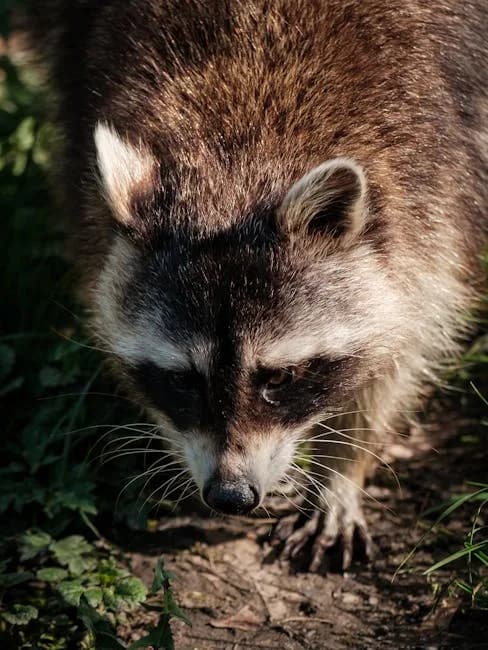
Raccoons: The #1 Backyard Chicken Predator
Raccoons are smart, strong, and persistent. They can open simple latches, tear through chicken wire, and reach through gaps to grab birds. They're the predator most backyard chicken keepers will encounter.
Signs of a raccoon attack:
- •Chickens killed but only partially eaten (raccoons often eat just the crop and breast)
- •Birds pulled partway through wire fencing
- •Scattered feathers near the coop
- •Attacks happen at night
How to stop raccoons:
- •Use 1/2-inch hardware cloth instead of chicken wire (raccoons tear through chicken wire easily)
- •Install predator-proof latches that require two steps to open (carabiners work great)
- •Remove all food sources at night, including feeders and fallen fruit
- •Store feed in airtight metal containers
Here's something most guides don't mention: raccoons will test your coop every few nights looking for weak spots. They'll remember if they found food once and keep coming back. That's why a single weak point in your defenses can lead to repeated losses.
Hawks and Owls: Protecting Against Aerial Predators
Aerial predators are tricky because fencing alone won't stop them. Hawks are protected under federal law (the Migratory Bird Treaty Act), so you can't harm them. But you can make your yard less appealing.
Signs of a hawk attack:
- •Missing chickens with a pile of feathers in one spot
- •Attacks during daylight hours (owls attack at dawn/dusk)
- •Puncture wounds from talons on surviving birds
How to protect chickens from hawks:
- •Cover your run with netting or hardware cloth on top
- •Provide sheltered areas where chickens can hide (bushes, lean-tos, pallets on blocks)
- •String fishing line or reflective tape in a crisscross pattern over open areas
- •Keep a rooster; they're excellent at spotting aerial threats and sounding alarms
- •Avoid letting chickens free-range in wide-open areas with no cover
A covered run is the single most effective protection against hawks. If you let your flock free range, make sure they've got plenty of overhead cover from trees, shrubs, or structures.
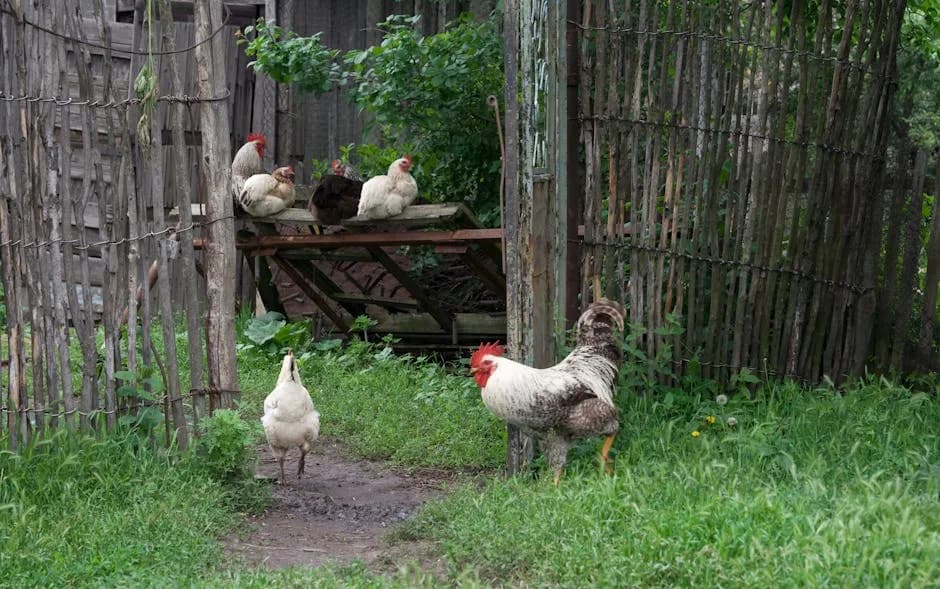
Foxes, Coyotes, and Weasels
These predators are cunning hunters, and each requires a slightly different approach.
Foxes
Foxes are diggers. They'll tunnel under fences if they can't find another way in. They typically grab one bird and carry it away, so you might not even find remains.
Fox-proofing tips:
- •Bury hardware cloth 12 inches deep around the perimeter of your run (or lay a 2-foot apron flat on the ground extending outward)
- •Use electric fencing as an outer perimeter (a single hot wire 6 inches off the ground works well)
- •Lock chickens in the coop before dusk; foxes are most active at dawn and twilight
Coyotes
Coyotes are bigger and bolder than foxes. They can jump fences up to 5 feet tall and are strong enough to break through weak coop walls.
Coyote-proofing tips:
- •Fencing should be at least 6 feet tall with a coyote roller or angled extension at the top
- •Electric fencing is highly effective
- •Motion-activated lights and sprinklers can deter them
- •Never leave chickens out after dark
Weasels and Minks
These are the scariest predators because they're small enough to fit through tiny gaps. A weasel can squeeze through a 1-inch opening. They often kill multiple birds in a single attack, biting the back of the neck.
Weasel-proofing tips:
- •1/2-inch hardware cloth is essential (they fit right through standard chicken wire)
- •Seal every gap and hole in your coop, including where walls meet the floor
- •Check for openings around doors, windows, and ventilation
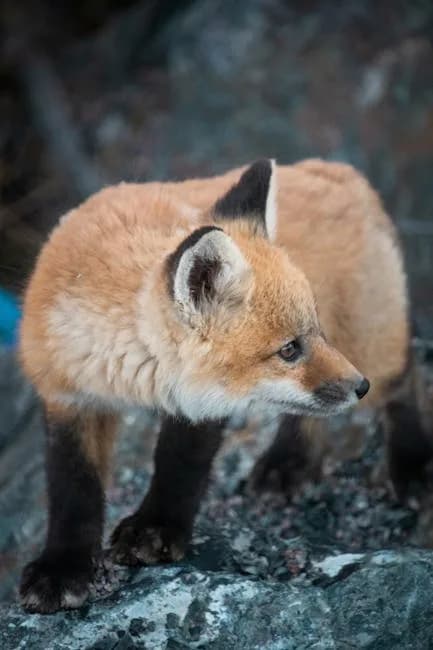
Dogs and Cats: Domestic Predator Threats
This one surprises a lot of people, but dogs are actually the most common chicken killer in suburban areas. Unlike wild predators that kill to eat, dogs often kill for sport and can wipe out an entire flock in minutes.
Protecting against dogs:
- •Solid fencing around your coop and run (at least 4 feet tall)
- •Don't assume your own dog is safe around chickens without careful, supervised introductions over weeks
- •Talk to neighbors about loose dogs; most areas have leash laws
- •A secure run is your best insurance
Cats are less of a threat to full-grown chickens (most adult hens are too big for a cat to tackle), but they're dangerous to chicks and bantam breeds. If you're raising chicks, keep them in a fully enclosed brooder until they're large enough.
Snakes and Rats: The Egg Thieves
Snakes won't typically bother adult chickens, but they'll eat eggs and small chicks. Rats are similar: they steal eggs, chew through wood, and can injure young birds.
Keeping snakes and rats away:
- •1/2-inch hardware cloth keeps both out (1/4-inch is even better for small snakes)
- •Collect eggs daily; don't leave them sitting in nest boxes overnight
- •Keep grass trimmed short around the coop (snakes prefer cover)
- •Remove brush piles and debris near the coop
- •Store all feed in sealed metal containers (rats chew through plastic)
- •Use snap traps for rats, never poison (chickens can eat poisoned rodents and die)
For a full plan on keeping rats and mice out of the feed in the first place, see our guide on how to stop rodents eating chicken feed.
The biggest thing here is removing attractants. If there's no easy food around your coop, snakes and rats have much less reason to visit.
How to Predator-Proof Your Chicken Coop
For a numbered build-and-retrofit list, from hardware cloth and aprons to raccoon-proof latches, see our predator-proof chicken coop checklist.
A predator-proof coop is your first and most important line of defense. Here's a complete checklist:
Structure:
- •Solid wood or metal construction (no gaps larger than 1/2 inch)
- •Elevated coop with a solid floor, or a ground-level coop with a hardware cloth floor
- •All windows and vents covered with 1/2-inch hardware cloth
- •Door fits snugly with no gaps at the bottom
Latches:
- •Use two-step latches (raccoons can open simple hook-and-eye latches)
- •Carabiners, barrel bolts with padlocks, or spring-loaded latches work well
- •Test your latches by trying to open them with one hand; if you can do it easily, a raccoon probably can too
Foundation:
- •Bury hardware cloth 12 inches deep around the perimeter, or
- •Lay a 2-foot hardware cloth apron flat on the ground (extending outward from the base)
- •Concrete foundations are the most secure option
If you're shopping for a new setup, check out our best chicken coops on Amazon guide. Many pre-built coops need hardware cloth upgrades out of the box, since they often come with chicken wire that won't stop determined predators.
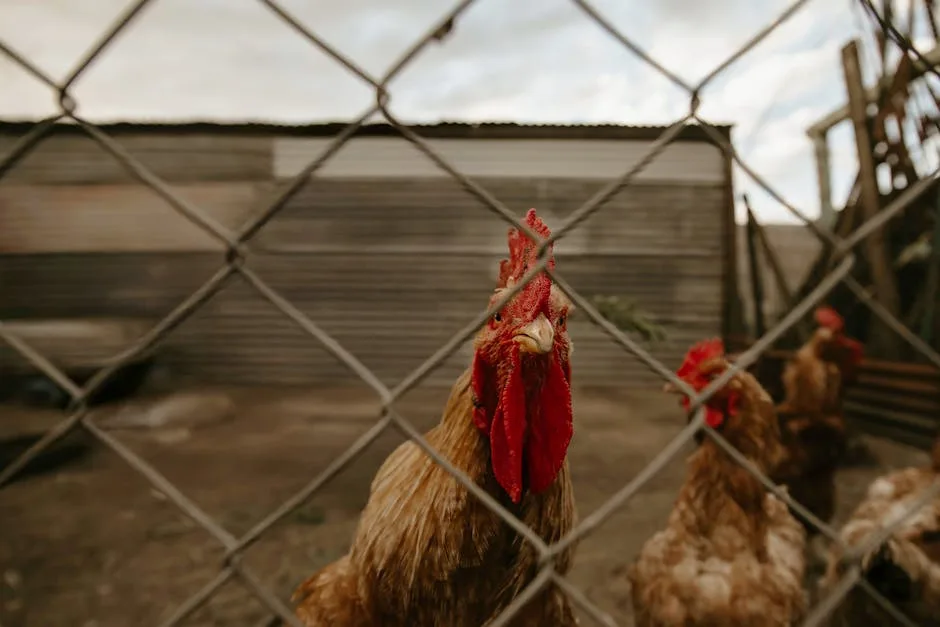
Best Fencing for Predator Protection
Not all fencing is created equal. Here's what works and what doesn't:
Hardware Cloth (Best Option)
- •1/2-inch galvanized hardware cloth is the gold standard
- •Stops raccoons, weasels, snakes, and rats
- •Use it for coop windows, vents, runs, and buried aprons
- •Costs more than chicken wire but lasts longer and actually protects your birds
- •A 100-foot roll of 1/2-inch hardware cloth runs about $80-$150 depending on height
Electric Fencing
- •Excellent as a secondary perimeter
- •Stops foxes, coyotes, raccoons, and dogs on contact
- •Solar-powered options work well for remote coops
- •A basic solar electric fence kit costs $100-$200
- •Won't stop aerial predators or snakes
For specific product recommendations and a setup walkthrough, see our best electric fence for chickens guide.
Chicken Wire (NOT Recommended for Predator Protection)
- •Chicken wire contains chickens. That's it. It doesn't exclude predators.
- •Raccoons tear through it. Hawks reach through it. Weasels fit right through it.
- •If your coop uses chicken wire, replace it with hardware cloth as soon as possible
Welded Wire Fencing
- •2x4-inch welded wire works for the outer run walls against larger predators
- •Still needs hardware cloth at the bottom 2-3 feet for smaller predators
- •Good option for larger runs where hardware cloth would be too expensive
Predator Deterrents That Actually Work
Beyond physical barriers, these deterrents add extra layers of protection:
Motion-activated lights and sprinklers, Startles nocturnal predators like raccoons and foxes. They're not a standalone solution, but they help. Expect to pay $20-$40 for a good motion-activated light.
Guard animals, Dogs, geese, guinea fowl, and even llamas can deter predators. A livestock guardian dog (LGD) is the most reliable option if you have space. Breeds like Great Pyrenees, Anatolian Shepherds, and Maremmas are bred for this job.
Predator lights, Flashing red lights that mimic predator eyes. They work for a while, but smart predators like coyotes can habituate to them. See our roundup of the best predator deterrent lights and alarms for the specific units and motion sprinklers that hold up over a season.
Roosters, A good rooster is always scanning the sky. They'll sound an alarm call when they spot a hawk, giving hens time to run for cover. If your local laws allow roosters, they're worth considering. Check our guide on how many chickens to start with for tips on flock composition.
Secure nighttime lockup, This is the simplest and most effective deterrent. Lock your chickens in the coop every night at dusk. Automatic coop doors ($100-$200) make this foolproof.
What to Do After a Predator Attack
If a predator gets to your flock, here's your action plan:
- •Secure surviving birds immediately, Get them into a safe, enclosed space
- •Assess injuries, Check every bird for wounds, even small puncture marks. Clean wounds with dilute betadine and apply antibiotic ointment (without pain relief ingredients, which are toxic to birds)
- •Identify the predator, Use the signs described above to figure out what attacked
- •Fix the entry point, Find exactly how the predator got in and patch it before nightfall
- •Set up deterrents, Motion lights, electric fencing, or traps (check local laws on trapping)
- •Monitor for several nights, Predators that find food will return
Don't wait for a second attack. Most predators come back within 24-48 hours once they know there's an easy meal. Fix the problem the same day if you can.
If you're just starting out and want to set things up right from the beginning, our complete beginner's guide covers coop selection with predator safety in mind.
Frequently Asked Questions
What is the number one predator of backyard chickens?
It depends on your location, but raccoons and dogs are the most common overall. In suburban areas, domestic dogs cause the most losses. In rural areas, raccoons, foxes, and hawks are the top threats. A properly secured coop with hardware cloth stops the vast majority of predator attacks.
Will chicken wire keep predators out?
No. Chicken wire is designed to contain chickens, not to keep predators out. Raccoons can tear through it, hawks can reach through it with their talons, and weasels fit right through the openings. Use 1/2-inch hardware cloth instead for real predator protection.
Do roosters protect hens from predators?
Roosters are excellent alarm systems. They'll spot aerial predators and sound a warning call so hens can take cover. Some roosters will even fight off smaller predators. However, a rooster alone isn't enough protection. You still need a secure coop and proper fencing.
How do I protect free-range chickens from hawks?
Provide plenty of overhead cover like trees, bushes, lean-to shelters, or shade structures. String reflective tape or fishing line in a crisscross pattern over open areas. Keep a rooster for alarm calls. Avoid letting chickens range in wide-open fields with no cover. Covered runs are the safest option.
What time of day do most chicken predator attacks happen?
Most predator attacks happen at dawn, dusk, or during the night. Raccoons, foxes, owls, and weasels are all nocturnal or crepuscular hunters. Hawks are the main daytime threat. Locking your chickens in the coop every evening before dusk prevents the majority of attacks.
Your flock's safety comes down to strong physical barriers, smart habits, and knowing your local predators. Start with a solid coop, upgrade to hardware cloth, and lock your birds up every night. For more on setting up a safe coop, check out our guide on how to build a chicken coop.
Sources:
- •Merck Veterinary Manual. Poultry chapter. https://www.merckvetmanual.com/poultry
- •University of California Davis School of Veterinary Medicine. Poultry health. https://www.vetmed.ucdavis.edu/
- •Cornell University College of Veterinary Medicine. Avian Health. https://www.vet.cornell.edu/
- •USDA APHIS. Defend the Flock biosecurity program. https://www.aphis.usda.gov/livestock-poultry-disease/avian/defend-the-flock-program
Related Guides
Chicken Vent Health: Pasty Butt, Prolapse, Egg Binding
Pasty butt, vent gleet, prolapse, and egg binding: how to spot each chicken vent problem, treat it safely at home, and know when to call a vet.
HealthChicken Molting: What's Normal and What's Not
Chickens molt and drop feathers every fall and stop laying for weeks. Learn the molt timeline, how to help, and the warning signs of a real problem.
HealthCommon Chicken Diseases: Symptoms, Treatment, Prevention
The most common backyard chicken diseases explained: symptoms, treatment, and prevention for Marek's, coccidiosis, respiratory illness, and more.
HealthLash Egg in Chickens: What It Means and What to Do
A lash egg isn't really an egg. It's a sign of salpingitis, a serious oviduct infection. Here's what causes it, what to do, and your hen's odds.