Australorp: Complete Breed Guide (Eggs, Temperament, Care)
Australorps lay 250+ light brown eggs per year and thrive in backyard flocks. Get the full breed profile with care tips, history, and real pros and cons.
Researched from university extension, USDA, and veterinary sources. How we research.
Australorps are egg-laying machines wrapped in gorgeous black feathers. They hold the world record for egg production, with one hen laying 364 eggs in 365 days back in the 1920s. If you want a calm, reliable layer that doesn't need much fuss, this breed belongs on your shortlist.
But Australorps aren't just about the eggs. They're gentle, quiet, and great with kids. They handle cold weather well, get along with other breeds, and they're one of the best dual-purpose chickens you can find. This guide covers everything you need to know, from their Australian origins and egg production numbers to housing needs, health concerns, and whether they're the right fit for your flock.
What You'll Learn
- •Breed History and Origin
- •What Do Australorps Look Like?
- •How Many Eggs Do Australorps Lay?
- •Australorp Temperament and Personality
- •Are Australorps Good for Beginners?
- •Housing and Space Requirements
- •Feeding Your Australorps
- •Common Health Issues
- •Australorp vs Other Popular Breeds
- •Where to Buy Australorp Chickens
- •Frequently Asked Questions
Breed History and Origin
The Australorp's story starts in Australia during the late 1800s and early 1900s. Australian poultry breeders imported Black Orpingtons from William Cook's and Joseph Partington's flocks in England. The goal was simple: take the Orpington's solid build and friendly personality, then breed it for better egg production in Australia's climate.
The Australians crossed Black Orpingtons with Rhode Island Reds, Minorcas, White Leghorns, and Langshans. The result was a bird that kept the Orpington's calm temperament but laid significantly more eggs. The name "Australorp" is a mashup of "Australian" and "Orpington," which tells you exactly where this breed came from.
Australorps made international headlines in 1922-23 when a team of six hens averaged 309.5 eggs each over a 365-day period. One hen laid 364 eggs in 365 days, a record that still stands today. These birds weren't given artificial lighting or special feed, either. That performance put Australia's poultry industry on the map and made the Australorp famous worldwide.
The American Poultry Association recognized the Black Australorp in 1929. The breed arrived in the United States during the 1920s and quickly became popular with farmers who wanted high egg production from a heavy, dual-purpose bird. Today, the Livestock Conservancy graduated the Australorp from its conservation list in 2023, meaning the breed's numbers are healthy and stable.
What Do Australorps Look Like?
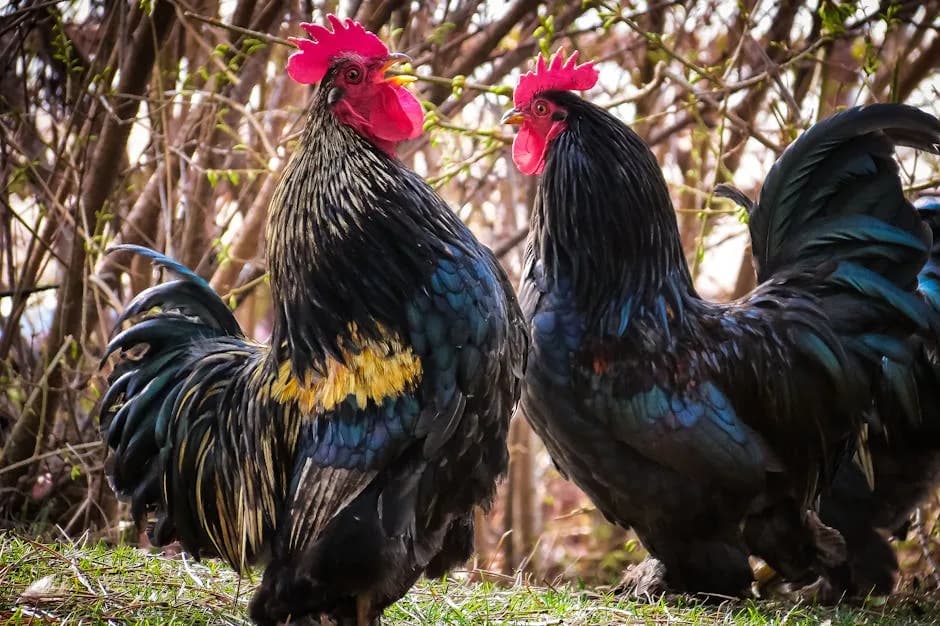
Australorps are big, solid birds with stunning black plumage that shimmers with a beetle-green iridescence in sunlight. That green sheen is one of the easiest ways to identify a true Australorp. Here's what to expect:
Hens:
- •Weight: 6.5 pounds
- •Jet-black feathers with a green sheen
- •Single red comb with five points
- •Dark eyes (nearly black)
- •Slate-blue to black legs and feet (soles are white)
- •Broad, deep body with a moderately short tail
Roosters:
- •Weight: 8.5 pounds
- •Same glossy black plumage with more pronounced green sheen
- •Larger comb and wattles than hens
- •Long, flowing saddle and sickle feathers
- •Upright, confident posture
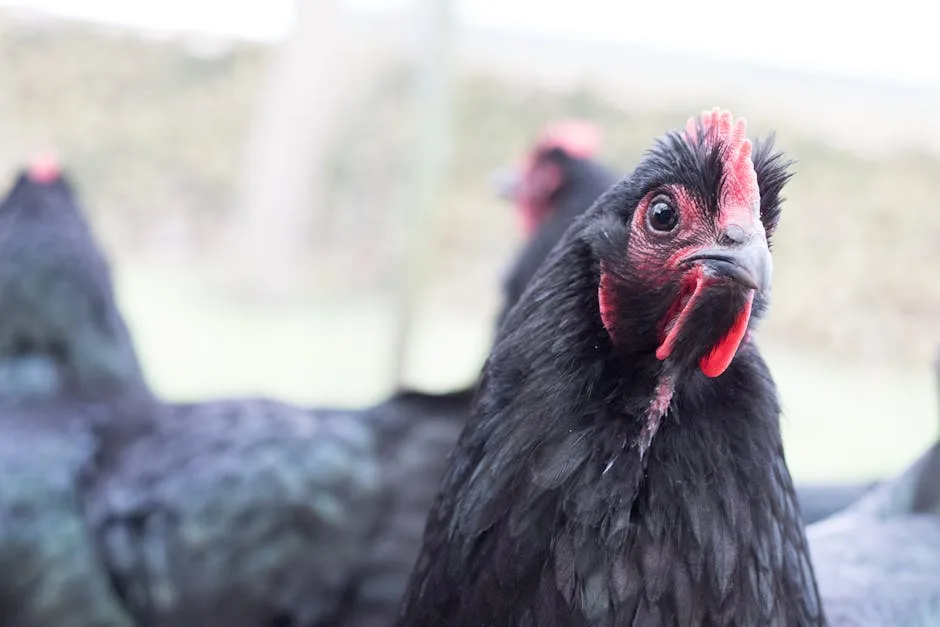
The only color recognized by the APA in the United States is black. However, Australia also recognizes blue and white varieties. South Africa goes even further, accepting buff, splash, wheaten laced, and golden. If you have seen the breed sold as both "Australorp" and "Black Australorp" and wondered whether those are two different birds, see our breakdown of Black Australorp vs Australorp.
One common mix-up is confusing Australorps with Jersey Giants. Both are large, black birds, but Australorps have slate-blue legs with white soles, while Jersey Giants have dark willow or nearly black legs. Australorps are also noticeably smaller and more active than the massive Jersey Giant.
How Many Eggs Do Australorps Lay?
This is where Australorps really shine. You can expect 250 to 300 light brown, medium-to-large eggs per year from a healthy hen. That works out to roughly 5 eggs per week, which puts them among the best egg-laying breeds you can keep.
Here's a quick breakdown:
- •Eggs per year: 250-300
- •Egg color: Light brown (sometimes described as tinted)
- •Egg size: Medium to large
- •Start of lay: Around 22-24 weeks old
- •Winter laying: Good (they don't slow down as much as some breeds)
Australorps are consistent layers that don't take long breaks. They'll slow down a bit during their annual molt and the shortest days of winter, but they bounce back faster than most heritage breeds. You won't need to add supplemental lighting to keep them producing, though it can help during the darkest months if you want maximum output.
It's important to note that modern hatchery Australorps won't match that famous 364-egg record. Those were carefully selected competition birds. But even average backyard Australorps are strong performers that'll keep your egg basket full.
Australorp Temperament and Personality
Australorps are one of the calmest, most easygoing breeds you'll find. They're docile without being pushy, curious without being destructive, and quiet enough for suburban backyards. Reddit threads are full of Australorp owners calling them "the best" after trying several other breeds.
Here's what you can expect personality-wise:
- •Calm and gentle: They rarely get flighty or aggressive
- •Good with kids: Patient and tolerant of handling
- •Quiet: Hens aren't especially loud (roosters are roosters, though)
- •Active foragers: They love free-ranging and will cover a lot of ground
- •Flock-friendly: They get along well with other breeds
Australorps tend to land in the middle of the pecking order. They won't bully smaller birds, but they're big enough that they don't usually get picked on either. If you're planning to mix chicken breeds, Australorps are one of the easiest to integrate.
One thing to keep in mind: Australorps can go broody, especially in spring and summer. It's not as frequent as Buff Orpingtons, but it does happen. When an Australorp goes broody, she's a dedicated sitter and makes a great mother if you want to hatch eggs naturally.
Are Australorps Good for Beginners?
Yes. Australorps are one of the top breeds recommended for first-time chicken keepers. Here's why they're so beginner-friendly:
- •Low maintenance: They're hardy and don't need special care
- •Predictable temperament: No surprises with aggression or flightiness
- •High egg production: You'll see results quickly, which keeps new keepers motivated
- •Cold hardy: Their dense feathering handles winter well
- •Heat tolerant (mostly): They do better in heat than some heavy breeds, though they'll need shade and water in extreme temperatures
- •Dual-purpose: If you're raising chickens for both eggs and meat, Australorps deliver on both fronts
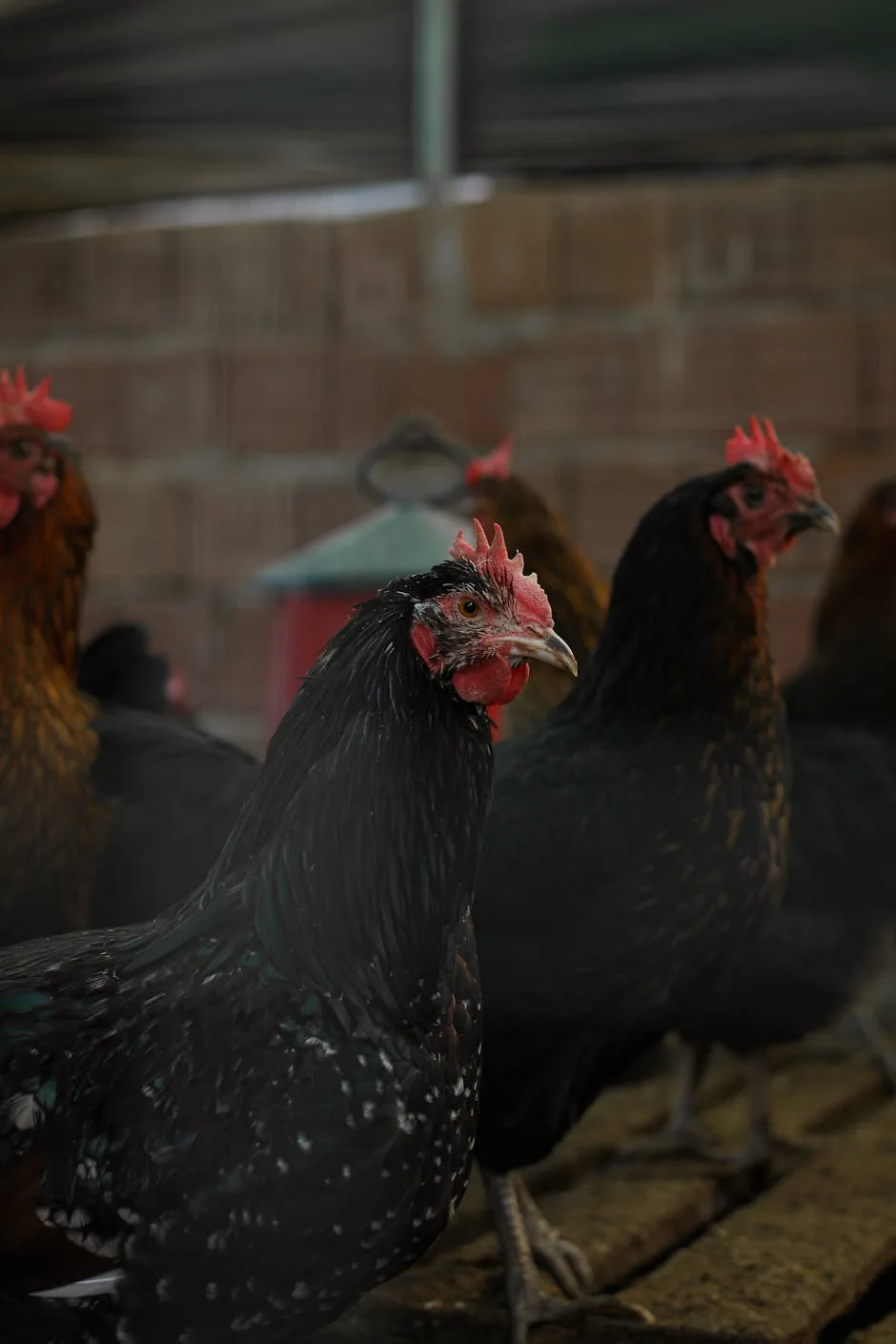
The only real challenge for beginners is that Australorps are active birds. They're happiest when they have space to roam and forage. If you're keeping them in a small run all day, they can get bored. But that's manageable with enough space and some enrichment like scratch grains, a dust bath area, or hanging cabbage heads.
If you're deciding how many chickens to start with, three to four Australorps is a solid starting point. That'll give you around 15 to 20 eggs per week at peak production.
Housing and Space Requirements
Australorps are big birds, so they need a bit more room than bantam or lightweight breeds. Here are the space guidelines:
- •Coop space: 4 square feet per bird (minimum)
- •Run space: 10 square feet per bird (minimum)
- •Roost space: 10-12 inches per bird
- •Nest boxes: 1 box for every 3-4 hens (12x12x12 inches minimum)
Because Australorps are heavy, they don't fly well. A 4-foot fence is usually enough to keep them contained, which is great if you want to let them free-range in a specific area without building a covered run.
Their black feathers absorb more heat than lighter-colored breeds, so ventilation is critical in summer. Make sure your chicken coop has plenty of airflow near the top, and provide shaded areas in the run. In winter, those same dark feathers and dense underfluffing help them stay warm, but you'll still want to protect them from drafts and damp conditions. Check out our guide on keeping chickens warm in winter for more cold-weather tips.
Good coop bedding matters too. Pine shavings work great for Australorps since they help control moisture, which is especially important for heavy breeds that spend more time on the ground.
Feeding Your Australorps
Australorps don't need a special diet. A standard feeding plan works perfectly:
- •Chicks (0-8 weeks): Starter feed with 18-20% protein
- •Pullets (8-18 weeks): Grower feed with 16-18% protein
- •Laying hens: Layer feed with 16% protein plus free-choice oyster shell for calcium
- •Fresh water: Always available, especially in hot weather
Because Australorps are such prolific layers, calcium is important. Keep a separate dish of oyster shell so each hen can eat as much as she needs. If you notice thin or soft shells, that's usually a calcium issue.
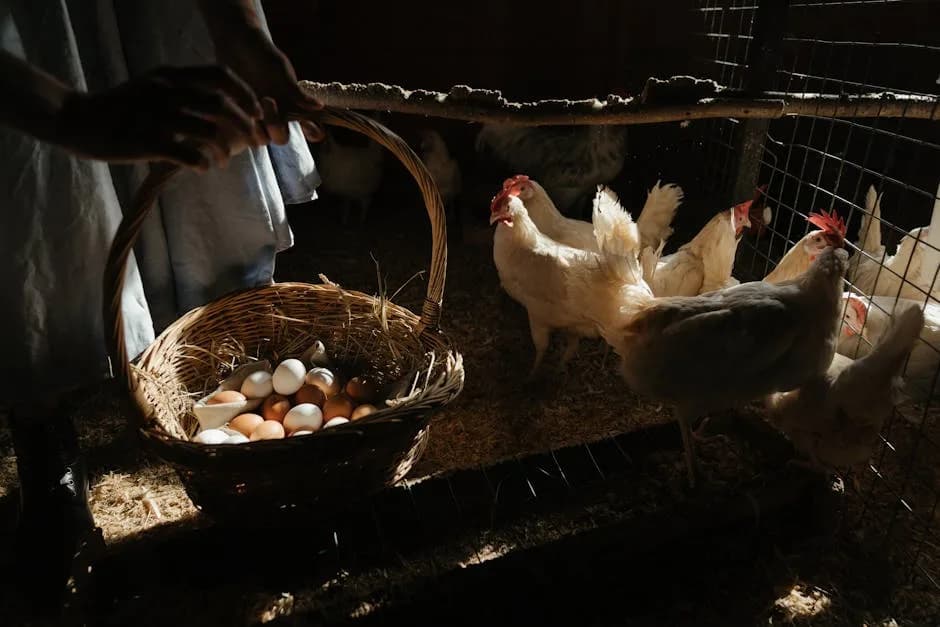
Australorps love to forage, and they're good at it. Free-ranging birds will supplement their diet with bugs, seeds, and greens, which can reduce your feed bill and improve egg yolk color. Just make sure they're still eating enough layer feed to meet their nutritional needs.
Treats should make up no more than 10% of their diet. Good options include mealworms, leafy greens, berries, and scratch grains. Avoid avocado, chocolate, raw beans, and anything moldy.
Common Health Issues
Australorps are generally healthy, hardy chickens. They don't have any breed-specific diseases, which is a big plus. But like all chickens, they're susceptible to common poultry health problems:
External parasites: Mites and lice love dark feathers because they're harder to spot. Check your birds regularly by parting the feathers near the vent and under the wings. Provide a dust bath area with food-grade diatomaceous earth mixed into the dirt or sand.
Bumblefoot: Heavy breeds like Australorps are more prone to bumblefoot, a bacterial infection on the foot pad that happens when birds jump down from high roosts onto hard surfaces. Keep roosts at a reasonable height (2-3 feet) and use soft bedding underneath.
Obesity: Australorps are big eaters, and if they don't get enough exercise, they can pack on extra weight. Overweight hens lay fewer eggs and are more prone to reproductive problems. Free-ranging and limiting treats helps keep them at a healthy weight.
Reproductive issues: Prolific layers sometimes develop egg binding or internal laying as they age. These are more common in hens over 3 years old. Keeping calcium available and not pushing production with artificial lighting can help reduce the risk.
For general flock protection tips, including predator-proofing your coop and run, check our dedicated guide.
Australorp vs Other Popular Breeds
If you're comparing Australorps to other beginner-friendly breeds, here's how they stack up:
Australorp vs Buff Orpington: Both are calm, dual-purpose birds. Australorps lay more eggs (250-300 vs 200-280), while Buff Orpingtons are friendlier and more likely to sit in your lap. Orpingtons go broody more often. If eggs are your priority, go with Australorps. If you want a pet that also lays, Orpingtons win.
Australorp vs Rhode Island Red: Rhode Island Reds are slightly better layers and more assertive. Australorps are calmer and easier to handle. Reds can be bossy in a mixed flock, while Australorps play well with everyone. For a peaceful backyard flock, Australorps are the better choice.
Australorp vs Plymouth Rock: Very similar birds in many ways. Plymouth Rocks (especially Barred Rocks) are slightly more outgoing and lay about the same number of eggs. Australorps are a touch calmer. You really can't go wrong with either breed, and they make excellent flock mates.
Australorp vs Leghorn: Leghorns lay more eggs (around 300-320 per year) and eat less feed. But they're flighty, nervous, and not great with kids. If you want maximum eggs with minimal handling, Leghorns work. If you want a pleasant all-around bird, Australorps are the better pick.
Where to Buy Australorp Chickens
Australorps are widely available since they're one of the most popular heritage breeds. Here are your main options:
Hatcheries: Major hatcheries like Murray McMurray, Cackle Hatchery, and Meyer Hatchery all sell Black Australorp chicks. Expect to pay $3-5 per chick with minimum orders of 3-15 depending on the hatchery. Hatchery birds are good layers but may not perfectly match the breed standard.
Local breeders: For birds closer to the breed standard with that deep, rich green sheen, find a local breeder. Check the Australorp Club of America, poultry show directories, or your local Craigslist and Facebook groups. Breeder birds typically cost $10-25 per chick or $25-50 for started pullets.
Feed stores: In spring, many farm supply stores carry Australorp chicks. They're usually sourced from large hatcheries. It's a convenient option, but quality varies. And as Reddit users have pointed out, feed store chicks are sometimes mislabeled, so know what to look for (those slate-blue legs with white soles are the giveaway).
Started pullets: If you don't want to raise chicks, look for started pullets (16-20 weeks old) from local breeders. They cost more ($20-40 each) but you'll skip the brooder phase and get eggs sooner. Our raising chicks guide covers everything you need if you do start from day-olds.
Looking for the right coop? Whatever breed you settle on, the coop you put them in matters as much as the bird itself. Our best chicken coops on Amazon roundup covers current top picks across flock sizes and price ranges, from under-$100 starter coops to walk-in models for larger flocks.
Frequently Asked Questions
Are Australorps friendly chickens?
Yes, Australorps are known for being calm, gentle, and easy to handle. They're great with kids and tolerant of being picked up. They won't usually seek out lap time like Buff Orpingtons, but they're not skittish either. Most owners describe them as easygoing and dependable flock members.
How many eggs do Australorps lay per week?
Healthy Australorp hens lay about 5 eggs per week, or 250-300 per year. Eggs are light brown and medium to large in size. Production is strongest in the first two years and gradually declines after that, though they'll keep laying for several years.
What's the difference between an Australorp and a Jersey Giant?
Both are large, black chickens, but they're easy to tell apart. Australorps have slate-blue legs with white soles, while Jersey Giants have dark willow-colored legs with yellow soles. Australorps are also noticeably smaller (6.5-8.5 lbs vs 10-13 lbs) and more active than the slower-moving Jersey Giant.
Do Australorps do well in hot climates?
Australorps can handle heat better than some other heavy breeds, but their black feathers absorb more sunlight. In hot climates, they'll need plenty of shade, fresh cool water, and good coop ventilation. Frozen treats and misters can help on the hottest days. They do best in moderate to cool climates.
How long do Australorp chickens live?
Australorps typically live 6 to 10 years with good care. Egg production peaks in the first two years and slowly tapers off, but they'll continue laying into their later years. Many backyard keepers enjoy their Australorps as friendly flock members long after peak production.
Ready to start your flock? Check out our complete beginner's guide to raising backyard chickens for everything you need to know about getting started, from coop setup to choosing your first birds.
Sources:
- •Livestock Conservancy. Australorp breed page. https://livestockconservancy.org/heritage-breeds/heritage-breeds-list/australorp-chicken/
- •The American Poultry Association. Standard of Perfection (reference). http://www.amerpoultryassn.com/
- •University of Kentucky Cooperative Extension. Small Flock Poultry resources. https://poultry.extension.org/
- •The Livestock Conservancy. Heritage breed conservation. https://livestockconservancy.org/
Related Guides
Buff Orpington Breed Guide: Eggs, Care, Temperament
Buff Orpingtons lay 200-280 brown eggs yearly and make the friendliest backyard chickens. Get the full breed profile with care tips, pros, and cons.
BreedsLeghorn Chicken Breed Guide: Eggs, Care, Temperament
Leghorn chickens explained: up to 320 white eggs a year, White vs Brown, temperament, frostbite risk, buying pullets, and how they compare with other layers.
BreedsAraucana Chicken Breed Guide: Blue Eggs, Tufts, Care
Araucana chicken breed guide: rumpless bodies, ear tufts, true blue eggs, the lethal tuft gene, care, and how they differ from Ameraucanas.
BreedsChocolate Orpington Breed Guide: Genetics, Eggs, Care
Chocolate Orpingtons explained: the sex-linked chocolate gene, why hens show it and roosters carry it, 120 to 150 tinted eggs a year, care, and where to buy.