Silkie Chicken Breed Guide: Traits, Eggs, Care
Silkie chickens explained: fur-like feathers, black skin, five toes, 100 to 120 eggs a year, the APA colors, roosters, prices, and dry, safe housing.
Researched from university extension, USDA, and veterinary sources. How we research.
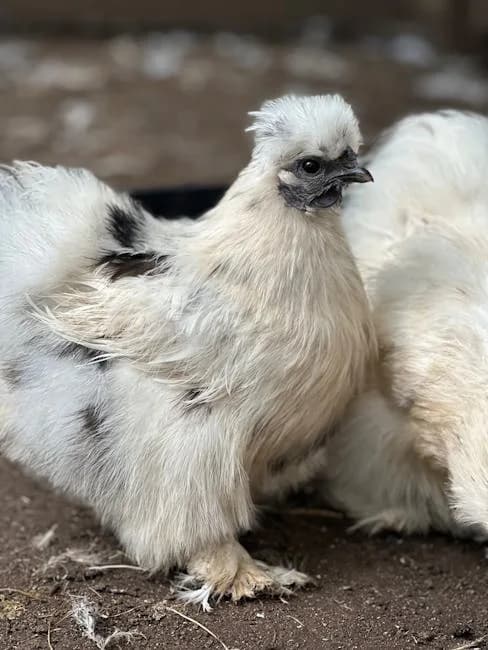
Silkie chickens are the most recognizable breed on the planet, and it is not hard to see why. Fur where feathers should be, black skin under it, five toes, blue earlobes, and a temperament closer to a lap cat than a barnyard bird. They are also one of the most misunderstood: people buy them expecting eggs and get a broody hen, or expecting a hardy bantam and get a bird that cannot stand a wet day. This guide covers what a Silkie actually is, what it lays, what the recognized colors are, and how to keep one well, with the breed facts checked against Oklahoma State University's breed reference and the American Silkie Bantam Club's standard.
Quick Answer
Silkies are a bantam in the United States, about 2 pounds for a hen and 2.25 for a cock by the American Poultry Association standard, with fur-like feathers, black skin, a walnut comb, turquoise earlobes, a crest, feathered legs, and five toes. They lay about 100 to 120 small cream or tinted eggs a year, go broody constantly, and are among the gentlest chickens you can own. They need a dry coop, a low roost, and gentle flockmates. If you want a pet that lays a little, buy Silkies. If you want eggs, buy something else and keep one Silkie to hatch them.
What You'll Learn
- •Silkies at a glance
- •What makes Silkies different from other chickens
- •Where Silkies came from
- •Silkie chicken temperament and personality
- •How many eggs do Silkie chickens lay?
- •Silkie chicken colors and varieties
- •Silkie roosters
- •Are Silkies good for beginners?
- •How to care for Silkie chickens
- •Silkies compared with other pet breeds
- •Buying Silkies: price, sexing, and where to look
- •What breeds mix well with Silkies?
- •Common health issues in Silkies
- •Frequently asked questions
Silkies at a Glance
| Class | Bantam (US); large fowl in Britain |
| APA standard weight | Cock 36 oz, hen 32 oz |
| Eggs per year | About 100 to 120, small |
| Egg color | Cream or tinted |
| Starts laying | 7 to 9 months, later than most breeds |
| Broodiness | Extreme; the breed's defining habit |
| Temperament | Docile, quiet, easily handled |
| Flight | Cannot fly; a 2-foot fence holds them |
| Cold | Good if dry; poor if wet |
| Heat | Needs shade above about 85°F |
| Lifespan | 7 to 9 years is typical |
| Recognized colors | Black, Blue, Buff, Gray, Partridge, White, bearded and non-bearded |
What Makes Silkies Different From Other Chickens
Silkies carry a list of traits that no other breed combines.
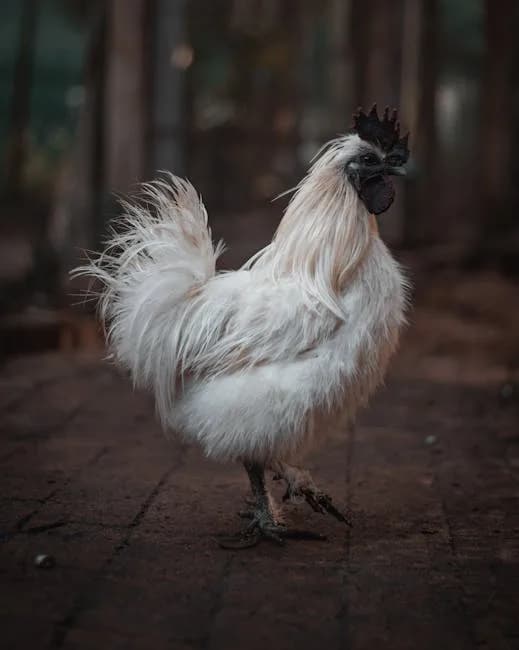
Feathers that feel like fur. A normal feather holds its shape because tiny hooklets, called barbicels, lock the strands together. Silkie feathers lack them. Oklahoma State's breed reference traces the trait to a recessive gene, which is why a Silkie crossed with a normal-feathered bird produces normal-feathered chicks. The result looks and feels like silk or rabbit fur, and it does not shed water. That one fact drives most of the care advice below.
Black skin, bones, and meat. The gene is called fibromelanosis, and it is dominant, so it shows up readily in crosses. The skin is blue-black, the comb and wattles are dark mulberry, and the meat is dark. In parts of Asia the meat is prized for soups. The same gene builds the all-black Ayam Cemani and the zombie chicken cross.
Five toes. Most chickens have four. A Silkie has an extra toe on each foot, and the standard calls for it.
Turquoise earlobes. Most breeds have red or white lobes. A Silkie's are blue.
Walnut comb. A small, bumpy, dark comb instead of the single comb on a Rhode Island Red or a Plymouth Rock. Smaller combs mean less frostbite.
A crest, feathered legs, and often a beard. The powder-puff crest can cover the eyes, the legs and outer toes are feathered, and bearded Silkies carry a muff under the beak. Bearded and non-bearded are both standard.
In the United States, Silkies are shown as bantams, and the American Poultry Association standard weights are 36 ounces for a cock and 32 for a hen, just over 2 pounds. In Britain they are classed as large fowl, and hatchery birds from either tradition run a little heavier than the show standard.
Where Silkies Came From
Nobody knows exactly. Oklahoma State's reference puts the origin in Asia, most likely China or Japan, with India as a minority view, and notes that Marco Polo wrote about a "furry chicken" on his travels through China in the 13th century. Silkies reached Europe through the sea trade and were shown in Britain in the 1800s, where they were classed as large fowl. The American Poultry Association accepted the breed as a bantam, and the American Silkie Bantam Club maintains the US standard today.
Silkie Chicken Temperament and Personality
If you want a chicken that sits in a lap, follows a child around the yard, and tolerates being carried, this is the breed. Silkies are consistently the calmest, quietest birds in a mixed flock.
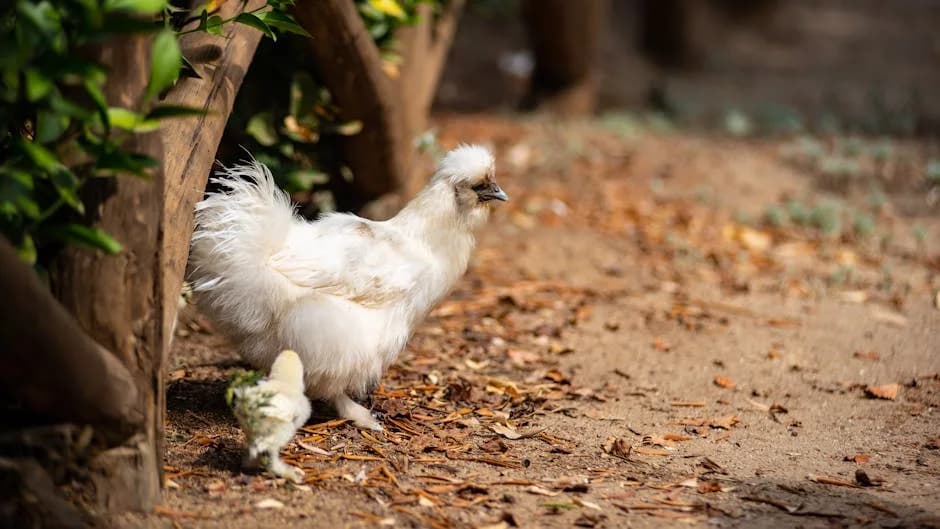
They rarely fight, they rarely fly, and they rarely make noise beyond a soft cluck and the occasional egg song. Hens are legendary mothers: a Silkie hen will sit on anything egg-shaped, hatch it, and raise it, and keepers of other breeds keep one Silkie as a living incubator for their Marans or duck eggs.
The same gentleness is their weakness. Silkies sit at the bottom of any pecking order that includes an assertive breed, and their crest limits their vision, so they are slow to see trouble coming. They do best in a Silkie-only flock, with other bantams, or with the gentle standard breeds listed later in this guide.
How Many Eggs Do Silkie Chickens Lay?
Not many. A Silkie hen lays about 100 to 120 small eggs a year, which is two or three a week in season and nothing for weeks at a time when she is broody, which is often. The eggs are cream or tinted, Oklahoma State's reference lists them as such, and they weigh roughly two-thirds of a standard egg. They taste like any other egg; a recipe just needs one more of them.
Three things shape a Silkie's egg count:
- •Broodiness. A Silkie hen may go broody several times a year, and each spell stops laying for three to six weeks. If you do not want chicks, breaking a broody hen within a few days gets her laying again sooner.
- •Late start. Silkies begin laying at 7 to 9 months, two to three months after a Leghorn.
- •Season. Like all hens, they slow down in short winter days, though many keepers find Silkies among the first to start again as the light returns in late winter.
For comparison, an Australorp or an Easter Egger lays 200 to 250 large eggs a year without going broody every month. Our best egg-laying breeds guide covers the productive options; Silkies are not on it.
Silkie Chicken Colors and Varieties
The varieties recognized in the American standard, as listed by Oklahoma State's reference, are:
- •White. The most common and the one most people picture.
- •Black. Solid black with a green sheen in sun. "Black Silkie chicken" is one of the most searched color names, and black birds show the dark skin best.
- •Blue. Slate gray-blue. Blue does not breed true; two blues give roughly half blue, a quarter black, and a quarter splash.
- •Buff. Warm gold, like a Buff Orpington in miniature.
- •Gray. Silver-gray with darker shading.
- •Partridge. A brown, gold, and black pattern, the hardest to breed well.
Every one of those comes bearded or non-bearded, and both are shown. Breeders also produce splash, lavender (called self blue), paint (white with black patches), cuckoo, and red; some have been accepted for showing since the reference above was written and some have not, so check the American Silkie Bantam Club's current standard before you buy a show bird. For a backyard pet, any of them is fine.
Silkie Roosters
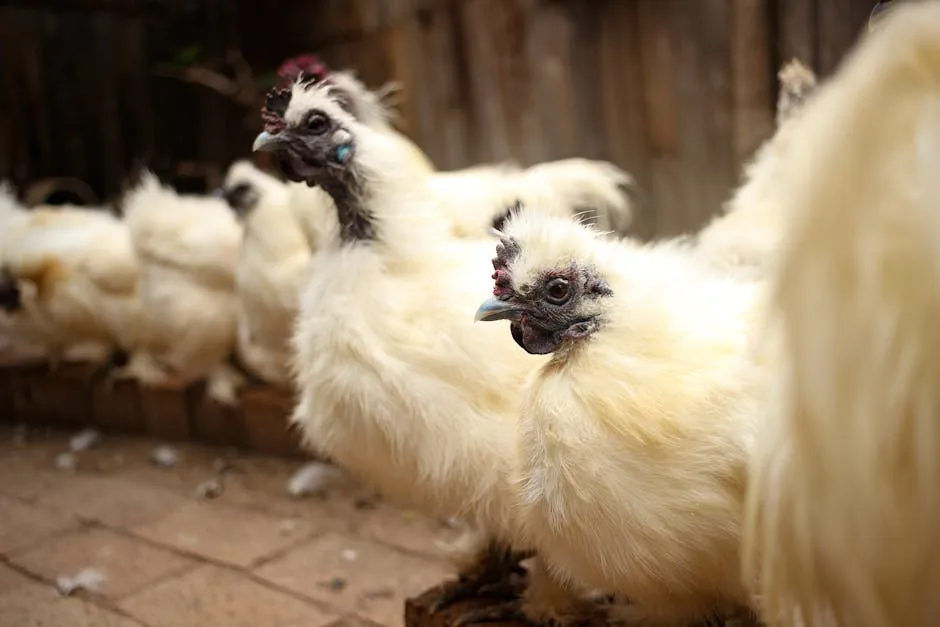
Silkie roosters are the exception to most rooster advice. They crow, but the crow is higher and softer than a standard rooster's, and neighbors who would notice a Rhode Island Red cock often never hear a Silkie. They are usually gentle with people and with their hens, and many keepers of Silkie-only flocks keep a rooster without incident. They cannot protect the flock the way a big rooster can, because they cannot see well or fly, so do not count on one against a hawk.
Telling a Silkie rooster from a hen is famously hard until four to six months, which is why most hatcheries sell Silkies straight run. The clues that come in first: a larger, more upright crest that streams back rather than puffs up, hard "streamer" feathers in the crest, a wider walnut comb, and, eventually, the crow. Our rooster care guide covers keeping one once you know.
Are Silkies Good for Beginners?
Yes, for the right beginner. Silkies are the best first chicken for a family that wants pets that lay a little, and the wrong first chicken for anyone who wants breakfast every morning.
Where Silkies work well for beginners:
- •Friendly, easy to tame, and safe for children to handle
- •Small, quiet, and unable to fly, so a modest coop and a low fence are enough
- •Surprisingly cold-hardy as long as they stay dry
- •A built-in incubator if you ever want chicks
Where they frustrate beginners:
- •100 to 120 small eggs a year, with long broody gaps
- •Feathers that soak through, so rain means a covered run and a dry coop
- •Sold straight run, so half your chicks may be roosters
- •Bullied by assertive breeds and blind to predators through the crest
- •A few breed-specific health problems, covered below
If you want one breed that is friendly and lays well, start with a Buff Orpington or an Australorp; our best chicken breeds for beginners guide compares them. If you want pets, start with Silkies and add a layer or two.
How to Care for Silkie Chickens
Silkies need what every chicken needs, with four breed-specific changes.
Housing
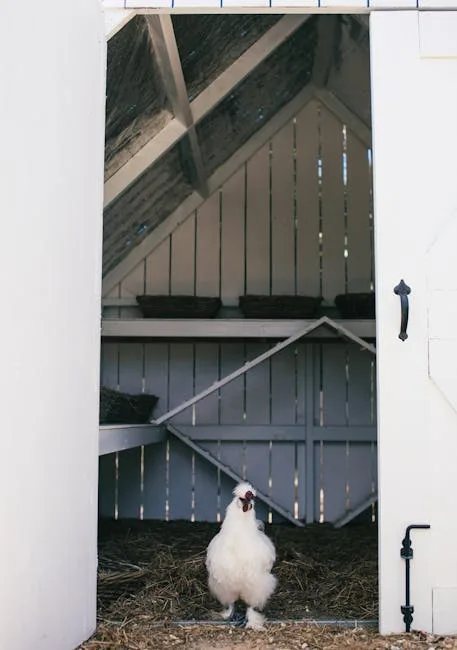
Silkies cannot fly, so roosts belong 12 to 18 inches off the floor, or they will sleep on the ground in a pile. Many keepers give them a wide, low platform instead of a bar. Four square feet of coop per bird is plenty; they are small.
The coop must be dry. Fur-feathers do not shed rain, and a wet Silkie in a cold wind chills fast. That means a roof that does not leak, ventilation above the birds without drafts across them, and a covered run for wet days. A muddy run is also a foot-health problem for a bird with feathered feet.
Feeding
Silkies eat standard layer feed and about a quarter pound of it a day, less than a standard hen. Hang the feeder and waterer at back height for a 2-pound bird, which is lower than the height that suits a standard flock, or the crest ends up in the water. Some keepers add a vitamin E and selenium supplement as insurance against wry neck; a good feed already contains both.
Grooming
The crest can grow over the eyes, and a Silkie that cannot see is a Silkie that walks into the water bowl and misses the hawk. Trim the feathers around the eyes with round-tipped scissors, or pin the crest back with a small hair clip. Check the vent feathers for droppings, which the fluff traps, and check the feathered feet for mud, scaly leg mites, and bumblefoot.
Weather
Dry cold is fine; Silkies carry a lot of down and small combs. Wet cold is dangerous, so keep them out of rain and snow and bed the coop deep. In heat, all that down works against them: give shade, cool water, and airflow when the temperature passes 85°F, and watch for open-mouth panting. Our winter and summer care guides cover both seasons.
Silkies Compared With Other Pet Breeds
| Breed | Size | Eggs per year | Temperament | Weather | Best for |
|---|---|---|---|---|---|
| Silkie | Bantam, about 2 lb | 100 to 120 small | Gentlest of all | Dry cold good, wet bad, heat poor | Pets, broody hens, kids |
| Cochin bantam | Bantam, 1.5 to 2 lb | 100 to 150 small | Very gentle | Good in cold | Pets that handle rain better |
| Polish | Standard, 4.5 to 6 lb | 150 to 200 white | Calm, easily startled | Crest holds water | Looks, with more eggs |
| Buff Orpington | Standard, 7 to 8 lb | 180 to 250 brown | Gentle | Excellent in cold | Friendly layer for families |
| Bantam Easter Egger | Bantam, 1.5 to 2 lb | 150 to 200 blue-green | Curious, mellow | Good | Colorful eggs in a small bird |
A Cochin is the closest substitute for a keeper who wants Silkie manners in a bird that can take weather. A Polish shares the crest and the vision problem, as do the other crested chicken breeds.
Buying Silkies: Price, Sexing, and Where to Look
Hatcheries sell Silkie chicks straight run for about $5 to $10 each, because the breed is so hard to sex that most will not offer sexed chicks; where they do, pullets run $10 to $15. Breeders selling show-quality birds charge $20 to $50 and more, and adult hens change hands locally for $20 to $30.
Expect half of a straight-run order to be roosters, and have a plan for them before the box arrives. Buying from a breeder at four to six months costs more per bird and removes the guesswork. Whoever you buy from, ask whether the chicks were vaccinated for Marek's disease at hatch; it is the one question that matters most for this breed.
What Breeds Mix Well With Silkies?
Silkies do best with other calm birds of a similar size or temperament:
- •Cochins and Cochin bantams, the closest match in manners
- •Brahmas, big but gentle and not inclined to bully
- •Buff Orpingtons, laid back and slow
- •Polish, another crested breed with the same blind spots
- •Other bantams, which share the low roost and the small feeder
Keep them away from Leghorns, Rhode Island Reds, Welsummers, and any high-energy standard breed; the size and speed mismatch puts the Silkie at the bottom of the order and keeps it there. If you add birds, introduce them slowly and watch the feeder. If you love the fluff, the Sizzle, a Silkie crossed with a Frizzle, combines Silkie down with curled feathers and needs the same dry, gentle keeping.
Common Health Issues in Silkies
Silkies live 7 to 9 years with good care and are mostly healthy, but their odd anatomy brings a few specific risks.
Marek's disease. Silkies are widely reported to be more susceptible than most breeds, and the disease is common and incurable. Buy vaccinated chicks, or vaccinate day-olds yourself if you hatch them.
Wry neck. The head twists back or to the side. In Silkies it is usually a vitamin E and selenium deficiency or the result of a knock on the head, and it responds to supplements if caught early. Some Silkies have a vaulted skull, a gap in the bone under the crest, which makes a peck to the head from a bigger bird dangerous. That is another reason to keep them with gentle flockmates.
Lice and mites. Dense fluff hides parasites. Part the feathers at the vent and under the wings every couple of weeks, keep a dust bath available, and treat with a poultry-safe product at the first sign.
Scaly leg mites and bumblefoot. Feathered feet on wet ground invite both. Keep the run dry and check the feet monthly.
Eye and respiratory trouble. A wet crest against the face keeps the eyes and nostrils damp. Trim the crest and keep the coop dry.
Predators. Not a disease but the leading cause of death. A Silkie cannot see a hawk through its crest, cannot fly from a fox, and cannot outrun a dog. Secure housing and a covered run are not optional; see our predator protection guide.
Looking for the right coop? Silkies need less space and a lower roost than standard breeds, and a dry, covered run more than most. Our best chicken coops on Amazon roundup covers current picks at every price.
Frequently Asked Questions
How much do Silkie chickens cost?
Straight-run chicks run $5 to $10 from a hatchery, sexed pullets $10 to $15 where available, show-quality birds $20 to $50 and up from a breeder, and adult hens $20 to $30 locally.
Do Silkie chickens lay eggs?
Yes, about 100 to 120 small cream or tinted eggs a year, starting at 7 to 9 months, with long gaps whenever the hen goes broody. They are a pet breed that lays, not a laying breed.
Are Silkie chickens bantams?
In the United States, yes. The American Poultry Association standard weights are 36 ounces for a cock and 32 for a hen. In Britain they are classed as large fowl.
Can Silkie chickens fly?
No. The fur-like feathers cannot hold air, so a Silkie can hop a foot or so and no more. A low fence keeps them in, and it also means they cannot escape a predator.
Can Silkie chickens live with regular chickens?
With gentle breeds, yes: Cochins, Brahmas, Orpingtons, Polish, and other bantams. Not with Leghorns, Rhode Island Reds, or other assertive birds, which push them to the bottom of the order and can injure them.
Do Silkie chickens need special food?
No. Standard layer feed at about a quarter pound a day, with the feeder hung low. A supplement with vitamin E and selenium is cheap insurance against wry neck but not required with a good feed.
How long do Silkie chickens live?
Seven to nine years is typical with good care, and some live longer. Marek's vaccination, dry housing, and parasite checks are what get them there.
Are Silkie chickens loud?
They are among the quietest chickens. Hens cluck softly and sing after laying; roosters crow, but at a pitch and volume that many neighbors never notice.
What is a black Silkie chicken?
One of the six standard colors: solid black feathers with a green sheen, over the same black skin every Silkie has. Black is the color that shows the breed's dark skin, comb, and wattles most clearly.
Silkies will not fill an egg basket and will never clear a fence. What they will do is sit in a lap, hatch anything you put under them, and turn a backyard flock into pets. Keep them dry, keep them with gentle birds, and vaccinate them, and they are the easiest chickens to love. Ready to build their home? See our guide to building a chicken coop.
Sources:
- •Oklahoma State University, Department of Animal and Food Sciences. Breeds of Livestock: Silkie (Bantam) Chicken. https://breeds.okstate.edu/poultry/chickens/silkie-bantam-chickens
- •American Silkie Bantam Club. Breed standard and club resources. https://americansilkiebantamclub.com/
- •The American Poultry Association. Standard of Perfection (reference). http://www.amerpoultryassn.com/
- •University of Kentucky Cooperative Extension. Small Flock Poultry resources. https://poultry.extension.org/
Related Guides
Barnevelder Chicken Breed Guide: Eggs, Care, Traits
Complete Barnevelder chicken breed guide covering their dark brown eggs, 175-200/year production, stunning double-laced plumage, temperament, and care tips.
BreedsAmeraucana Chicken Breed Guide: Eggs, Care, Traits
Complete Ameraucana chicken breed guide. Covers blue eggs (150-200/yr), 8 color varieties, temperament, and how they differ from Easter Eggers.
BreedsAraucana Chicken Breed Guide: Blue Eggs, Tufts, Care
Araucana chicken breed guide: rumpless bodies, ear tufts, true blue eggs, the lethal tuft gene, care, and how they differ from Ameraucanas.
BreedsChocolate Orpington Breed Guide: Genetics, Eggs, Care
Chocolate Orpingtons explained: the sex-linked chocolate gene, why hens show it and roosters carry it, 120 to 150 tinted eggs a year, care, and where to buy.