Easter Egger Breed Guide: Eggs, Colors, Care
Easter Eggers lay blue, green, and pink eggs with friendly personalities. Get the full breed profile with egg production, care tips, and 5 common questions.
Researched from university extension, USDA, and veterinary sources. How we research.
Easter Eggers are the backyard flock's wildcard, and that's exactly what makes them so fun. These chickens lay eggs in shades of blue, green, pink, and even olive, so every trip to the nesting box feels like a surprise. They're friendly, hardy, and one of the most affordable colored-egg layers you'll find at any hatchery.
But here's the thing most people don't realize: Easter Eggers aren't technically a breed. They're a hybrid, a mix of any chicken carrying the blue-egg gene (usually from Ameraucana or Araucana stock) crossed with another breed. That means every Easter Egger looks different, lays a slightly different color, and has its own unique personality. This guide covers everything you need to know before adding these colorful birds to your flock. Easter Eggers are far from the only hybrid sold under a catchy name; the zombie chicken is another popular example.
What You'll Learn
- •What Exactly Is an Easter Egger?
- •What Do Easter Eggers Look Like?
- •What Color Eggs Do Easter Eggers Lay?
- •How Many Eggs Do Easter Eggers Lay Per Year?
- •Easter Egger Temperament and Personality
- •Are Easter Eggers Good for Beginners?
- •Easter Egger vs Ameraucana: What's the Difference?
- •Housing and Care Requirements
- •Common Health Issues
- •Where to Buy Easter Egger Chicks
- •Frequently Asked Questions
What Exactly Is an Easter Egger?
An Easter Egger is any chicken that carries the blue-egg gene but doesn't meet the breed standard for Ameraucana or Araucana. Think of them as the lovable mutts of the chicken world. One parent carries that special blue-egg gene, and the other parent can be just about any breed that lays brown eggs.
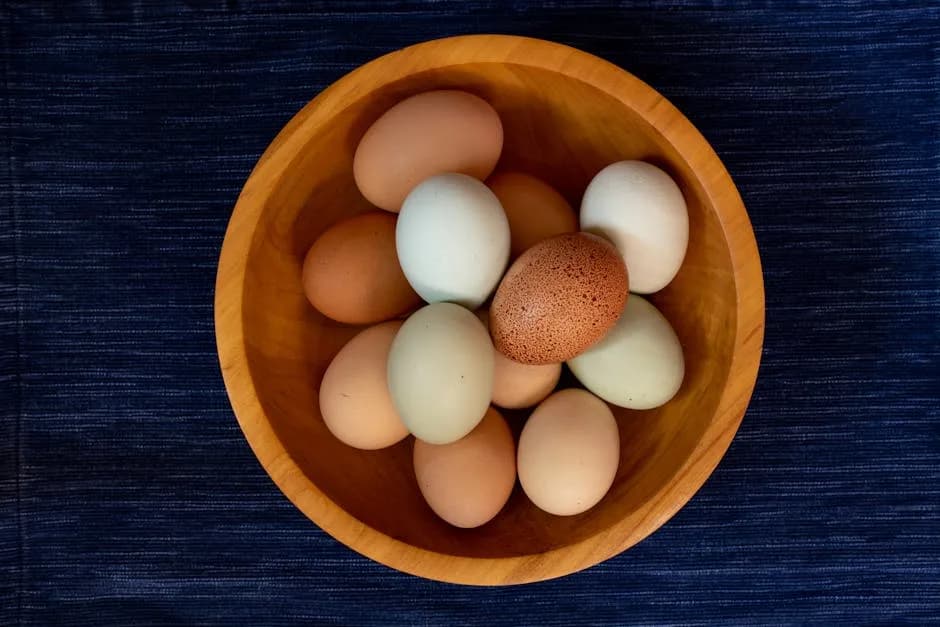
The result? A chicken with mixed genetics that produces eggs somewhere on the blue-to-brown spectrum. When a blue-egg gene meets a brown-egg gene, you get greens, olives, and sometimes pinkish tones. That's where the "Easter" name comes from, because your egg basket ends up looking like it's ready for an Easter egg hunt.
The American Poultry Association (APA) doesn't recognize Easter Eggers as an official breed, and there's no standard of perfection for them. This bothers some poultry purists, but for backyard chicken keepers, it's actually a huge advantage. You get genetic diversity, which means healthier birds thanks to something called hybrid vigor.
What Do Easter Eggers Look Like?
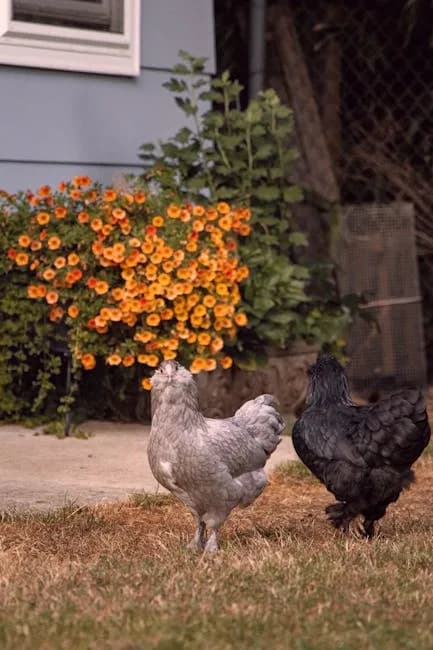
Here's where things get interesting: no two Easter Eggers look exactly alike. Since they're a hybrid, their appearance depends entirely on which breeds were crossed. You might get a bird that looks almost identical to an Ameraucana, or one that resembles a Plymouth Rock, or something totally unique.
That said, there are some common features you'll see in many Easter Eggers:
- •Muffs and beards, Fluffy cheek feathers inherited from their Ameraucana or Araucana parent. Not every EE has them, but most do.
- •Pea combs, Small, low-profile combs that handle cold weather well.
- •Green or slate-colored legs, Though some have yellow, white, or even pink legs depending on their cross.
- •Weight, Hens typically weigh 4 to 5 pounds, roosters 5 to 6 pounds.
Feather colors run the full spectrum. You'll find Easter Eggers in black, brown, buff, red, white, blue, wheaten, and just about every combination you can imagine. If you order six EE chicks from a hatchery, you'll likely get six completely different-looking birds. That variety is one of the breed's biggest selling points for backyard flocks.
What Color Eggs Do Easter Eggers Lay?
This is the question everyone asks first, and the honest answer is: you won't know until your hen starts laying. Each Easter Egger hen lays one color for her entire life (she won't switch colors), but the specific shade depends on her genetics.
The most common Easter Egger egg colors include:
- •Blue, Ranging from sky blue to a deeper robin's egg shade
- •Green, The most common EE egg color, from mint to sage to olive
- •Pink, A light pinkish-tan, more like a tinted cream
- •Olive, A darker green that's become popular
- •Brown, Yes, some Easter Eggers lay plain brown eggs if they didn't inherit the blue gene strongly enough
About 80% of Easter Eggers will lay some shade of blue or green. The remaining 20% might lay brown or pinkish eggs. If colored eggs are your main goal, there's always a small gamble involved.
Pro tip: If you want guaranteed blue eggs, go with a purebred Ameraucana. If you want guaranteed olive eggs, look for Olive Eggers specifically (an Easter Egger crossed with a dark brown egg layer like a Marans).
How Many Eggs Do Easter Eggers Lay Per Year?
Easter Eggers are solid layers, though they won't quite match production breeds like Rhode Island Reds or Leghorns. Here's what to expect:
| Metric | Details |
|---|---|
| Eggs per year | 200-280 |
| Eggs per week | 4-5 |
| Egg size | Medium to large |
| Start of lay | 20-24 weeks |
| Winter laying | Moderate (slows but doesn't stop) |
Most Easter Eggers start laying around 20 to 24 weeks old, though some take up to 28 weeks. They're not as early as production breeds, but they make up for it with consistent laying through their first three years.
One nice perk: Easter Eggers tend to keep laying reasonably well through winter, especially compared to some heritage breeds. Their pea combs are less prone to frostbite, so they handle cold weather without as much stress. If you're looking for winter laying tips, check out our guide on how to keep chickens warm in winter.
Easter Egger Temperament and Personality
If you're picking a chicken breed based on personality, Easter Eggers are hard to beat. They're consistently ranked among the friendliest, most docile backyard breeds. Here's what most flock owners report:
- •Friendly and curious, They'll follow you around the yard and come running when they see you.
- •Great with kids, Their gentle nature makes them one of the best breeds for families.
- •Not aggressive, Easter Eggers rarely bully other birds. In fact, they sometimes end up at the bottom of the pecking order because they're so laid back.
- •Talkative, They're chatty birds with a wide range of vocalizations. Not loud, just conversational.
- •Good foragers, They love free ranging and are active, alert birds when they've got room to roam.
The one downside? Because they're so docile, they can get picked on by more assertive breeds like Rhode Island Reds or Buff Orpingtons. If you're mixing breeds, keep an eye on the pecking order and make sure your Easter Eggers have enough space to get away from any bullies. Our guide on how to introduce new chickens to your flock covers this in detail.
Are Easter Eggers Good for Beginners?
Yes. Easter Eggers are one of the top recommendations for first-time chicken keepers, and for good reason:
- •Hardy, They tolerate both hot and cold climates well. That pea comb resists frostbite better than single combs.
- •Low maintenance, No special dietary needs, housing requirements, or health concerns beyond the basics.
- •Hybrid vigor, Because they're mixed breeds, they tend to be healthier and more disease-resistant than purebred chickens.
- •Affordable, Chicks typically cost $3 to $5 each, much cheaper than purebred Ameraucanas ($8 to $15+).
- •Fun factor, The colorful eggs make chicken keeping exciting, especially for kids.
If you're just getting started, Easter Eggers pair well with other beginner-friendly breeds like Plymouth Rocks, Australorps, and Buff Orpingtons. Check out our full list of the best chicken breeds for beginners for more options.
Not sure how many birds to start with? We've got a guide on how many chickens a beginner should start with that breaks it all down.
Easter Egger vs Ameraucana: What's the Difference?
This is one of the most confusing topics in backyard chickens, and hatcheries don't always help clarify things. Our full Easter Egger vs Ameraucana comparison covers leg color, comb type, egg consistency, and how to tell which one you actually have. Here's the quick breakdown:
Ameraucana:
- •APA-recognized breed with a defined standard
- •Always lays blue eggs (no green, no pink)
- •Comes in 8 recognized color varieties
- •Has muffs, beard, and pea comb (required)
- •Costs $8 to $15+ per chick from breeders
Easter Egger:
- •Not an APA-recognized breed
- •Lays blue, green, pink, olive, or brown eggs
- •Comes in virtually any color or pattern
- •Usually has muffs and pea comb, but not guaranteed
- •Costs $3 to $5 per chick from hatcheries
The hatchery trap: Many hatcheries sell Easter Eggers labeled as "Ameraucanas" or use creative misspellings like "Americana" or "Americauna." If you're paying $4 for an "Ameraucana" from a major hatchery, you're almost certainly getting an Easter Egger. True Ameraucanas come from specialty breeders and cost significantly more.
Does it matter? For most backyard flock owners, not really. Easter Eggers are wonderful birds. But if you specifically want guaranteed blue eggs or plan to show your birds, you'll want a true Ameraucana from a reputable breeder.
Housing and Care Requirements
Easter Eggers don't need anything fancy. They're adaptable birds that do well in most standard coop setups. Here are the basics:
Coop Space
- •4 square feet per bird inside the coop (minimum)
- •10 square feet per bird in the run
- •More space is always better, especially if you can't free range
Roosting and Nesting
- •Standard 8 to 10 inch roosting bar space per bird
- •One nesting box for every 3 to 4 hens
- •They prefer roosting high, so give them the option
Feed
Easter Eggers do well on standard layer feed (16% protein) once they start laying. Before that, chicks need starter feed (18-20% protein) and growers need grower feed (16-18% protein). For a detailed breakdown, check out what chickens eat.
Supplement with:
- •Oyster shell (free choice, for strong eggshells)
- •Grit (if they don't free range on dirt)
- •Fresh greens and kitchen scraps as treats
Climate Tolerance
Easter Eggers handle both heat and cold well. Their pea combs give them a real advantage in cold climates since there's less surface area exposed to frostbite. In hot climates, make sure they've got shade and plenty of fresh water.
Lifespan
Easter Eggers typically live 8 to 10 years with good care, though egg production drops significantly after year 3. Some owners report their Easter Eggers living even longer thanks to that hybrid vigor.
Common Health Issues
Thanks to their genetic diversity, Easter Eggers are generally healthy birds. They don't have the breed-specific issues that plague some purebreds. That said, they're still chickens, so watch out for:
- •External parasites, Mites and lice are the most common issue. Check the vent area and under wings regularly. Provide a dust bath area (diatomaceous earth mixed with sand works well).
- •Internal parasites, Worms can affect any chicken. Watch for weight loss, pale combs, and decreased egg production.
- •Respiratory infections, Especially in damp, poorly ventilated coops. Good airflow is your best prevention.
- •Egg binding, Can happen to any laying hen. Signs include lethargy, straining, and a swollen abdomen.
- •Predator injuries, Easter Eggers are alert but not the most predator-savvy birds. A secure coop is essential. Read our chicken predator protection guide for setup tips.
Overall, Easter Eggers are among the healthiest backyard breeds you can keep. Regular coop cleaning, proper ventilation, good nutrition, and parasite prevention will keep them happy and laying for years.
Where to Buy Easter Egger Chicks
Easter Eggers are one of the easiest breeds to find. Pretty much every major hatchery sells them, and they're a staple at farm supply stores during "chick days" each spring.
Popular sources:
- •Farm supply stores (Tractor Supply, Rural King). Around $3 to $4 per chick during spring chick days
- •Online hatcheries (Meyer Hatchery, Cackle Hatchery, Murray McMurray). Around $3 to $5 per chick, usually with minimum orders of 3 to 15 birds
- •Local breeders, Check Craigslist, Facebook Marketplace, or local poultry swap meets
- •Feed stores, Many local feed stores carry chicks in spring
When buying, keep in mind:
- •You can't pick the egg color. The chick's genetics are set, but you won't know the egg color until she lays her first egg around 20 to 24 weeks.
- •Sexing accuracy is about 90% for most hatcheries. There's always a small chance of getting a rooster.
- •If you see "Ameraucana" chicks at a big-box farm store for $4 each, they're Easter Eggers. And that's totally fine.
If you're setting up for new chicks, don't miss our raising chicks week-by-week guide for everything you need to know about brooding.
Looking for the right coop? Whatever breed you settle on, the coop you put them in matters as much as the bird itself. Our best chicken coops on Amazon roundup covers current top picks across flock sizes and price ranges, from under-$100 starter coops to walk-in models for larger flocks.
Frequently Asked Questions
Do Easter Eggers lay eggs year-round?
Easter Eggers lay consistently through spring, summer, and fall, and they'll slow down but usually keep going through winter. You can expect 4 to 5 eggs per week during peak laying season, dropping to 2 to 3 in the shorter winter days. Supplemental lighting can help maintain production, though many keepers let their hens take a natural break.
Are Easter Eggers the same as Ameraucanas?
No. Ameraucanas are an APA-recognized breed that always lays blue eggs. Easter Eggers are hybrids that carry the blue-egg gene but can lay blue, green, pink, olive, or even brown eggs. Many hatcheries mislabel Easter Eggers as "Ameraucanas," so check the price and source. True Ameraucanas cost $8 to $15+ and come from specialty breeders.
Can you tell what color eggs an Easter Egger will lay before she starts laying?
Not with certainty, but there are clues. Hens with slate or blue-gray legs are more likely to lay blue or green eggs. Hens with yellow legs are more likely to lay brown or pinkish eggs. But it's not a guarantee. The only sure way to know is to wait for that first egg around 20 to 24 weeks.
How long do Easter Egger chickens live?
Easter Eggers typically live 8 to 10 years, and some have been known to live even longer. Their hybrid vigor gives them a health advantage over many purebred chickens. Egg production peaks in the first two years and gradually declines, but they'll keep laying at a reduced rate for several years.
Are Easter Eggers noisy?
Easter Eggers are moderate in the noise department. They're chatty and social, but they're not as loud as breeds like Leghorns or Rhode Island Reds. They'll do the standard egg song after laying and make conversational sounds throughout the day, but they're generally a good choice if you've got neighbors nearby.
If you're still deciding which breed is right for your backyard, take a look at our complete beginner's guide to raising backyard chickens or browse our best egg laying breeds guide for more high-producing options.
Sources:
- •University of Florida IFAS. Backyard Chicken Breeds. EDIS Publication. https://edis.ifas.ufl.edu/publication/AN307
- •The American Poultry Association. Standard of Perfection (reference). http://www.amerpoultryassn.com/
- •University of Kentucky Cooperative Extension. Small Flock Poultry resources. https://poultry.extension.org/
- •The Livestock Conservancy. Heritage breed conservation. https://livestockconservancy.org/
Related Guides
Olive Egger Breed Guide: Eggs, Care, and Genetics
Olive Eggers lay olive-green eggs from a Marans + blue-egg-layer cross. Egg color, care, temperament, and what to expect from this designer hybrid.
BreedsWyandotte Chicken: Complete Breed Guide (Colors, Eggs, Care)
Your complete guide to Wyandotte chickens. Covers 9 color varieties, egg production, temperament, care tips, and why they're a top backyard breed.
BreedsAraucana Chicken Breed Guide: Blue Eggs, Tufts, Care
Araucana chicken breed guide: rumpless bodies, ear tufts, true blue eggs, the lethal tuft gene, care, and how they differ from Ameraucanas.
BreedsChocolate Orpington Breed Guide: Genetics, Eggs, Care
Chocolate Orpingtons explained: the sex-linked chocolate gene, why hens show it and roosters carry it, 120 to 150 tinted eggs a year, care, and where to buy.