How Much Does It Cost to Raise Chickens?
A no-BS look at what you'll actually spend raising backyard chickens. From coop costs to monthly feed bills, here's what the first year really looks like.
Researched from university extension, USDA, and veterinary sources. How we research.
How Much Does It Cost to Raise Chickens? A Realistic Breakdown
Let's get the uncomfortable truth out of the way: backyard eggs aren't cheap. At least not at first. If you're getting into chickens purely to save money on eggs, you might want to sit down for this one.
That doesn't mean raising chickens is a bad financial decision. It just means you should go in with realistic expectations about what you'll spend, especially in year one. After the initial setup costs, the ongoing expenses are pretty manageable. But that first year? It adds up faster than most people expect.
Here's a complete breakdown of what it actually costs to raise a small backyard flock, based on real prices from feed stores, Amazon, and what chicken keepers report spending on forums like r/BackYardChickens.
The Big Upfront Cost: Your Coop
The coop is by far your biggest expense, and the price range is enormous. You can spend anywhere from $200 to $2,000 or more depending on whether you build, buy, or go all out.
Budget option ($200 to $400): Build your own from lumber and hardware cloth. If you've got basic tools and some DIY skills, you can put together a solid coop for 4 to 6 hens for around $200 to $300 in materials. There are tons of free plans online. It won't win any beauty contests, but your chickens won't care.
Mid-range option ($300 to $800): Buy a pre-made coop from Amazon or a farm supply store. These are the most popular choice for beginners. They ship flat-packed and take a few hours to assemble. The quality varies a lot, so read reviews carefully. Many of the cheaper ones need upgrades like better latches and hardware cloth to actually be predator-proof.
A solid pick in this range is the Aivituvin Large Wooden Coop, which fits 3 to 5 hens and comes with decent build quality out of the box. Walk-in coops for 6 to 10 birds, like the OverEZ Medium, now start around $1,700 and belong in the premium tier below.
Premium option ($800 to $2,000+): Custom-built or high-end pre-fab coops. These look great, last forever, and come with all the features you'd want. Companies like Carolina Coops and Horizon Structures build beautiful stuff. But you're paying for it.
For most beginners with a flock of 4 to 6 hens, plan on spending $300 to $600 for a decent coop and run setup. Check out our Best Chicken Coops on Amazon guide for specific recommendations at different price points.
If you're the handy type, our How to Build a Chicken Coop guide walks you through the whole process.
Buying Your Chicks
Baby chicks are surprisingly cheap. Most hatcheries and feed stores charge $3 to $5 per chick for common breeds like Rhode Island Reds, Barred Rocks, and Buff Orpingtons. Rarer or specialty breeds can run $8 to $15 each.
For a starter flock of 6 chicks, expect to spend $18 to $30 on the birds themselves. That's the easy part.
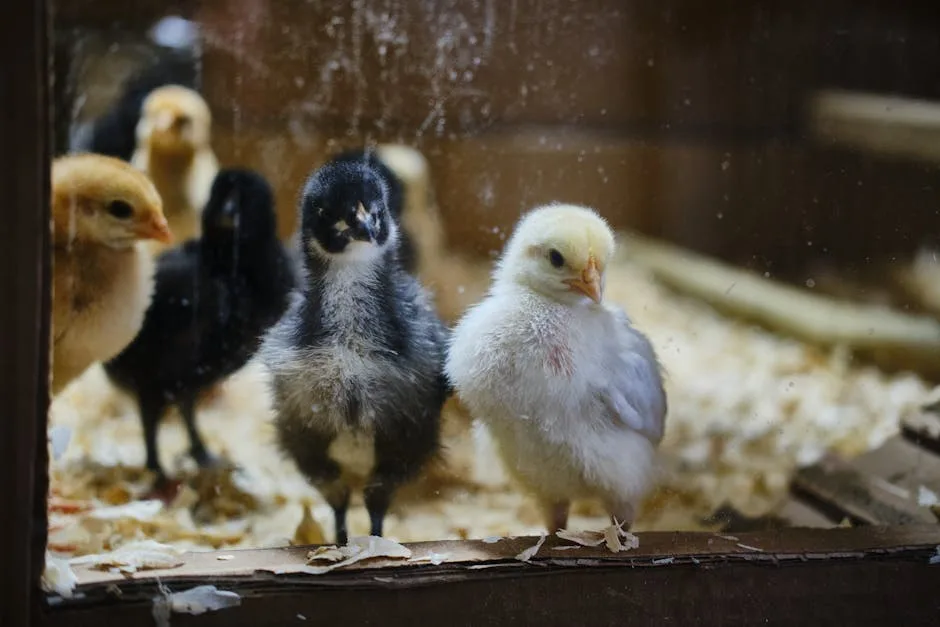
The brooder supplies for those first 6 to 8 weeks add more to the tab:
- •Heat lamp or heat plate: $30 to $60. A heat plate like the Brinsea EcoGlow is safer than a heat lamp (no fire risk) but costs more.
- •Brooder container: $0 to $30. A large cardboard box or plastic tote works fine. Some people use a stock tank.
- •Chick feeder and waterer: $10 to $20 for both.
- •Chick starter feed (50 lb bag): $15 to $25. This will last your small flock several weeks.
- •Pine shavings for bedding: $6 to $10 per bag.
Total brooder setup for 6 chicks: $60 to $145
A complete chick starter kit from Amazon bundles the feeder, waterer, and heat lamp together and usually saves you a few bucks over buying everything separately.
You can skip the brooder stage entirely by buying started pullets (young hens that are already 16 to 20 weeks old and close to laying). They cost $15 to $30 each but save you weeks of brooder care and the cost of starter supplies. It's a trade-off.
Feed Costs: Your Biggest Ongoing Expense
Feed is where the real money goes over time. A laying hen eats about 1/4 pound of feed per day, which works out to roughly 1.5 pounds per week per bird.
For a flock of 6 hens, you'll go through about a 50-pound bag of layer feed every 5 to 6 weeks.
Here's what feed costs look like in 2026:
- •Layer pellets (50 lb bag): $15 to $22 at most feed stores
- •Organic layer feed (50 lb bag): $25 to $35
- •Scratch grains (treat/supplement): $12 to $18 per bag
- •Oyster shell (calcium supplement): $10 to $15 per bag (lasts months)
- •Grit: $8 to $12 per bag (lasts months)
Monthly feed cost for 6 hens: $15 to $30 for conventional feed, or $25 to $45 if you go organic.
Over a full year, that's roughly $180 to $360 in feed for a 6-hen flock on conventional feed. The University of Kentucky Cooperative Extension estimates feed as about 70% of total ongoing costs, and that tracks with what most keepers report.
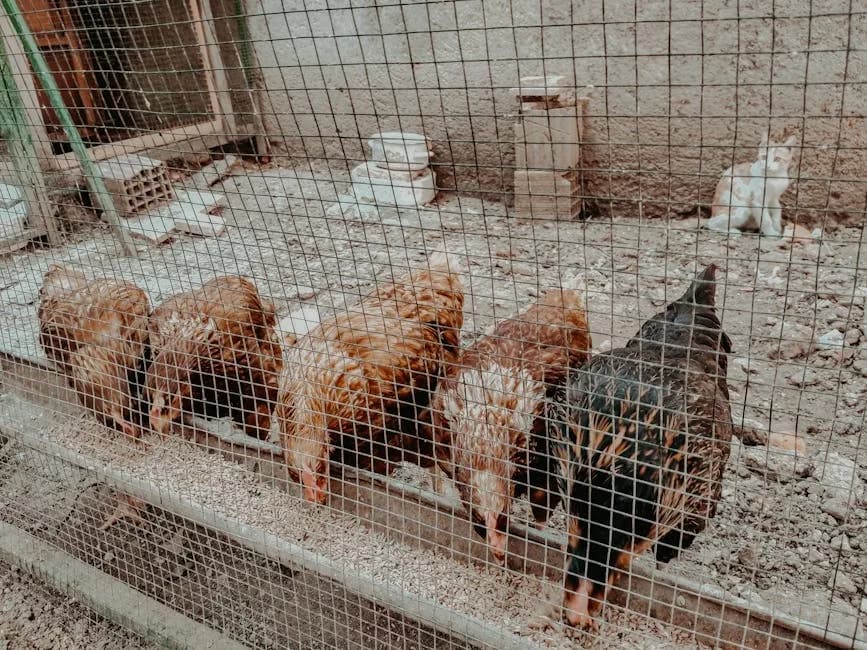
A quality galvanized steel feeder costs $35 to $60 and will last for years. It's worth investing in one that minimizes waste, since chickens love to scratch feed onto the ground.
If your hens free-range for part of the day, they'll eat less feed because they're supplementing with bugs, grass, and whatever else they find. Free-ranging can cut your feed bill by 10 to 30 percent depending on how much forage is available.
For a deep dive on what to feed your flock, check out our Complete Chicken Feeding Guide.
Bedding
You'll need bedding material for the coop floor and nesting boxes. Pine shavings are the most popular choice. A compressed bale costs $6 to $10 and lasts about a month for a small coop, depending on how often you clean.
Annual bedding cost: $70 to $120
Some keepers use the deep litter method, where you keep adding fresh shavings on top and let the bottom layers compost in place. This actually reduces how often you need to fully clean the coop and can cut your bedding costs. The University of Georgia Extension has a good guide on this method.
Other bedding options include straw ($5 to $8 per bale), sand ($5 to $10 for a big bag, but it lasts longer), and hemp bedding ($12 to $18 per bag, great absorbency).
Healthcare and Unexpected Costs
Healthy chickens don't need much in the way of veterinary care. But things do come up, and it's smart to budget for them.
Routine health supplies ($30 to $60 per year):
- •Poultry electrolytes: $8 to $12
- •Diatomaceous earth (for dust baths/mite prevention): $10 to $15
- •VetRx or poultry respiratory treatment: $8 to $12
- •First aid supplies (Blu-Kote, wound spray): $10 to $15
Vet visits: This is where things can get expensive fast. Most regular vets don't see chickens. You'll need to find an avian vet or a vet who treats poultry, and they're not always easy to find. A single visit can run $50 to $150. Surgery or advanced treatment can hit $300 or more.
Many chicken keepers handle most health issues themselves using resources from university extension programs and experienced keepers on forums. The Merck Veterinary Manual's poultry section is a solid free reference.

Budget $50 to $100 per year for basic health supplies and set aside a mental emergency fund for the occasional surprise vet visit.
Other Costs You Might Not Think About
A few more line items that sneak up on beginners:
- •Fencing: If you're free-ranging in a fenced area, poultry netting or electric fencing costs $50 to $200 depending on the area you need to cover.
- •Predator deterrents: Automatic coop door ($100 to $200), motion-activated lights ($15 to $30), hardware cloth for run upgrades ($30 to $80).
- •Egg supplies: Egg cartons if you share with friends ($10 to $20 for a pack of 50), egg skelter or basket for the kitchen ($15 to $25).
- •Winter extras: Heated waterer or water heater base ($30 to $50) if you live somewhere that freezes. Your birds will be fine in the cold, but they need liquid water.
- •Treats: Mealworms, sunflower seeds, produce scraps. This can be $0 (kitchen scraps) or $10 to $20 per month if you're buying dried mealworms regularly.
The Complete First-Year Breakdown
Let's add it all up for a typical starter flock of 6 hens:
| Expense | Low Estimate | High Estimate |
|---|---|---|
| Coop and run | $200 | $800 |
| 6 chicks | $18 | $30 |
| Brooder supplies | $60 | $145 |
| Feeder and waterer (adult) | $30 | $60 |
| Feed (12 months) | $180 | $360 |
| Bedding (12 months) | $70 | $120 |
| Health supplies | $30 | $60 |
| Miscellaneous (fencing, extras) | $50 | $200 |
| Total Year 1 | $638 | $1,775 |
Most people land somewhere in the $800 to $1,200 range for their first year with a flock of 6 hens. That's the realistic number.
After year one, your ongoing costs drop to roughly $300 to $600 per year since you're mostly just buying feed, bedding, and the occasional replacement supply.
So... Are Backyard Eggs Actually Cheaper?
Let's do the math. A healthy hen lays about 250 to 300 eggs per year in her first two years. Six hens at 250 eggs each gives you 1,500 eggs per year, or 125 dozen.
If store-bought eggs cost $4 per dozen (and they've been higher than that recently), that's $500 worth of eggs per year.
In year one, with startup costs, you're not saving money. Your eggs are costing you $5 to $14 per dozen when you factor everything in.
But starting in year two, when you're only spending $300 to $600 on ongoing costs and getting 125 dozen eggs, your cost per dozen drops to about $2.40 to $4.80. That's competitive with store prices, especially if you'd normally buy free-range or organic eggs (which run $5 to $8 per dozen).
By year three, assuming your hens are still laying well, you're solidly ahead.
The University of New Hampshire Extension ran a similar analysis and found that backyard eggs typically break even with store-bought organic eggs by the second year, assuming a flock of 6 or more hens. Your results will vary based on local feed prices and egg prices.
How to Keep Costs Down
If you want to minimize your spending, here are the most effective strategies:
- •Build your own coop. This is the single biggest way to save money. Even a basic DIY coop saves $200 to $500 over buying pre-made.
- •Buy chicks in spring from a local feed store. Cheaper than ordering from hatcheries once you factor in shipping costs.
- •Free-range when possible. Cuts your feed bill and gives your chickens a better diet.
- •Use the deep litter method. Saves on bedding and gives you free compost.
- •Supplement with kitchen scraps. Chickens will eat most vegetable scraps, leftover rice, and other kitchen waste. Just avoid citrus, avocado, raw beans, and anything moldy.
- •Buy feed in bulk. Some feed stores offer discounts on multiple bags. Split an order with a neighbor who also keeps chickens.
- •Learn basic chicken first aid. Most common issues (bumblefoot, minor wounds, respiratory infections) can be treated at home with the right supplies.
The Bottom Line
Raising chickens isn't free, and it probably won't save you money in the first year. But it's not outrageously expensive either. For most people with a small flock, you're looking at $800 to $1,200 to get started and $300 to $600 per year after that.
The real value of backyard chickens goes beyond the egg math. You know exactly what your hens are eating. The eggs taste noticeably better (those deep orange yolks aren't just for show). Your kids learn where food comes from. And there's something genuinely satisfying about walking out to the coop in the morning and coming back with breakfast.
If you're still on the fence about starting, our Complete Beginner's Guide to Raising Backyard Chickens walks you through everything from picking breeds to setting up your coop.
Just go in knowing what you'll spend, and you won't have any unpleasant surprises.
Frequently Asked Questions
Is it cheaper to raise chickens or buy eggs?
For most people, buying store-brand eggs is cheaper. But if you compare to pasture-raised organic eggs at $7 to $9 a dozen, backyard eggs can break even or save money after the first year. The real value is in quality, freshness, and knowing exactly how your food was produced.
How much does chicken feed cost per month?
A small flock of 4 to 6 hens goes through about one 50-pound bag of feed per month, which costs $15 to $25 depending on brand and type. Organic feed runs higher at $30 to $40 per bag. Supplementing with kitchen scraps and free-ranging can stretch your feed further.
What's the cheapest way to start raising chickens?
Buy chicks instead of pullets, build a coop from recycled materials or a converted shed, and start with just 3 to 4 birds. You can get going for $200 to $300 if you're resourceful. The biggest savings come from DIY housing since prefab coops carry a hefty markup.
Are there hidden costs to raising chickens?
Yes. Vet bills, predator-proofing upgrades, replacing equipment, and treating parasites add up. Bedding is an ongoing expense people forget about. Most experienced keepers say their actual costs end up 30 to 50 percent higher than what they originally budgeted for.
Can I write off chicken expenses on my taxes?
Sometimes. If you sell eggs, meat, or breeding stock with the intent to make a profit, the IRS may treat your flock as a small farm business and you can deduct related expenses. Purely personal-use hobby flocks generally do not qualify. Our guide on whether backyard chickens are a tax write-off walks through the rules and the typical thresholds for hobby vs business classification.
Sources:
- •University of Kentucky Cooperative Extension. "Small Flock Poultry: Frequently Asked Questions." https://poultry.extension.org/
- •University of New Hampshire Extension. "The Cost of Raising Backyard Chickens." https://extension.unh.edu/
- •University of Georgia Extension. "Deep Litter Management for Poultry." https://extension.uga.edu/
- •r/BackYardChickens. Various threads on flock costs and budgeting. https://www.reddit.com/r/BackYardChickens/
Product prices and availability are accurate as of the date shown and are subject to change. Any price and availability information displayed on Amazon at the time of purchase will apply to the purchase of this product.
Related Guides
How Many Eggs Does a Chicken Lay a Day? (Real Numbers)
A hen lays at most one egg a day, and most backyard hens lay 4 to 6 a week. Why one is the limit, what a good hen lays per year, and why counts drop.
Beginner GuidesHow Much Money Can You Make Selling Eggs? Real 2026 Math
Real profit numbers for selling backyard eggs: revenue and costs at 6 to 50 hens, 2026 prices by sales channel, and what actually eats your margin.
Beginner GuidesRooster vs Hen: How to Tell the Difference
How to tell a rooster from a hen: comb and wattle size, hackle and saddle feathers, crowing, spurs, and behavior, plus the age each clue appears.
Beginner GuidesDuck Eggs vs Chicken Eggs: Taste, Nutrition, Baking
How duck eggs compare to chicken eggs on size, taste, nutrition, and baking, plus whether raising ducks for eggs is right for your backyard.