Leghorn Chicken Breed Guide: Eggs, Care, Temperament
Leghorn chickens explained: up to 320 white eggs a year, White vs Brown, temperament, frostbite risk, buying pullets, and how they compare with other layers.
Researched from university extension, USDA, and veterinary sources. How we research.
Leghorn chickens are the egg-laying champions of the poultry world. If you have ever bought white eggs at a grocery store, they almost certainly came from a White Leghorn, or from a commercial hybrid built on one. Backyard keepers get the same engine in a smaller package: an active, noisy, clever bird that turns feed into eggs faster than anything else in the coop and would rather forage a field than sit in a lap. This guide covers what a Leghorn is, how many eggs to expect from which kind, the recognized colors, the temperament, and how to buy and keep them, with the breed facts checked against The Livestock Conservancy and Oklahoma State University's breed reference.
Quick Answer
A Leghorn is a light Mediterranean breed, about 4.5 pounds for a hen and 6 for a cock, that lays large to extra-large white eggs: 280 to 320 a year from commercial strains, 200 to 280 from heritage birds. It starts laying at four and a half to five months, almost never goes broody, eats about a quarter pound of feed a day, and can fly over a 4-foot fence. It is flighty, loud, and hardy, and its big single comb is prone to frostbite. Buy Leghorns for eggs and feed efficiency. Buy something else for a pet.
What You'll Learn
- •Leghorns at a glance
- •Leghorn chicken history and origins
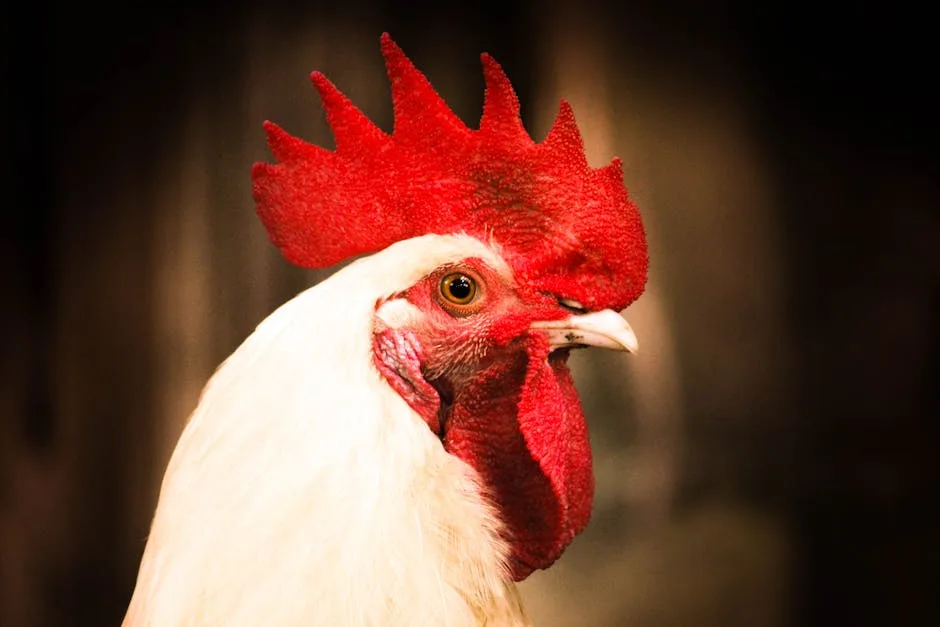
- •What do Leghorn chickens look like?
- •How many eggs do Leghorns lay?
- •Leghorn chicken temperament
- •Leghorn color varieties
- •White Leghorn vs Brown Leghorn
- •Are Leghorns good for beginners?
- •How to care for Leghorn chickens
- •Buying White Leghorn pullets and chicks
- •Leghorns vs other egg-laying breeds
- •Common health issues
- •Frequently asked questions
Leghorns at a Glance
| Class | Mediterranean, light breed |
| APA standard weight | Cock 6 lb, hen 4.5 lb; cockerel 5 lb, pullet 4 lb |
| Eggs per year | 280 to 320 (commercial strains); 200 to 280 (heritage); Conservancy range 150 to 320 |
| Egg color and size | White, large to extra-large |
| Starts laying | About 4.5 to 5 months |
| Broodiness | Almost none |
| Temperament | Very active, alert, flighty, noisy |
| Flight | Strong; clears 4 feet easily, roosts in trees |
| Cold | Tolerant, but the single comb frostbites; rose comb is better |
| Heat | Excellent |
| Laying-hen lifespan | 4 to 6 years, per the Conservancy; longer if production falls off |
| Conservation status | Recovering (non-industrial strains) |
Leghorn Chicken History and Origins
Leghorns come from Tuscany, in northern Italy, and take their name from Livorno, the port they shipped out of; "Leghorn" is the old English rendering of the city's name. The Conservancy's history has the first birds reaching America around 1828, with more in 1830 and 1831, and the ancestors of today's non-industrial flocks arriving in 1852, when Captain Gates landed a shipment of what we now call Brown Leghorns at Mystic, Connecticut.
American breeders did most of the work that made the breed famous. They refined the type, bred for a rose comb, and selected relentlessly for eggs; a White Leghorn won the New York show in 1868, and from then on the breed was America's layer. The American Poultry Association admitted the Single Comb Light Brown, Dark Brown, White, and Black in 1874, the Rose Comb Browns in 1883, the Rose Comb White in 1886, and the Buff and Silver in 1894, with Red, Black-Tailed Red, and Columbian later.
Around 1910, hybridized Leghorns bred in England came back across the Atlantic and became the foundation of the commercial egg industry. Today most Leghorns in the world are industrial strains, and the Conservancy lists the old-type, non-industrial Leghorn as Recovering. For a backyard keeper, either kind works; the industrial strain lays more and the heritage strain lives longer and looks the part.
What Do Leghorn Chickens Look Like?
A Leghorn is built for laying, not for the table: lean, upright, and always moving.
Size. The standard calls for a 6-pound cock and a 4.5-pound hen, a 5-pound cockerel and a 4-pound pullet. That is a pound or two lighter than a Wyandotte or a Plymouth Rock.
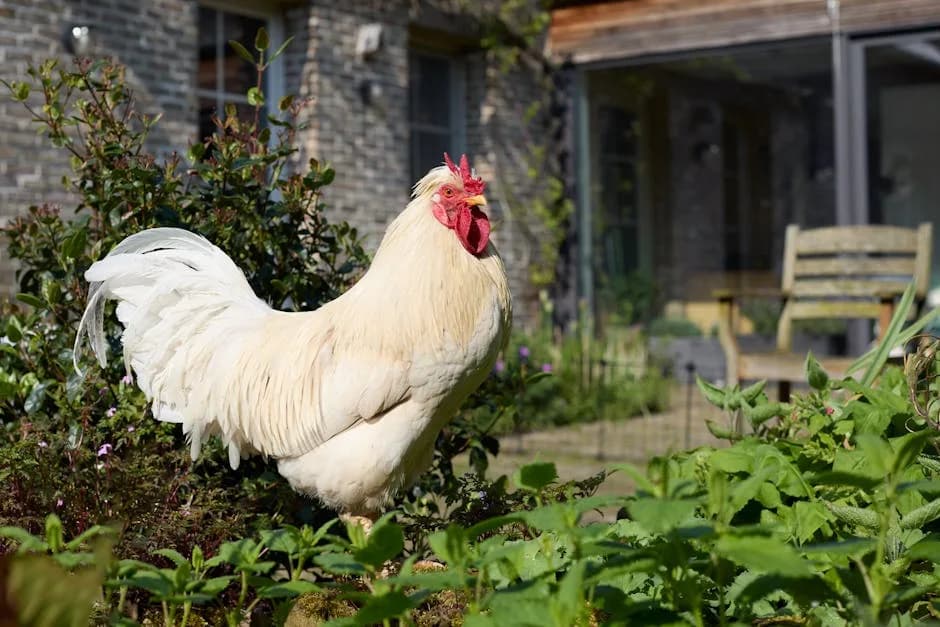
Comb. A large single comb that stands up on the rooster and flops to one side on the hen, or a rose comb in the rose-comb varieties. The floppy single comb is the breed's signature and its winter weakness.
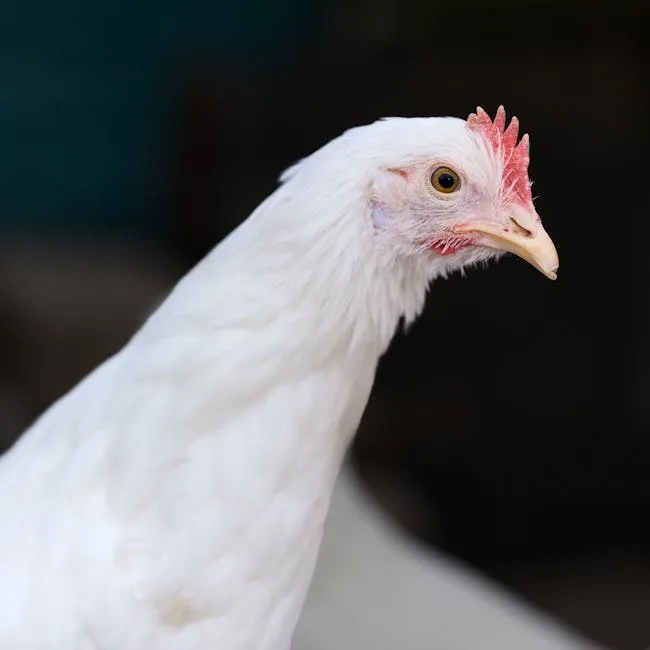
Head and legs. White earlobes, the mark of a white-egg breed. Orange or red eyes, a yellow beak, yellow skin, and clean yellow legs with four toes. Cocks carry spurs.
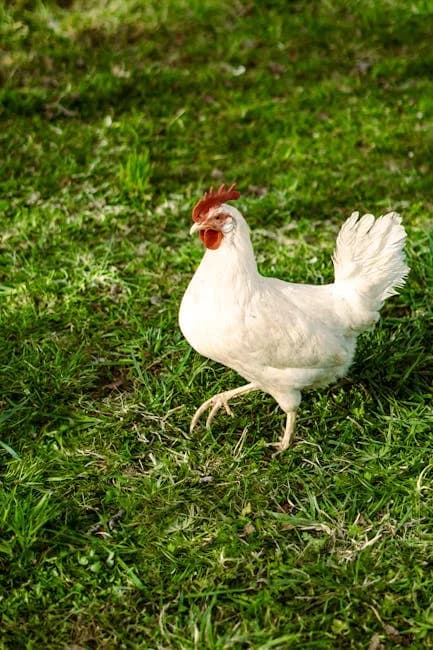
Body and tail. A long, curved back line into a full tail carried high. The old show writers called it a living work of art; the practical version is that a Leghorn looks alert because it is.
How Many Eggs Do Leghorns Lay?
More than any other pure breed, with a spread that depends on the strain.
- •Commercial White Leghorns, the hatchery birds most people buy, lay 280 to 320 large white eggs a year in their first laying year: five or six a week, nearly every week.
- •Heritage Leghorns, bred to the old standard for type as well as eggs, lay 200 to 280.
- •The Conservancy's published range for the breed is 150 to 320, which covers everything from an old show hen to a production pullet.
Four things make the number possible:
Early maturity. Pullets start at about four and a half to five months, earlier than most breeds.
No broodiness. The Conservancy's page says it plainly: Leghorns are not broody and are not good mothers. That is a fault if you want chicks and a feature if you want eggs, because a broody hen stops laying for a month.
Feed efficiency. A Leghorn eats about a quarter pound of feed a day and puts more of it into eggs than any dual-purpose breed does. If you track the cost of raising chickens, a Leghorn's cost per egg is the lowest on the list.
Quick recovery. Production drops in short winter days and during the annual molt, then returns fast as the light comes back. Supplemental coop light keeps them closer to steady through the dark months.
The trade is that the eggs are white and the hens are short-lived layers. The Conservancy gives the average lifespan of a laying Leghorn hen as four to six years, shorter than the eight or more a lightly laying breed manages, and production falls off sharply after the second or third year. For colored eggs, look at Easter Eggers; for volume, nothing beats this.
Leghorn Chicken Temperament
Leghorns are not lap chickens, and it is better to know that before the chicks arrive.
The Conservancy's description is "very active," and it fits. Leghorns forage hard, cover ground, scratch anything scratchable including a flower bed, and prefer to be 50 feet from you. Some strains are flighty and startle easily; all of them are alert. Handled daily from chick age they become tame enough to manage, but not cuddly.
They fly. A Leghorn clears a 4-foot fence without effort, some clear 6 feet, and given a tree they will roost in it. Covered runs or clipped flight feathers are the usual answers.
They talk. Loud egg songs, quick alarm calls, and general commentary. In a tight neighborhood, quieter breeds like Wyandottes or Australorps are the safer choice.
They need room. The Conservancy notes that Leghorns tolerate confinement but get bored in a small space, and a bored Leghorn picks feathers. Give them the biggest run you can and things to do in it.
They are not aggressive, but they are pushy. Non-industrial Leghorns are not mean by nature, but their energy runs over docile birds. The Conservancy's advice is to keep them with breeds of similar temperament rather than with gentle ones; a Silkie in a Leghorn flock has a miserable life.
Leghorn Color Varieties
Most people picture a white bird, but the American Poultry Association recognizes a long list. Oklahoma State's breed reference gives the accepted varieties as:
- •Single Comb Light Brown and Dark Brown, and Rose Comb Light Brown and Dark Brown, the original imports
- •Single Comb White and Rose Comb White, the commercial standard and its cold-climate cousin
- •Single Comb Buff and Rose Comb Buff
- •Single Comb Black
- •Single Comb Silver
- •Single Comb Red
- •Single Comb Black-Tailed Red
- •Single Comb Columbian, white with black hackle and tail
Two things to take from the list. First, the rose-comb varieties exist for a reason: the Conservancy notes the breed is cold and heat tolerant but that the large single comb is prone to frostbite, so a rose-comb White or Brown is the right Leghorn for a northern coop. Second, the brown varieties are the breed's oldest type in America, and they are as good a layer as most backyards need.
White Leghorn vs Brown Leghorn
| White Leghorn | Brown Leghorn | |
|---|---|---|
| Eggs per year | 280 to 320 (commercial), 250 to 280 (heritage) | 200 to 280 |
| Availability | Every hatchery, sexed pullets common | Most hatcheries, often straight run |
| Look | Pure white, red comb, yellow legs | Salmon-breasted hens, black-and-red roosters |
| Predators | Highly visible on grass | Camouflaged on grass and leaf litter |
| Temperament | Same breed, same energy | Same; some strains a little calmer |
| Best for | Maximum eggs | Free-range flocks and looks |
The commercial White Leghorn is the layer. The Brown Leghorn is the same bird with a paint job that hawks find harder to spot, a real advantage for a flock that ranges. Light Brown hens are salmon-breasted with a gold hackle; Dark Brown hens are darker and more stippled; roosters of both are black-breasted with red and gold necks and saddles.
Are Leghorns Good for Beginners?
Yes, if the goal is eggs and the yard can hold them.
Where Leghorns work for a beginner:
- •The most eggs per bird and per pound of feed of any pure breed
- •Hardy, healthy, and undemanding
- •Excellent foragers that cut the feed bill on range
- •Heat tolerant
- •Not broody, so the laying does not stop for a month at a time
Where they frustrate a beginner:
- •Not friendly; they will not sit still to be held
- •Loud, in a neighborhood that notices
- •Fly over ordinary fences
- •Need space, or they pick feathers
- •Single combs frostbite in a real winter
A first-time keeper who wants a friendly bird that still lays well is better off with a Plymouth Rock, an Australorp, or a Buff Orpington; see the best chicken breeds for beginners. A first-time keeper who wants eggs and has a covered run should just buy Leghorns.
How to Care for Leghorn Chickens
Housing
Four square feet of coop and at least 10 square feet of run per bird, and more run is always better for this breed. Roosts can be higher than for heavy breeds; Leghorns like to sleep high and have no trouble getting there. The coop needs strong ventilation in summer.
Containment is the problem to solve on day one. A covered run holds them. An open run needs a 6-foot fence and still loses the occasional hen; clipping one wing's flight feathers keeps most birds grounded until the next molt.
Feeding
About a quarter pound of 16 percent layer feed a day, plus free-choice oyster shell, because a hen laying five eggs a week is putting a lot of calcium into shells. On range, Leghorns find a meaningful share of their own food. They are almost never overweight.
Winter and summer
Heat is their strength: a lean body and a big comb shed it. Cold is the weak spot, and specifically the comb. In a climate with hard freezes, buy the rose-comb variety, keep the coop dry and ventilated so moisture does not condense on the birds, and consider a little petroleum jelly on the comb on the worst nights. Our guides on insulating the coop and keeping chickens warm cover the setup.
Predators
Leghorns are better at surviving predators than most breeds: they see trouble early, sound the alarm, and can fly out of reach of a ground predator. They are not safe from hawks, and a white bird on green grass is easy to spot from the air. A predator-proof coop and run still matters.
Buying White Leghorn Pullets and Chicks
White Leghorns are the easiest chicks in the catalog to find. Every major hatchery sells them, most sell sexed pullets, and the price is usually the lowest on the page: roughly $3 to $5 for a sexed pullet chick and less for straight run, in minimum orders of a few birds. Started pullets at 15 to 20 weeks, ready to lay within a month, run $20 to $35 from farm stores and local breeders in spring and fall.
What to ask for:
- •Sexed pullets, not straight run, unless you want roosters. Leghorn cockerels are loud early and hard to rehome.
- •The strain. A hatchery's "White Leghorn" is usually a production strain that lays 280 or more. A breeder's "heritage" or "exhibition" Leghorn lays fewer, lives longer, and looks like the standard.
- •Rose comb if you are north of the frost line.
- •Marek's vaccination at the hatchery; it is cheap and it is the one vaccine that matters.
Brown Leghorn pullets are a little harder to find sexed but are in most catalogs. For the buying process in general, see our where to buy chickens guide.
Leghorns vs Other Egg-Laying Breeds
| Breed | Eggs per year | Egg color | Temperament | Cold | Pick it for |
|---|---|---|---|---|---|
| Leghorn | 280 to 320 | White | Active, flighty | Comb frostbites | Most eggs per pound of feed |
| Australorp | 250 or more | Brown | Calm, friendly | Good | Eggs plus a pet |
| Rhode Island Red | 250 to 300 | Brown | Assertive, hardy | Good | Brown eggs and toughness |
| Easter Egger | 200 to 250 | Blue, green | Mellow | Good | Colored eggs |
| Wyandotte | 200 to 220 | Brown | Calm | Excellent | Cold climates and looks |
Leghorn vs Australorp: the Australorp lays nearly as well and will sit in a lap. For eggs plus a pet, Australorp; for eggs per pound of feed, Leghorn.
Leghorn vs Rhode Island Red: the Rhode Island Red gives brown eggs, more meat, and a hardier comb, and it is nearly as pushy. Leghorns win on egg count and feed efficiency.
Leghorn vs Easter Egger: colored eggs at 200 to 250 a year versus white eggs at 300. Volume or variety.
Leghorn vs Wyandotte: the Wyandotte is prettier, calmer, and built for winter, and lays a third fewer eggs.
Leghorn genetics also turn up in crosses. The zombie chicken, a White Leghorn over an all-black Ayam Cemani, pairs Leghorn laying with dark skin.
Common Health Issues
Leghorns are one of the healthiest breeds, which is a large part of why industry chose them. The problems they do have follow from the comb and the egg count.
Frostbitten combs. The single comb's tips blacken and die back after a hard freeze, which hurts and cuts laying. Prevent it with a dry, ventilated coop, a rose-comb bird, or petroleum jelly on freezing nights.
Reproductive wear. A hen that lays 300 eggs a year is more prone to egg binding, prolapse, and reproductive tumors as she ages, and the Conservancy's four-to-six-year figure for laying hens reflects it. Free-choice oyster shell, a lean body, and not pushing winter light to the maximum all help.
Stress from confinement. Feather picking and pecking start in a small run. Space, something to scratch through, a hanging cabbage, and a dust bath are the fix.
Parasites. Mites and lice, like any chicken; the light feathering makes them easier to spot. Regular coop cleaning and a mite treatment on hand cover it.
Looking for the right coop? Leghorns need a covered run more than most breeds, and a coop that stays dry in winter. Our best chicken coops on Amazon roundup and walk-in coop guide cover current picks.
Frequently Asked Questions
How many eggs does a Leghorn chicken lay per day?
About one a day at peak, five or six a week, for 280 to 320 a year from a commercial strain. Heritage Leghorns lay 200 to 280. Production dips in winter and during the molt.
What color eggs do Leghorn chickens lay?
White, large to extra-large. The white earlobes are the tell; white-lobed breeds lay white eggs.
Are Leghorn chickens noisy?
Yes. Loud egg songs, quick alarm calls, and constant chatter. They are among the noisier breeds, and a Leghorn rooster is a serious commitment in a neighborhood.
Can Leghorn chickens fly?
Well, for a chicken. Four feet is nothing, some clear six, and they roost in trees if allowed. Cover the run or clip a wing. Our can chickens fly guide compares breeds.
Are Leghorns friendly?
Not by nature. They are alert, independent, and quick to move away from people. Daily handling from chick age makes them manageable, not affectionate.
How long do Leghorn chickens live?
The Conservancy puts the average lifespan of a laying hen at four to six years, because heavy laying wears a hen out. Birds that lay less, or heritage strains, can reach eight or ten. Expect strong production for two to three years either way.
What is the difference between a White Leghorn and a Brown Leghorn?
Same breed, different color and slightly different history. The White is the commercial layer and lays the most. The Brown is the older American type, lays a little less, and is camouflaged on range. Both come in single-comb and rose-comb versions.
Do Leghorns go broody?
Almost never. The Conservancy describes them as not broody and not good mothers. If you want to hatch Leghorn eggs, use an incubator or a broody hen of another breed.
Is a Leghorn a good rooster?
A Leghorn rooster is alert, protective, and loud, and he is not gentle with people unless raised to be. He is a fine flock guardian on range and a poor choice for a suburban lot.
Leghorns will not win a cuddling contest, but nothing fills an egg basket faster or cheaper. If eggs are the point and the run has a roof, they are one of the best breeds you can buy. To compare the rest of the field, see our best egg-laying breeds guide.
Sources:
- •The Livestock Conservancy. Leghorn Chicken breed profile (history, weights, egg range, temperament, conservation status). https://livestockconservancy.org/leghorn-chicken/
- •Oklahoma State University, Department of Animal and Food Sciences. Breeds of Livestock: Leghorn Chickens (standard weights and APA varieties). https://breeds.okstate.edu/poultry/chickens/leghorn-chickens
- •University of Florida IFAS Extension. Raising Backyard Chickens for Eggs. https://ask.ifas.ufl.edu/publication/AN239
- •The American Poultry Association. Standard of Perfection (reference). http://www.amerpoultryassn.com/
- •University of Kentucky Cooperative Extension. Small Flock Poultry resources. https://poultry.extension.org/
Related Guides
Australorp: Complete Breed Guide (Eggs, Temperament, Care)
Australorps lay 250+ light brown eggs per year and thrive in backyard flocks. Get the full breed profile with care tips, history, and real pros and cons.
BreedsBuff Orpington Breed Guide: Eggs, Care, Temperament
Buff Orpingtons lay 200-280 brown eggs yearly and make the friendliest backyard chickens. Get the full breed profile with care tips, pros, and cons.
BreedsAraucana Chicken Breed Guide: Blue Eggs, Tufts, Care
Araucana chicken breed guide: rumpless bodies, ear tufts, true blue eggs, the lethal tuft gene, care, and how they differ from Ameraucanas.
BreedsChocolate Orpington Breed Guide: Genetics, Eggs, Care
Chocolate Orpingtons explained: the sex-linked chocolate gene, why hens show it and roosters carry it, 120 to 150 tinted eggs a year, care, and where to buy.