Free-Range Chickens: Complete Guide to Roaming
Should you free-range your backyard chickens? Covers pros, cons, safety tips, garden protection, and how to train chickens to come back to the coop.
Researched from university extension, USDA, and veterinary sources. How we research.
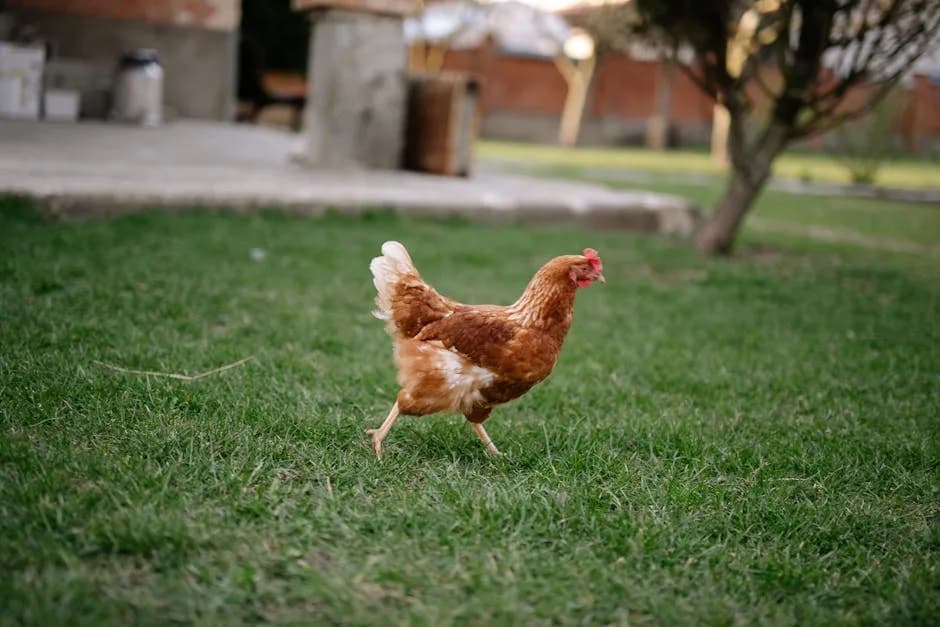
Free-ranging means letting your chickens roam outside their coop and run to forage in your yard, garden, or pasture. It's one of the most natural things you can do for your flock, and the benefits are significant: happier birds, better eggs, lower feed bills, and free pest control. But it also comes with real risks that you need to manage. Here's how to free-range safely and successfully.
What You'll Learn
- •Benefits of Free-Ranging Your Chickens
- •Risks and Downsides of Free-Ranging
- •How to Start Free-Ranging Safely
- •How to Train Chickens to Return to the Coop
- •Protecting Free-Range Chickens From Predators
- •Free-Ranging and Your Garden
- •Best Breeds for Free-Ranging
- •Supervised vs Full Free-Range
- •Frequently Asked Questions
Benefits of Free-Ranging Your Chickens
Better Nutrition and Egg Quality
Free-range chickens supplement their diet with bugs, worms, grass, seeds, and greens that they'd never get in a confined run. This natural foraging produces noticeably better eggs. Yolks are deeper orange, shells are stronger, and the overall nutritional profile improves with higher omega-3 fatty acids and more vitamins A and E.
You'll still want to provide layer feed as a baseline, but free-ranging birds eat less of it because they're finding food on their own. That leads to real savings on your feed costs.
Healthier, Happier Birds
Chickens that free-range get more exercise, more mental stimulation, and more space. They're less likely to develop behavioral problems like feather picking, aggression, and egg eating that come from boredom and overcrowding.
Free-range birds also tend to have fewer parasite issues. When chickens are confined to a small run, they're walking through their own droppings constantly, which creates a cycle of reinfection. Free-ranging spreads the parasite load across a larger area and gives the ground time to recover.
Free Pest Control
Chickens are voracious bug eaters. They'll gobble up ticks, mosquito larvae, Japanese beetles, grasshoppers, slugs, grubs, and dozens of other pests. Some studies estimate that free-range chickens eat 80+ bugs per day. If you've got a tick problem in your yard, chickens are one of the most effective natural solutions.
Lower Feed Costs
Depending on how much forage is available, free-ranging can reduce your feed bill by 20 to 30%. The birds are supplementing their diet with protein (insects), greens, and seeds they find on their own. During spring and summer when foraging is at its peak, you'll notice a significant drop in how much feed disappears from the feeders.
Risks and Downsides of Free-Ranging
Predator Exposure
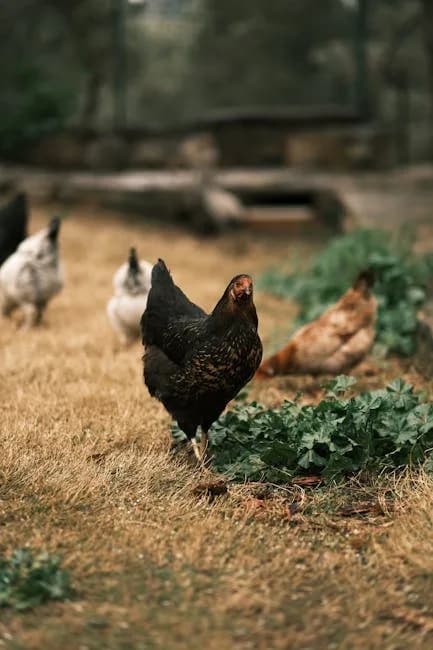
This is the biggest risk, period. Free-range chickens are exposed to hawks, foxes, coyotes, raccoons, dogs, weasels, and other predators that they'd be protected from inside a secure run. Most backyard keepers who free-range will lose a bird to a predator at some point. It's a matter of when, not if.
Hawks are particularly dangerous because they attack from above during the day when your birds are out. Ground predators like foxes and dogs are also a daytime threat.
Garden Destruction
Chickens scratch. It's what they do. They'll scratch through mulch, dig up seedlings, eat your tomatoes, destroy flower beds, and leave droppings on your patio. If you have a garden you care about, you'll need a strategy to keep chickens out of specific areas.
Eggs in Unexpected Places
Free-range hens sometimes decide the nest box isn't good enough and create hidden nests in bushes, under decks, behind sheds, or in any cozy spot they can find. You might go days without finding eggs, only to discover a stash of 15 eggs hidden under a shrub. Some of those eggs may have been sitting in heat and aren't safe to eat.
Droppings Everywhere
Chickens poop about every 30 minutes, and free-range birds spread those droppings across your entire yard. Patios, decks, walkways, doorsteps, anywhere they roam becomes a potential droppings zone. It's not a dealbreaker for most people, but it's worth knowing upfront.
Neighbor Issues
Free-range chickens don't respect property lines. If your yard isn't fenced, they'll wander into neighboring properties, scratch through their gardens, and leave droppings behind. This is a fast path to neighbor conflicts, especially if they don't share your enthusiasm for chickens.
How to Start Free-Ranging Safely
Don't just open the coop door and hope for the best. A gradual, structured approach works much better.
Step 1: Establish the coop as home first. Keep new chickens confined to their coop and run for at least 2 weeks before letting them free-range. They need to recognize the coop as their safe home base. This is where they'll return at night.
Step 2: Start with supervised afternoons. Let birds out 2 to 3 hours before dusk for the first week. They'll naturally head back to the coop as it gets dark, which makes the first few sessions easy. Stay nearby to supervise and watch for predators.
Step 3: Gradually extend the time. Once your flock reliably returns to the coop at dusk, you can start letting them out earlier in the day. Many keepers let birds out after they've laid their morning eggs (usually by 10 to 11 AM) to reduce the hidden-nest problem.
Step 4: Set boundaries. If there are areas you want to keep chicken-free, set up temporary fencing or barriers before you start free-ranging. It's much easier to prevent a habit than to break one. If a flighty bird keeps clearing the fence into the neighbor's yard, a quick wing clip throws it off balance enough to keep it grounded without hurting it.
How to Train Chickens to Return to the Coop
Getting chickens back in the coop is one of the biggest concerns for new free-rangers. Fortunately, chickens are creatures of habit, and training them is simpler than you'd think.
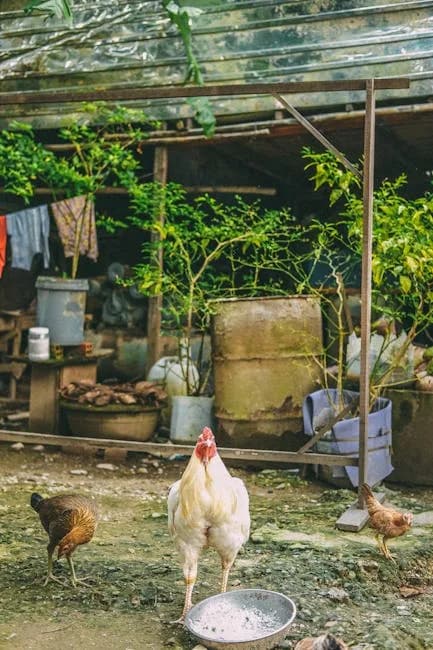
Use treats as a recall signal. Pick one specific treat (mealworms, scratch grains, or sunflower seeds work great) and only give it inside the coop or run. Shake the container while calling the chickens with a consistent sound or phrase. Within a week, they'll come running when they hear that shake.
Don't chase them. Chasing chickens is futile and teaches them to run from you. Use food to lure, not force to drive.
Rely on sunset. Chickens have strong roosting instincts. As light fades, they'll naturally head back to the coop to roost. If you're having trouble getting them in, just wait until dusk. An automatic coop door that closes after dark is a great investment.
Keep them slightly hungry. This sounds harsh, but don't fill feeders to the brim first thing in the morning if you're planning to call birds back later. Chickens that are a bit hungry respond to treat recalls much faster than stuffed ones.
Protecting Free-Range Chickens From Predators
You can't eliminate predator risk while free-ranging, but you can minimize it significantly.
Provide cover. Hawks won't dive into tight spaces. Bushes, trees, covered areas, and even patio furniture give your chickens places to hide when they spot aerial threats. A yard with zero cover is a hawk buffet. If your yard is open, consider adding some shrub clusters or overhead netting in key areas.
Keep a rooster. A good rooster watches the sky and sounds alarm calls, giving hens time to take cover. He's not a guarantee against predators, but he adds a real layer of protection.
Get a livestock guardian dog. This is the gold standard for predator protection. Breeds like Great Pyrenees, Anatolian Shepherds, and Maremmas are bred to protect poultry. They patrol the perimeter and deter both ground and aerial predators. This only works if you have the space and commitment for a large dog.
Limit free-range hours. Dawn and dusk are peak predator times. Keeping birds in the coop until after sunrise and locking up well before dark reduces the most dangerous window. Midday is the safest time for free-ranging.
Perimeter management. Keep grass trimmed short around the coop area so predators can't sneak up with cover. Remove brush piles that could hide foxes or raccoons close to where your chickens roam.
For a complete predator defense strategy, read our guide on how to protect your flock from predators.
Free-Ranging and Your Garden
Chickens and gardens can coexist, but it takes planning.
Protect what matters. Temporary poultry netting or small garden fences (2 to 3 feet is usually enough for heavy breeds) around vegetable beds keeps chickens out. Chicken wire cloches over individual plants work for small-scale protection.
Chicken-safe zones. Let chickens have free access to lawn areas, under trees, and in spaces where scratching is welcome. They'll keep these areas insect-free and lightly fertilized.
Time your access. Some keepers let chickens into the vegetable garden at the end of the season to clean up spent plants and eat overwintering pests. This "tractor" approach gives you the pest control benefits without sacrificing your growing season.
Toxic plants to watch for. Most chickens instinctively avoid toxic plants, but be aware of rhubarb leaves, nightshade family plants (tomato and potato leaves), foxglove, and azaleas. If these grow in your yard, fence them off or monitor your flock.
Compost partnership. Chickens love picking through compost piles. If you can let them access your compost area, they'll turn it for you while eating bugs and scraps. The trade-off is a messier compost area, but many keepers consider it worth it.
Best Breeds for Free-Ranging
Some breeds are better foragers, more predator-aware, and more self-sufficient than others.
Top free-range breeds:
- •Leghorn: Excellent foragers, alert to predators, can fly to escape. The gold standard for free-ranging.
- •Rhode Island Red: Hardy, resourceful, and street-smart. Great all-around free-range bird.
- •Plymouth Rock: Good foragers with balanced temperament. Calm enough to handle, alert enough to survive.
- •Australorp: Active foragers that do well with room to roam.
- •Wyandotte: Cold-hardy and good foragers without being too flighty.
- •Easter Egger: Alert and active with good survival instincts.
Breeds less suited to free-ranging:
- •Silkies: Can't see well through their crests, can't fly, and their dark meat attracts predators. They're easy targets.
- •Cochins: Heavy and slow. Poor predator awareness.
- •Polish: Crests block their vision, making them vulnerable.
That said, even less-suitable breeds can free-range successfully in low-predator areas with good supervision.
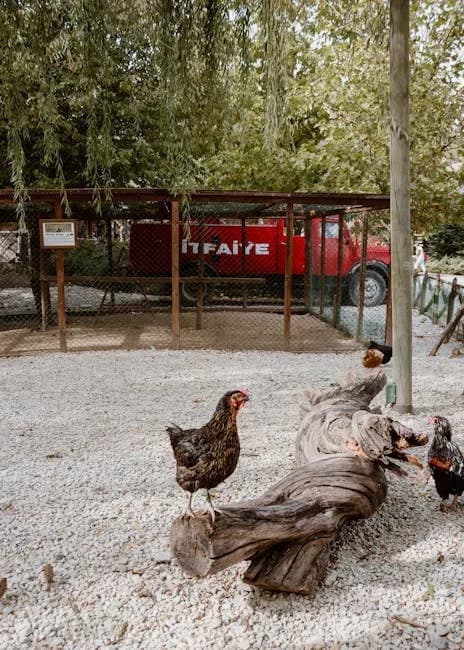
Supervised vs Full Free-Range
Not everyone needs to commit to full free-range. There's a spectrum of options:
Full free-range: Birds have access to the entire yard from morning to evening. Maximum foraging benefits but highest predator risk. Best for rural properties with few predators or livestock guardian animals.
Supervised free-range: Birds are let out when you're home and can keep an eye on things. Locked up when you're away or at night. The most common approach for suburban keepers.
Scheduled free-range: Birds get a few hours of free-range time per day, usually in the afternoon. Reduces predator risk while still providing foraging benefits.
Managed rotation: You section off areas of your yard and rotate which section the chickens access. This prevents overgrazing, gives the ground time to recover, and keeps droppings spread out.
Large enclosed run (not really free-range): If predator risk is too high, a spacious enclosed run (50+ square feet per bird) with overhead netting gives birds room to forage within a protected space. It's not true free-ranging, but it's a solid compromise.
Frequently Asked Questions
How much space do free-range chickens need?
There's no strict minimum, but more is always better. A general guideline is 250 to 300 square feet per bird for meaningful free-ranging. That's enough space for chickens to forage, dust bathe, and spread out. Smaller yards can still work for afternoon supervised free-ranging, but chickens will strip a small lawn quickly.
Will free-range chickens run away?
No, chickens don't run away if they've been properly established in their coop. They have a strong homing instinct and will return to roost every evening. The key is keeping them in the coop for the first 2 weeks so they learn where home is. After that, they'll come back on their own at dusk.
Do free-range chickens still need feed?
Yes. Free-ranging supplements their diet but doesn't replace it, especially in winter when bugs and green forage are scarce. Always keep layer feed available in the coop. During peak foraging season (spring and summer), they'll eat 20 to 30% less purchased feed.
How do I keep free-range chickens out of my garden?
Temporary poultry netting (3 feet tall) around garden beds is the simplest solution. Most heavy breeds won't bother jumping it. For flightier breeds like Leghorns, you may need taller fencing or netting over the top. Some keepers train chickens to avoid specific areas using consistent shooing, but fencing is more reliable.
Is it safe to free-range chickens in a suburban neighborhood?
It can be, with precautions. Make sure your yard is fenced so chickens don't wander onto neighbors' property. Supervise free-range time, especially at first. Check local ordinances for any restrictions on free-ranging. The biggest suburban risks are domestic dogs and cats, neighborhood hawks, and neighbor complaints. Start with short, supervised sessions to see how it goes in your specific area.
Free-ranging isn't all-or-nothing. Find the approach that works for your space, your predator situation, and your comfort level. Even a few hours of supervised foraging per day makes a noticeable difference in your flock's health and happiness. If you're just getting started, our complete beginner's guide to raising backyard chickens covers everything from coop setup to your first eggs.
Sources:
- •University of Kentucky Cooperative Extension. Small Flock Poultry. https://poultry.extension.org/
- •Penn State Extension. Backyard Poultry Resources. https://extension.psu.edu/animals/poultry
- •University of Florida IFAS. 4-H Poultry Project. https://edis.ifas.ufl.edu/
- •Cornell University Cooperative Extension. Small-flock Poultry. https://cals.cornell.edu/
Related Guides
Chicken Coop Plans: 8 Free Extension Designs (2026)
Eight free chicken coop plans from extension and USDA archives, each opened and checked: sizes, hen counts, materials lists, and what to update on the old ones.
Beginner GuidesRooster vs Hen: How to Tell the Difference
How to tell a rooster from a hen: comb and wattle size, hackle and saddle feathers, crowing, spurs, and behavior, plus the age each clue appears.
Beginner GuidesDuck Eggs vs Chicken Eggs: Taste, Nutrition, Baking
How duck eggs compare to chicken eggs on size, taste, nutrition, and baking, plus whether raising ducks for eggs is right for your backyard.
Beginner GuidesCan Chickens Fly? How High, How Far, and Which Breeds
Chickens can fly, just not far: seconds, not minutes, and a 4-foot fence is nothing to a Leghorn. Which breeds fly, how high, and how to keep them home.