Chicken Dust Bath: Why It Matters & How to Make One
Learn how to set up a chicken dust bath with the right ingredients. Covers DIY recipes, best containers, placement tips, and parasite prevention for your flock.
Researched from university extension, USDA, and veterinary sources. How we research.
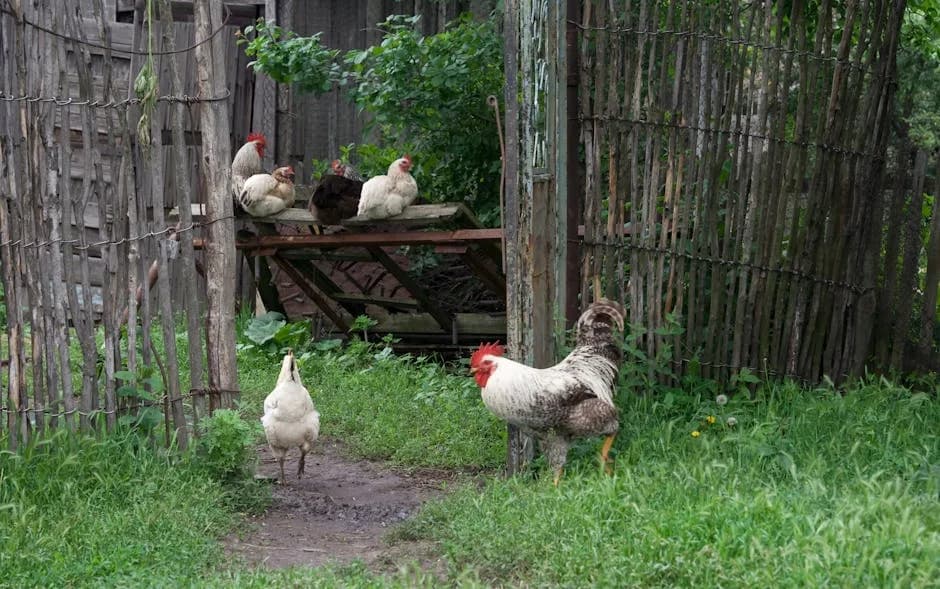
Chickens don't take showers. They take dirt baths. If you've ever watched a hen flop around in a patch of dry soil, kicking dust into the air like she's lost her mind, you've witnessed a dust bath in action. It's not random behavior; it's how chickens keep their feathers clean, their skin healthy, and parasites like mites and lice under control.
Setting up a proper dust bath area is one of the easiest things you can do to keep your flock healthy. Here's everything you need to know about why chickens dust bathe, what ingredients to use, and how to build a simple dust bath station that'll last all year.
What You'll Learn
- •Why Do Chickens Take Dust Baths?
- •What's the Best Dust Bath Recipe?
- •How to Set Up a DIY Chicken Dust Bath
- •Where Should You Put a Dust Bath?
- •Is Diatomaceous Earth Safe for Chickens?
- •How Often Do Chickens Need to Dust Bathe?
- •Dust Baths in Winter
- •Do Baby Chicks Need Dust Baths?
- •Signs Your Chickens Aren't Dust Bathing Enough
- •Frequently Asked Questions
Why Do Chickens Take Dust Baths?
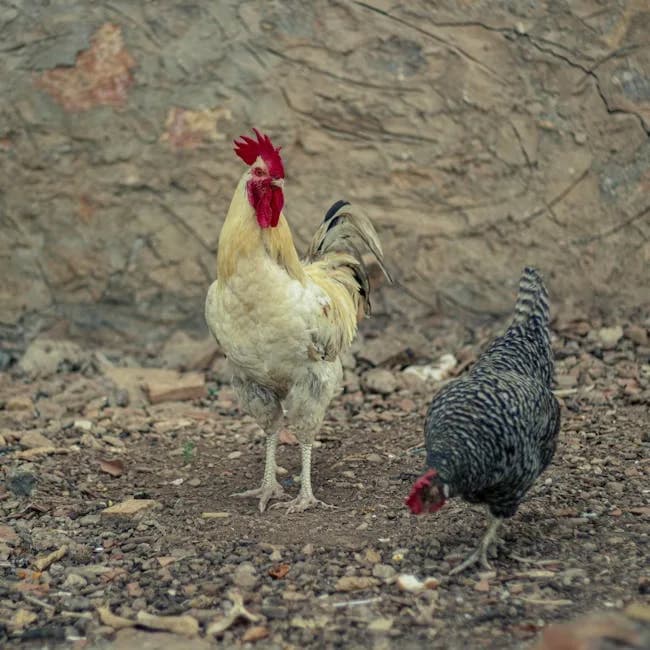
Dust bathing is an instinctive behavior that every chicken does, from day-old chicks to senior hens. It serves three main purposes:
Parasite control. Fine dust particles work their way down to the base of feathers and suffocate external parasites like mites, lice, and fleas. The abrasive texture of sand and dirt damages the waxy coating on these pests, dehydrating and killing them. It's nature's pest control, and it's effective.
Feather maintenance. Dust bathing helps remove excess oil from feathers. Chickens produce oil from their preen gland (located near the base of the tail), and without regular dust baths, feathers can become greasy, matted, and less effective at insulating the bird.
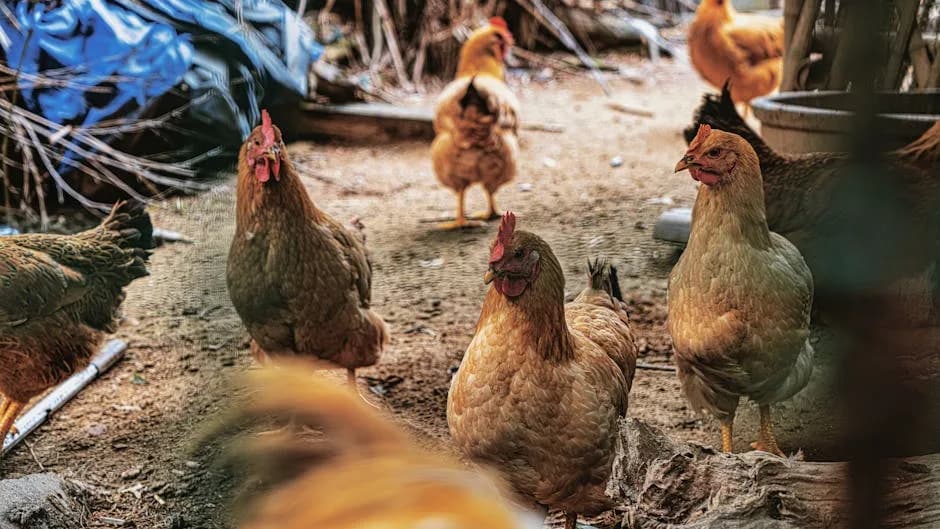
Stress relief. Chickens that dust bathe regularly are visibly more relaxed. It's a social activity too. You'll often see several hens bathing together, side by side, in what looks like a tiny spa day. If your birds can't dust bathe, they'll get stressed, which can lead to feather pecking and health problems.
What's the Best Dust Bath Recipe?
You don't need anything fancy. Chickens in the wild just use whatever dry dirt they can find. But if you want to give your flock the best possible dust bath, here's a proven recipe:
Basic dust bath mix:
- •2 parts dry dirt or topsoil
- •1 part construction sand (coarse, not play sand)
- •1/2 part wood ash (from untreated wood only)
Enhanced mix for parasite prevention:
- •2 parts dry dirt or topsoil
- •1 part construction sand
- •1/2 part wood ash
- •1/4 part food-grade diatomaceous earth (DE)
- •Optional: handful of dried herbs (lavender, mint, rosemary)
A few notes on ingredients:
Dirt/topsoil is the foundation. Regular garden soil works great as long as it hasn't been treated with pesticides or chemicals. You can buy bags of topsoil at any garden center for a few bucks.
Construction sand (also called builder's sand or all-purpose sand) adds grit and texture. Avoid play sand, which is too fine and can cause respiratory issues when it gets airborne. Coarse sand is what you want.
Wood ash is a natural pest deterrent. It's alkaline, which helps suffocate parasites, and it contains lye that irritates pests. Only use ash from untreated, natural wood. Never use ash from charcoal briquettes, treated lumber, or anything with chemical additives.
How to Set Up a DIY Chicken Dust Bath
You've got options ranging from completely free to around $20. Here are the most popular approaches:
Option 1: The Simple Hole
Dig a shallow depression (about 6 inches deep and 2-3 feet across) in a dry, sheltered spot. Fill it with your dust bath mix. Done. This is what most backyard flocks use, and it works perfectly.
Pros: Free, natural looking, chickens love it Cons: Can get muddy in rain, needs occasional refilling
Option 2: Galvanized Tub or Kiddie Pool
A galvanized metal tub or a plastic kiddie pool makes an excellent contained dust bath. Fill it 4-6 inches deep with your mix.
Pros: Portable, keeps mix contained, easy to cover in rain Cons: Small tubs may only fit 1-2 hens at a time
Option 3: Wooden Frame
Build a simple frame from 2x12 lumber, about 3-4 feet square. Set it on the ground and fill with your dust bath mix. You can add a roof or tarp over the top for weather protection.
Pros: Large enough for multiple birds, looks tidy, lasts for years Cons: Requires basic DIY skills and materials
Option 4: Corner of the Coop
If your coop has enough floor space, you can designate one corner as the dust bath area. Use a low barrier (a 2x6 board on edge works well) to keep the mix contained.
Pros: Always accessible, stays dry, great for winter Cons: Creates dust inside the coop, takes up floor space
No matter which option you choose, fill it at least 4 inches deep. Chickens like to really dig in and fluff the material up under their feathers. Too shallow and they'll scratch right through to the bottom.
Where Should You Put a Dust Bath?
Location matters more than most people think. Here's what to consider:
Keep it dry. This is the number one rule. Wet dust bath mix is useless. Chickens won't use it, and it can actually grow mold or bacteria. Place your dust bath under a roof overhang, inside the coop, or under a tarp. If it's outdoors and uncovered, you'll need to plan for rain drainage.
Partial shade is ideal. Chickens love to dust bathe on warm afternoons, but they don't want to bake in full sun while doing it. A spot that gets morning sun but afternoon shade works perfectly.
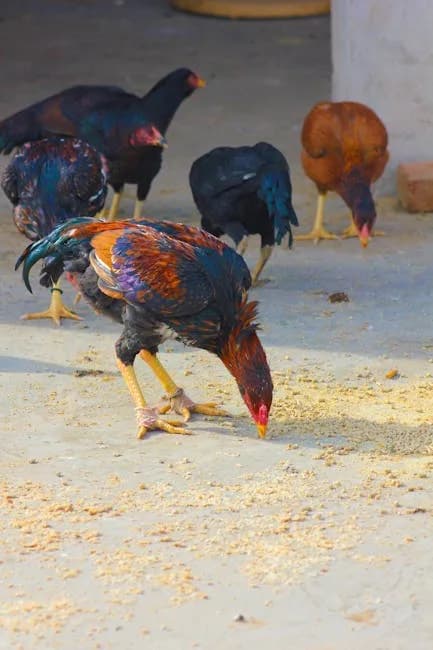
Away from food and water. Dust bathing kicks up a lot of debris. You don't want that getting into your feeders and waterers.
Near the coop but accessible. If your birds free range, they'll find their own spots around the yard. But having a designated area near the coop ensures they've always got access, even on days they stay in the run.
Is Diatomaceous Earth Safe for Chickens?
This one gets debated a lot in chicken-keeping circles. Here's what you need to know:
Food-grade diatomaceous earth (DE) is generally considered safe when used in moderation. It's made from fossilized diatoms (tiny aquatic organisms) and works by physically damaging the exoskeletons of insects and parasites. It's not a chemical pesticide; it's mechanical.
The safety concern is respiratory. DE is a fine powder, and breathing it in can irritate the lungs of both chickens and humans. This is true of any fine dust, but DE particles are particularly sharp at the microscopic level.
How to use it safely:
- •Only use food-grade DE, never pool-grade (which is chemically treated and toxic)
- •Mix it into the dust bath material rather than sprinkling it on top
- •Use a small amount (no more than 10-15% of your total mix)
- •Avoid applying it on windy days
- •Wear a dust mask when handling it
- •Don't apply DE directly to chickens' faces or near their eyes
Many experienced chicken keepers use DE as part of their parasite prevention routine and report good results. Others skip it entirely and rely on wood ash and dry dirt alone. Both approaches work. If you're dealing with a serious mite or lice infestation, you'll likely need a targeted treatment beyond just the dust bath. Check out our guide on sick chicken symptoms to know what to look for.
How Often Do Chickens Need to Dust Bathe?
Most healthy chickens will dust bathe daily if given the opportunity. Some do it every other day, while others seem to want two sessions before lunch. There's no set schedule; chickens self-regulate this behavior.
What matters is that they always have access to a dust bath area. If chickens can't dust bathe for extended periods, you'll start to see problems: dull feathers, increased scratching, potential parasite infestations, and stressed-out birds.
A typical dust bath session lasts 20-30 minutes. You'll see the hen dig a small depression, settle in, and then use her wings to toss dust up and over her body. She'll roll from side to side, ruffle her feathers, and generally look like she's having the time of her life. When she's done, she'll stand up, give a vigorous shake, and walk off looking freshly groomed.
Dust Baths in Winter
Winter is when dust baths become trickiest but also most important. Chickens spend more time cooped up during cold months, which means closer quarters and higher parasite risk. They still need to dust bathe.
Indoor dust bath station. The best winter solution is keeping a dust bath inside the coop or in a covered run. A galvanized tub or wooden frame in a corner of the coop works great. The mix stays dry, and your birds can bathe whenever they want regardless of weather.
Keep the mix dry. Snow and rain are the enemies. If your dust bath is outside, cover it with a tarp or piece of plywood when it's not in use. Frozen, wet dust bath material is useless.
Don't skip it. Some folks remove the dust bath in winter to save space. Don't do this. Your chickens need it year-round for parasite prevention and stress relief. If anything, winter care should include extra attention to dust bathing access.
Add extra wood ash in winter. Since birds are in closer contact, the extra parasite-fighting properties of wood ash help keep infestations at bay during the season when mites are most problematic (they thrive in warm, dark coop environments).
Do Baby Chicks Need Dust Baths?
Yes! Baby chicks will start attempting to dust bathe as early as a few days old. You'll see them doing tiny wing flutters and trying to fluff bedding material over themselves in the brooder. It's adorable, and it's completely instinctive.
For chicks in a brooder, provide a small dish (a pie pan or shallow bowl works well) filled with plain, dry dirt or fine sand. Skip the wood ash and DE for babies; they don't need it yet, and their respiratory systems are more sensitive.
Once your chicks move outside (typically around 6-8 weeks old), they can use the same dust bath as the adult flock. By that point, they'll have seen the big girls bathing and will know exactly what to do.
Signs Your Chickens Aren't Dust Bathing Enough
If your flock doesn't have adequate dust bathing opportunities, you'll notice:
- •Excessive scratching and preening. Hens constantly picking at their feathers could signal parasites building up without dust bath control.
- •Dull, greasy-looking feathers. Healthy feathers should look clean and well-maintained. Oily, clumped feathers suggest they're not getting enough dust time.
- •Feather loss around the vent area. This is a classic sign of mites or lice, which dust bathing helps prevent.
- •Restless behavior. Chickens that can't dust bathe may pace, seem agitated, or try to bathe in their food or bedding.
- •Visible parasites. Part the feathers near the vent and at the base of feathers along the back. If you see tiny crawling bugs or clusters of eggs at feather shafts, your birds have a parasite problem that needs treatment beyond just adding a dust bath.
If you notice any of these signs, set up a dust bath immediately and monitor your flock closely. For active infestations, you may need additional treatment, so check our sick chicken symptoms guide for next steps.
Frequently Asked Questions
Can I use play sand for a chicken dust bath?
It's not recommended. Play sand is very fine and can cause respiratory irritation when chickens kick it into the air. Construction sand (also called builder's sand or all-purpose sand) has a coarser texture that works better and doesn't create as much airborne dust. You can find it at any hardware store for about $5 per bag.
How deep should a chicken dust bath be?
Fill your dust bath at least 4-6 inches deep. Chickens like to dig down and really work the material into their feathers. If the bath is too shallow, they'll scratch right through to the bottom and won't get a thorough cleaning. For a tub or container, 6 inches is ideal.
Can chickens share a dust bath?
Yes. Dust bathing is a social activity for chickens. You'll regularly see 3-4 hens squeezed into the same spot, bathing together. For a flock of 4-6 birds, a dust bath area of about 3x3 feet is plenty. Larger flocks may benefit from multiple stations or a bigger area so everyone gets a turn.
How often should I replace the dust bath material?
Top off the mix every few weeks as chickens will gradually scatter material outside the bath. A full replacement every 2-3 months is usually sufficient, or sooner if the mix gets wet, clumpy, or starts to smell. If you're using DE, reapply it when you top off the mix since it loses effectiveness over time.
Will chickens dust bathe in rain?
No. Chickens won't use a wet dust bath, and they shouldn't. Wet material can harbor bacteria and mold. That's why it's important to keep your dust bath covered or in a sheltered location. If your outdoor bath gets soaked, let it dry completely before the flock uses it again, or replace the material.
Your flock's dust bath doesn't need to be complicated. A dry patch of dirt in a sheltered spot with some sand and wood ash mixed in will keep your chickens happy, healthy, and parasite-free. For more on keeping your birds in top shape, check out our complete beginner's guide to raising backyard chickens.
Sources:
- •Merck Veterinary Manual. Poultry chapter. https://www.merckvetmanual.com/poultry
- •University of California Davis School of Veterinary Medicine. Poultry health. https://www.vetmed.ucdavis.edu/
- •Cornell University College of Veterinary Medicine. Avian Health. https://www.vet.cornell.edu/
- •USDA APHIS. Defend the Flock biosecurity program. https://www.aphis.usda.gov/livestock-poultry-disease/avian/defend-the-flock-program
Related Guides
Chicken Vent Health: Pasty Butt, Prolapse, Egg Binding
Pasty butt, vent gleet, prolapse, and egg binding: how to spot each chicken vent problem, treat it safely at home, and know when to call a vet.
HealthChicken Molting: What's Normal and What's Not
Chickens molt and drop feathers every fall and stop laying for weeks. Learn the molt timeline, how to help, and the warning signs of a real problem.
HealthCommon Chicken Diseases: Symptoms, Treatment, Prevention
The most common backyard chicken diseases explained: symptoms, treatment, and prevention for Marek's, coccidiosis, respiratory illness, and more.
HealthLash Egg in Chickens: What It Means and What to Do
A lash egg isn't really an egg. It's a sign of salpingitis, a serious oviduct infection. Here's what causes it, what to do, and your hen's odds.