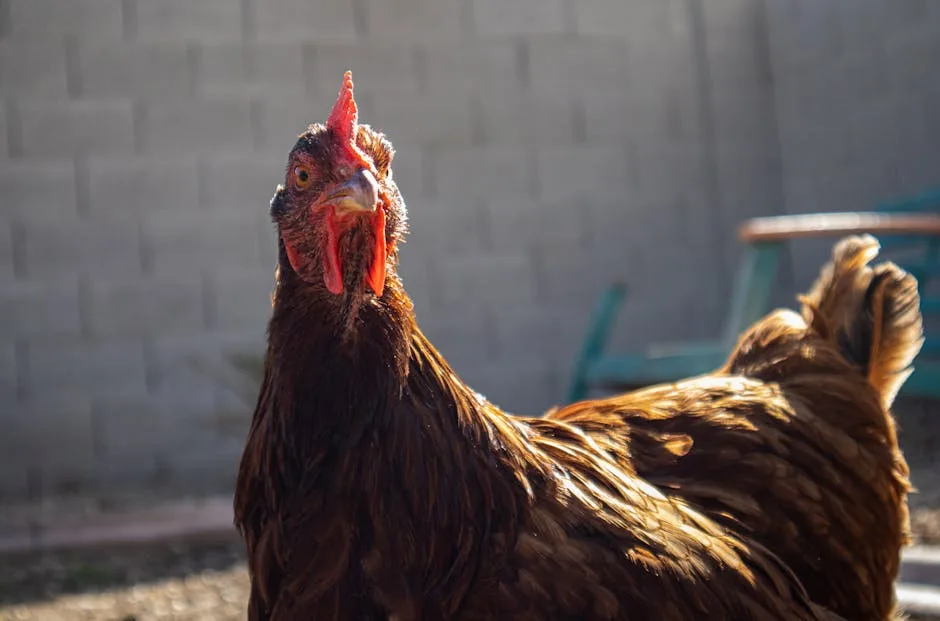
12 Sick Chicken Symptoms Every Owner Should Recognize
Learn to spot 12 common sick chicken symptoms before it's too late. Covers behavioral changes, physical signs, and when to call a vet.
Researched from university extension, USDA, and veterinary sources. How we research.
Chickens are prey animals, which means they're hardwired to hide illness for as long as possible. By the time a chicken looks obviously sick, the problem has usually been building for days or even weeks. Knowing what to watch for early can mean the difference between a quick recovery and losing a bird. Here are 12 sick chicken symptoms every flock owner needs to recognize.
What You'll Learn
- •1. Lethargy and Reduced Activity
- •2. Changes in Comb and Wattle Color
- •3. Decreased or Stopped Egg Production
- •4. Respiratory Symptoms
- •5. Abnormal Droppings
- •6. Loss of Appetite or Increased Thirst
- •7. Feather Loss or Poor Feather Condition
- •8. Swollen Eyes or Face
- •9. Limping or Difficulty Walking
- •10. Weight Loss
- •11. Isolation From the Flock
- •12. Dirty Vent Area
- •What to Do When You Find a Sick Chicken
- •Common Chicken Diseases to Know
- •When to Call a Vet
- •Frequently Asked Questions
1. Lethargy and Reduced Activity
This is usually the first sign something's wrong. A healthy chicken is active, curious, and constantly pecking, scratching, and exploring. When a chicken spends most of its time sitting in one spot, hunched up with eyes half-closed, that's a red flag.
Lethargy can point to dozens of different problems, from a simple crop issue to a serious infection. On its own, it doesn't tell you much about the specific illness, but it's your cue to start looking for other symptoms.
What's normal vs. concerning: Hens will sit quietly in nest boxes while laying, and all chickens slow down during extreme heat. That's fine. What's not fine is a bird that stays puffed up on the ground or roost during normal activity hours while the rest of the flock is moving around.
2. Changes in Comb and Wattle Color
A healthy chicken's comb and wattles are bright red, plump, and waxy-looking. Changes in color or texture are one of the most visible indicators of health problems.
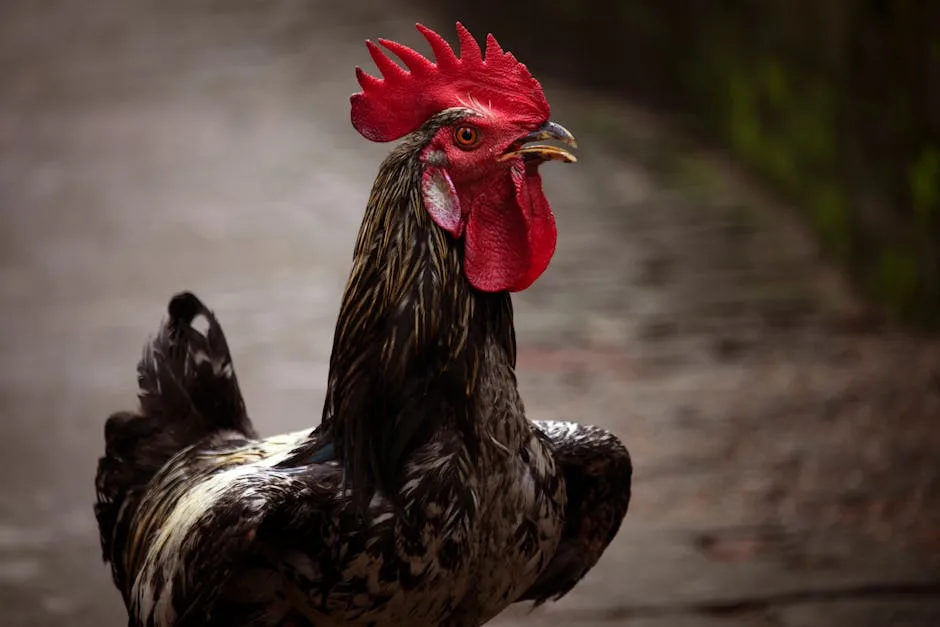
Pale or pinkish comb: Could indicate anemia (often caused by mites or lice), internal parasites, or a heavy worm load. Check the bird for external parasites and consider a fecal float test.
Purple or blue comb: This signals poor circulation or oxygen deprivation. Possible causes include respiratory disease, heart problems, or severe cold exposure. A blue comb is an urgent symptom that needs immediate attention.
Shriveled or dry comb: In laying hens, this often means the bird has stopped producing eggs, which could be due to age, stress, or illness. A comb that was previously full and bright but suddenly looks shrunken is worth investigating.
Black tips on comb: Frostbite damage. Common in breeds with large single combs during winter. Mild cases heal on their own, but severe frostbite needs monitoring. Breeds with rose combs like Wyandottes are less susceptible.
3. Decreased or Stopped Egg Production
A sudden drop in egg production is one of the most common reasons chicken keepers realize something's off. While some production changes are normal (seasonal, molting, aging), a healthy hen in her prime should be laying consistently.
Normal reasons for production drops:
- •Shorter daylight hours in fall/winter
- •Annual molt (usually fall)
- •Broodiness
- •Age (production naturally declines after 2 to 3 years)
- •Stress from heat, cold, or flock changes
Concerning reasons:
- •Infectious diseases (Mycoplasma, infectious bronchitis)
- •Internal parasites
- •Reproductive issues (internal laying, egg peritonitis)
- •Nutritional deficiencies
- •Vent gleet or other infections
If your whole flock drops production at once, look at environmental factors first (season, feed quality, stress). If just one or two birds stop while others keep laying, focus on those individual birds for other symptoms.
For more on keeping production strong, check out our guide to raising chickens for eggs and our list of the best egg-laying breeds.
4. Respiratory Symptoms
Respiratory issues are among the most common health problems in backyard chickens, and they can spread through a flock fast. Watch and listen for:
Sneezing or coughing. Occasional sneezes can happen from dust. Persistent sneezing, especially with discharge, is a problem.
Wheezing or rattling sounds. Put your ear close to the bird's chest and listen. Rattling or gurgling sounds indicate fluid in the airways.
Nasal discharge. Clear discharge might be minor. Thick, foamy, or colored discharge is more serious.
Open-mouth breathing. If a chicken is breathing through its mouth on a cool day (not panting from heat), that's concerning.
Head shaking. Frequent head shaking can indicate sinus congestion or ear infections.
Common causes include Mycoplasma gallisepticum (MG), infectious bronchitis, infectious coryza, and aspergillosis (fungal). Good coop ventilation and dry bedding go a long way toward preventing respiratory problems.
5. Abnormal Droppings
Chicken droppings are actually one of the best diagnostic tools you've got. Healthy droppings are firm, brownish-green with a white urate cap. Here's what abnormal droppings might mean:
Watery or runny: Could be caused by heat stress, too many watery treats, or a bacterial infection. Persistent diarrhea is a concern.
Blood in droppings: Bright red blood often points to coccidiosis, especially in young birds. This needs immediate treatment with a coccidiostat like Corid (amprolium).
Yellow or foamy: Can indicate worms, bacterial infection, or coccidiosis.
Green droppings with no solids: When a chicken isn't eating, droppings turn green from bile. This means the bird has likely lost its appetite for some time.
White and very watery: Kidney problems or infectious bursal disease.
Cecal droppings: These are the exception. A few times a day, chickens produce dark brown, sticky, strong-smelling cecal droppings. These are completely normal and often mistaken for diarrhea by new chicken keepers.
6. Loss of Appetite or Increased Thirst
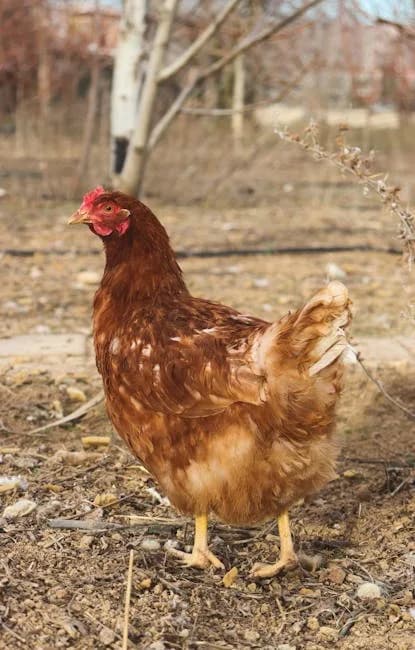
A chicken that won't eat is a chicken that needs attention. Healthy birds are enthusiastic eaters, and even picky chickens won't turn down treats like mealworms or scratch.
Possible causes of appetite loss:
- •Impacted or sour crop (feel the crop area; it should be empty in the morning and full at night)
- •Egg binding (hen straining, waddling, or sitting with tail down)
- •Internal infection or disease
- •Dental or beak problems
- •Pain from injury
Increased thirst on its own can mean kidney issues, high salt intake, or simply hot weather. But excessive thirst combined with other symptoms like weight loss or diarrhea can point to more serious problems.
Check the crop by gently feeling the area at the base of the throat. In the morning, it should be flat and empty. If it's still full, hard, or squishy from the night before, you're dealing with an impacted or sour crop.
Make sure your flock always has access to clean, fresh water. Good waterers positioned in shaded spots encourage adequate hydration.
7. Feather Loss or Poor Feather Condition
Some feather loss is normal. Molting happens once a year (usually fall), and hens lose feathers from the head down over several weeks. But feather problems outside of molting season need a closer look.
Bald patches: Could indicate feather picking (a behavioral problem, often from overcrowding or boredom), mites or lice, or a protein deficiency. Check the base of remaining feathers for parasites.
Broken or ragged feathers: Often caused by an aggressive rooster (from mating) or bullying from other hens. Hens at the bottom of the pecking order tend to show the most feather damage.
Dull, lifeless feathers: Usually a nutrition problem. Make sure birds are getting a balanced layer feed with adequate protein (16% minimum for laying hens).
8. Swollen Eyes or Face
Facial swelling is a distinctive symptom that narrows down the list of possible problems considerably.
Swollen sinuses (puffy face around the eyes): Classic sign of Mycoplasma gallisepticum (MG) or infectious coryza. Both are contagious respiratory diseases. Coryza also produces a strong, foul smell.
Bubbly or foamy eyes: Often accompanies MG. You might see tiny bubbles in the corners of the eyes.
Closed or crusty eyes: Could be eye worm, ammonia damage from poor coop ventilation, or a pox lesion near the eye.
Any facial swelling should prompt immediate isolation of the affected bird and a close inspection of the rest of the flock. These diseases spread quickly.
9. Limping or Difficulty Walking
Leg and foot problems are common in backyard chickens, and causes range from minor to serious.
Bumblefoot: A bacterial infection on the foot pad that looks like a dark scab or swelling on the bottom of the foot. More common in heavy breeds like Buff Orpingtons and Plymouth Rocks. Caused by bacteria entering through small cuts, often from rough roosts or hard landings.
Scaly leg mites: Tiny mites that burrow under leg scales, causing crusty, raised, uncomfortable-looking legs. Treated by coating legs with petroleum jelly or an oil-based product to suffocate the mites.
Marek's disease: Causes progressive paralysis, usually starting with one leg. Most common in birds under 20 weeks. This is why vaccination at the hatchery is so important.
Sprains or injuries: Chickens can hurt themselves jumping off high roosts or getting caught in fencing. Most minor sprains heal on their own with rest.
10. Weight Loss
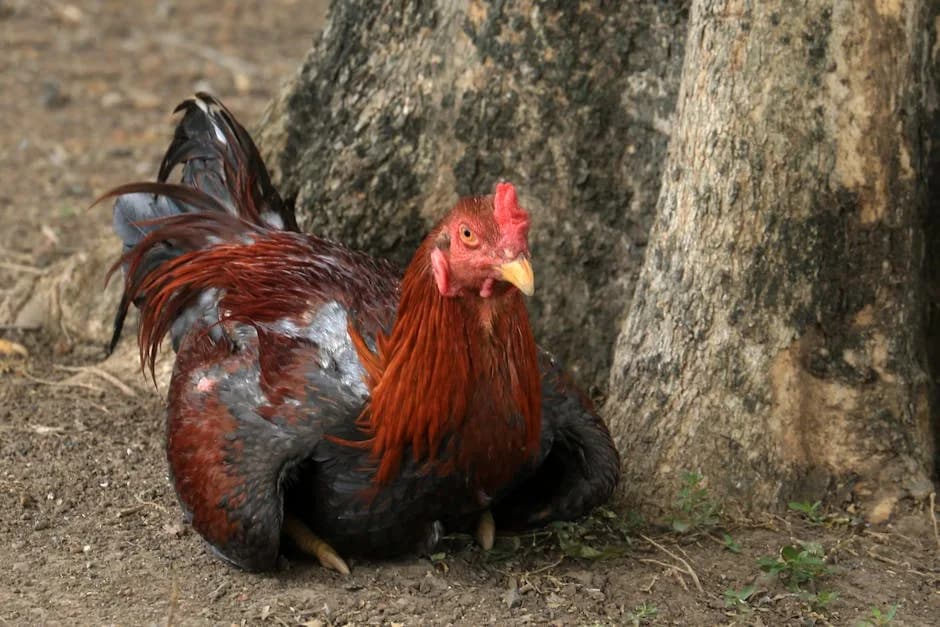
It's not always easy to spot weight loss in chickens because their feathers hide their body condition. The best way to check is to pick the bird up and feel the keel bone (breastbone).
On a healthy bird, you'll feel some flesh covering the keel but can still locate the bone easily. If the bone feels sharp and prominent with little flesh on either side, the bird is underweight.
Common causes of weight loss:
- •Internal parasites (worms)
- •Chronic disease
- •Being bullied away from food by other flock members
- •Crop problems preventing proper digestion
- •Cancer or reproductive tumors (more common in older hens)
If you've got a bird losing weight, first make sure it's actually getting to eat. Bullied birds sometimes get pushed away from feeders by dominant flock members. Adding a second feeding station in a different location can help.
11. Isolation From the Flock
Chickens are social animals. A bird that separates itself from the group and sits alone in a corner, under a bush, or away from the normal flock activity is almost always telling you something's wrong.
Sick birds isolate because they instinctively know that showing weakness makes them a target for bullying. It's also sometimes the flock that does the isolating, pushing a sick bird away because they can sense something's off.
Don't confuse isolation with a broody hen sitting on a nest. Broody hens are obviously in the nest box, not hiding in random spots. If a bird is tucked away somewhere unusual, pick it up and start checking for other symptoms on this list.
12. Dirty Vent Area
A clean vent (the opening where eggs and droppings exit) is a sign of a healthy bird. Droppings stuck to the feathers around the vent indicate a problem.
Possible causes:
- •Diarrhea from infection, parasites, or dietary issues
- •Vent gleet (a fungal infection that causes white, cheesy discharge around the vent)
- •Egg binding (the hen is straining, which can cause mess and swelling)
- •Prolapsed vent (tissue protruding from the vent; needs immediate attention)
Check the vent area regularly, especially on heavily feathered breeds like Silkies and Cochins where the fluff can hide problems. Our chicken vent health guide covers pasty butt, vent gleet, prolapse, and egg binding in detail, including how to treat each one at home.
What to Do When You Find a Sick Chicken
When you spot symptoms, act quickly:
Isolate the bird. Move it to a separate space (a large dog crate with bedding works great) away from the rest of the flock. This prevents potential disease spread and protects the sick bird from being bullied.
Provide warmth, food, and water. A sick bird needs easy access to feed and fresh water. Adding electrolytes to the water can help with hydration; our chicken probiotics and electrolytes guide covers which recovery supplements to use and for how long. A heat lamp or heating pad set to low can help a chilled bird.
Document symptoms. Write down everything you're seeing: which symptoms, when they started, and how severe they are. This information is invaluable if you need to call a vet.
Don't medicate blindly. Throwing antibiotics at a chicken without knowing the problem can do more harm than good. Antibiotics don't work on viral infections, and improper use contributes to resistance.
Common Chicken Diseases to Know
Here's a quick reference for diseases you're most likely to encounter. For a full breakdown of symptoms, treatment, and prevention for each one, see our guide to common chicken diseases.
Marek's Disease: Viral. Causes tumors and paralysis. No treatment; prevention is vaccination at hatch. Highly contagious.
Coccidiosis: Parasitic. Bloody droppings, lethargy, ruffled feathers. Most common in chicks and young birds. Treated with Corid (amprolium).
Mycoplasma Gallisepticum (MG): Bacterial. Respiratory symptoms, bubbly eyes, sneezing. Treatable with antibiotics but birds remain carriers for life.
Infectious Coryza: Bacterial. Foul-smelling facial swelling, nasal discharge. Treatable but birds remain carriers.
Egg Peritonitis: Reproductive. Internal laying causes infection. Symptoms include penguin-like stance, swollen abdomen. Difficult to treat; often requires vet intervention.
Salpingitis (Lash Egg): Reproductive. Infection of the oviduct that produces a rubbery, layered lash egg instead of a normal egg. Caused by bacteria like E. coli. Serious and often advanced by the time it's noticed.
Fowl Pox: Viral. Causes wart-like lesions on comb, face, and legs. No treatment; most birds recover on their own. Prevented by vaccination.
When to Call a Vet
Not every sick chicken needs a vet visit, but some situations do:
- •Multiple birds showing the same symptoms (possible flock-wide disease)
- •Respiratory symptoms that aren't improving after a few days
- •Sudden death of one or more birds with no obvious cause
- •Suspected egg binding or prolapsed vent
- •Severe injuries from predator attacks
- •Any neurological symptoms (head twisting, seizures, circling)
Look for a vet who specializes in poultry or avian medicine. Regular small animal vets sometimes see chickens, but a poultry-experienced vet will give you better results. Your state's agricultural extension office can also be a resource for disease identification.
Frequently Asked Questions
How can I tell if my chicken is sick or just molting?
Molting chickens lose feathers in a predictable pattern (head to tail), still eat and drink normally, and stay active with the flock. Sick chickens show additional symptoms like lethargy, changes in comb color, appetite loss, or abnormal droppings. Molting typically happens once a year in fall and lasts 8 to 12 weeks.
Should I separate a sick chicken from the flock?
Yes, always isolate a sick bird. This prevents potential disease spread to the rest of your flock and protects the sick bird from being pecked or bullied. Use a dog crate or separate enclosure with bedding, food, and water. Keep the bird warm and check on it several times daily.
What does a healthy chicken look like?
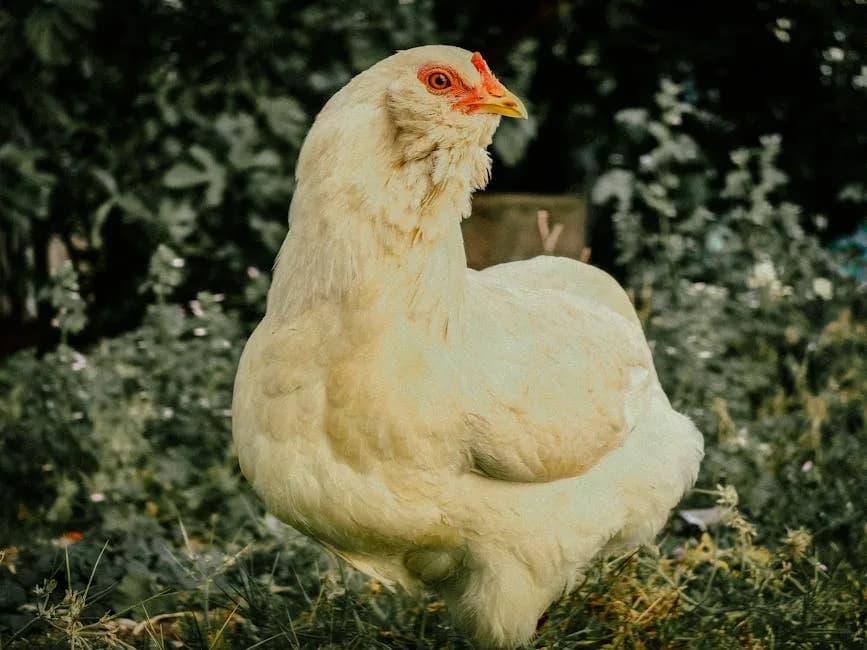
A healthy chicken is alert and active, with bright eyes, a deep red comb and wattles, clean and smooth feathers, clean vent area, and firm droppings. It eats and drinks eagerly, moves freely, and interacts normally with flock mates. Knowing what "normal" looks like makes it much easier to spot when something's wrong.
Can a sick chicken make me sick?
Some chicken diseases can affect humans (these are called zoonotic diseases), though it's uncommon. Salmonella is the most well-known risk. Always wash your hands thoroughly after handling chickens, especially sick ones. Avian influenza is rare in backyard flocks but is another potential concern. Most common chicken diseases like Marek's and coccidiosis don't affect humans.
How do I prevent my chickens from getting sick?
Prevention starts with good husbandry: a clean, well-ventilated coop, fresh water daily, quality feed, regular parasite checks, and vaccinations for Marek's disease at minimum. Quarantine any new birds for 2 to 4 weeks before introducing them to your flock. Secure your coop against predators and reduce stress by providing adequate space.
The best thing you can do for your flock's health is spend time watching them every day. When you know what normal looks like, you'll catch problems early. If you're just getting started with chickens, our complete beginner's guide covers all the basics of keeping a healthy, happy flock.
Sources:
- •Merck Veterinary Manual. Poultry chapter. https://www.merckvetmanual.com/poultry
- •University of California Davis School of Veterinary Medicine. Poultry health. https://www.vetmed.ucdavis.edu/
- •Cornell University College of Veterinary Medicine. Avian Health. https://www.vet.cornell.edu/
- •USDA APHIS. Defend the Flock biosecurity program. https://www.aphis.usda.gov/livestock-poultry-disease/avian/defend-the-flock-program
Related Guides
Common Chicken Diseases: Symptoms, Treatment, Prevention
The most common backyard chicken diseases explained: symptoms, treatment, and prevention for Marek's, coccidiosis, respiratory illness, and more.
HealthChicken Vent Health: Pasty Butt, Prolapse, Egg Binding
Pasty butt, vent gleet, prolapse, and egg binding: how to spot each chicken vent problem, treat it safely at home, and know when to call a vet.
HealthChicken Molting: What's Normal and What's Not
Chickens molt and drop feathers every fall and stop laying for weeks. Learn the molt timeline, how to help, and the warning signs of a real problem.
HealthLash Egg in Chickens: What It Means and What to Do
A lash egg isn't really an egg. It's a sign of salpingitis, a serious oviduct infection. Here's what causes it, what to do, and your hen's odds.