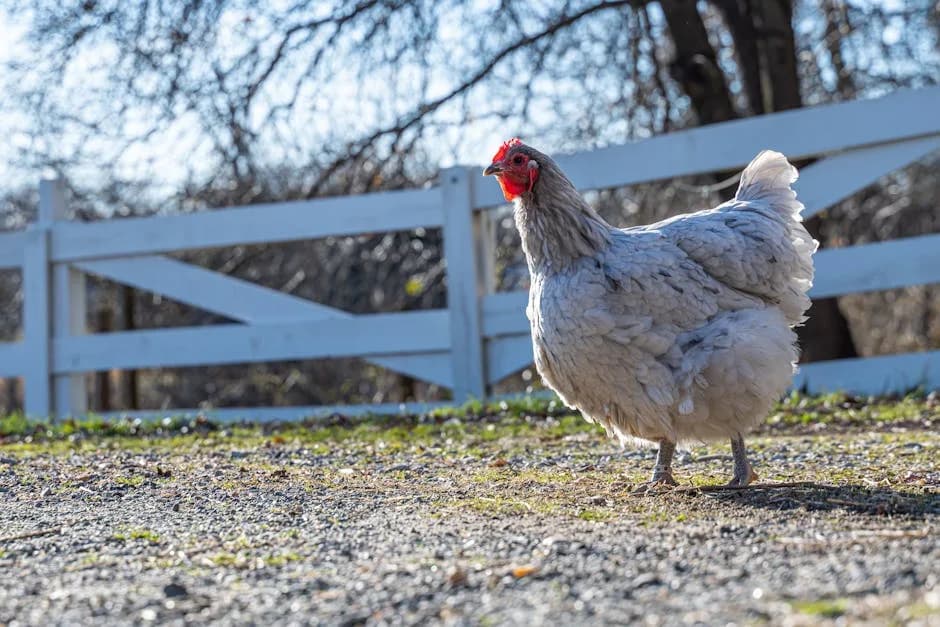
Raising Chickens in New Jersey: 2026 Laws & Best Breeds
Raising chickens in New Jersey: laws for Newark, Jersey City, Princeton, plus the best breeds and seasonal care tips.
Researched from university extension, USDA, and veterinary sources. How we research.
New Jersey has no statewide ban on backyard chickens. Every municipality sets its own rules, and those rules vary wildly. Jersey City allows up to 50 birds with a license while Paterson prohibits chickens entirely. Whether you live in a dense urban neighborhood or a rural stretch of the Pine Barrens, your local zoning code is the only thing that matters.
What You'll Learn
- •Are Backyard Chickens Legal in New Jersey?
- •New Jersey Chicken Laws by Major City
- •New Jersey's Right to Farm Act
- •Best Chicken Breeds for New Jersey's Climate
- •Winter Care Tips for New Jersey Chickens
- •Summer Care for New Jersey Flocks
- •Common Predators in New Jersey
- •Can You Sell Eggs in New Jersey?
- •FAQ
Are Backyard Chickens Legal in New Jersey?
It depends entirely on your municipality. New Jersey doesn't have a single state law that permits or prohibits backyard chickens. Each city, borough, and township writes its own zoning and animal control ordinances. Some towns welcome small flocks with simple permit processes, while others ban poultry outright in residential zones.
The state does have a Right to Farm Act (N.J.S.A. 4:1C-1 et seq.) that protects agricultural operations from being deemed a nuisance, but its application to small backyard flocks on residential lots is limited. The Act is designed primarily for commercial farming operations.
Before buying chicks, check three things: your municipal zoning code or animal control ordinance, any HOA or deed restrictions on your property, and whether your town requires a permit or license. HOA rules can prohibit chickens even where the town allows them.
New Jersey Chicken Laws by Major City
Important: City and county ordinances change frequently. The information below was researched in March 2026 but may not reflect the latest rules. Always verify with your local zoning or code enforcement office before starting a flock. Links to official sources are provided where available.
Newark
Newark Code, Title VI, Chapter 6:2, Article 4: Rabbits and Fowl (§6:2-28 through §6:2-36)
Newark allows chickens with a permit, though the rules exclude multi-family properties entirely.
- •Hens: Allowed. No specific maximum is defined in the code.
- •Roosters: Not permitted (§6:2-36).
- •Permit: Required from the Director of the Department of Health and Community Wellness. $10 annual fee, expires December 31 each year (§6:2-30, §6:2-31).
- •Setbacks: No part of any coop or runway may be less than 20 feet from the doors or windows of any premises occupied by humans, whether for dwelling or business purposes (§6:2-35).
- •Coop requirements: Coop floor must be cement or other watertight flooring. Runways don't need flooring. Coops must be cleaned at least once per week, more often if the Health Officer requires it (§6:2-35).
- •Restrictions: Chickens may not be kept in multi-family houses or multi-family house yards, or in any dwelling house (§6:2-33). All birds must be confined in a coop with an enclosed runway at all times (§6:2-34).
Jersey City
Jersey City Code of Ordinances, Chapter 90: Animals (§90-6 through §90-8)
Jersey City has one of the more permissive ordinances in North Jersey, allowing a surprisingly large flock.
- •Limit: Up to 50 chickens (including ducks or other poultry and pigeons) per property (§90-6).
- •Roosters: Not explicitly permitted. The code references "chickens" and the general noise ordinance applies.
- •License: Required. Annual fee set by the city's fee schedule (Ch. 160). Licenses expire April 30 each year (§90-7).
- •Setbacks: No chickens or coop within 25 feet of any structure owned by another person and used for human habitation, occupation, or assembly (§90-6).
- •Coop requirements: Must be dry and well-ventilated with windows for sunlight. Must be whitewashed or painted inside. Cleaned at least once a week November through April, twice a week May through October. Perches must be removable. Drinking fountains must be cleaned and supplied with clean water at all times (§90-8).
Paterson
Paterson Code, §121-36: Keeping of Live Chickens and Roosters Prohibited
Paterson prohibits the keeping of live chickens and roosters within city limits (§121-36). If you live in Paterson, backyard chickens are not an option under current law.
Princeton
Princeton Ordinance #2020-10: Chickens and Other Egg-Laying Poultry
Princeton adopted its chicken ordinance in 2020, allowing hens on residential property with lot-size-based limits.
- •Limit: Based on lot size. 2 chickens on lots of at least 5,000 sq ft; 3 on 10,000 sq ft; 4 on 15,000 sq ft; 6 on 30,000 sq ft; 8 on 60,000 sq ft.
- •Roosters: Not permitted.
- •License: Required. $20 annual fee, expires December 31 each year.
- •Coop requirements: Must include an enclosed run in addition to the coop. Coop size cannot exceed 100 square feet. Chickens must have access to grass or dirt areas.
- •Egg sales: Not permitted. Eggs are for personal use only.
Trenton
Trenton Code, Chapter 117: Keeping of Birds and Animals
Trenton's animal-keeping rules were amended in May 2024 by Ordinance No. 24-31. The city had previously been reconsidering how to regulate chickens and livestock through Ordinance 24-015, which generated significant public debate in early 2024. Contact the Trenton code enforcement office at (609) 989-3592 for the current status of chicken-keeping rules.
Woodbridge Township
Woodbridge Township's ordinance prohibits keeping chickens and other livestock on residential properties. The code states that no person shall maintain, keep, or harbor chickens or similar animals on any premises in the Township (with limited exceptions for certain agricultural uses). Contact Woodbridge code enforcement to confirm current rules.
Toms River
Toms River does not appear to have a specific backyard chicken ordinance, and many residents keep small flocks. The township's code addresses fowl primarily through nuisance provisions. Contact Toms River code enforcement at tomsrivertownship.com for current rules on keeping chickens.
New Jersey's Right to Farm Act
New Jersey's Right to Farm Act (N.J.S.A. 4:1C-1 et seq.) protects commercial farming operations from being deemed a nuisance, provided they follow accepted agricultural management practices. Many municipalities have also adopted local Right to Farm ordinances.
However, for typical backyard chicken keepers on residential lots, the Right to Farm Act has limited application. The Act was designed to protect established agricultural operations, not small hobby flocks in suburban neighborhoods. If you're keeping a few hens for personal eggs, your municipal zoning ordinance is what governs your flock, not the Right to Farm Act.
That said, if you live in an area zoned for agricultural use or on a property large enough to qualify as a farm, the Act may provide nuisance protections. Consult the New Jersey Department of Agriculture or a local attorney for guidance.
Best Chicken Breeds for New Jersey's Climate
New Jersey has a humid continental climate in the north and a humid subtropical climate along the southern coast. Summers are hot and humid (regularly hitting 90+ degrees), winters bring freezing temperatures and occasional heavy snow, and spring and fall are pleasant but variable. You need breeds that handle both extremes.
Top Breeds for New Jersey
Plymouth Rock is an excellent all-around pick for New Jersey. These birds are cold-hardy enough for January in the Poconos and heat-tolerant enough for August at the Shore. They're friendly, calm, and lay about 250-280 brown eggs per year.
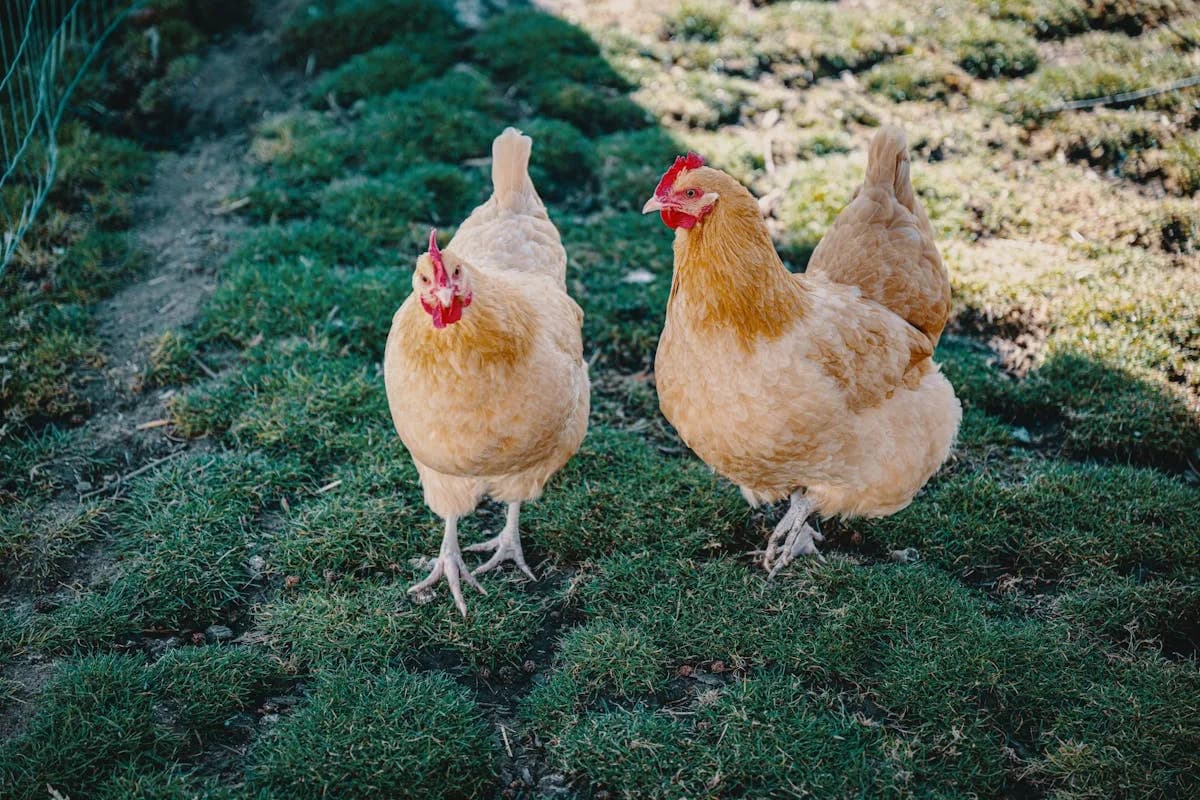
Buff Orpington thrives in New Jersey's four-season climate. Dense plumage keeps them warm in winter, and they handle humidity better than you'd expect from such a fluffy bird. They produce 200-280 eggs per year and are gentle enough for families.
Rhode Island Red is one of the hardiest dual-purpose breeds available. They handle New Jersey's cold winters and hot summers without fuss and are consistent layers at 250-300 brown eggs per year. They can be assertive in mixed flocks, so keep that in mind if you have timid breeds.
Wyandotte is well-suited to New Jersey's winters thanks to its rose comb, which resists frostbite better than single combs. They lay 200-240 eggs per year and come in beautiful color varieties like Silver Laced and Golden Laced.
Easter Egger adds color to your egg basket with blue and green eggs. They're hardy in both heat and cold, friendly, and produce around 200-250 eggs per year. A great choice for families with kids.
Australorp handles New Jersey's climate beautifully and is one of the most productive layers available at 250+ eggs per year. Their black plumage absorbs winter sunlight, helping them stay warm on cold days.
Breeds to Approach with Caution
Large-combed breeds like Leghorns are productive but their massive single combs are vulnerable to frostbite in northern New Jersey winters. Silkies struggle in wet weather because their unique plumage doesn't repel water. If you keep either breed, plan for extra winter coop management.
Winter Care Tips for New Jersey Chickens
New Jersey winters vary by region. North Jersey (Sussex, Warren, Passaic counties) gets the coldest, with temperatures dropping into the single digits and teens regularly. The Shore and southern counties are milder but still see freezing nights. Here's how to keep your flock healthy from November through March.
Insulate Without Sealing
Your coop needs to block wind and retain some warmth, but ventilation is critical. Moisture from droppings and respiration is more dangerous than cold because it causes frostbite. Keep vents or windows near the roofline open year-round. Close wall-level openings to block drafts at roost height, but never seal the coop completely.
For a full walkthrough, read our winter chicken care guide.
Prevent Frozen Water
A heated waterer base ($30-50) is worth every penny in New Jersey. Temperatures drop below freezing regularly from December through February, and a standard waterer will freeze overnight. Check water at least twice daily on the coldest days.
Use the Deep Litter Method
Start with 4-6 inches of pine shavings in fall and add fresh material on top throughout winter. The decomposing layer generates gentle warmth and reduces cleaning frequency. By spring, you'll have excellent garden compost. See our coop bedding guide for details.
Watch for Frostbite
Single combs and wattles are most vulnerable. Apply a thin layer of petroleum jelly to combs on nights when temperatures drop below 10 degrees. Better yet, choose rose-combed or pea-combed breeds if you're in north Jersey.
Summer Care for New Jersey Flocks
New Jersey summers are hot and humid, especially from late June through August. Heat stress becomes a real concern when temperatures climb above 85 degrees, and the humidity makes it worse.
Keep Water Cold and Plentiful
Chickens drink significantly more water in summer. Provide multiple waterers in shaded areas and refresh them with cool water at least twice daily. Adding ice to waterers on the hottest days helps.
Provide Shade and Airflow
If your run doesn't have natural shade from trees, add a tarp, shade cloth, or canopy. Good coop ventilation is essential. Open all windows and vents, and consider adding a small fan for air circulation on the most humid days.
Offer Frozen Treats
Frozen watermelon, berries, and cucumber are great for cooling your flock on hot days. Check out our chicken treats guide for more ideas.
For detailed summer care, read our summer chicken care guide.
Common Predators in New Jersey
New Jersey has plenty of predators that target backyard flocks. Knowing what you're dealing with helps you build better defenses.
- •Raccoons are the biggest threat in most of the state. They're smart, dexterous, and can open simple latches. Use predator-proof locks on all coop doors.
- •Hawks (Red-tailed and Cooper's Hawks) are common throughout New Jersey and are federally protected. You can't harm them, but you can deter them with overhead netting or covered runs.
- •Foxes (both red and gray) are present statewide, even in suburban areas. Bury hardware cloth at least 12 inches around your run perimeter.
- •Opossums usually eat eggs rather than chickens but can injure smaller birds. Secure the coop at night.
- •Coyotes have expanded into every New Jersey county in recent decades. They're most active at dawn and dusk. A sturdy run with buried fencing is essential.
- •Black bears are present in northwestern New Jersey (Sussex, Warren, Morris counties). They can destroy a flimsy coop. Use heavy-duty construction and secure feed storage.
For a detailed defense strategy, read our chicken predator protection guide.

Can You Sell Eggs in New Jersey?
New Jersey allows small-flock egg sales under federal and state exemptions, but the rules are specific. Under the USDA's flock exemption (7 CFR Part 57.100), small producers who sell eggs directly to consumers are exempt from federal egg grading requirements. However, you should register with the New Jersey Department of Agriculture.
Sales must be direct to the consumer (not through stores or restaurants) and cannot exceed 30 dozen per customer. You must maintain standards for egg quality, sanitation, and refrigeration. Eggs should be clean, refrigerated promptly, and labeled if required by your municipality.
Some municipal chicken ordinances (like Princeton's) explicitly prohibit egg sales regardless of state law. Always check your local ordinance before selling. And keep in mind that New Jersey's cottage food law covers baked goods and preserves, not eggs, so egg sales fall under agricultural regulations instead.
FAQ
Do I need a permit to keep chickens in New Jersey?
It depends on your municipality. Many towns like Newark, Jersey City, and Princeton require permits or licenses with annual fees ranging from $10 to $20. Some towns don't require permits at all, and others ban chickens entirely. Check your local zoning office.
Are roosters allowed in New Jersey?
Almost every New Jersey municipality that allows backyard chickens prohibits roosters. Newark, Jersey City, Princeton, and most other chicken-friendly towns ban roosters due to noise concerns. If your town's code doesn't mention roosters specifically, contact code enforcement before assuming they're allowed.
How many chickens can I keep in New Jersey?
Flock size limits vary dramatically by town. Jersey City allows up to 50 birds, Newark has no stated limit, and Princeton caps flocks at 2-8 based on lot size. Many suburban towns allow 4-6 hens. Your municipal ordinance is the definitive source.
What's the best time of year to start a flock in New Jersey?
Spring (April through May) is ideal. Temperatures are mild, chicks have the whole summer to grow before their first winter, and local feed stores stock chicks and supplies. If you're ordering from a hatchery, place orders in January or February since popular breeds sell out early.
Can I keep chickens in my HOA community in New Jersey?
Even if your town allows chickens, your HOA's covenants, conditions, and restrictions (CC&Rs) can prohibit them. HOA rules are legally binding private contracts that supersede municipal permissions. Review your CC&Rs carefully or ask your HOA board before bringing home chicks.
Picking a coop for New Jersey? The breed you choose matters, but so does the coop. Our best chicken coops on Amazon roundup covers picks across flock sizes and price ranges, with notes on which models hold up best in different climates.
Raising Chickens in Other States
If you're moving, considering a different state, or just curious how the rules compare, browse our other state guides:
Northeast: Connecticut, Delaware, Maine, Maryland, Massachusetts, New Hampshire, New York, Pennsylvania, Rhode Island, Vermont
Southeast: Alabama, Florida, Georgia, Kentucky, Louisiana, Mississippi, North Carolina, South Carolina, Tennessee, Virginia, West Virginia
Midwest: Illinois, Indiana, Iowa, Kansas, Michigan, Minnesota, Missouri, Nebraska, North Dakota, Ohio, South Dakota, Wisconsin
South & Southwest: Arizona, Arkansas, New Mexico, Oklahoma, Texas
Mountain & West: Alaska, California, Colorado, Hawaii, Idaho, Montana, Nevada, Oregon, Utah, Washington, Wyoming
Related Guides
Raising Chickens in New Hampshire: 2026 Laws & Best Breeds
Raising chickens in New Hampshire: laws for Manchester, Nashua, Concord, plus cold-hardy breeds including the state's namesake NH Red.
State GuidesRaising Chickens in New York: 2026 Laws & Best Breeds
Your complete guide to raising chickens in New York. Covers NYC and upstate laws, permits, 6 cold-hardy breeds, winter care tips, and egg-selling rules.
State GuidesRaising Chickens in Alaska: 2026 Laws & Best Breeds
Raising chickens in Alaska: laws for Anchorage, Fairbanks, Juneau, plus extreme cold-hardy breeds and sub-arctic care tips.
State GuidesRaising Chickens in Delaware: 2026 Laws & Best Breeds
Raising chickens in Delaware: laws for Wilmington, Dover, Newark, plus best breeds and tips for the First State's climate.