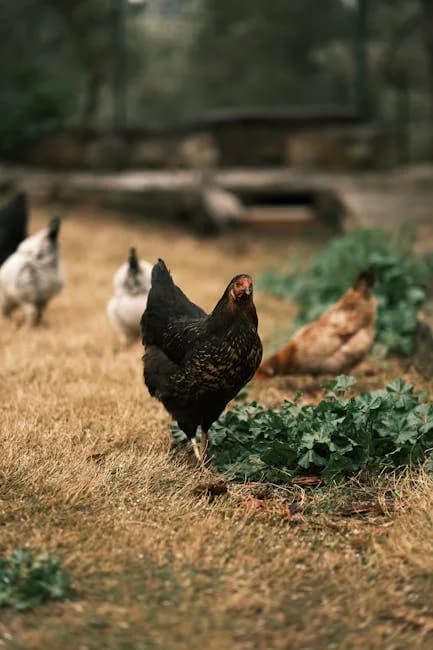
Raising Chickens in Arkansas: 2026 Laws & Best Breeds
Raising chickens in Arkansas: laws for Little Rock, Fayetteville, Fort Smith, Bentonville, plus heat-hardy breeds and seasonal care.
Researched from university extension, USDA, and veterinary sources. How we research.
Arkansas has no statewide ban or permit system for backyard chickens, so the rules that matter come from your city or county. Almost every major Arkansas city allows hens in residential zones, but flock limits, setback distances, and permit rules vary widely from town to town. Rural and unincorporated land typically has no flock-size limits beyond standard nuisance laws.
Arkansas spans three climate zones, from the humid Delta lowlands in the east to the cooler Ozark and Ouachita hill country in the north and west. Summers are hot and humid statewide with sustained mid-90s temperatures, while winters are mild in the south and noticeably colder in the mountain regions. Picking breeds and building a coop with both heat and modest cold in mind will set you up well.
What You'll Learn
- •Are Backyard Chickens Legal in Arkansas?
- •Arkansas Chicken Laws by City
- •Can You Sell Eggs in Arkansas?
- •Best Chicken Breeds for Arkansas's Climate
- •Summer Care in Arkansas
- •Winter Care in Arkansas
- •Common Predators in Arkansas
- •FAQ
Are Backyard Chickens Legal in Arkansas?
Yes, in most areas. Little Rock, Fayetteville, Fort Smith, Springdale, Jonesboro, Conway, Bentonville, and Rogers all allow backyard hens with varying regulations. Roosters are banned in residential areas in nearly every Arkansas city. Permit requirements vary: some cities require an annual permit, others don't require one as long as you stay within flock and setback limits.
Before buying chicks, check three things: your city's municipal code for poultry, any HOA restrictions on your property, and your specific zoning district. Even in chicken-friendly cities, an HOA can override municipal rules. Several Arkansas cities, including Springdale, explicitly exclude platted subdivisions from their chicken-keeping ordinances.
If you live on unincorporated county land or in a rural area, you'll generally face no restrictions on flock size. Arkansas's strong agricultural tradition means county governments rarely regulate small-scale poultry keeping outside city limits.
Arkansas Chicken Laws by City
Important: City and county ordinances change frequently. The information below was researched in May 2026 but may not reflect the latest rules. Always verify with your local zoning or code enforcement office before starting a flock. Links to official sources are provided where available.
Little Rock
Code of Ordinances, Little Rock, AR
Little Rock allows backyard hens in residential areas. Coverage of the city's poultry rules sits in Chapter 6 (Animals) of the municipal code.
- •Hens: Allowed. Contact Little Rock Animal Services for current flock limits and any recent ordinance updates.
- •Roosters: Not permitted in residential areas.
- •Setbacks: Coop placement subject to setback requirements from property lines and neighboring dwellings. Verify exact distances with the city before building.
- •Permit: Verify current permit requirements with Little Rock Animal Services or the Planning Department.
- •Note: Recent ordinance changes have been proposed in Little Rock. Confirm current rules with the city before starting your flock.
Fort Smith
Code of Ordinances, Fort Smith, AR
Fort Smith updated its fowl ordinance in 2023 to allow more chickens and ducks on residential property.
- •Hens and ducks: Up to 20 fowl combined allowed in a fenced rear yard, subject to lot-size requirements.
- •Roosters: Not permitted in residential areas.
- •Coop placement: Must be kept in a fenced rear yard.
- •Setbacks: Coops must be kept a minimum distance from property lines. Verify the exact figure with Fort Smith Code Enforcement.
- •Note: Smaller residential lots have lower flock limits that scale up with square footage. Contact Fort Smith Planning for the limit that applies to your lot size.
Fayetteville
Chapter 92 - Animals, Fayetteville Municipal Code
Fayetteville has one of the more developed urban-chicken programs in Arkansas, with a formal permit system.
- •Hens: Allowed with a city permit. Permit limits and flock sizes scale based on lot size.
- •Roosters: Not permitted.
- •Permit: Annual permit required from the city.
- •Setbacks: Coops must be set back from side and rear property lines. Verify exact distance with the City of Fayetteville.
- •Note: HOA covenants can still prohibit chickens even when the city allows them. Check your deed restrictions.
Springdale
Chapter 14 - Animals, Springdale Municipal Code
Springdale takes a more restrictive approach in residential areas than its Northwest Arkansas neighbors.
- •Hens: Allowed in A-1 agricultural zoning without flock limit. Limited number allowed in residential zoning.
- •Roosters: Generally not permitted in residential areas.
- •Platted subdivisions: Chickens are not permitted in platted subdivisions regardless of underlying zoning.
- •Containment: Chickens must be kept on the owner's property and may not run at large within city limits.
- •Permit: Contact Springdale Animal Control at 479-750-8517 to confirm any permit requirement that applies to your property.
Jonesboro
Chapter 10 - Animals, Jonesboro Municipal Code
Jonesboro allows backyard hens with restrictions on flock size and coop size.
- •Hens: Allowed in residential zoning with limits. Contact Jonesboro Animal Control for current numbers.
- •Roosters: Not permitted in residential areas.
- •Coop size: Larger coops may trigger additional permit requirements.
- •Note: Confirm current flock limit, setback, and permit details with the City of Jonesboro Animal Services before building.
Conway
Title 6 - Animals and Fowl, Conway Municipal Code
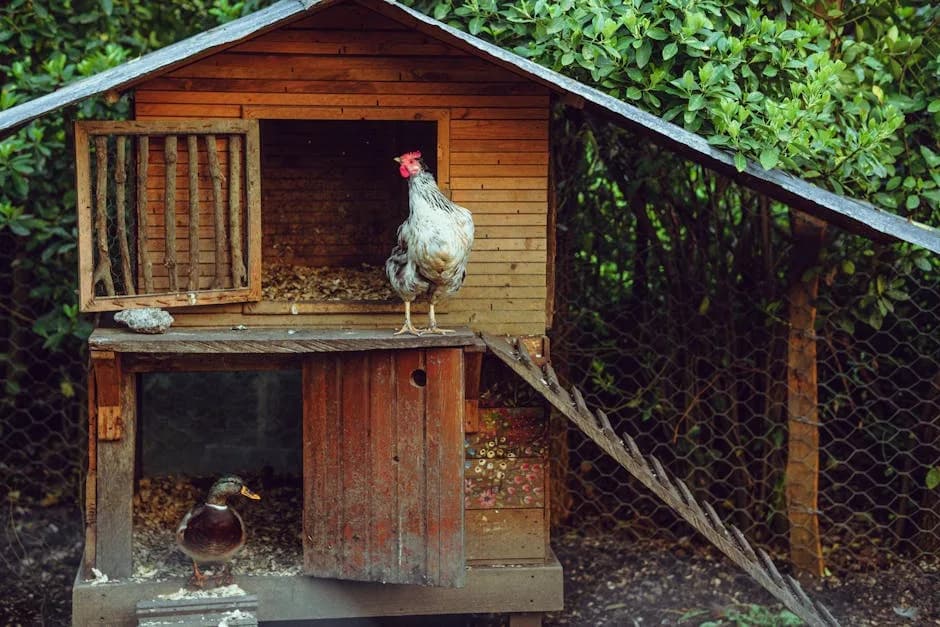
Conway permits backyard chickens with setback and containment requirements.
- •Hens: Limited number of hens allowed in residential zones. Contact Conway code enforcement for current flock limit.
- •Roosters: Not permitted in residential areas.
- •Setbacks: Coops must be set back from property lines and neighboring residences. Verify exact distances with the city.
- •Containment: Chickens must be kept within an enclosure on the owner's property at all times.
- •Note: HOAs in Conway can override city rules and prohibit chickens entirely.
Bentonville
Chapter 10 - Animals, Bentonville Code of Ordinances
Bentonville has a clear "hobby chicken" ordinance for single-family homes.
- •Hens: Up to 4 hens per single-family dwelling.
- •Roosters: Not permitted.
- •Multi-family housing: Chickens not allowed in apartment or multi-family complexes.
- •Setbacks: Hen enclosures must be at least 25 feet from neighboring dwellings and placed in a rear or side yard.
- •Coop standards: Enclosures must be kept clean and free of offensive odor. Feed must be stored in rodent-proof containers.
- •Slaughter: No outdoor slaughtering of birds.
- •Permit: No specific permit required for the standard 4-hen hobby allowance. A-1 zoned land is exempt from these limits.
Rogers
Code of Ordinances, Rogers, AR
Rogers updated its chicken ordinance in 2015 to allow limited backyard flocks.
- •Hens: Small flock allowed with a city permit. Verify the current hen limit with Rogers Animal Control.
- •Roosters: Not permitted in residential areas.
- •Permit: Required.
- •Setbacks: Coops must be at least 25 feet from neighboring dwellings.
- •Coop standards: Coop must be elevated above the ground per city standards.
- •Note: Confirm the current permit fee and flock limit with the City of Rogers before building.
Can You Sell Eggs in Arkansas?
Yes, and Arkansas is one of the easier states for selling eggs directly to consumers. Small flock owners can sell ungraded eggs directly from the farm, at farmers' markets, or to neighbors without a state license under Arkansas's cottage-food framework and the federal USDA Poultry Products Inspection Act exemptions.
Your eggs must be:
- •Clean and free of cracks
- •Refrigerated promptly after collection
- •Labeled as "ungraded" with the lay date
- •Labeled with your name and contact info
- •Sold with safe handling instructions
If you want to sell to restaurants, grocery stores, or other retail outlets, you'll need to comply with the Arkansas Egg Marketing Act and meet USDA grading and labeling rules. Contact the Arkansas Department of Agriculture for current requirements.
Best Chicken Breeds for Arkansas's Climate
Arkansas summers are hot and humid statewide, with average highs in the low to mid-90s from June through September and heat indexes pushing past 100F. Winters are mild in the south and noticeably colder in the Ozarks, where the hill country sees January lows in the 20s. Pick breeds that handle heat well and tolerate moderate cold, especially if you're in the northern half of the state.
Best heat-tolerant breeds for Arkansas:
- •Leghorn: Built for heat with a lightweight body and large comb for cooling. Outstanding layer at 280-320 eggs per year. A top pick for the Delta and southern Arkansas.
- •Rhode Island Red: Tough, adaptable, and handles both heat and mild cold. Reliable layer at 250-300 eggs per year.
- •Easter Egger: Hardy and heat-tolerant. Lays colorful eggs in blue, green, and pink. Great for family flocks.
- •Plymouth Rock: Reliable across Arkansas's temperature range and a steady layer at 250-280 eggs per year.
- •Australorp: World-record egg layer (364 in 365 days). Tolerates Arkansas humidity better than most heavy breeds.
- •ISA Brown: Production hybrid bred for warm climates. 300+ eggs per year and friendly disposition.
Good dual-purpose breeds for the Ozarks:
- •Sussex: Heat-tolerant, good foragers, and handles cooler mountain winters well.
- •Wyandotte: Rose comb resists frostbite, making this a strong pick for the northern Arkansas hill country.
- •New Hampshire Red: Adaptable and productive across Arkansas's full climate range.
Breeds to be cautious with:
- •Heavily feathered breeds like Cochins and Brahmas struggle in Arkansas summer humidity. If you keep these breeds, plan for extra shade, ventilation, and active cooling measures from May through September.
- •Breeds with feathered feet (Cochin, Brahma, Salmon Faverolle) are prone to fungal issues in Arkansas's wet conditions. Keep coop floors and runs dry.
Summer Care in Arkansas
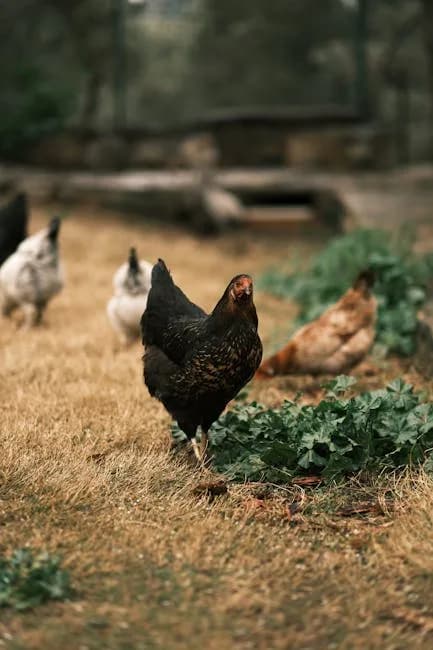
Arkansas summers are the toughest stretch for backyard flocks. Heat indexes in the Delta regularly top 105F, and even the Ozarks see sustained 90F days. Chickens can't sweat and cool themselves by panting, which makes them vulnerable to heat stress.
Keeping your flock safe in the heat:
- •Shade is non-negotiable. Provide natural tree cover, shade cloth, or tarps over the run. Chickens should never be without shade access during Arkansas summers.
- •Keep water fresh and cool. Check waterers at least twice a day, three times during heat waves. Place waterers in shade and add ice when temperatures climb above 95F. Dehydration is the fastest killer in Arkansas heat.
- •Maximize coop ventilation. Open all windows and vents. Arkansas's humidity turns a stuffy coop into a respiratory hazard. Cross-ventilation is critical, and a fan helps move air on still days.
- •Watch for heat stress above 90F. Signs include panting, holding wings away from the body, pale combs, and lethargy. Move stressed birds to shade and offer cool water immediately.
- •Freeze treats. Watermelon, berries, or ice blocks with scratch grains help cool birds on the hottest afternoons.
- •Manage parasites aggressively. Warm, humid conditions are paradise for mites, lice, and worms. Provide a dust bath area and inspect birds weekly.
- •Consider a misting system. A simple misting setup in the run can drop temperatures several degrees during peak afternoon heat.
- •Adjust feeding times. Feed early morning and late evening when temperatures are lower. Digesting food generates body heat you want to minimize during the heat of the day.
Winter Care in Arkansas
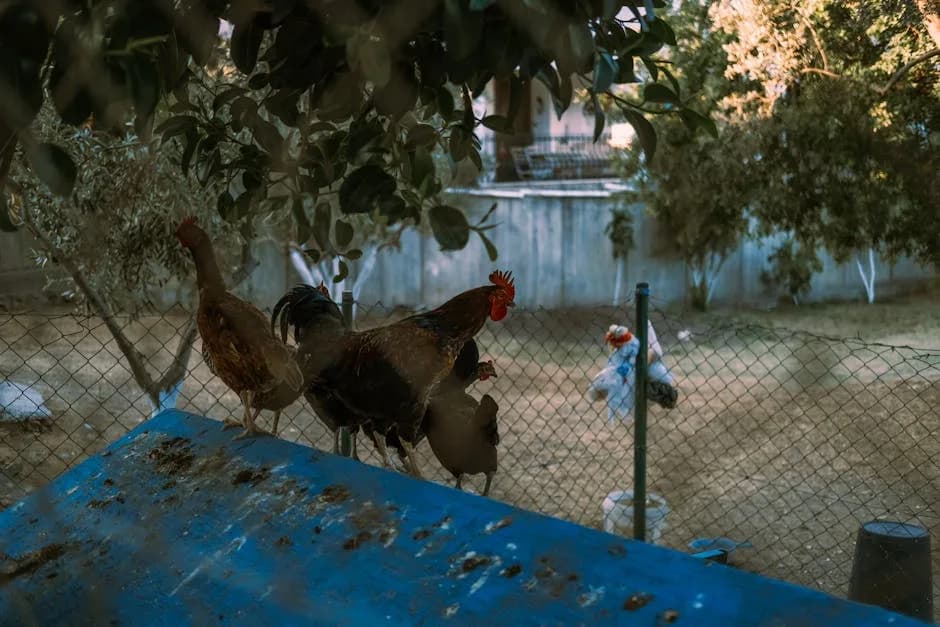
Arkansas winters are mild in the south and moderate in the north. Average January lows range from the upper 30s along the southern border to the mid-20s in the Ozark Mountains. Hard freezes happen but rarely last more than a few days. Snow is occasional in the central state and more common in the northwest.
Winter coop tips:
- •Ventilation matters more than insulation. Even in Arkansas winters, a sealed coop traps moisture from breath and droppings. Keep vents open at the roofline. Trapped humidity causes more frostbite than cold air does.
- •Insulation is optional. Mild Arkansas winters rarely justify insulated coops south of I-40. In the Ozarks where lows can hit the teens during cold snaps, light insulation helps.
- •Check waterers on freezing nights. A heated waterer base is useful when temperatures drop below freezing. For most of southern Arkansas, this only matters a few days a year.
- •Don't use heat lamps. Healthy, full-feathered birds handle Arkansas winters without supplemental heat. Heat lamps are the leading cause of coop fires.
- •Watch for wet conditions. Arkansas gets steady winter rainfall, especially in the Delta. Keep coop bedding dry and replace pine shavings when damp. A covered run prevents mud and standing water.
- •Shorter days mean fewer eggs. December brings about 10 hours of daylight statewide and egg production drops naturally. Adding a light on a timer to extend daylight to 14 hours is optional but effective.
- •Frostbite prevention in the Ozarks. In northern Arkansas, large single-comb breeds can suffer frostbite during sub-20F cold snaps. Rub combs with petroleum jelly before nights below 20F or pick rose-comb breeds like Wyandottes if you live in the hill country.
Common Predators in Arkansas
Arkansas's mix of farmland, river bottoms, forest, and mountains supports a long list of predators. Your location determines the biggest threats, but every part of the state has something that will target chickens.
Suburban and urban predators:
- •Raccoons: The most common chicken predator statewide. They open simple latches and reach through chicken wire. Use hardware cloth with 1/2-inch openings and secure latches with carabiner clips.
- •Hawks: Red-tailed and Cooper's hawks are common across Arkansas. A covered run is the best defense. Fishing line strung over an open-top run can deter aerial attacks.
- •Opossums: Found throughout the state. They target eggs and young chicks. Seal any gap larger than 3 inches.
- •Domestic dogs: A leading cause of chicken kills in Arkansas suburbs. A solid fence and secure coop handle this.
Rural and Ozark predators:
- •Coyotes: Common across all of Arkansas. They dig under fences. Bury hardware cloth 12 inches deep around your run or lay a wire apron along the ground.
- •Foxes: Red and gray foxes are found throughout the state. Smart and persistent. Lock the coop every evening without exception.
- •Bobcats: Present statewide, especially in the Ozarks and Ouachita Mountains. Less common than coyotes but capable of killing multiple birds in a single visit.
- •Snakes: Rat snakes, king snakes, copperheads, and cottonmouths are all common in Arkansas. Snakes target eggs and small chicks. Hardware cloth with 1/2-inch openings keeps snakes out. Check nesting boxes regularly.
- •Owls: Great horned and barred owls are active at night statewide. A covered, fully enclosed coop prevents owl attacks.
- •Black bears: Northern and western Arkansas have a growing black bear population. Bears can wreck coops and runs. An electric fence around the perimeter is the only reliable bear deterrent.
General predator-proofing tips:
- •Lock the coop every night, no exceptions
- •Use hardware cloth on all openings, not chicken wire
- •Install an automatic coop door if you're not always home at dusk
- •Keep feed in sealed containers to avoid attracting wildlife
- •Consider a motion-activated light or coop camera for monitoring
- •An electric fence is the strongest defense for bear country or heavy predator pressure
FAQ
Do I need a permit to keep chickens in Arkansas?
It depends on your city. Fayetteville and Rogers require permits. Bentonville and Fort Smith generally don't require permits for small flocks within their hobby limits. Rural and unincorporated county land typically has no permit requirements. Always check your city's municipal code and any HOA covenants before getting chickens.
How many chickens can I have in Arkansas?
It varies by city. Bentonville limits residents to 4 hens per single-family home. Fort Smith allows up to 20 fowl in larger backyards. Other cities scale flock size to lot size. Rural properties on agricultural land generally have no flock-size limits. Verify the limit with your city before buying chicks.
Are roosters allowed in Arkansas cities?
Almost universally, no. Little Rock, Fort Smith, Fayetteville, Springdale, Jonesboro, Conway, Bentonville, and Rogers all ban roosters in residential areas. The reason is consistent: noise complaints. Rural areas with agricultural zoning generally allow roosters without restriction.
What's the best chicken breed for Arkansas?
Leghorns are the top heat-tolerant pick for Arkansas's hot, humid summers. They're lightweight, have large combs for cooling, and lay 280 to 320 eggs per year. Rhode Island Reds, Easter Eggers, and Plymouth Rocks are also excellent dual-purpose options that handle Arkansas weather well.
Can I sell eggs from my backyard flock in Arkansas?
Yes. Arkansas is one of the easier states for selling eggs directly to consumers. Under state cottage-food rules and federal small-producer exemptions, you can sell ungraded eggs directly from your farm, at farmers' markets, or to neighbors without a state license. Eggs must be clean, refrigerated, and labeled with your name, contact info, lay date, and an "ungraded" designation.
Your first step to keeping chickens in Arkansas is checking your city's ordinance and any HOA restrictions. With most cities allowing some form of backyard flock, the odds are good, especially if you're on rural property. Once you know the rules, invest in a well-ventilated coop built for Arkansas heat and pick heat-tolerant breeds. Check out our beginner's guide to raising backyard chickens for a complete walkthrough of getting started.
Picking a coop for Arkansas? The breed you choose matters, but so does the coop. Our best chicken coops on Amazon roundup covers picks across flock sizes and price ranges, with notes on which models hold up best in different climates.
Raising Chickens in Other States
If you're moving, considering a different state, or just curious how the rules compare, browse our other state guides:
Northeast: Connecticut, Delaware, Maine, Maryland, Massachusetts, New Hampshire, New Jersey, New York, Pennsylvania, Rhode Island, Vermont
Southeast: Alabama, Florida, Georgia, Kentucky, Louisiana, Mississippi, North Carolina, South Carolina, Tennessee, Virginia, West Virginia
Midwest: Illinois, Indiana, Iowa, Kansas, Michigan, Minnesota, Missouri, Nebraska, North Dakota, Ohio, South Dakota, Wisconsin
South & Southwest: Arizona, New Mexico, Oklahoma, Texas
Mountain & West: Alaska, California, Colorado, Hawaii, Idaho, Montana, Nevada, Oregon, Utah, Washington, Wyoming
Related Guides
Raising Chickens in Alaska: 2026 Laws & Best Breeds
Raising chickens in Alaska: laws for Anchorage, Fairbanks, Juneau, plus extreme cold-hardy breeds and sub-arctic care tips.
State GuidesRaising Chickens in Delaware: 2026 Laws & Best Breeds
Raising chickens in Delaware: laws for Wilmington, Dover, Newark, plus best breeds and tips for the First State's climate.
State GuidesRaising Chickens in Idaho: 2026 Laws & Best Breeds
Raising chickens in Idaho: laws for Boise, Meridian, Nampa, plus cold-hardy breeds and tips for the state's varied climate.
State GuidesRaising Chickens in Kansas: 2026 Laws & Best Breeds
Raising chickens in Kansas: laws for Wichita, Overland Park, Topeka, plus hardy breeds and storm-ready coop tips for the Sunflower State.