ISA Brown Chicken Breed Guide: Eggs, Lifespan, Care
ISA Browns lay 300-350 eggs per year, making them the top production hen. Get the full breed profile with care tips, health issues, and lifespan info.
Researched from university extension, USDA, and veterinary sources. How we research.
ISA Brown chickens are egg-laying machines. They'll pump out 300 to 350 large brown eggs per year, which puts them at the very top of any production breed list. They're friendly, easy to handle, and they start laying earlier than most breeds. If your main goal is filling your egg basket every single day, it's tough to beat an ISA Brown.
But there's a catch. ISA Browns aren't a heritage breed. They're a commercial hybrid developed by a French company in 1978, and that comes with some trade-offs you should know about before you buy. This guide covers everything from their impressive egg numbers to the health concerns that come with being bred for maximum output.
What You'll Learn
- •What Is an ISA Brown Chicken?
- •What Do ISA Browns Look Like?
- •How Many Eggs Do ISA Browns Lay?
- •ISA Brown Temperament and Personality
- •Are ISA Browns Good for Beginners?
- •Housing and Space Requirements
- •Feeding Your ISA Browns
- •Common Health Issues
- •ISA Brown Lifespan: What to Expect
- •Where to Buy ISA Brown Chickens
- •Frequently Asked Questions
What Is an ISA Brown Chicken?
ISA stands for "Institut de Sélection Animale," a French breeding company that created this hybrid in 1978. The exact parent breeds are a trade secret, but ISA Browns are generally a cross between Rhode Island Red roosters and Rhode Island White hens (or similar white-egg breeds like Leghorns).
Here's the key thing to understand: ISA Browns aren't a true breed. They're a hybrid, which means you can't breed two ISA Browns together and get ISA Brown chicks. The offspring won't have the same traits. Every ISA Brown you buy comes from a specific, controlled cross performed by licensed hatcheries.
This isn't necessarily a bad thing. It just means you'll always need to buy new chicks rather than breeding your own replacements. For most backyard keepers focused on eggs, that's a perfectly fine trade-off.
What Do ISA Browns Look Like?
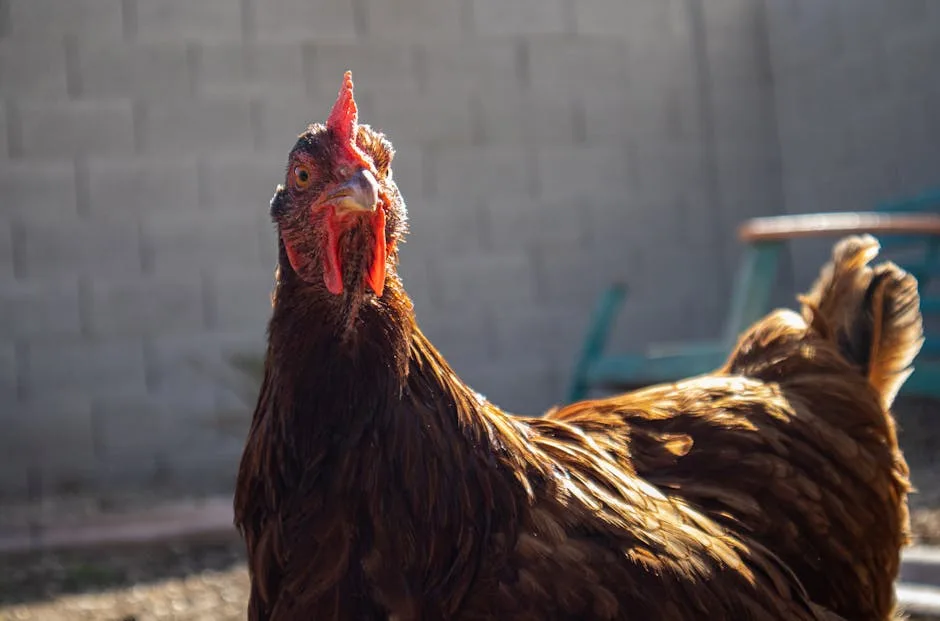
ISA Browns have a classic farmyard hen appearance. They're medium-sized birds with a warm reddish-brown plumage that can range from light cinnamon to a deeper chestnut color. Some hens have white tail feather tips or scattered white feathers throughout their body, which is completely normal.
Physical characteristics at a glance:
- •Weight: Hens 4.5 to 5.5 lbs, roosters 6 to 7 lbs (though roosters are rare since they're sex-linked)
- •Comb: Single, medium-sized, red
- •Earlobes: Red
- •Legs: Yellow, clean (no feathering)
- •Skin: Yellow
- •Egg color: Brown
One handy feature of ISA Browns is that they're sex-linked. You can tell males from females at hatch based on down color. Female chicks are brown or reddish, while male chicks are white or pale yellow. This means you won't accidentally end up with surprise roosters, which is a real advantage if you're ordering from a hatchery. One catch: a sex-link doesn't breed true, so if you want to hatch your own sexable chicks year after year, a true auto-sexing breed like the Bielefelder is the one that keeps the trick.
How Many Eggs Do ISA Browns Lay?
This is where ISA Browns really shine. They're consistently one of the highest-producing egg layers available to backyard keepers.
Egg production numbers:
- •Annual production: 300 to 350 eggs per year
- •Egg size: Large to extra-large
- •Egg color: Rich brown
- •Start of lay: 18 to 22 weeks (earlier than most breeds)
- •Peak production: First 18 to 24 months
During their first year, you can expect an ISA Brown to lay nearly every single day. It's common to get 6 to 7 eggs per week from each hen during peak production. That's significantly more than heritage breeds like Buff Orpingtons (around 200 to 280 eggs) or Plymouth Rocks (around 200 to 250 eggs).
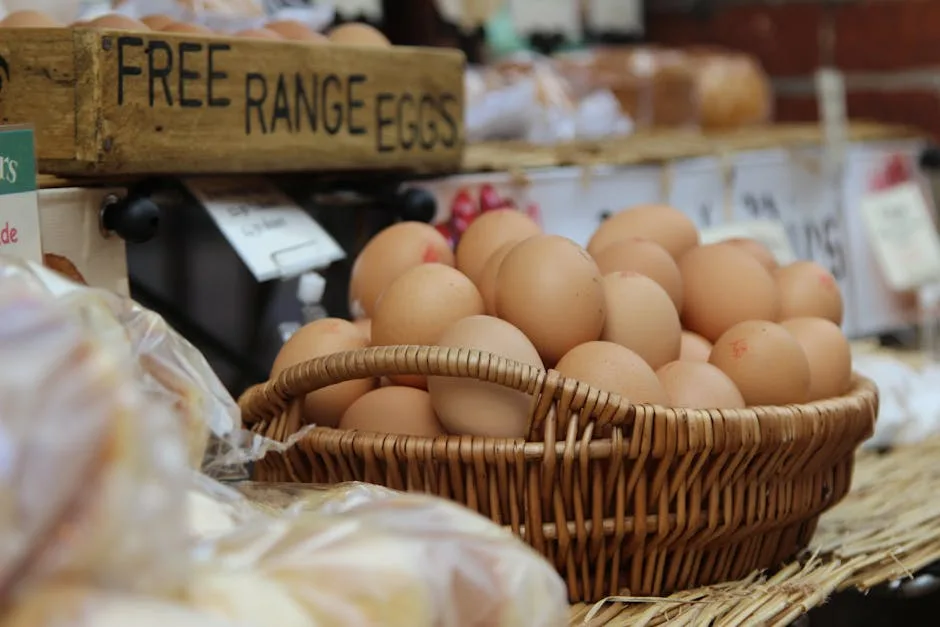
The flip side is that ISA Browns tend to burn out faster than heritage breeds. After two years of heavy laying, production drops noticeably. By year three, you might only get 3 to 4 eggs per week. Heritage breeds, on the other hand, maintain steadier (though lower) production over a longer period.
If you're keeping chickens primarily for eggs and don't mind adding new pullets every couple of years, ISA Browns will give you the most eggs for your money. If you want birds that lay moderately for five or six years, consider a heritage breed like the Rhode Island Red or Australorp.
ISA Brown Temperament and Personality
ISA Browns are some of the friendliest chickens you'll ever meet. They've been bred not just for production but for docility, and it shows. Most ISA Browns will follow you around the yard, eat from your hand, and some even enjoy being picked up.
Personality traits:
- •Docile and calm: They rarely cause problems in the flock
- •Curious and social: They'll investigate whatever you're doing
- •Good with kids: Their gentle nature makes them great family birds
- •Not broody: They almost never try to sit on eggs (great for production, not for hatching)
- •Quiet: They're not as vocal as breeds like Leghorns
In a mixed flock, ISA Browns typically land in the middle of the pecking order. They're not pushy enough to bully other birds, but they're not so timid that they get picked on either. They get along well with calm breeds like Wyandottes, Orpingtons, and Sussex.
Their lack of broodiness is worth highlighting. If you want hens that just lay eggs and don't waste weeks sitting on a nest, ISA Browns are ideal. But if you're hoping to hatch chicks naturally, you'll need a different breed for that job.
Are ISA Browns Good for Beginners?
ISA Browns are one of the absolute best breeds for first-time chicken keepers. Here's why:
Beginner-friendly traits:
- •They're hardy and adaptable to most climates
- •They don't need any special care beyond the basics
- •They're easy to handle and not flighty
- •They start laying early, so you see results fast
- •Sex-linked coloring means no surprise roosters
The only caveat for beginners is their health profile (more on that below). High-production hybrids are more prone to reproductive issues than heritage breeds. But for someone who wants a rewarding first experience with chickens and plenty of eggs on the table, ISA Browns deliver.
If you're just getting started, check out the complete beginner's guide to raising backyard chickens and how many chickens should a beginner start with to plan your flock.
Housing and Space Requirements
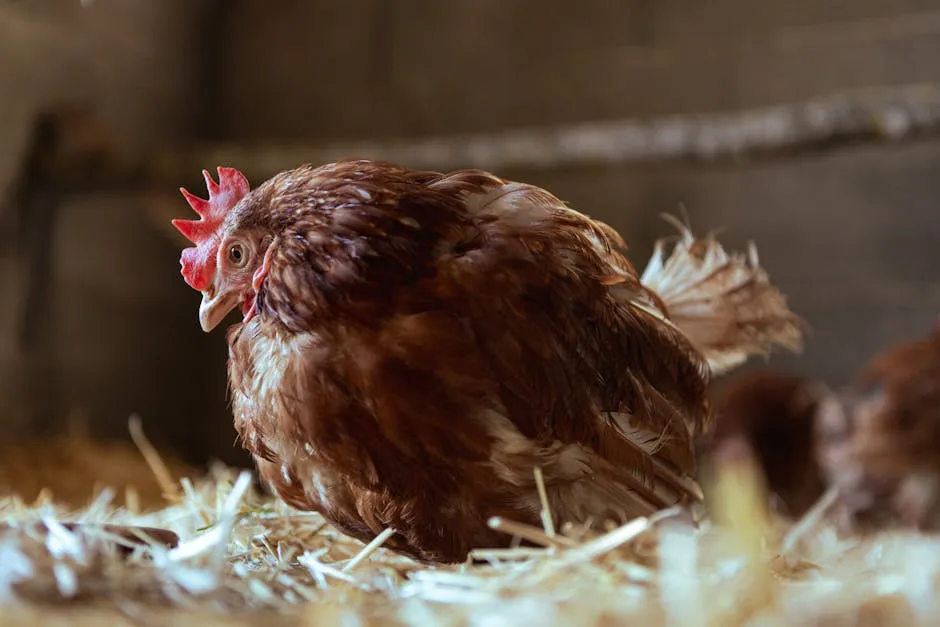
ISA Browns aren't fussy about their housing, but they do need adequate space to stay healthy and productive.
Space guidelines:
| Requirement | Minimum | Recommended |
|---|---|---|
| Coop space | 3 sq ft per bird | 4 sq ft per bird |
| Run space | 8 sq ft per bird | 10+ sq ft per bird |
| Roosting bar | 8 inches per bird | 10 inches per bird |
| Nesting boxes | 1 per 3-4 hens | 1 per 3 hens |
ISA Browns tolerate confinement reasonably well, which is part of why they're popular in commercial settings. But they'll be happier and healthier with room to roam. If you can let them free range, they'll forage enthusiastically and supplement their diet with bugs and greens.
They handle both heat and cold reasonably well, though they're not as cold-hardy as heavily feathered breeds like Brahmas or Cochins. In winter, make sure your coop is draft-free with good ventilation (not the same thing as sealed up tight). Check out how to keep chickens warm in winter for detailed tips.
Feeding Your ISA Browns
Because ISA Browns lay so heavily, nutrition is critical. A hen producing 300+ eggs per year is putting a massive amount of calcium and protein into those shells and contents. Shortchanging their diet will lead to thin shells, reduced production, and health problems.
Feeding recommendations:
- •Layer feed (16% protein): Free-choice access starting at 18 weeks
- •Calcium supplement: Oyster shell in a separate dish, always available
- •Grit: Essential if they're eating anything besides commercial feed
- •Fresh water: Always, no exceptions
- •Daily intake: About 1/4 lb of feed per day per hen
ISA Browns are efficient feed converters. They'll turn about 4 lbs of feed into a dozen eggs, which is better than most heritage breeds. That said, don't try to cut costs with cheap feed. High-production hens need quality nutrition.
For treats and supplement ideas, check out best treats for chickens and the complete feeding guide.
Common Health Issues
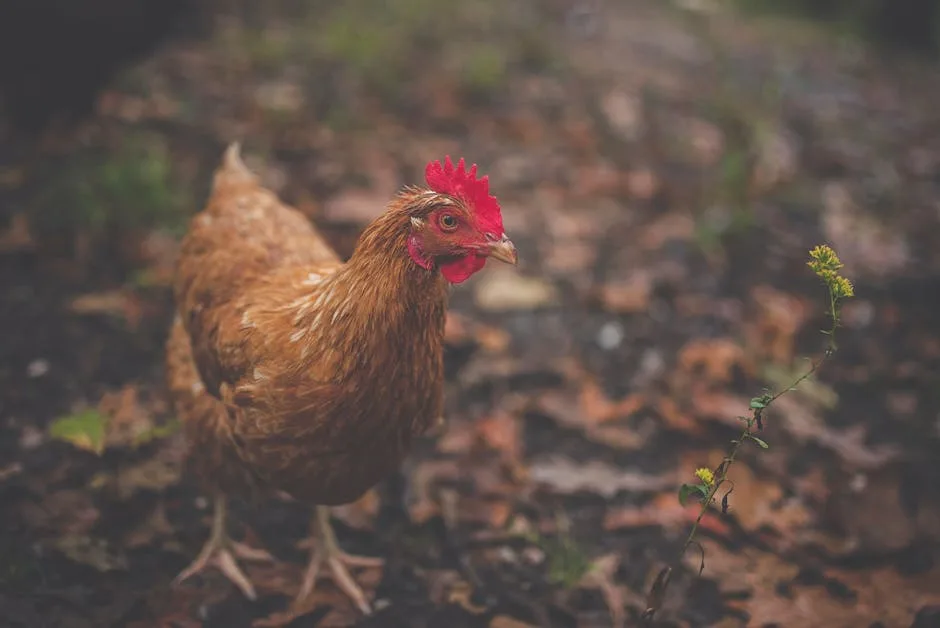
This is the section where ISA Browns' hybrid nature shows its downside. Because they've been bred to push out as many eggs as possible, their reproductive systems take a beating. High-production hens are more prone to certain health issues than heritage breeds.
Common health concerns:
Egg Peritonitis
When a hen's reproductive system misfires and an egg yolk ends up in the abdominal cavity instead of the oviduct, it can cause infection and inflammation. This is one of the most common causes of death in ISA Browns over age two. Signs include a swollen abdomen, lethargy, and loss of appetite.
Reproductive Tumors
Ovarian and oviductal tumors are more common in high-production hybrids than in heritage breeds. Unfortunately, there's not much you can do to prevent them. They typically show up after two years of heavy laying.
Egg Binding
When a hen can't pass an egg, it's an emergency. ISA Browns' large egg size makes them slightly more prone to this. Adequate calcium and not letting hens get overweight are your best prevention strategies.
Prolapsed Vent
The vent can sometimes prolapse after passing a particularly large egg. This is treatable if caught early but can be fatal if other hens peck at the exposed tissue.
Keeping them healthy:
- •Provide excellent nutrition (especially calcium)
- •Don't supplement light to extend laying in winter; let them rest
- •Watch for sick chicken symptoms and act quickly
- •Keep the coop clean and dry
- •Schedule regular health checks
One strategy some ISA Brown owners use is to avoid adding artificial light in winter. Letting hens take a natural break from laying can extend their productive life and reduce reproductive stress.
ISA Brown Lifespan: What to Expect
This is where expectations need to be realistic. ISA Browns typically live 3 to 5 years, with some reaching 6 or 7 years with excellent care. That's shorter than many heritage breeds, which commonly live 7 to 10 years.
The reason is straightforward: producing 300+ eggs per year takes a toll on a hen's body. It's like running an engine at redline. The parts wear out faster.
Typical timeline:
- •Year 1: Peak production (300-350 eggs), excellent health
- •Year 2: Still strong production (250-300 eggs), occasional issues
- •Year 3: Production drops noticeably (150-200 eggs), health issues more common
- •Year 4+: Low production (100 or fewer eggs), hens are essentially pets
Many backyard keepers rotate their flocks, adding new ISA Brown pullets every two years to maintain consistent egg production while keeping older hens as pets. There's nothing wrong with that approach as long as you're prepared for the eventual decline.
Where to Buy ISA Brown Chickens
ISA Browns are widely available since they're one of the most popular commercial egg breeds worldwide. You can find them at:
- •Major hatcheries: Most large hatcheries carry ISA Browns or a similar commercial brown egg layer
- •Farm supply stores: Tractor Supply, Rural King, and similar stores often carry ISA Brown chicks in spring
- •Local breeders: Check Craigslist or Facebook groups for your area
- •Feed stores: Many independent feed stores order chicks seasonally
Pricing:
- •Day-old chicks: $3 to $5 each
- •Pullets (point of lay, 16-20 weeks): $15 to $25 each
Buying point-of-lay pullets costs more upfront but saves you 4 to 5 months of feeding and brooding. If you want eggs as quickly as possible, it's worth the premium.
Keep in mind that some hatcheries sell ISA Browns under different names. "Golden Comet," "Cinnamon Queen," and "Red Star" are all similar commercial brown egg hybrids, though they may use slightly different parent stock. The performance will be comparable. If you like the friendly-hybrid idea but want a longer-lived bird with showier looks, the blue-grey Sapphire Gem is another sex-linked layer worth a look.
Looking for the right coop? Whatever breed you settle on, the coop you put them in matters as much as the bird itself. Our best chicken coops on Amazon roundup covers current top picks across flock sizes and price ranges, from under-$100 starter coops to walk-in models for larger flocks.
Frequently Asked Questions
How many eggs does an ISA Brown lay per year?
ISA Browns lay 300 to 350 large brown eggs per year during their first two years of production. That works out to nearly an egg per day. Production drops significantly after year two, falling to around 150 to 200 eggs by year three.
How long do ISA Brown chickens live?
ISA Browns typically live 3 to 5 years, though some reach 6 or 7 with excellent care. Their shorter lifespan compared to heritage breeds (7 to 10 years) is mainly due to the physical strain of high egg production.
Can you breed ISA Brown chickens?
You can't breed ISA Browns and get ISA Brown chicks. They're a commercial hybrid, so offspring from two ISA Browns won't have the same production traits. You'll need to buy new chicks from a hatchery each time you want to add ISA Browns to your flock.
Are ISA Brown chickens noisy?
ISA Browns are relatively quiet chickens. They'll do the normal egg song after laying, but they're not as vocal or flighty as breeds like Leghorns. They're a good choice if you have close neighbors and want to keep the noise down.
What's the difference between ISA Brown and Rhode Island Red?
Rhode Island Reds are a heritage breed that lays 250 to 300 eggs per year and lives 7 to 10 years. ISA Browns are a commercial hybrid that lays 300 to 350 eggs per year but only lives 3 to 5 years. RIRs are also more assertive in the flock, while ISA Browns tend to be calmer and more docile.
ISA Browns are the ultimate egg-laying chickens for backyard keepers who prioritize production above everything else. They're friendly, easy to care for, and they'll keep your kitchen stocked with eggs. Just go in with realistic expectations about their lifespan and long-term health, and you won't be disappointed. If you're still deciding which breed is right for your flock, check out the best chicken breeds for beginners for more options.
Sources:
- •Hendrix Genetics. ISA Brown technical specification. https://www.hendrix-genetics.com/en/news/isa-brown-celebrates-40-years/
- •The American Poultry Association. Standard of Perfection (reference). http://www.amerpoultryassn.com/
- •University of Kentucky Cooperative Extension. Small Flock Poultry resources. https://poultry.extension.org/
- •The Livestock Conservancy. Heritage breed conservation. https://livestockconservancy.org/
Related Guides
Araucana Chicken Breed Guide: Blue Eggs, Tufts, Care
Araucana chicken breed guide: rumpless bodies, ear tufts, true blue eggs, the lethal tuft gene, care, and how they differ from Ameraucanas.
BreedsChocolate Orpington Breed Guide: Genetics, Eggs, Care
Chocolate Orpingtons explained: the sex-linked chocolate gene, why hens show it and roosters carry it, 120 to 150 tinted eggs a year, care, and where to buy.
BreedsLavender Orpington Breed Guide: Eggs, Color, Care
Lavender Orpingtons are calm, cold-hardy hens that breed true to color and lay 150-250 brown eggs a year. Full guide to looks, eggs, care, and cost.
BreedsNaked Neck Chicken (Turken) Breed Guide: Eggs & Care
Naked Neck chickens, or Turkens, are hardy dual-purpose birds with bare necks. Full breed guide: eggs, temperament, heat tolerance, size, and care.