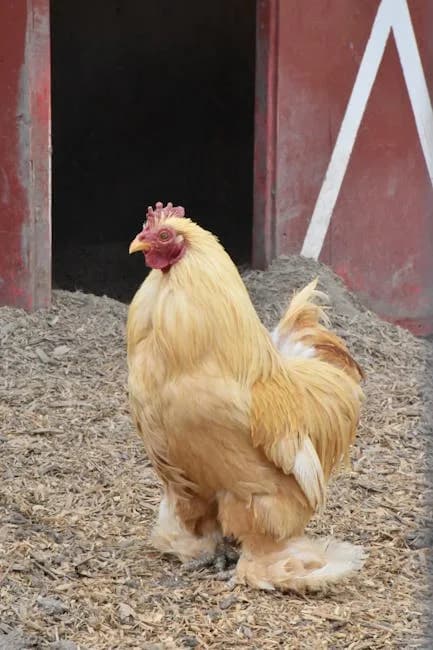
Cochin Chicken Breed Guide: Eggs, Size, Care
Complete Cochin chicken breed guide covering egg production (150-180/yr), size, temperament, color varieties, and care tips for these fluffy giants.
Researched from university extension, USDA, and veterinary sources. How we research.
Cochin chickens are the teddy bears of the poultry world. These massively fluffy birds look like they're wearing feathered pants, and they've got the calm, cuddly personality to match. If you want a chicken that's more pet than production bird, the Cochin deserves a spot at the top of your list. They lay about 150-180 brown eggs per year, weigh up to 11 pounds, and they're one of the friendliest breeds you'll find.
What You'll Learn
- •Cochin Chicken Overview
- •History and Origin
- •What Do Cochin Chickens Look Like?
- •Cochin Chicken Color Varieties
- •How Big Do Cochin Chickens Get?
- •Cochin Chicken Temperament
- •How Many Eggs Do Cochin Chickens Lay?
- •Are Cochins Good Brooders?
- •Are Cochin Chickens Good for Beginners?
- •Housing and Care Requirements
- •Cochin Bantams
- •Health Issues to Watch For
- •Frequently Asked Questions
Cochin Chicken Overview
| Trait | Details |
|---|---|
| Size | Roosters: 11 lbs, Hens: 8.5 lbs |
| Eggs | 150-180 per year, medium brown |
| Temperament | Very calm, docile, friendly |
| Cold Hardy | Excellent |
| Heat Tolerant | Poor |
| Broody | Very broody (one of the best) |
| Beginner Friendly | Yes |
| Lifespan | 5-8 years |
Cochins aren't going to win any egg-laying competitions, but that's not why people keep them. They're showstoppers in the yard, incredible mothers, and some of the easiest chickens to handle. If egg count is your priority, look at an Australorp or Leghorn instead. If personality and appearance matter more, keep reading.
History and Origin
Cochins arrived in the United States and England from China in the 1840s and 1850s. They were originally called "Shanghai" chickens and were among the birds that kicked off "hen fever," the poultry craze that swept through America and Britain in the mid-1800s.
The story goes that Cochins were gifted to Queen Victoria of England around 1843, and her enthusiasm for these exotic, fluffy birds sparked a nationwide obsession with fancy chicken breeds. People went wild for them, paying enormous prices for breeding stock.
The American Poultry Association first recognized Cochins in 1874. Over the years, breeders have selected for increasingly fluffy, round body types. Modern Cochins are significantly fluffier than their ancestors, with feathering so dense that they look almost spherical from certain angles.
While they were historically used as meat birds (and they're still decent for that purpose), today's Cochins are primarily kept as pets, show birds, and broody mothers.
What Do Cochin Chickens Look Like?
Cochins are unmistakable. Here's what makes them stand out:
- •Profuse, soft feathering. Every inch of a Cochin is covered in loose, fluffy feathers. The feathering is softer and more abundant than almost any other breed.
- •Feathered legs and feet. Like Brahmas, Cochins have heavy feathering down their legs and covering their toes. But Cochins tend to have even more leg fluff.
- •Round, wide body. They carry themselves low to the ground with a broad, round profile. From a distance, they can look like feathered basketballs waddling around.
- •Single comb. Unlike Brahmas (which have pea combs), Cochins have a standard single comb with five points. This makes them slightly more susceptible to frostbite in extreme cold.
- •Short legs. Their legs are shorter than most breeds, which gives them that characteristic waddle.
- •Small wings relative to body size. They cannot fly, even a little bit.
The overall impression is a massive, fluffy, low-to-the-ground bird that looks like it's wearing a ball gown.
Cochin Chicken Color Varieties
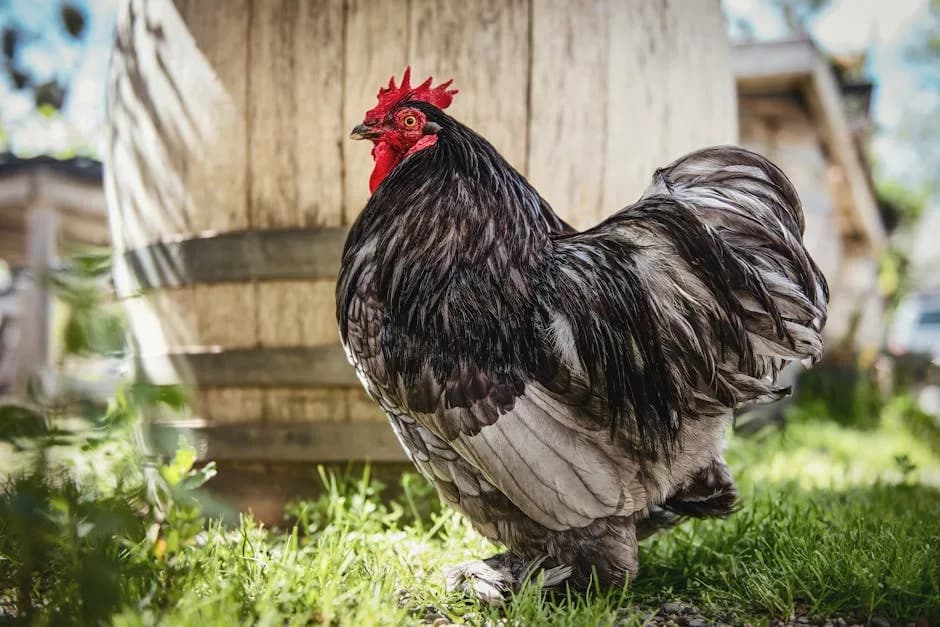
The APA recognizes nine standard Cochin varieties:
- •Buff - The most popular and most recognizable. A warm, golden-buff color all over.
- •Partridge - Rich mahogany with detailed black penciling on each feather. Roosters have the classic black-breasted red pattern.
- •White - Pure white feathering from head to toe.
- •Black - Solid black with a greenish sheen in sunlight.
- •Blue - A slate blue-gray color that's really striking.
- •Silver Laced - White feathers with black edging, similar to Silver Laced Wyandottes.
- •Golden Laced - Golden feathers with black lacing.
- •Brown - A complex pattern of brown, black, and gold.
- •Barred - Alternating black and white bars across each feather.
You'll also find non-standard colors like Splash, Red, and Birchen from specialty breeders. Bantam Cochins come in even more color varieties than the large fowl.
How Big Do Cochin Chickens Get?
Cochins are big birds, though they look even bigger than they actually are because of all that fluff. Standard APA weights:
- •Roosters: 11 lbs
- •Hens: 8.5 lbs
- •Cockerels: 9 lbs
- •Pullets: 7 lbs
For context, a Buff Orpington hen weighs about 8 lbs and a Rhode Island Red hen about 6.5 lbs. Cochins are in the same heavyweight class as Brahmas, though Brahmas are slightly larger.
Like Brahmas, Cochins are slow growers. They won't reach full size until about 18-24 months of age. If you're raising them for meat, you'll need to be patient. Modern meat breeds reach processing weight in weeks, not months.
Cochin Chicken Temperament
This is where Cochins really excel. They're widely considered one of the calmest, most docile chicken breeds in existence.
- •Gentle. Cochins rarely show aggression, even the roosters. Cochin roosters are known for being mellow compared to other breeds.
- •Love being handled. Many Cochins enjoy being picked up and held. They'll sit in your lap and seem perfectly content.
- •Great with children. Their calm nature and tolerance for handling make them ideal family birds.
- •Low activity level. Cochins aren't big foragers or explorers. They tend to hang around the coop and run rather than ranging far and wide. This can be a pro (easy to contain) or a con (they don't earn their keep by hunting bugs).
- •Quiet. They're not big talkers compared to breeds like Plymouth Rocks.
The downside of their gentle personality? They're sitting ducks (sitting chickens?) for bullying by more assertive breeds. If you're mixing breeds in your flock, watch for aggressive birds picking on your Cochins. They won't fight back.
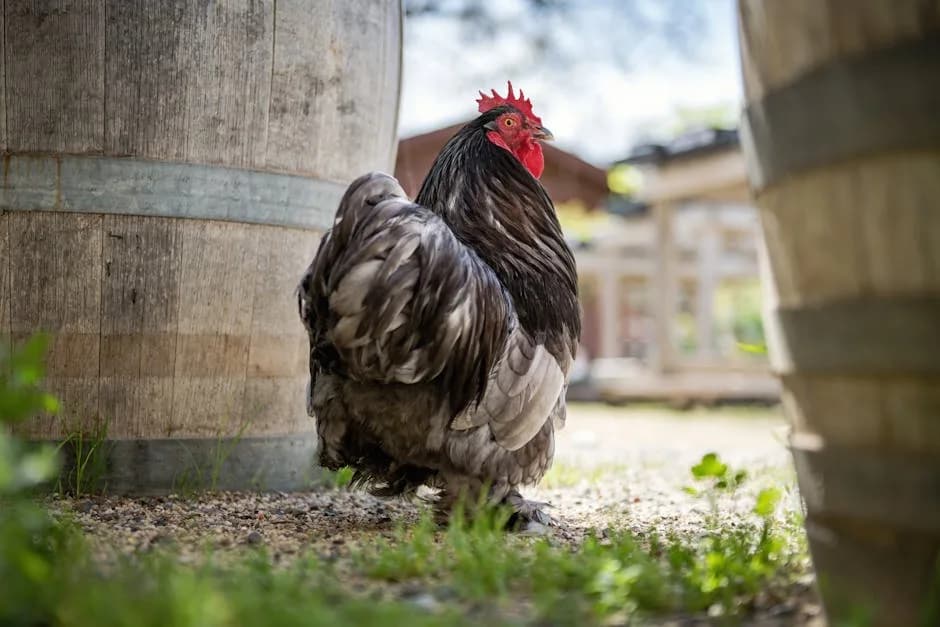
How Many Eggs Do Cochin Chickens Lay?
Let's be honest: Cochins are not production layers. Here's what you're looking at:
- •150-180 eggs per year (roughly 3 per week)
- •Medium-sized, brown eggs
- •Start laying at 7-9 months (later than most breeds)
- •Frequently go broody, which stops egg production entirely
The egg numbers are decent but not impressive. Breeds like Leghorns (280+ eggs) and Australorps (250+ eggs) will outproduce a Cochin by a wide margin. If eggs are your main goal, Cochins shouldn't be your primary layer.
Where they stand out is winter laying. Cochins are reasonable winter layers, keeping production going when other breeds slow down significantly. For winter chicken care tips, check out our cold weather guide.
Are Cochins Good Brooders?
This is arguably the Cochin's greatest talent. They're one of the best broody breeds on the planet, and they've been used for centuries as living incubators.
Why Cochins make great broody hens:
- •They go broody frequently and reliably
- •They're dedicated sitters who rarely abandon the nest
- •Their large size means they can cover more eggs (10-12 comfortably)
- •They're gentle mothers that rarely step on or crush chicks
- •They'll brood eggs from other species, including ducks, turkeys, and guinea fowl
If you want to hatch eggs naturally without an incubator, a Cochin hen is one of the best options. Many chicken keepers specifically add a Cochin or two to their flock for this purpose.
The flip side? If you want eggs and not chicks, constant broodiness is frustrating. You'll need to break the broodiness (cool water baths, blocking the nest box, using a wire-bottom "broody breaker" cage) or just accept the lost production. For more on hatching, see our incubation guide.
Are Cochin Chickens Good for Beginners?
Yes, with a couple of caveats. Cochins are one of the most beginner-friendly breeds available because of their calm temperament, ease of handling, and hardiness. But beginners should know:
Pros:
- •Easy to handle and tame
- •Can't fly, so low fencing works fine
- •Cold hardy
- •Beautiful and fun to watch
- •Great with kids and pets
Challenges:
- •Feathered feet need extra maintenance (mud, moisture, mites)
- •Not great in hot climates
- •Prone to obesity because they're not active foragers
- •Lower egg production than most breeds
- •Frequent broodiness if you don't want to hatch eggs
If you're a first-time chicken keeper, our beginner's guide and starter flock guide will help you get set up.
Housing and Care Requirements
Space
Cochins need a bit more room than average because of their size:
- •6-8 square feet per bird inside the coop
- •12-15 square feet per bird in the run
- •Low roosts (12-18 inches high). Cochins can't jump well due to their weight and short legs. High roosts lead to leg injuries when they jump down.
Bedding
Keep it dry. Those feathered feet collect moisture, mud, and debris. Pine shavings are a good choice because they absorb well. Sand is another solid option, especially in the run.
Feeding
Cochins are prone to obesity because they don't move around much. Feed a standard layer feed (16% protein) and limit treats, especially high-calorie scratch grains and corn. Monitor their weight by feeling the breast area periodically. If you can't feel the keel bone at all, your bird is overweight.
For the full rundown on chicken nutrition, check our feeding guide.
Fencing
A 2-3 foot fence will contain Cochins. They're too heavy and their wings are too small for any meaningful flight. This is one of the easiest breeds to keep in an unfenced yard.
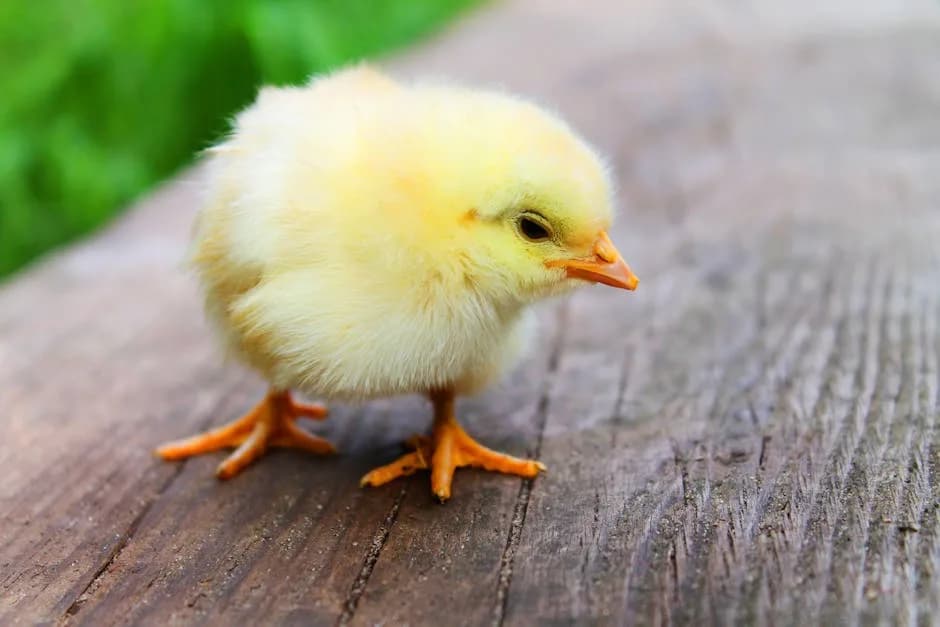
Cochin Bantams
Cochin Bantams deserve their own mention because they're enormously popular, arguably more popular than the large fowl version. They're one of the most commonly shown bantam breeds in America.
- •Size: Roosters about 32 oz, hens about 28 oz
- •Same fluffy appearance as standard Cochins, just scaled down
- •Even more color varieties available in bantam size
- •Same gentle temperament
- •Great for small yards and urban settings
- •Wonderful broody hens for hatching bantam-sized eggs
Cochin Bantams are a fantastic option if you love the Cochin look but don't have space for 11-pound birds. They eat less, need less room, and they're adorable. Cochins are also one of the most popular base breeds for the curly-feathered frizzle chicken, so you'll often see frizzled Cochins at shows and in pet flocks.
Health Issues to Watch For
Cochins are generally healthy and hardy, but their unique body type creates some specific concerns:
Feathered Feet
Just like Brahmas, those gorgeous leg feathers trap mud, moisture, and parasites. Check feet regularly and keep the run as dry as possible. Scaly leg mites are harder to spot under all that feathering, so do regular inspections.
Obesity
This is the #1 health concern for Cochins. Their low activity level combined with their love of eating makes weight gain easy. Overweight hens lay fewer eggs and face higher risks of heart problems, fatty liver disease, and reproductive issues. Control portions and limit treats.
Heat Sensitivity
All that fluff is great insulation in winter but a real liability in summer. Cochins struggle when temperatures climb above 85°F. Provide plenty of shade, fresh cool water, and good ventilation. Read our summer care guide for detailed cooling strategies.
Bumblefoot
Their heavy weight and low activity make Cochins prone to bumblefoot infections on their foot pads. Keep roosts low and surfaces smooth to minimize foot injuries. Check for swelling or dark scabs on foot pads during your regular health checks.
Reproductive Issues
Because Cochins go broody so often, they can develop egg-related problems like egg binding or internal laying. Watch for signs of distress, abdominal swelling, or unusual lethargy. Our sick chicken symptoms guide covers what to look for.
Looking for the right coop? Whatever breed you settle on, the coop you put them in matters as much as the bird itself. Our best chicken coops on Amazon roundup covers current top picks across flock sizes and price ranges, from under-$100 starter coops to walk-in models for larger flocks.
Frequently Asked Questions
Are Cochin chickens good egg layers?
Cochins are moderate layers at best, producing 150-180 medium brown eggs per year. They're not a good choice if egg production is your primary goal. Breeds like Australorps, Leghorns, and Rhode Island Reds lay significantly more. Cochins are kept mainly for their personality, appearance, and brooding ability.
How long do Cochin chickens live?
Cochins typically live 5 to 8 years with proper care. Some can live longer, especially bantams. Maintaining a healthy weight is one of the most important factors for longevity, since obesity shortens their lifespan. Good nutrition, clean housing, and parasite prevention all help.
Can Cochin chickens fly?
No. Cochins can barely get off the ground. Their heavy body weight, short legs, and small wings make flight impossible. A fence just 2-3 feet high will contain them. This makes them one of the easiest breeds to keep in a backyard without a fully enclosed run.
What's the difference between Cochins and Brahmas?
Both are large, fluffy, feather-footed breeds, but there are key differences. Brahmas are slightly larger (12 lb roosters vs 11 lb), have pea combs (vs single combs), and are better egg layers. Cochins are fluffier, go broody more often, and tend to be even calmer. Brahmas are more active foragers, while Cochins prefer to stay close to home.
Do Cochin chickens handle cold weather well?
Yes, Cochins are excellent cold-weather birds. Their dense, fluffy feathering provides outstanding insulation, and their feathered feet offer some protection from cold ground. The one concern is their single comb, which is more susceptible to frostbite than a pea comb. Apply petroleum jelly to combs during extreme cold snaps.
Cochins won't fill your egg basket as fast as some other breeds, but they'll steal your heart. They're the perfect choice for families, for anyone who wants a lap chicken, and for keepers who want a reliable broody hen. Start with 3-4 and see if you can resist adding more.
For more breed options, check out our best breeds for beginners or explore all our breed guides.
Sources:
- •Livestock Conservancy. Cochin breed page. https://livestockconservancy.org/heritage-breeds/heritage-breeds-list/cochin-chicken/
- •The American Poultry Association. Standard of Perfection (reference). http://www.amerpoultryassn.com/
- •University of Kentucky Cooperative Extension. Small Flock Poultry resources. https://poultry.extension.org/
- •The Livestock Conservancy. Heritage breed conservation. https://livestockconservancy.org/
Related Guides
Delaware Chicken Breed Guide: Eggs, Size, Care
Everything you need to know about Delaware chickens. Covers 200-280 eggs/year, dual-purpose traits, calm temperament, and heritage breed care tips.
BreedsJersey Giant Chicken Breed Guide: Size, Eggs, Care
Everything you need to know about Jersey Giant chickens. Size, egg production, temperament, and care tips for the world's largest purebred chicken breed.
BreedsMarans Chicken: Complete Breed Guide (Dark Eggs, Size, Care)
Complete Marans chicken breed guide. Famous for dark chocolate-brown eggs, 150-200/year. Covers Black Copper Marans, varieties, temperament, and care.
BreedsNew Hampshire Red Breed Guide: Eggs, Size, Care
Complete New Hampshire Red chicken guide. Covers 200-280 eggs/year, dual-purpose traits, how they differ from Rhode Island Reds, and care tips.