Summer Chicken Care: How to Keep Your Flock Cool and Healthy
10 proven ways to keep chickens cool in summer heat. Covers water tips, shade, ventilation, frozen treats, and signs of heat stress to watch for.
Researched from university extension, USDA, and veterinary sources. How we research.
Chickens don't sweat. They can't cool themselves the way mammals do, which makes summer heat genuinely dangerous for your flock. When temperatures climb above 85°F, chickens start struggling. Above 100°F, heat stroke becomes a real risk. The good news? A few simple steps can keep your birds comfortable and healthy all summer long.
What You'll Learn
- •Signs of Heat Stress in Chickens
- •How Hot Is Too Hot for Chickens?
- •10 Ways to Keep Chickens Cool in Summer
- •Summer Water Tips
- •Frozen Treats and Cool Snacks
- •Coop Ventilation for Hot Weather
- •Which Breeds Handle Heat Best?
- •Summer Egg Production Changes
- •Common Summer Health Problems
- •Frequently Asked Questions
Signs of Heat Stress in Chickens
Before anything else, you need to know what heat stress looks like so you can act fast. Watch for these warning signs:
- •Panting with an open beak. This is the chicken version of a dog panting. It's their primary cooling method, and it's the first sign they're getting too warm.
- •Wings held away from the body. They're trying to increase airflow to their skin. You'll see them standing with wings drooped and lifted slightly.
- •Lethargy and reduced activity. Chickens that normally scratch and forage will just stand or lie in one spot.
- •Pale combs and wattles. Blood flow shifts during heat stress, and their combs may look lighter than usual.
- •Reduced or stopped eating. Digestion generates body heat, so chickens instinctively eat less when they're hot.
- •Decreased egg production. Even mild heat stress can cause hens to lay fewer eggs or stop entirely.
- •Watery droppings. They're drinking more and eating less, which changes their droppings.
If you notice a chicken lying on its side, unresponsive, or having seizures, that's heat stroke. It's an emergency. Move the bird to a cool, shaded area immediately and stand it in cool (not ice cold) water up to its belly. Ice water can cause shock.
How Hot Is Too Hot for Chickens?
Chickens are more comfortable in cold weather than hot weather. Here's a general temperature guide:
| Temperature | Risk Level |
|---|---|
| Below 75°F | Comfortable, no action needed |
| 75-85°F | Mild stress possible, provide shade and water |
| 85-95°F | Moderate stress, active cooling measures needed |
| 95-100°F | High stress, monitor closely |
| Above 100°F | Dangerous, heat stroke risk is high |
Humidity makes everything worse. A 90°F day with high humidity is far more dangerous than a dry 95°F day because moisture in the air prevents chickens from cooling themselves through panting. If you live somewhere hot and humid, you'll need to be extra vigilant.
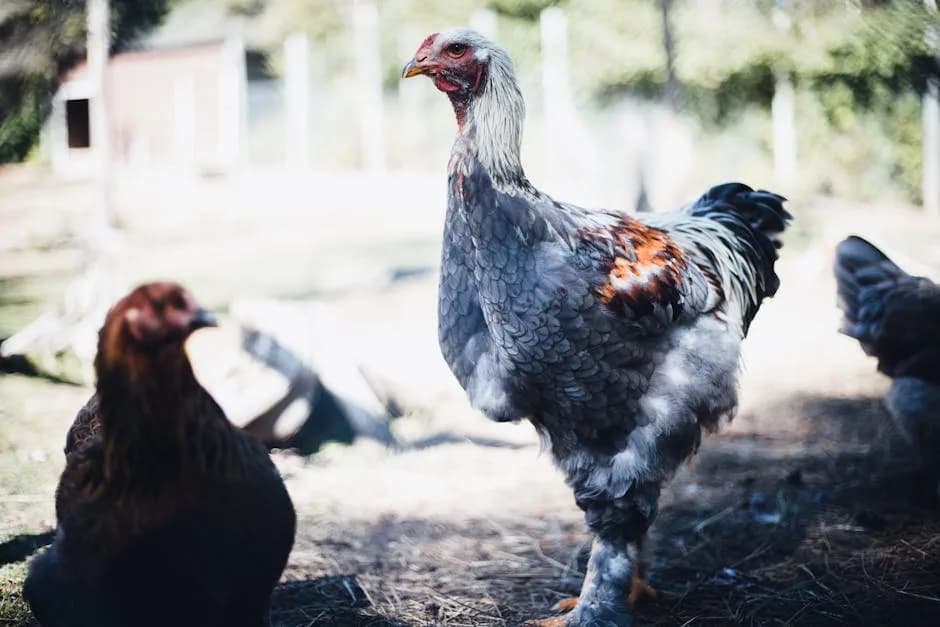
Heavy breeds like Brahmas, Buff Orpingtons, and Wyandottes struggle more with heat because of their body mass and dense feathering. Lighter breeds like Leghorns handle warm climates much better.
10 Ways to Keep Chickens Cool in Summer
1. Provide Plenty of Fresh, Cool Water
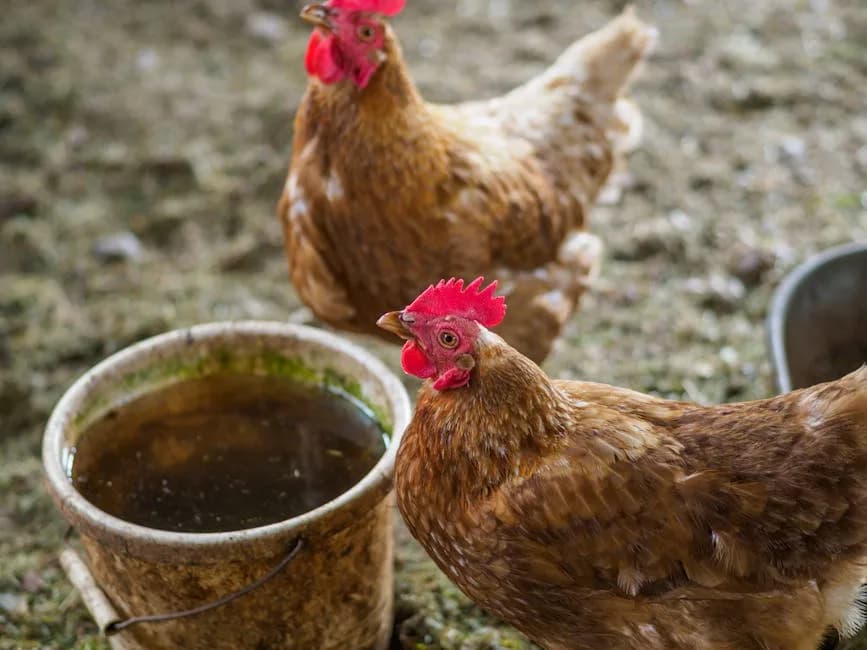
This is the single most important thing you can do. Chickens drink two to three times more water in hot weather than they do in mild temps. Place multiple waterers in shaded spots around the run, and refill them at least twice a day. Warm, sitting water won't help much.
A pro tip from experienced chicken keepers: freeze water bottles and drop them into your waterers. They'll keep the water cool for hours as they melt.
2. Create Shade
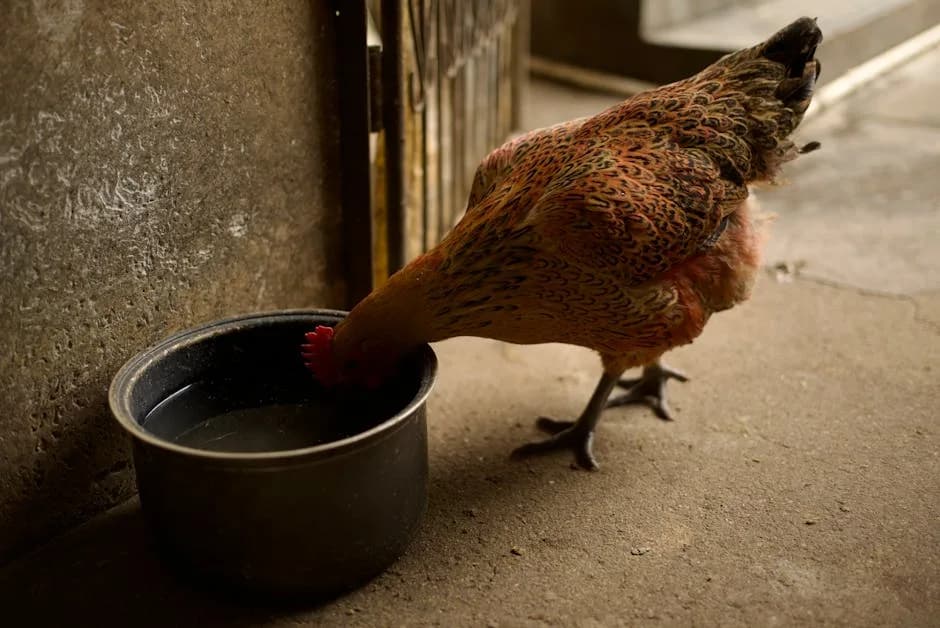
If your run doesn't have natural shade from trees, you need to create it. Options include:
- •Shade cloth or tarps stretched over part of the run
- •Umbrellas or pop-up canopies
- •Plywood lean-tos
- •Planting fast-growing vines along fence lines
Make sure there's enough shaded area for your entire flock to rest without crowding. Chickens won't share a tiny patch of shade peacefully.
3. Improve Coop Ventilation
Hot air rises, so your coop needs vents near the roofline to let it escape. During summer:
- •Open all windows and vents
- •Add hardware cloth-covered openings if your coop doesn't have enough
- •Consider a small fan for air circulation (solar-powered fans work great for coops without electricity)
- •Never seal up the coop on hot nights
Check out our coop building guide for more on designing proper ventilation.
4. Reduce Coop Bedding
Thick bedding traps heat. During summer, reduce your coop bedding to two inches or less. If you use the deep litter method during winter, switch to a thinner layer for the hot months. Sand bedding is a great summer option because it stays cooler than pine shavings or straw.
5. Set Up a Misting System
A simple garden mister or soaker hose near the coop can drop the temperature by 10-15°F in the surrounding area. You don't need anything fancy. A $10 misting attachment on your garden hose works fine.
Place the mister where chickens can choose to walk through it or avoid it. Some birds love getting misted; others hate it. Let them decide.
6. Offer Frozen Treats
Frozen fruits and vegetables serve double duty: they cool your birds down and provide nutrition. Try these summer favorites:
- •Frozen watermelon (the #1 chicken summer treat)
- •Frozen corn on the cob
- •Frozen berries (blueberries, strawberries)
- •Ice blocks with veggies frozen inside (keeps them busy pecking)
- •Frozen peas scattered on the ground
Avoid feeding too many treats in the hottest part of the day. Digestion produces body heat, so it's better to offer treats in the morning or evening.
7. Provide Shallow Wading Pools
Chickens cool off through their feet, which have great blood flow. A shallow pan of cool water (just an inch or two deep) gives them a place to stand and cool down. You don't want it deep enough to swim in; just enough to cover their feet.
Some keepers freeze water bottles and place them in the run so chickens can stand near them or lean against them.
8. Create Damp, Cool Ground
Wet down a shaded section of the run in the morning and again in the afternoon. The evaporation cools the ground and the surrounding air. Chickens will dig into the damp earth and lie in it to cool off.
This also creates a perfect spot for dust bathing, which chickens love in any season.
9. Adjust Feeding Times
Switch to feeding in the early morning and late evening when temperatures are lower. The metabolic process of digesting food generates internal heat, so you don't want your birds eating a big meal at 2 PM when it's 95°F outside.
For guidance on what and how much to feed, see our complete feeding guide.
10. Add Electrolytes to Water
On very hot days (above 95°F), adding electrolytes to your chickens' water helps replace minerals lost through panting. You can buy poultry electrolyte powder at most feed stores, or make your own with:
- •1 cup water
- •1/8 teaspoon salt
- •1/8 teaspoon baking soda
- •1 tablespoon sugar
Don't use electrolytes every day; save them for heat waves and days when you notice signs of stress. For specific product picks and how long to run them, see our guide to the best chicken probiotics and electrolytes.
Summer Water Tips
Water deserves extra attention in summer because it's literally life-or-death. Here are the details:
- •Multiple stations. Place at least two waterers in different spots. If one gets knocked over or runs dry, your birds still have access.
- •Shade every waterer. Water sitting in direct sun gets warm fast and grows bacteria quickly.
- •Clean daily. Algae and bacteria grow much faster in warm water. Scrub waterers every day in summer.
- •Bigger capacity. Switch to larger waterers or add extras. Running out of water on a 100°F day can be fatal within hours.
- •Ice cubes. Toss a handful of ice cubes into waterers throughout the day.
A full-size hen can drink over a pint of water per day in hot weather. Plan accordingly.
Frozen Treats and Cool Snacks
Beyond the frozen fruits mentioned above, here are more ideas that chicken keepers swear by:
Frozen herb ice blocks. Freeze water with fresh herbs like oregano, basil, or mint. The herbs provide some nutritional benefit, and the ice block keeps birds busy and cool as they peck at it.
Cold yogurt. A small amount of plain yogurt (not flavored) is a cooling probiotic snack. Don't overdo it since chickens are lactose-sensitive, but a tablespoon per bird occasionally is fine.
Chilled cucumber slices. High water content, low calories, and chickens love them.
Watermelon rinds. Don't throw them away. Chickens will pick them clean.
Coop Ventilation for Hot Weather
Your coop shouldn't feel like an oven when you open the door. If it does, you've got a ventilation problem. Here's what good summer ventilation looks like:
- •Cross ventilation. Openings on at least two sides of the coop so air can flow through.
- •Ridge vents or gable vents. Hot air rises, so openings near the roof are critical.
- •Hardware cloth, not solid walls. Cover openings with hardware cloth to keep predators out while letting air in. Our predator protection guide covers security details.
- •Fans. A small box fan or clip-on fan can make a huge difference. Point it so it creates airflow across the roosting area.
Some chicken keepers in very hot climates let their birds roost outside in a secure run during summer nights rather than shutting them in a stuffy coop. As long as the run is predator-proof, this can be a safer option than a poorly ventilated coop.
Which Breeds Handle Heat Best?
Not all chickens suffer equally in summer. Breeds with these traits handle heat better:
- •Smaller body size (less mass to cool)
- •Large combs (more surface area for heat dissipation)
- •Lighter feathering (less insulation)
- •Mediterranean origins (bred for warm climates)
Heat-tolerant breeds:
- •Naked Necks (bare neck sheds heat better than almost any breed)
- •Leghorns (excellent heat tolerance)
- •Easter Eggers (generally good)
- •Andalusians
- •Minorcas
- •Egyptian Fayoumis
Heat-sensitive breeds:
- •Brahmas (large body, heavy feathering)
- •Silkies (dense, unusual feathering)
- •Wyandottes (heavy and fluffy)
- •Cochins
If you're choosing breeds and you live in a hot climate, factor heat tolerance into your decision. Our best breeds for beginners guide includes climate considerations.
Summer Egg Production Changes
Don't be surprised if your hens lay fewer eggs during the hottest weeks of summer. Here's what to expect:
- •Egg production drops 10-20% when temps stay above 85°F for extended periods
- •Shell quality decreases because hens pant out carbon dioxide, which affects calcium metabolism
- •Eggs spoil faster if not collected promptly; gather eggs at least twice daily in summer
- •Some hens stop laying entirely during heat waves, then resume when temps drop
You can minimize production loss by keeping your flock cool with the tips above and making sure they have access to oyster shell for calcium. If you notice consistently thin or soft shells, it's almost certainly heat-related.
Store collected eggs in the refrigerator quickly during summer. An egg left in a 95°F nest box deteriorates rapidly.
Common Summer Health Problems
Beyond heat stress itself, summer brings a few other health challenges:
Parasites
Mites, lice, and flies thrive in warm weather. Check your birds regularly and keep the coop clean. Flies are attracted to wet bedding and droppings, so clean more frequently in summer. Fly traps near (but not inside) the coop help too.
Bumblefoot
Hot, dry ground can crack foot pads, leading to bumblefoot infections. Keep the run surface comfortable, and check feet during your regular flock inspections. Read more in our sick chicken symptoms guide.
Dehydration
A chicken without water on a hot day can die within hours. This is the #1 preventable summer death in backyard flocks. Check waterers morning and evening at minimum.
Broody Hens in Heat
A broody hen sitting on a nest in 95°F heat is at high risk. She's not eating, not drinking much, and generating extra body heat. If you don't want her to hatch eggs, break the broodiness. If she's sitting on fertile eggs, make sure she has food and water within reach and check on her frequently.
Frequently Asked Questions
What temperature is too hot for chickens?
Most chickens start showing heat stress above 85°F, and temperatures over 100°F are dangerous. Humidity makes it worse. Heavy breeds struggle earlier than light breeds. If your birds are panting with wings spread, they need immediate cooling help.
Can chickens die from heat?
Yes. Heat stroke kills backyard chickens every summer. It can happen in just a few hours if birds don't have shade, water, and ventilation. Young chicks, old hens, and heavy breeds are most vulnerable. Prevention is key since once a chicken is in full heat stroke, survival rates drop quickly.
Should I put a fan in my chicken coop?
A fan is a great idea for summer coop ventilation. It doesn't need to be anything special; a small box fan or clip-on fan works fine. Point it to create airflow across the roosting area, and make sure cords are secured where chickens can't peck at them.
Do chickens need air conditioning?
No. Chickens don't need AC, and it's not practical for most coops. Shade, ventilation, fresh water, and the other tips in this guide are enough to keep your flock safe in all but the most extreme heat. If you live somewhere where temps regularly exceed 110°F, consider heat-tolerant breeds.
How much water do chickens need in summer?
A full-size hen drinks about a pint of water per day in normal weather, but that can double or triple in summer heat. For a flock of six hens, plan on providing at least a gallon and a half per day during hot weather, and always have backup water available.
Summer doesn't have to be stressful for you or your flock. Start with fresh water and shade, add the extras as temps climb, and keep an eye on your birds during heat waves. They'll tell you when they're uncomfortable if you know what to look for.
For the flip side of seasonal care, check out our winter chicken care guide or get the full seasonal picture with our spring care checklist.
Sources:
- •University of Kentucky Cooperative Extension. Small Flock Poultry. https://poultry.extension.org/
- •Penn State Extension. Backyard Poultry Resources. https://extension.psu.edu/animals/poultry
- •University of Florida IFAS. 4-H Poultry Project. https://edis.ifas.ufl.edu/
- •Cornell University Cooperative Extension. Small-flock Poultry. https://cals.cornell.edu/
Related Guides
500+ Chicken Names: Cool, Funny, Cute & Anime Ideas
500+ cool, funny, cute, and anime chicken name ideas for hens and roosters, sorted by color, personality, breed, and theme, plus how to pick one that sticks.
Beginner GuidesHow to Care for a Rooster: A Complete Guide
How to care for a rooster: feeding, spur trimming, comb frostbite, hen ratios, taming, and health. A practical guide for backyard chicken keepers.
Beginner GuidesFall Chicken Care: 12 Steps to Prepare Your Flock for Winter
Complete fall chicken care checklist with 12 steps. Covers molting, coop prep, predator-proofing, feeding changes, and getting ready for cold weather.
Beginner GuidesSpring Chicken Care: 10-Step Checklist
Get your backyard chickens ready for spring with this 10-step care checklist. Covers coop cleaning, parasite checks, feeding tips, and adding new chicks.