15 Best Treats for Chickens (And the Foods to Avoid)
The 15 best treats for chickens, from mealworms and soldier fly larvae to greens and berries, with the research behind each, amounts, and what to avoid.
Researched from university extension, USDA, and veterinary sources. How we research.
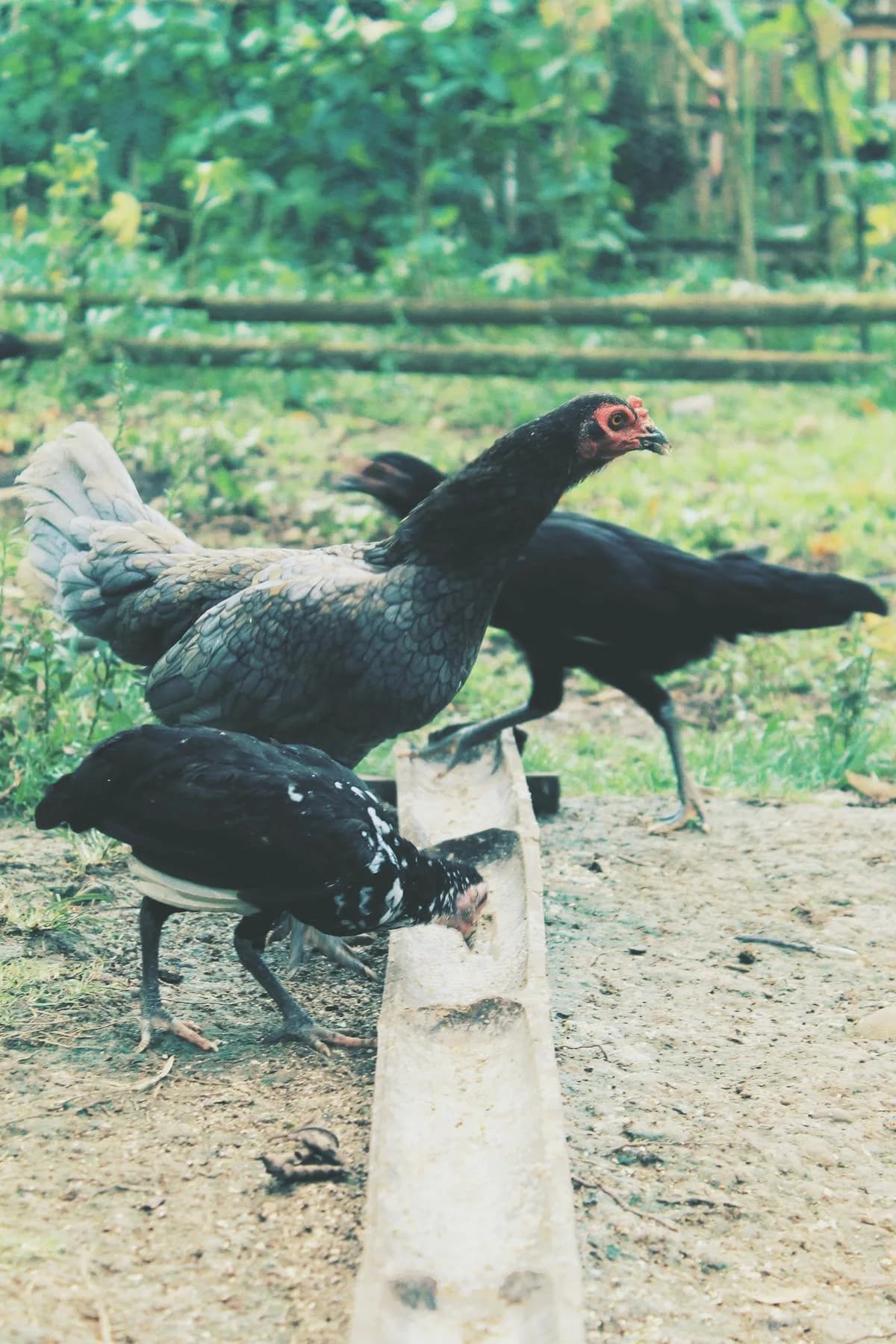
Chickens will eat nearly anything you throw into the run, which is why the best treats for chickens are the ones that give a hen something she can use, protein, water, or an afternoon's entertainment, without crowding out the layer feed that actually makes eggs. This list is fifteen of them, ranked loosely by how much a flock gets out of each, with the research behind the claims people make about them and the amounts that keep treats a bonus rather than a diet.
Two rules sit over everything below. The poultry extension service's feeding guide for small flocks puts the limit in practical terms: table scraps and scratch grains together should be no more than the flock can finish in about 20 minutes, because too many scraps and greens push out balanced feed and pull egg production down. Most keepers translate that into the rule of thumb of about 10 percent of the day's food. And anything besides feed needs grit, because a hen grinds food in her gizzard with small stones; a flock on bare ground finds its own, and a flock in a coop needs a dish of it.
What You'll Learn
- •Best protein treats
- •Best fruits
- •Best vegetables and greens
- •Best grains and seeds
- •Foods to never feed
- •How often, and how much
- •Treats for chicks
- •DIY treat ideas
Best Protein Treats for Chickens
Protein is the treat category that earns its place, because feathers are protein and a hen in molt is building a whole new set.
1. Dried Mealworms
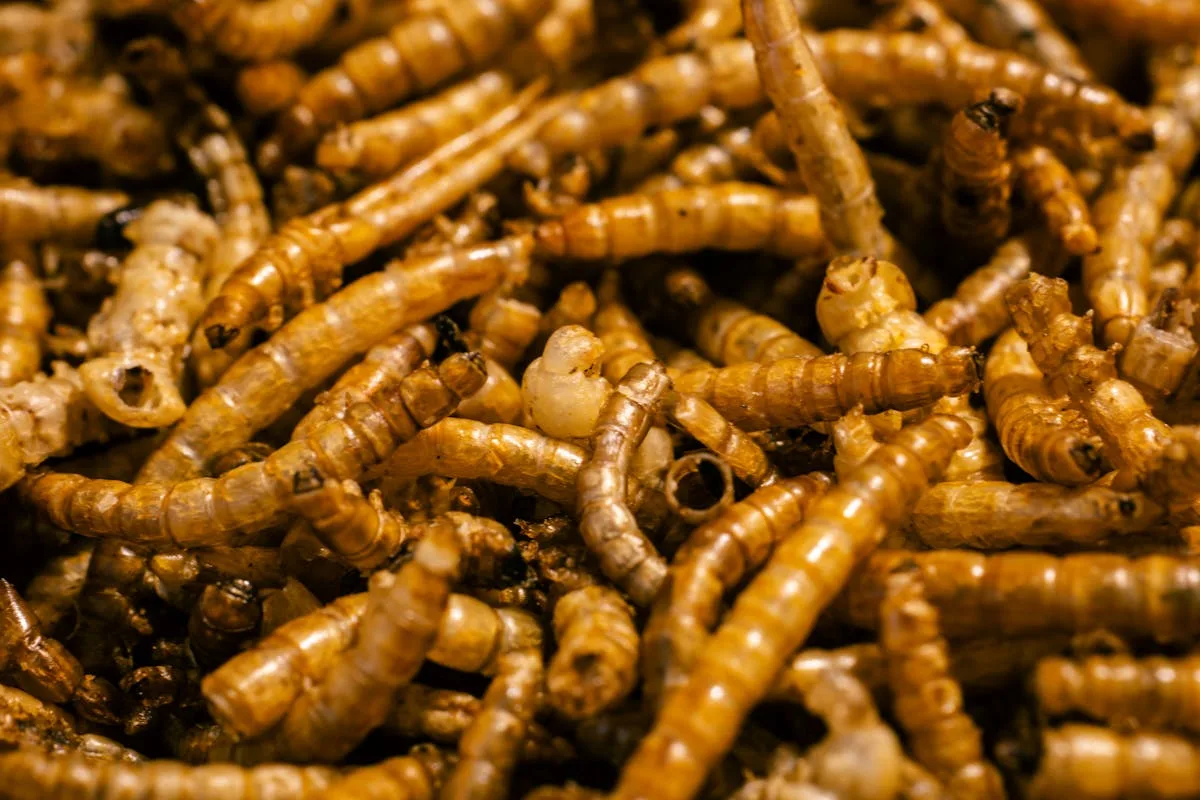
The standard chicken treat, and the numbers hold up. Analyses of mealworm larvae put crude protein between about 36 and 74 percent of dry matter depending on what the larvae were raised on, and a 2024 study in the Journal of Insect Science measured dried 12-week-old larvae at about 65 percent protein. A small handful per bird during molt is the classic use; the rest of the year a few per hen is a training treat, not a food. They are high in fat too, so do not confuse a mealworm-heavy flock with a well-fed one.
2. Black Soldier Fly Larvae
The newer option, and for layers the better one. A 2022 review in the journal Insects put black soldier fly larvae at roughly 22 to 65 percent crude protein on a dry basis with calcium anywhere from 1 to over 35 grams per kilogram depending on how they were raised, which is far more calcium than a mealworm carries. Poultry researchers feed them whole to broilers and layers in trials, and a backyard flock treats them exactly like mealworms. Dried larvae from a feed store are the practical form; the fat content is high, so the same handful-not-bowl rule applies.
3. Scrambled or Boiled Eggs
Cooked eggs are one of the best protein treats you can give a hen and cost nothing if you have cracked or dirty eggs you would not eat. Scramble or boil them plain, with no salt or oil, and cook them through. Feeding cooked egg does not teach hens to eat eggs in the nest box; a raw, broken egg in the box does, so collect often. Crushed shells can go back to the flock as a calcium source once they are dry and broken up past recognition.
4. Live Insects and Garden Bugs
Crickets from a pet store, grubs from the compost, and the beetles and larvae a flock turns up in mulch are the treats chickens were built for. Live bugs are enrichment first: a flock chasing crickets across a run is a flock that is not pecking each other. Let the birds work the garden beds after harvest and turn the compost in front of them.
Best Fruits for Chickens
Fruit is water and sugar. It is the right treat on a hot day and a limited one the rest of the year. Our what can chickens eat page has the full safe and unsafe list; the pages linked below have the details for each.
5. Watermelon
The best hot-weather treat there is, about 91 percent water with modest sugar, and the poultry extension heat-stress guide specifically recommends freezing watermelon or chopped fruit into an ice block to keep hens cool and busy without filling them up. Rind and seeds are fine. See can chickens eat watermelon.
6. Berries
Blueberries, strawberries, blackberries, and raspberries are small enough for any bird and low enough in sugar to be a regular fruit treat; blackberries and strawberries are the lowest. Scatter them so everyone gets some, and expect purple droppings the morning after the dark ones.
7. Apples and Grapes
Two flock favorites with one caution each. Apples need the seeds and core cut out, because the seeds carry amygdalin; a cored apple hung on a string is a classic boredom-buster. Grapes are the sweetest common fruit and a choking size for small birds, so halve them and keep the count low. The dog warning about grapes does not apply to chickens.
8. Bananas
Soft, sweet, and one of the easiest fruits to get into a sick or molting hen. Keep portions small because of the sugar, and see can chickens eat bananas for the peel, which is safe but rarely eaten.
Best Vegetables and Greens
Vegetables are the treats you can be generous with: low in sugar, high in fiber, and most of them double as entertainment.
9. Leafy Greens and Cabbage
Lettuce, kale, chard, and a whole cabbage on a string are the everyday greens. The cabbage tetherball is the cheapest enrichment in chicken keeping and lasts for days. Rotate the greens: spinach, chard, and beet greens are high in oxalic acid, which binds calcium in the gut, and while a handful in a mix is harmless, a flock fed oxalate-heavy greens every day is a flock getting less of the calcium its shells need. Kale, cabbage, and lettuce are the low-oxalate choices for the daily rotation.
10. Broccoli and Cauliflower
Hang a head and the flock jumps for it. Broccoli is one of the better scraps a hen can get, more protein and fiber than most vegetables and very little sugar, and the goitrogen worry does not hold up: broccoli is a low-goitrin brassica and the research finds no thyroid effect at normal intake. Stems and leaves are fine.
11. Pumpkin and Squash
Halve a pumpkin in October and the flock will empty it. The flesh, seeds, and skin are all safe. Pumpkin seeds get sold as a natural dewormer, and the honest state of the research is mixed: a 2023 trial that fed laying hens 10 grams of pumpkin seed a day found no effect on their roundworm burden, while an earlier trial in naturally infected chickens found a moderate reduction in worm counts compared with a drug. Feed the seeds because hens like them and they are rich in fat and zinc, not as a substitute for a real dewormer; see our chicken dewormer guide when you need one.
12. Cooked Sweet Potato and Carrots
The two beta-carotene vegetables. Cooked sweet potato is soft, filling, and good in winter; grated or cooked carrots are the low-sugar everyday version. Neither does much for yolk color, which comes mainly from the xanthophylls in corn and greens, but both are among the more nutritious scraps on this list. Regular potatoes must be cooked and never green.
13. Cucumbers, Celery, and Summer Squash
The watery vegetables. Cucumbers and zucchini halved in the shade are a hot-day standby, and celery is fine as long as it is chopped short so the strings cannot bind the crop.
Best Grains and Seeds
Grains are the easy treats and the ones to be most careful with, because they are the ones that displace feed.
14. Black Oil Sunflower Seeds
High in fat and protein, and a flock favorite. A sprinkle across the run gets the birds scratching, and the fat is useful in molt and in cold weather. A sprinkle is the operative word; sunflower seeds are the calorie-densest thing on this list.
15. Oats and Scratch Grains
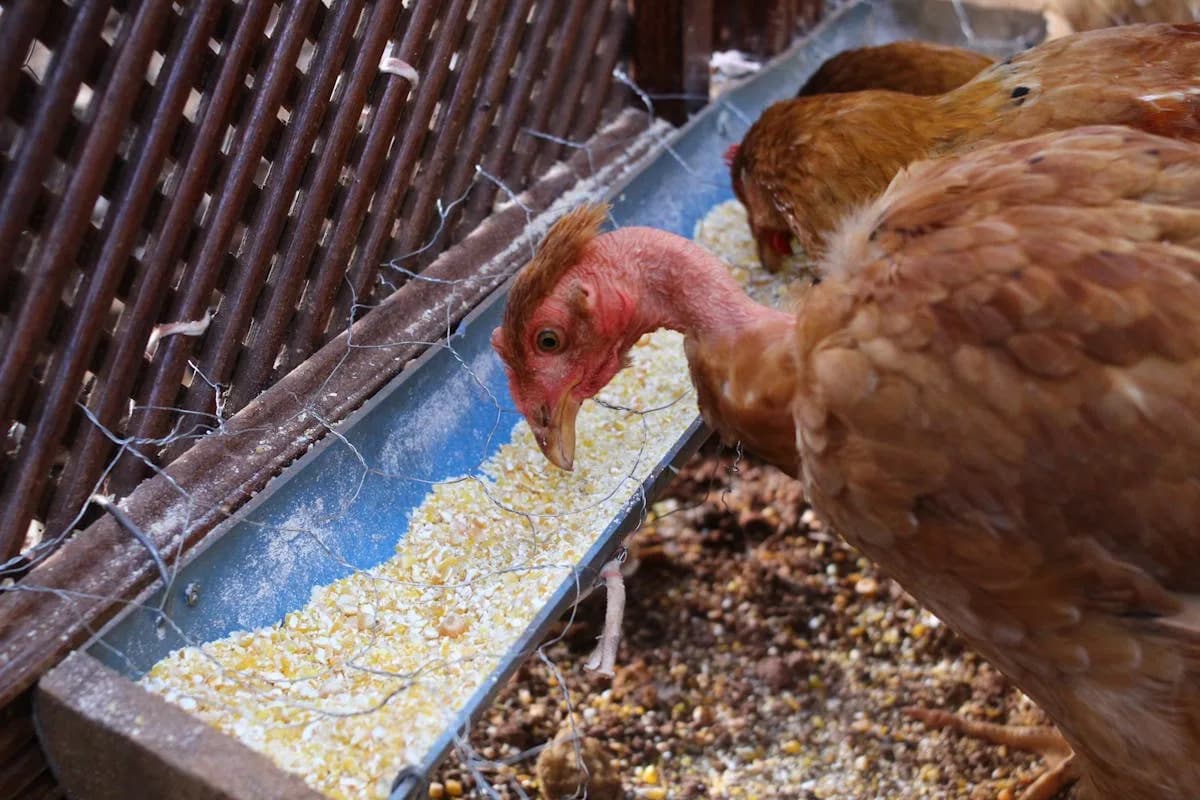
Plain rolled oats, dry or as a warm plain oatmeal in winter, are a harmless filler treat. Scratch, the cracked corn and grain mix, is the traditional one, and the poultry extension feeding guide describes it plainly: relatively low in protein, to be fed with grit, and never in amounts that displace the layer ration. A handful in the late afternoon in cold weather is the sensible use; the birds go to roost with full crops.
Foods You Should Never Feed Chickens
The University of Florida's extension published its never-feed list in 2026, and it matches the veterinary references. With the nightshade foliage added from our own solanine guide:
- •Avocado. Persin, which damages the heart in birds; the skin, pit, and leaves are worst and the flesh is not free of it.
- •Chocolate and caffeine. Theobromine and caffeine; coffee grounds and tea bags included.
- •Raw or dry beans. Phytohemagglutinin, which can kill a chicken. Cooked beans are fine.
- •Green or sprouted potatoes and their peels. Solanine; see can chickens eat potatoes.
- •Tomato and potato leaves, stems, and green fruit. The same solanine; see can chickens eat tomatoes.
- •Moldy or rotten food. Mold toxins. If you would not eat it, do not feed it.
- •Salty food. Chips, fast food, and seasoned leftovers; dehydration and kidney damage.
- •Onions in quantity, and garlic. Red blood cell damage over days. A stray piece is fine; a bowl is not.
- •Alcohol and fermented leftovers.
- •Apple seeds and stone-fruit pits. Cyanide compounds when crushed.
Most of these take more than a bite to hurt a hen. The point is to keep the avocado skins and the bag of dry beans where the flock cannot get them.
How Often Should You Give Chickens Treats?
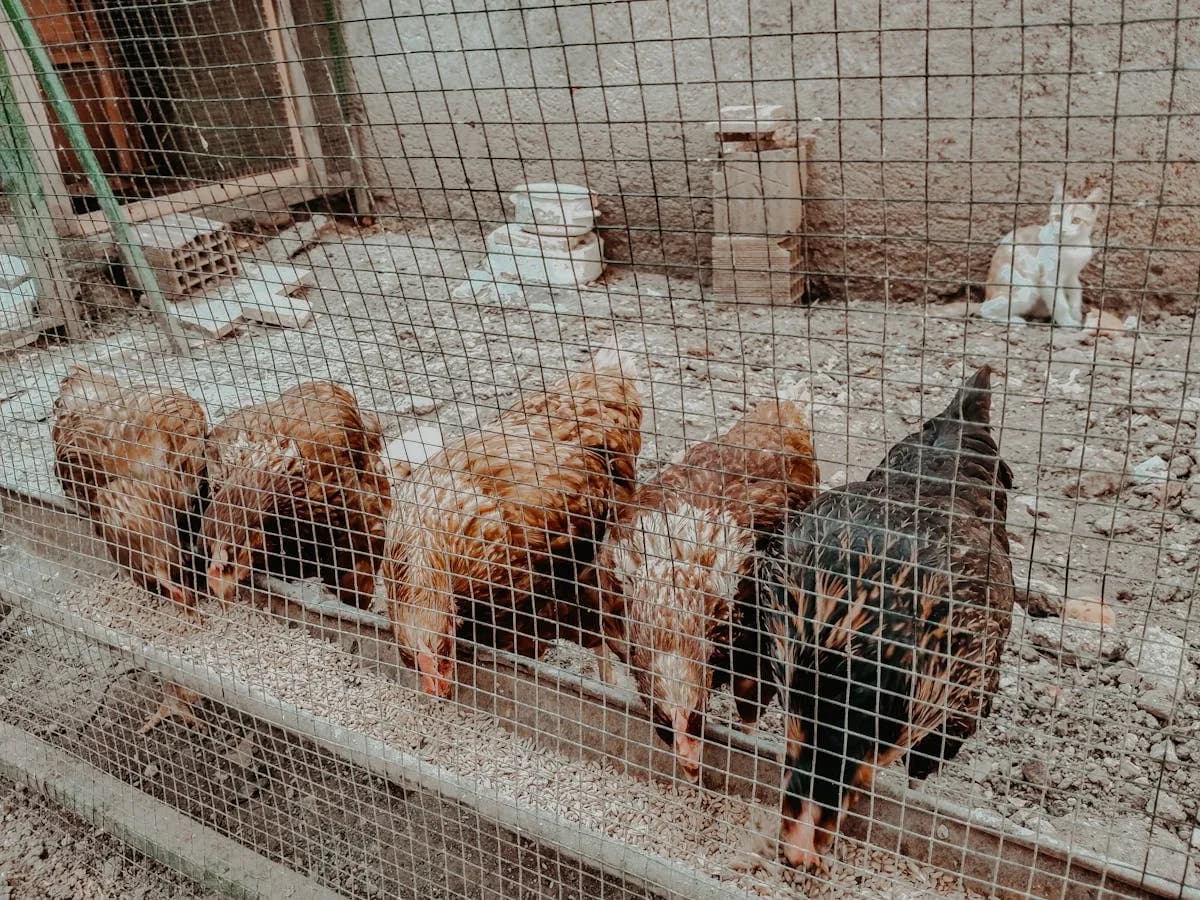
Daily is fine if the amount is right. The extension rule, scraps and scratch together finished in about 20 minutes, is easier to apply than a percentage, and for a standard hen it comes to a couple of tablespoons a day. A workable week:
- •Monday: greens, a cabbage on a string or scattered kale
- •Tuesday: a small handful of mealworms or black soldier fly larvae
- •Wednesday: fruit, watermelon in summer or a cored apple in winter
- •Thursday: a sprinkle of sunflower seeds or plain oats
- •Friday: vegetable scraps, broccoli, squash, or cooked sweet potato
- •Weekend: whatever the garden or kitchen produced, or nothing
During the fall molt, lean on the protein treats. If egg count drops and the treats have crept up, cut them back before looking for another cause; our guide to how many eggs a chicken lays a day covers the other reasons.
Treats for Baby Chicks
Chicks do best on starter feed and nothing else for the first couple of weeks. After that, tiny amounts of soft food are fine, chopped small, with chick grit in the brooder from the first day treats appear. Good first treats are a halved blueberry, finely grated carrot, chopped strawberry, or a crushed mealworm or two. Skip anything sugary, salty, or stringy. The brooder setup guide covers the feed side.
DIY Chicken Treat Ideas
Frozen fruit blocks. Berries, corn, and chopped melon frozen in a pan of water, which is the extension heat guide's own suggestion for hot days.
Cabbage tetherball. A whole cabbage on a rope at head height. Days of pecking for a dollar.
Hanging apple or broccoli. Same idea, shorter lifespan, cored apple only.
Winter suet. Melted coconut oil or lard mixed with oats, sunflower seeds, and mealworms, set in a muffin tin. Calories for cold nights; a small one per flock, not per bird.
Plain yogurt with oats. A spoonful of plain, unsweetened yogurt is fine and hens like it; small amounts of fermented dairy have even been fed to broilers in trials as a probiotic. Keep it to a spoonful, because too much dairy of any kind means loose droppings.
Frequently Asked Questions
Can chickens eat bread?
In small pieces, occasionally. Bread is safe but nutritionally empty, and a flock that fills up on it lays less. Never moldy bread. Plain popcorn and plain cooked rice follow the same rule, with popcorn the best of the three.
What is the best treat for chickens in winter?
Late-afternoon scratch or cracked corn so birds roost with full crops, plain warm oatmeal, sunflower seeds, and a cored apple or cabbage hung in the run to keep a confined flock busy. Our winter care guide covers the rest.
Are mealworms safe for baby chicks?
After the first couple of weeks on starter, yes, a crushed one or two per chick with chick grit available.
Can chickens eat kitchen scraps?
Most of them: vegetable trimmings, fruit, cooked rice and pasta, cooked meat and eggs. Nothing moldy, salty, greasy, or on the never list, and no more than the flock finishes in about 20 minutes.
Do treats affect egg production?
Yes, when they displace feed. The extension feeding guide is explicit that excessive scraps and greens reduce egg production, because the protein and calcium that make eggs come from the layer ration. Keep treats small and the eggs keep coming.
For everyday feeding, see our complete feeding guide, and for the full safe and unsafe list, what can chickens eat.
Sources:
- •Poultry Extension (eXtension). Feeding Chickens for Egg Production in Small and Backyard Flocks (scratch grains, grit, the 20-minute rule, scraps and egg production). https://poultry.extension.org/articles/feeds-and-feeding-of-poultry/feeding-chickens-for-egg-production/
- •Poultry Extension (eXtension). Managing Backyard Chickens During Periods of Extreme Summer Temperatures (frozen fruit blocks). https://poultry.extension.org/articles/poultry-management/managing-backyard-chickens-during-extreme-summer-temperatures/
- •UF/IFAS Extension Holmes County. 10 Foods You Should Never Feed Chickens. https://blogs.ifas.ufl.edu/holmesco/?p=28475
- •Influence of Dietary Protein Content on the Nutritional Composition of Mealworm Larvae. Insects 2023 (protein 36.3 to 74.1 percent of dry matter). https://pmc.ncbi.nlm.nih.gov/articles/PMC10053216/
- •Oven-drying and decontamination effects on crude protein concentration and in vitro crude protein digestibility of yellow mealworm. Journal of Insect Science 2024 (654 g/kg dry matter). https://pubmed.ncbi.nlm.nih.gov/39118393/
- •Nutritional Composition of Black Soldier Fly Larvae and Its Potential Uses as Alternative Protein Sources in Animal Diets: A Review. Insects 2022 (crude protein 216 to 655 g/kg, calcium 1.2 to 35.7 g/kg). https://pmc.ncbi.nlm.nih.gov/articles/PMC9502457/
- •Pumpkin seeds, lemongrass essential oil and ripleaf leaves as feed additives for Ascaridia galli infected laying hens. Veterinary Parasitology 2023 (10 g pumpkin seed per bird per day, no effect on worm burden). https://pmc.ncbi.nlm.nih.gov/articles/PMC10209233/
- •Use of Cactus Pear Meal in the Feeding of Laying Hens (oxalic acid binds calcium and other minerals). https://pmc.ncbi.nlm.nih.gov/articles/PMC10886249/
- •The effects of fermented milk products (kefir and yogurt) and probiotic on performance in broiler chickens. https://www.ncbi.nlm.nih.gov/pmc/articles/PMC6852855/
Related Guides
Chicken Starter Feed: A Complete Guide for Chicks
Chicken starter feed explained: protein levels, medicated vs unmedicated, crumble vs mash, how much to feed, and when to switch chicks to grower feed.
Feed & NutritionCan Chickens Eat Apples? Yes, But Core Them First
Chickens can eat apples, skin and all, but the seeds carry amygdalin, which releases cyanide. How much a hen would need to eat, how to feed apples, and cores.
Feed & NutritionCan Chickens Eat Avocado? No, and Here Is the Evidence
Chickens cannot safely eat avocado. Persin in the skin, pit, leaves, and flesh damages the heart in birds. What Merck and the case reports say, and what to do.
Feed & NutritionCan Chickens Eat Bell Peppers? Fruit Yes, Plant No
Chickens can eat bell peppers, seeds and all. The plant is a nightshade, so leaves and stems stay off the menu. Hot peppers, colors, how much, and chicks.