
Raising Chickens in Florida: 2026 Laws & Best Breeds
Raising chickens in Florida: city laws, permits, heat and humidity-tolerant breeds, hurricane prep, predators, and care tips.
Researched from university extension, USDA, and veterinary sources. How we research.
Florida's warm climate means your chickens can free-range nearly year-round, and you'll never worry about frozen waterers. But the Sunshine State brings its own challenges: brutal humidity, hurricanes, a long list of predators, and city ordinances that range from generous to outright bans. Here's your complete guide to raising chickens in Florida.
What You'll Learn
- •Are Backyard Chickens Legal in Florida?
- •Florida Chicken Laws by Major City
- •Best Chicken Breeds for Florida
- •Managing Florida's Heat and Humidity
- •Hurricane Preparedness for Your Flock
- •Common Predators in Florida
- •Parasites and Disease in Florida's Climate
- •Where to Buy Chicks in Florida
- •FAQ
Are Backyard Chickens Legal in Florida?
Florida has no state law banning backyard chickens. It's a "right to farm" state, which generally protects agricultural activities, but that protection applies mainly to agricultural-zoned land. In residential zones, your city or county ordinance is what actually determines whether you can keep chickens.
The rules vary dramatically across the state. Jacksonville is one of the most chicken-friendly major cities in the country, while Miami has been historically restrictive. Rural and unincorporated areas are almost always permissive.
Florida's agricultural heritage means the culture is generally pro-chicken, especially outside the major metro areas. But don't assume you're covered just because you're in Florida. Check your specific municipality before buying chicks.
Florida Chicken Laws by Major City
Important: City and county ordinances change frequently. The information below was researched in March 2026, using official municipal code references where available. Always verify with your local zoning or code enforcement office before starting a flock.
Jacksonville (Zoning Code Sec. 656.422)
- •"Chicken" means female only (Gallus domesticus); allowed with a single-family dwelling (Sec. 656.422(a))
- •Up to 5 chickens per residential lot; 5 additional per each additional 21,780 square feet over 1 acre (Sec. 656.422(c))
- •Permit required: one-time non-refundable $25 fee (current fees) plus completion of a chicken-keeping seminar from the Duval County Agricultural Extension Office, submitted to Planning and Development Department prior to placing any chickens (Sec. 656.422(b))
- •Roosters, ducks, geese, turkeys, peafowl, pheasants, quail and all other poultry/fowl prohibited (Sec. 656.422(c)(9))
- •Coop must be in the rear yard only (no front or side yards; corner/through lots excluded from side restriction), screened from neighbors' view with opaque fence and/or picture screen (Sec. 656.422(c)(2-3))
- •Minimum 3 square feet per chicken in the coop; maximum coop height 6 feet from natural grade (Sec. 656.422(c)(6))
- •If coop exceeds 100 square feet, a building permit is required (Sec. 656.422(c)(4))
- •Coop must be covered, ventilated, well-drained, completely secured from predators (Sec. 656.422(c)(5))
- •No slaughtering on premises (Sec. 656.422(c)(10)); personal use only, no selling chickens, eggs, or manure, no commercial breeding (Sec. 656.422(c)(11))
- •Not allowed on duplexes, triplexes, or multifamily; allowed in manufactured home subdivisions but not mobile home parks (Sec. 656.422(c)(8))
- •HOA/deed restriction consent required: applicants must certify whether property is deed-restricted, and if so, provide a signed consent form from an officer of the HOA confirming chickens are permitted (Sec. 656.422(h))
- •Permit holder consents to property inspection upon complaint (Sec. 656.422(f))
- •Dogs or cats that kill chickens are not considered dangerous/aggressive for that reason alone (Sec. 656.422(d))
- •Setbacks per Sec. 656.403 (accessory structures) (Sec. 656.422(c)(14))
Tampa (Zoning Code Sec. 27-282.28; see also Sec. 27-282.27)
- •Hens only (no roosters allowed)
- •1 chicken per 1,000 square feet of land, rounded down (so a 5,000 SF lot allows 5 hens; a 7,999 SF lot allows 7)
- •Chickens do not count toward the total number of animals permitted for a "family" under Sec. 27-43
- •Must be kept in an enclosed area (fenced or walled) at all times; coop required on property
- •Coop maximum height 6 feet, maximum area 125 square feet
- •Coop setbacks per Sec. 27-290 (accessory structures): 3 feet from side and rear lot lines, 60 feet from front lot line, 15 feet from corner lot line in RS-75/100/150 districts (7 feet in other residential)
- •Separate rule for other fowl (Sec. 27-282.27(e)): non-chicken fowl (turkeys, ducks, geese, etc.) require 5,000 SF per 5 birds and a 200-foot setback from any dwelling on adjoining property
- •Ordinance enacted June 2013 (Ord. No. 2013-73)
Orlando (City Code Sec. 6.19, Article III: Backyard Chickens)
- •Up to 4 chickens at an occupied single-family residence only (Sec. 6.19(2))
- •Permit required (personal to the permittee, non-transferable; if not the property owner, fee simple owner must consent) (Sec. 6.19(1))
- •Roosters, ducks, geese, turkeys, peafowl, pigeons and all other poultry/fowl prohibited (Sec. 6.19(3))
- •Not allowed on duplexes, triplexes, townhomes, multifamily properties, or community gardens (Sec. 6.19(4))
- •Chickens must be secured in a covered coop or fenced pen at all times; must use hardware cloth (chicken wire not permitted) (Sec. 6.19(5))
- •No selling of chickens, eggs, feathers, or manure; no breeding; no slaughtering on premises (Sec. 6.19(9-10))
- •Composting of manure allowed in enclosed bin, at least 20 feet from all property lines (Sec. 6.19(8))
- •Permit may be revoked at planning official's sole discretion; chickens must be removed within 10 days (Sec. 6.19(11))
- •Ordinance enacted October 2016 (Ord. No. 2016-79)
City of Miami (Municipal Code Sec. 6-1)
- •Poultry (chickens, turkeys, ducks, geese) allowed with a permit from the county health unit (Sec. 6-1(b)(1))
- •Maximum 15 hens and 30 growing chicks at any one time (Sec. 6-1(b)(2))
- •Roosters prohibited at all times (Sec. 6-1(b)(2))
- •100-foot setback from any human dwelling for all poultry pens or houses (Sec. 6-1(b)(3))
- •Poultry must not run at large; pens must be kept free from odors and fly breeding
- •Droppings removed at least twice weekly; food stored in rat-proof containers with tight-fitting covers
- •Note: This is the City of Miami only. Other municipalities within Miami-Dade County (Miami Beach, Coral Gables, etc.) have their own rules and may prohibit chickens entirely. Unincorporated Miami-Dade County has separate zoning standards. Check which jurisdiction your property falls under.
Fort Lauderdale (City Code Sec. 6-5 through 6-9)
- •Chickens are prohibited in all residential districts. Sec. 6-5 explicitly excludes chickens, roosters, and geese from the list of animals that may be kept as pets.
- •In nonresidential districts, animals (including poultry) must be kept at least 75 feet from any inhabited dwelling (Sec. 6-6)
- •Roosters must be kept at least 100 yards (300 feet) from any inhabited dwelling other than the owner's (Sec. 6-8)
- •Pens and coops must be cleaned and disinfected every fourth day (Sec. 6-9)
- •This is one of the strictest chicken bans among major Florida cities
St. Petersburg (City Code Sec. 4-31)
- •Fowl (chickens, turkeys, ducks, geese, guinea fowl) allowed if securely fenced and confined to the owner's premises
- •Maximum 10 fowl per property, regardless of lot size (Sec. 4-31(c)(f))
- •Minimum 4 square feet per fowl inside the coop, plus 10 square feet of open outdoor area per fowl (Sec. 4-31(c)(c-e))
- •Coop maximum height 6 feet, maximum 130 square feet; no coops in front yard setback or beyond front facade (Sec. 4-31(c)(b))
- •50-foot setback from any residence except the owner's, unless written consent is obtained from the neighbor (Sec. 4-31(d))
- •Roosters not blanket-banned, but crowing roosters that violate the noise ordinance (Sec. 11-53(7)) are declared nuisances. If convicted of a noise violation, fowl must be removed and no fowl may be kept at that property until ownership changes (Sec. 4-31(e))
- •No permit required; coops and fenced areas must be kept clean and free from offensive odors
- •Ordinance last amended April 2023 (Ord. No. 541-H)
Tallahassee (City Code Sec. 4-5; PDF)
- •Livestock and fowl are generally prohibited within city limits
- •Exception: Female chickens (hens) may be kept for non-commercial purposes if confined in a securely enclosed yard or pen at all times and kept no closer than 20 feet from neighboring dwellings
- •One rooster is allowed in conjunction with hens for the purpose of flock sustainability
- •No specific hen limit stated in the exception
- •On properties of 5 or more contiguous acres, horses and fowl are allowed without restriction
- •Violations can result in impoundment of the animals
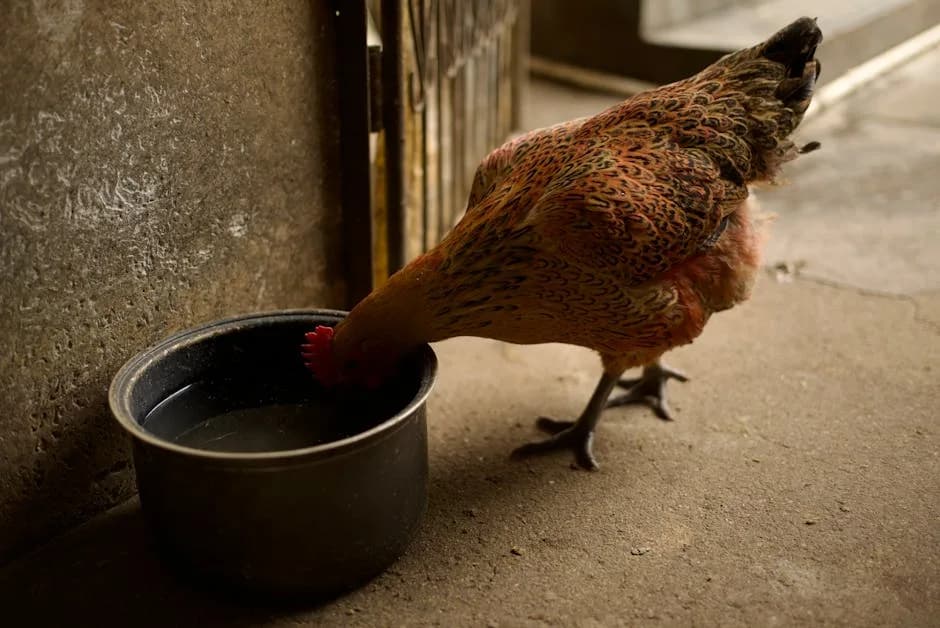
Best Chicken Breeds for Florida
Florida's combination of heat, humidity, and year-round warmth means you need breeds that can handle subtropical conditions. Cold hardiness doesn't matter here. Heat tolerance and disease resistance are everything.
Top Picks for Florida
- •Leghorn, The ultimate heat-tolerant layer. Light body, large comb (helps dissipate heat), and 280-320 eggs per year. White Leghorns do especially well because their light feathers reflect heat.
- •Rhode Island Red, Tough, adaptable, and productive in Florida's heat. They're also more disease-resistant than many breeds, which matters in Florida's parasite-heavy environment.
- •Easter Egger, Heat-tolerant, friendly, and they lay colorful eggs. Great for Florida families.
- •Plymouth Rock, Versatile dual-purpose breed that handles heat reasonably well. Good temperament for backyard flocks.
- •Australorp, Despite their dark feathers, Australorps are surprisingly heat-tolerant. They originated in Australia, which has similar heat challenges. Excellent layers.
Breeds to Avoid in Florida
Skip the heavy, cold-weather breeds. They'll suffer in Florida's humidity:
- •Brahma, Feathered feet and heavy body make them miserable in Florida's heat and wet conditions.
- •Cochin, Same problem. Too much feathering for a subtropical climate.
- •Silkie, Their fluffy plumage holds moisture and heat. Silkies struggle badly in humid climates.
- •Wyandotte, Built for cold, not for 95°F with 90% humidity.
Managing Florida's Heat and Humidity
Florida doesn't just get hot. It gets hot and humid, which is harder on chickens than dry heat. Chickens cool themselves by panting and holding their wings away from their body, but high humidity makes both methods less effective.
Summer Survival Tips
Shade is essential. Your run needs shade structures, trees, or shade cloth. Direct Florida sun with no escape will kill chickens through heat stroke.
Ventilation over insulation. Your Florida coop needs maximum airflow, not insulation. Open-air coops with hardware cloth walls work better than enclosed wooden structures. Think "screen porch," not "barn."
Multiple water stations. Place waterers in shaded areas and refresh them at least twice daily. Add ice blocks to waterers during heat waves. Consider nipple waterers to keep water cleaner.
Electrolytes during heat waves. When temps exceed 95°F, add poultry electrolytes to their water. You can also offer frozen fruit (watermelon is a Florida flock favorite).
Mud management. Florida's afternoon thunderstorms create constant mud. Improve the coop, use sand or gravel in the run, and ensure good drainage. Standing water breeds mosquitoes and bacteria.

Year-Round Advantages
The upside of Florida's climate? Your chickens can free-range 365 days a year. There's no winter lockdown, no frozen water, and no supplemental lighting needed for egg production. Most Florida hens lay consistently year-round, which is a huge advantage over northern flocks that slow down or stop in winter.
Hurricane Preparedness for Your Flock
If you keep chickens in Florida, you need a hurricane plan. This isn't optional.
Before Hurricane Season (June 1)
- •Inspect and reinforce your coop. Replace any weak boards, tighten hardware cloth, and ensure the roof is secure.
- •Identify an indoor evacuation space (garage, shed, bathroom) in case you need to bring chickens inside.
- •Stock 2 weeks of feed and water supplies in waterproof containers.
When a Storm is Coming
- •If it's a Category 1-2: Reinforce the coop, secure all doors, and ensure birds can't escape. Remove anything that could become a projectile.
- •If it's Category 3+: Bring the chickens inside. A large dog crate, a bathroom, or a garage works. Line the floor with bedding.
- •Secure or bring in all feeders, waterers, and portable structures.
After the Storm
- •Check the coop for damage before releasing birds.
- •Inspect the yard for standing water, debris, and downed power lines.
- •Watch for stress-related egg production drops. It can take 1-2 weeks for hens to resume normal laying after a stressful event.
Common Predators in Florida
Florida has one of the longest predator lists of any state:
- •Raccoons, The #1 chicken predator statewide. They're everywhere and they're smart. Use hardware cloth and locking latches on everything.
- •Hawks, Red-shouldered hawks and Cooper's hawks are common throughout Florida. Cover your run.
- •Snakes, Rat snakes, corn snakes, and black racers eat eggs and small chicks. They can squeeze through surprisingly small gaps. Hardware cloth with 1/2-inch mesh is essential.
- •Coyotes, Increasingly common in suburban Florida. Bury fence aprons 12 inches underground.
- •Foxes, Present throughout rural and suburban areas.
- •Opossums, They target eggs and chicks. Secure the coop at night.
- •Alligators, If you live near water (canals, ponds, lakes), yes, this is a real concern. Don't let chickens free-range near water's edge, and fence accordingly.
- •Fire ants, A uniquely Florida problem. Fire ant mounds near the coop can injure or kill chicks. Treat with poultry-safe ant control.
- •Bobcats, Present throughout Florida, especially in rural areas.
For detailed predator-proofing strategies, see our chicken predators guide.
Parasites and Disease in Florida's Climate
Florida's warm, humid climate is paradise for parasites. You'll deal with these year-round, not just seasonally:
- •Mites and lice, Check your flock monthly. Provide a dust bath area with diatomaceous earth mixed into sand.
- •Internal worms, Florida's wet conditions make worm loads higher than in drier states. Consider regular fecal testing through your vet and deworm as needed.
- •Mosquitoes, They carry fowl pox, which is common in Florida. Vaccinate your flock if fowl pox is prevalent in your area. Eliminate standing water near the coop.
- •Coccidiosis, Warm, damp bedding is a breeding ground. Keep bedding dry, use medicated starter feed for chicks, and watch for bloody droppings.
- •Bumblefoot, Wet conditions increase the risk. Check feet regularly and keep the coop floor clean and dry.
Early detection is key. Check out our guide on sick chicken symptoms to catch problems before they spread.
Where to Buy Chicks in Florida
- •Local feed stores, Tractor Supply carries chicks February through June. Local farm supply stores often stock breeds suited to Florida's climate.
- •Florida hatcheries, Greenfire Farms (based in Florida) specializes in rare breeds. They're pricier but ship locally.
- •National hatcheries, Cackle Hatchery, Murray McMurray, and Ideal Poultry all ship to Florida.
- •Facebook groups, Search "backyard chickens Florida" or your city name. Florida has a massive chicken-keeping community with active buy/sell groups.
- •Poultry swaps, Common throughout central and north Florida, especially around Ocala, Gainesville, and the panhandle.
Started pullets are your safest bet in Florida. Chicks are fragile in the heat, and you won't need heat lamps in summer (which is when most chicks are available). Expect $15-35 per started pullet.
FAQ
Do I need a permit to keep chickens in Florida?
It depends on your city. Jacksonville requires a permit and a chicken-keeping seminar (Sec. 656.422). Orlando requires a $25 permit. Tampa, St. Petersburg, and Tallahassee do not require permits for small flocks. Fort Lauderdale bans chickens entirely in residential districts. Always check with your local code enforcement before getting chickens.
How many chickens can I have in Florida?
City limits vary widely: Jacksonville allows 5 hens by permit, Tampa allows 1 hen per 1,000 square feet of land (no fixed limit), Orlando allows 4, and St. Petersburg allows up to 10 fowl with a 50-foot setback from neighbors. Unincorporated county areas are typically more permissive.
Are roosters legal in Florida?
Most Florida cities prohibit roosters, including Jacksonville, Tampa, Orlando, and Fort Lauderdale. Tallahassee is a notable exception: one rooster is permitted for flock sustainability. In St. Petersburg, roosters are not explicitly banned but are declared nuisances if a neighbor complains.
Do Florida chickens lay eggs year-round?
Yes! Florida's mild winters and long daylight hours mean most hens lay consistently through all four seasons. You won't see the winter egg drought that northern chicken keepers deal with. Expect a slight slowdown during the hottest weeks of summer when heat stress reduces production.
What about hurricanes and chickens?
Have a plan. For mild storms, reinforce your coop. For major hurricanes (Category 3+), bring chickens inside to a garage or spare room in dog crates. Stock 2 weeks of feed and water before hurricane season starts June 1.
Picking a coop for Florida? The breed you choose matters, but so does the coop. Our best chicken coops on Amazon roundup covers picks across flock sizes and price ranges, with notes on which models hold up best in different climates.
Raising Chickens in Other States
If you're moving, considering a different state, or just curious how the rules compare, browse our other state guides:
Northeast: Connecticut, Delaware, Maine, Maryland, Massachusetts, New Hampshire, New Jersey, New York, Pennsylvania, Rhode Island, Vermont
Southeast: Alabama, Georgia, Kentucky, Louisiana, Mississippi, North Carolina, South Carolina, Tennessee, Virginia, West Virginia
Midwest: Illinois, Indiana, Iowa, Kansas, Michigan, Minnesota, Missouri, Nebraska, North Dakota, Ohio, South Dakota, Wisconsin
South & Southwest: Arizona, Arkansas, New Mexico, Oklahoma, Texas
Mountain & West: Alaska, California, Colorado, Hawaii, Idaho, Montana, Nevada, Oregon, Utah, Washington, Wyoming
Related Guides
Raising Chickens in Alaska: 2026 Laws & Best Breeds
Raising chickens in Alaska: laws for Anchorage, Fairbanks, Juneau, plus extreme cold-hardy breeds and sub-arctic care tips.
State GuidesRaising Chickens in Delaware: 2026 Laws & Best Breeds
Raising chickens in Delaware: laws for Wilmington, Dover, Newark, plus best breeds and tips for the First State's climate.
State GuidesRaising Chickens in Idaho: 2026 Laws & Best Breeds
Raising chickens in Idaho: laws for Boise, Meridian, Nampa, plus cold-hardy breeds and tips for the state's varied climate.
State GuidesRaising Chickens in Kansas: 2026 Laws & Best Breeds
Raising chickens in Kansas: laws for Wichita, Overland Park, Topeka, plus hardy breeds and storm-ready coop tips for the Sunflower State.