Raising Chickens in Minnesota: 2026 Laws & Best Breeds
Raising chickens in Minnesota: laws for Minneapolis, St. Paul, Rochester, Duluth, plus cold-hardy breeds and winter care.
Researched from university extension, USDA, and veterinary sources. How we research.
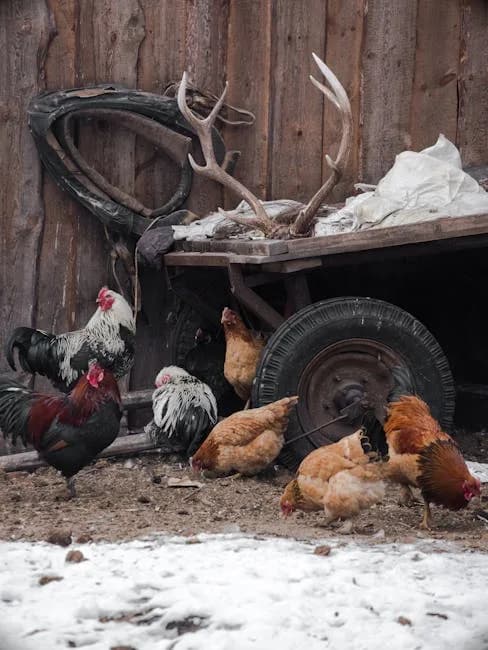
Minnesota has no statewide ban on backyard chickens. The state's biggest cities, including Minneapolis, St. Paul, Duluth, and Rochester, all allow hens with permits. Minnesota's agricultural roots run deep, and the urban chicken movement has been growing steadily across the Twin Cities metro and beyond. The real test is winter. Temperatures regularly hit -10F or colder, and stretches below zero can last for weeks. Pick cold-hardy breeds, insulate your coop properly, and your flock will do fine. Chickens handle cold better than heat, and Minnesota breeds have been proving that for decades.
What You'll Learn
- •Are Backyard Chickens Legal in Minnesota?
- •Minnesota Chicken Laws by City
- •Can You Sell Eggs in Minnesota?
- •Best Chicken Breeds for Minnesota's Climate
- •Winter Care in Minnesota
- •Summer Care and Humidity
- •Common Predators in Minnesota
- •FAQ
Are Backyard Chickens Legal in Minnesota?
Yes, in most places. Minnesota doesn't have a statewide ordinance that bans or regulates backyard chickens. Each city, township, and county sets its own rules through local zoning codes and animal control ordinances. Most of Minnesota's largest cities allow hens with a permit and flock size limits. Roosters are banned in nearly every urban area.
Before you buy chicks, check three things: your city's animal or zoning ordinance, any HOA restrictions on your property, and whether your specific zoning classification permits poultry. Even in chicken-friendly cities, an HOA covenant can override city rules.
The Minnesota Board of Animal Health (BAH) oversees poultry health at the state level, focusing on disease reporting, biosecurity, and the National Poultry Improvement Plan (NPIP). They don't regulate flock size or permits. That's all local.
Minnesota Chicken Laws by City
Important: City and county ordinances change frequently. The information below was researched in March 2026 but may not reflect the latest rules. Always verify with your local zoning or code enforcement office before starting a flock. Links to official sources are provided where available.
Minneapolis
City of Minneapolis Fowl Permits | Minneapolis Code of Ordinances 63.90 - Fowl
Minneapolis allows chickens, turkeys, ducks, pigeons, and quail with a fowl permit.
- •Hens: Up to 6 fowl with a basic permit. Up to 15 with a larger permit, and up to 30 with the highest tier.
- •Roosters: Allowed with a separate rooster permit ($110/year). This is unusual for a major city.
- •Permit: Required through Minneapolis Animal Care & Control. Call 311 to apply. You'll need neighbor consent, a completed fowl education course, and zoning approval from Community Planning & Economic Development.
- •Fees: 1-6 birds: $32/year. 7-15 birds: $58/year. 16-30 birds: $84/year. Roosters: $110/year.
- •Coop requirements: Residential coops must meet zoning setback rules. An animal control officer inspects the property before the permit is approved.
- •Other rules: You can't purchase birds until your permit is approved.
St. Paul
City of St. Paul Backyard Chicken Keeping
St. Paul has a two-tier permit system for backyard chicken keeping.
- •Tier One: Up to 6 hens. Initial permit fee is $26, annual renewal is $16. You must notify all adjacent neighbors in writing before starting your flock.
- •Tier Two: 7 to 15 hens. Initial fee is $76, annual renewal is $28. Requires a petition with 75% approval from neighbors within 150 feet on the same side of the street.
- •Roosters: Prohibited citywide.
- •Maximum: No more than 15 birds total at any time.
- •Inspections: Animal Control Officers inspect Tier One and Tier Two permits annually.
- •Other rules: If your coop is over 200 square feet or uses electricity, you'll also need a building and/or electrical permit. On-site slaughter is not addressed in the chicken permit but check local health codes.
Rochester
City of Rochester Animal Licensing | Rochester Code of Ordinances Chapter 3-4
Rochester allows chickens with a permit from the City Clerk.
- •Hens: Up to 3 hens with a standard permit. Up to 12 hens if you're involved in educational or instructional activity (requires a letter of request).
- •Roosters: Not allowed.
- •Permit: Required. Contact the City Clerk's office. Permits are biennial (every two years).
- •Setbacks: Coops must be at least 25 feet from any neighboring residential structure.
- •Other rules: Applicants must submit a site diagram showing the coop location relative to property lines and neighboring buildings.
Duluth
City of Duluth Chicken Keeping (PDF) | Duluth City Code Sec. 6-79
Duluth allows chickens in residential zones with an annual license.
- •Hens: Up to 5 chickens in residential zones (single-family dwelling). Suburban zones (S districts) may allow more and don't require a license.
- •Roosters: Not allowed.
- •License: Required for residential zones through the City Clerk. Annual license, runs January through December.
- •Requirements: The property must be a single-family dwelling. Chickens can't be kept inside the house. No on-site slaughter. The license is conditioned on passing a mandatory inspection by animal control.
- •Revocation: The city can revoke your license after three violations within 12 months.
Bloomington
City of Bloomington Beekeeping and Chickens | Bloomington City Code 12.115
Bloomington allows hens on single-family and two-family residential properties.
- •Hens: Up to 4 hen chickens per property (in addition to the 4-pet maximum for other domestic animals).
- •Roosters: Not allowed anywhere in the city.
- •Multi-family: Chickens are not allowed on properties with three or more dwelling units.
- •Setbacks: Shelters must be at least 30 feet from the property lot line and 50 feet from any dwelling on an abutting parcel. The shelter must also be closer to your own dwelling than to any neighbor's dwelling.
- •Location: Rear or side yard only, at least 50 feet from any adjacent street.
- •Coop requirements: Maximum 120 square feet, no taller than 6 feet. An enclosure can't exceed 20 square feet per bird. Overhead netting required. A 6-foot solid privacy fence is required to screen the coop from adjacent residential properties.
- •Other rules: Chickens must remain in the shelter or enclosure at all times. Chickens over 4 weeks old can't be kept inside a dwelling or garage. The shelter must be winterized.
Other Cities
Several other Minnesota cities allow backyard chickens. A few to be aware of:
- •Eden Prairie allows hens with zoning setback requirements. Contact the city's planning department for current rules.
- •Brooklyn Park currently requires a minimum of 5 acres to keep chickens on residential property. The city council has considered changing this but hasn't passed a new ordinance as of early 2026.
- •Maple Grove has historically required large lots (1 acre or more) for poultry. Check with the city for current rules.
If your city isn't listed here, search for "[your city] municipal code poultry" or call your city's zoning office.
Can You Sell Eggs in Minnesota?
Yes, with some rules. Minnesota is fairly friendly to small-scale egg sellers.
According to the Minnesota Department of Agriculture, if you're selling eggs from your own flock and have fewer than 3,000 laying hens, you're excluded from licensing and exempt from inspection. Sales made directly to consumers at your farm are fully permitted under this exemption.
If you sell at farmers' markets or deliver eggs off-farm, you'll need to follow basic labeling rules: your name, address, and the grade (or "ungraded") must appear on the carton. Eggs must be clean and stored properly.
You don't need a food handler's license for direct-to-consumer sales from your own small flock. But if you're selling through a retail store or restaurant, different rules apply. Check the MDA's egg sale guidance (PDF) for full details.

Best Chicken Breeds for Minnesota's Climate
Minnesota winters are brutal. You need breeds with small combs (less prone to frostbite), dense feathering, and a calm temperament that handles confinement well. Here are the best picks:
Buff Orpington is the classic cold-weather choice. Heavy body, thick plumage, docile personality. They lay around 200-280 light brown eggs per year and tolerate confinement without going stir-crazy. Great for families.
Plymouth Rock (Barred Rock) is another cold-hardy staple. They're friendly, consistent layers of 200-250 brown eggs per year, and their rose or single comb handles cold well. Barred Rocks have been popular in the Upper Midwest for over a century.
Wyandotte is practically built for Minnesota. Their rose comb sits close to the head, which dramatically reduces frostbite risk compared to single-comb breeds. Wyandottes lay about 200 brown eggs per year and come in beautiful color varieties like Silver Laced and Golden Laced.
Australorp holds the world record for egg production (364 eggs in 365 days, set in the 1920s). They're cold-hardy, calm, and reliable layers of 250+ brown eggs per year. Their black plumage absorbs winter sunlight.
Brahma is one of the largest chicken breeds, and their massive size helps them retain body heat. They have feathered feet (keep bedding dry to prevent frostbite on toes), pea combs, and a gentle disposition. They lay about 150-200 brown eggs per year and continue laying through winter better than many breeds.
Rhode Island Red is a tough, no-nonsense layer that produces 250-300 brown eggs per year. They handle cold well, forage aggressively when they can, and are one of the most beginner-friendly breeds available.
Breeds to avoid in Minnesota: Mediterranean breeds like Leghorns have large single combs that are very prone to frostbite. They're excellent layers but not ideal for Minnesota's extreme cold unless you take extra precautions.
Winter Care in Minnesota
Winter is the biggest challenge for Minnesota chicken keepers. Temperatures can drop to -20F or colder, and the cold season lasts from November through March (sometimes April).
Coop Insulation and Ventilation
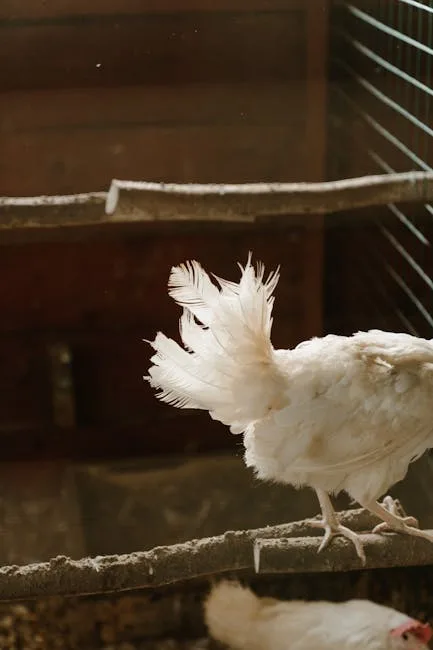
The most common mistake is sealing the coop too tightly. Chickens produce a lot of moisture from breathing and droppings. A sealed coop traps that moisture, which causes frostbite faster than cold air alone. You need ventilation openings near the roofline that let moist air escape without creating drafts at roost level.
Insulate walls and ceiling if your coop is uninsulated. Rigid foam board works well. The goal isn't to make the coop warm; it's to keep it above 0F inside when it's -20F outside and to control moisture.
Heating
Most experienced keepers in Minnesota don't heat their coops, or use only a flat-panel radiant heater for the coldest nights. Heat lamps are a fire hazard and the number one cause of coop fires. If you do add heat, use a thermostat-controlled panel heater mounted securely.
Cold-hardy breeds can handle single digits and even below zero without supplemental heat, as long as the coop is dry and draft-free.
Water
Water freezes fast in Minnesota winters. A heated waterer base or a heated poultry fountain is essential. Check water at least twice daily. Dehydration in winter reduces egg production and can make chickens more vulnerable to illness.
Roost Design
Wide, flat roosts (2x4 lumber with the wide side up) let chickens cover their feet with their body feathers while sleeping. This prevents frostbitten toes. Round dowel roosts don't let them do this.
Lighting
Minnesota gets as few as 8-9 hours of daylight in December. Hens need about 14-16 hours of light to maintain egg production. A simple timer-controlled LED light in the coop, set to turn on early in the morning, can keep your flock laying through winter. Add light in the morning, not the evening, so chickens naturally go to roost at dusk.
Summer Care and Humidity
Minnesota summers are milder than southern states, but July and August can bring stretches of 90F+ heat with high humidity. Chickens don't sweat and regulate temperature through panting, so heat stress is possible.
Provide shade in the run. A tarp, shade cloth, or natural tree cover all work. Make sure fresh, cool water is always available. On the hottest days, add ice cubes to the waterer or offer frozen fruit as treats.
Good coop ventilation matters year-round. Open windows and vents on hot days to maximize airflow. Hardware cloth over openings keeps predators out while letting air through.
If you have heavy, dense-feathered breeds like Brahmas or Cochins, watch them closely during heat waves. They feel the heat more than lighter breeds.
Common Predators in Minnesota
Minnesota has a full lineup of chicken predators:
- •Raccoons are the most common threat. They're strong enough to reach through chicken wire and pull birds through the gaps. Use hardware cloth (1/2-inch welded wire), not chicken wire, for your run and coop openings.
- •Hawks and owls are a major aerial threat, especially Red-tailed Hawks. Covered runs or overhead netting protect free-ranging birds. Great Horned Owls hunt at dusk and dawn.
- •Foxes (red fox) are common throughout Minnesota. They dig under fences and are bold enough to hunt during daylight. Bury hardware cloth 12 inches deep around your run perimeter or install an apron.
- •Mink and weasels can fit through surprisingly small openings (1 inch or less). They kill multiple birds in a single attack. Seal every gap in your coop with hardware cloth.
- •Coyotes are present in rural and suburban areas across Minnesota. Secure fencing and closing the coop at dusk are your best defenses.
- •Domestic dogs are an underrated threat, especially in suburban areas. A loose dog can kill an entire flock in minutes.
For a deeper look at predator-proofing, see our chicken predator protection guide.
FAQ
Do I need a permit to keep chickens in Minnesota?
It depends on your city. Minneapolis, St. Paul, Rochester, Duluth, and Bloomington all require permits or licenses. Some smaller towns and rural areas don't. Always check your local city or county ordinance before getting chickens.
Can I keep a rooster in Minnesota?
In most Minnesota cities, roosters are banned. Minneapolis is a notable exception, allowing roosters with a separate $110/year permit. In rural and unincorporated areas, roosters are generally allowed. Check your local rules.
How many chickens can I have in Minneapolis?
Minneapolis allows up to 6 fowl with the basic permit ($32/year). You can keep up to 15 with a mid-tier permit ($58/year) or up to 30 with the highest tier ($84/year). You'll need neighbor consent, a fowl education course, and zoning approval.
Can chickens survive Minnesota winters?
Yes, if you pick cold-hardy breeds and provide a dry, well-ventilated coop. Breeds like Wyandottes, Buff Orpingtons, Plymouth Rocks, and Brahmas handle below-zero temperatures well. Avoid drafts, control moisture, and provide a heated waterer.
Can I sell eggs from my backyard flock in Minnesota?
Yes. If you have fewer than 3,000 layers and sell directly to consumers, you're exempt from licensing and inspection under Minnesota law. You'll need to follow basic labeling rules for off-farm sales. See the Minnesota Department of Agriculture's egg sale guidance for details.
Your flock is waiting. If you're just getting started, check out our complete beginner's guide to raising backyard chickens for everything you need to know before your first chick arrives.
Picking a coop for Minnesota? The breed you choose matters, but so does the coop. Our best chicken coops on Amazon roundup covers picks across flock sizes and price ranges, with notes on which models hold up best in different climates.
Raising Chickens in Other States
If you're moving, considering a different state, or just curious how the rules compare, browse our other state guides:
Northeast: Connecticut, Delaware, Maine, Maryland, Massachusetts, New Hampshire, New Jersey, New York, Pennsylvania, Rhode Island, Vermont
Southeast: Alabama, Florida, Georgia, Kentucky, Louisiana, Mississippi, North Carolina, South Carolina, Tennessee, Virginia, West Virginia
Midwest: Illinois, Indiana, Iowa, Kansas, Michigan, Missouri, Nebraska, North Dakota, Ohio, South Dakota, Wisconsin
South & Southwest: Arizona, Arkansas, New Mexico, Oklahoma, Texas
Mountain & West: Alaska, California, Colorado, Hawaii, Idaho, Montana, Nevada, Oregon, Utah, Washington, Wyoming
Related Guides
Raising Chickens in Alaska: 2026 Laws & Best Breeds
Raising chickens in Alaska: laws for Anchorage, Fairbanks, Juneau, plus extreme cold-hardy breeds and sub-arctic care tips.
State GuidesRaising Chickens in Delaware: 2026 Laws & Best Breeds
Raising chickens in Delaware: laws for Wilmington, Dover, Newark, plus best breeds and tips for the First State's climate.
State GuidesRaising Chickens in Idaho: 2026 Laws & Best Breeds
Raising chickens in Idaho: laws for Boise, Meridian, Nampa, plus cold-hardy breeds and tips for the state's varied climate.
State GuidesRaising Chickens in Kansas: 2026 Laws & Best Breeds
Raising chickens in Kansas: laws for Wichita, Overland Park, Topeka, plus hardy breeds and storm-ready coop tips for the Sunflower State.