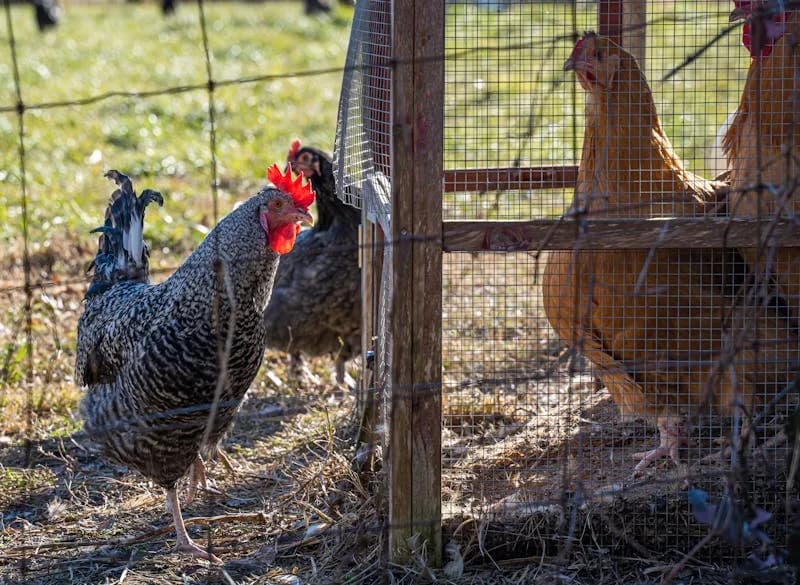
Raising Chickens in Missouri: 2026 Laws & Best Breeds
Raising chickens in Missouri: laws for Kansas City, St. Louis, Springfield, Columbia, plus heat-hardy breeds and seasonal care.
Researched from university extension, USDA, and veterinary sources. How we research.
Missouri is one of the friendlier states for backyard chicken keeping. There's no statewide ban on residential poultry, and many of Missouri's largest cities have adopted ordinances that specifically allow small hen flocks. The Show-Me State's agricultural heritage means chickens are a familiar sight in both rural and suburban areas. That said, regulations vary significantly from one city to the next, so you'll need to check your local ordinances before ordering your first batch of chicks.
What You'll Learn
- •Are Backyard Chickens Legal in Missouri?
- •Missouri Chicken Laws by Major City
- •Best Chicken Breeds for Missouri Climate
- •Summer Heat Management
- •Winter Care for Missouri Flocks
- •Common Predators in Missouri
- •Can You Sell Eggs in Missouri?
- •FAQ
Are Backyard Chickens Legal in Missouri?
Yes, in most places. Missouri doesn't have a single statewide law that bans or permits backyard chickens. Instead, each city, town, and county sets its own rules through zoning ordinances, animal control codes, and health regulations. Many of Missouri's larger cities allow hens with reasonable restrictions on flock size, coop placement, and rooster keeping.
Before getting chickens, check three things: your city's zoning and animal control ordinances, any HOA or deed restrictions on your property, and whether your municipality requires a permit. In unincorporated areas of most Missouri counties, chickens are generally allowed with few restrictions since those areas fall under county jurisdiction rather than city codes.
Missouri Chicken Laws by Major City
Important: City and county ordinances change frequently. The information below was researched in March 2026 but may not reflect the latest rules. Always verify with your local zoning or code enforcement office before starting a flock. Links to official sources are provided where available.
Kansas City
Kansas City Code of Ordinances, Chapter 14 - Animals
Kansas City allows backyard chickens under Section 14-15 of the city code.
- •Hens: Up to 15 chickens allowed per residential property.
- •Roosters: Allowed only if kept at least 300 feet from neighboring residences.
- •Setbacks: Chicken coops and pens must be at least 100 feet from any neighboring dwelling. Residents who can't meet the 100-foot requirement can apply for a Special Exception Permit with written permission from neighbors within that distance.
- •Permit: No general permit required for keeping chickens if you meet the 100-foot setback. The Special Exception Permit applies only if you need relief from the setback rule.
- •Other rules: Enclosures must be kept clean and sanitary. Odors and manure must be managed to avoid nuisance complaints.
St. Louis (City)
City of St. Louis Animal Laws and Regulations | Ordinance 70608
St. Louis passed Ordinance 70608 in 2017, which expanded chicken keeping rights for city residents.
- •Fowl: Up to 8 fowl per parcel, with density based on enclosure size: one fowl per 4 square feet of indoor space and 10 square feet of outdoor space.
- •Roosters: Not allowed within city limits.
- •Permit: No permit required for 8 or fewer fowl. Keeping more than 8 small farm animals requires a Small Farm Animal Permit.
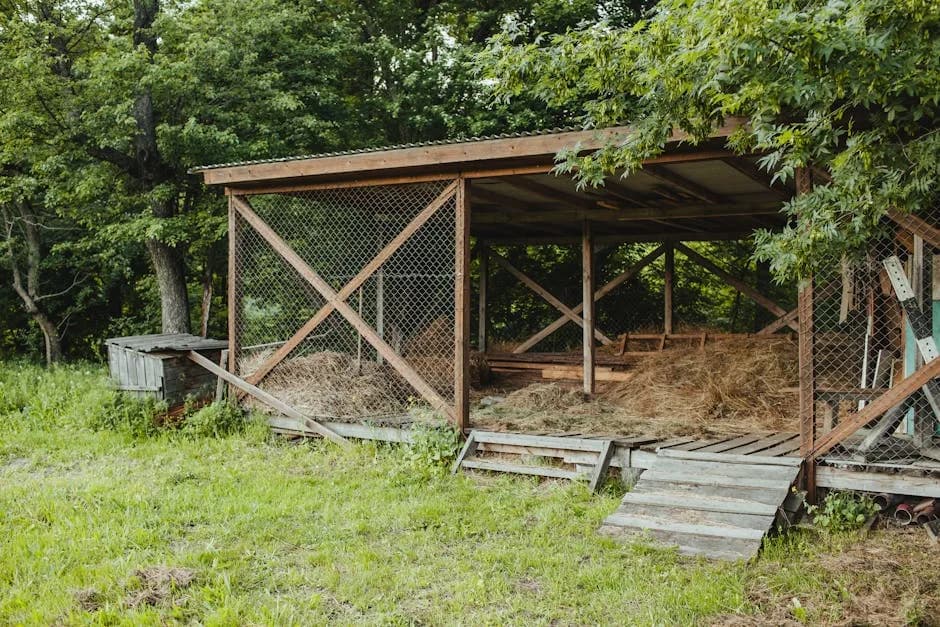
- •Coop requirements: The coop must be in the backyard and at least 10 feet from structures and neighboring buildings.
- •Other rules: The enclosure must be kept clean and sanitary.
Springfield
Springfield Code of Ordinances, Chapter 18 - Animals | Springfield Animal Control
Springfield allows backyard chickens under its zoning and animal control ordinances.
- •Hens: Up to 6 hens per tract of land, regardless of the number of homes on the property.
- •Roosters: Not specifically addressed in the hen ordinance, but noise ordinances effectively discourage rooster keeping in residential areas.
- •Permit: No permit required.
- •Coop requirements: Chickens must be kept in an enclosure. The enclosure must be maintained in a clean condition. No more than 3 cubic feet of manure may be stored at a time.
- •Zones: Allowed in residential areas under Zoning Ordinance subsection 1-1331.
Columbia
Columbia Code of Ordinances, Chapter 5 - Animals and Fowl
Columbia legalized backyard chickens through its chicken ordinance, and the city has an active backyard chicken community.
- •Hens: Up to 6 hens per property.
- •Roosters: Not allowed.
- •Permit: Not required for 6 or fewer hens.
- •Coop requirements: Chickens must be enclosed and locked in their coop at night.
- •Other rules: Contact the Columbia Department of Public Health and Human Services for current details on setback requirements and enclosure standards.
Independence
Independence Code of Ordinances
Independence allows backyard chickens for non-commercial purposes with rules based on property size.
- •Hens: Up to 6 chickens for lots under 1 acre. Larger lots (1 acre or more) may keep up to 20 hens per acre.
- •Roosters: Not allowed.
- •Setbacks: Coop must be at least 6 feet from the property line and 50 feet from adjacent residences. Properties with more than 20 chickens must maintain a 200-foot setback from neighboring residences.
- •Permit: Required. Contact Independence code enforcement for current permit details.
Lee's Summit
Lee's Summit allows backyard chickens under its city code, Chapter 5, Article VII.
- •Hens: Up to 6 hens per residential property.
- •Roosters: Not allowed.
- •Setbacks: Henhouses must be in the backyard only, at least 10 feet from property lines and 40 feet from adjacent buildings or homes.
- •Permit: Not required, but all ordinance requirements must be met.
- •Other rules: Chickens must be kept in an enclosed coop and run at all times. Free-ranging is not permitted within city limits.
Best Chicken Breeds for Missouri Climate
Missouri's climate is genuinely challenging for chickens. Summers bring temperatures above 95 degrees with high humidity, especially in the southern and central parts of the state. Winters drop below freezing regularly, with occasional ice storms. You need breeds that handle both extremes.
Best All-Around Picks
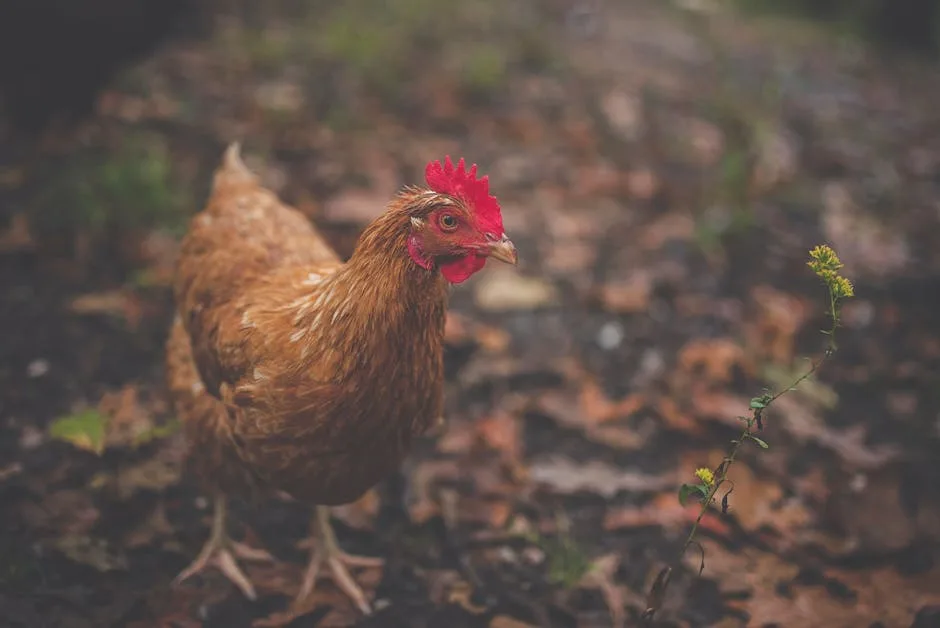
- •Buff Orpington: Handles heat and cold well. Heavy enough to stay warm in winter, and their calm temperament makes them easy to manage in suburban settings. Great layers at 200 to 280 eggs per year.
- •Plymouth Rock: One of the toughest dual-purpose breeds. Barred Rocks are especially popular in Missouri because they tolerate the full range of Midwest weather. Expect 200 to 250 brown eggs annually.
- •Rhode Island Red: Hardy, productive, and low-maintenance. They push through Missouri's humid summers better than most breeds. Around 250 to 300 eggs per year.
Best for Hot Missouri Summers
- •Easter Egger: Lighter body weight helps them handle heat. Bonus: colorful eggs in blue, green, and pink shades.
- •Leghorn: Mediterranean breed built for warm weather. Lighter body dissipates heat well. Prolific white egg layers at 280 to 320 eggs per year.
Best for Cold Missouri Winters
- •Wyandotte: Rose comb resists frostbite better than single combs. Dense feathering provides good insulation. Lays 200 to 240 brown eggs per year.
- •Brahma: Massive body retains heat efficiently. Feathered feet need dry bedding to prevent issues. Gentle giants that do well in mixed flocks.
- •Australorp: Record-setting egg production (up to 300+ per year) doesn't slow down much in Missouri winters. Dense black plumage absorbs warmth on sunny cold days.
Summer Heat Management
Missouri summers are the biggest threat to backyard flocks. July and August temperatures regularly exceed 95 degrees, and humidity makes it feel worse. Chickens don't sweat, so they rely on panting and holding their wings away from their bodies to cool down.
Signs of Heat Stress
Watch for heavy panting with open beaks, wings held away from the body, pale combs and wattles, lethargy, and reduced egg production. If a chicken is lying on its side and unresponsive, that's heat stroke and requires immediate cooling with lukewarm (not cold) water.
Keeping Your Flock Cool
- •Shade is non-negotiable. Your run needs shade from direct afternoon sun. Trees, tarps, or shade cloth all work.
- •Fresh cold water multiple times per day. Add ice blocks to waterers during heat waves. Consider multiple watering stations.
- •Frozen treats. Watermelon, frozen berries, and frozen corn on the cob help cool chickens from the inside out.
- •Ventilation in the coop. Missouri humidity makes still air dangerous. Make sure your coop has cross-ventilation with hardware cloth-covered openings on at least two sides.
- •Shallow wading pools. Some chickens will stand in a shallow pan of cool water to cool their feet.
- •Avoid feeding scratch grains in the afternoon. Digesting corn generates internal body heat. Save it for cool mornings or evenings.
For more summer strategies, check out our summer chicken care guide.
Winter Care for Missouri Flocks
Missouri winters are unpredictable. Temperatures can swing from 50 degrees one day to single digits the next. Ice storms are more common here than in many other Midwest states, and they can knock out power for days.
Winterizing Your Coop
- •Seal drafts but keep ventilation. Cold air isn't the enemy; drafts and moisture are. Seal gaps at chicken level but leave ventilation openings near the roofline.
- •Use the deep litter method. Start with 4 to 6 inches of pine shavings or straw in fall. Add fresh material on top throughout winter. The composting action generates mild heat and keeps the floor dry.
- •Wide roosts (2 to 4 inches). Flat roosts let chickens sit on their feet to keep toes warm. Round dowels expose toes to cold air.
- •Vaseline on combs. Apply petroleum jelly to single combs and wattles during cold snaps to help prevent frostbite. Breeds with rose combs (Wyandotte) or pea combs need less attention.
- •Heated waterers or base heaters. Missouri's freeze-thaw cycles mean water freezes frequently. A heated base or heated waterer prevents dehydration.
Egg Production in Winter
Most hens reduce egg laying when daylight drops below 14 hours. You can add a light on a timer in the coop (turn on early morning, not evening) to extend "daylight" to 14 to 16 hours. Some chicken keepers in Missouri let their hens take a natural break during the shortest days of winter, which can extend overall laying life.
For the full winter playbook, read our winter chicken care guide.
Common Predators in Missouri
Missouri has a long list of animals that will target your flock. Knowing what you're up against helps you build the right defenses.
- •Raccoons: The number one chicken predator in Missouri. They can open simple latches and reach through chicken wire. Use hardware cloth (1/2 inch) and two-step locks on coop doors.
- •Opossums: Common in both rural and suburban Missouri. They usually go after eggs and young chicks but will kill adult hens.
- •Hawks and owls: Red-tailed hawks and great horned owls are common throughout the state. Covered runs or overhead netting protect free-ranging birds.
- •Coyotes: Present in every Missouri county, including suburban areas around Kansas City and St. Louis. A solid, predator-proof coop closed at dusk is essential.
- •Foxes: Both red and gray foxes live in Missouri. They're bold and fast, often striking at dawn or dusk.
- •Snakes: Black rat snakes and other species eat eggs and small chicks. Hardware cloth with 1/2-inch openings keeps them out.
For a deeper look at predator-proofing your coop, read our predator protection guide.
Can You Sell Eggs in Missouri?
Yes, and Missouri makes it relatively easy for small producers. According to the Missouri Department of Agriculture, a license is not required if you sell only eggs produced by your own flock, as long as you sell from your own premises (your home or farm). If you sell at farmers markets or other off-premises locations, you'll need a Missouri egg license.
Key rules for selling eggs in Missouri:
- •Eggs must be clean and sound (no cracks).
- •Eggs sold at retail must be stored at 45 degrees Fahrenheit or below.
- •If you sell at a farmers market or other location away from your home, you need an egg license from the Missouri Department of Agriculture.
- •Labeling requirements apply for off-premises sales (carton must show your name, address, egg size, and grade if graded).
Note that eggs are not covered under Missouri's cottage food law, which applies only to non-potentially hazardous processed foods. Eggs have their own set of regulations through the Department of Agriculture.
FAQ
How many chickens can I keep in Missouri?
It depends on your city. Kansas City allows up to 15 hens, St. Louis allows up to 8 fowl, and Springfield and Columbia each allow up to 6 hens. In unincorporated areas, county regulations apply and are often less restrictive. Always check your specific local ordinance before getting chickens.
Do I need a permit for backyard chickens in Missouri?
Some cities require permits and others don't. Kansas City requires a Special Exception Permit only if you can't meet the 100-foot setback. St. Louis doesn't require a permit for 8 or fewer fowl. Springfield and Columbia don't require permits for small flocks. Check with your city's code enforcement or animal control office.
Are roosters allowed in Missouri cities?
Most Missouri cities ban roosters in residential areas due to noise. Kansas City is an exception, allowing roosters if kept at least 300 feet from neighboring residences. St. Louis, Springfield, Columbia, Independence, and Lee's Summit all prohibit roosters.
What's the best time of year to start a flock in Missouri?
Spring (March through May) is ideal. Chicks started in spring have warm weather to grow through and will start laying by fall. Starting in late summer or fall means your pullets will hit laying age during winter's short days, which can delay their first eggs.
Can I keep chickens if I have an HOA in Missouri?
City ordinances may allow chickens, but your HOA covenants can add additional restrictions or ban them entirely. HOA rules are enforced as private contracts between homeowners. Check your HOA bylaws and CC&Rs before getting chickens, even if your city allows them.
Picking a coop for Missouri? The breed you choose matters, but so does the coop. Our best chicken coops on Amazon roundup covers picks across flock sizes and price ranges, with notes on which models hold up best in different climates.
Raising Chickens in Other States
If you're moving, considering a different state, or just curious how the rules compare, browse our other state guides:
Northeast: Connecticut, Delaware, Maine, Maryland, Massachusetts, New Hampshire, New Jersey, New York, Pennsylvania, Rhode Island, Vermont
Southeast: Alabama, Florida, Georgia, Kentucky, Louisiana, Mississippi, North Carolina, South Carolina, Tennessee, Virginia, West Virginia
Midwest: Illinois, Indiana, Iowa, Kansas, Michigan, Minnesota, Nebraska, North Dakota, Ohio, South Dakota, Wisconsin
South & Southwest: Arizona, Arkansas, New Mexico, Oklahoma, Texas
Mountain & West: Alaska, California, Colorado, Hawaii, Idaho, Montana, Nevada, Oregon, Utah, Washington, Wyoming
Related Guides
Raising Chickens in Alaska: 2026 Laws & Best Breeds
Raising chickens in Alaska: laws for Anchorage, Fairbanks, Juneau, plus extreme cold-hardy breeds and sub-arctic care tips.
State GuidesRaising Chickens in Delaware: 2026 Laws & Best Breeds
Raising chickens in Delaware: laws for Wilmington, Dover, Newark, plus best breeds and tips for the First State's climate.
State GuidesRaising Chickens in Idaho: 2026 Laws & Best Breeds
Raising chickens in Idaho: laws for Boise, Meridian, Nampa, plus cold-hardy breeds and tips for the state's varied climate.
State GuidesRaising Chickens in Kansas: 2026 Laws & Best Breeds
Raising chickens in Kansas: laws for Wichita, Overland Park, Topeka, plus hardy breeds and storm-ready coop tips for the Sunflower State.