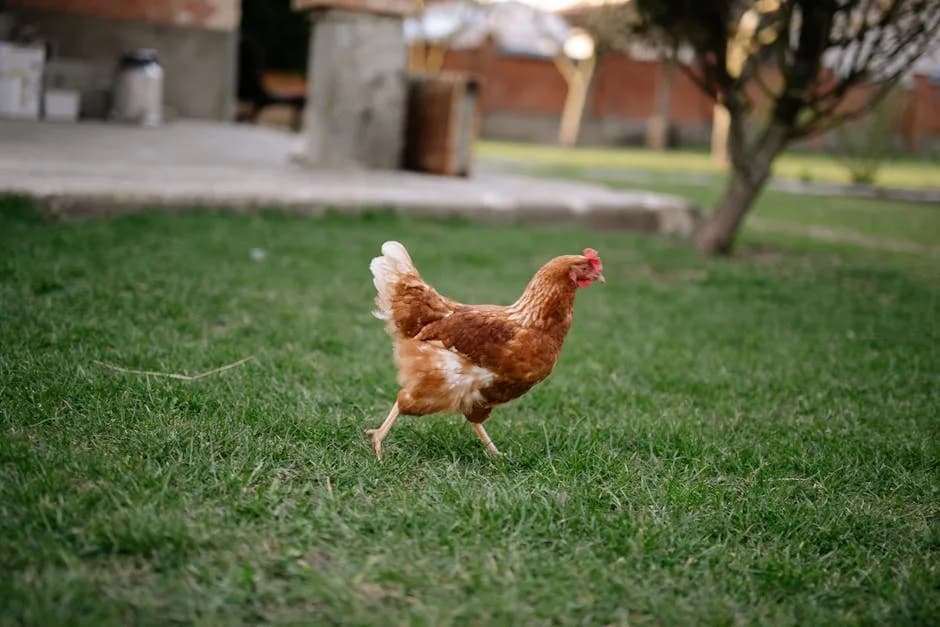
Raising Chickens in Oregon: 2026 Laws & Best Breeds
Your complete guide to raising chickens in Oregon. Covers city laws for Portland, Salem, Eugene, Bend, and more, plus breed picks and year-round care tips.
Researched from university extension, USDA, and veterinary sources. How we research.
Oregon doesn't have a statewide law that bans or specifically permits backyard chickens. Each city and county sets its own rules through zoning codes and animal control ordinances. The good news is that Oregon is one of the most chicken-friendly states in the country. Portland, Salem, Eugene, Bend, and most other cities all allow hens, and the backyard poultry movement has deep roots here.
Oregon's climate varies dramatically from west to east. The Willamette Valley and coast get mild, wet winters and moderate summers. Central and eastern Oregon are drier with hotter summers and colder winters. The western side rarely sees extreme heat or cold, which makes it great for chickens, but the constant rain from October through May means your coop design needs to prioritize dry conditions and ventilation over everything else.
What You'll Learn
- •Are Backyard Chickens Legal in Oregon?
- •Oregon Chicken Laws by City
- •Can You Sell Eggs in Oregon?
- •Best Chicken Breeds for Oregon's Climate
- •Dealing with Oregon's Rain
- •Winter Care in Oregon
- •Summer Care in Central and Eastern Oregon
- •Common Predators in Oregon
- •FAQ
Are Backyard Chickens Legal in Oregon?
Yes, in most places. Oregon has no statewide ordinance that bans or permits backyard chickens. Regulation falls to individual cities and counties. Portland, the state's largest city, allows up to four hens on standard residential lots with no permit required. Salem allows up to 12 birds. Eugene, Bend, Beaverton, Gresham, Hillsboro, and Medford all allow hens with varying restrictions.
Before buying chicks, check three things: your city or county animal ordinance, any HOA covenants on your property, and your specific zoning district. Even in chicken-friendly cities, an HOA can override municipal rules and ban poultry entirely.
Rural areas and unincorporated land across Oregon tend to have few or no restrictions beyond general nuisance and animal cruelty laws. If you're on acreage in an agricultural or rural residential zone, you'll likely have no limits on flock size.
Oregon Chicken Laws by City
Important: City and county ordinances change frequently. The information below was researched in March 2026 but may not reflect the latest rules. Always verify with your local zoning or code enforcement office before starting a flock. Links to official sources are provided where available.
Portland
Portland City Code Title 13.40.020 - Backyard Livestock
Portland is one of the most chicken-friendly cities in the country. The code was updated in January 2025 under Ordinance 192002.
- •Hens: Up to 4 chickens, ducks, pigeons, or other similarly sized domestic fowl on any lot. Up to 6 on lots 10,000 square feet or greater. No maximum on lots 20,000 square feet or greater that allow agricultural uses through Title 33 Zoning.
- •Chicks: Up to 4 additional small domestic fowl under 12 weeks of age are allowed on top of the standard limit.
- •Roosters: Not allowed except for agricultural purposes on lots that permit agricultural uses.
- •Permit: No permit required. Must comply with Title 13 code standards.
- •Slaughter: Allowed for personal use on your own property.
Salem
City of Salem Poultry Keeping Rules (Salem Revised Code 50.710)
Salem allows a wide variety of domesticated birds and has some of the most generous limits in the state.
- •Hens: Up to 12 poultry total per property. Allowed species include chickens, ducks, guinea fowl, pheasants, pigeons, quail, partridges, and doves.
- •Roosters: Not allowed.
- •Prohibited birds: Geese, turkeys, emus, ostriches, and similarly sized birds are not allowed.
- •Permit: No permit or license required.
- •Coop requirements: Must be in the rear yard. At least 3 feet from any other building on the property. At least 25 feet from a residence on an adjacent property. Coop cannot exceed 120 square feet.
- •Space per bird: At least 3 square feet of coop space and 6 square feet of run space per chicken or duck.
- •Confinement: Poultry must remain confined within the facility at all times, except when under the direct control of the owner.
- •Exemptions: Properties zoned Residential Agriculture (RA) with lots of at least 10,000 square feet, or zoned Exclusive Farm Use (EFU), are exempt from these guidelines.
Eugene
Eugene Code 9.5250 - Urban Animal Keeping Standards | City of Eugene Farm Animals page
Eugene allows urban animal keeping under its zoning code. The rules tie animal categories to lot size.
- •Hens: Allowed under the "Chickens and Domestic Fowl" animal category. On lots under 20,000 square feet in qualifying zones, you may keep up to two categories of animals (chickens being one category).
- •Roosters: Subject to the city's noise ordinance. Contact Eugene Planning at 541-682-8336 for current rules.
- •Permit: No specific chicken permit, but must comply with EC 9.5250 standards.
- •Confinement: Animals must be kept on the owner's property.
Bend
Bend allows chickens on residential lots of sufficient size.
- •Hens: Up to 4 rabbits and/or chickens (hens only) on parcels and lots 5,000 square feet or greater.
- •Roosters: Not allowed.
- •Permit: Check with the City of Bend Planning Division for current permit requirements.
- •Setbacks: Coops must meet development code setback requirements. Contact city planning at 541-388-5580 for specifics.
Beaverton
Beaverton Municipal Code Chapter 5.09 - Urban Chickens
Beaverton adopted its urban chicken ordinance in 2017.
- •Hens: Up to 4 hens allowed.
- •Roosters: Not allowed. Ducks, geese, and other poultry are also prohibited under this chapter.
- •Permit: No permit required.
- •Coop location: Chickens and coops are not allowed in front yards. Coops must be at least 20 feet from a neighbor's residence.
- •Maintenance: Coops must be kept clean, dry, free of odors, and in good repair.
Gresham
City of Gresham Backyard Chicken Permit
Gresham allows backyard chickens with a permit.
- •Hens: Up to 3 adult chickens on a single-family residential lot.
- •Roosters: Not allowed.
- •Permit: Required. Apply through the City of Gresham permit services.
- •Setbacks: Coops must be at least 25 feet from other residences and 10 feet from the property line.
- •Nuisance: Subject to nuisance standards for maintenance and sanitation.
Hillsboro
Hillsboro Code of Ordinances, Subchapter 6.20 - Animals
Hillsboro allows chickens with limits tied to lot size.
- •Hens: Up to 3 hens on lots 7,000 to 10,000 square feet. Up to 6 hens on lots 10,000 square feet to 1 acre. Up to 9 hens on lots larger than 1 acre.
- •Roosters: Not allowed.
- •Minimum lot size: 7,000 square feet required to keep chickens.
- •Permit: Contact Hillsboro Planning for current permit requirements.
Medford
Medford Municipal Code 5.555 - Keeping of Poultry
Medford allows poultry on residential property.
- •Hens: Allowed for personal, non-commercial use. Contact Medford code enforcement for current flock size limits.
- •Roosters: Subject to the city's noise ordinance. Check local rules before keeping roosters.
- •Permit: No specific poultry permit referenced in the code, but all applicable municipal code provisions must be followed.
- •Restrictions: Proximity, sanitation, and noise standards apply.
Can You Sell Eggs in Oregon?
Yes, with conditions. Oregon has a farm-direct marketing exemption that lets small producers sell eggs directly to consumers without an egg handler's license. Under ORS 632.715, producers who sell eggs directly to consumers (at farm stands, farmers markets, or door-to-door) are exempt from licensing requirements.
To qualify for the farm-direct exemption, you must:
- •Sell directly to the end consumer (not to restaurants, retailers, or wholesalers)
- •Follow Oregon's egg labeling and handling requirements
- •Keep eggs clean and properly stored
If you sell to wholesale accounts like restaurants, grocery stores, or bakeries, you'll need an egg handler's license from the Oregon Department of Agriculture. Oregon State University Extension has a detailed guide on farm-direct egg sales at extension.oregonstate.edu.
You don't need to grade or size eggs sold farm-direct, but they must be clean, sound-shelled, and kept at proper temperatures. Labeling must include your name, address, and the statement "ungraded eggs" if not graded.
Best Chicken Breeds for Oregon's Climate
Oregon's western side stays mild and wet. Eastern Oregon gets hot summers and cold winters. You need breeds that handle moisture well on the west side and temperature extremes on the east side.
Best for Western Oregon (Willamette Valley, Coast, Portland metro):
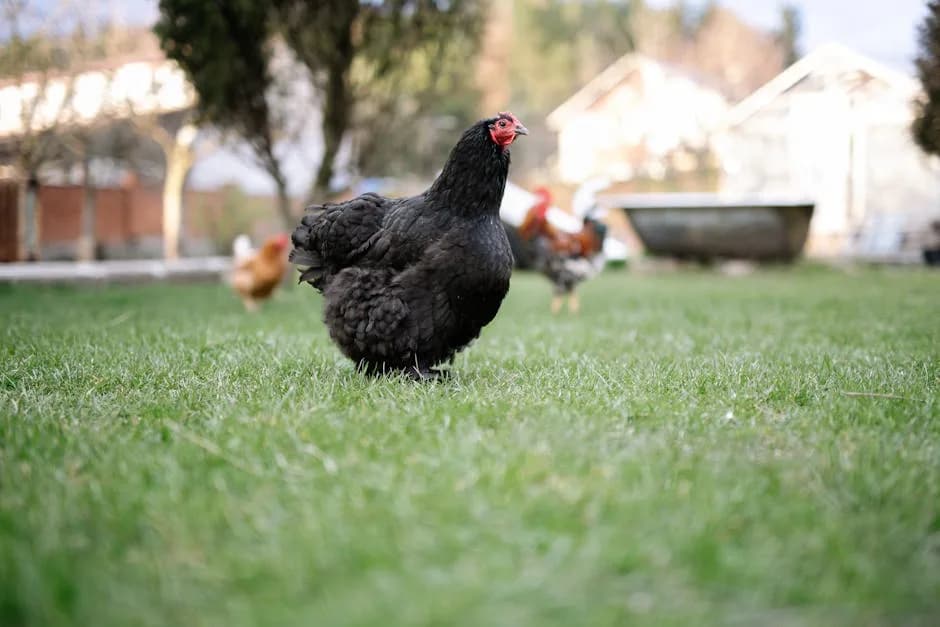
- •Australorp: Hardy in cool, damp weather. Lays 250+ eggs per year. Their dense feathering handles Oregon rain well.
- •Buff Orpington: Cold-hardy, docile, and a consistent layer. Does well in the mild but wet western Oregon climate.
- •Plymouth Rock: Handles rain and cool weather without missing a beat. Friendly and productive.
- •Sussex: Originally bred in England's wet climate, which makes them a natural fit for the Pacific Northwest.
- •Wyandotte: Rose comb resists frostbite, and their dense plumage sheds rain better than loose-feathered breeds.
Best for Central/Eastern Oregon (Bend, Redmond, Pendleton, Klamath Falls):
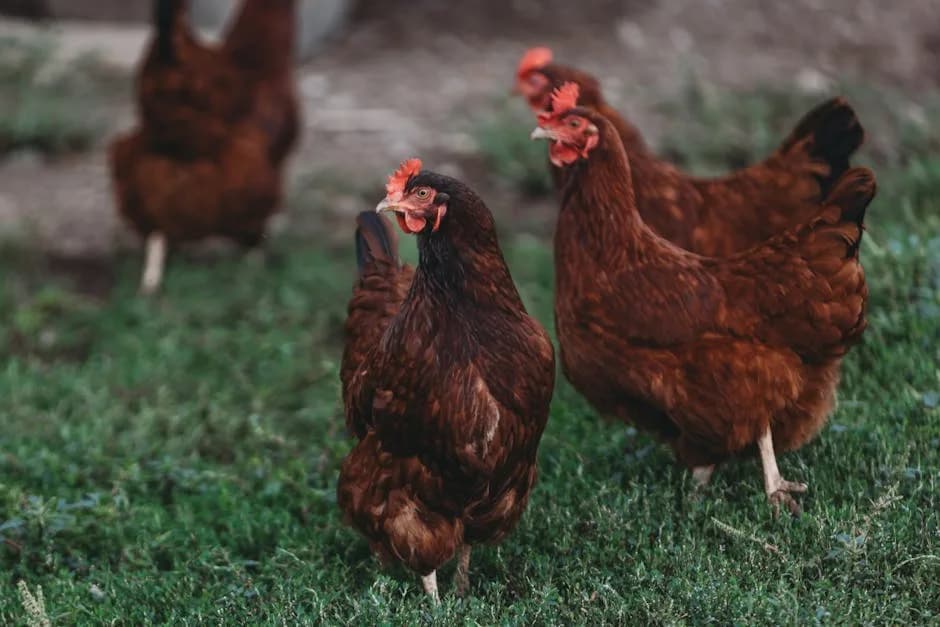
- •Rhode Island Red: Tough and adaptable. Handles both summer heat and winter cold. Lays 250-300 eggs per year.
- •Brahma: Feathered feet and heavy body make them excellent cold-weather birds for harsh eastern Oregon winters.
- •Easter Egger: Hardy across temperature ranges. Adds colorful eggs to your basket.
- •New Hampshire Red: Cold-tolerant and productive. Matures quickly and handles varied climates.
Dealing with Oregon's Rain
Western Oregon gets 36 to 60 inches of rain per year, with most of it falling between October and May. That constant moisture is the biggest challenge for chicken keepers on the west side. Wet, muddy conditions cause bumblefoot, respiratory issues, and coop rot if you don't plan for drainage.
Coop design for rain:
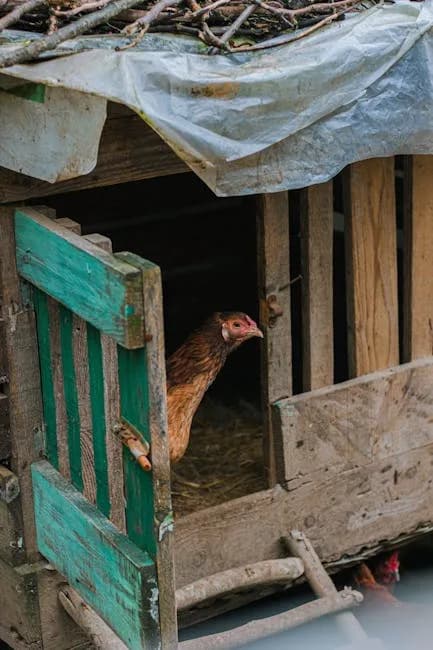
- •Build a covered run. An open run will turn into a mud pit from November through April. A solid roof or heavy-duty tarp over your run keeps birds dry and active.
- •Improve the coop floor at least 12 inches off the ground. This prevents moisture from wicking up into the bedding.
- •Use deep litter method with pine shavings. It composts slowly and stays warmer and drier than straw in wet conditions.
- •Add gravel or sand under the run area. This improves drainage and keeps mud from building up. A 4-inch gravel base with 2 inches of coarse sand on top works well.
- •Make sure the coop roof has a good overhang (at least 12 inches on all sides) to keep rain from blowing in through ventilation openings.
Ventilation matters more in wet climates. Moisture from chicken breath and droppings needs to escape, even in winter. Keep vents open at the roofline year-round. A dry, well-ventilated coop is warmer than a sealed, humid one.
Mud management tips:
- •Put wood chips or bark mulch in high-traffic areas outside the coop
- •Create a "porch" or covered area where chickens can dust-bathe even during rain
- •Check feet regularly for signs of bumblefoot (swelling or dark scabs on the foot pad)
Winter Care in Oregon
Western Oregon winters are mild, with temperatures rarely dropping below 20F. Most cold-hardy breeds handle this without supplemental heat. Eastern Oregon is a different story, with temperatures dropping into the single digits or below zero in places like Bend, La Grande, and Klamath Falls.
Western Oregon winter tips:
- •Focus on keeping the coop dry, not warm. Moisture is a bigger threat than cold.
- •Don't seal the coop shut. You need airflow even in January. Chickens tolerate cold much better than damp, stale air.
- •Check waterers daily. Even in the Willamette Valley, temperatures drop below freezing often enough to freeze water. A heated waterer base is worth the investment.
- •Egg production naturally drops in winter due to shorter days. If you want consistent eggs, add a light on a timer to provide 14-16 hours of total light.
Eastern Oregon winter tips:
- •Insulate the coop if you're in a zone that regularly drops below 10F. Rigid foam insulation covered with plywood works well.
- •Use a heated waterer or swap waterers twice daily. Water freezes fast when it's 0F.
- •Apply petroleum jelly to large combs and wattles on cold nights to prevent frostbite. Better yet, choose breeds with small or rose combs.
- •Provide extra calories in the evening. A handful of cracked corn before roosting helps chickens generate body heat overnight.
- •Don't use heat lamps. They're a fire hazard in coops. If you must add heat, use a flat-panel radiant heater designed for poultry.
Summer Care in Central and Eastern Oregon
The western valleys rarely see temperatures above 90F, so heat stress isn't a major concern there. But central and eastern Oregon can hit 100F or higher in July and August. The 2021 heat dome pushed parts of Oregon above 115F, and extreme heat events are becoming more common.
Keeping chickens cool in hot weather:
- •Provide shade. If your run doesn't have natural tree cover, add shade cloth or tarps.
- •Keep waterers in the shade and check them multiple times a day. Chickens drink twice as much water in hot weather.
- •Freeze treats like watermelon, berries, or a block of ice with scratch grains frozen inside. Chickens love pecking at cold treats.
- •Add electrolytes to water during heat waves (above 95F). You can buy poultry electrolyte powder at any feed store.
- •Watch for signs of heat stress: panting, holding wings away from the body, lethargy, pale combs. Move stressed birds to a cool, shaded area immediately.
- •Avoid handling chickens during the hottest part of the day. It adds stress.
- •Good ventilation is critical. Open all coop windows and vents. A small fan can help circulate air during extreme heat.
Common Predators in Oregon
Oregon has a healthy population of predators that will happily raid your chicken coop. Your predator protection strategy depends on where you live.
Urban and suburban predators:
- •Raccoons: Smart and persistent. They can open simple latches and reach through chicken wire. Use hardware cloth (1/2-inch) instead of chicken wire, and secure latches with carabiner clips.
- •Opossums: Mainly go after eggs and young chicks. They can squeeze through surprisingly small gaps.
- •Hawks and owls: Red-tailed hawks and great horned owls are common across Oregon. A covered run is the best protection. Overhead wire or netting prevents aerial attacks.
- •Domestic dogs and cats: Neighborhood dogs are a leading cause of chicken kills in urban areas. A solid fence and secure coop solve this.
Rural predators:
- •Coyotes: Found statewide, even in suburban fringes. They'll dig under fences, so bury hardware cloth 12 inches deep around your run perimeter or lay an apron of wire along the ground.
- •Cougars and bobcats: Present in rural and semi-rural areas across Oregon. A sturdy, fully enclosed coop is essential.
- •Weasels and mink: Small enough to fit through 1-inch gaps. They kill multiple birds in a single attack. Hardware cloth with 1/2-inch openings is the only reliable defense.
- •Bears: Black bears are present in the Cascades, Coast Range, and parts of eastern Oregon. A bear can tear through a lightweight coop. Use heavy construction and consider electric fencing if you're in bear country.
- •Eagles: Bald eagles are protected under federal law and are common along Oregon rivers and coastlines. A covered run is the solution.
General predator-proofing tips:
- •Lock the coop every night, no exceptions
- •Use hardware cloth on all openings, not chicken wire
- •Install an automatic coop door if you're not always home at dusk
- •Keep feed in sealed containers to avoid attracting wildlife
- •Consider a motion-activated light or coop camera for monitoring
FAQ
Do I need a permit to keep chickens in Oregon?
It depends on where you live. Portland, Salem, Beaverton, and Eugene don't require a specific chicken permit. Gresham and some other cities do require a permit. Always check with your local city planning or code enforcement office before starting a flock.
How many chickens can I have in Oregon?
It varies by city. Portland allows 4 on standard lots (6 on lots 10,000+ square feet). Salem allows up to 12. Bend and Beaverton allow 4. Gresham allows 3 with a permit. Rural and unincorporated areas generally have no limits.
Are roosters allowed in Oregon cities?
Most Oregon cities ban roosters in residential areas. Portland prohibits them except on agricultural-zoned lots. Salem, Beaverton, Bend, Gresham, and Hillsboro all ban roosters. If you want a rooster, rural or agricultural-zoned property is your best option.
What's the best chicken breed for Oregon's rainy climate?
Breeds with dense, water-resistant plumage do best in western Oregon's wet winters. Wyandottes, Australorps, Plymouth Rocks, and Sussex all handle rain and cool temperatures well. Avoid breeds with large crests (like Polish) that get waterlogged.
Can I sell eggs from my backyard flock in Oregon?
Yes. Oregon's farm-direct marketing exemption allows you to sell eggs directly to consumers without an egg handler's license. You must follow labeling and handling requirements. Selling to restaurants or retailers requires a license from the Oregon Department of Agriculture.
Your first step to keeping chickens in Oregon is checking your local ordinance and planning your coop for the climate. If you're in western Oregon, prioritize rain protection and drainage. If you're in central or eastern Oregon, focus on temperature extremes. Check out our beginner's guide to raising backyard chickens for a complete walkthrough of getting started.
Picking a coop for Oregon? The breed you choose matters, but so does the coop. Our best chicken coops on Amazon roundup covers picks across flock sizes and price ranges, with notes on which models hold up best in different climates.
Raising Chickens in Other States
If you're moving, considering a different state, or just curious how the rules compare, browse our other state guides:
Northeast: Connecticut, Delaware, Maine, Maryland, Massachusetts, New Hampshire, New Jersey, New York, Pennsylvania, Rhode Island, Vermont
Southeast: Alabama, Florida, Georgia, Kentucky, Louisiana, Mississippi, North Carolina, South Carolina, Tennessee, Virginia, West Virginia
Midwest: Illinois, Indiana, Iowa, Kansas, Michigan, Minnesota, Missouri, Nebraska, North Dakota, Ohio, South Dakota, Wisconsin
South & Southwest: Arizona, Arkansas, New Mexico, Oklahoma, Texas
Mountain & West: Alaska, California, Colorado, Hawaii, Idaho, Montana, Nevada, Utah, Washington, Wyoming
Related Guides
Raising Chickens in Alaska: 2026 Laws & Best Breeds
Raising chickens in Alaska: laws for Anchorage, Fairbanks, Juneau, plus extreme cold-hardy breeds and sub-arctic care tips.
State GuidesRaising Chickens in Delaware: 2026 Laws & Best Breeds
Raising chickens in Delaware: laws for Wilmington, Dover, Newark, plus best breeds and tips for the First State's climate.
State GuidesRaising Chickens in Idaho: 2026 Laws & Best Breeds
Raising chickens in Idaho: laws for Boise, Meridian, Nampa, plus cold-hardy breeds and tips for the state's varied climate.
State GuidesRaising Chickens in Kansas: 2026 Laws & Best Breeds
Raising chickens in Kansas: laws for Wichita, Overland Park, Topeka, plus hardy breeds and storm-ready coop tips for the Sunflower State.