Raising Chickens in Tennessee: 2026 Laws & Best Breeds
Your complete guide to raising chickens in Tennessee. Covers city laws for Nashville, Memphis, Knoxville, and more, plus heat-tolerant breeds and seasonal care.
Researched from university extension, USDA, and veterinary sources. How we research.
Tennessee's mild winters, warm summers, and generous rural acreage make it one of the best states for backyard chickens. There's no statewide ban on keeping poultry, and most major cities allow small hen flocks with permits or basic zoning compliance. Whether you're on a few acres in East Tennessee or a residential lot in Nashville, you can likely raise a small flock with the right setup.
What You'll Learn
- •Are Backyard Chickens Legal in Tennessee?
- •Tennessee Chicken Laws by Major City
- •Best Chicken Breeds for Tennessee's Climate
- •Summer Heat Management
- •Winter Care Tips for Tennessee Flocks
- •Common Predators in Tennessee
- •Can You Sell Eggs in Tennessee?
- •FAQ
Are Backyard Chickens Legal in Tennessee?
Yes, in most places. Tennessee has no single statewide law that bans or permits backyard chickens. Instead, each city and county sets its own rules through zoning ordinances and animal control codes. Most major Tennessee cities allow small hen flocks, though limits on flock size, setback distances, and rooster policies vary widely.
Rural areas and unincorporated county land tend to have few or no restrictions on poultry. If you live outside city limits, you can generally keep chickens without a permit, though nuisance and animal cruelty laws still apply.
Before starting a flock, check three things: your city or county's municipal code or animal control ordinance, any HOA or deed restrictions on your property, and whether your locality requires a permit or neighbor notification.
Tennessee Chicken Laws by Major City
Important: City and county ordinances change frequently. The information below was researched in March 2026 but may not reflect the latest rules. Always verify with your local zoning or code enforcement office before starting a flock. Links to official sources are provided where available.
Nashville (Davidson County)
Nashville Domestic Hen Permit Page | Nashville Intro to Backyard Chickens
Nashville allows backyard hens on residential properties through its domestic hen permit program, managed by Metro Health Department Animal Control.
- •Hens: Allowed with a permit. The number of hens depends on your property's lot size and zoning district.
- •Roosters: Not allowed.
- •Permit: Required and must be renewed annually. Contact Metro Animal Care and Control at 615-862-7928.
- •Coop requirements: Hens must be kept in a fenced enclosure with a predator-proof henhouse. Setback distances from property lines depend on your zoning district.
- •Lot size: For residentially zoned districts, the minimum lot size for farm animals other than chickens is 5 acres. Backyard chickens are the only farm animal allowed on lots smaller than 5 acres, with permits.
- •Notes: Since requirements vary by zoning district, contact the Nashville Planning Department at 615-862-7190 to confirm your lot qualifies before applying for a permit.
Knoxville
Knoxville Code of Ordinances, Chapter 5 (Animals) | Knoxville Domesticated Hen Permit Application
Knoxville has a straightforward hen permit program with clear rules.
- •Hens: Up to 6 hens allowed per household (6 per multifamily complex).
- •Roosters: Not allowed. Only female chickens are permitted.
- •Permit: Required, with an annual fee of $25.
- •Setbacks: Enclosures must be at least 10 feet from abutting property lines.
- •Placement: No henhouses or enclosures in front yards.
- •Use: Personal use only. Selling eggs, breeding, and slaughtering are prohibited.
- •Containment: Hens must be kept in a fenced enclosure or coop at all times.
- •Notes: Manure must be properly stored or removed. The henhouse and surrounding area must be kept free from trash and accumulated droppings.
Memphis
Memphis Code of Ordinances, Title 8 (Animals)
Memphis allows backyard hens with density-based limits.
- •Hens: Up to 6 hens allowed. Density is limited to 1 hen per 1,500 square feet of lot area.
- •Roosters: Not allowed.
- •Enclosure: Hens must be kept in a proper enclosure that meets setback and placement requirements for your zoning district.
- •Notes: Contact the Memphis Planning and Development Department at develop901.com to verify your property's zoning and applicable setback rules before starting a flock.
Chattanooga
Chattanooga Backyard Hen Ordinance (July 2025)
Chattanooga lifted a roughly 20-year ban on backyard chickens in July 2025. The City Council voted 7-2 to allow hens on residential properties.
- •Hens: Up to 8 laying hens on any single-family residential lot or other residential zone.
- •Roosters: Not allowed.
- •Containment: Hens must be kept in a fenced enclosure in the rear yard at all times.
- •Permit: Contact the Chattanooga Land Development Office for current permit requirements.
- •Notes: This ordinance is relatively new (July 2025). If you live in Chattanooga and are considering a flock, verify the latest details with the city directly, as implementation rules may still be evolving.
Clarksville
Clarksville Code of Ordinances, Section 3-109
Clarksville adopted its backyard chicken ordinance in 2012 and has amended it several times since.
- •Hens: Allowed in certain residential zones (E-1, R-1, R-1A, and potentially R-2/R-2A depending on current amendments). Only female chickens (hens) are permitted.
- •Roosters: Not allowed.
- •Permit: Required. One-time fee of $50.
- •Lot size: Minimum of 9,000 square feet.
- •Enclosure: Must be in the rear yard, at least 10 feet from side and rear property lines. The enclosure can be no larger than 400 square feet and no taller than 10 feet.
- •Coop: Must provide a minimum of 2 square feet per chicken and not exceed 50 square feet total.
- •Notes: Breeding and slaughtering are prohibited on the premises. The ordinance has been updated multiple times, so check the current code or contact Clarksville Building and Codes at 931-645-7424 for the latest rules.
Murfreesboro
Murfreesboro allows backyard chickens with limits that vary by zoning district and lot size.
- •Hens: Up to 8 chickens on properties under 2 acres.
- •Roosters: Allowed in some zones but subject to distance and noise restrictions.
- •Notes: Requirements vary by zoning district. Contact the Murfreesboro Planning and Zoning Department at 615-893-6441 to confirm the rules for your property.
Best Chicken Breeds for Tennessee's Climate
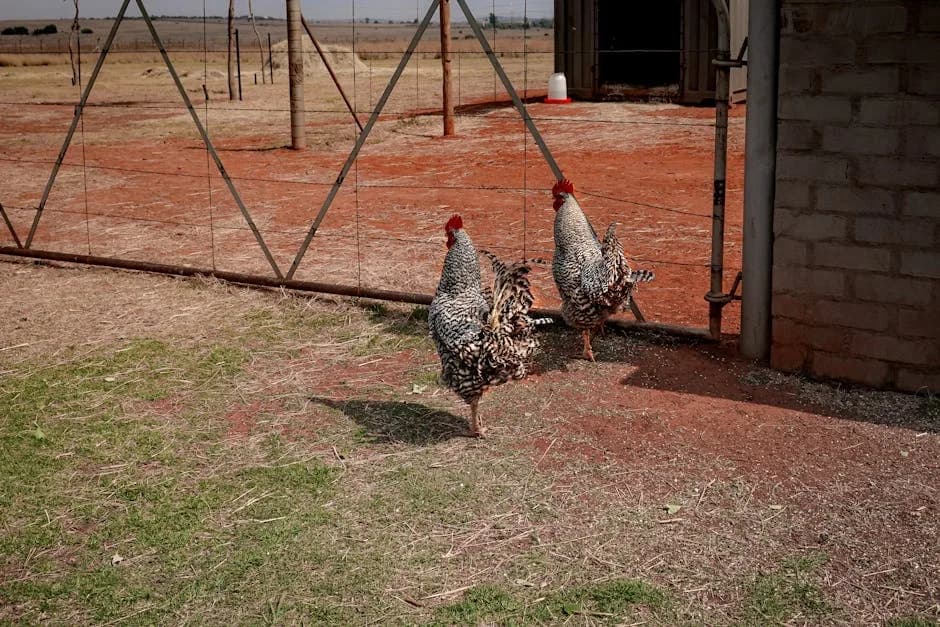
Tennessee's climate ranges from hot, humid summers (often above 90 degrees F) to cool winters with occasional snow and ice, especially in the eastern mountains. You want breeds that handle both heat and moderate cold well. Here are six strong picks for Tennessee flocks.
Rhode Island Red
Rhode Island Reds are the classic backyard chicken for a reason. They lay 250 to 300 brown eggs per year, tolerate both heat and cold well, and forage effectively. Their hardiness and consistent production make them a top choice for Tennessee's variable weather.
Buff Orpington
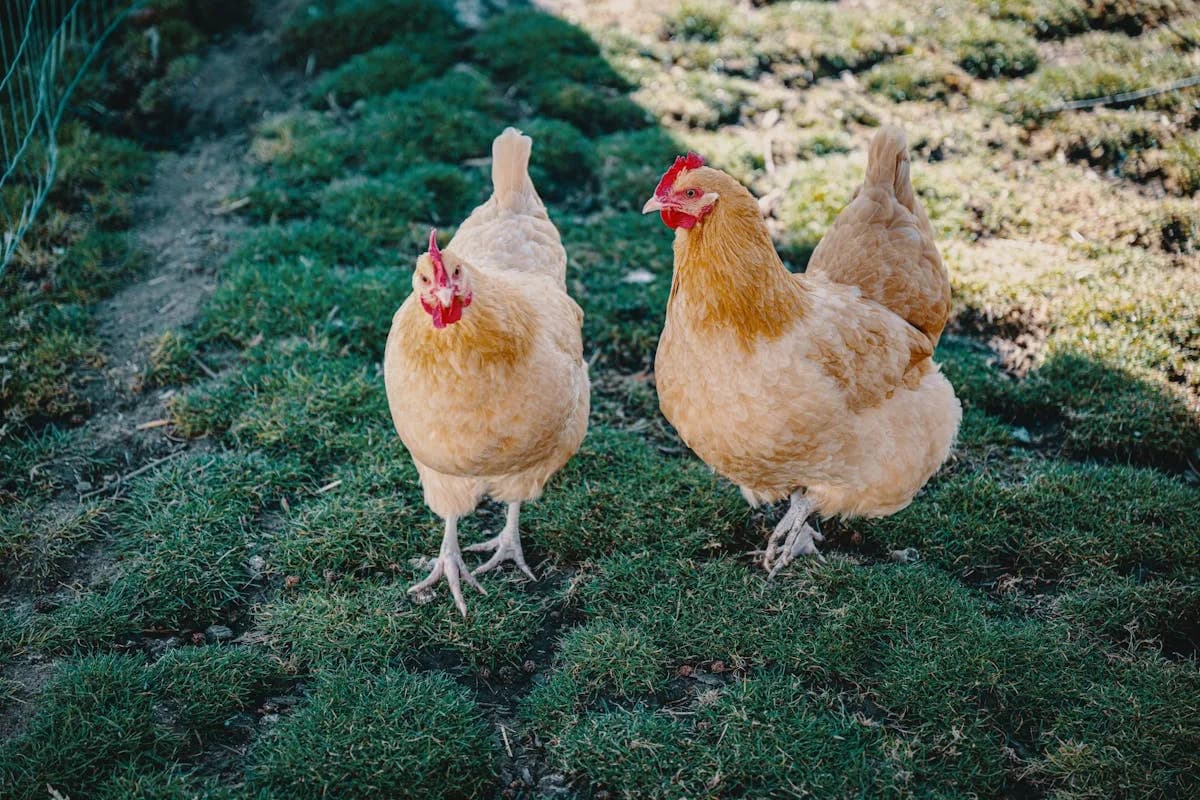
Buff Orpingtons are friendly, docile birds that do well in Tennessee's climate. Their fluffy plumage provides insulation in winter, and they handle summer heat reasonably well if shade and water are available. Expect around 200 to 280 light brown eggs per year.
Plymouth Rock (Barred Rock)
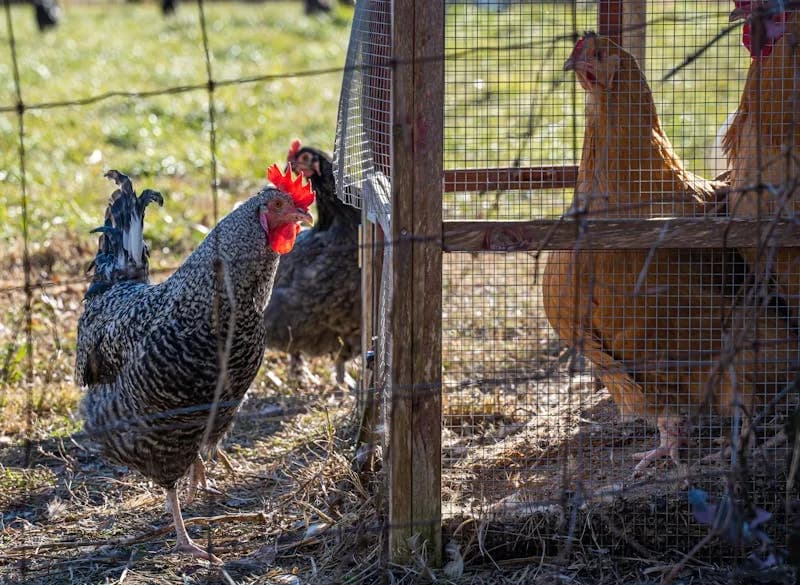
Plymouth Rocks are hardy dual-purpose birds that thrive in Tennessee. They're cold-tolerant, heat-tolerant, and lay about 200 to 280 brown eggs annually. Their calm temperament makes them a good fit for backyard flocks, especially with children around.
Easter Egger
Easter Eggers add color to your egg basket with blue, green, and pink eggs. They're heat-hardy, cold-tolerant, and lay around 200 to 250 eggs per year. Their smaller body size helps them dissipate heat during Tennessee's muggy summers.
Australorp
Australorps hold the world record for egg production and do well across Tennessee's climate zones. They lay 250 to 300 brown eggs per year and their black plumage doesn't slow them down in summer as long as they have shade. They're also calm and easy to manage.
ISA Brown
ISA Browns are production hybrids that start laying early and can produce 300 or more brown eggs in their first year. They handle heat and humidity well, making them a practical choice if egg production is your primary goal.
Summer Heat Management
Tennessee summers bring temperatures in the 90s with high humidity, which is harder on chickens than dry heat. Here's how to keep your flock comfortable from June through September.
Shade is essential. Position your coop under trees or add shade cloth over the run. Chickens can't sweat, so they rely on shade, panting, and wing spreading to cool down. Direct sun on a coop can turn it into an oven.
Provide multiple water stations. Chickens drink roughly twice as much water in hot weather. Use large waterers, add ice on the hottest days, and check water levels at least twice daily. Electrolytes in the water can help prevent heat stress.
Improve ventilation. Your coop needs good airflow, especially in humid Tennessee summers. Open windows, add hardware cloth vents near the roofline, and consider a small fan for circulation. Humidity makes heat harder to tolerate because chickens can't cool themselves as effectively through panting.
Watch for heat stress symptoms. Panting with an open beak, wings held away from the body, lethargy, and pale combs are all warning signs. Move affected birds to a cool area immediately and offer cool (not ice-cold) water.
Frozen treats help. Freeze watermelon, berries, or corn and offer them during the hottest part of the afternoon. This gives your chickens something to peck at while cooling them down.
Winter Care Tips for Tennessee Flocks
Tennessee winters are generally mild compared to northern states, but East Tennessee and the higher elevations can see snow, ice, and temperatures in the teens. Even in Middle and West Tennessee, nighttime lows in the 20s are common from December through February.
Insulate but ventilate. Your coop needs to block drafts at roost level while still allowing moisture to escape through upper vents. Moisture buildup is the main winter threat in Tennessee because humid air trapped in a coop promotes frostbite on combs and wattles.
Wide roosts prevent frostbite. Use flat 2x4 boards (wide side up) for roosts so chickens can cover their toes with their body while sleeping. This is more important than a heated coop in most of Tennessee.
Deep litter works well. Start with 4 to 6 inches of pine shavings in fall and add fresh layers as needed through winter. The composting bedding generates gentle warmth and stays dry. Turn it occasionally to prevent matting. Read more in our coop bedding guide.
Supplemental light is optional. Tennessee's winter daylight drops to about 10 hours, which will reduce egg production. If you want consistent laying, add a timed light to give hens 14 to 16 hours of total light. A single low-wattage bulb on a timer is enough for most coops.
Keep water from freezing. Heated waterer bases are the easiest solution. In milder Tennessee winters, you may only need one for the coldest weeks. Check water at least once a day during freezing spells.
Common Predators in Tennessee
Tennessee's diverse picture means your chickens face a range of predators. Here are the most common threats and how to deal with them.
Hawks and owls are the top aerial predators. Red-tailed hawks and Cooper's hawks are common throughout the state. Cover your run with hardware cloth or netting to prevent attacks from above.
Raccoons are smart, strong, and common across Tennessee. They can open simple latches and reach through chicken wire to grab birds. Use hardware cloth (not chicken wire) and predator-proof latches on all coop doors.
Coyotes are present statewide and expanding into suburban areas. A secure coop locked at night is your best defense. Electric fencing around the perimeter adds another layer of protection for free-range flocks.
Opossums will eat eggs and occasionally kill chickens. They're nocturnal, so a coop that's locked up tight at dusk handles them well. Automatic coop doors that close at sunset are a convenient solution.
Snakes are common in Tennessee, especially black rat snakes and copperheads. Rat snakes eat eggs and small chicks but aren't venomous. Hardware cloth with half-inch openings prevents most snakes from entering the coop.
Foxes and bobcats are more common in rural areas and the eastern mountains. Both are primarily nocturnal hunters, so a solid, locked coop at night is your main defense. Read our full guide on chicken predators for more prevention strategies.
Can You Sell Eggs in Tennessee?
Yes, Tennessee is friendly toward small-scale egg sales. The Tennessee Egg Law (Tennessee Code Annotated 53-2-101 to 116) exempts producers selling eggs from their own flock from the requirement to obtain a state egg license. You can sell eggs directly to consumers at your farm, at farmers markets, or through roadside stands.
Tennessee also passed the Tennessee Food Freedom Act (HB130), which further expanded the ability of small farmers and food producers to sell homemade and farm-produced foods, including eggs and poultry, directly to consumers.
While state licensing isn't required for small flock sales, keep these best practices in mind:
- •Label your cartons with your name, address, and packing date.
- •Don't wash eggs before selling unless you also refrigerate them. Unwashed eggs have a natural protective bloom.
- •Use clean cartons. New cartons are ideal. If reusing, sanitize them thoroughly.
- •Check local rules. Some cities restrict commercial activity from residential properties, which could affect egg sales even if the state allows them.
For the full details, check the Tennessee Department of Agriculture's egg sales page.
FAQ
How many chickens can I have in Tennessee?
It depends on your city or county. Common limits range from 6 to 8 hens in urban areas like Nashville, Knoxville, and Memphis. Rural and unincorporated areas often have no specific limit. Check your local zoning ordinance for the exact number allowed on your property.
Do I need a permit for backyard chickens in Tennessee?
Many Tennessee cities require a permit. Nashville, Knoxville, and Clarksville all have permit programs with fees ranging from $25 to $50. Some cities like Murfreesboro don't require a specific permit but have zoning rules you must follow. Always check with your local code enforcement office.
Are roosters allowed in Tennessee?
Most Tennessee cities ban roosters in residential areas due to noise concerns. Nashville, Knoxville, Memphis, Chattanooga, and Clarksville all prohibit roosters. Rural and unincorporated areas typically allow them, though noise ordinances may still apply.
What's the best time to start a flock in Tennessee?
Spring (March through May) is ideal. Daytime temperatures are warm enough for chicks, and your pullets will start laying by late summer or early fall. This timing also gives you the longest stretch of warm weather to get your coop and run set up before winter.
Can I keep chickens in an HOA neighborhood in Tennessee?
Even if your city allows backyard chickens, your HOA's covenants, conditions, and restrictions (CC&Rs) can still prohibit them. Always check your HOA rules before investing in a coop and chicks. Some HOAs have successfully banned chickens even in cities that otherwise permit them.
Your flock is waiting. Start with the beginner's guide to raising backyard chickens to plan your setup, or browse our breed guides to find the right birds for your Tennessee backyard.
Picking a coop for Tennessee? The breed you choose matters, but so does the coop. Our best chicken coops on Amazon roundup covers picks across flock sizes and price ranges, with notes on which models hold up best in different climates.
Raising Chickens in Other States
If you're moving, considering a different state, or just curious how the rules compare, browse our other state guides:
Northeast: Connecticut, Delaware, Maine, Maryland, Massachusetts, New Hampshire, New Jersey, New York, Pennsylvania, Rhode Island, Vermont
Southeast: Alabama, Florida, Georgia, Kentucky, Louisiana, Mississippi, North Carolina, South Carolina, Virginia, West Virginia
Midwest: Illinois, Indiana, Iowa, Kansas, Michigan, Minnesota, Missouri, Nebraska, North Dakota, Ohio, South Dakota, Wisconsin
South & Southwest: Arizona, Arkansas, New Mexico, Oklahoma, Texas
Mountain & West: Alaska, California, Colorado, Hawaii, Idaho, Montana, Nevada, Oregon, Utah, Washington, Wyoming
Related Guides
Raising Chickens in Alaska: 2026 Laws & Best Breeds
Raising chickens in Alaska: laws for Anchorage, Fairbanks, Juneau, plus extreme cold-hardy breeds and sub-arctic care tips.
State GuidesRaising Chickens in Delaware: 2026 Laws & Best Breeds
Raising chickens in Delaware: laws for Wilmington, Dover, Newark, plus best breeds and tips for the First State's climate.
State GuidesRaising Chickens in Idaho: 2026 Laws & Best Breeds
Raising chickens in Idaho: laws for Boise, Meridian, Nampa, plus cold-hardy breeds and tips for the state's varied climate.
State GuidesRaising Chickens in Kansas: 2026 Laws & Best Breeds
Raising chickens in Kansas: laws for Wichita, Overland Park, Topeka, plus hardy breeds and storm-ready coop tips for the Sunflower State.