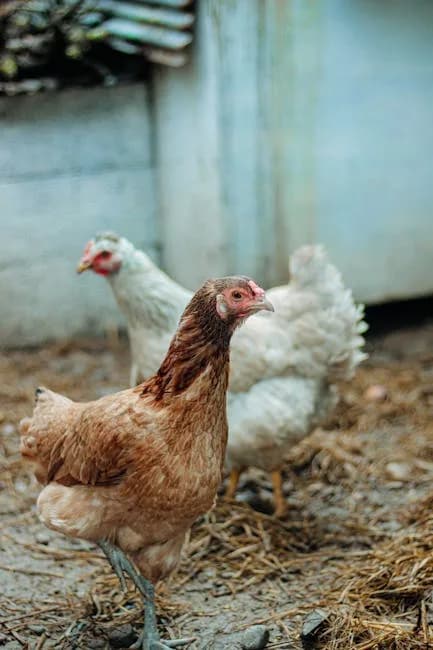
Raising Chickens in Georgia: 2026 Laws & Best Breeds
Georgia chicken laws by city, the best heat-tolerant breeds for Southern summers, and how to handle humidity, predators, and red clay. Updated for 2026.
Researched from university extension, USDA, and veterinary sources. How we research.
Raising Chickens in Georgia: 2026 Laws & Best Breeds
Yes, you can raise backyard chickens in Georgia. The state doesn't have a blanket ban on poultry keeping, but local city and county ordinances vary widely. Atlanta allows up to 25 hens with setback rules, Savannah requires an annual permit, most rural counties have few limits, and many suburban HOAs prohibit them entirely. This guide covers the actual laws (with citations to current municipal code), the right breeds for Georgia's heat and humidity, and a Georgia-specific cost breakdown for getting started.
Updated May 2026 with current ordinance references.
What You'll Learn
- •Quick answer: chickens in Georgia at a glance
- •Are backyard chickens legal in Georgia?
- •Georgia chicken laws by major city
- •HOA restrictions in Georgia
- •Best chicken breeds for Georgia's climate
- •Georgia by USDA hardiness zone
- •Dealing with Georgia's heat and humidity
- •Georgia winter care
- •Common predators in Georgia
- •Cost of raising chickens in Georgia
- •Where to buy chicks in Georgia
- •Common mistakes Georgia chicken keepers make
- •Frequently Asked Questions
Quick Answer: Chickens in Georgia at a Glance
| Topic | Georgia rule |
|---|---|
| State law | No statewide ban. Rules set by city/county. |
| Atlanta | Up to 25 hens, 50 ft setback from neighboring residences, no permit |
| Savannah | 1 hen per 1,000 sq ft of high ground, max 30, annual permit required |
| Roosters | Not banned statewide; many cities allow with noise nuisance rules |
| Best climate-suited breeds | Leghorn, Easter Egger, Rhode Island Red, Plymouth Rock |
| Biggest challenge | Summer heat + humidity (June-September) |
| Winter difficulty | Easy; mild winters across most of the state |
| Top predators | Hawks, raccoons, foxes, snakes, neighborhood dogs |
If you're in unincorporated rural Georgia, the answer is almost always "yes, easily." If you're in Atlanta or a suburban city with an HOA, check both the municipal code AND your HOA's covenants before buying any chicks.
Are Backyard Chickens Legal in Georgia?
Georgia has no state-level law prohibiting backyard chickens. Regulations are set at the city and county level, which means rules change depending on exactly where you live. The general pattern across Georgia:
- •Rural areas and unincorporated counties: Very few restrictions. Typically no flock size limits, roosters allowed, minimal setback rules.
- •Suburban cities: Usually allowed with limits on flock size (4-25 hens common), rooster bans or noise restrictions, setbacks from property lines (typically 25-50 feet).
- •Major cities: Varies widely. Atlanta and Savannah allow hens with rules. Some smaller cities restrict them more aggressively.
- •HOAs: Can override municipal permission. Many Georgia HOAs prohibit poultry entirely.
The single most important step before getting chickens is to check your local municipal code AND your HOA covenants. Call your city or county zoning department, or search your local government website for "poultry" or "backyard chickens." Don't rely on what your neighbor says or what was true 5 years ago; get the current rules in writing.
Georgia Chicken Laws by Major City
Important: City and county ordinances change frequently. The information below was researched in May 2026 using official municipal code references where available. Always verify with your local zoning or code enforcement office before starting a flock.
Atlanta (City of Atlanta)
Source: Municipal Code Chapter 18 - Animals; amended by Ord. No. 2017-30
Atlanta has two overlapping sets of rules depending on whether your property is in the Fulton County or DeKalb County portion of the city:
Citywide rules (Sec. 18-7):
- •Maximum 25 chickens, turkeys, bantams, or similar fowl per premises
- •Minimum 2 square feet of floor area per chicken (4 sq ft for turkeys)
- •Pens must be at least 50 feet from any residence or business (except the owner's)
- •Pens within 75 feet of a neighbor's residence must have a solid washable floor (cement or similar)
- •No permit required for backyard fowl
Fulton County portion only (Sec. 18-129):
- •Maximum 75 chickens, turkeys, geese, ducks, pigeons, or similar fowl (outside agricultural zones)
- •Minimum 4 square feet per bird
- •Must be at least 25 feet from any occupied building (except the owner's dwelling)
- •Housing must be well-drained, free from excrement accumulation and objectionable odors
Roosters: Not explicitly banned. However, Sec. 18-11 declares crowing or other noise persisting for 10 or more consecutive minutes a nuisance. Fines range from $150 (first violation) to $1,000 (subsequent violations). Violations require sworn affidavits from at least two unrelated witnesses or a video recording.
DeKalb County portion: Article III incorporates the DeKalb County Code of Ordinances, Chapter 5 (Animals) by reference. Check DeKalb County rules separately.
Savannah
Source: City Code Sec. 9-5062
- •Chickens allowed for personal, noncommercial purposes
- •Flock limit: 1 chicken per 1,000 square feet of high ground, maximum 30
- •Roosters restricted in residential areas
- •Annual permit required from the City of Savannah
Contact the City of Savannah Code Enforcement to verify current permit fees and application process.
Other Georgia Cities
For most other Georgia cities (Augusta, Athens, Columbus, Macon, Marietta, Decatur, Roswell, Sandy Springs, Alpharetta, Johns Creek, and others), the patterns are similar to Atlanta and Savannah but with locally-specific flock size limits and setback requirements. Rather than listing details that may be outdated, we recommend:
- •Search your city's municipal code at Municode Library or American Legal Publishing
- •Call your city or county code enforcement office for current rules
- •Check your county's animal control office for any county-level rules that apply on top of city rules
- •Verify your specific zoning classification since rules differ between agricultural, residential, and mixed-use zones even within the same county
Rural and unincorporated areas throughout Georgia are generally very permissive with few or no restrictions on flock size or roosters.
HOA Restrictions in Georgia
Here's the frustrating reality for many Georgia residents: even if your city or county allows backyard chickens, your HOA can still prohibit them. Georgia law generally allows HOAs to set their own rules about livestock and poultry.
Before buying chickens:
- •Read your HOA's CC&Rs (Covenants, Conditions, and Restrictions) cover to cover
- •Look for language about "livestock," "poultry," "farm animals," or "pets"
- •If chickens aren't specifically mentioned, ask the board in writing
- •Get any approval in writing before investing in a coop and chicks
Some Georgia HOAs have softened their stance on backyard chickens in recent years, especially since the pandemic increased interest in food self-sufficiency. It doesn't hurt to ask, and some keepers have successfully petitioned their boards to change the rules. Bring a presentation showing well-maintained backyard coops, current ordinances supporting hens, and ideally other Georgia HOAs that allow them.
If your HOA enforces, the penalties are typically warning letters first, then fines ($25-$250 per violation), then possible legal action. Reddit chicken keepers in Georgia report mixed experiences with HOAs. Some note that quiet hens in a well-maintained coop never draw complaints; others have faced enforcement actions after a single complaint from one neighbor.
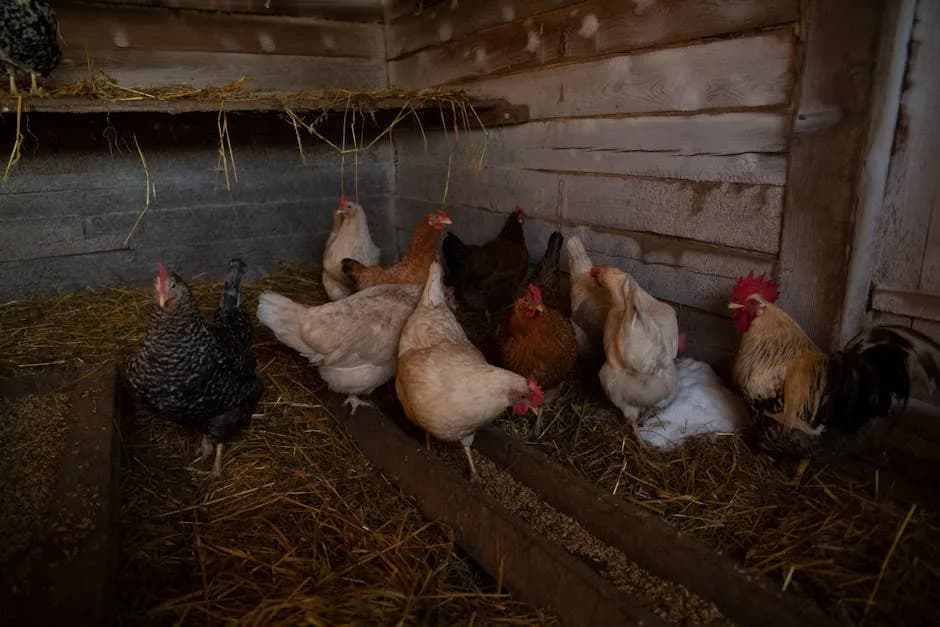
Best Chicken Breeds for Georgia's Climate
Georgia's climate is the #1 factor in choosing breeds. Summers are hot and humid (regularly 90-95°F with high humidity from June through September), while winters are mild (30-50°F in most of the state, colder in the mountains).
Heat-tolerant breeds (best for Georgia)
These breeds thrive in Georgia's hot, humid summers:
- •Leghorns: The #1 heat-tolerant breed. Light body, large comb for heat dissipation, Mediterranean origins. Excellent layers too (280+ eggs/year).
- •Easter Eggers: Handle heat well, lay colorful eggs, widely available at Georgia feed stores. Friendly with families.
- •Rhode Island Reds: Tough, adaptable birds that handle Georgia summers and produce 250+ eggs per year.
- •Plymouth Rocks: Solid all-around breed that tolerates Georgia heat without fuss.
- •Sussex: Active foragers that manage moderate heat well. Great dual-purpose option.
- •ISA Brown: Production hybrid that handles heat reasonably and lays 300+ eggs in first year.
Breeds to avoid (or manage carefully) in Georgia
These breeds struggle in Georgia's heat and humidity:
- •Brahmas: Massive body and dense feathering make them heat magnets. Avoid south of Atlanta.
- •Cochins: Same issue: too much fluff for southern summers.
- •Silkies: Their unusual feathering doesn't cool them effectively. Need extra shade and cooling.
- •Marans: Feathered-leg varieties struggle more; clean-legged American Marans do better.
You can keep heat-sensitive breeds in Georgia, but you'll need to work harder at summer cooling: aggressive shade, misting systems, frozen treats during peak summer. Many keepers in the North Georgia mountains successfully raise Brahmas and Cochins; in central or south Georgia, stick to heat-tolerant breeds.
For a full breed comparison, see our best breeds for beginners guide.
Georgia by USDA Hardiness Zone
Georgia spans three USDA hardiness zones, and the right breeds and seasonal care vary by region:
| Region | Cities | USDA Zone | Climate notes |
|---|---|---|---|
| North GA Mountains | Blue Ridge, Dahlonega, Ellijay, Clayton | 6b-7a | Cold winters (10-20°F), milder summers. Bramas and Cochins work here. |
| North GA Piedmont | Atlanta, Athens, Gainesville, Rome | 7b-8a | Mild winters (20-30°F), hot summers (90-95°F). Standard heat-tolerant breeds. |
| Central GA | Macon, Columbus, Warner Robins | 8a | Mild winters, hot/humid summers (95°F+). Heat tolerance critical. |
| South GA/Coastal | Savannah, Valdosta, Brunswick, Albany | 8b-9a | Very mild winters (40°F lows), very hot/humid summers (95-100°F). Only the most heat-tolerant breeds work without intervention. |
For South Georgia and coastal areas, lean heavily toward Leghorns, ISA Browns, and Easter Eggers. For North Georgia mountains, you have more flexibility with cold-hardy breeds like Wyandottes, Brahmas, and Plymouth Rocks.
Dealing with Georgia's Heat and Humidity
This is the biggest challenge for Georgia chicken keepers. Heat kills more backyard chickens in the South than any predator. Here's your Georgia-specific survival plan.
The humidity problem
Georgia's heat is worse than dry-heat states at the same temperature because humidity prevents chickens from cooling themselves through panting. A 92°F day in Arizona feels very different to a chicken than a 92°F day in Atlanta with 80% humidity.
Chickens start showing heat stress at 85°F with high humidity, and mortality risk climbs sharply past 95°F, per University of Kentucky poultry extension research. From late May through mid-September in most of Georgia, every day requires some level of heat management.
Summer essentials for Georgia flocks
- •Shade: Not optional. Every inch of your run should have a shaded option. Trees, shade cloth, or tarps all work. Coop itself should not be in full afternoon sun.
- •Multiple water stations: Place waterers in shade and refill with cool water twice daily. Add ice on days above 95°F. Many Georgia keepers use a heated waterer base reversed (chilled with ice packs) during peak summer.
- •Ventilation: Your coop needs maximum airflow in summer. Open every window and vent. Consider leaving the coop door open at night (with a predator-proof run) for air circulation.
- •Misting system: A $10-$20 misting attachment on a garden hose drops surrounding temperature by 10-15°F. Run intermittently during peak heat.
- •Electrolytes: Add poultry electrolytes to water during heat waves above 95°F. See our chicken probiotics and electrolytes guide.
- •Frozen treats: Watermelon, frozen corn, ice blocks with vegetables. Helps cool birds from the inside.
- •Dust bath access in shade: Birds cool themselves naturally by dust bathing. Make sure dust bath areas aren't in direct sun.
For the complete heat-management playbook, see our summer chicken care guide.
Watch for heat stress signs
Georgia keepers should know these sick chicken symptoms:
- •Open-mouth panting (early warning)
- •Wings held away from the body (cooling posture)
- •Lethargy and lying down (advanced heat stress)
- •Pale combs
- •Decreased eating
- •Pale or runny droppings
If you see these signs, act immediately: move the bird to shade, offer cool (not ice cold) water, stand it in shallow cool water if severe.
Georgia Winter Care
The good news: Georgia winters are easy on chickens compared to northern states. Most of the state rarely drops below 20°F, and freezes are usually brief.
What you still need:
- •A draft-free coop with good ventilation (moisture control matters even in mild winters)
- •Dry bedding (pine shavings work well)
- •Unfrozen water (a heated waterer is nice but not essential; most Georgia days are above freezing)
- •Petroleum jelly on combs during the rare cold snaps below 20°F
What you probably don't need:
- •Supplemental heat lamps (chickens handle Georgia winter temps easily; heat lamps are mostly fire hazards in this climate)
- •Insulated coops (unless you're in the North Georgia mountains)
- •Heavy winter feed changes
- •Coop heaters
North Georgia mountain areas (Blue Ridge, Dahlonega, Ellijay) see colder winters with more frequent freezes. Keepers there should follow our winter care guide and fall preparation checklist more closely. For sub-20°F nights, heated waterers genuinely matter.
Common Predators in Georgia
Georgia's predator lineup is serious. Here's what you're up against:
- •Hawks: Red-tailed hawks and Cooper's hawks are everywhere in Georgia. They're protected by federal law (you cannot harm them). Covered runs, overhead netting, or free-ranging with plenty of cover (shrubs, trees) are your defenses.
- •Raccoons: Georgia's most persistent coop raiders. They can open simple latches, reach through chicken wire, and dig under fences. Use hardware cloth and raccoon-proof latches.
- •Foxes: Common in both rural and suburban Georgia. They hunt during the day, especially when feeding pups.
- •Snakes: Georgia has rat snakes, king snakes, and others that love chicken eggs and will eat chicks. Hardware cloth with 1/2-inch openings keeps them out.
- •Opossums: Common nighttime visitors. They eat eggs and occasionally attack sleeping chickens.
- •Coyotes: Increasingly common even in suburban Atlanta. Secure your coop at night.
- •Neighborhood dogs: The most common predator in suburban Georgia. A sturdy run solves this. Hardware cloth and locked latches stop the determined ones.
Invest in good fencing, or step up to electric poultry netting for rural Georgia properties with serious predator pressure. Georgia's predator density makes coop hardening non-optional.
Cost of Raising Chickens in Georgia
Real-world budget for starting a small Georgia flock (4-6 hens):
| Category | Cost |
|---|---|
| 6 hens (sexed pullets from feed store) | $25-$60 ($4-$10 each) |
| Coop (Aivituvin Large or similar) | $250-$350 |
| Hardware cloth + carabiner upgrades | $50-$100 |
| Feeders and waterers | $40-$70 |
| Initial feed (50 lb bag of layer pellets) | $20-$30 |
| Brooder setup (if starting with chicks) | $75-$120 |
| Total startup cost | $460-$730 |
Ongoing monthly costs:
| Category | Cost |
|---|---|
| Feed (50 lb bag, lasts ~6 weeks for 6 hens) | $15-$25/month equivalent |
| Bedding (pine shavings) | $5-$15/month |
| Electrolytes/supplements during summer | $5/month |
| Vet/parasite treatment | $5-$10/month average |
| Total monthly | $30-$55 |
For full cost detail by flock size, see our how much does it cost to raise chickens guide. Georgia keepers benefit from lower heating costs (no winter heat lamps needed in most of the state) but spend more on summer cooling supplies than northern keepers.
Where to Buy Chicks in Georgia
Georgia keepers have plenty of options.
Feed stores (spring)
- •Tractor Supply: Locations statewide, carries chicks seasonally (February-May)
- •Local farm supply stores: Many smaller stores carry chicks from regional hatcheries
- •Chick Days events: Typically run February through May at major retailers
Hatcheries (year-round, shipped)
- •Murray McMurray Hatchery: Ships to Georgia, large breed selection
- •Cackle Hatchery: Ships to Georgia, NPIP certified
- •Meyer Hatchery: Ships to Georgia, good for less common breeds
- •Hoover's Hatchery: Often available through Tractor Supply
Local breeders
- •Facebook groups: "Atlanta Backyard Chickens," "Georgia Poultry Keepers," and state-specific breed groups
- •Georgia Poultry Club: Sanctioned shows and breeder directory
- •Swap meets and poultry auctions: Several across Georgia, especially spring
Timing
Georgia's mild climate means you can start chicks almost year-round, but spring (March-May) is ideal. Chicks started in spring will begin laying by late summer or early fall. Avoid starting chicks in mid-summer if possible; brooding chicks while managing flock heat stress is doubly hard.
Common Mistakes Georgia Chicken Keepers Make
Six mistakes that come up consistently in Georgia-specific chicken forums:
1. Picking heat-sensitive breeds for South Georgia. Brahmas and Cochins look beautiful but suffer in Macon or Savannah summers. Stick with Mediterranean/heat-adapted breeds south of Atlanta.
2. Underestimating summer water needs. A 6-hen flock can drink 3+ gallons on a 95°F+ day. Single-station waterers become a problem fast. Run at least 2 water sources in shade.
3. Building coops with poor ventilation. Following northern-state coop plans without modification. Georgia coops need MORE ventilation than northern coops, not less. High vents near the roofline are essential.
4. Ignoring HOA rules until it's too late. Buying coop + chicks before checking covenants and then discovering they're prohibited. Always check HOA first.
5. Skipping hardware cloth. Georgia has serious predator pressure (raccoons, snakes, foxes). Chicken wire alone is not enough. The $40-$80 hardware cloth upgrade is mandatory, not optional.
6. Adding heat lamps in winter. Most of Georgia doesn't need them, and they're fire risks. Chickens handle 30-40°F nights easily. Heat lamps should only be considered for the rare sub-15°F nights in North Georgia mountains.
Frequently Asked Questions
Can I have chickens in Atlanta?
Yes. Atlanta allows up to 25 chickens per premises (Sec. 18-7) with a 50-foot setback from neighboring residences. Within the Fulton County portion, up to 75 birds with 25-foot setbacks (Sec. 18-129). No permit required for backyard fowl. Always verify with Atlanta code enforcement before starting a flock.
Can I have a rooster in Georgia?
It varies by city. Atlanta doesn't explicitly ban roosters but treats persistent crowing (10+ consecutive minutes) as a noise nuisance with fines from $150 to $1,000 (Sec. 18-11). Many other Georgia cities ban roosters in residential zones. Rural and unincorporated areas typically allow roosters without restriction. Check your local ordinance and HOA before adding a rooster. See our do you need a rooster guide for the broader pros and cons.
How many chickens can I have in Georgia?
No statewide limit. Local laws set the numbers:
- •Atlanta: Up to 25 birds citywide (Sec. 18-7); up to 75 in the Fulton County portion (Sec. 18-129)
- •Savannah: 1 per 1,000 sq ft of high ground, max 30 (Sec. 9-5062)
- •Rural and unincorporated areas: Typically no limit
Check your specific city or county code for your property's allowance.
Do I need a permit for backyard chickens in Georgia?
It varies by city. Savannah requires an annual permit. Atlanta does not require a permit for backyard flocks but you must comply with setback distances and enclosure requirements. Many other Georgia cities don't require permits as long as you meet the basic ordinance rules. Your county zoning department can tell you exactly what's needed for your location.
What's the best chicken breed for Georgia heat?
Leghorns are the top heat-tolerant breed for Georgia. Their light body, large comb (for heat dissipation), and Mediterranean origins make them well-adapted to hot, humid summers. Easter Eggers, Rhode Island Reds, Plymouth Rocks, and ISA Browns are also good choices. Avoid heavily-feathered breeds (Brahmas, Cochins, Silkies) in central and south Georgia.
What's the best time to start chickens in Georgia?
Early spring (March-April) is ideal. Georgia's warm spring weather is perfect for brooding chicks, and they'll be fully feathered before summer heat hits. They'll start laying around September-October. Avoid starting chicks in June-August; combining brooder management with summer flock heat stress is hard.
Can my Georgia HOA stop me from keeping chickens?
Yes, in most cases. Georgia law generally allows HOAs to restrict livestock and poultry through their covenants. Even if your city allows chickens, your HOA can prohibit them. Read your CC&Rs carefully before buying any chicks. Some HOAs have softened their rules in recent years; petitioning the board with a presentation showing well-maintained backyard coops sometimes works.
What predators do I need to worry about in Georgia?
The main threats are hawks (especially red-tailed and Cooper's), raccoons, foxes, snakes (rat snakes love eggs), opossums, coyotes (increasingly common), and neighborhood dogs. Hardware cloth, raccoon-proof latches, and covered runs handle most of these. For rural Georgia properties with heavy predator pressure, electric poultry netting is worth considering.
How much does it cost to raise chickens in Georgia?
Startup costs run $460-$730 for a small flock of 4-6 hens including coop, chicks, modifications, and initial supplies. Ongoing costs are about $30-$55 per month for feed, bedding, and supplements. Georgia keepers save on winter heat (rarely needed) but spend more on summer cooling supplies than northern keepers. See our full cost breakdown for more detail.
Can chickens handle Georgia summers without air conditioning?
Yes, with proper management: shade, fresh cool water (multiple stations), good ventilation, frozen treats, and electrolytes during heat waves. Heat-tolerant breeds like Leghorns and Easter Eggers manage with minimal intervention. Heavier breeds need more aggressive cooling. The #1 rule: never let your flock run out of cool, fresh water on a hot day.
Can I sell eggs from my backyard chickens in Georgia?
Yes, with some rules. Georgia allows small-scale egg sales without commercial licensing under the "egg seller's permit exemption" if you sell directly to the end consumer (not to retailers or restaurants). You need to label eggs as "ungraded" and keep them refrigerated. For details, contact the Georgia Department of Agriculture's Egg Division. If you want to sell to restaurants or grocery stores, you'll need a commercial egg handler's license.
Are backyard chickens allowed in Savannah?
Yes. Savannah allows backyard hens for personal, non-commercial purposes (Sec. 9-5062). Flock limit is 1 hen per 1,000 sq ft of high ground, maximum 30. Roosters are restricted in residential areas. An annual permit is required from the City of Savannah Code Enforcement.
Georgia is a great state for backyard chickens. The mild winters mean less cold-weather hassle, the growing season provides excellent foraging, and the backyard chicken community across the state is active and welcoming. Just respect the summer heat, know your local laws, and build a predator-proof setup.
Ready to start? See our beginner's guide to raising chickens or pick your breeds with our best breeds for beginners.
Picking a coop for Georgia? The breed you choose matters, but so does the coop. Our best chicken coops on Amazon roundup covers picks across flock sizes and price ranges, with notes on which models hold up best in different climates.
Raising Chickens in Other States
If you're moving, considering a different state, or just curious how the rules compare, browse our other state guides:
Northeast: Connecticut, Delaware, Maine, Maryland, Massachusetts, New Hampshire, New Jersey, New York, Pennsylvania, Rhode Island, Vermont
Southeast: Alabama, Florida, Kentucky, Louisiana, Mississippi, North Carolina, South Carolina, Tennessee, Virginia, West Virginia
Midwest: Illinois, Indiana, Iowa, Kansas, Michigan, Minnesota, Missouri, Nebraska, North Dakota, Ohio, South Dakota, Wisconsin
South & Southwest: Arizona, Arkansas, New Mexico, Oklahoma, Texas
Mountain & West: Alaska, California, Colorado, Hawaii, Idaho, Montana, Nevada, Oregon, Utah, Washington, Wyoming
Related Guides
Raising Chickens in Alaska: 2026 Laws & Best Breeds
Raising chickens in Alaska: laws for Anchorage, Fairbanks, Juneau, plus extreme cold-hardy breeds and sub-arctic care tips.
State GuidesRaising Chickens in Delaware: 2026 Laws & Best Breeds
Raising chickens in Delaware: laws for Wilmington, Dover, Newark, plus best breeds and tips for the First State's climate.
State GuidesRaising Chickens in Idaho: 2026 Laws & Best Breeds
Raising chickens in Idaho: laws for Boise, Meridian, Nampa, plus cold-hardy breeds and tips for the state's varied climate.
State GuidesRaising Chickens in Kansas: 2026 Laws & Best Breeds
Raising chickens in Kansas: laws for Wichita, Overland Park, Topeka, plus hardy breeds and storm-ready coop tips for the Sunflower State.