Marans Chicken: Complete Breed Guide (Dark Eggs, Size, Care)
Complete Marans chicken breed guide. Famous for dark chocolate-brown eggs, 150-200/year. Covers Black Copper Marans, varieties, temperament, and care.
Researched from university extension, USDA, and veterinary sources. How we research.
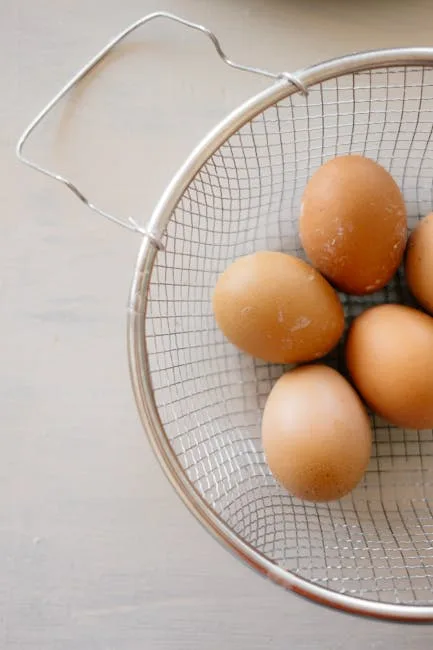
Marans chickens lay the darkest brown eggs of any breed, ranging from deep chocolate to nearly mahogany. If you've ever seen those gorgeous dark eggs on Instagram or at a farmers market and wondered what breed laid them, the answer is almost always a Marans. They produce about 150-200 eggs per year, weigh 6.5-8 lbs, and they've got a calm personality that works well in most backyard flocks.
What You'll Learn
- •Marans Chicken Overview
- •History and Origin
- •Why Are Marans Eggs So Dark?
- •Marans Chicken Varieties
- •How Big Do Marans Chickens Get?
- •Marans Chicken Temperament
- •How Many Eggs Do Marans Lay?
- •French Standard vs American Standard
- •Are Marans Good for Beginners?
- •Housing and Care Requirements
- •Health Issues to Watch For
- •Frequently Asked Questions
Marans Chicken Overview
| Trait | Details |
|---|---|
| Size | Roosters: 7-8 lbs, Hens: 6-6.5 lbs |
| Eggs | 150-200 per year, dark brown, large |
| Temperament | Calm, quiet, somewhat independent |
| Cold Hardy | Good |
| Heat Tolerant | Moderate |
| Broody | Occasionally broody |
| Beginner Friendly | Yes |
| Lifespan | 6-8 years |
Marans aren't the most prolific layers, and they're not the biggest birds. What they are is the undisputed champion of egg color. If a beautiful egg basket with deep, rich brown eggs matters to you, nothing else comes close.
History and Origin
The Marans (always spelled with an "s," even for a single bird) originated in the port town of Marans in western France. The breed was developed in the mid-1800s from local marsh hens crossed with fighting game birds brought in by sailors. Over time, breeders added blood from Croad Langshans, Faverolles, and other breeds to create the bird we know today.
The French have always been particular about their Marans. In France, eggs are graded on a 1-9 darkness scale, and serious breeders won't sell hatching eggs below a 4. French chefs have long prized Marans eggs for their rich flavor and thick shells, and author Ian Fleming even specified that James Bond's breakfast eggs came from Marans hens.
The breed arrived in the United States in the early 2000s and has exploded in popularity since then. The American Poultry Association recognized the Black Copper variety in 2011, making it relatively new to the US show scene.
Why Are Marans Eggs So Dark?
The dark color comes from a pigment called protoporphyrin that's applied as a coating in the last few hours before the egg is laid. This means:
- •The color is literally painted on. You can actually scratch the dark pigment off a fresh Marans egg with your fingernail, revealing a lighter shell underneath.
- •Egg color fades through the laying cycle. The darkest eggs come at the beginning of a laying cycle (after a break or molt). As the hen lays more eggs, the pigment supply gets used up and eggs gradually lighten. After a rest period, the dark color resets.
- •Genetics determine the maximum darkness. Some Marans hens lay darker eggs than others. Breeders select for dark egg color specifically.
- •Not all Marans lay super dark eggs. Hatchery-quality Marans often lay medium-brown eggs. If you want genuinely dark eggs (7+ on the Marans color scale), you'll need birds from a breeder who selects for egg color.
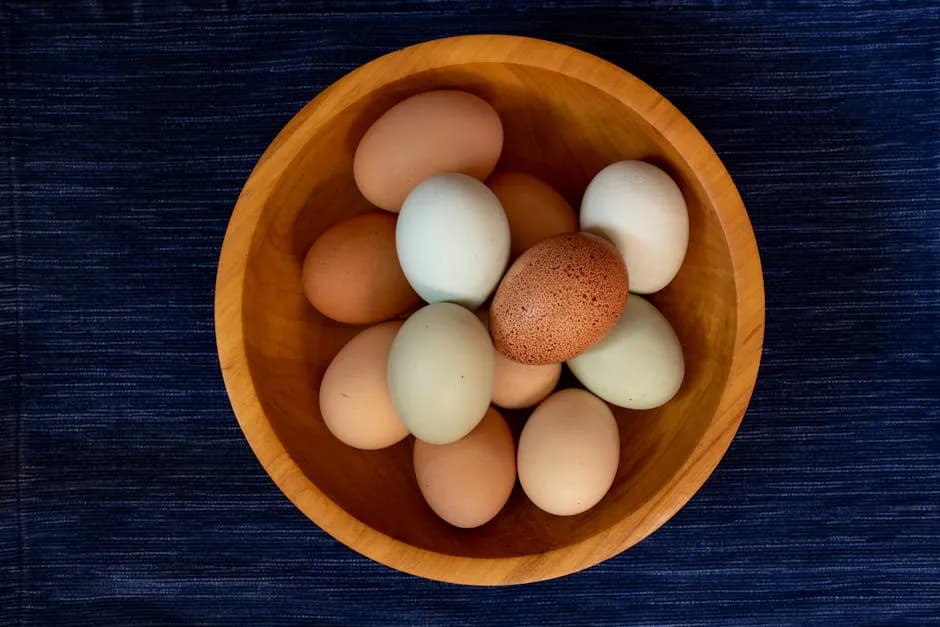
The egg color ranges from about a 4 (medium dark brown) to a 9 (nearly black-brown). Black Copper Marans from quality breeders typically lay in the 6-8 range.
Marans Chicken Varieties
Black Copper Marans
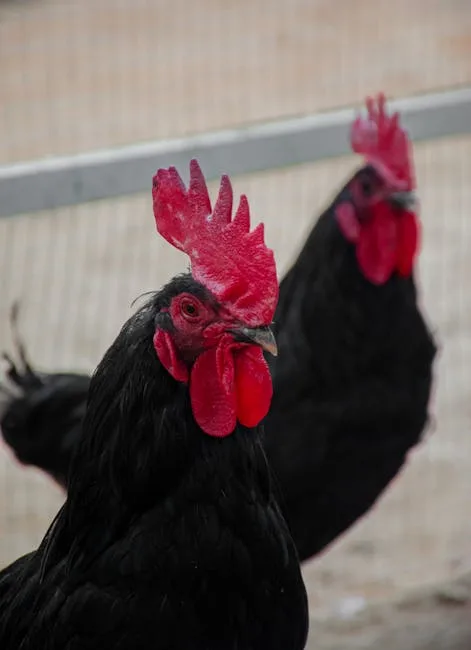
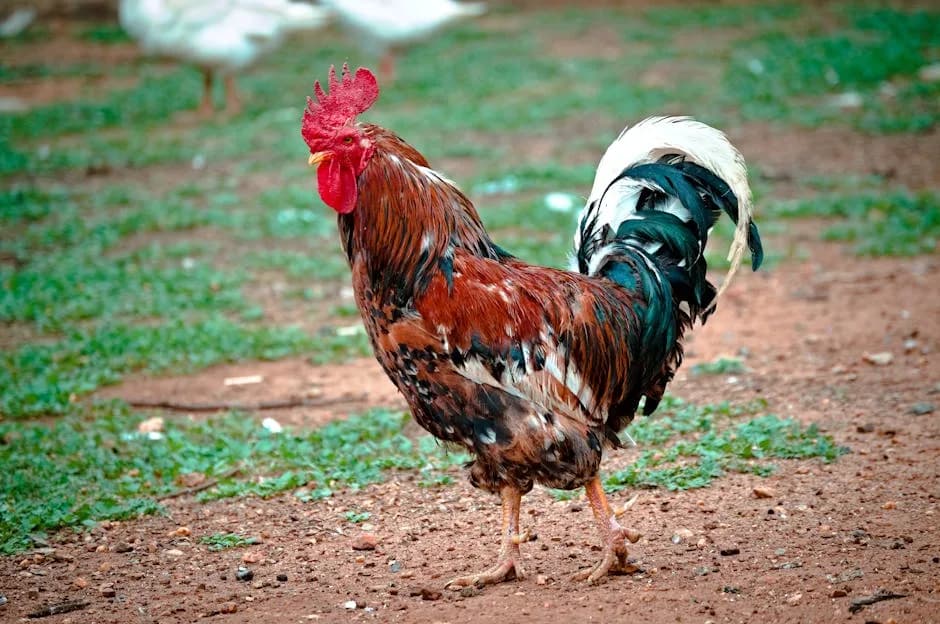
This is the most popular variety and the one most people picture when they think of Marans. Roosters are stunning: black body with a copper/gold hackle and saddle. Hens are mostly black with copper feathering on the neck. Black Copper Marans typically lay the darkest eggs of any variety.
They were the first Marans variety recognized by the APA (2011) and are the easiest to find from both hatcheries and breeders. For a deeper look at this variety, including egg color expectations, hatchery vs breeder differences, and sexing chicks, see our full Black Copper Marans breed guide.
Cuckoo Marans
A barred black-and-white pattern similar to a Plymouth Rock. Cuckoo Marans are the most widely available variety from hatcheries, but their eggs tend to be lighter than Black Copper Marans, typically in the 4-6 range on the darkness scale. They also have a handy edge over other Marans: the barring is sex-linked, so you can often tell cockerels from pullets at hatch. For egg-color expectations, clean-legged versus feathered strains, and chick sexing, see our full Cuckoo Marans breed guide.
They're a great choice if you want Marans personality and decent dark eggs without paying breeder prices.
Blue Copper Marans
Similar to Black Copper but with blue (slate gray) replacing the black feathering. They're beautiful birds and their eggs are comparable in darkness to Black Copper. Less common and usually only available from breeders.
Wheaten Marans
Hens are a warm, wheaten buff color, while roosters display classic red and black patterns. Wheaten Marans can lay very dark eggs, and some breeders consider them among the best for egg color. They're recognized by the APA.
Other Varieties
White, Birchen, Black, and Splash varieties also exist but are harder to find in the US. The French Marans Club recognizes nine varieties in total.
How Big Do Marans Chickens Get?
Marans are medium-to-large birds:
- •Roosters: 7-8 lbs
- •Hens: 6-6.5 lbs
- •Cockerels: 6.5 lbs
- •Pullets: 5.5 lbs
They're similar in size to Rhode Island Reds and Wyandottes, but smaller than Brahmas or Cochins. Their body is muscular and well-proportioned, reflecting their game bird ancestry. They carry themselves with a slightly upright, active posture.
Marans mature at a moderate pace, typically reaching laying age around 5-7 months.
Marans Chicken Temperament
Marans have an interesting personality that reflects their dual heritage of marsh chickens and game birds:
- •Calm but independent. They're not as lap-friendly as Buff Orpingtons or Silkies, but they're not flighty either. They'll tolerate handling without fuss but won't typically seek out human attention.
- •Active foragers. Thanks to their game bird ancestry, Marans love to forage. They'll scratch and hunt bugs enthusiastically, making them excellent free-range birds.
- •Quiet. Marans are one of the quieter breeds, which is great for suburban keepers.
- •Good in mixed flocks. They get along well with other breeds and generally hold a middle position in the pecking order. They won't start fights, but they won't get pushed to the bottom either.
- •Roosters are generally well-behaved. Black Copper Marans roosters have a reputation for being calmer than average, though individual temperament always varies.
Reddit chicken keepers frequently describe Marans as "aloof but not mean." They're independent chickens that do their own thing without being aggressive or problematic.
How Many Eggs Do Marans Lay?
Here's where expectations and reality sometimes clash:
- •150-200 eggs per year (roughly 3-4 per week)
- •Large eggs with thick shells
- •Deep brown to chocolate-brown color (varies by genetics and laying cycle)
- •Start laying at 5-7 months
- •Occasionally go broody (more often than Leghorns, less often than Cochins)
Those numbers are respectable but not exceptional. If you're comparing purely on egg count, an Australorp (250+) or Leghorn (280+) will significantly outproduce a Marans. But no other breed gives you those dark chocolate eggs.
One important note from experienced Marans keepers: hatchery Marans often lay lighter eggs than expected. If dark egg color is your primary reason for choosing this breed, consider buying from a breeder who specifically selects for egg color. You'll pay more ($5-15 per chick vs $3-5 for hatchery birds), but the eggs will be noticeably darker.
French Standard vs American Standard
There's an important distinction between French and American Marans that confuses a lot of people:
French Standard Marans
- •Feathered legs (lightly feathered shanks and toes)
- •Stricter egg color requirements for showing
- •Considered the "original" standard
- •Some US breeders import French bloodlines specifically
American Standard Marans (APA)
- •Clean legs (no feathering on legs or toes)
- •APA specifically calls for clean legs
- •More widely available from US hatcheries
- •Some argue they've lost some egg color darkness through American breeding programs
If you're buying Marans and you see "French Black Copper Marans," that means they have feathered legs following the French standard. Regular "Black Copper Marans" in the US typically have clean legs.
Both types lay dark eggs. The feathered-leg vs clean-leg difference is mostly a showing and breeding concern. For a backyard egg flock, either works fine.
Are Marans Good for Beginners?
Yes, with one caveat: manage your expectations about egg color. Here's the honest breakdown:
Pros:
- •Calm, easy to manage
- •Hardy and not prone to unusual health issues
- •Beautiful birds, especially Black Copper roosters
- •Active foragers that are fun to watch
- •Quiet (good for suburbs)
- •Those amazing dark eggs
Challenges:
- •Lower egg production than many popular breeds
- •Hatchery birds may lay lighter eggs than expected
- •Quality breeding stock can be expensive
- •Not as cuddly as some breeds (more independent)
- •French-standard feathered legs need extra attention in wet/muddy conditions
If you're starting out and want to combine good egg production with some dark eggs, consider keeping Marans alongside a higher-production breed like Rhode Island Reds or Australorps. You'll get a beautiful egg basket with a range of colors and plenty of eggs to go around.
For getting started, check our beginner's guide and best breeds for beginners.
Housing and Care Requirements
Marans are straightforward to care for. They don't have the special needs of heavily feathered breeds.
Space
- •4-5 square feet per bird inside the coop
- •10+ square feet per bird in the run
- •They benefit from room to forage; more space is always better for this active breed
Fencing
Marans can fly better than heavy breeds like Brahmas and Cochins. Their game bird heritage gives them more athleticism. A 5-6 foot fence is recommended, or clip one wing to prevent escape.
Feeding
Standard layer feed (16% protein) works fine. Their active foraging means they'll supplement with natural food if given access to a yard. During molt, bump to 18-20% protein to support feather regrowth. For complete nutrition info, see our feeding guide.
Climate
Marans handle cold weather well. They originated in a maritime climate and they're well-insulated for winter. In very hot weather (above 90°F), provide shade and plenty of water. They're not as heat-sensitive as Brahmas but they'll appreciate cooling measures during heat waves. Our summer care guide covers the details.
Egg Care
Because Marans eggs have that thick pigment coating, they can be more prone to showing scuffs and scratches from the nest box. Keep nest boxes clean with fresh bedding and collect eggs regularly.
Health Issues to Watch For
Marans are generally healthy and hardy. Here's what to keep on your radar:
Feathered foot care (French standard only). If your Marans have feathered legs, the same rules apply as for Brahmas: keep bedding dry, check for mud buildup, and watch for scaly leg mites. Clean-legged Marans don't have this concern.
Egg binding. Marans eggs are large with thick shells, which can occasionally lead to egg binding, particularly in young hens laying their first eggs. Watch for straining, lethargy, and a penguin-like stance. See our egg problems guide for symptoms and solutions.
Standard parasites. Mites, lice, and worms affect all chickens. Regular checks and clean housing prevent most issues. Our sick chicken symptoms guide helps you spot problems early.
Bumblefoot. Not breed-specific, but Marans are active birds that do a lot of jumping and scratching. Keep roosts at reasonable heights and check foot pads periodically.
Looking for the right coop? Whatever breed you settle on, the coop you put them in matters as much as the bird itself. Our best chicken coops on Amazon roundup covers current top picks across flock sizes and price ranges, from under-$100 starter coops to walk-in models for larger flocks.
Frequently Asked Questions
Why are my Marans eggs not dark?
There are several possible reasons. Hatchery Marans often carry genetics for lighter eggs since they haven't been selected specifically for egg color. Egg color also fades through the laying cycle, getting lighter the longer a hen lays before a break. Age matters too; young pullets may start with lighter eggs that darken over time. If you want consistently dark eggs, buy from a breeder who selects for a 7+ on the Marans egg color scale.
Are Black Copper Marans rare?
They're not rare anymore, but quality ones can be hard to find. Hatcheries sell Black Copper Marans widely, so the birds themselves are readily available. However, BCMs from breeders who select for genuinely dark eggs (7-9 on the color scale) are more limited and command higher prices, typically $10-15 per chick or $5-8 per hatching egg.
Can you eat Marans eggs like regular eggs?
Yes. Marans eggs taste the same as any other chicken egg. The dark color is purely cosmetic, applied as an external pigment coating. The inside of the egg is identical to what you'd get from any other breed. Some French chefs prize them for their thick shells and claim the flavor is superior, but blind taste tests haven't confirmed a difference.
How dark should Marans eggs be?
The Marans egg color scale runs from 1 (lightest) to 9 (darkest). For showing, eggs should be at least a 4. Most backyard keepers are happy with a 5-7. Eggs scoring 8-9 are exceptional and typically come from carefully bred lines. Remember that darkness varies through the laying cycle, so even a great hen won't lay a 9 every single time.
Do Marans chickens get along with other breeds?
Yes, Marans mix well with other breeds. They're calm enough to coexist peacefully but confident enough not to get bullied. They're an excellent addition to a mixed flock and pair well with other docile breeds like Orpingtons, Sussex, and Plymouth Rocks.
Marans won't give you the most eggs, but they'll give you the most interesting eggs. That dark chocolate color adds real variety to your egg basket and turns heads at farmers markets. Pair a few Marans with some blue-egg layers like Easter Eggers and you'll have the most colorful dozen on the block.
For more breed options, browse all our breed guides or start with our best breeds for beginners.
Sources:
- •Marans Chicken Club USA. https://www.maransofamerica.com/
- •The American Poultry Association. Standard of Perfection (reference). http://www.amerpoultryassn.com/
- •University of Kentucky Cooperative Extension. Small Flock Poultry resources. https://poultry.extension.org/
- •The Livestock Conservancy. Heritage breed conservation. https://livestockconservancy.org/
Related Guides
Delaware Chicken Breed Guide: Eggs, Size, Care
Everything you need to know about Delaware chickens. Covers 200-280 eggs/year, dual-purpose traits, calm temperament, and heritage breed care tips.
BreedsJersey Giant Chicken Breed Guide: Size, Eggs, Care
Everything you need to know about Jersey Giant chickens. Size, egg production, temperament, and care tips for the world's largest purebred chicken breed.
BreedsCochin Chicken Breed Guide: Eggs, Size, Care
Complete Cochin chicken breed guide covering egg production (150-180/yr), size, temperament, color varieties, and care tips for these fluffy giants.
BreedsNew Hampshire Red Breed Guide: Eggs, Size, Care
Complete New Hampshire Red chicken guide. Covers 200-280 eggs/year, dual-purpose traits, how they differ from Rhode Island Reds, and care tips.