Fall Chicken Care: 12 Steps to Prepare Your Flock for Winter
Complete fall chicken care checklist with 12 steps. Covers molting, coop prep, predator-proofing, feeding changes, and getting ready for cold weather.
Researched from university extension, USDA, and veterinary sources. How we research.
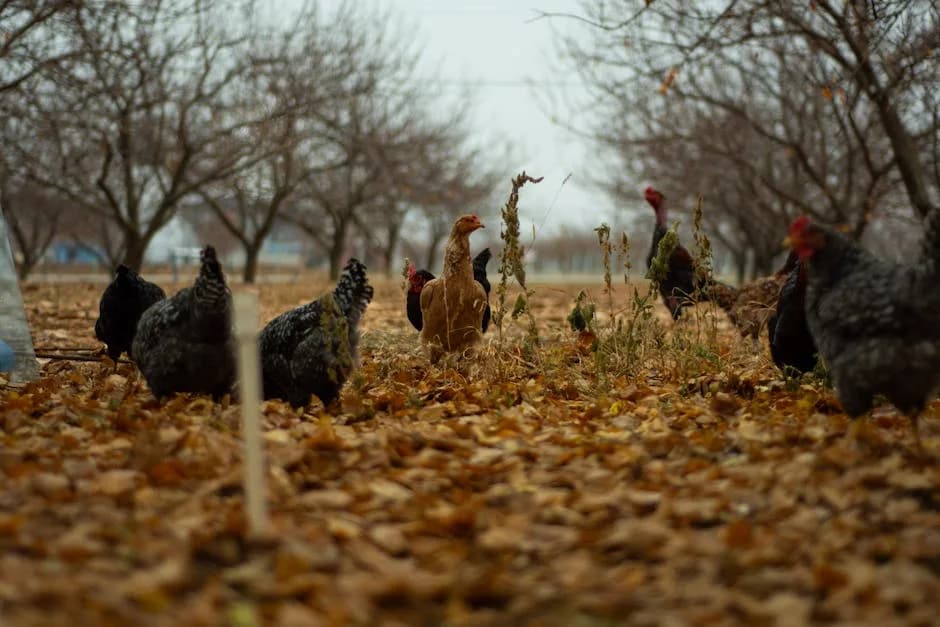
Fall is the busiest season for backyard chicken keepers. Your birds are molting, daylight is shrinking, predators are getting bolder, and winter is right around the corner. The work you do now determines how well your flock handles the cold months ahead. Here's your complete fall checklist to get everything in order before the first frost hits.
What You'll Learn
- •Understanding the Fall Molt
- •How to Feed Molting Chickens
- •Why Egg Production Drops in Fall
- •Should You Add Supplemental Lighting?
- •Deep Clean Your Coop
- •Winterize Your Coop
- •Check Ventilation (Don't Seal It Up)
- •Inspect and Repair Fencing
- •Predator-Proof Before Winter
- •Prepare Your Water System
- •Stock Up on Supplies
- •Do a Flock Health Check
- •Frequently Asked Questions
Understanding the Fall Molt
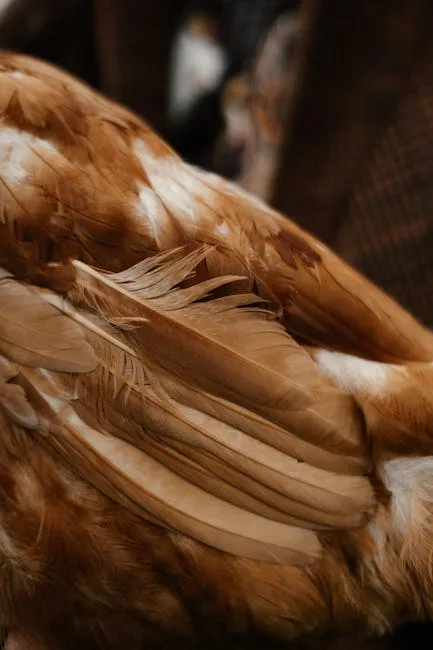
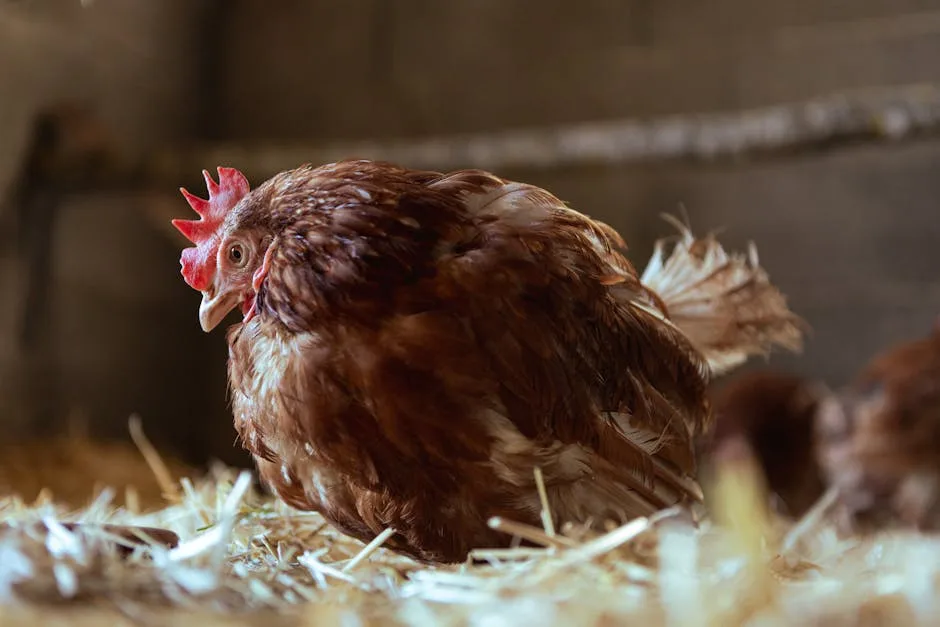
If your chickens suddenly look like they've been through a pillow fight, don't panic. That's the annual molt. Every fall, as daylight hours drop below about 14 hours per day, chickens shed their old feathers and grow new ones. It's completely normal and it happens to every chicken, usually starting around 18 months of age.
Here's what to expect:
- •Duration: 8-12 weeks from start to finish
- •Pattern: Feathers typically drop from the head and neck first, then move down the body to the wings, breast, and tail
- •Severity varies: Some chickens have a "hard molt" where they lose feathers rapidly and look nearly naked. Others have a "soft molt" that's barely noticeable.
- •No eggs: Most hens stop laying completely during a heavy molt because their body diverts protein from egg production to feather growth
The key thing to understand is that growing feathers takes a huge amount of energy and protein. Feathers are about 85% protein (keratin), so your hens' bodies are working overtime during this period. They need your help nutritionally. For the full picture, including how to tell a normal molt apart from mites or feather picking, see our chicken molting guide.
Don't Handle Molting Chickens
New feathers grow in as "pin feathers," which are encased in a waxy sheath filled with blood. These pin feathers are highly sensitive and painful when touched. Avoid picking up or handling your chickens during a heavy molt unless you need to. Even friendly birds that normally love being held may become skittish and irritable during this time.
How to Feed Molting Chickens
This is the most important change you'll make in fall. Your regular layer feed (16% protein) isn't enough to support feather regrowth. Switch to a higher-protein diet:
- •Bump protein to 18-20%. Switch to a grower feed, an all-flock feed, or a specialty "feather fixer" feed during the molt.
- •Add protein-rich treats. Mealworms, black soldier fly larvae, sunflower seeds, scrambled eggs, and canned tuna are all great options.
- •Offer free-choice oyster shell on the side for any hens that are still laying so they can get the calcium they need.
- •Cut back on low-protein treats like scratch grains, corn, and bread. These fill birds up without providing the protein they need right now.
Once your hens have finished molting and their new feathers are fully grown in, switch back to your regular layer feed. For a full breakdown of chicken nutrition, check out our feeding guide.
Why Egg Production Drops in Fall
Your egg count is going to drop in fall, and there are two reasons:
1. Molting
As mentioned, hens redirect their energy to feather production. A hen can't grow feathers and produce eggs at the same time, at least not efficiently. Most hens stop laying entirely during a hard molt.
2. Shorter Days
Chickens need about 14-16 hours of light per day to maintain peak egg production. As fall days get shorter, their reproductive systems naturally slow down. This is a biological response, not a problem to fix. It's their body's way of resting.
Some breeds handle shorter days better than others. Australorps and Rhode Island Reds tend to lay more consistently through fall, while lighter breeds like Leghorns may drop off more noticeably.
Should You Add Supplemental Lighting?
This is one of the most debated topics in backyard chicken keeping. Adding artificial light to extend "daylight" hours in the coop can keep hens laying through fall and winter. But should you?
Arguments for supplemental light:
- •Maintains egg production when you want it most
- •A simple timer and a low-watt LED bulb is all you need
- •Commercial farms use it universally
Arguments against:
- •Hens have a finite number of eggs; pushing production may shorten their laying life
- •The natural rest period lets their reproductive system recover
- •Fire risk if using heat lamps (use LEDs instead)
If you do add light, add it in the morning rather than the evening. A timer that turns on at 4-5 AM and shuts off at sunrise feels more natural than extending the evening. You want a total of 14-16 hours of combined natural and artificial light. Use a low-watt LED bulb; you only need enough light for the chickens to see their feed.
Deep Clean Your Coop
Fall is the ideal time for a thorough coop cleaning before you button things up for winter. Here's the process:
- •Remove all bedding. Strip everything down to bare floors and walls.
- •Scrape roosts and nest boxes. Get the caked-on droppings off completely.
- •Wash surfaces. Use a solution of one part white vinegar to one part water. Some keepers use a diluted bleach solution (1 tablespoon per gallon of water) and rinse thoroughly.
- •Let everything dry completely. Moisture trapped in a winter coop leads to frostbite and respiratory issues.
- •Check for damage. Look for rotting wood, holes, loose hardware cloth, and anything that needs repair.
- •Add fresh bedding. Start your winter bedding layer. If you use the deep litter method, fall is the perfect time to start building it up. Pine shavings work great for deep litter.
Winterize Your Coop
After the deep clean, it's time to prep your coop for cold weather:
- •Seal drafts at bird level but keep upper ventilation open. There's a big difference between a draft (cold air blowing directly on roosting birds) and ventilation (air exchange near the ceiling).
- •Insulate if necessary. In extreme climates (regularly below 0°F), consider adding insulation to walls. Cover it with plywood so chickens can't peck at it.
- •Check the roof. Fix any leaks now. A wet coop in winter is far more dangerous than a cold one.
- •Add a wider roost bar if you don't already have one. Chickens sit flat on roosts in winter so their body covers their toes. A 2x4 laid flat (4-inch side up) works perfectly.
- •Consider a poop board under the roost. It catches droppings and makes cleaning easier, plus keeps bedding drier.
For detailed coop planning, see our coop building guide. And for a complete winter care walkthrough, check out how to keep chickens warm in winter.
Check Ventilation (Don't Seal It Up)
This is the #1 mistake chicken keepers make in fall: sealing up every opening to "keep the birds warm." Don't do it. Chickens produce a surprising amount of moisture through breathing and droppings. Without ventilation, that moisture builds up inside the coop and causes:
- •Frostbitten combs and wattles (moisture + cold = frostbite)
- •Respiratory infections from ammonia buildup
- •Mold and mildew in bedding
Your coop needs ventilation openings near the roofline that stay open year-round. These let moist, warm air escape without creating a draft at bird level. Think of it this way: you want air exchange above, protection from wind below.
Inspect and Repair Fencing
Fall is when you'll notice all the summer wear and tear on your fencing and netting. Walk the entire perimeter and check for:
- •Loose or sagging wire that a predator could push through
- •Holes at ground level where animals have been digging
- •Rust and weak spots in hardware cloth
- •Gate latches that don't close securely
Fix everything now while the weather is still comfortable. You don't want to be doing fence repairs in January with frozen fingers.
Predator-Proof Before Winter
Fall and winter bring hungrier predators. As natural food sources dry up, raccoons, foxes, hawks, and weasels get more aggressive about targeting your flock. Review your predator protection setup and address any weak points:
- •Hardware cloth over all openings (not chicken wire, which predators tear through easily)
- •Apron wire or buried fencing around the coop perimeter to stop diggers
- •Secure latches on all doors (raccoons can open simple hooks)
- •Automatic coop door if you don't always close up at dusk
- •Clear brush and tall grass near the coop to eliminate hiding spots for predators
Prepare Your Water System
Frozen water is the biggest daily headache of winter chicken keeping. Get ahead of it in fall:
- •Buy a heated waterer or heated base. These keep water from freezing down to about 0°F and are worth every penny. A basic heated base for a standard galvanized waterer costs $30-50.
- •Run electricity to the coop if you don't have it. You'll need it for a heated waterer (and possibly a light on a timer).
- •Have a backup plan. If you lose power, you'll need to haul warm water to the coop multiple times a day. Keep a spare waterer ready.
- •Insulate exposed pipes if you have a plumbed water system running to the coop.
For waterer recommendations, see our best feeders and waterers guide.
Stock Up on Supplies
Don't wait until there's a foot of snow on the ground to realize you're out of feed. Fall is the time to stock up:
- •Extra feed. Buy a few extra bags of layer feed and high-protein feed for molting.
- •Bedding. You'll go through more bedding in winter (especially with deep litter). Stock up on pine shavings.
- •Oyster shell and grit.
- •First aid supplies. Vetericyn wound spray, Blu-Kote, electrolyte powder, and a bottle of poultry vitamins. Our chicken probiotics and electrolytes guide covers which supplements actually earn shelf space for molt season.
- •Heated waterer or base. These sell out fast in fall; buy early.
- •Scratch grains. A small amount of scratch before bedtime gives chickens fuel to generate body heat overnight. It's not a meal replacement, just a warming snack.
Do a Flock Health Check
Before winter sets in, give every bird a quick once-over:
- •Weight. Feel the breast area. A prominent keel bone means the bird is underweight and may struggle in cold weather.
- •Feet. Check for bumblefoot, scaly leg mites, or injuries. Treat any issues now. See our sick chicken symptoms guide for what to watch for.
- •Parasites. Part feathers and check skin for mites and lice. Treat the whole flock if you find any. Parasites weaken birds going into winter.
- •Vent area. Check for matted feathers, swelling, or signs of infection.
- •Comb and wattles. Look for discoloration or scabs. Apply petroleum jelly to large combs and wattles before the first freeze to help prevent frostbite.
- •Overall condition. Is the bird alert, active, eating and drinking normally? Any bird that's lethargic or hunched should be watched closely.
If you're concerned about any bird's health, isolate it and monitor closely. Going into winter with a sick chicken often ends badly.
Frequently Asked Questions
How long does the fall molt last?
Most chickens molt for 8 to 12 weeks. Some fast molters get through it in 6 weeks, while others drag it out for 16 weeks or more. Hard molters (who lose feathers quickly) often finish faster than soft molters. You can speed it up slightly by boosting protein intake to 18-20%.
When should I start winterizing my chicken coop?
Start in early to mid-fall, ideally before temperatures regularly drop below 40°F. The deep clean and major repairs should happen while it's still comfortable to work outside. Don't wait for the first freeze; by then you're behind.
Do chickens need a heat lamp in winter?
Most chicken breeds don't need supplemental heat. Healthy, fully feathered chickens can handle temperatures well below freezing as long as their coop is dry, draft-free, and ventilated. Heat lamps are a major fire risk and are responsible for numerous coop fires every year. If you're worried about cold, choose cold-hardy breeds instead.
Will my chickens stop laying in fall?
Expect a significant drop during the molt and as daylight decreases. Some hens stop completely for 2-3 months. This is normal and healthy. Production usually picks back up in late winter or early spring as days get longer. Supplemental lighting can maintain production, but it's a personal choice.
What should I feed chickens during the molt?
Switch to a higher-protein feed (18-20% protein) like grower feed or an all-flock formula. Supplement with protein-rich treats like mealworms, black soldier fly larvae, and sunflower seeds. Avoid filling them up with low-protein scratch grains during this time. Once molting is complete and new feathers are grown in, switch back to layer feed.
Fall prep might feel like a lot of work, but it pays off all winter long. A well-prepared coop, well-fed flock, and secure run mean fewer emergencies when it's cold and dark outside. For the complete seasonal picture, check out our spring care checklist and summer cooling guide.
Sources:
- •University of Kentucky Cooperative Extension. Small Flock Poultry. https://poultry.extension.org/
- •Penn State Extension. Backyard Poultry Resources. https://extension.psu.edu/animals/poultry
- •University of Florida IFAS. 4-H Poultry Project. https://edis.ifas.ufl.edu/
- •Cornell University Cooperative Extension. Small-flock Poultry. https://cals.cornell.edu/
Related Guides
How to Care for a Rooster: A Complete Guide
How to care for a rooster: feeding, spur trimming, comb frostbite, hen ratios, taming, and health. A practical guide for backyard chicken keepers.
Beginner GuidesSummer Chicken Care: How to Keep Your Flock Cool and Healthy
10 proven ways to keep chickens cool in summer heat. Covers water tips, shade, ventilation, frozen treats, and signs of heat stress to watch for.
Beginner GuidesSpring Chicken Care: 10-Step Checklist
Get your backyard chickens ready for spring with this 10-step care checklist. Covers coop cleaning, parasite checks, feeding tips, and adding new chicks.
Beginner GuidesRooster vs Hen: How to Tell the Difference
How to tell a rooster from a hen: comb and wattle size, hackle and saddle feathers, crowing, spurs, and behavior, plus the age each clue appears.