New Hampshire Red Breed Guide: Eggs, Size, Care
Complete New Hampshire Red chicken guide. Covers 200-280 eggs/year, dual-purpose traits, how they differ from Rhode Island Reds, and care tips.
Researched from university extension, USDA, and veterinary sources. How we research.
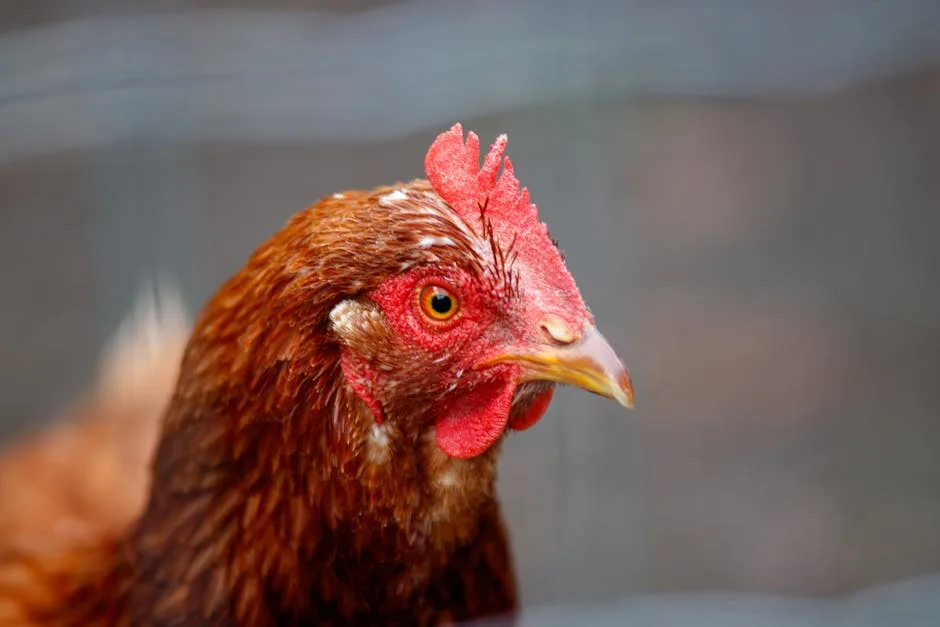
New Hampshire Red chickens are fast-growing, reliable egg layers that produce 200-280 large brown eggs per year. They were developed from Rhode Island Reds in the early 1900s, bred specifically for faster feathering, quicker maturity, and better meat production. If you want a dual-purpose bird that's ready to start earning its keep sooner than most heritage breeds, the New Hampshire is a strong contender.
What You'll Learn
- •New Hampshire Red Overview
- •History and Origin
- •New Hampshire Red vs Rhode Island Red
- •What Do New Hampshire Reds Look Like?
- •How Big Do New Hampshire Reds Get?
- •New Hampshire Red Temperament
- •How Many Eggs Do New Hampshire Reds Lay?
- •Are New Hampshire Reds Good for Beginners?
- •New Hampshire Reds as Dual-Purpose Birds
- •Housing and Care Requirements
- •Health Issues to Watch For
- •Frequently Asked Questions
New Hampshire Red Overview
| Trait | Details |
|---|---|
| Size | Roosters: 8.5 lbs, Hens: 6.5 lbs |
| Eggs | 200-280 per year, large, brown |
| Temperament | Friendly, competitive, can be assertive |
| Cold Hardy | Good to excellent |
| Heat Tolerant | Moderate to good |
| Broody | Moderately broody |
| Beginner Friendly | Yes |
| Lifespan | 7-8 years |
New Hampshire Reds occupy a sweet spot between production efficiency and heritage charm. They mature faster than most heritage breeds, lay well, and put on meat quickly. They're essentially an improved version of the Rhode Island Red, optimized for practical results.
History and Origin
The New Hampshire was developed starting around 1915 in the states of New Hampshire and Massachusetts. Breeders took Rhode Island Reds and selectively bred them for specific practical traits:
- •Faster feathering (chicks grow their adult plumage quicker)
- •Quicker maturity (reaching laying and processing weight sooner)
- •Better meat conformation (broader breast, meatier body)
- •Earlier egg production (pullets start laying sooner)
The result was a bird that looked similar to the Rhode Island Red but was lighter in color and more efficient as a production bird. The American Poultry Association recognized the New Hampshire in 1935.
New Hampshires played a key role in the "Chicken of Tomorrow" contests of the 1940s, which aimed to develop the ideal meat chicken. These contests eventually led to the modern broiler industry. While New Hampshires lost out to Cornish crosses for commercial meat production, they remain excellent dual-purpose birds for backyard and homestead flocks.
Today, the New Hampshire is listed as "Watch" by The Livestock Conservancy, meaning its numbers are limited but stable.
New Hampshire Red vs Rhode Island Red
This is the question everyone asks, and it's a fair one since these breeds are closely related. Here's how they compare:
| Trait | New Hampshire Red | Rhode Island Red |
|---|---|---|
| Color | Lighter chestnut/amber red | Deeper, darker mahogany red |
| Size | Roosters 8.5 lbs, Hens 6.5 lbs | Roosters 8.5 lbs, Hens 6.5 lbs |
| Eggs/year | 200-280 | 250-300 |
| Egg color | Large, brown | Large, brown |
| Maturity | Faster (earlier feathering) | Moderate |
| Meat quality | Better conformation | Good but leaner |
| Temperament | Friendly, can be competitive | Assertive, can be bossy |
| Broodiness | Moderately broody | Rarely broody |
| APA recognized | 1935 | 1904 |
The biggest visual difference is color. Rhode Island Reds are a deep, dark mahogany that can look almost black in certain light. New Hampshires are a lighter, warmer chestnut or amber red, often with some fading on the hackles and tail.
In terms of practical differences:
- •New Hampshires mature faster and feather out quicker as chicks, which is an advantage if you're raising them for meat or want eggs sooner.
- •Rhode Island Reds typically lay more eggs per year (250-300 vs 200-280).
- •New Hampshires have better meat conformation, with a broader breast and plumper body.
- •New Hampshires go broody more often, which is a plus if you want to hatch eggs naturally and a minus if you just want maximum egg production.
Both are excellent dual-purpose birds. If eggs are your priority, go with the Rhode Island Red. If you want a slightly better meat bird that also lays well, the New Hampshire has the edge.
What Do New Hampshire Reds Look Like?
New Hampshires are handsome, well-proportioned birds:
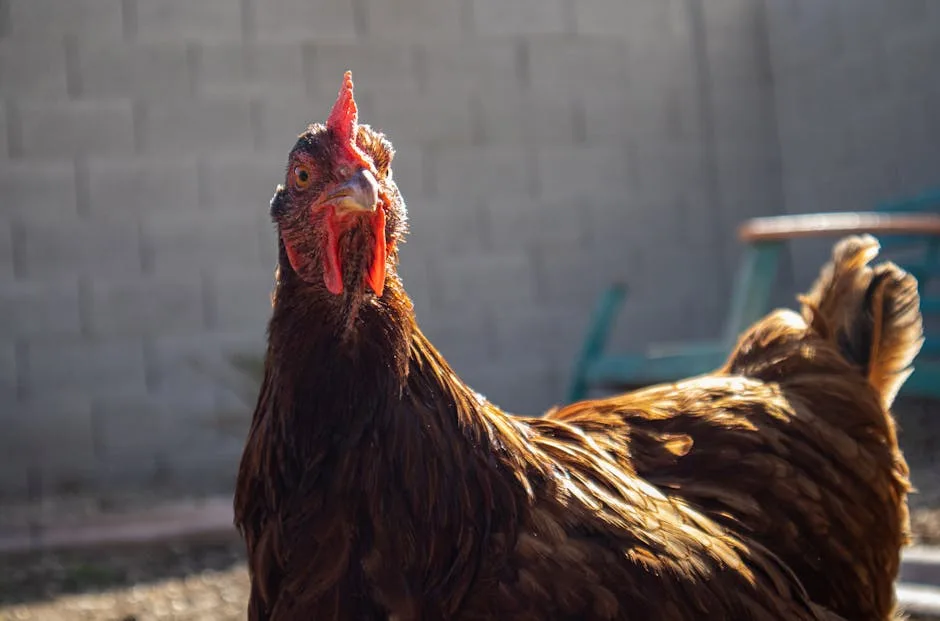
- •Rich chestnut-red plumage that's distinctly lighter than a Rhode Island Red. The color is warm and golden rather than dark and mahogany.
- •Black tail feathers with some greenish sheen.
- •Light fading on hackles. Neck feathers often have lighter golden tips.
- •Single comb with five distinct points (red).
- •Yellow skin, legs, and beak.
- •Clean legs (no feathering).
- •Broad, deep body with a wide, well-rounded breast.
Hens and roosters have similar coloring, though roosters are typically more bright with longer, more dramatic tail feathers and larger combs. The overall look is a classic American farm chicken, solid, practical, and good-looking without being showy.
How Big Do New Hampshire Reds Get?
New Hampshires are medium-to-large birds with good heft:
- •Roosters: 8.5 lbs
- •Hens: 6.5 lbs
- •Cockerels: 7.5 lbs
- •Pullets: 5.5 lbs
They're the same weight as Rhode Island Reds and comparable to Plymouth Rocks and Sussex chickens. They're lighter than Brahmas (12 lbs) and Cochins (11 lbs) but heavier than Leghorns (6 lbs).
What sets them apart is growth speed. New Hampshire chicks feather out faster than most heritage breeds, often looking like miniature adults by 6-8 weeks. They reach laying age at about 18-20 weeks, which is on the early side for a dual-purpose breed.
New Hampshire Red Temperament
This is where it gets interesting. New Hampshire Reds have a personality that's... spirited:
- •Friendly toward people. Most New Hampshires are sociable and enjoy human interaction. Many keepers report them being one of the friendliest breeds in their flock.
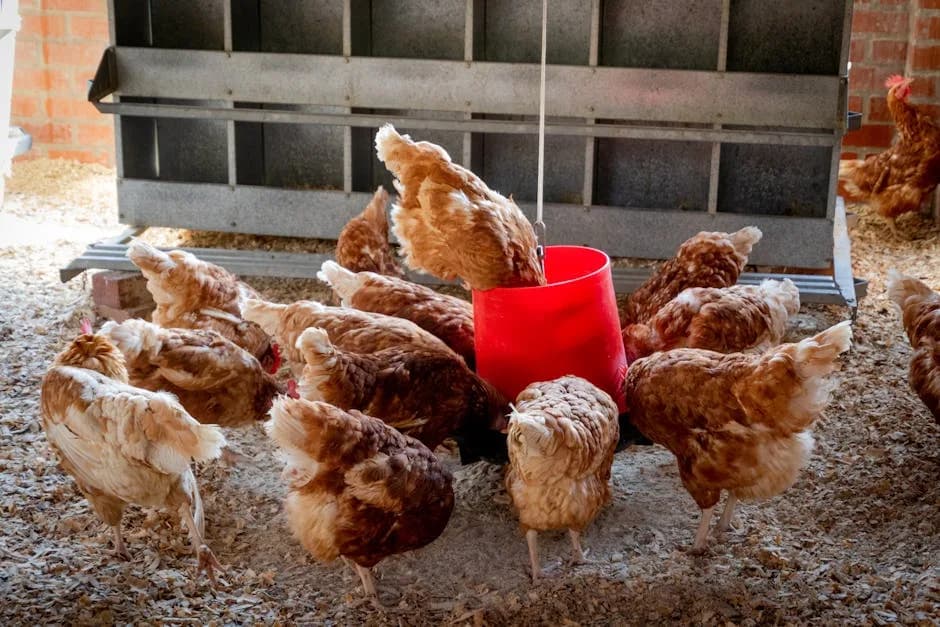
- •Competitive at feeding time. They can be pushy when food is involved. They'll be first to the feeder and may shoulder other birds out of the way.
- •Assertive in the pecking order. New Hampshires typically establish themselves in the upper ranks. They won't start fights for no reason, but they won't back down either.
- •Active foragers. They're energetic birds that love to scratch, explore, and hunt for bugs. Great for free-ranging.
- •Moderately noisy. Not the quietest breed, but not the loudest. The egg song can be enthusiastic.
The Livestock Conservancy describes their temperament as "docile, or competitive and aggressive," which is a pretty wide range. The truth is that individual personality varies. Some New Hampshires are total sweethearts; others are the bosses of the barnyard.
If you're mixing breeds, be aware that New Hampshires may dominate gentler breeds like Silkies or Cochins. They pair best with other confident breeds like Wyandottes, Rhode Island Reds, or Plymouth Rocks.
How Many Eggs Do New Hampshire Reds Lay?
New Hampshires are solid producers:
- •200-280 eggs per year (roughly 4-5 per week)
- •Large, brown eggs with a light to medium brown color
- •Start laying at 18-20 weeks (earlier than many heritage breeds)
- •Moderately broody (some hens go broody 1-2 times per year)
- •Decent winter layers that keep producing through shorter days
The egg count puts them in the same tier as Buff Orpingtons (200-280), Sussex (200-250), and Wyandottes (200-240). They won't quite match a production Rhode Island Red (250-300) or Australorp (250+), but they're above average for a dual-purpose breed.
When New Hampshire hens go broody, they make excellent mothers. They feather their chicks quickly (passing on their fast-feathering genetics), are attentive without being overly aggressive, and raise healthy, sturdy chicks. If you're interested in hatching naturally, New Hampshires are a good choice. For incubator hatching, check our incubation guide.
Are New Hampshire Reds Good for Beginners?
Yes, New Hampshires work well for beginners. Here's the breakdown:
Pros:
- •Hardy and adaptable to various climates
- •Fast-growing (see results sooner)
- •Good egg production without fuss
- •Friendly toward people
- •Excellent dual-purpose option
- •Active foragers that are entertaining to watch
- •Widely available and affordable
Challenges:
- •Can be assertive with other chickens, especially docile breeds
- •Single comb is susceptible to frostbite in extreme cold
- •Can be food-competitive (multiple feeding stations help)
- •Moderately noisy (might not be ideal for very close neighbors)
For first-time keepers, our beginner's guide covers the fundamentals, and our article on how many chickens to start with helps you plan your flock size.
New Hampshire Reds as Dual-Purpose Birds
The New Hampshire was specifically bred to excel as a dual-purpose chicken, and it shows:
Egg production: 200-280 large brown eggs per year is well above average for a meat-capable breed. You're getting near-production-level eggs from a bird that also puts on significant meat.
Meat quality: The broad breast and deep body produce a plump, well-proportioned carcass. New Hampshires reach processing weight faster than most heritage breeds, typically around 16-20 weeks for roosters. The meat is flavorful with a texture that heritage breed enthusiasts prefer over commercial Cornish Cross.
The "Chicken of Tomorrow" connection: New Hampshires were among the top breeds in the 1940s USDA-sponsored contests to develop a better meat chicken. While they ultimately lost out to the Cornish-Plymouth Rock cross (which became today's commercial broiler), that competition history speaks to their meat-producing credentials.
For homesteaders who want one breed that handles both egg and meat production efficiently, the New Hampshire is one of the best choices available. They're more practical than slower-maturing heritage breeds while still being healthier and longer-lived than commercial hybrids.
Housing and Care Requirements
New Hampshires are low-maintenance birds with standard care needs:
Space
- •4-5 square feet per bird inside the coop
- •10 square feet per bird in the run
- •They're active birds that benefit from free-range access when possible
- •Provide multiple feeding stations if keeping them with gentler breeds to reduce food competition
Fencing
New Hampshires are moderately good flyers when motivated. A 4-5 foot fence contains most of them, but younger, lighter birds may hop over a 4-foot barrier. Wing clipping or a 5-6 foot fence solves this.
Feeding
Standard layer feed (16% protein) for laying hens. Their fast metabolism and active foraging means they convert feed to eggs and meat efficiently. No special dietary requirements. Our feeding guide covers complete nutrition details.
Climate
New Hampshires handle a wide range of climates. They're cold hardy thanks to their dense feathering, though their single comb can get frostbitten in severe cold. Apply petroleum jelly to combs during cold snaps. For full winter prep, see our winter care guide and fall preparation checklist.
In hot weather, they manage reasonably well. They're not as heat-sensitive as heavily feathered breeds, but they still need shade and water when temps climb above 90°F. Our summer care guide covers cooling strategies.
Bedding
Standard options work fine. Pine shavings, straw, or sand are all good choices. No special bedding needs since they don't have feathered feet.
Health Issues to Watch For
New Hampshire Reds are among the healthier chicken breeds with no major breed-specific problems:
General hardiness. They were bred for practical production, which means breeders selected for sturdy, healthy birds. They don't carry the health baggage of some more extreme breeds.
Single comb frostbite. Their single comb is the most vulnerable feature in cold weather. It's not a serious health threat, but frostbitten comb tips turn black and fall off, which isn't pretty. Prevention is simple: good coop ventilation (dry air prevents frostbite) and petroleum jelly on combs during extreme cold.
Competitive eating. New Hampshires' food-aggressive tendencies can cause problems in mixed flocks. Make sure gentler breeds have access to food by providing multiple feeding stations spaced apart. Our best feeders and waterers guide has options.
Standard chicken ailments like mites, lice, worms, and respiratory infections can affect any breed. Regular health checks and clean housing are your best prevention. See our sick chicken symptoms guide for what to monitor.
Egg-related issues are uncommon but possible, especially in high-production hens. Our egg problems guide covers the common concerns.
Looking for the right coop? Whatever breed you settle on, the coop you put them in matters as much as the bird itself. Our best chicken coops on Amazon roundup covers current top picks across flock sizes and price ranges, from under-$100 starter coops to walk-in models for larger flocks.
Frequently Asked Questions
How many eggs do New Hampshire Red chickens lay per year?
New Hampshire Reds lay 200-280 large brown eggs per year, averaging about 4-5 eggs per week. They start laying at 18-20 weeks, which is earlier than many heritage breeds. Production may dip during winter and molt but remains solid year-round with proper care.
What's the difference between a New Hampshire Red and a Rhode Island Red?
The most visible difference is color: New Hampshires are a lighter chestnut-amber red, while Rhode Island Reds are a deeper, darker mahogany. New Hampshires also feather out faster as chicks, have better meat conformation, and go broody more often. Rhode Island Reds typically lay slightly more eggs per year. Both breeds are the same size and both lay brown eggs.
Are New Hampshire Red chickens friendly?
Most New Hampshire Reds are friendly toward people and enjoy human interaction. They can be competitive and assertive with other chickens, especially around food. They're not as gentle as Orpingtons or Silkies, but they're far from aggressive toward their keepers. Handle them regularly from a young age for the best temperament.
Are New Hampshire chickens good for meat?
Yes, New Hampshires are one of the better heritage meat breeds. They have a broad breast, plump body, and they reach processing weight faster than most heritage breeds (16-20 weeks for roosters). They were specifically bred for improved meat production and were competitive in the 1940s "Chicken of Tomorrow" contests that shaped the modern broiler industry.
Do New Hampshire Red hens go broody?
New Hampshires have a moderate tendency toward broodiness. Some hens go broody once or twice a year, while others never do. When they do go broody, they're excellent mothers that raise healthy chicks with fast feathering. If you want consistent eggs without broodiness interruptions, Rhode Island Reds or Leghorns are better choices.
The New Hampshire Red doesn't get the attention it deserves. It's often overshadowed by its more famous relative, the Rhode Island Red, but it holds its own as one of the most practical dual-purpose breeds available. Fast maturity, strong egg production, and great meat quality make it a smart choice for any backyard or homestead flock.
Compare more breeds in our best breeds for beginners guide, or browse all breed profiles to find your perfect match.
Sources:
- •Livestock Conservancy. New Hampshire breed page. https://livestockconservancy.org/heritage-breeds/heritage-breeds-list/new-hampshire-chicken/
- •The American Poultry Association. Standard of Perfection (reference). http://www.amerpoultryassn.com/
- •University of Kentucky Cooperative Extension. Small Flock Poultry resources. https://poultry.extension.org/
- •The Livestock Conservancy. Heritage breed conservation. https://livestockconservancy.org/
Related Guides
Delaware Chicken Breed Guide: Eggs, Size, Care
Everything you need to know about Delaware chickens. Covers 200-280 eggs/year, dual-purpose traits, calm temperament, and heritage breed care tips.
BreedsJersey Giant Chicken Breed Guide: Size, Eggs, Care
Everything you need to know about Jersey Giant chickens. Size, egg production, temperament, and care tips for the world's largest purebred chicken breed.
BreedsCochin Chicken Breed Guide: Eggs, Size, Care
Complete Cochin chicken breed guide covering egg production (150-180/yr), size, temperament, color varieties, and care tips for these fluffy giants.
BreedsMarans Chicken: Complete Breed Guide (Dark Eggs, Size, Care)
Complete Marans chicken breed guide. Famous for dark chocolate-brown eggs, 150-200/year. Covers Black Copper Marans, varieties, temperament, and care.