Best Chicken Probiotics 2026: Picks, Dosing, Electrolytes
The chicken probiotics and electrolytes that actually work, exact dosing for chicks, heat stress, molt, and recovery, plus the mistakes that waste money.
Researched from university extension, USDA, and veterinary sources. How we research.
Best Chicken Probiotics 2026: Picks, Dosing, Electrolytes
Affiliate Disclosure: This article contains affiliate links to Amazon. If you buy something through these links, we earn a small commission at no extra cost to you. We only recommend products we genuinely think are worth your money. Full disclosure.
Probiotics and electrolytes are two of the most useful supplements in backyard chicken keeping, and two of the most over-marketed. Used at the right moment, they can pull a heat-stressed hen or a fading chick back within hours. Used daily, they waste money and can actually make droppings and litter worse.
This guide covers the products worth buying, exact dosing for the five situations that genuinely call for supplements, the common mistakes, and what a realistic year costs. Updated July 2026 with current pricing and verified product links.
One thing up front: these are support tools, not medicine. They do not treat disease. A visibly sick bird needs a diagnosis first; our sick chicken symptoms guide covers when the answer is a vet, not a supplement.
What You'll Learn
- •Quick comparison: the products at a glance
- •How we picked
- •When chickens actually need electrolytes
- •When chickens actually need probiotics
- •Best electrolyte products
- •Best probiotic products
- •Dosing playbooks for five common situations
- •The year-round routine
- •Natural alternatives that work (and ones that don't)
- •Common mistakes with chicken supplements
- •Total cost of supplementation
- •Frequently Asked Questions
Quick Comparison: The Products at a Glance
| Product | Best for | Form | Approximate dose |
|---|---|---|---|
| Sav-A-Chick Electrolyte | Heat waves, new arrivals, chick starts | Single-use powder packet | 1 packet per gallon of water |
| Sav-A-Chick Probiotic | Brooder week one, post-antibiotic recovery | Single-use powder packet | 1 packet per gallon of water |
| Poultry Nutri-Drench | Emergencies, birds that won't drink | Liquid drench | Follow label; drops by beak for chicks |
| Rooster Booster Poultry Cell | Molt, prolonged stress, long recoveries | Liquid water/feed additive | Follow label, daily at low dose |
| Durvet Vitamins and Electrolytes | Flocks of 10+, bulk value | Bulk powder | Follow label scoop per gallon |
| Manna Pro All Flock with Probiotics | Daily probiotics without water additives | Crumble feed | Fed free choice as the regular feed |
| Raw Apple Cider Vinegar | General gut support between events | Liquid | 1 tablespoon per gallon, plastic waterers only |
The short answer: most backyard keepers should buy the Sav-A-Chick combo of electrolyte and probiotic packets and keep a bottle of Nutri-Drench in the first aid kit. That covers heat waves, chick brooding, stress, and emergencies for under $40.
How We Picked
We narrowed dozens of poultry supplements down to the products above based on:
- •Poultry-specific formulation. No repackaged cattle or human products.
- •Foolproof dosing. Single-use packets or clear label mixing rates.
- •Real owner track record. Years of reviews from keepers using them through actual heat waves, hatches, and recoveries.
- •Honest claims. Any product marketed as treating or curing disease was disqualified.
- •Cost per gallon treated. Sticker price means little; we did the per-gallon math.
When Chickens Actually Need Electrolytes
Electrolytes (sodium, potassium, and magnesium salts, usually with a little dextrose for energy) replace what a bird loses through stress, dehydration, or illness. They are not a daily supplement. Plain water is the right call 95 percent of the time.
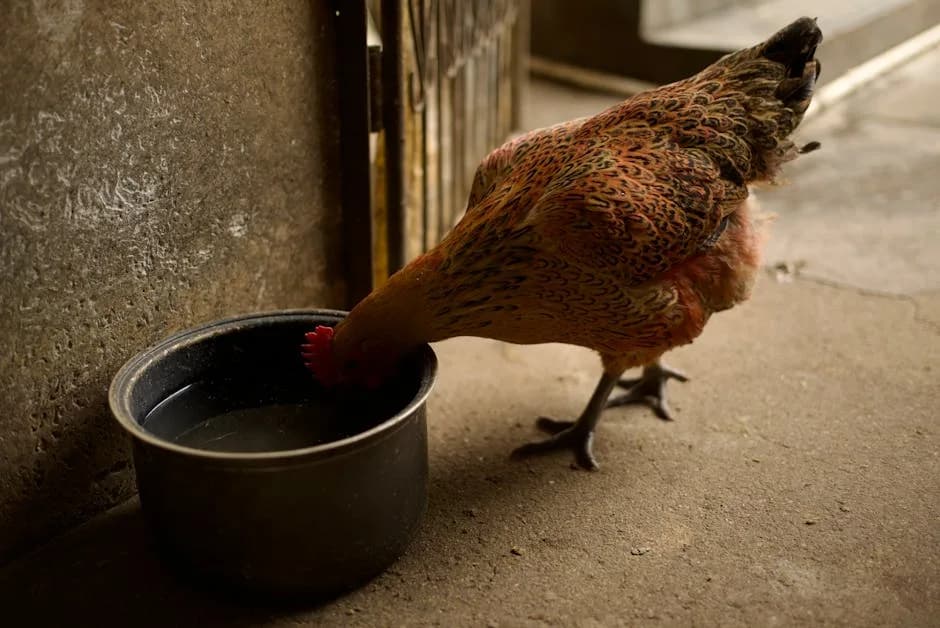
Why heat is the big one: chickens have no sweat glands, so they cool off by panting, which dries them out and throws off their blood chemistry. That is part of why laying and shell quality dip in hot spells. Electrolyte water keeps birds drinking and replaces what panting burns.
The five situations where electrolytes matter:
- •Hot weather. When temperatures push past 90F, panting kicks into overdrive. Electrolytes in the waterer for 3 to 5 days during a heat wave make a real difference. Pair with shade and frozen water bottles; our summer chicken care guide covers the full heat plan.
- •Shipping or moving stress. Birds arriving from a hatchery or a long car ride are dehydrated. Their first 2 to 3 days at home should include electrolyte water.
- •Recovery from illness. A bird that has had diarrhea or an infection has lost fluids and minerals. Electrolytes alongside or right after the actual treatment speed recovery.
- •After deworming or medication. Some treatment courses leave birds mildly dehydrated or off their feed. A day or two of electrolytes helps them bounce back.
- •First days for chicks. Day-old chicks, especially shipped ones, benefit from electrolyte water for their first 2 to 3 days as they transition from yolk-sac nutrition to feed.
Outside those situations, electrolytes are unnecessary. Continuous use adds sodium a healthy bird doesn't need, and the first sign of too much salt is watery droppings and wet litter.
When Chickens Actually Need Probiotics
Probiotics introduce beneficial gut bacteria, mostly Lactobacillus strains in poultry products. The underlying idea, competitive exclusion, has decades of poultry research behind it: a gut crowded with beneficial bacteria leaves less room for harmful ones like Salmonella. It also points at where probiotics help most: young birds, and birds whose flora just got disrupted.
The four situations where probiotics matter:
- •After antibiotic treatment. Antibiotics kill bacteria indiscriminately, good and bad. A 5 to 7 day probiotic course after treatment ends helps repopulate the gut.
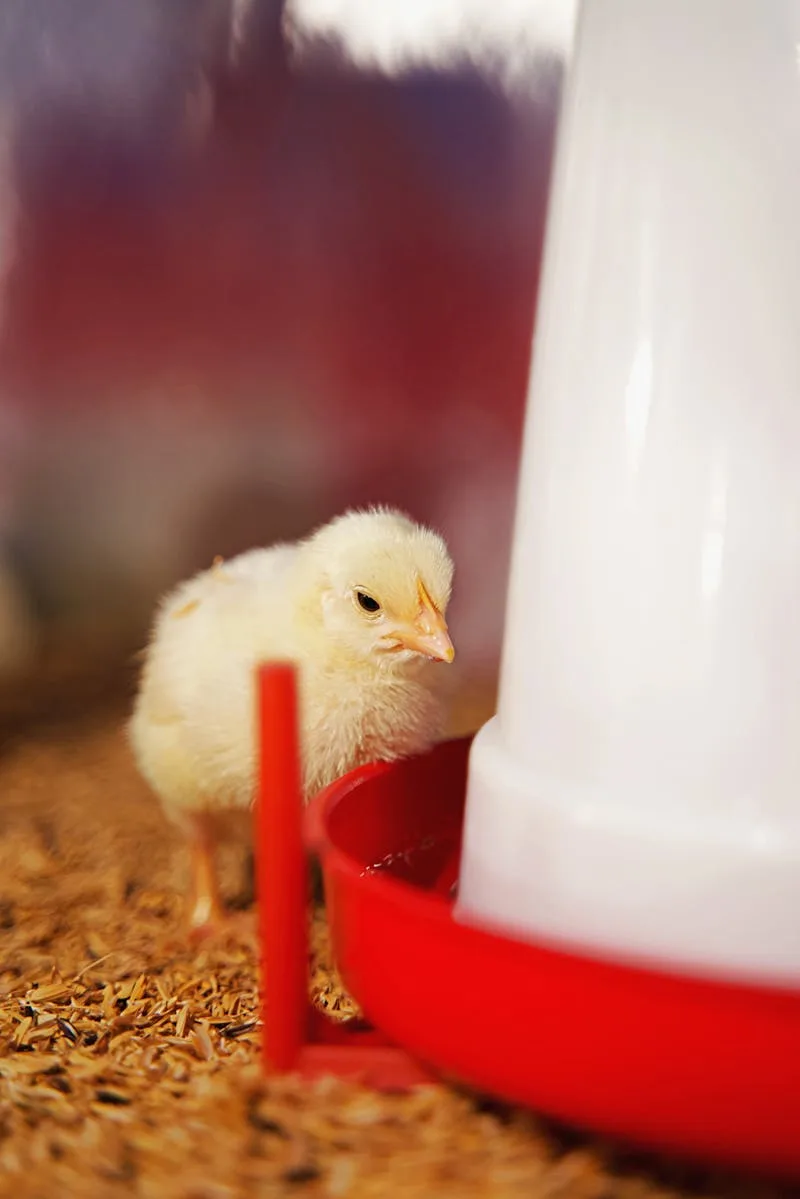
- •Chick brooding. Chicks hatch with a nearly sterile gut. In nature they'd pick up flora from a mother hen; in a brooder, a probiotic in the first week of water gives them the same head start.
- •Stress events. Shipping, a predator scare, extreme weather, or introducing new birds to the flock.
- •Mild digestive upset. Loose droppings in an otherwise alert, eating bird often resolve with a few days of probiotics. Lethargy, blood in droppings, or a bird off its feed is a disease picture. Get a diagnosis.
Healthy adult chickens with normal diets and soil access do not need daily probiotics. Save them for the situations above, or use a probiotic-included feed for hands-off coverage.
Best Electrolyte Products
1. Sav-A-Chick Electrolyte Packets (Best Overall)
Sav-A-Chick is the most-recommended electrolyte product in backyard chicken circles, and it earns it. Single-use powder packets mix directly into one gallon of water: no measuring, no stale opened tub, no math.
Check Price on Amazon: Sav-A-Chick Electrolyte (3-pack)That listing is currently unavailable, so this opens an Amazon search for it.Around $6 to $12.
Key details:
| Form | Single-use powder packet |
| One packet treats | 1 gallon of water |
| Typical price | $6 to $12 for 3 packets |
| Cost per gallon treated | About $3 to $4 |
| Contents | Electrolyte salts plus vitamins in a dextrose base |
| Shelf life | Years while packets stay sealed |
How to use it: one packet per gallon, mixed fresh each morning. Discard leftovers after 24 hours; sugary water grows bacteria fast. Run it 3 to 5 days, then return to plain water.
What we like: sealed packets stay potent, overdosing is nearly impossible, and most hatcheries recommend it for shipped birds. The only real knock is per-gallon cost versus bulk powder.
Best for: Most backyard keepers. The default choice for flocks under 10 birds.
2. Poultry Nutri-Drench (Best for Emergencies)
Nutri-Drench is a concentrated liquid combining electrolytes, vitamins, and quick energy. It is the product you reach for when a bird is too weak to drink on its own. A drop or two directly in the beak can revive a fading chick within the hour.
Check Price on Amazon: Poultry Nutri-Drench$12.00 as of Oct 11
How to use it: follow the label. The general guidance is about 1 mL per 3 pounds of body weight for direct dosing, which works out to a drop or two for a day-old chick. It can also go in drinking water at label rates; measure, don't eyeball.
Best for: The chicken first aid kit. Every keeper should have a bottle before they need one.
3. Durvet Vitamins and Electrolytes (Best Bulk Value)
If you run 10 or more birds, single-use packets get expensive. Durvet's vitamins and electrolytes powder is the standard bulk option: a resealable pack that treats dozens of gallons at pennies per gallon.
Check Price on Amazon: Durvet Vitamins and ElectrolytesAround $10 to $15 for the small size.
How to use it: follow the label mixing rate for the package size you bought; concentrations differ between formats. Use an actual measuring spoon, mix fresh daily, and reseal tightly.
Best for: Flocks of 10+. Bulk powder is easier to misdose, so it earns its savings only if you measure properly.
4. Rooster Booster Poultry Cell (Best for Molt and Long Recoveries)
Poultry Cell is a liquid vitamin, mineral, and amino acid blend designed for sustained low-dose use rather than a 3-day burst: a flock grinding through a hard molt, a long stretch of heat, or a bird rebuilding condition after illness.
Check Price on Amazon: Rooster Booster Poultry CellAround $12 to $18 for 16 oz.
How to use it: follow the label; the standard guidance is a small daily dose per bird, in water or over feed. Its iron and B vitamins also make it a common pick for birds recovering from mite-driven anemia.
Best for: Fall molt support and multi-week recoveries. For everyday heat waves, the cheaper straight electrolytes do the job.
Best Probiotic Products
1. Sav-A-Chick Probiotic Packets (Best Overall)
The probiotic sibling of the electrolyte packets: single-use, one packet per gallon, built around Lactobacillus strains relevant to poultry. Many keepers buy the combo pack of both and rotate by situation.
Check Price on Amazon: Sav-A-Chick ProbioticThat listing is currently unavailable, so this opens an Amazon search for it.Around $6 to $15 for 3 packets.
How to use it: one packet per gallon, mixed fresh daily. For chicks, the label approach is daily use for the first week, then occasional use during stress. For post-antibiotic recovery, run it 5 to 7 days after the medication ends.
Best for: Brooder week one and post-antibiotic recovery. The default probiotic pick.
2. Manna Pro All Flock Crumbles with Probiotics (Best Food-Based)
If you want continuous low-level probiotic exposure without managing water additives, a feed with probiotics baked in is the simplest path. Manna Pro's All Flock crumbles include 4.5 billion CFU of probiotics per pound and work as the everyday feed for mixed flocks.
Check Price on Amazon: Manna Pro All Flock Crumbles with Probiotics$48.41 as of Oct 11
Best for: Mixed flocks (chickens, ducks, turkeys) where one feed simplifies life. Laying hens on an all-flock feed need oyster shell on the side; our complete feeding guide explains.
3. DIY Yogurt or Kefir (Cheapest)
Plain unsweetened yogurt or kefir contains live cultures and is essentially free if you already buy it. Mix about a tablespoon per bird into wet feed as an occasional offering. Skip flavored or sweetened versions.
The caveats: chickens digest lactose poorly, so dairy in quantity causes the very loose droppings you're trying to fix, and the strains aren't poultry-specific. Fine occasionally; for a brooder or a recovery, use the poultry products above.
Dosing Playbooks for Five Common Situations
Here is exactly what to do, and for how long, in the five situations where supplements earn their keep.
Chick brooding (day 1 through week 1)
Have the brooder running before chicks arrive, with water at room temperature. For shipped chicks, mix one electrolyte packet per gallon for the first 2 to 3 days and dip each chick's beak as you unbox them. Run the probiotic packet daily through the first week, then switch to plain water. Strong chicks from your own incubator can skip straight to the probiotic-only version. One caution: skip vitamin supplements that list thiamine while chicks are on amprolium-medicated starter. Amprolium works by mimicking thiamine, and extra B1 works against it. Plain probiotics are fine alongside medicated feed. Full details are in our week-by-week chick raising guide.
Heat waves (90F and up)
Start electrolytes the morning a stretch of 90F+ days begins, one packet per gallon, mixed fresh daily. Run 3 to 5 days, then reassess. With multiple waterers, offer one electrolyte and one plain and let birds self-select. Electrolytes are the supporting player: shade, ventilation, and frozen 2-liter bottles do more heavy lifting. If a bird is panting hard with wings spread and goes limp, that is heat stroke: move her somewhere cool immediately and stand her in a pan of cool (not ice) water. Nutri-Drench comes after she's drinking again, not before.
Molt (September through November)
Feathers are mostly protein, so the number one molt intervention is bumping feed protein to 18 to 20 percent, not supplements. That said, a heavy molt is a physiological grind, and a few weeks of Poultry Cell at label dose, or electrolytes during the roughest week, visibly helps some birds. Our fall chicken care guide covers the full molt season checklist.
After antibiotics, Corid, or deworming
The day a medication course ends, start probiotics for 5 to 7 days to rebuild gut flora. Add electrolytes for the first day or two if the bird had diarrhea or has been eating poorly. Two cautions: don't add supplements to medicated water during treatment (the amprolium-thiamine conflict applies to Corid), and respect egg withdrawal periods from the medication itself; the supplements have none, but the drugs often do. See our chicken dewormer guide for withdrawal specifics.
Moving, transport, and new birds
Any bird that just spent hours in a crate or days in the mail is dehydrated before anything else. Electrolyte water for the first 2 to 3 days, probiotics through the first week, then plain water. This slots neatly into the 30-day quarantine new birds need anyway.
The Year-Round Routine
You do not need supplements every day. Here is the realistic, low-effort calendar:
| Season | Default | Add supplements when |
|---|---|---|
| Spring | Plain water | New birds arrive (electrolytes 3 days, probiotics 1 week); chick season (brooder playbook above) |
| Summer | Plain water | Any stretch of 90F+ days (electrolytes 3 to 5 days, fresh daily) |
| Fall | Plain water | Heaviest molt weeks (Poultry Cell or electrolytes) |
| Winter | Plain water, kept thawed | Loose droppings from a flock cooped up indoors (probiotics a few days) |
| Anytime | Plain water | 5 to 7 days of probiotics after any antibiotic course; Nutri-Drench for emergencies |
This routine costs most flocks under $50 a year: a small stock of the right products, deployed at the right moments.
Natural Alternatives That Work (and Ones That Don't)
There is a lot of folklore in chicken keeping. Here is where the evidence actually lands.
Apple cider vinegar (1 tablespoon per gallon): Mildly lowers gut pH, which inhibits some pathogens. A real but small benefit. Use raw, unfiltered ACV with the mother, and only in plastic or ceramic waterers; the acid corrodes galvanized metal.
Check Price on Amazon: Raw Apple Cider Vinegar$16.98 as of Oct 11
Fermented feed: Soaking feed in water for 2 to 3 days creates a probiotic-rich mash with real research support. The downsides: daily prep, a sour smell, and mold risk if you get sloppy. If you enjoy the process, this is the best free probiotic there is.
Garlic in water: Mild antibacterial and immune-supportive effects. Won't replace probiotics or medication, but it doesn't hurt.
Homemade electrolyte mix: In a pinch, 1/8 teaspoon salt, 1/8 teaspoon baking soda, and a tablespoon of sugar per cup of water works as an emergency electrolyte. Commercial mixes are better balanced for regular use.
Sugar water: A teaspoon per gallon for one day can help a weak bird take in energy. Beyond that, it disrupts gut balance and feeds the wrong bacteria.
Common Mistakes With Chicken Supplements
1. Running electrolytes year-round. Electrolytes are mostly salts, and a bird on a complete feed already gets the sodium it needs. Extra salt every day means more drinking, watery droppings, and wet litter. Three to five days per event, then plain water.
2. Using probiotics as medicine. Probiotics support a gut; they do not treat coccidiosis, worms, respiratory disease, or infections. A lethargic, hunched, not-eating bird, or bloody droppings, means diagnosis first, with a vet for anything you can't identify.
3. Adding vitamins to Corid water. Amprolium (Corid, and the coccidiostat in medicated starter) works by blocking thiamine uptake in the parasite. Vitamin blends containing B1 fight the medication directly. Keep supplement water and medicated water separate.
4. Mixing a batch and letting it sit. Dextrose-based mixes grow bacteria fast in warm weather, and probiotic cultures die off in solution. Dump leftovers, rinse, remix each morning.
5. Double-dosing "to be safe." Saltier water is less palatable; an overdosed waterer makes birds drink less exactly when they need more. One packet per gallon, or an actual measuring spoon for bulk powder.
6. Storing probiotics badly. Live cultures die in a hot garage in July. Store packets indoors, cool and dry, and watch expiration dates. An expired probiotic isn't dangerous, just useless.
7. Supplementing around a feed problem. Soft shells usually mean a calcium setup problem, feather loss means molt, mites, or protein, and thin birds mean parasites. Fix the underlying issue; supplements can't out-supplement a bad diet.
Total Cost of Supplementation
Here is what supplementing correctly costs for a 5-hen flock drinking roughly a gallon a day.
Cost per gallon treated
| Product | Package price | Gallons treated | Cost per gallon |
|---|---|---|---|
| Sav-A-Chick Electrolyte 3-pack | $8-$12 | 3 | $2.70-$4.00 |
| Sav-A-Chick Probiotic 3-pack | $10-$15 | 3 | $3.30-$5.00 |
| Durvet bulk powder (small) | $10-$15 | 25-50+ | $0.20-$0.60 |
| Raw ACV (1 gallon) | $10-$15 | ~250 | About $0.05 |
A realistic year (5-hen flock, no chicks)
| Event | Product | Quantity | Cost |
|---|---|---|---|
| Two summer heat waves | Electrolyte packets | 8 gallons treated | $22-$32 |
| Fall molt support | Poultry Cell 16 oz | 1 bottle | $12-$18 |
| One stress or recovery event | Probiotic packets | 3 gallons treated | $10-$15 |
| Emergency backup | Nutri-Drench 8 oz | 1 bottle (lasts years) | $15-$25 |
| Year one total | $59-$90 | ||
| Typical following years | $30-$50 |
Add a brooder of chicks and you're adding roughly $20 in packets for the first week. If you run 10+ birds, swapping packets for Durvet bulk powder cuts the electrolyte line by 80 percent or more. For comparison, a single exotic-vet visit runs $75 to $150.
Frequently Asked Questions
What is the best probiotic for chickens?
Sav-A-Chick Probiotic packets: poultry-specific Lactobacillus strains, foolproof one-packet-per-gallon dosing, and wide availability. For continuous low-level coverage, a probiotic-included feed like Manna Pro All Flock is the simpler path.
What's the best electrolyte for chickens?
Sav-A-Chick Electrolyte packets for flocks under 10 birds; Durvet's bulk powder for bigger flocks. For an emergency where a bird won't drink, Poultry Nutri-Drench dosed by beak is the right tool.
Should I give my chickens electrolytes every day?
No. Daily electrolytes add sodium a healthy bird doesn't need, causing watery droppings and wet litter. Use them 3 to 5 days at a time during heat waves, after shipping or stress, during illness recovery, and for a chick's first days.
How do I give probiotics to baby chicks?
Mix one probiotic packet per gallon of room-temperature water and offer it as the only water source for the first week, mixed fresh daily. Dip each chick's beak on day one. Shipped chicks benefit from electrolytes in the same water for the first 2 to 3 days.
Do probiotics help chickens with diarrhea?
Sometimes. Loose droppings in an otherwise bright, eating, active bird often resolve with a few days of probiotic water. Diarrhea with lethargy, blood, or a bird that stops eating points to coccidiosis, worms, or infection, which need actual diagnosis and treatment.
Can probiotics cure a sick chicken?
No. Probiotics and electrolytes are supportive care, not medicine. They do not treat any disease. A visibly sick bird needs isolation, observation, and a diagnosis, with a vet involved for anything you can't confidently identify.
How long should chickens be on electrolyte water?
3 to 5 days at a time, then back to plain water. The exception is newly hatched or shipped chicks, which can have light-strength electrolytes for their first few days.
Can I give my chickens human Pedialyte?
Yes, in a pinch. Use the unflavored version, diluted 50/50 with water. It is not better than poultry-specific products, just easier to find at odd hours.
Can I mix probiotics and electrolytes in the same water?
Yes. The Sav-A-Chick products are designed to share one waterer, and most other brands mix fine too. The combination is standard after shipping or illness.
Do chickens need probiotics?
Healthy adults with soil access and a complete feed generally do not. Probiotics earn their cost after antibiotics, during a chick's first week, after stress events, and for mild digestive upset in an otherwise healthy bird.
Is there an egg withdrawal period for probiotics or electrolytes?
No. These are supplements, not drugs, so eggs remain fine to eat. Dewormers and antibiotics often do; check the medication's label.
What does Nutri-Drench do for chickens?
It delivers quick-absorbing energy, vitamins, and electrolytes to a bird too weak to eat or drink on its own, dosed directly by beak. It is an emergency and recovery tool, not a daily supplement.
Does apple cider vinegar replace probiotics?
No. ACV mildly lowers gut pH and inhibits some pathogens, which is complementary, but it does not add beneficial bacteria the way a probiotic does. Use actual probiotics for brooding and recovery.
Final Thoughts
For most backyard flocks, the right supplement setup is small and boring: a combo pack of Sav-A-Chick electrolyte and probiotic packets in a kitchen drawer, a bottle of Nutri-Drench in the first aid kit, and the discipline to use them only when a situation calls for it.
The keepers who get this wrong aren't the ones who skip supplements; chickens survived centuries without them. It's the ones pouring electrolytes into the waterer every day while missing the coccidiosis outbreak that actually needed treatment. Match the tool to the moment and your flock gets the benefit without the waste.
For the bigger health picture, see our guides to sick chicken symptoms, the chicken first aid kit, and what chickens should eat day to day.
Sources:
- •Merck Veterinary Manual. Poultry: nutrition, management, and coccidiosis. https://www.merckvetmanual.com/poultry
- •Poultry Extension (national Cooperative Extension network). Small flock health and management. https://poultry.extension.org/
- •Penn State Extension. Poultry health and nutrition. https://extension.psu.edu/animals/poultry
- •University of California Davis School of Veterinary Medicine. Poultry health. https://www.vetmed.ucdavis.edu/
- •USDA APHIS. Defend the Flock biosecurity program. https://www.aphis.usda.gov/livestock-poultry-disease/avian/defend-the-flock-program
Product prices and availability are accurate as of the date shown and are subject to change. Any price and availability information displayed on Amazon at the time of purchase will apply to the purchase of this product.
Related Guides
Chicken Vent Health: Pasty Butt, Prolapse, Egg Binding
Pasty butt, vent gleet, prolapse, and egg binding: how to spot each chicken vent problem, treat it safely at home, and know when to call a vet.
HealthChicken Molting: What's Normal and What's Not
Chickens molt and drop feathers every fall and stop laying for weeks. Learn the molt timeline, how to help, and the warning signs of a real problem.
HealthCommon Chicken Diseases: Symptoms, Treatment, Prevention
The most common backyard chicken diseases explained: symptoms, treatment, and prevention for Marek's, coccidiosis, respiratory illness, and more.
HealthLash Egg in Chickens: What It Means and What to Do
A lash egg isn't really an egg. It's a sign of salpingitis, a serious oviduct infection. Here's what causes it, what to do, and your hen's odds.