Raising Chickens in North Carolina: 2026 Laws & Best Breeds
Raising chickens in North Carolina: laws for Charlotte, Raleigh, Durham, plus heat-tolerant breeds and seasonal care.
Researched from university extension, USDA, and veterinary sources. How we research.
North Carolina has no statewide ban on backyard chickens. Regulation falls to individual cities and counties, and the good news is that most of the state's largest municipalities allow hens with some combination of permits, setback rules, and flock size limits. Rural and unincorporated areas are generally even more permissive, with few or no restrictions on keeping poultry.
What You'll Learn
- •Are Backyard Chickens Legal in North Carolina?
- •North Carolina Chicken Laws by Major City
- •Best Chicken Breeds for North Carolina's Climate
- •Summer Heat Management for NC Flocks
- •Winter Care Tips for North Carolina Chickens
- •Common Predators in North Carolina
- •Can You Sell Eggs in North Carolina?
- •NCFarmID Registration
- •FAQ
Are Backyard Chickens Legal in North Carolina?
North Carolina doesn't have a statewide law that bans or specifically permits backyard chickens. Each city, town, and county writes its own zoning ordinances covering poultry. This means the rules vary dramatically depending on where you live.
The state does require all poultry owners to register through the NCFarmID program run by the North Carolina Department of Agriculture and Consumer Services (NCDA&CS). This registration is for disease tracking and biosecurity purposes, not permitting. It applies regardless of flock size.
North Carolina also has a Right to Farm law (G.S. 106-700) that offers some protection for agricultural operations, but it's designed for established farms and won't override municipal zoning ordinances in most residential areas.
Before buying chicks, check three things: your municipal zoning code, any HOA or deed restrictions on your property, and whether your city requires a permit or license. HOA restrictions can prohibit chickens even when the city allows them.
North Carolina Chicken Laws by Major City
Important: City and county ordinances change frequently. The information below was researched in March 2026 but may not reflect the latest rules. Always verify with your local zoning or code enforcement office before starting a flock. Links to official sources are provided where available.
Charlotte
Charlotte City Code §3-102 (City Permits)
Charlotte allows backyard chickens with an annual permit from Charlotte-Mecklenburg Animal Care & Control. The ordinance covers all domestic fowl, not just chickens.
- •Limit: No more than 20 fowl per acre, proportionate to lot size. On a typical quarter-acre lot, that works out to about 5 chickens.
- •Permit: Required. $40 annual fee per household. An inspector visits the property before issuing the permit.
- •Roosters: Not explicitly banned in the code, but permits can be denied if the animals are likely to constitute a nuisance (noise complaints from roosters are a common basis for denial).
- •Setbacks: Coop must be at least 25 feet from any property line.
- •Coop requirements: Minimum 4 square feet of floor area per bird. Fowl must be confined in a coop at all times. The coop must be well ventilated and cleaned daily.
- •Slaughter: Not addressed separately for fowl; general nuisance standards apply.
Raleigh
Raleigh Unified Development Ordinance (UDO)
Raleigh is one of the most chicken-friendly large cities in North Carolina. Both hens and roosters are allowed in residential districts, and there's no specific limit on the number of chickens in the city code.
- •Limit: No specific maximum in the UDO for chickens in residential districts.
- •Roosters: Allowed. Raleigh is unusual among large NC cities in permitting roosters, though noise complaints can still trigger enforcement action.
- •Permit: No permit required specifically for chickens.
- •Setbacks: Coops are treated as accessory structures and must comply with the setback requirements of your zoning district (UDO Section 6.6.1). The coop cannot be in the front yard.
- •Note: While the city code is permissive, HOA restrictions may still apply. Check your deed covenants before starting a flock.
Durham
Durham Unified Development Ordinance, Article 5.4.12-B (Domestic Chickens)
Durham allows backyard chickens with specific regulations under its domestic chicken use provisions.
- •Limit: Up to 10 chickens per lot, regardless of lot size.
- •Roosters: Not permitted.
- •Permit: Accessory use permit required.
- •Coop requirements: Minimum 3 square feet of floor area per chicken and 1 square foot of window area per 15 square feet of floor. Coops must be fully enclosed.
- •Setbacks: Coop must be at least 15 feet from property lines and 40 feet from neighboring residences.
- •Free-ranging: Chickens must be kept in an enclosed area at all times.
Greensboro
Greensboro allows chickens with limits tied to lot size.
- •Limit: Based on lot size:
- •Lots under 7,000 sq ft: No chickens allowed
- •Lots 7,000 to 12,000 sq ft: Up to 4 chickens
- •Lots over 12,000 sq ft: Up to 20 chickens
- •Roosters: Not permitted in residential districts. One animal over six months old of male sex is restricted.
- •Permit: Animal permit required.
- •Setbacks: Standard accessory structure setbacks apply.
Winston-Salem
Winston-Salem Code of Ordinances, Chapter 6 (Animals and Fowl)
Winston-Salem allows a small number of backyard hens with a permit.
- •Limit: Up to 5 hens (some sources cite 6; check with the city for the current limit).
- •Roosters: Not permitted.
- •Permit: Required.
- •Setbacks: Coop must be at least 20 feet from neighboring dwellings.
Fayetteville
Fayetteville Code of Ordinances, §3-75
Fayetteville allows chickens with specific limits.
- •Limit: No more than 10 chickens (or rabbits) per dwelling or lot.
- •Roosters: Not permitted.
- •Permit: No permit required, but nuisance and sanitation standards apply.
- •Coop requirements: Must be kept clean and sanitary.
Wilmington
Wilmington allows backyard hens with permits.
- •Limit: Up to 8 hens.
- •Roosters: Not permitted.
- •Permit: Required.
- •Setbacks: Coop must be at least 20 feet from neighboring dwellings.
- •Contact Wilmington code enforcement for current details.
Asheville
Asheville allows backyard hens with permits and coop requirements.
- •Limit: Up to 8 hens. The exact number depends on coop and run size.
- •Roosters: Not permitted.
- •Permit: Required.
- •Setbacks: Coop must be at least 15 feet from property lines.
- •Coop requirements: Must be fully enclosed and used exclusively for fowl.
- •Contact Asheville Development Services for current permit details.
Best Chicken Breeds for North Carolina's Climate
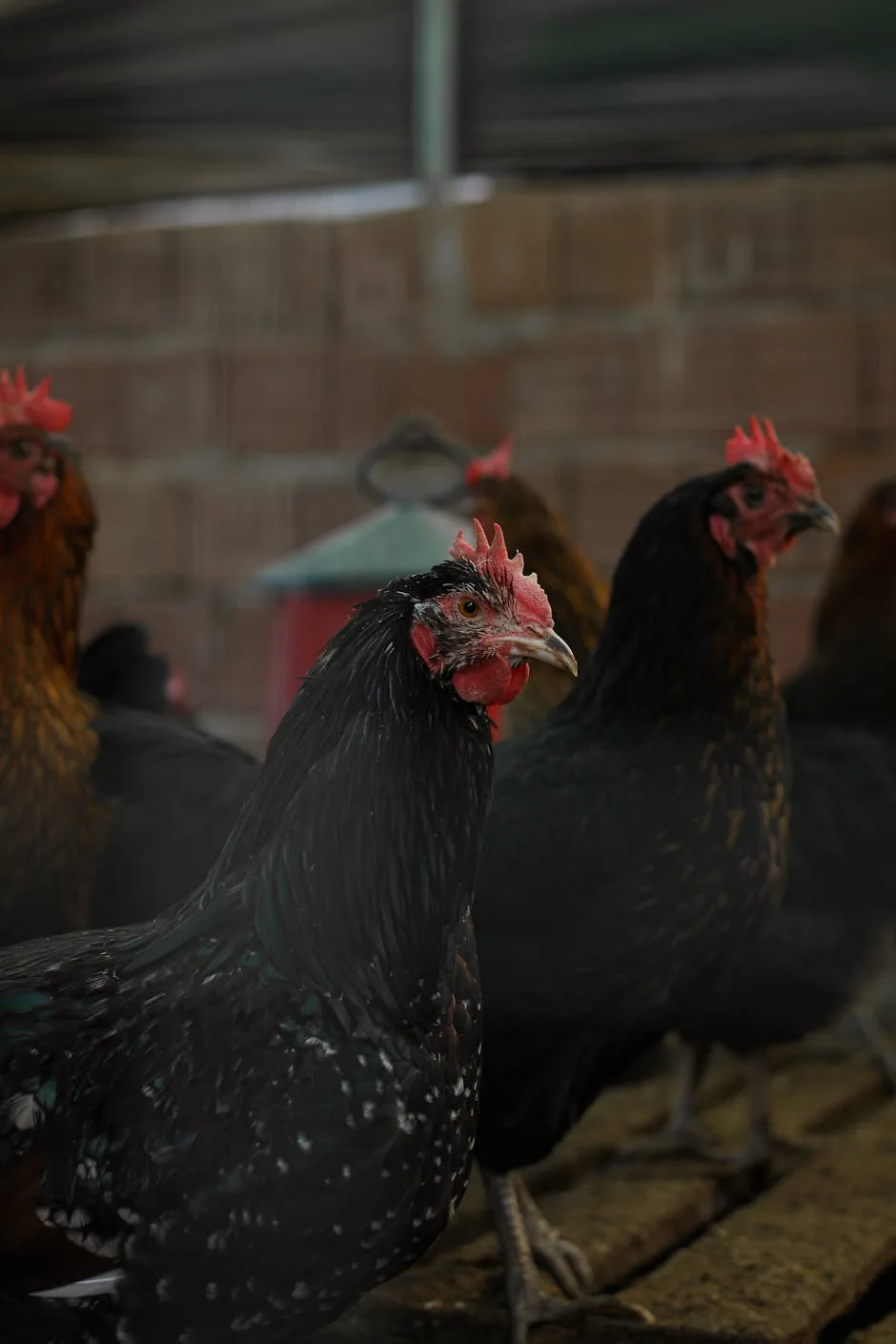
North Carolina spans three climate zones: the hot, humid coastal plain in the east; the mild piedmont in the center; and the cooler mountains in the west. The piedmont and coastal plain see summer temperatures regularly above 90°F with high humidity, while mountain towns like Asheville can drop well below freezing in winter.
You'll want breeds that handle heat well if you're east of the mountains, and cold-hardy breeds if you're in the western part of the state. Several dual-purpose breeds handle both extremes.
Best Heat-Tolerant Breeds (Piedmont and Coastal Plain)
Easter Egger, Lightweight birds with small pea combs that dissipate heat efficiently. They lay colorful eggs in shades of blue, green, and pink. Excellent foragers that do well in North Carolina's warm, humid summers.
Leghorn, Originally from Mediterranean climates, Leghorns are built for heat. Their large single combs help regulate body temperature. They're prolific white egg layers, producing 280-320 eggs per year. On the downside, they're flighty and not the friendliest birds.
ISA Brown, Commercial hybrid layers that handle heat reasonably well and produce 300+ brown eggs per year. They're docile, friendly, and start laying early. A practical choice for North Carolina egg production.
Best Dual-Purpose Breeds (All Regions)
Rhode Island Red, The workhorse of backyard flocks. Hardy in both heat and cold, they produce 250-300 brown eggs per year. They're tough, independent birds that forage well and resist common diseases.
Plymouth Rock, Friendly, cold-hardy, and heat-tolerant enough for the piedmont. They lay about 250 brown eggs per year and make great pets. The classic barred variety is one of the most popular backyard breeds in the Southeast.
Buff Orpington, Gentle, fluffy birds that tolerate cold well and manage moderate heat. They lay around 200-280 brown eggs per year. Their calm temperament makes them ideal for families with children. If you're in the coastal plain, provide extra shade and ventilation during peak summer.
Best Cold-Hardy Breeds (Mountains)
Wyandotte, Rose combs resist frostbite, and their dense plumage keeps them warm through Appalachian winters. They lay about 200 brown eggs per year and come in beautiful laced color varieties.
Brahma, Large, heavily feathered birds that thrive in cold weather. They lay through winter better than most breeds. Their feathered feet can be a concern in muddy conditions, so provide clean, dry bedding.
Australorp, Holds the world record for egg production (364 eggs in 365 days). They handle cold and moderate heat well, making them a solid choice for mountain towns. Calm and easy to handle.
Summer Heat Management for NC Flocks
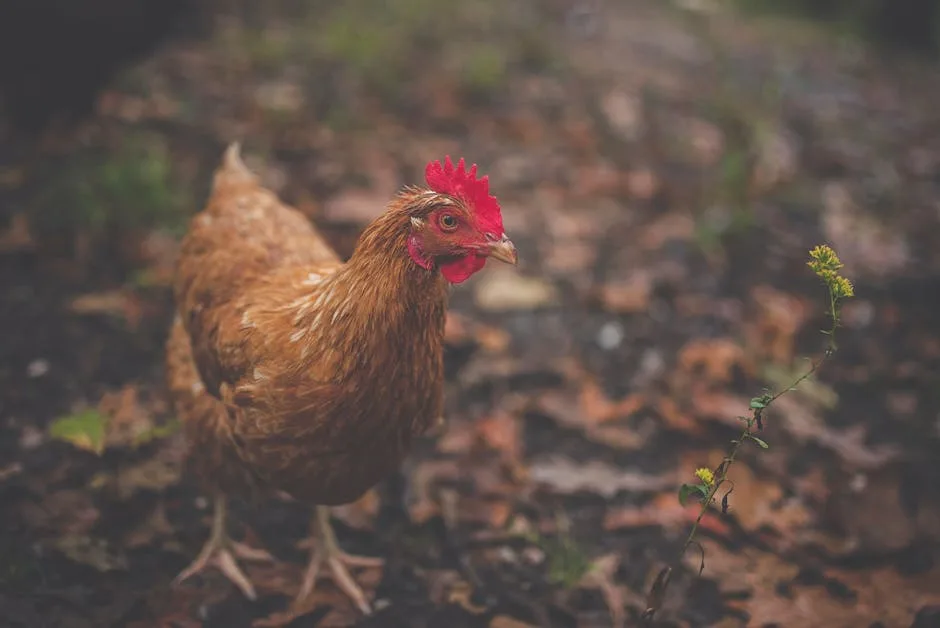
Heat is the bigger challenge for most North Carolina chicken keepers. The combination of high temperatures and humidity from June through September can stress birds and reduce egg production. Chickens don't sweat; they cool themselves by panting and holding their wings away from their bodies.
Signs of heat stress: Panting with an open beak, holding wings away from the body, lethargy, reduced egg production, thin-shelled or soft-shelled eggs, and decreased appetite.
Keeping Your Flock Cool
- •Ventilation is critical. Your coop needs good airflow. Open windows, vents near the roofline, and hardware cloth panels instead of solid walls during summer months go a long way.
- •Provide shade. If your run doesn't have natural tree cover, add shade cloth or tarps. Chickens should never be forced to stand in direct sun during the hottest part of the day.
- •Fresh, cool water. Change water at least twice daily in summer. Add ice blocks to waterers during heat waves. Position waterers in the shade.
- •Frozen treats. Freeze watermelon, berries, or corn and offer them in the afternoon. This helps birds cool down from the inside.
- •Misting systems. A simple misting setup on a garden hose can lower the temperature around the coop by several degrees.
- •Avoid feeding corn in summer. Corn generates more body heat during digestion than other feeds. Save it for winter.
- •Check on your flock in the afternoon. The most dangerous time is between 2 PM and 5 PM on days above 95°F with high humidity.
For a complete guide, see our summer chicken care article.
Winter Care Tips for North Carolina Chickens
Winter in North Carolina varies dramatically by region. Coastal areas rarely see freezing temperatures, while mountain towns can experience single-digit lows and snow. The piedmont falls somewhere in between, with temperatures typically ranging from the 20s to 50s°F in winter.
Cold Weather Essentials
- •Insulate but ventilate. A dry coop is more important than a warm coop. Moisture from droppings and respiration causes frostbite faster than cold air alone. Keep vents open near the roofline even in winter.
- •Check for frostbite. Birds with large single combs (like Leghorns) are most susceptible. Apply petroleum jelly to combs and wattles on nights when temperatures drop below 20°F.
- •Prevent frozen water. Use heated waterers or bring water out fresh multiple times per day. Chickens need water to digest food and stay warm.
- •Deep litter method. Add pine shavings to the coop floor and let the bottom layers start composting. This generates a small amount of heat naturally. Turn it periodically and replace completely in spring.
- •Supplemental lighting. If you want consistent egg production through winter, add a light on a timer to give your hens 14-16 hours of total light per day. Some keepers prefer to let hens rest naturally during shorter days.
- •Avoid heat lamps in the coop. They're a fire hazard. Healthy, cold-hardy breeds don't need supplemental heat in North Carolina's climate, even in the mountains.
For more detail, read our winter chicken care guide.
Common Predators in North Carolina
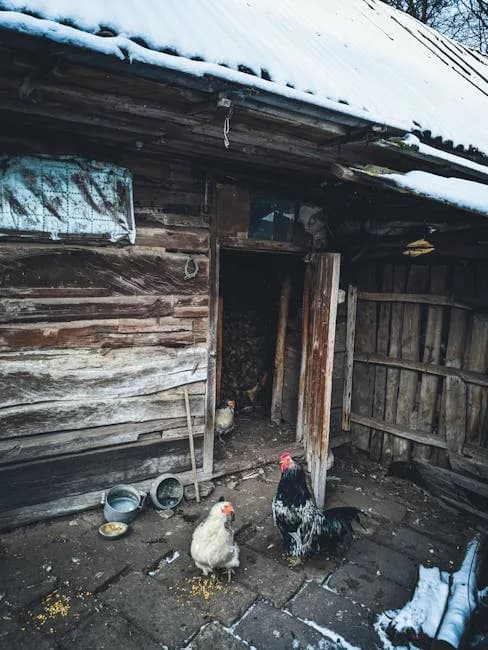
North Carolina's mix of forests, farmland, and suburban development means your flock faces a wide range of predators. Here's what to watch for:
- •Raccoons, The number one threat. They can open simple latches and reach through chicken wire. Use hardware cloth (1/2-inch welded wire) instead of chicken wire, and install predator-proof latches.
- •Hawks and owls, Cooper's hawks and red-tailed hawks are common throughout the state. Cover your run with netting or hardware cloth. Free-ranging chickens are most vulnerable.
- •Foxes, Both red and gray foxes are found across North Carolina. They typically attack at dawn and dusk. A secure coop with a buried wire apron (12 inches out from the base) prevents digging.
- •Coyotes, Increasingly common in both rural and suburban areas. They're bolder than foxes and will attack in broad daylight. Strong fencing and an enclosed run are essential.
- •Opossums, They'll eat eggs and kill chicks but rarely take adult birds. Secure your coop at night.
- •Snakes, Rat snakes and black snakes will eat eggs and small chicks. They can fit through surprisingly small openings. Use 1/2-inch hardware cloth on all coop openings.
- •Neighborhood dogs, Often overlooked but responsible for significant flock losses. A solid fence around your yard and a secure run are your best defense.
For a deeper dive, check out our chicken predators guide.
Can You Sell Eggs in North Carolina?
Yes. North Carolina allows backyard flock owners to sell eggs, but there are rules to follow under the North Carolina Egg Law (G.S. 106, Article 25A).
If you sell fewer than 30 dozen eggs per week:
- •You're exempt from grading and labeling requirements
- •Eggs must still be clean (not necessarily washed, but free of visible dirt and debris)
- •Eggs must be refrigerated to 45°F or below after gathering
- •You can sell directly to consumers at your home, farmers' markets, or roadside stands
If you sell 30 dozen or more eggs per week:
- •The full Egg Law applies, including grading, sizing, and labeling requirements
- •Cartons must display the grade, size, and your name and address
For complete details, NC State Extension has an excellent guide to the North Carolina Egg Law for small flock producers.
NCFarmID Registration
North Carolina requires all poultry owners to register through the NCFarmID program, regardless of flock size. This isn't a permit; it's a disease tracking system managed by the NCDA&CS Veterinary Division.
Registration is free and helps the state respond quickly to poultry disease outbreaks (like avian influenza). You can register online through the NCDA&CS website.
If you're buying chicks from out of state, you'll also need a Certificate of Veterinary Inspection for the birds before they cross the state line.
FAQ
Do I need a permit to keep chickens in North Carolina?
It depends on where you live. There's no statewide permit requirement, but many cities including Charlotte, Durham, Winston-Salem, and Asheville require local permits. Raleigh and Fayetteville don't require a specific chicken permit, though nuisance laws still apply. You do need to register through NCFarmID statewide.
How many chickens can I have in North Carolina?
There's no statewide limit. Each city sets its own rules. Charlotte allows up to 20 fowl per acre, Durham allows 10 per lot, Greensboro allows 4-20 depending on lot size, and Raleigh has no specific maximum. In unincorporated rural areas, there are often no limits at all.
Are roosters allowed in North Carolina?
Most NC cities ban roosters in residential areas due to noise. Raleigh is a notable exception, allowing both hens and roosters. Check your specific city ordinance before getting a rooster.
What's the best chicken breed for North Carolina?
Rhode Island Reds and Easter Eggers are among the best all-around choices. They handle both summer heat and mild winters well and are reliable egg layers. For mountain areas, add cold-hardy breeds like Wyandottes or Brahmas. For the coastal plain, lighter breeds like Leghorns excel in humidity.
Can I sell eggs from my backyard flock in North Carolina?
Yes. If you sell fewer than 30 dozen per week, you're exempt from grading and labeling requirements, but eggs must be clean and refrigerated. Selling at farmers' markets and direct to consumers is allowed.
Your first step is checking your city's specific ordinance. Once you know the rules, start with a small flock of 3-5 heat-tolerant hens, build or buy a well-ventilated coop, and register through NCFarmID. For more on getting started, read our complete beginner's guide to raising backyard chickens.
Picking a coop for North Carolina? The breed you choose matters, but so does the coop. Our best chicken coops on Amazon roundup covers picks across flock sizes and price ranges, with notes on which models hold up best in different climates.
Raising Chickens in Other States
If you're moving, considering a different state, or just curious how the rules compare, browse our other state guides:
Northeast: Connecticut, Delaware, Maine, Maryland, Massachusetts, New Hampshire, New Jersey, New York, Pennsylvania, Rhode Island, Vermont
Southeast: Alabama, Florida, Georgia, Kentucky, Louisiana, Mississippi, South Carolina, Tennessee, Virginia, West Virginia
Midwest: Illinois, Indiana, Iowa, Kansas, Michigan, Minnesota, Missouri, Nebraska, North Dakota, Ohio, South Dakota, Wisconsin
South & Southwest: Arizona, Arkansas, New Mexico, Oklahoma, Texas
Mountain & West: Alaska, California, Colorado, Hawaii, Idaho, Montana, Nevada, Oregon, Utah, Washington, Wyoming
Related Guides
Raising Chickens in North Dakota: 2026 Laws & Best Breeds
Raising chickens in North Dakota: laws for Fargo, Bismarck, Grand Forks, plus survival-grade cold-hardy breeds for brutal winters.
State GuidesRaising Chickens in South Carolina: 2026 Laws & Best Breeds
Raising chickens in South Carolina: laws for Charleston, Columbia, Greenville, Spartanburg, plus heat-hardy breeds and care.
State GuidesRaising Chickens in Alaska: 2026 Laws & Best Breeds
Raising chickens in Alaska: laws for Anchorage, Fairbanks, Juneau, plus extreme cold-hardy breeds and sub-arctic care tips.
State GuidesRaising Chickens in Delaware: 2026 Laws & Best Breeds
Raising chickens in Delaware: laws for Wilmington, Dover, Newark, plus best breeds and tips for the First State's climate.