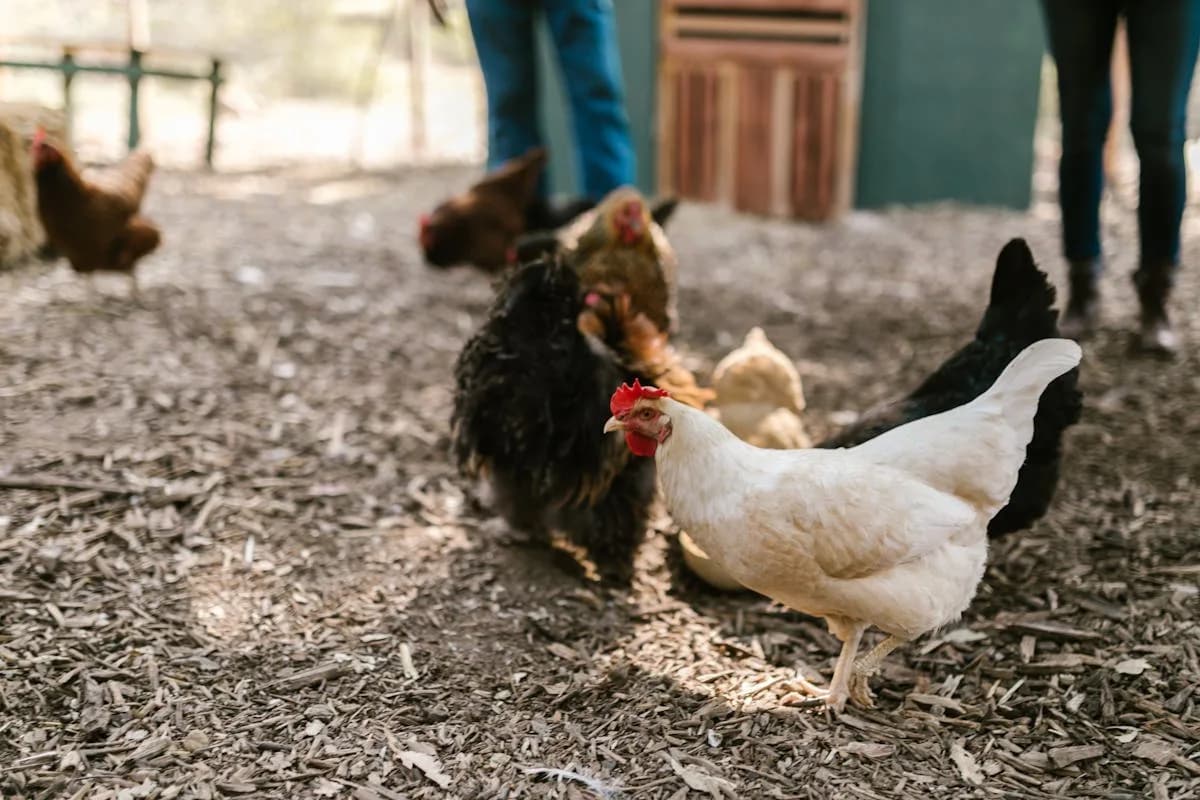
Raising Chickens in Colorado: 2026 Laws & Best Breeds
Raising chickens in Colorado: laws for Denver, Colorado Springs, Aurora, Boulder, plus altitude-ready breeds and seasonal care.
Researched from university extension, USDA, and veterinary sources. How we research.
Colorado is one of the most chicken-friendly states in the country. There's no statewide ban on backyard poultry, and many of the largest cities along the Front Range have adopted ordinances that welcome small hen flocks in residential neighborhoods. The state's dry climate, abundant sunshine, and growing homesteading culture make it a great place to keep chickens. The biggest challenge isn't the law; it's managing Colorado's extreme temperature swings, high altitude, and dry air. If you plan around those factors, your flock can thrive from the plains to the foothills.
What You'll Learn
- •Are Backyard Chickens Legal in Colorado?
- •Colorado Chicken Laws by City
- •Can You Sell Eggs in Colorado?
- •Best Chicken Breeds for Colorado's Climate
- •Managing Colorado's Extreme Temperature Swings
- •Winter Care at High Altitude
- •Summer Heat and Sun Protection
- •Common Predators in Colorado
- •FAQ
Are Backyard Chickens Legal in Colorado?
Yes, in most places. Colorado has no statewide law that bans backyard chickens. Each city, town, and county sets its own rules through local zoning ordinances and animal control codes. Most of Colorado's major cities along the Front Range, including Denver, Colorado Springs, Aurora, Fort Collins, and Boulder, allow hens with restrictions on flock size, coop placement, and rooster keeping.
Before getting chickens, check three things: your city or county ordinance, any HOA covenants on your property, and whether your property's zoning classification allows poultry. Even if your city says yes, an HOA can still prohibit chickens. There's been a growing push to pass statewide legislation (similar to Missouri's Senate Bill 985) that would override HOA chicken bans, but as of early 2026, HOAs still have the final say.
Colorado Chicken Laws by City
Important: City and county ordinances change frequently. The information below was researched in March 2026 but may not reflect the latest rules. Always verify with your local zoning or code enforcement office before starting a flock. Links to official sources are provided where available.
Denver
Denver Municipal Code, Chapter 8, Sec. 8-91 | Denver Animal Shelter Permit Info
Denver has been one of Colorado's most progressive cities for urban livestock. The city updated its ordinance in 2011 to make chicken keeping more accessible.
- •Hens: Up to 8 hens (or ducks, combined total) on properties under one acre.
- •Roosters: Not allowed.
- •Permit: Required. A one-time $25 Food Producing Animal permit is obtained through the Denver Animal Shelter.
- •Setbacks: Coops must be at least 15 feet from any neighboring residence.
- •Other rules: Chickens must be kept in a covered, predator-resistant enclosure. Coops must be kept clean and sanitary. HOA rules may still apply.
Colorado Springs
Colorado Springs City Code, Section 6.7.106
Colorado Springs allows fowl on residential properties under its animal control code.
- •Hens: Up to 10 fowl (chickens, ducks, or other fowl) age four months or older per property.
- •Roosters: Not specifically banned under the fowl limit, but noise ordinances apply. Most sources advise against keeping roosters.
- •Permit: Not required.
- •Other rules: Animals must be kept in sanitary conditions. Enclosures must not create a nuisance to neighbors. Contact the Humane Society of the Pikes Peak Region for enforcement questions.
Aurora
Aurora City Code, Section 14-134 | City of Aurora Chickens & Ducks Page
Aurora's ordinance distinguishes between lot sizes.
- •Hens: Up to 6 chickens on single-family residential lots under 20,000 square feet. Lots of 20,000+ square feet may keep more (check the code for exact numbers).
- •Roosters: Not allowed.
- •Permit: Required. A one-time fee of $40 is paid to the permit office. You must submit an application, a property drawing, and written consent from neighbors.
- •Setbacks: Coops must be placed in the rear yard only.
- •Other rules: Renters must get written consent from their landlord. HOAs may prohibit chickens. Permits can be revoked for violations.
Fort Collins
Fort Collins Municipal Code, Chapter 4, Section 4-117
Fort Collins has one of Colorado's more detailed urban chicken ordinances.
- •Hens: Up to 6 hens in most residential zones (areas not zoned for farm animals).
- •Roosters: Not allowed in residential zones.
- •Permit: Required. Permits are obtained through NOCO Humane, which also conducts an onsite inspection.
- •Other rules: Chickens must be kept in a covered, predator-resistant coop. The coop must provide adequate shelter and space. Applicants must pass an inspection before receiving their permit.
Boulder
Boulder Municipal Code, Title 6, Chapter 1
Boulder allows backyard chickens and has embraced urban agriculture broadly.
- •Hens: Allowed. Most sources indicate a limit around 6 hens for standard residential lots under one acre, with higher density allowed on larger properties.
- •Roosters: Not allowed in residential areas.
- •Permit: Check with Boulder Planning & Development Services for current requirements.
- •Other rules: Coops must be maintained in sanitary condition. Contact Boulder's code enforcement for the most current setback and enclosure requirements.
Thornton
City of Thornton Chicken Regulations
Thornton published clear, detailed chicken rules on its official website.
- •Hens: Up to 6 hens per single-family detached dwelling.
- •Roosters: Not allowed.
- •Permit: Not required.
- •Setbacks: Coops must be at least 5 feet from side and rear property lines.
- •Coop rules: Maximum 120 square feet and 7 feet tall. Only one coop allowed. Must be fully enclosed against predators. Minimum 6 square feet per chicken inside the coop.
- •Other rules: Chickens must stay in the backyard. Yard must be fenced. Chickens must be inside the coop from dusk to dawn. On-site slaughtering is prohibited. Not allowed for townhomes, apartments, condos, duplexes, or manufactured home parks.
Arvada
Arvada allows backyard chickens in residential zoning districts. Multiple sources indicate a limit of up to 6 hens, with roosters not allowed. The city requires chickens to be kept in a secure, clean coop. Contact Arvada Planning or review the city's zoning code for the most current requirements.
Unincorporated Areas
If you live outside city limits, your county's zoning rules apply. Jefferson County allows up to 6 chickens or ducks combined on residential properties. Arapahoe County allows 4 hens on single-family detached parcels outside agricultural districts. Douglas County, El Paso County, and Larimer County each have their own rules. Contact your county's planning and zoning office for specifics.
Can You Sell Eggs in Colorado?
Yes. Colorado has one of the more farmer-friendly egg sale laws in the country. Under the Colorado Egg Act (C.R.S. 35-21-105), anyone who produces and sells fewer than 250 dozen eggs per month is exempt from state licensing and inspection. You can sell directly to consumers from your property, at farmers' markets, or at roadside stands.
There are a few requirements even under the exemption: eggs must be kept at 45 degrees Fahrenheit or colder, clearly labeled with your name and address, and sold within a reasonable timeframe. You don't need to grade or size your eggs at this volume. For most backyard flock owners with under a dozen hens, the 250-dozen threshold is well beyond what you'll ever produce.
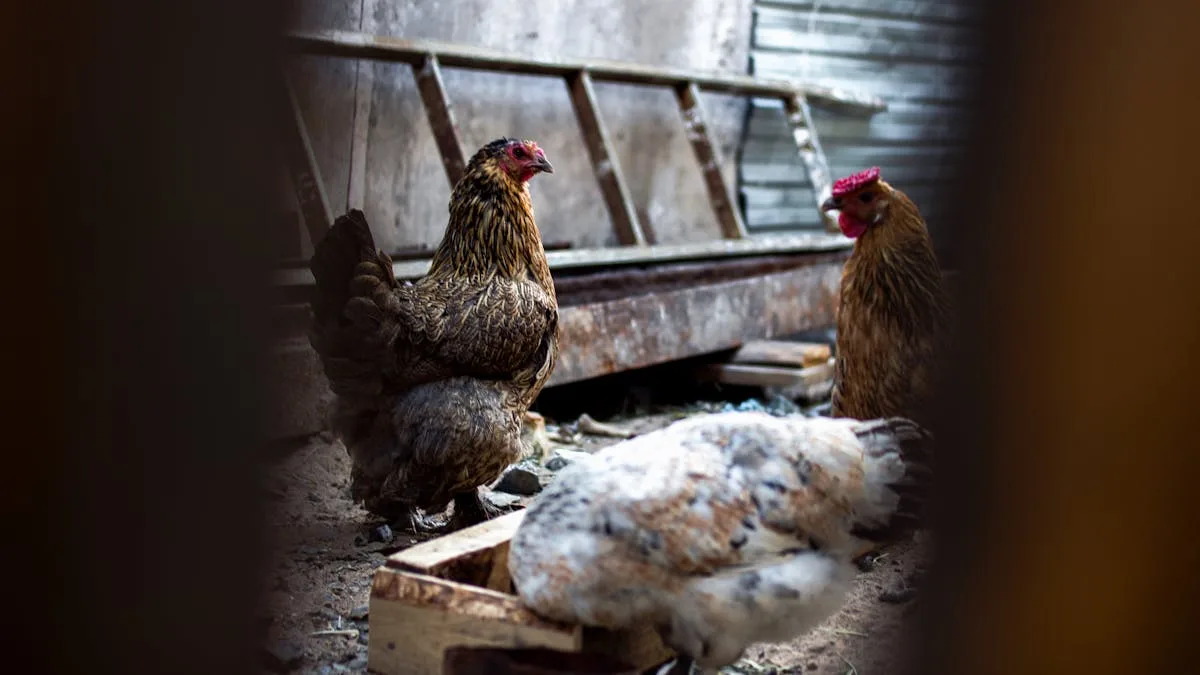
Best Chicken Breeds for Colorado's Climate
Colorado's climate is defined by extremes: bitter cold winters, hot summers, intense UV at altitude, low humidity, and wild temperature swings (it's common to see 50-degree shifts in a single day along the Front Range). You need hardy, adaptable breeds. Here are the best picks.
Cold-Hardy Breeds (Priority for Colorado)
Colorado winters regularly drop below 0 degrees F, especially on the Western Slope and in mountain communities. Cold-hardy breeds with small combs (less prone to frostbite) do best.
- •Buff Orpington: Heavy, fluffy plumage handles cold well. Calm temperament works great in backyard flocks limited to 6-8 birds. Lays around 200-280 eggs per year.
- •Plymouth Rock: One of the toughest dual-purpose breeds. Excellent cold tolerance with a small single comb. Friendly and reliable layers of about 200-250 brown eggs per year.
- •Wyandotte: The rose comb on Wyandottes is naturally frostbite-resistant. They handle cold, heat, and altitude well. Gorgeous laced feather patterns and 200+ eggs annually.
- •Australorp: The world record for egg production belongs to an Australorp. Dense feathering keeps them warm. They're calm, easy to manage, and lay 250+ brown eggs per year.
- •Brahma: These gentle giants have feathered feet and a pea comb, making them very cold-hardy. They're calm and do well in confined spaces.
Heat-Tolerant Breeds (For Front Range Summers)
Summer temperatures along the Front Range regularly hit the 90s and occasionally pass 100 degrees F. Breeds that handle heat matter too.
- •Easter Egger: Hardy in both cold and heat. They lay colorful blue and green eggs that kids love. Generally have pea combs, which resist frostbite.
- •Leghorn: The classic egg-production breed. Leghorns tolerate heat better than most breeds and lay 280-320 white eggs per year. They're active and do best with space to forage.
Best All-Around Pick for Colorado
If you can only choose one breed, go with Wyandottes. Their rose comb handles cold without frostbite risk, they tolerate Colorado's heat reasonably well, and they lay steadily through winter when many other breeds slow down. A small flock of 4-6 Wyandottes will keep you in eggs year-round.
For a mixed flock, try 2 Wyandottes, 2 Buff Orpingtons, and 2 Easter Eggers. You'll get a variety of egg colors, reliable production across seasons, and breeds that get along well together. Check our guide on mixing chicken breeds for tips on building a diverse flock.
Managing Colorado's Extreme Temperature Swings
The biggest challenge of keeping chickens in Colorado isn't the cold or the heat on their own. It's the rapid swings between the two. A 70-degree day in January can be followed by a blizzard the next morning. March might bring 80-degree afternoons and single-digit nights in the same week. Your flock management needs to account for this.
Ventilation is your best friend. A well-ventilated coop handles both extremes better than a sealed one. In winter, moisture from droppings and respiration is a bigger threat than cold air. Frostbite happens when damp air hits cold combs, not from cold alone. Keep vents open near the roofline year-round and block drafts at roost level.
Skip the heat lamp. Colorado's dry air means fire risk with heat lamps is real, especially in wooden coops filled with bedding material. Healthy, cold-hardy breeds don't need supplemental heat above about 0 degrees F. If you're in a mountain town that regularly hits -20 degrees F, consider a flat panel radiant heater instead. See our best coop heaters guide for safe options.
Water management is constant. Waterers freeze quickly on cold nights and can overheat in direct summer sun. Use a heated waterer base in winter and place water in shade during summer. At Colorado's low humidity, chickens drink more than you'd expect. Check water levels twice a day.
Winter Care at High Altitude
Colorado's winters vary dramatically by location. Denver averages about 60 inches of snow per year, but the Western Slope and mountain towns can get 200+ inches. Here's how to keep your flock healthy through the cold months.
Frostbite prevention starts with breed selection (small combs) and coop ventilation (reduce moisture). You can also apply a thin layer of petroleum jelly to combs and wattles before extreme cold snaps. Check your birds every morning during cold stretches.
Egg production will slow as daylight hours drop below 14 hours. This is natural. Some keepers add a light on a timer in the coop to extend the "day" to 14-16 hours and keep production up. Others let hens take a natural winter break, which can help their bodies recover for spring. Either approach works.
Snow management matters more than you'd think. Clear a path from the coop to any outdoor run area. Many chickens won't walk on snow, so they'll stay cooped up unless you shovel. A covered run helps enormously. Scatter straw or wood chips in the run area for traction and insulation from frozen ground.
Deep litter method works well in Colorado's dry climate. Add fresh bedding on top of old bedding throughout winter. The composting action of the lower layers generates mild warmth. Turn it over in spring when temperatures stabilize. Read our winter chicken care guide for more details.
Summer Heat and Sun Protection
Colorado's summer sun is intense, especially at altitude. UV radiation is significantly stronger at 5,000-6,000 feet (Denver's elevation) than at sea level. Your chickens need shade.
Provide shade structures in the run area. Trees, tarps, or shade cloth all work. If your run doesn't have natural shade, shade cloth rated at 70-80% is the most practical option. Drape it over the top of the run.
Dust baths are essential. Colorado's dry soil is naturally perfect for dust bathing, which helps chickens regulate body temperature and control parasites. Provide a dry, sheltered area with loose dirt or sand. Most Colorado yards already have suitable soil.
Watch for signs of heat stress: panting, holding wings away from the body, lethargy, and pale combs. On days above 95 degrees F, add ice to waterers and consider freezing treats like watermelon or berries. See our summer care guide for a full heat management plan.
Hailstorms are a Colorado-specific concern that many chicken guides skip. Large hail can injure or kill chickens caught in the open. A sturdy covered run protects against this. If your run has only wire mesh on top, consider adding a solid roof section or corrugated plastic panels where chickens can shelter.
Common Predators in Colorado
Colorado has a wider range of chicken predators than most states. Depending on where you live, your flock faces threats from:
- •Raccoons: The most common coop raider statewide. They can open simple latches. Use carabiner clips or two-step latches on all coop doors.
- •Foxes and coyotes: Present in both urban and rural areas. Coyotes are increasingly common in Denver suburbs. A secure run with buried hardware cloth (at least 12 inches deep) is essential.
- •Hawks and eagles: Colorado has Red-tailed Hawks, Cooper's Hawks, and Golden Eagles. Overhead netting or a covered run is the only reliable protection. Note that all raptors are federally protected, so lethal methods are illegal.
- •Bears: In mountain communities and foothills, black bears will break into poorly built coops for chicken feed. Use bear-resistant containers for feed storage and consider electric fencing around the coop if you're in bear country.
- •Mountain lions: Rare but present in foothill communities. A fully enclosed, sturdy coop is your only defense.
- •Weasels and mink: Small enough to squeeze through gaps as narrow as one inch. Use hardware cloth (not chicken wire) with openings no larger than 1/2 inch.
For a complete predator defense plan, read our guide on protecting your flock from predators.
FAQ
Do I need a permit to keep chickens in Colorado?
It depends on your city. Denver requires a $25 Food Producing Animal permit. Aurora charges $40. Fort Collins requires a permit through NOCO Humane with an inspection. Other cities like Colorado Springs and Thornton don't require permits. Always check your specific city or county's rules.
How many chickens can I have in Colorado?
Most Colorado cities allow between 6 and 10 hens. Denver allows 8, Colorado Springs allows 10 fowl, Aurora allows 6 on standard residential lots, and Fort Collins allows 6. Rural and unincorporated areas often have fewer restrictions.
Are roosters allowed in Colorado?
In most Colorado cities, no. Denver, Aurora, Fort Collins, Boulder, and Thornton all prohibit roosters in residential areas. Colorado Springs doesn't explicitly ban roosters under its fowl limit, but noise ordinances effectively discourage them. Some rural counties allow roosters.
Can I sell my backyard eggs in Colorado?
Yes. If you sell fewer than 250 dozen eggs per month, you're exempt from state licensing. You can sell directly to consumers from your home, at farmers' markets, or at roadside stands. Eggs must be kept refrigerated at 45 degrees F or below.
What's the biggest challenge of keeping chickens in Colorado?
Temperature swings. Colorado can swing 50+ degrees in a single day, and your coop needs to handle both extremes. Good ventilation, cold-hardy breeds, shade in summer, and reliable water management are the keys to success. The dry air and high altitude also mean your chickens will drink more water than guides written for humid climates suggest.
Do I need to worry about avian flu in Colorado?
Colorado experienced avian influenza outbreaks in commercial flocks in 2022-2023. Backyard flocks are at lower risk but not immune. Keep your flock away from wild waterfowl, don't share equipment with other poultry keepers, and report any sudden flock illness to the Colorado State Veterinarian. Good biosecurity habits protect your birds and Colorado's poultry industry.
Ready to start your flock? Our beginner's guide to raising backyard chickens covers everything from choosing your first chicks to building a coop, step by step.
Picking a coop for Colorado? The breed you choose matters, but so does the coop. Our best chicken coops on Amazon roundup covers picks across flock sizes and price ranges, with notes on which models hold up best in different climates.
Raising Chickens in Other States
If you're moving, considering a different state, or just curious how the rules compare, browse our other state guides:
Northeast: Connecticut, Delaware, Maine, Maryland, Massachusetts, New Hampshire, New Jersey, New York, Pennsylvania, Rhode Island, Vermont
Southeast: Alabama, Florida, Georgia, Kentucky, Louisiana, Mississippi, North Carolina, South Carolina, Tennessee, Virginia, West Virginia
Midwest: Illinois, Indiana, Iowa, Kansas, Michigan, Minnesota, Missouri, Nebraska, North Dakota, Ohio, South Dakota, Wisconsin
South & Southwest: Arizona, Arkansas, New Mexico, Oklahoma, Texas
Mountain & West: Alaska, California, Hawaii, Idaho, Montana, Nevada, Oregon, Utah, Washington, Wyoming
Related Guides
Raising Chickens in Alaska: 2026 Laws & Best Breeds
Raising chickens in Alaska: laws for Anchorage, Fairbanks, Juneau, plus extreme cold-hardy breeds and sub-arctic care tips.
State GuidesRaising Chickens in Delaware: 2026 Laws & Best Breeds
Raising chickens in Delaware: laws for Wilmington, Dover, Newark, plus best breeds and tips for the First State's climate.
State GuidesRaising Chickens in Idaho: 2026 Laws & Best Breeds
Raising chickens in Idaho: laws for Boise, Meridian, Nampa, plus cold-hardy breeds and tips for the state's varied climate.
State GuidesRaising Chickens in Kansas: 2026 Laws & Best Breeds
Raising chickens in Kansas: laws for Wichita, Overland Park, Topeka, plus hardy breeds and storm-ready coop tips for the Sunflower State.