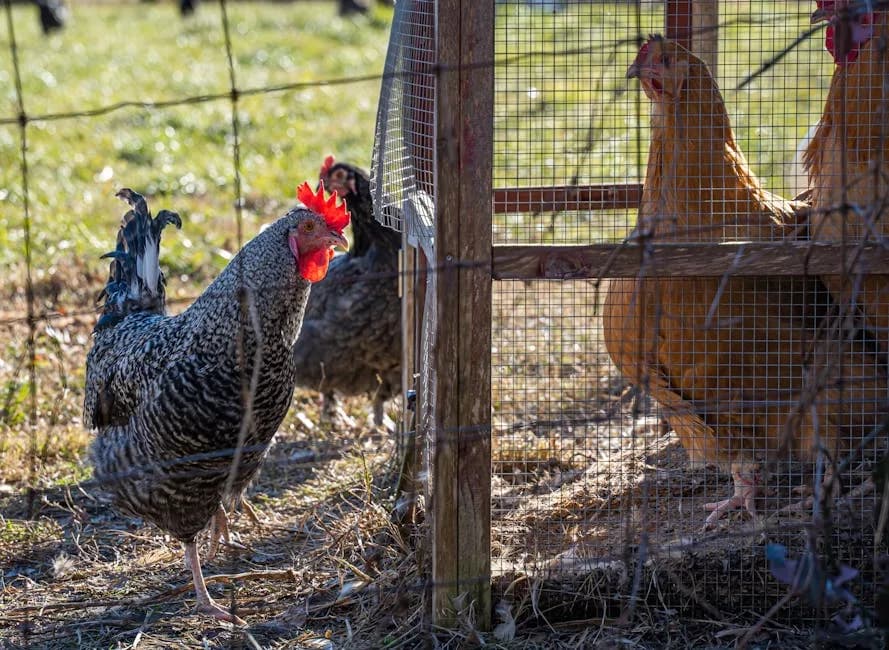
Raising Chickens in Delaware: 2026 Laws & Best Breeds
Raising chickens in Delaware: laws for Wilmington, Dover, Newark, plus best breeds and tips for the First State's climate.
Researched from university extension, USDA, and veterinary sources. How we research.
Delaware is small, only about 2,000 square miles, but it sits at the center of one of the most productive poultry regions in the country. Sussex County alone produces more broiler chickens than almost any other county in the United States, and the state's economy still leans heavily on commercial poultry through Perdue, Mountaire, Allen Harim, and Tyson. That commercial backbone shapes how cities and counties approach backyard flocks. Some places welcome small home flocks. Others quietly worry about disease pressure on the industry and have tightened rules.
The state has no single backyard chicken law. Each city, town, and county sets its own rules, and they vary widely across just a few miles. Wilmington effectively bans residential poultry, while a property a short drive south in rural Sussex County can legally hold dozens of birds. New Castle County requires at least one acre. Milford recently removed chickens from its city code entirely. Knowing exactly where you live, down to the zoning district, matters more in Delaware than in most states.
Delaware's climate is mild and humid. Coastal Sussex County stays warmer year-round thanks to the Atlantic, while northern New Castle County gets slightly colder winters. Summers are hot and sticky with frequent afternoon storms, and winters bring wet cold rather than the deep freezes of New England or the Midwest. Your breed selection and coop design need to handle moisture more than extreme temperature.
What You'll Learn
- •Are Backyard Chickens Legal in Delaware?
- •Delaware Chicken Laws by City
- •Can You Sell Eggs in Delaware?
- •Best Chicken Breeds for Delaware's Climate
- •Summer Care in Delaware
- •Winter Care in Delaware
- •Common Predators in Delaware
- •FAQ
Are Backyard Chickens Legal in Delaware?
It depends entirely on your municipality and county zoning. Delaware has no statewide ban or permit system, but the rules across the state's three counties and dozens of cities and towns are inconsistent. A few patterns hold:
- •Wilmington does not allow residential chickens.
- •Newark and Dover allow small flocks of hens with no permit required, but they restrict roosters and coop placement.
- •Middletown bans chickens, ducks, turkeys, and most other poultry inside town limits under a 1977 ordinance.
- •Milford removed its chicken provision from the zoning code in 2023 and currently does not allow them in city limits.
- •Smyrna permits chickens only on Agricultural District zoning.
- •New Castle County unincorporated areas require at least one acre.
- •Kent and Sussex counties are generally more permissive on agricultural and rural residential land.
Before buying chicks, check three things: your city or town's municipal code, your county zoning ordinance if you live in an unincorporated area, and any HOA covenants on your property. HOAs in newer Delaware subdivisions often ban poultry even where the city allows them. Sussex County in particular has many development covenants that override the otherwise permissive county code.
Delaware Chicken Laws by City
Important: City and county ordinances change frequently. The information below was researched in May 2026 but may not reflect the latest rules. Always verify with your local zoning or code enforcement office before starting a flock. Links to official sources are provided where available.
Wilmington
City of Wilmington Code Chapter 3 - Animals
Wilmington does not allow backyard chickens in residential areas under its animal control code. The city is the most restrictive of Delaware's major municipalities on this question.
- •Hens: Not permitted in residential zones.
- •Roosters: Not permitted.
- •Permit: Not available for residential keeping.
- •Note: Residents who want chickens should look at properties outside city limits in unincorporated New Castle County with at least one acre, or relocate to a more permissive jurisdiction. Contact Wilmington Animal Control at (302) 571-4200 to confirm current enforcement.
Dover
Dover allows backyard chickens for residents who follow setback and registration rules. It is the most chicken-friendly of Delaware's largest cities.
- •Hens: Up to 25 chickens allowed.
- •Roosters: Not permitted.
- •Permit: No city permit required, but flocks must be registered with the Delaware Department of Agriculture.
- •Setbacks: Coops must be at least 10 feet from any structure and 3 feet from property lines.
- •Sanitation: Coops must be kept clean, dry, and well-ventilated to avoid odor and pest issues.
- •Note: Contact the Dover Department of Planning and Inspections to verify current rules before building a coop.
Newark
Newark Municipal Code Chapter 5 - Animals
Newark allows a small backyard flock of hens with strict setbacks and a household animal cap.
- •Hens: Up to 6 hens per household.
- •Roosters: Not permitted.
- •Permit: No specific chicken permit required.
- •Setbacks: Coops must be located in the backyard, at least 25 feet from neighboring homes and 10 feet from property lines.
- •Household cap: Newark caps total animals per household, so chickens count toward the overall pet limit.
- •Sanitation: Coops must be kept clean and odor-free.
Middletown
Middletown bans backyard poultry under a long-standing town ordinance from 1977. The town has periodically reviewed the rule but has not changed it. As of 2026 the ban remains in effect.
- •Hens: Not permitted within town limits.
- •Roosters: Not permitted.
- •Other poultry: Ducks, turkeys, pigeons, and similar fowl are also prohibited, as are goats and rabbits.
- •Note: Residents have petitioned the town for changes, but no ordinance amendment has passed. Confirm current status with Middletown Town Hall before assuming any change.
Milford
Milford eliminated its proposed backyard chicken provision in August 2023 when the City Council voted to remove chickens from the zoning ordinance. Council members cited concerns about avian flu spread affecting Perdue operations, plus typical nuisance issues. As of 2026 there is no path to legally keep backyard chickens inside Milford city limits.
- •Hens: Not permitted inside city limits.
- •Roosters: Not permitted.
- •Note: Residents who want chickens need a property in unincorporated Kent or Sussex County. Contact the Milford Planning and Zoning office to confirm current status before making plans.
Smyrna
Smyrna permits chickens only on properties zoned Agricultural District. Standard residential zones do not allow them. This is essentially an agricultural-only allowance.
- •Hens: Allowed only on parcels zoned Agricultural District.
- •Roosters: Allowed on the same parcels.
- •Permit: Not required for permitted zones.
- •Setbacks: Coops must be at least 200 feet from any property line.
- •Note: Sanitation and noise nuisance provisions apply. Most residential lots in Smyrna will not qualify.
Unincorporated New Castle County
New Castle County Code, Chapter 4 - Animals
New Castle County's unincorporated areas require lot size for backyard poultry. This rule covers communities like Hockessin, Pike Creek, Bear, and parts of Glasgow.
- •Hens: Up to 6 chickens on parcels of at least one acre in residential zones.
- •Roosters: Allowed on qualifying parcels.
- •Permit: Not required.
- •Setbacks: Coops must be in the rear yard, at least 25 feet from neighboring residential structures and 10 feet from any side or rear property line.
- •Note: Parcels under one acre in residential zones may not keep chickens, ducks, geese, turkeys, or other poultry. Educational programs through schools, universities, or 4-H are exempt.
Unincorporated Sussex County
Sussex County is the most permissive part of the state. The county's agricultural heritage shows in its zoning code, which allows substantial flocks on Agricultural-Residential land. This covers most rural Sussex outside of incorporated towns.
- •Hens: On AR (Agricultural-Residential) parcels under 5 acres, up to 99 chickens for family consumption are permitted along with limited numbers of other livestock.
- •Roosters: Generally allowed.
- •Permit: Not required for hobby flocks.
- •Setbacks: Standard nuisance rules apply. Larger commercial poultry house setbacks (400 feet from dwellings, 200 feet from roads, 100 feet from property lines) are for production operations, not hobby flocks.
- •Note: Even where county rules allow chickens, deed restrictions and HOA covenants in many Sussex subdivisions ban them. Read your covenants carefully.
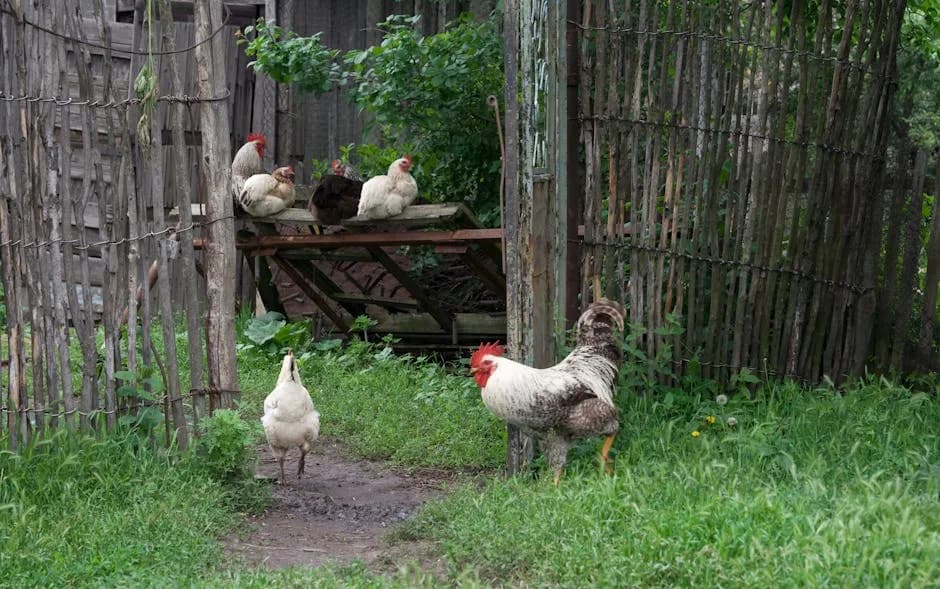
Can You Sell Eggs in Delaware?
Yes, with a producer exemption that fits most backyard keepers. Under Delaware Code Title 3, Chapter 35 (Eggs), producers selling eggs from their own flocks are exempt from most commercial egg regulations as long as:
- •Eggs are sold directly from the premises where they were produced (your farm or home)
- •Eggs are not sold at a separate established place of business
- •Eggs are not advertised or displayed with price, size, or quality designations or descriptive terms
In practice, this means you can sell eggs from a roadside stand or directly to neighbors who come to your property without a license. You should still:
- •Keep eggs refrigerated at 45F or below after collection
- •Use clean cartons (used cartons cannot legally be reused for sale at retail in many states; check current Delaware Department of Agriculture guidance)
- •Label cartons with a "not for resale" notice when selling under the producer exemption
If you want to sell to grocery stores, restaurants, bakeries, or transport eggs off the production property for sale, you'll need to comply with the full Egg Law and may need a Meat, Poultry, and Egg Inspection License from the Delaware Department of Agriculture. Producers with flocks above federal thresholds (3,000 hens) must also register with the FDA.
The Delaware Department of Agriculture also asks all poultry owners to register their flocks for disease tracking, which becomes important during avian flu outbreaks. Registration is free and helps state veterinarians contact you quickly if a threat is detected nearby.
Best Chicken Breeds for Delaware's Climate
Delaware's climate is moderate but humid. Summer highs average in the mid-80s with high humidity, and heat waves push into the 90s. Winter lows average in the 20s in most of the state, occasionally dipping into the teens during cold snaps, but extreme subzero weather is rare. The bigger threats are heat with humidity in July and August, and damp, raw cold in January and February.
You want breeds that handle humidity well, tolerate moderate cold, and can free-range or use a covered run without overheating.
Best dual-purpose breeds for Delaware:
- •Rhode Island Red: Developed just up the road in Rhode Island and Massachusetts. Hardy, productive, and adaptable to Delaware's full temperature range. Lays 250-300 brown eggs per year.
- •Plymouth Rock: A reliable Mid-Atlantic favorite. Handles both summer humidity and winter damp without complaint. Friendly and good for families. Lays 250-280 eggs per year.
- •Sussex: An English breed well-suited to Delaware's similar climate. Excellent foragers. Speckled Sussex is the most common variety. Lays 240-260 eggs per year.
- •Australorp: Holds the world record for egg laying (364 in 365 days). Cold-hardy, heat-tolerant, and docile. Black plumage soaks up winter warmth from sunny days.
- •Buff Orpington: Fluffy and friendly. Great for families with kids. Handles cold well, but watch them in extreme summer heat since the heavy plumage can cause overheating.
- •Wyandotte: Rose comb resists frostbite during the occasional Delaware cold snap. Sturdy and good-tempered. Lays 200-250 brown eggs per year.
A note on the Delaware Blue Hen: The Blue Hen is Delaware's state bird and a point of pride, but its origin is in gamefowl from the Revolutionary War era when soldiers from Kent County kept fighting birds. True Blue Hen lineage is rare, and the modern "Blue Hen" chicken kept by hobbyists is not a standardized breed recognized by the American Poultry Association. If you want a piece of Delaware heritage, the Delaware breed (a white meat-and-egg dual-purpose bird developed in the 1940s in Sussex County for the broiler industry) is recognized, productive, and well-suited to the state's climate. Look for it through heritage breed hatcheries.
Breeds to be cautious with in Delaware:
- •Heavy feather-footed breeds like Cochins can struggle with mud and wet conditions in Delaware's damp winters and rainy springs.
- •Mediterranean breeds with large single combs like Leghorns handle Delaware's heat well but can get frostbite during the occasional January cold snap if their combs aren't protected.
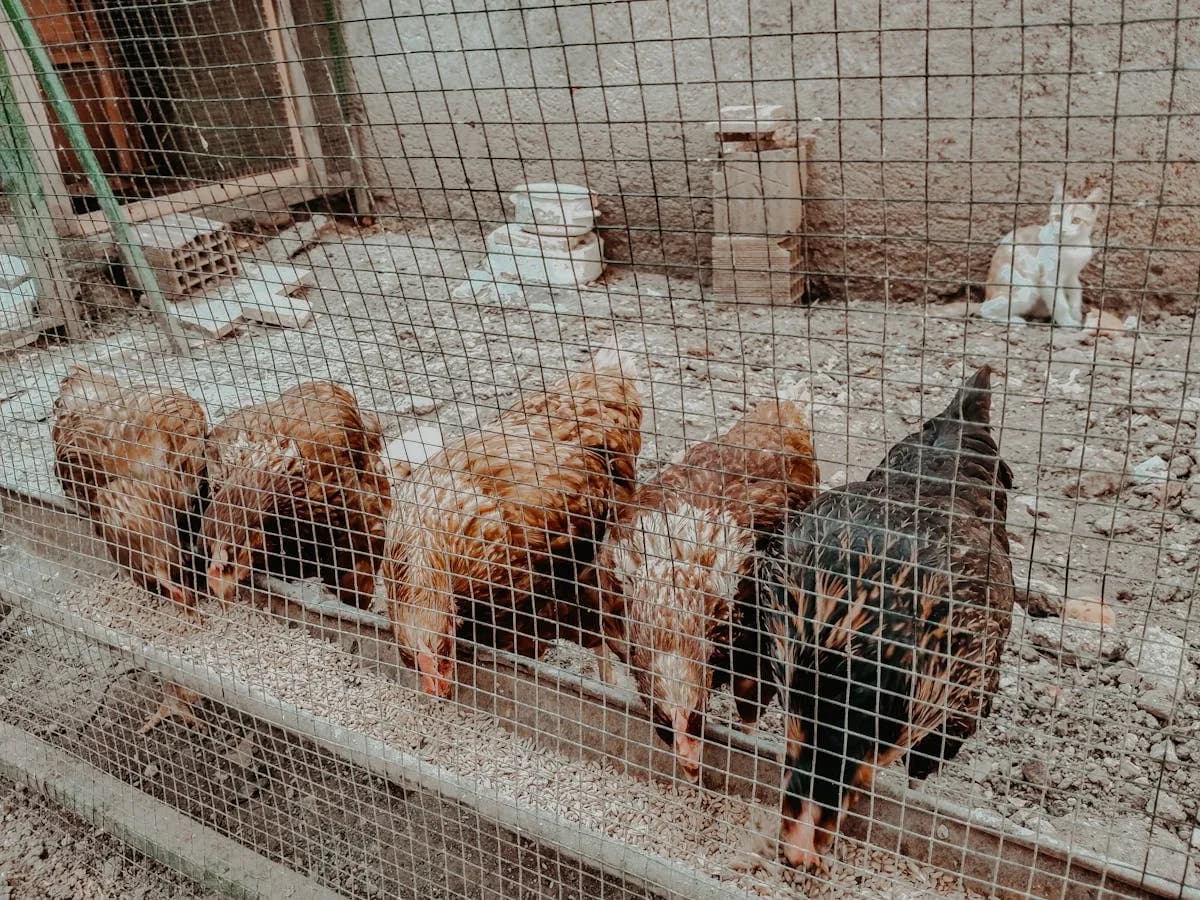
Summer Care in Delaware
Delaware summers combine heat with high humidity. July highs average in the mid-80s but feel hotter due to dew points often in the 70s. Coastal areas in Sussex County stay slightly cooler but more humid. The heat index can hit 100F or higher during a stretch of summer days, and that's the real risk for your flock.
Keeping your flock comfortable:
- •Shade is non-negotiable. Trees, shade cloth, or a roofed run are essential. Direct sun at 90F with Delaware humidity will stress chickens fast.
- •Ventilation matters more than insulation. A stuffy, humid coop is dangerous. Open all windows and vents. Cross-ventilation is critical. Run a small fan if power is available.
- •Fresh, cool water at all times. Check waterers twice a day during heat waves. Add ice or use a shaded waterer location. Dehydration kills chickens faster than heat alone.
- •Frozen treats help. Watermelon, cucumbers, berries, or scratch grains frozen in a block of ice are summer favorites and help core temperature drop.
- •Watch for heat stress signs: panting, holding wings out, lethargy, pale combs, or collapse. Move stressed birds to shade and offer cool electrolyte water immediately.
- •Manage mud and parasites. Humidity means mites, lice, and intestinal parasites thrive. Provide a dry dust bath and check birds weekly during summer.
- •Free-range in the early morning. Let birds out at dawn so they can forage during cool hours, then retreat to shade by late morning.
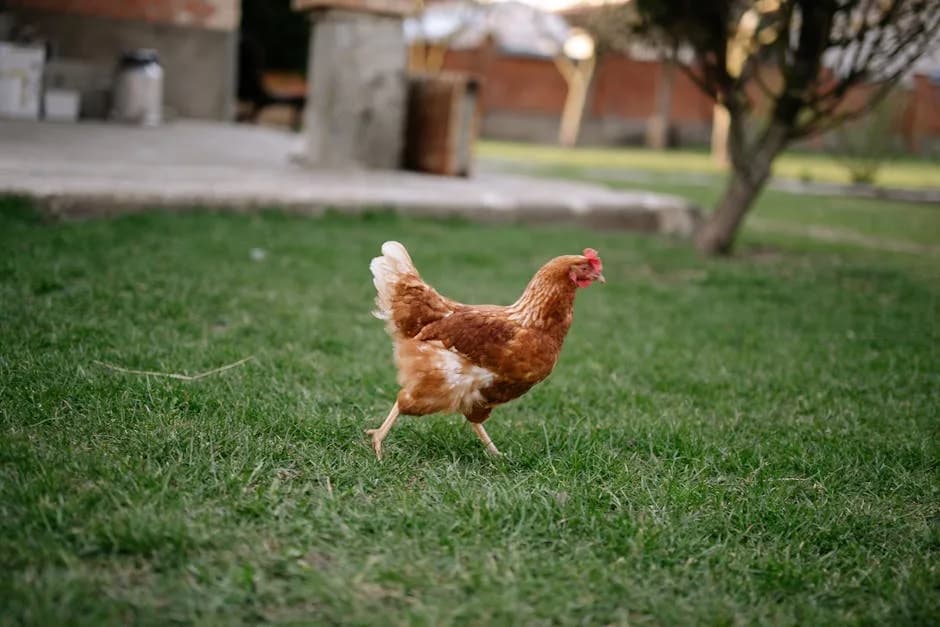
Winter Care in Delaware
Delaware winters are mild by Northeast standards. January lows average in the 20s in most of the state, with extreme cold below 10F happening only a few days per year. The challenge is wet cold, not extreme cold. Damp coops promote respiratory illness, frostbite, and bumblefoot. Snow is occasional but ice storms and prolonged rain are more common.
Winter coop tips for Delaware:
- •Ventilation, ventilation, ventilation. A dry coop at 25F is safer than a sealed, humid coop at 35F. Keep upper vents open year-round. Moisture causes more frostbite than cold air does.
- •Use the deep litter method. Start with 4 to 6 inches of pine shavings or straw in fall. Add fresh shavings on top through winter. Composting bedding generates gentle warmth and stays drier than thin litter.
- •Keep the run dry. Mud is your enemy in Delaware winters. Add sand, gravel, or wood chips to muddy spots. Wet runs lead to bumblefoot infections and parasite blooms.
- •Heated waterers help, but not always needed. Water freezes during cold snaps but rarely stays frozen for days. A heated base or a flat-panel heater near the waterer keeps water available during the coldest weeks.
- •Skip the heat lamps. They're the leading cause of coop fires. Healthy dual-purpose breeds handle Delaware winters without supplemental heat. A flat-panel radiant heater designed for poultry is a safer option if you really feel one is needed.
- •Wind protection. Coastal Delaware gets strong winter winds off the bay. Make sure your coop blocks prevailing northwest winds and your run has a windbreak on the worst side.
- •Petroleum jelly on large combs. A thin layer on combs and wattles before a cold night helps prevent frostbite on breeds with large single combs.
- •Egg collection. Eggs can freeze and crack within a few hours when temperatures drop below 20F. Collect at least twice a day during cold snaps.
- •Daylight drops. December gives Delaware about 9 hours and 30 minutes of daylight. Egg production drops naturally. Adding a low-wattage timed light to reach 14 hours of total light keeps production up, but many keepers prefer to let hens rest.
Common Predators in Delaware
Delaware has a healthy mix of suburban and rural predators. Even in dense suburbs around Wilmington and Newark you'll deal with raccoons and hawks. In rural Kent and Sussex County, fox and coyote pressure has grown over the past decade.
Suburban and urban predators:
- •Raccoons: The most common predator statewide. They can open simple latches and reach through chicken wire. Use hardware cloth (1/2-inch) on all openings and secure latches with carabiner clips or padlocks.
- •Hawks: Red-tailed, Cooper's, and red-shouldered hawks are common throughout Delaware. A covered run is the only reliable protection. Fishing line strung across an open-top run can deter aerial attacks.
- •Opossums: Common in every Delaware neighborhood. They target eggs and chicks. Seal gaps over 1 inch.
- •Domestic dogs: A leading cause of suburban chicken kills. A secure fence and locked coop handle this.
- •Snakes: Black rat snakes are major egg thieves throughout Delaware, especially in Kent and Sussex counties. They'll squeeze through any gap larger than a quarter-inch. They rarely kill adult chickens but can take eggs and young chicks regularly. Use 1/4-inch hardware cloth on nest box openings during summer.
Rural predators:
- •Red foxes: Common across all three counties. Smart and persistent. Foxes will dig under fences. Bury hardware cloth 12 inches deep around your run or lay a 24-inch wire apron along the ground outside the fence.
- •Coyotes: Populations have grown across Delaware in the past decade, especially in Kent and Sussex counties. They'll take adult chickens and even attack secured runs. A secure coop locked at dusk is essential.
- •Great horned owls: Active at night statewide. A covered run and sealed coop with no gaps protect against owl attacks.
- •Mink and weasels: Present near streams and ponds in all three counties. Small enough to squeeze through 1-inch gaps and capable of killing an entire flock in one night. Hardware cloth with 1/2-inch openings is the only reliable defense.
- •Black bears: Rare in Delaware but occasionally reported in northern New Castle County. Not a major concern, but if you live near the Pennsylvania border, secure feed storage and don't leave scraps out.
General predator-proofing tips:
- •Lock the coop every night without exception
- •Use hardware cloth on all openings, never chicken wire (chicken wire keeps chickens in, it does not keep predators out)
- •Bury wire or use an apron around the run perimeter
- •Install an automatic coop door if you can't be home every dusk
- •Keep feed in sealed metal containers to avoid attracting rodents and the predators that follow them
- •Collect eggs daily to discourage snakes and opossums
FAQ
Do I need a permit to keep chickens in Delaware?
It depends on your city or county. Newark and Dover don't require permits but cap flock size and restrict roosters. Wilmington and Milford don't allow chickens at all. New Castle County has no permit requirement but requires at least one acre in residential zones. Sussex County is the most permissive. Check your specific jurisdiction before getting chickens.
How many chickens can I have in Delaware?
Limits range from zero (Wilmington, Milford, Middletown) to up to 99 (rural Sussex County AR parcels under 5 acres). Newark caps at 6 hens. Dover allows up to 25. New Castle County allows up to 6 on properties of at least one acre. Rural Kent and Sussex County properties generally have the most flexibility.
Are roosters allowed in Delaware cities?
Most Delaware cities ban roosters. Newark, Dover, and Wilmington all prohibit them in residential settings. Smyrna allows them only on Agricultural District land. New Castle County allows them on qualifying one-acre residential parcels. Sussex and Kent county rural land generally permits roosters.
What's the best chicken breed for Delaware's climate?
Rhode Island Reds and Plymouth Rocks are the best all-around choices for Delaware. Both handle humid summers and damp winters well. The Sussex is also well-suited to Delaware's English-style mild maritime climate. For maximum egg production, Australorps are hard to beat.
Can I sell eggs from my backyard flock in Delaware?
Yes. Delaware allows producers to sell eggs from their own flocks directly from the production premises without a license, as long as you don't advertise grades, sizes, or prices and you don't sell from a separate business location. Keep eggs refrigerated at 45F or below. Selling to grocery stores or restaurants requires a state license through the Delaware Department of Agriculture.
Why does Milford prohibit chickens?
Milford City Council voted to remove chickens from the zoning code in August 2023. Council members cited concerns about avian flu reaching Perdue's operations (the state's largest employer), plus standard nuisance concerns about noise, odor, and code enforcement burden. As of 2026 the ban remains in place.
Does Sussex County really allow 99 chickens?
On Agricultural-Residential (AR) zoned parcels under 5 acres, Sussex County's code permits up to 99 chickens for family consumption, along with limited cows, sheep, goats, and hogs. This reflects the county's agricultural heritage. However, deed restrictions and HOA covenants in many subdivisions override county zoning and ban poultry entirely. Always read your covenants.
Your first step to keeping chickens in Delaware is checking three layers of rules: your city or town code, your county zoning, and any HOA covenants on your property. The right answer can differ across a single street, especially in New Castle County. Once you know the rules, choose breeds that handle Delaware's humidity and damp winters and build a coop with strong ventilation. Check out our beginner's guide to raising backyard chickens for a complete walkthrough of getting started, and our summer care guide and winter care guide for season-specific tips that matter in the Mid-Atlantic.
Picking a coop for Delaware? Humidity and damp winters mean ventilation matters more than insulation. Our best chicken coops on Amazon roundup covers picks across flock sizes with notes on which models hold up in different climates.
Raising Chickens in Other States
If you're moving, considering a different state, or just curious how the rules compare, browse our other state guides:
Northeast: Connecticut, Maine, Maryland, Massachusetts, New Hampshire, New Jersey, New York, Pennsylvania, Rhode Island, Vermont
Southeast: Alabama, Florida, Georgia, Kentucky, Louisiana, Mississippi, North Carolina, South Carolina, Tennessee, Virginia, West Virginia
Midwest: Illinois, Indiana, Iowa, Kansas, Michigan, Minnesota, Missouri, Nebraska, North Dakota, Ohio, South Dakota, Wisconsin
South & Southwest: Arizona, Arkansas, New Mexico, Oklahoma, Texas
Mountain & West: Alaska, California, Colorado, Hawaii, Idaho, Montana, Nevada, Oregon, Utah, Washington, Wyoming
Related Guides
Raising Chickens in Alaska: 2026 Laws & Best Breeds
Raising chickens in Alaska: laws for Anchorage, Fairbanks, Juneau, plus extreme cold-hardy breeds and sub-arctic care tips.
State GuidesRaising Chickens in Idaho: 2026 Laws & Best Breeds
Raising chickens in Idaho: laws for Boise, Meridian, Nampa, plus cold-hardy breeds and tips for the state's varied climate.
State GuidesRaising Chickens in Kansas: 2026 Laws & Best Breeds
Raising chickens in Kansas: laws for Wichita, Overland Park, Topeka, plus hardy breeds and storm-ready coop tips for the Sunflower State.
State GuidesRaising Chickens in Maine: 2026 Laws & Best Breeds
Raising chickens in Maine: laws for Portland, Lewiston, Bangor, plus extreme cold-hardy breeds and fisher cat protection tips.