Winter Chicken Care: A Complete Seasonal Guide
Keep your chickens healthy all winter with this complete care guide. Covers nutrition, water, egg production, frostbite prevention, and daily routines.
Researched from university extension, USDA, and veterinary sources. How we research.
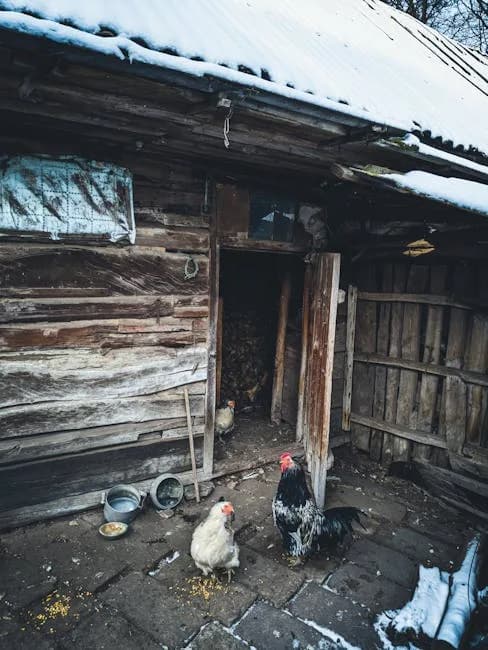
Your chickens are tougher than you think. Most backyard breeds handle freezing temperatures just fine, and plenty of flocks thrive in climates that regularly dip below zero. But "surviving" and "thriving" aren't the same thing. A few targeted changes to your feeding schedule, water setup, coop management, and daily routine will keep your birds healthy, comfortable, and productive from the first frost through the spring thaw.
This guide covers everything you need to know about winter chicken care, from nutrition adjustments to frostbite prevention to keeping egg production going when daylight hours shrink.
What You'll Learn
- •How Cold Is Too Cold for Chickens?
- •Winter Nutrition: What to Feed Your Flock in Cold Weather
- •How to Keep Chicken Water From Freezing
- •Do Chickens Stop Laying Eggs in Winter?
- •Preventing Frostbite on Combs and Wattles
- •Ventilation vs. Drafts: Getting Airflow Right
- •Winter Boredom Busters for Cooped-Up Chickens
- •Daily Winter Chicken Care Routine
- •Winter Health Issues to Watch For
- •Frequently Asked Questions
How Cold Is Too Cold for Chickens?
Most cold-hardy breeds, like Buff Orpingtons, Wyandottes, and Plymouth Rocks, handle temperatures down to 0°F (-18°C) without supplemental heat. Some experienced chicken keepers in Minnesota and Alaska report their flocks doing fine at -20°F with nothing more than a dry, well-ventilated coop.
The real danger isn't cold air. It's moisture. Humid air inside a coop causes frostbite far more reliably than low temperatures alone. A chicken roosting in a dry coop at 10°F is better off than one in a damp coop at 30°F.
That said, there are limits. Breeds with large single combs (like Leghorns) and feather-footed breeds are more vulnerable. And any chicken that's already sick, underweight, or molting needs extra protection.
Bottom line: If your coop is dry, draft-free at roost level, and well-ventilated up high, most chickens don't need a heat source. For more on heating options when you do need them, check out our guide to the best heat lamps and coop heaters.
Winter Nutrition: What to Feed Your Flock in Cold Weather
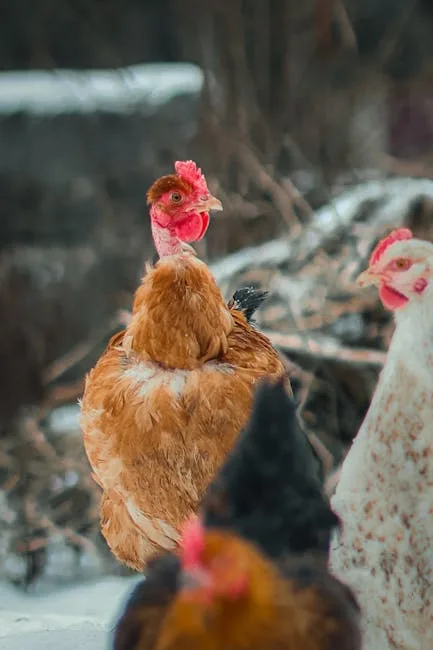
Chickens burn more calories in winter just to maintain body temperature. Their regular layer feed should still make up 90% of their diet, but you'll want to make a few adjustments.
Increase Protein Slightly
If your birds are finishing a molt heading into winter, bump their protein to help feathers grow back faster. A 20% protein feed (or supplementing with mealworms, black soldier fly larvae, or scrambled eggs) helps them recover quicker and build the insulation they need.
Scratch Grains as an Evening Snack
Scratch grains (cracked corn, wheat, oats) are higher in carbohydrates than regular feed. Digesting those carbs generates internal body heat, which is why experienced chicken keepers toss a handful of scratch in the coop about an hour before roosting time. It's like giving your flock a warm meal before bed.
Don't overdo it, though. Scratch should be a treat, not a replacement for balanced feed. Too much corn and not enough protein leads to fat, unhealthy birds.
Warm Treats on Cold Mornings
A bowl of warm oatmeal, leftover cooked rice, or even warmed-up fermented feed gives your chickens a calorie boost on especially cold mornings. They'll come running for it, and it gets them moving and eating right away.
For a complete breakdown of what chickens can and can't eat, see our feeding guide.

How to Keep Chicken Water From Freezing
Frozen water is the single most annoying part of winter chicken care. Chickens need constant access to fresh water, and a dehydrated chicken stops eating, stops laying, and gets sick fast. Here are the most reliable solutions:
Heated Water Base
A heated base designed for metal or plastic waterers keeps water above freezing down to about 0°F. They use about 60-80 watts, plug into a standard outlet, and cost around $40-$60. This is the most common solution, and it works well.
Heated Poultry Waterer
All-in-one heated waterers combine the container and heating element. They're more expensive ($50-$80) but simpler to set up. Look for ones with nipple drinkers to reduce contamination.
The Two-Bucket Rotation
No electricity in your coop? Carry out fresh warm water twice a day, morning and late afternoon. Use black rubber tubs, since they absorb sunlight and you can stomp ice out of them easily. This is more labor, but plenty of chicken keepers in off-grid setups make it work.
What Doesn't Work
Don't add salt, sugar, apple cider vinegar, or anything else to water to prevent freezing. The amounts needed to lower the freezing point would make the water unsafe to drink.
For waterer recommendations, check our best feeders and waterers guide.
Do Chickens Stop Laying Eggs in Winter?
Yes, most hens slow down or stop laying when daylight drops below about 14 hours. This is completely normal. Egg production is triggered by light hitting the pineal gland through the hen's eye, and shorter days signal the body to conserve energy.
Should You Add Artificial Light?
This is one of the most debated topics in backyard chicken keeping. Adding a light on a timer to bring total "daylight" to 14-16 hours will keep most hens laying through winter. Here's what to know:
Pros of supplemental lighting:
- •Consistent egg production year-round
- •A simple 40-watt bulb or LED on a timer is all you need
- •Add light in the morning (not evening) so hens naturally roost at dusk
Cons of supplemental lighting:
- •Hens have a finite number of eggs; you're using them up faster
- •The natural rest period may benefit long-term health
- •Increased fire risk if using heat lamps as light sources
Many chicken keepers split the difference: they accept reduced production but add a small light to give hens 12 hours of total light, enough to prevent a complete shutdown without pushing them to maximum output.
Breeds That Lay Better in Winter
Some breeds are natural winter layers. Rhode Island Reds, Australorps, and Sussex tend to keep laying more consistently through shorter days. Check our best egg laying breeds guide for the full list.
Preventing Frostbite on Combs and Wattles
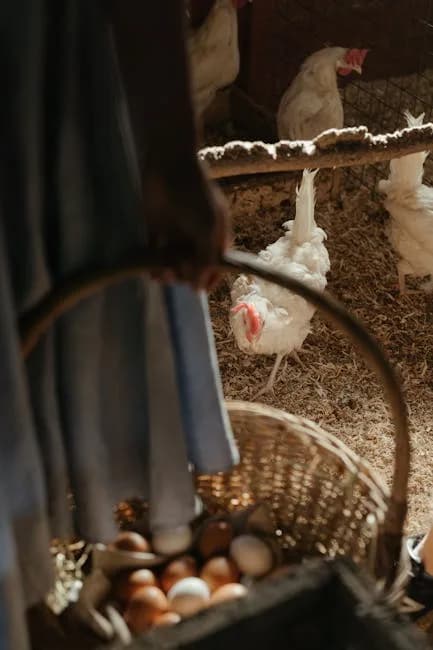
Frostbite shows up as black or dark purple tips on combs, wattles, and toes. It's painful for the bird and can lead to infection. Here's how to prevent it:
Control Moisture First
This is the most important thing you can do. Moisture in the coop comes from three sources: chicken breath, droppings, and wet bedding. Even a little condensation on surfaces means humidity is too high. If you see frost on the inside of your coop walls, you need more ventilation.
Apply Petroleum Jelly or Balm
Coating combs and wattles with a thin layer of petroleum jelly or coconut oil before cold nights creates a moisture barrier. It's not a guaranteed fix, but it helps. Focus on birds with large single combs since they're most vulnerable.
Choose the Right Roost
Wide, flat roosts (2x4 lumber with the wide side up) let chickens sit with their feet flat and covered by their breast feathers. Round dowel roosts force toes to wrap around and stay exposed. This simple change prevents frostbitten toes.
Deep Litter Method
If you're not already using the deep litter method, winter is a great time to start. Layers of carbon-rich bedding (pine shavings, dried leaves) break down slowly and generate mild composting heat. It also keeps feet warmer than a bare floor. Learn more in our bedding guide.
Ventilation vs. Drafts: Getting Airflow Right
This trips up a lot of new chicken keepers. You need ventilation (air exchange near the ceiling to remove moisture and ammonia), but you don't want drafts (cold air blowing directly on roosting birds).
The Setup That Works
- •Ventilation openings near the roofline, above where chickens roost. Hardware cloth-covered gaps, soffit vents, or ridge vents all work. Warm, moist air rises and exits here.
- •Solid walls at roost level. No gaps, cracks, or openings where cold wind blows across sleeping birds.
- •A pop door that closes at night. This blocks wind from entering at floor level.
How to Test It
On a cold morning, step inside your coop. If it smells like ammonia, you don't have enough ventilation. If you feel wind on your face at roost height, you've got a draft problem. The ideal coop smells clean, feels slightly cool, and has no moving air where the chickens sleep.
For more on coop setup, see our how to build a chicken coop guide.
Winter Boredom Busters for Cooped-Up Chickens
When snow covers the ground and chickens spend more time in the coop or run, boredom becomes a real problem. Bored chickens pick feathers, bully flock mates, and develop bad habits. Here's how to keep them busy:
- •Hang a cabbage or lettuce head from a string in the run. They'll peck at it like a tetherball for hours.
- •Scatter scratch grains in deep bedding. This forces them to scratch and forage, mimicking natural behavior.
- •Add a dust bath station indoors. A shallow bin filled with sand, wood ash, and food-grade diatomaceous earth keeps them entertained and helps with parasite control.
- •Offer a flock block or suet cake. Commercial flock blocks give them something to peck at. You can also make your own with suet, seeds, and dried mealworms.
- •Throw in a pile of leaves or straw. Chickens love scratching through loose material looking for anything interesting.
Daily Winter Chicken Care Routine
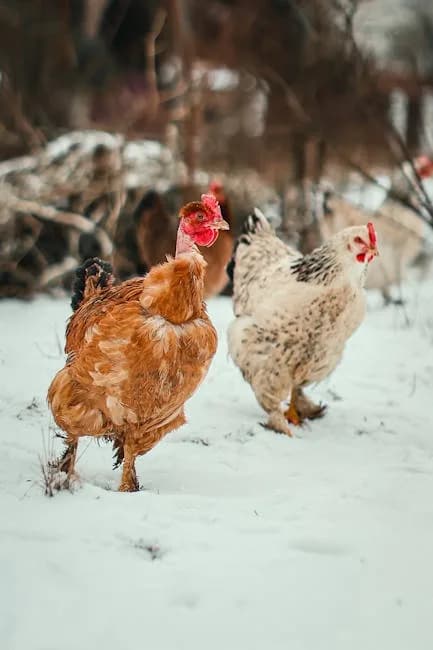
A consistent daily routine makes winter care manageable. Here's what a typical winter morning and evening look like:
Morning (within an hour of sunrise)
- •Open the pop door (if it's not automatic)
- •Check water, break ice or swap in fresh warm water
- •Top off feed
- •Collect eggs before they freeze (a frozen egg cracks and is wasted)
- •Quick health check: is everyone moving, eating, and alert?
- •Toss out a warm treat if it's especially cold
Evening (about an hour before sunset)
- •Scatter scratch grains for a pre-roost snack
- •Check water one more time
- •Collect any afternoon eggs
- •Close the pop door once everyone's inside
- •Quick headcount to make sure nobody's stuck outside
Weekly
- •Spot-clean wet bedding patches
- •Check ventilation openings for blockages (snow, ice, debris)
- •Inspect combs and wattles for early frostbite signs
- •Top off deep litter bedding if needed
Winter Health Issues to Watch For
Winter brings a few specific health concerns you won't see in warmer months:
Respiratory Issues
Cold, damp coops breed respiratory infections. Symptoms include wheezing, nasal discharge, swollen eyes, and lethargy. The fix is almost always better ventilation. If symptoms persist, isolate the sick bird and consult a vet.
Frostbite
Covered above, but watch for black tips on combs and swollen, discolored toes. Mild frostbite heals on its own. Severe cases need veterinary attention.
Reduced Immune Function
Stress from cold, shorter days, and molting can suppress the immune system. This is when parasites, coccidiosis, and other issues sneak in. Keep the coop clean, offer good nutrition, and watch for common sick chicken symptoms.
Increased Predator Pressure
Hungry predators are more desperate in winter. Foxes, raccoons, hawks, and weasels all ramp up their hunting when wild prey is scarce. Make sure your coop and run hardware cloth is secure, and lock the pop door every night without fail.
Frequently Asked Questions
Do chickens need a heater in winter?
Most cold-hardy breeds don't need supplemental heat if the coop is dry and draft-free. Heat lamps also pose a serious fire risk. Focus on ventilation and moisture control first, and only add a safe radiant heater if temperatures regularly drop below -10°F.
How do I keep my chickens' water from freezing overnight?
A heated water base ($40-$60) is the easiest solution. Without electricity, use insulated containers and swap in fresh warm water first thing in the morning. Black rubber tubs work well since you can stomp the ice out easily.
Why did my chickens stop laying eggs in winter?
Egg production is linked to daylight hours. When hens get less than 14 hours of light, their bodies naturally slow down. You can add a light on a timer to extend "daylight," or just accept seasonal production dips as normal.
Should I let my chickens outside in the snow?
Yes! Most chickens will venture out on their own, especially if you shovel a path or scatter straw over the snow. Some breeds hate walking on snow, so giving them a covered run area helps. Fresh air and exercise are good for them even in cold weather.
Can chickens eat snow instead of drinking water?
No. Snow doesn't provide enough hydration, and eating it actually lowers body temperature. Always provide liquid water, even if it means breaking ice or carrying warm water out multiple times a day.
Winter chicken care doesn't have to be complicated. A dry coop, unfrozen water, good nutrition, and a quick daily routine are really all it takes. Your flock will handle the rest. When spring rolls around, you'll want to transition into our spring chicken care checklist to get your birds ready for the warmer months ahead.
Sources:
- •Merck Veterinary Manual. Poultry chapter. https://www.merckvetmanual.com/poultry
- •University of California Davis School of Veterinary Medicine. Poultry health. https://www.vetmed.ucdavis.edu/
- •Cornell University College of Veterinary Medicine. Avian Health. https://www.vet.cornell.edu/
- •USDA APHIS. Defend the Flock biosecurity program. https://www.aphis.usda.gov/livestock-poultry-disease/avian/defend-the-flock-program
Related Guides
How to Keep Chickens Warm in Winter (9 Tips)
Learn how to keep chickens warm in winter with 9 proven tips. From coop insulation to the deep litter method, here's what your flock really needs.
HealthChicken Vent Health: Pasty Butt, Prolapse, Egg Binding
Pasty butt, vent gleet, prolapse, and egg binding: how to spot each chicken vent problem, treat it safely at home, and know when to call a vet.
HealthChicken Molting: What's Normal and What's Not
Chickens molt and drop feathers every fall and stop laying for weeks. Learn the molt timeline, how to help, and the warning signs of a real problem.
HealthCommon Chicken Diseases: Symptoms, Treatment, Prevention
The most common backyard chicken diseases explained: symptoms, treatment, and prevention for Marek's, coccidiosis, respiratory illness, and more.