Raising Chickens in Arizona: 2026 Laws & Best Breeds
Your complete guide to raising chickens in Arizona. Covers city laws for Phoenix, Tucson, Mesa, and more, plus heat-hardy breeds and desert care tips.
Researched from university extension, USDA, and veterinary sources. How we research.
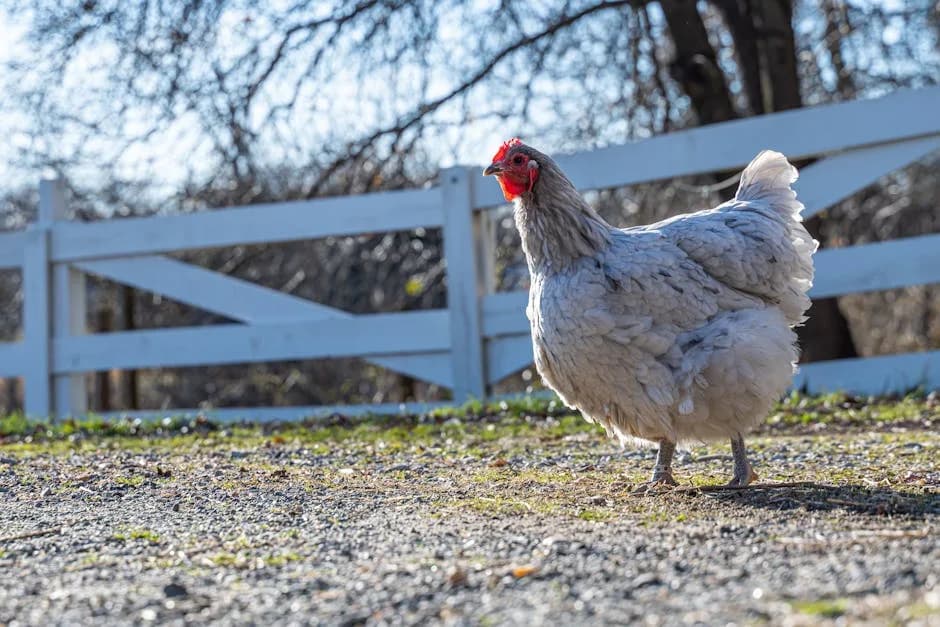
Arizona's hot, dry climate is actually well suited for backyard chickens. Most breeds handle the arid winters easily, and with proper shade and water management, your flock can thrive through triple-digit summers too. There's no statewide ban on backyard poultry. Each city sets its own rules, and most major Arizona cities allow small hen flocks with reasonable conditions.
What You'll Learn
- •Are Backyard Chickens Legal in Arizona?
- •Arizona Chicken Laws by Major City
- •Best Chicken Breeds for Arizona's Climate
- •Summer Heat Management for Arizona Chickens
- •Winter Care Tips for Arizona Flocks
- •Common Predators in Arizona
- •Can You Sell Eggs in Arizona?
- •FAQ
Are Backyard Chickens Legal in Arizona?
Yes, in most places. Arizona has no single statewide law that bans or permits backyard chickens. The Arizona legislature has considered bills (HB2483 in 2023, HB2325 in 2024) that would prevent cities from banning backyard fowl on single-family properties, signaling strong support for the practice. Flock limits, setbacks, permits, and rooster rules are all set at the city or county level.
Most Arizona cities allow small hen flocks. Rural areas and unincorporated county land tend to have few or no restrictions. HOA rules can still prohibit chickens even where the city allows them, so check your CC&Rs before ordering chicks.
Before starting a flock, check three things: your city's municipal code or animal control ordinance, any HOA or deed restrictions on your property, and whether your locality requires a permit or neighbor consent.
Arizona Chicken Laws by Major City
Important: City and county ordinances change frequently. The information below was researched in March 2026 but may not reflect the latest rules. Always verify with your local zoning or code enforcement office before starting a flock. Links to official sources are provided where available.
Phoenix
Phoenix City Code Section 8-7: Poultry and Rodents | Phoenix City Code Section 8-9: Written Permission
Phoenix allows backyard poultry, but the rules are more restrictive than many Arizona cities.
- •Poultry: Allowed. The code does not set a specific flock size limit, but poultry keeping is regulated as a potential nuisance.
- •Setbacks: Enclosures must be at least 20 feet from any neighboring property line. Also, poultry kept within 80 feet of a residence requires written permission from each lawful occupant and owner of that residence.
- •Roosters: Not specifically banned by the poultry code, but noise complaints can result in nuisance violations.
- •Permit: No specific poultry permit, but the written consent requirement effectively limits where you can keep chickens.
- •Notes: The consent requirement is the biggest hurdle in Phoenix. On a standard residential lot, most neighbors will be within 80 feet, meaning you'll need their written approval.
Tucson
Tucson Code of Ordinances, Chapter 4, Article IV
Tucson is one of Arizona's most chicken-friendly cities, with generous limits for urban flocks.
- •Chickens: Up to 24 chickens on lots of 16,000 square feet or less.
- •Setbacks: Enclosures must not be within 50 feet of the dwelling of another person.
- •Roosters: Not specifically prohibited by the poultry ordinance, but noise ordinances apply.
- •Permit: No specific poultry permit required.
- •Sanitation: Coops must be kept in a clean and sanitary condition.
- •Notes: Tucson's limit of 24 birds is one of the highest among major U.S. cities. The 50-foot setback from neighboring dwellings is the main constraint on smaller lots.
Mesa
Mesa City Code 8-6-21: Animals and Fowl | Mesa Fowl, Rodents & Livestock Page
Mesa has clear, published rules for backyard fowl.
- •Fowl: A total of 10 fowl (including rabbits) are allowed on lots under half an acre (21,780 sq ft). No limit on lots of 2.5 acres or more.
- •Roosters: Allowed, but they must not create a noise disturbance. If a noise complaint is filed, the rooster must be removed.
- •Permit: No permit required.
- •Containment: Fowl must be contained to your property. Enclosure distance restrictions apply per MCC 8-6-21 G & H.
- •Notes: Mesa is one of the few major Arizona cities that doesn't outright ban roosters. The 10-bird limit is generous for lots under half an acre.
Chandler
City of Chandler Backyard Chickens Ordinance
Chandler adopted its backyard chicken ordinance in December 2022, with rules taking effect January 5, 2023.
- •Chickens: Up to 5 chickens per detached single-family lot.
- •Roosters: Prohibited.
- •Setbacks: Coops must be set back at least 5 feet from all property lines and located in the rear or side yard.
- •Permit: No specific permit required.
- •HOA: The city's ordinance page specifically notes that residents should check with their HOA, as HOA rules may prohibit chickens.
- •Notes: Chandler's ordinance is relatively new and straightforward. The 5-foot setback is one of the most lenient in the Phoenix metro area.
Scottsdale
Scottsdale Code of Ordinances Section 4-17
Scottsdale takes a nuisance-based approach rather than setting specific flock limits.
- •Fowl: Allowed unless they become a frequent or habitual nuisance that disturbs a neighborhood or any two or more persons.
- •Roosters: No specific ban, but rooster crowing would likely trigger nuisance complaints.
- •Permit: No specific poultry permit required.
- •Notes: Scottsdale's nuisance-based code gives chicken keepers flexibility but also less certainty. Keep your flock small, clean, and quiet to avoid complaints.
Tempe
Tempe Zoning Code Section 3-404.I: Small Animals
Tempe's zoning code clearly spells out chicken-keeping rules.
- •Chickens: Up to 6 domestic chickens per lot. Chickens are counted separately from small animals (you can also have up to 5 small animals).
- •Roosters: Prohibited in all residential districts except the AG (Agricultural) district.
- •Permit: No permit required for up to 6 chickens. Keeping more requires a Use Permit application.
- •Notes: Tempe's rules are clear and reasonable. Six hens is plenty for a family's egg supply.
Flagstaff
City of Flagstaff Backyard Livestock Keeping | Flagstaff Backyard Livestock Guidelines (PDF)
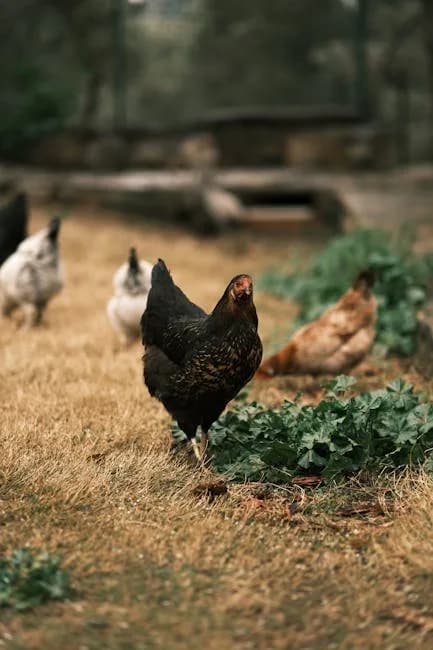
Flagstaff allows small livestock including chickens on residential property.
- •Chickens: Allowed on residential and educational property. The city's guidelines specify minimum space requirements: 4 square feet of indoor space and 10 square feet of outdoor space per bird.
- •Setbacks: Animal shelters must be at least 10 feet from all neighboring property lines (except those abutting an alleyway).
- •Permit: An Animal Keeping Permit is required unless your property is in Estate or Rural Residential zoning.
- •Notes: Flagstaff's higher elevation (7,000 feet) means colder winters than the rest of Arizona, so you'll need cold-hardy breeds and a well-insulated coop.
Gilbert
Gilbert allows backyard chickens on residential lots.
- •Chickens: Up to 5 chickens per residential lot.
- •Roosters: Prohibited.
- •Setbacks: Coops must be at least 10 feet from property lines.
- •Permit: No permit required.
- •Sanitation: Chicken waste must be cleaned from the coop at least twice a week and removed from the property once a week. Structures must be kept in good repair.
- •Notes: Gilbert's rules are similar to Chandler's, reflecting the East Valley's generally chicken-friendly stance.
Best Chicken Breeds for Arizona's Climate
Arizona's low desert (Phoenix, Tucson, Mesa) regularly hits 110+ degrees in summer, while northern areas like Flagstaff can drop below zero in winter. Choose breeds based on your specific region.
Best Breeds for Southern Arizona (Low Desert)
Heat tolerance is the top priority. Look for breeds with large combs (which help dissipate heat), lighter body weight, and less dense feathering.
Leghorn: The ultimate heat-tolerant layer. Leghorns originated in the Mediterranean, handle extreme heat well, and lay 280+ white eggs per year. Their large single combs help regulate body temperature.
Easter Egger: Hardy, adaptable birds that handle Arizona heat well. They lay colorful eggs in shades of blue, green, and pink, producing around 250 eggs per year.
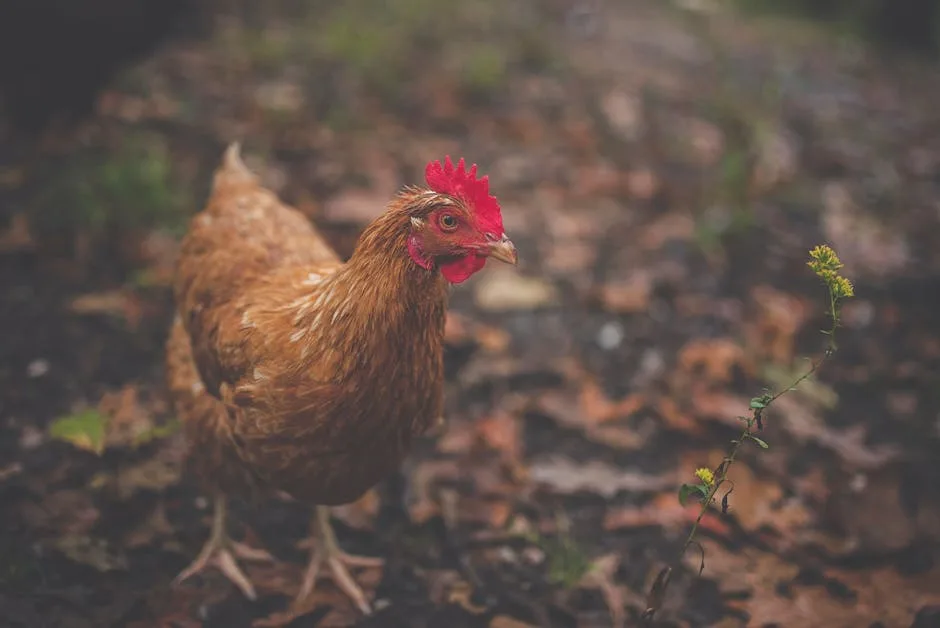
Rhode Island Red: Tough, adaptable, and heat-tolerant. Rhode Island Reds lay about 250-300 brown eggs per year and rarely slow down in hot weather.
Australorp: Despite their black feathering, Australorps are surprisingly heat-tolerant and lay 250+ brown eggs per year. Provide extra shade for them during the hottest months.
Best Breeds for Northern Arizona (High Desert/Mountain)
Flagstaff, Prescott, and other high-elevation areas need breeds that handle both summer heat and winter cold.
Buff Orpington: Fluffy, cold-hardy, and friendly. Orpingtons handle Flagstaff winters well and still lay around 200-280 brown eggs per year.
Wyandotte: Rose combs resist frostbite, and their dense feathering handles cold mountain nights. They lay about 200 brown eggs per year.
Plymouth Rock: A reliable dual-purpose breed that handles both heat and cold. They lay around 200-280 brown eggs per year and have calm temperaments.
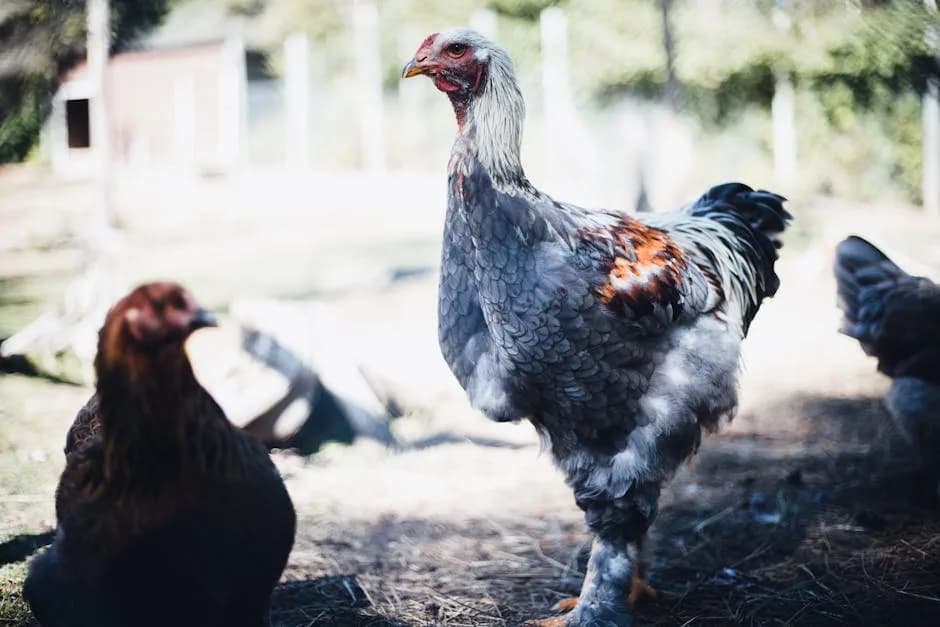
Brahma: The "King of Chickens" thrives in cold weather with its heavy feathering and pea comb. Not ideal for the low desert, but perfect for northern Arizona. They lay about 150-200 eggs per year.
Breeds to Avoid in Southern Arizona
Skip heavily feathered breeds like Cochins and Silkies if you're in the Phoenix or Tucson metro. Their dense, fluffy plumage traps heat and puts them at high risk of heat stress in triple-digit temperatures.
Summer Heat Management for Arizona Chickens
Heat is the biggest challenge for Arizona chicken keepers. Chickens can't sweat, and temperatures above 95 degrees cause stress. Above 105 degrees, heat stroke becomes a real danger. Here's how to keep your flock safe.
Shade Is Non-Negotiable
Your coop and run need shade all day long, not just in the morning. In Arizona, afternoon sun from the west is the most intense. Use shade cloth (at least 80% density), solid roofing over the run, or position the coop on the east or north side of your house.
Water, Water, Water
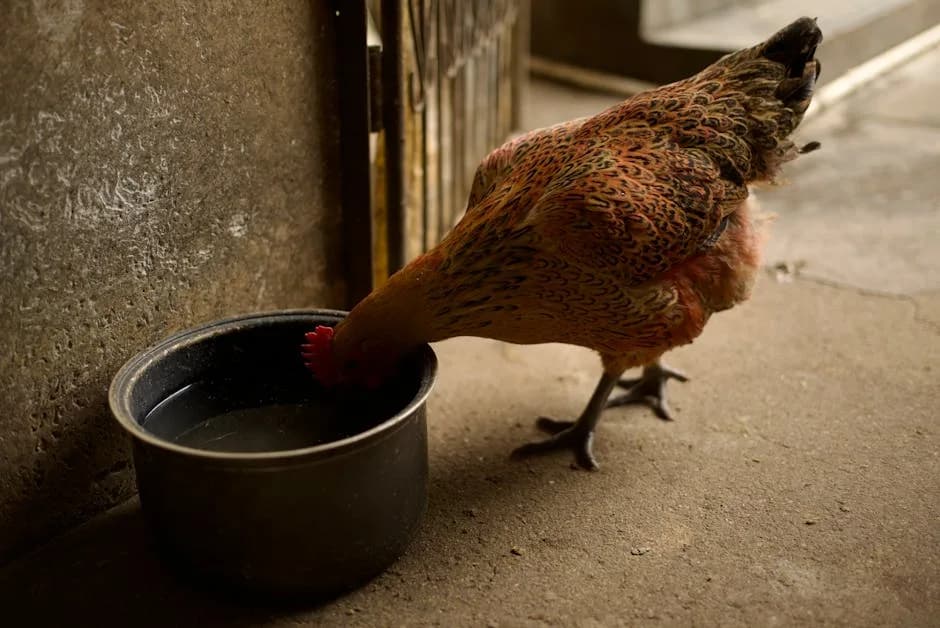
Chickens drink about twice as much water in extreme heat. Provide multiple water stations so no bird gets blocked from drinking. Add ice blocks to waterers during the hottest part of the day. Consider a poultry nipple watering system connected to a larger reservoir so water doesn't run out while you're at work.
Ventilation Over Insulation
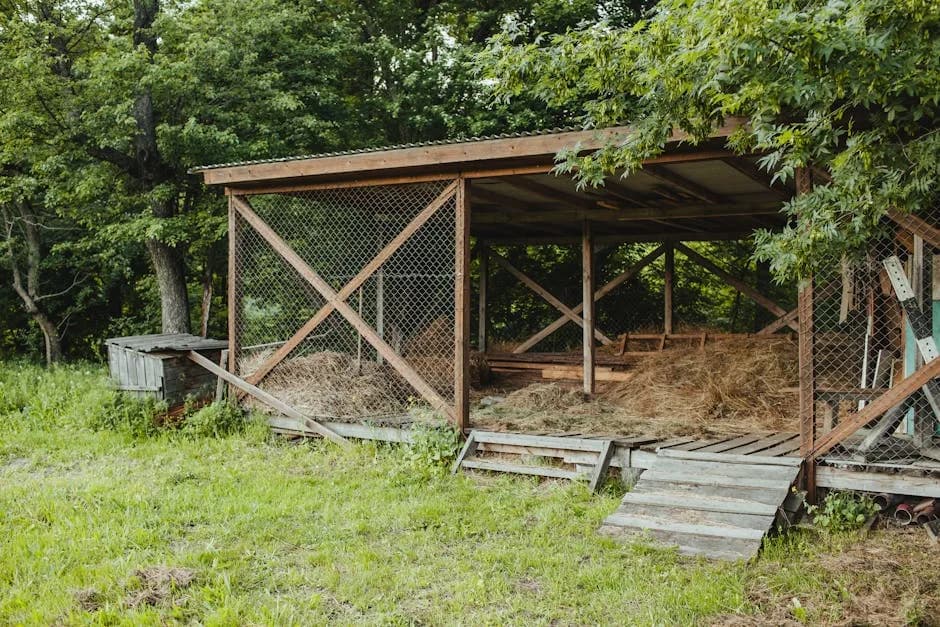
In Arizona's low desert, your coop needs maximum ventilation. Open-sided coops with hardware cloth walls work better than enclosed wooden coops. Hot air needs to escape. Cross-ventilation is critical. Don't seal your coop up like you would in cold climates.
Misting Systems
A simple misting system around (not inside) the coop area can drop ambient temperatures by 10-20 degrees through evaporative cooling. Arizona's dry air makes misting highly effective. Don't mist directly onto chickens, as wet feathers can cause problems, but misting the area around them works well.
Frozen Treats
Freeze watermelon, berries, or corn in ice blocks and offer them during afternoon heat. This gives chickens something cool to peck at and helps lower their body temperature.
Recognize Heat Stress
Watch for these signs: panting with an open beak, wings held away from the body, lethargy, pale combs, and reduced egg production. If you see these, move the bird to a cool shaded area, offer cool (not ice-cold) water, and consider bringing severely affected birds indoors to air conditioning temporarily.
Winter Care Tips for Arizona Flocks
Arizona winters are mild in the low desert (Phoenix lows typically stay above 35-40 degrees) but can be harsh in the high country (Flagstaff regularly sees single digits and snow).
Low Desert Winter Care
Most healthy chickens handle Phoenix and Tucson winters without any supplemental heat. The occasional overnight dip into the 30s won't harm them. Focus on:
- •Draft-free roosting: Block direct wind from hitting the roost area, but keep ventilation open above.
- •Shorter days: Egg production naturally drops as daylight hours decrease. You can add a light on a timer (14 hours total light) to maintain laying, though some keepers prefer letting hens rest.
- •Dry conditions: Arizona's dry winter air is actually ideal for chickens. Moisture and humidity cause more problems than cold.
High Desert and Mountain Winter Care
Flagstaff and Prescott keepers need to plan for real winter conditions:
- •Insulate the coop while maintaining ventilation near the roofline.
- •Use the deep litter method for natural warmth from composting bedding.
- •Prevent frozen waterers with heated bases or frequent water changes.
- •Choose cold-hardy breeds with rose or pea combs to avoid frostbite.
Common Predators in Arizona
Arizona's desert picture brings some unique predator challenges.
Coyotes: The number one chicken predator in Arizona. They're found in every part of the state, including suburban neighborhoods. Use hardware cloth (not chicken wire) and bury it 12 inches underground or add an apron. Secure coops at night.
Hawks and Owls: Red-tailed hawks, Cooper's hawks, and great horned owls all hunt chickens in Arizona. Cover your run with netting or hardware cloth. Free-ranging chickens are at higher risk.
Rattlesnakes: Arizona has more rattlesnake species than any other state. Snakes eat eggs and small chicks. Use quarter-inch hardware cloth on all coop openings. Keep the area around the coop clear of brush and rock piles where snakes hide.
Javelinas: These pig-like animals are common in Tucson and parts of the Phoenix metro. They can destroy coops and injure chickens. Sturdy fencing and secure enclosures are essential.
Bobcats: Found throughout Arizona, especially in foothill communities. Bobcats can climb, so covered runs are important.
Can You Sell Eggs in Arizona?
Arizona has favorable laws for small-scale egg sellers. Shell eggs from your own flock can generally be sold directly to consumers without a license or inspection, as long as you're selling ungraded eggs. You don't need to wash or refrigerate eggs if they're sold directly to the end consumer, though refrigeration is recommended.
Arizona's cottage food laws are among the most permissive in the country. Home-produced poultry (from flocks under 1,000 birds) can even be used in cottage food products under certain conditions. You can sell at farmers markets, roadside stands, and directly from your home.
For larger operations or sales to stores and restaurants, you'll need to comply with Arizona Department of Agriculture egg grading and labeling requirements. Check ARS Title 3, Chapter 3 for full details.
FAQ
How many chickens can I have in Arizona?
It depends on your city. Tucson allows up to 24, Mesa allows 10 on lots under half an acre, Tempe allows 6, and Chandler and Gilbert allow 5. Phoenix doesn't set a specific limit but requires neighbor consent for poultry within 80 feet of a residence. Check your local municipal code for the exact rules.
Do I need a permit for backyard chickens in Arizona?
Most Arizona cities don't require a specific poultry permit. Flagstaff is a notable exception, requiring an Animal Keeping Permit for most residential zones. Phoenix requires written permission from neighbors within 80 feet of your enclosure, which isn't technically a permit but functions similarly.
Can I have a rooster in Arizona?
Most Arizona cities prohibit roosters in residential areas. Mesa is a notable exception, allowing roosters as long as they don't create a noise disturbance. Scottsdale's nuisance-based code doesn't specifically ban roosters either. Tucson doesn't explicitly prohibit them, but noise ordinances apply.
What temperature is too hot for chickens in Arizona?
Chickens start showing heat stress above 95 degrees Fahrenheit. Above 105 degrees, heat stroke is a serious risk. Arizona's low desert routinely exceeds these temperatures from June through September, making shade, ventilation, and abundant water essential. Many experienced Arizona chicken keepers bring their most vulnerable birds indoors during extreme heat events (115+ degrees).
What's the best chicken breed for Arizona?
For the low desert (Phoenix, Tucson, Mesa), Leghorns, Easter Eggers, and Rhode Island Reds are top choices for their heat tolerance and egg production. For northern Arizona (Flagstaff, Prescott), Wyandottes and Buff Orpingtons handle the colder winters better while still tolerating summer heat at higher elevations.
Picking a coop for Arizona? The breed you choose matters, but so does the coop. Our best chicken coops on Amazon roundup covers picks across flock sizes and price ranges, with notes on which models hold up best in different climates.
Raising Chickens in Other States
If you're moving, considering a different state, or just curious how the rules compare, browse our other state guides:
Northeast: Connecticut, Delaware, Maine, Maryland, Massachusetts, New Hampshire, New Jersey, New York, Pennsylvania, Rhode Island, Vermont
Southeast: Alabama, Florida, Georgia, Kentucky, Louisiana, Mississippi, North Carolina, South Carolina, Tennessee, Virginia, West Virginia
Midwest: Illinois, Indiana, Iowa, Kansas, Michigan, Minnesota, Missouri, Nebraska, North Dakota, Ohio, South Dakota, Wisconsin
South & Southwest: Arkansas, New Mexico, Oklahoma, Texas
Mountain & West: Alaska, California, Colorado, Hawaii, Idaho, Montana, Nevada, Oregon, Utah, Washington, Wyoming
Related Guides
Raising Chickens in Alaska: 2026 Laws & Best Breeds
Raising chickens in Alaska: laws for Anchorage, Fairbanks, Juneau, plus extreme cold-hardy breeds and sub-arctic care tips.
State GuidesRaising Chickens in Delaware: 2026 Laws & Best Breeds
Raising chickens in Delaware: laws for Wilmington, Dover, Newark, plus best breeds and tips for the First State's climate.
State GuidesRaising Chickens in Idaho: 2026 Laws & Best Breeds
Raising chickens in Idaho: laws for Boise, Meridian, Nampa, plus cold-hardy breeds and tips for the state's varied climate.
State GuidesRaising Chickens in Kansas: 2026 Laws & Best Breeds
Raising chickens in Kansas: laws for Wichita, Overland Park, Topeka, plus hardy breeds and storm-ready coop tips for the Sunflower State.