Raising Chickens in Texas: 2026 Laws & Best Breeds
Texas chicken laws for Houston, Dallas, Austin and more, heat-hardy breeds for 100 degree summers, and what HB 1750 means for your flock.
Researched from university extension, USDA, and veterinary sources. How we research.
Raising Chickens in Texas: 2026 Laws & Best Breeds
Yes, you can raise backyard chickens almost anywhere in Texas. Houston allows up to 30 hens per standard lot, San Antonio allows 8 fowl without a permit, Austin has no citywide hen limit, and the 2023 Right to Farm law (HB 1750) added state-level protection for backyard flocks. The real challenge is not the law. It is the heat. This guide covers the actual city ordinances with citations to current municipal code, the breeds that shrug off 100°F summers, and the plan that keeps hens alive and laying through August.
Updated July 2026 with current ordinance references.
What You'll Learn
- •Quick answer: chickens in Texas at a glance
- •Are backyard chickens legal in Texas?
- •Texas chicken laws by major city
- •HOA rules and the Texas chicken bill
- •Best chicken breeds for Texas heat
- •Texas by climate region
- •Surviving Texas summers with your flock
- •Texas winters and your chickens
- •Common predators in Texas
- •Selling eggs from your Texas flock
- •NPIP and the Texas Animal Health Commission
- •Cost of raising chickens in Texas
- •Where to buy chicks in Texas
- •Common mistakes Texas chicken keepers make
- •Frequently Asked Questions
Quick Answer: Chickens in Texas at a Glance
| Topic | Texas rule |
|---|---|
| State law | No statewide ban. HB 1750 (2023) limits how cities can restrict flocks. |
| Houston | Up to 30 hens per standard lot, roosters prohibited, 100 ft setback |
| San Antonio | Up to 8 fowl (1 may be a rooster), no permit, coop 50 ft from neighbors |
| Dallas | Chickens allowed; enclosures 20 ft from adjacent property lines |
| Austin | No citywide hen limit; enclosure 30 ft from neighboring residences |
| Fort Worth | 12 fowl on a half acre or less, up to 50 on an acre+, max 2 roosters |
| El Paso | Max 6 hens, annual permit, roosters prohibited |
| HOAs | Can still ban chickens; HB 1750 does not override private covenants |
| Best climate-suited breeds | Leghorn, Easter Egger, Naked Neck, Rhode Island Red |
| Biggest challenge | Extreme summer heat, June through September |
| Top predators | Raccoons, hawks, coyotes, rat snakes, fire ants |
On rural land, the answer is almost always "yes, as many as you want." Inside a city or under an HOA, check the code and covenants before buying a single chick.
Are Backyard Chickens Legal in Texas?
Texas has no state law banning backyard chickens. Since September 2023, HB 1750 has limited what cities can require of backyard flocks. The pattern:
- •Rural and unincorporated areas: Almost no restrictions.
- •Cities: Most allow backyard hens with limits on flock size, coop setbacks, and sometimes roosters.
- •HOAs and deed restrictions: Where most urban Texans get stuck. Private covenants can still prohibit chickens.
Before getting chickens, check the current municipal code AND your HOA covenants or deed restrictions at the Municode Library or your city's site. For the bigger picture, see our backyard chicken laws guide.
Texas Chicken Laws by Major City
Important: City and county ordinances change frequently, and HB 1750 is still being interpreted city by city. The information below was researched in July 2026 but may not reflect the latest rules. Always verify with your local zoning or code enforcement office before starting a flock. Links to official sources are provided where available.
Houston
Source: City Code Chapter 6, Article II
- •Up to 30 chickens per standard lot (65 x 125 feet or smaller); more on larger lots (Sec. 6-35)
- •Roosters prohibited (Sec. 6-38); they may be seized and impounded
- •Pens must be at least 100 feet from any residence, church, school, or hospital other than the owner's (Sec. 6-31)
- •Guinea fowl prohibited (Sec. 6-37); pens must be cleaned daily (Sec. 6-36)
- •No permit required, but the setback rules out most suburban lots. Houston has no zoning; deed restrictions still apply
San Antonio
Source: City Code Chapter 5: Animals
- •Up to 8 domestic fowl per residence without a permit; only 1 may be a rooster
- •Coop of at least 24 square feet (or 6 sq ft per bird) required, 50 feet from the nearest neighboring dwelling
- •Fowl may roam a fenced yard between 6 a.m. and 10 p.m.
- •Larger flocks need an excess animal permit from Animal Care Services
Dallas
Source: Dallas City Code Chapter 7; Dallas Animal Services
- •Hens allowed. Chapter 7 publishes no simple citywide hen cap; limits can depend on zoning, so check the current code
- •Pens and coops must be at least 20 feet from adjacent property lines
- •Roosters: Sec. 7-7.3 historically banned them, but Dallas Animal Services says roosters became lawful in September 2023 under HB 1750. Setback and noise rules still apply
Austin
Source: City Code Title 3: Animal Regulation
- •No citywide numeric limit on fowl
- •Fowl must be kept in an enclosure with four secure sides and overhead cover (Sec. 3-2-13)
- •An enclosure for two or more fowl must be at least 30 feet from any adjacent residence or business (lowered from 50 feet in October 2022)
- •Roosters are not banned citywide, but noise rules apply; check the current code
Fort Worth
Source: City of Fort Worth: roosters and fowl; City Code Sec. 11A-22
- •Flock size scales with lot size: up to 12 fowl on a half acre or less, 25 up to one acre, 50 on an acre or more
- •Maximum 2 roosters per property
- •Birds must be kept in a fully enclosed coop or pen at least 50 feet from any regulated structure (house, restaurant, school) other than the owner's; no permit required
El Paso
Source: City Code Title 7: Animals
- •Maximum 6 hens per property; annual permit required through El Paso Animal Services (verify the current fee)
- •Roosters prohibited under the backyard hen rules
- •Hens must be kept in a coop and run at least 30 feet from any residence, hotel, hospital, church, or school (20 feet across a public alley with a solid 6-foot fence)
The pattern: most Texas cities allow hens, and the setback rule is the real gatekeeper. Houston's 100 feet is nearly impossible on a 6,000-square-foot lot; Austin's 30 feet fits most backyards. Measure before you buy.
HOA Rules and the Texas Chicken Bill
HOA restrictions are the biggest obstacle for suburban Texas chicken keepers.
What HB 1750 Actually Does
HB 1750, effective September 1, 2023, amended the Right to Farm law (Agriculture Code Chapter 251). It made raising poultry a protected "agricultural operation" and restricts cities from imposing requirements on those operations unless necessary to protect public health. The most visible effect: Dallas now treats rooster keeping as lawful because the state law overrides its old ban.
Two things HB 1750 did not do:
- •It did not erase city ordinances. Cities still enforce sanitation, setback, and nuisance rules, and Houston still enforces its rooster ban. It is not a free pass.
- •It did not override HOAs. Private covenants are untouched. Bills to limit HOA power over chickens (HB 2013 and SB 141) failed in 2025.
What This Means for You
As of mid-2026, Texas HOAs can still prohibit backyard chickens. Read your CC&Rs for language about livestock, poultry, or fowl; check deed restrictions (enforceable even without an active HOA); and get written clarification if chickens are not mentioned. Some HOAs ignore small, quiet flocks; others fine and order removal after one complaint.
Best Chicken Breeds for Texas Heat
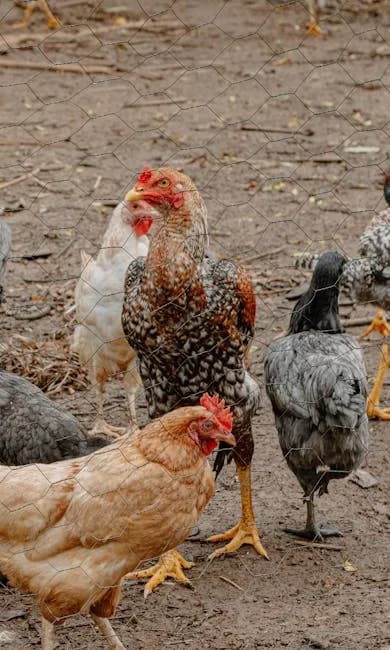
Heat tolerance is the whole ballgame. You need breeds that handle 95-105°F, with East Texas humidity or West Texas dry heat. Texas A&M AgriLife Extension names shade, cool water, and ventilation as the keys to summer survival, but breed choice is the decision you live with for years.
Top Breeds for Texas
- •Leghorns: The #1 heat-tolerant breed. Light body, oversized comb, and 280+ eggs per year right through a Texas summer.
- •Naked Necks (Turkens): The bare neck looks odd but sheds heat better than any fully feathered breed. Ideal for the hottest parts of the state.
- •Easter Eggers: Hardy, heat-tolerant, at every Tractor Supply in Texas. Colorful eggs are a bonus.
- •Rhode Island Reds: Tough as nails. They handle the heat and still crank out 250+ eggs per year.
- •Plymouth Rocks: Reliable dual-purpose birds, one of the breeds AgriLife recommends for Texas.
- •ISA Browns: Production hybrids that tolerate heat and lay 300+ eggs their first year. Ameraucanas also do well and add blue eggs.
Breeds That Struggle in Texas
- •Brahmas: Too much feathering for Texas summers
- •Cochins: Massive fluff plus Texas heat equals trouble
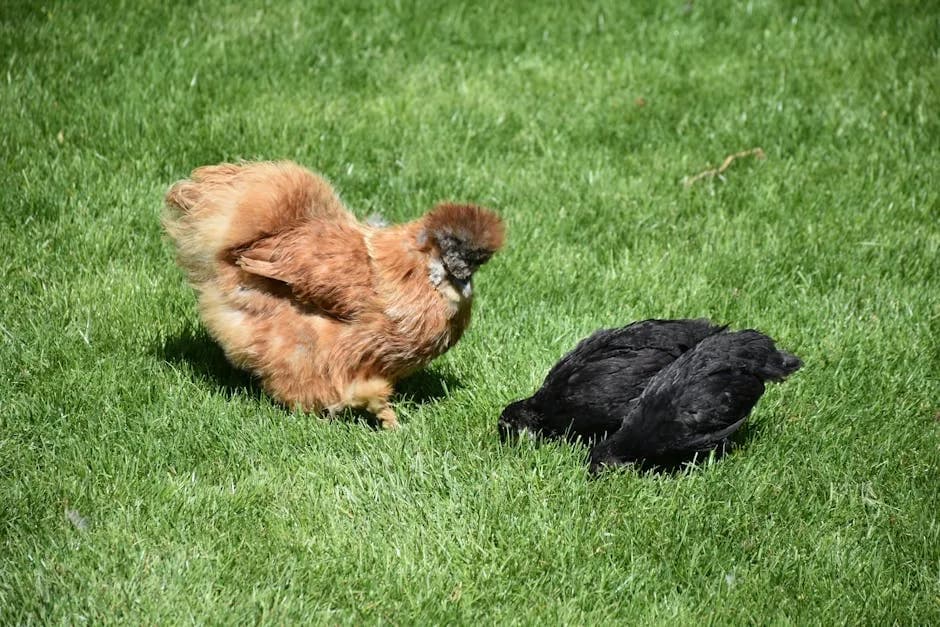
- •Silkies: Their unusual feathering does not cool effectively
- •Polish: The crest traps heat
Heat-sensitive breeds survive here only with aggressive cooling, though North Texas keepers manage Wyandottes and Orpingtons fine. For a full comparison, see our best breeds for beginners and best egg-laying breeds guides.
Texas by Climate Region
| Region | Cities | Climate notes |
|---|---|---|
| East Texas / Gulf Coast | Houston, Beaumont, Tyler | 95-100°F with heavy humidity; mild winters |
| Central Texas | Austin, San Antonio, Waco | 100-105°F, weeks of triple digits; occasional freezes |
| North Texas | Dallas, Fort Worth | 100-105°F summers; regular freezes and ice storms |
| West Texas | El Paso, Midland, Lubbock | Very hot but dry; winter cold snaps and wind |
| Panhandle | Amarillo | Coldest region, single-digit winter nights |
| South Texas | Corpus Christi, Laredo | Hottest, longest summers; rarely freezes |
Humidity matters more than the thermometer. Chickens cool themselves by panting, which stops working in saturated air. A 98°F day in Houston is harder on a hen than a 105°F day in El Paso.
Surviving Texas Summers with Your Flock
Heat kills more backyard chickens in Texas than every predator combined. Heat stress starts in the mid-80s and risk climbs sharply past 95°F, which in most of Texas means daily heat management from June through September.
Non-Negotiable Summer Essentials
- •Shade over 100% of the run. Use shade cloth, tarps, or trees, and never let the coop sit in full west-facing sun.
- •Multiple water stations, all in shade. At least two waterers per 6 birds, refilled morning and afternoon. A double-wall metal waterer keeps water cooler than single-wall plastic, and a nipple waterer bucket kit makes a clean second station.
- •Frozen water bottles. Drop 1-2 into each open waterer; rotate from a chest freezer.
- •A misting system. A cheap misting kit on a garden hose drops temps 10-15°F across one corner of the run, so birds can choose.
- •Fans in the coop. Even a box fan helps during heat waves; keep cords away from dust and bedding.
- •Electrolytes on 100°F+ days. Add poultry electrolytes to one station; our probiotics and electrolytes guide covers dosing.
- •Shaded dust bath. Chickens cool off in cool earth. Keep the dust bath in deep shade.
- •Frozen treats in the evening: watermelon (the undisputed favorite), ice blocks with vegetables inside, frozen corn. More in our treats guide.
How Much Water Does a Texas Flock Drink?
Plan for double normal consumption. A 6-hen flock that drinks a gallon and a half on a mild day can empty 3+ gallons at 100°F, so a single 1-gallon waterer runs dry by 2 p.m. in July. That is the math behind the two-station rule.
Heat Stress Signs and Emergency Response
Know these sick chicken symptoms before summer: open-mouth panting (early warning), wings held away from the body, pale comb, lethargy or staggering (emergency), a drop in laying. If a bird is down:
- •Move it to a cool, shaded area immediately
- •Stand it in cool (not ice cold) water up to its belly
- •Wet the comb and wattles
- •Offer electrolyte water once it can drink
- •Keep it quiet until fully recovered
For the complete cooling playbook, read our summer chicken care guide.
Texas Winters and Your Chickens
The good news: Texas winters are easy on chickens in most of the state.
- •South Texas and the Gulf Coast: Freezes are rare and brief. Just keep water thawed on cold nights.
- •Central Texas: Occasional freezes. A draft-free coop with dry bedding is sufficient.
- •North Texas: Regular freezes and occasional ice storms. A well-built coop handles it; a heated waterer earns its cost.
- •West Texas and the Panhandle: The coldest region. Follow our winter care guide and fall prep checklist.
Remember February 2021. Winter Storm Uri proved extreme cold can hit anywhere in Texas, and days-long outages killed heat lamps with everything else. Build a coop that protects birds without electricity: dry, draft-free, ventilated above roost height. Chickens need a windproof coop, not a heated one.
Common Predators in Texas
- •Raccoons: Expert lock-pickers that attack at night. Use raccoon-proof latches on every door.
- •Hawks: Statewide and federally protected. Covered runs or overhead netting are the fix.
- •Coyotes: Everywhere in Texas, including city limits, and they hunt in daylight.
- •Rat snakes: Called "chicken snakes" for a reason. They swallow eggs and chicks and fit through tiny gaps; 1/2-inch hardware cloth keeps them out. Rattlesnakes are more a danger to you, so keep grass short and control rodents.
- •Opossums, skunks, foxes, bobcats: Night-shift egg thieves and occasional bird killers.
- •Neighborhood dogs: The most common daytime predator in Texas suburbs.
- •Fire ants: A uniquely Southern threat. Mounds near the coop can overwhelm and kill chicks. Treat mounds within 50 feet with a poultry-safe bait.
Chicken wire keeps chickens in; it does not keep predators out. Our predator protection guide covers coop hardening, our run fencing guide compares materials, and electric poultry netting suits rural properties.
Selling Eggs from Your Texas Flock
Eggs fall under the Texas Egg Law rather than the cottage food law, and the rules are keeper-friendly:
- •Direct-to-consumer sales are license-exempt. Selling only your own flock's eggs to the end consumer exempts you from Texas Department of Agriculture egg licensing.
- •Label cartons "Ungraded," with "Produced by [your name]" and your address, plus safe handling instructions.
- •Keep eggs at or below 45°F.
- •Farmers markets: still TDA-exempt, but many markets require a DSHS or local retail food permit. Ask the market manager first.
- •Restaurants and stores: selling to retailers means licensed, graded-egg territory through TDA.
For the money side, see how to sell eggs legally and how much you can make selling eggs. If the flock becomes a real side business, our chicken tax write-off guide covers deductions and the hobby vs. business rules that decide them.
NPIP and the Texas Animal Health Commission
Two state programs matter once you sell or show birds:
- •Texas Pullorum-Typhoid (PT) Program. Poultry offered for sale or trade, and birds going to public exhibition (county fairs, 4-H shows), must test free of pullorum-typhoid or come from an NPIP certified clean flock.
- •TAHC Fowl Registration. Anyone who sells, trades, or transports fowl at trade days or swap meets and is not an NPIP participant must register annually. Selling only from your own residence requires no registration.
Buy chicks from NPIP-certified hatcheries, be cautious with swap-meet birds, and report unusual illness or sudden deaths to the Texas Animal Health Commission.
Cost of Raising Chickens in Texas
Real-world budget for a small Texas flock (4-6 hens):
| Category | Cost |
|---|---|
| 6 sexed pullet chicks (feed store) | $25-$60 |
| Coop (prefab from our coops roundup) | $250-$350 |
| Hardware cloth + latch upgrades | $50-$100 |
| Feeders and waterers (two water stations) | $50-$90 |
| Shade cloth, mister, box fan | $40-$90 |
| Initial feed (50 lb bag) | $20-$30 |
| Brooder setup (chicks only) | $75-$120 |
| Total startup cost | $510-$840 |
Ongoing monthly costs:
| Category | Cost |
|---|---|
| Feed (50 lb bag lasts ~6 weeks for 6 hens) | $15-$25/month |
| Bedding (pine shavings) | $5-$15/month |
| Electrolytes and summer extras (June-September) | $5-$10/month |
| Health care and parasite treatment average | $5-$10/month |
| Total monthly | $30-$60 |
Texas keepers save on winter costs but spend more on summer cooling. For full detail by flock size, see how much it costs to raise chickens.
Where to Buy Chicks in Texas
- •Tractor Supply: Hundreds of Texas locations, chicks seasonally (roughly February-May)
- •Atwoods: Popular in rural Texas, chicks in spring
- •Ideal Poultry (Cameron, TX): One of the country's largest hatcheries, with local pickup possible
- •Cackle Hatchery and Murray McMurray: Ship reliably to Texas
- •Local breeders: Facebook groups like "Texas Backyard Chickens" and "DFW Backyard Chickens"
Best time to start: February or March, so chicks feather out before serious heat and lay by July-August. Fall also works. The worst option is June-July, when you juggle brooder heat and flock heat stress at once. For flock size, see how many chickens a beginner should start with.
Common Mistakes Texas Chicken Keepers Make
1. Treating shade as optional. Partial shade is not a heat plan. By August the sun angle changes and June's shady corner is in full sun. Walk your run at 4 p.m. in July and fix what you see.
2. Running one waterer. A single tipped-over waterer on a 103°F afternoon can kill birds before you get home. Two stations minimum, both shaded.
3. Building a northern-style coop. Plans written for Michigan winters produce airless boxes that cook birds here. Texas coops need far more ventilation, ideally open-air designs with hardware cloth walls.
4. Ignoring deed restrictions and HOAs until too late. Especially in Houston, where deed restrictions do the work zoning does elsewhere. Verify before buying a coop.
5. Assuming HB 1750 means no rules apply. Setback, sanitation, and nuisance rules are still enforced, and HOA covenants are unaffected.
6. Skipping hardware cloth. Rat snakes find every gap and raccoons tear through chicken wire. The $50-$100 upgrade is the best money in the build.
7. Forgetting fire ants. Check for mounds before placing a brooder or coop, and keep bait down through the warm months.
Frequently Asked Questions
Can I have chickens in Houston?
Yes, up to 30 per standard lot (Sec. 6-35), but pens must be 100 feet from any other residence (Sec. 6-31), which rules out most suburban lots. Roosters are prohibited (Sec. 6-38). Check deed restrictions too.
Can I have a rooster in Texas?
Depends on the city. Houston and El Paso prohibit them, Dallas treats them as lawful since September 2023 under HB 1750, San Antonio allows 1, Fort Worth allows 2, and rural areas allow them freely. Noise rules apply everywhere. Most egg flocks do not need one; see our rooster guide.
How many chickens can I have in Texas?
No statewide limit. City limits vary: 30 in Houston, 8 in San Antonio without a permit, no cap in Austin, 12-50 in Fort Worth by lot size, 6 in El Paso. Rural land typically has no limit.
Do I need a permit for backyard chickens in Texas?
Usually not. El Paso requires an annual hen permit, and San Antonio requires one only above 8 fowl. Houston, Dallas, Austin, and Fort Worth require no permit for compliant flocks.
What is Texas HB 1750?
The 2023 update to the Right to Farm law (Agriculture Code Chapter 251). It made backyard poultry a protected agricultural operation and restricts city requirements unless needed to protect public health. It does not override HOA covenants or deed restrictions.
Can my HOA ban chickens in Texas?
Yes. HB 1750 does not touch private covenants, and bills to limit HOA power over chickens failed in 2025. Read your CC&Rs and get written clarification before investing.
What are the best chicken breeds for Texas heat?
Leghorns and Naked Necks are the standouts, followed by Easter Eggers, Rhode Island Reds, ISA Browns, and Plymouth Rocks. Avoid heavily feathered breeds (Brahmas, Cochins, Silkies) outside the Panhandle unless you commit to aggressive cooling.
What temperature is too hot for chickens in Texas?
Heat stress starts in the mid-80s and turns dangerous above 100°F, especially with humidity. July and August require full shade, multiple cool water stations, airflow, and electrolytes everywhere in the state.
Do Texas chickens need supplemental heat in winter?
No, in almost all cases. Fully feathered chickens handle Texas winters in a dry, draft-free coop, even in the Panhandle. Heat lamps are a fire risk; focus on thawed water and dry bedding.
Can I sell eggs from my backyard chickens in Texas?
Yes. Selling your own flock's eggs directly to consumers is exempt from TDA licensing. Label cartons "Ungraded" with your name and address and keep eggs at 45°F or below. See our selling eggs legally guide.
Do I need to register my flock with the state of Texas?
Not for a home laying flock. Birds sold, traded, or shown must be pullorum-typhoid tested or from an NPIP certified clean flock, and regular sellers outside NPIP must register with TAHC.
Everything is bigger in Texas, including the backyard chicken community. With a real heat plan, solid predator protection, and a quick check of your local code and covenants, Texas is one of the best states in the country for keeping chickens. Ready to start? See our beginner's guide to raising chickens or pick your birds with our best breeds for beginners.
Affiliate Disclosure: This article contains affiliate links to Amazon. If you buy something through these links, we earn a small commission at no extra cost to you. We only recommend products we believe in. Full disclosure.
Sources:
- •Texas A&M AgriLife Extension, Backyard Chicken Flocks for Beginners. https://agrilifetoday.tamu.edu/2020/04/01/backyard-chicken-flocks-for-beginners/
- •Texas A&M AgriLife Extension, Selling Yard Eggs in Texas. https://foodsafety.tamu.edu/files/2023/01/selling-yard-eggs-in-texas2022.pdf
- •Texas Animal Health Commission, Poultry and Fowl Programs. https://www.tahc.texas.gov/animal_health/poultry/
- •Texas Department of Agriculture, Egg Quality Program. https://texasagriculture.gov/Regulatory-Programs/Egg-Quality-Program
- •Texas State Law Library, Backyard Animals guide. https://guides.sll.texas.gov/animal-law/backyard-animals
Picking a coop for Texas? The breed you choose matters, but so does the coop. Our best chicken coops on Amazon roundup covers picks across flock sizes and price ranges, with notes on which models hold up best in different climates.
Raising Chickens in Other States
If you're moving, considering a different state, or just curious how the rules compare, browse our other state guides:
Northeast: Connecticut, Delaware, Maine, Maryland, Massachusetts, New Hampshire, New Jersey, New York, Pennsylvania, Rhode Island, Vermont
Southeast: Alabama, Florida, Georgia, Kentucky, Louisiana, Mississippi, North Carolina, South Carolina, Tennessee, Virginia, West Virginia
Midwest: Illinois, Indiana, Iowa, Kansas, Michigan, Minnesota, Missouri, Nebraska, North Dakota, Ohio, South Dakota, Wisconsin
South & Southwest: Arizona, Arkansas, New Mexico, Oklahoma
Mountain & West: Alaska, California, Colorado, Hawaii, Idaho, Montana, Nevada, Oregon, Utah, Washington, Wyoming
Product prices and availability are accurate as of the date shown and are subject to change. Any price and availability information displayed on Amazon at the time of purchase will apply to the purchase of this product.
Related Guides
Raising Chickens in Alaska: 2026 Laws & Best Breeds
Raising chickens in Alaska: laws for Anchorage, Fairbanks, Juneau, plus extreme cold-hardy breeds and sub-arctic care tips.
State GuidesRaising Chickens in Delaware: 2026 Laws & Best Breeds
Raising chickens in Delaware: laws for Wilmington, Dover, Newark, plus best breeds and tips for the First State's climate.
State GuidesRaising Chickens in Idaho: 2026 Laws & Best Breeds
Raising chickens in Idaho: laws for Boise, Meridian, Nampa, plus cold-hardy breeds and tips for the state's varied climate.
State GuidesRaising Chickens in Kansas: 2026 Laws & Best Breeds
Raising chickens in Kansas: laws for Wichita, Overland Park, Topeka, plus hardy breeds and storm-ready coop tips for the Sunflower State.