Ameraucana Chicken Breed Guide: Eggs, Care, Traits
Complete Ameraucana chicken breed guide. Covers blue eggs (150-200/yr), 8 color varieties, temperament, and how they differ from Easter Eggers.
Researched from university extension, USDA, and veterinary sources. How we research.
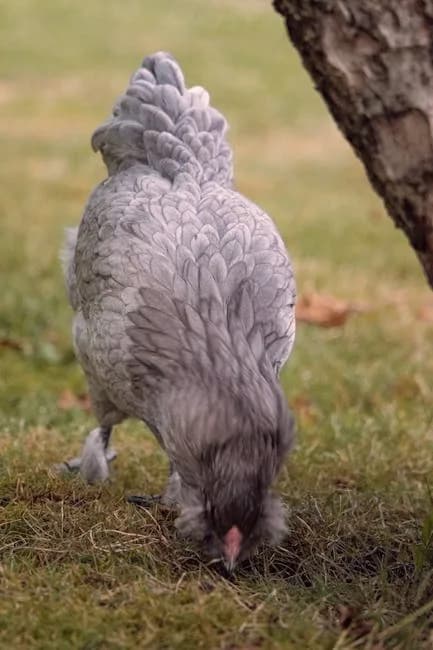
Ameraucana chickens are the real deal when it comes to blue eggs. Every purebred Ameraucana hen lays blue eggs, every time, no exceptions. They produce about 150-200 medium blue eggs per year, weigh 5.5-6.5 lbs, and they're easy to spot thanks to their distinctive fluffy muffs and beard. If you've been told your "Ameraucana" from Tractor Supply lays green eggs, you've probably got an Easter Egger instead. Let's clear up the confusion and cover everything you need to know.
What You'll Learn
- •Ameraucana Chicken Overview
- •Ameraucana vs Easter Egger vs Araucana
- •History and Origin
- •What Do Ameraucana Chickens Look Like?
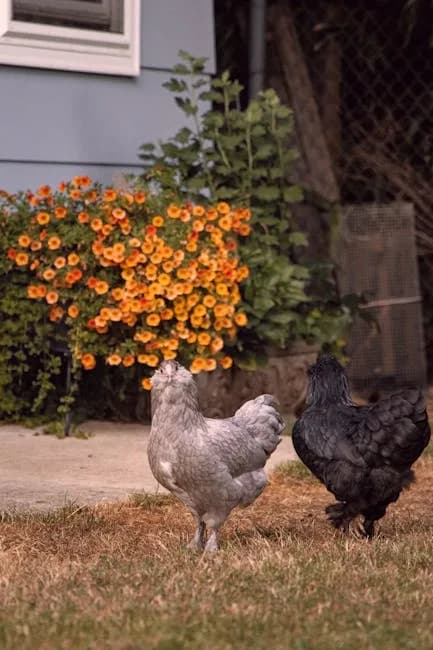
- •Ameraucana Color Varieties
- •How Many Eggs Do Ameraucanas Lay?
- •Ameraucana Chicken Temperament
- •Are Ameraucanas Good for Beginners?
- •Housing and Care Requirements
- •Where to Buy True Ameraucanas
- •Health Issues to Watch For
- •Frequently Asked Questions
Ameraucana Chicken Overview
| Trait | Details |
|---|---|
| Size | Roosters: 6.5 lbs, Hens: 5.5 lbs |
| Eggs | 150-200 per year, blue, medium |
| Temperament | Friendly, alert, can be flighty |
| Cold Hardy | Excellent (pea comb + muffs) |
| Heat Tolerant | Moderate to good |
| Broody | Rarely broody |
| Beginner Friendly | Yes |
| Lifespan | 7-8 years |
Ameraucanas fill a unique niche: they're the only APA-recognized breed that lays reliably blue eggs and breeds true. That makes them special, and it also makes them commonly misrepresented.
Ameraucana vs Easter Egger vs Araucana
This is the single most confusing topic in backyard chickens, so let's sort it out once and for all:
Ameraucana
- •APA-recognized breed with strict standards
- •Always lays blue eggs (never green, never brown)
- •Has muffs, beard, and pea comb
- •Comes in 8 recognized colors
- •Breeds true (offspring are predictable)
- •Must be purchased from a breeder to guarantee purity
Easter Egger
- •Not a breed. It's a marketing term for any mixed chicken carrying the blue egg gene
- •Can lay blue, green, pink, tan, or even brown eggs
- •Appearance varies wildly (no standard)
- •What most hatcheries sell when they label birds "Ameraucana" or "Americana"
- •Typically $3-5 per chick
- •Great birds, just not purebred Ameraucanas
Araucana
- •A separate APA-recognized breed from South America
- •Also lays blue eggs
- •Has ear tufts (different from muffs) and is rumpless (no tail)
- •Much rarer than Ameraucanas in the US
- •Carries a lethal gene associated with the tufting that can reduce hatch rates
The bottom line: If you bought "Ameraucanas" from a feed store or large hatchery and they lay green or olive eggs, you've got Easter Eggers. That's not a bad thing; Easter Eggers are wonderful, hardy, fun chickens. But they're not Ameraucanas.
The deliberate misspelling "Americana" (no "u") is a red flag. Some hatcheries use this spelling to sell Easter Eggers at a markup without technically claiming they're purebred Ameraucanas.
History and Origin
The Ameraucana was developed in the United States in the 1970s from Araucana chickens that were brought from Chile. American breeders wanted to keep the blue egg gene while eliminating the Araucana's lethal tufting gene and adding a tail.
The name "Ameraucana" is a combination of "America" and "Araucana." The breed was accepted by the American Poultry Association in 1984, making it one of the more recently recognized chicken breeds.
The key achievement was creating a breed that reliably produces blue eggs while breeding true and being genetically healthy. The Araucana's ear tuft gene is linked to a lethal allele that kills chicks in the shell, so breeding Araucanas can be challenging. Ameraucanas don't carry this problem.
What Do Ameraucana Chickens Look Like?
Ameraucanas have several distinctive features:
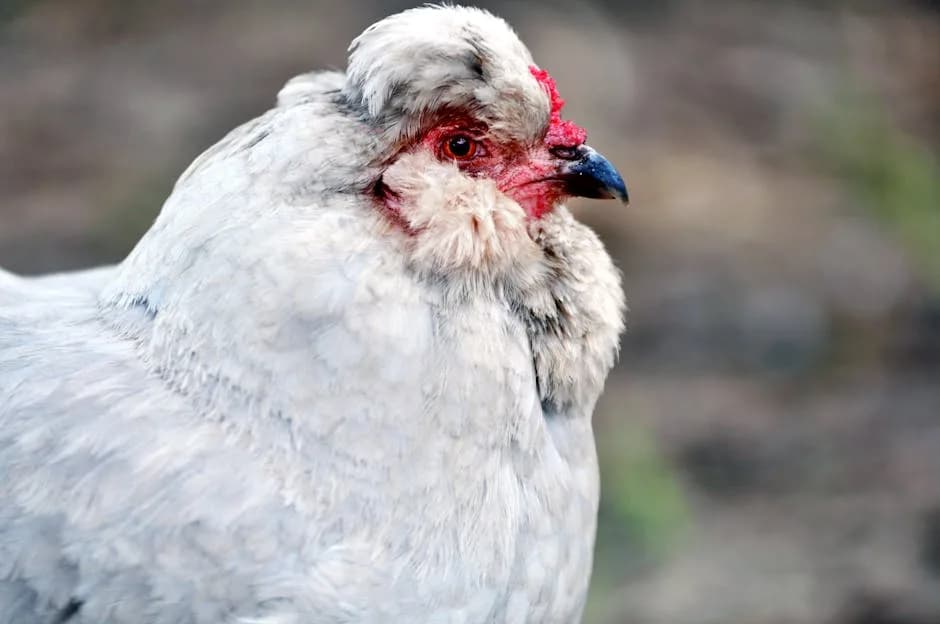
- •Muffs and beard. Fluffy feathering around the cheeks and under the beak gives them a puffy, adorable face. This is one of the defining features of the breed.
- •Pea comb. A small, low-profile comb that sits close to the head. It's excellent for cold weather because there's very little exposed tissue to frostbite.
- •Full tail. Unlike rumpless Araucanas, Ameraucanas have a normal tail.
- •Slate-blue or black legs (depending on variety).
- •Red earlobes.
- •Medium-sized, upright body. They're alert and active-looking without being scrawny.
The muffs and beard give Ameraucanas a look that's hard to confuse with other breeds. They always look a bit like they're wearing a fluffy scarf.
Ameraucana Color Varieties
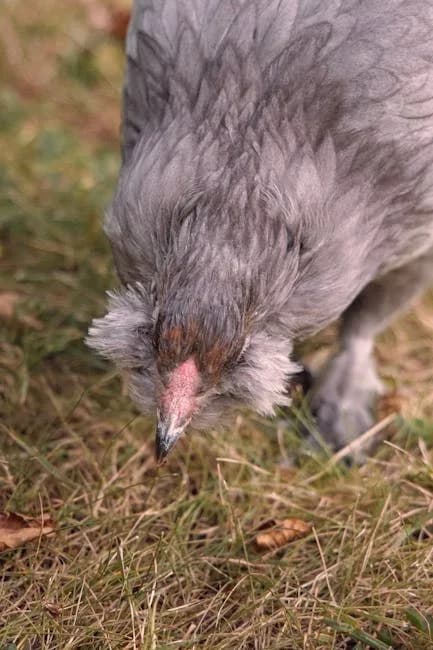
The APA recognizes eight standard Ameraucana colors:
- •Black, Solid black with a greenish sheen
- •Blue, Even slate blue across the body (one of the most popular)
- •Blue Wheaten, Hens are a warm wheaten color; roosters have blue and red
- •Brown Red, Dark with rich brown/mahogany accents
- •Buff, Warm golden-buff all over
- •Silver, Silver and black combination
- •Wheaten, Hens are light wheat-colored; roosters have classic red and black
- •White, Pure white
Blue and Black are the most commonly available. Lavender (Self Blue) is a popular non-standard color that many breeders work with, but it's not APA-recognized yet.
Each variety must meet specific color standards for showing, including leg color, eye color, and plumage pattern. For backyard keeping, any color is fine as long as the bird is a true Ameraucana with the blue egg gene.
How Many Eggs Do Ameraucanas Lay?
Here's the honest picture:
- •150-200 eggs per year (about 3-4 per week)
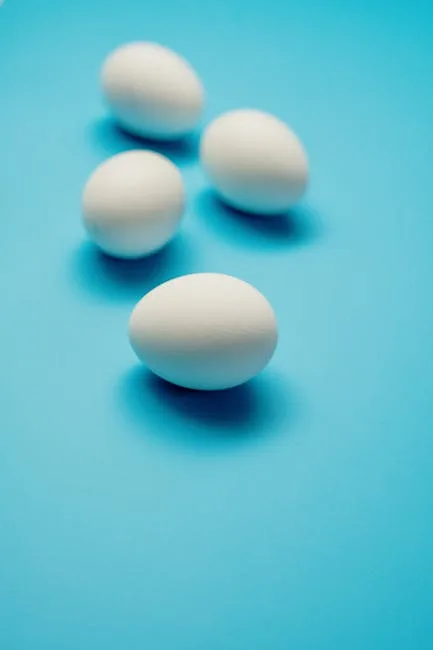
- •Medium-sized, blue eggs (always blue in true Ameraucanas)
- •Start laying at 6-7 months
- •Rarely go broody (a plus if you want consistent eggs)
- •Decent winter layers thanks to their cold hardiness
The egg count is moderate. They won't keep up with a Leghorn (280+) or Australorp (250+), but that's not really the point. You're keeping Ameraucanas for the blue eggs, and 3-4 per week is plenty to add color to your egg basket.
The blue color comes from a pigment called oocyanin that permeates the entire shell. Unlike Marans dark brown eggs (where the pigment is a surface coating), Ameraucana blue goes all the way through. Crack one open and the inside of the shell is blue too.
Mixing Ameraucanas with brown-egg layers like Rhode Island Reds or dark-egg layers like Marans gives you a stunning rainbow egg basket.
Ameraucana Chicken Temperament
Ameraucana temperament is... variable. Here's what most keepers report:
- •Alert and active. They're aware of their surroundings and quick to react. This makes them good at spotting predators but also makes some birds skittish around people.
- •Friendly but independent. Most Ameraucanas are pleasant without being cuddly. They'll hang around you without necessarily wanting to be held.
- •Can be flighty. Some Ameraucanas are more nervous than breeds like Buff Orpingtons or Cochins. Individual personality varies a lot.
- •Good foragers. They're active birds that enjoy scratching and exploring, similar to Sussex chickens.
- •Generally not aggressive. Ameraucana roosters tend to be well-mannered, though individual temperament always varies.
- •Moderate noise level. Not especially loud or quiet.
The temperament range is wider in Ameraucanas than in some breeds. Some are lap chickens, others prefer to keep their distance. Handling them regularly from a young age helps, but don't expect every Ameraucana to be as docile as an Orpington.
Are Ameraucanas Good for Beginners?
Yes, Ameraucanas work well for beginners who understand what they're getting:
Pros:
- •Hardy and healthy with few breed-specific problems
- •Pea comb means excellent cold hardiness
- •Rarely broody (consistent egg production)
- •Beautiful blue eggs that make the hobby more fun
- •Active foragers that do well in free-range setups
- •Come in gorgeous color varieties
Challenges:
- •True Ameraucanas cost more than most breeds ($10-25/chick from breeders)
- •Can be skittish if not handled young
- •Hatchery "Ameraucanas" are usually Easter Eggers (buyer beware)
- •Moderate egg production (won't keep up with production breeds)
- •Can fly better than heavy breeds; may need higher fencing
If you want blue eggs and you're a new chicken keeper, honestly consider starting with Easter Eggers. They're cheaper, widely available, and most lay blue or green eggs. Once you've got some experience, adding true Ameraucanas from a breeder is a great next step.
For getting started, see our beginner's guide and our article on how many chickens to start with.
Housing and Care Requirements
Space
- •4 square feet per bird inside the coop (standard for medium breeds)
- •8-10 square feet per bird in the run
- •They're active birds that benefit from free-ranging when possible
Fencing
Ameraucanas are lighter and more athletic than heavy breeds. They can fly up to 4-6 feet. You'll need a 5-6 foot fence, or clip one wing to keep them contained. They're not as grounded as Brahmas or Cochins.
Coop Setup
Standard coop requirements apply. Their pea comb handles cold well, so you don't need to worry much about frostbite. Good coop ventilation is still important for moisture control. Regular bedding options all work fine.
Feeding
Standard layer feed (16% protein) once they're laying. They don't have any special dietary needs. Active foraging will supplement their diet with bugs and greens. Full nutrition details are in our feeding guide.
Climate
Ameraucanas do well in most climates. Their pea comb makes them excellent for cold weather; our winter care guide covers the details. They handle moderate heat reasonably well too, though very hot climates (100°F+) will require the cooling strategies from our summer care guide.
Where to Buy True Ameraucanas
This is critical if blue eggs are your goal:
Breeders (recommended for true Ameraucanas):
- •The Ameraucana Breeders Club maintains a directory of member breeders
- •Expect to pay $10-25 per chick or $5-10 per hatching egg
- •You can specify the color variety you want
- •Birds will breed true and lay guaranteed blue eggs
Hatcheries (usually Easter Eggers):
- •Most large hatcheries sell Easter Eggers labeled as "Ameraucana" or "Americana"
- •Some hatcheries like Meyer Hatchery and Cackle Hatchery do sell legitimate Ameraucanas; check their breed descriptions carefully
- •If the listing says "may lay blue, green, or pink eggs," it's an Easter Egger
- •True Ameraucana listings will specify "blue eggs only"
Feed stores:
- •Feed store "Ameraucanas" are almost always Easter Eggers
- •Still great birds, just set your egg color expectations accordingly
Don't be disappointed if your feed store bird lays green eggs. Easter Eggers are wonderful chickens in their own right, often hardier and friendlier than purebred Ameraucanas.
Health Issues to Watch For
Ameraucanas are one of the healthier chicken breeds with few breed-specific concerns:
General robustness. They don't have the feathered-foot issues of Brahmas, the obesity risk of Cochins, or the heat sensitivity of heavily feathered breeds. Their pea comb virtually eliminates frostbite risk.
Standard chicken health concerns still apply: external parasites (mites, lice), internal parasites (worms), and respiratory infections. Regular checks and clean housing prevent most problems. See our sick chicken symptoms guide for what to watch for.
Cross-beak. Some Ameraucana lines carry a higher incidence of cross-beak (scissor beak), where the upper and lower beak don't align properly. This is a genetic condition. Birds with mild cross-beak can live normally with some accommodation; severe cases may need to be culled. Buying from reputable breeders who select against this trait reduces the risk.
Egg-related issues are uncommon but can happen with any laying breed. Our egg problems guide covers the common concerns.
Looking for the right coop? Whatever breed you settle on, the coop you put them in matters as much as the bird itself. Our best chicken coops on Amazon roundup covers current top picks across flock sizes and price ranges, from under-$100 starter coops to walk-in models for larger flocks.
Frequently Asked Questions
What color eggs do Ameraucana chickens lay?
True Ameraucanas lay blue eggs, always. The shade can range from light sky blue to a deeper turquoise blue, but it's always in the blue family. If your "Ameraucana" lays green, olive, or pink eggs, you've got an Easter Egger. Green eggs come from the blue egg gene combined with a brown pigment overlay, which only happens in mixed-breed birds.
How much do Ameraucana chickens cost?
True Ameraucanas from breeders typically cost $10-25 per chick, depending on the color variety and the breeder's reputation. Hatching eggs run $5-10 each. Easter Eggers sold as "Ameraucanas" at hatcheries and feed stores cost $3-5 per chick. The price difference reflects breeding quality and the guarantee of blue eggs.
Are Ameraucana chickens friendly?
Most Ameraucanas are friendly but not overly cuddly. They'll interact with you, follow you around the yard, and tolerate handling, but they're more independent than breeds like Buff Orpingtons or Silkies. Handle them frequently as chicks to build trust. Individual personality varies more in Ameraucanas than in some breeds.
Can Ameraucana chickens handle cold weather?
Ameraucanas are excellent cold-weather chickens. Their pea comb sits close to the head and resists frostbite, and their muffs and beard provide extra face insulation. They do well in cold climates without supplemental heat, as long as the coop is dry, draft-free, and well-ventilated.
What's the difference between Ameraucana and Americana chickens?
"Americana" (without the "u") is not a recognized breed. It's a marketing term some hatcheries use to sell Easter Eggers at higher prices without technically claiming they're purebred Ameraucanas. True Ameraucanas are always spelled with a "u" and meet APA breed standards. If you see "Americana" in a listing, assume it's an Easter Egger.
Ameraucanas bring something to the egg basket that no other breed can match. Those true blue eggs are a showstopper, and the birds themselves are hardy, healthy, and interesting to watch. Just make sure you're buying from a reputable source if blue eggs are what you're after.
For more egg color variety, pair your Ameraucanas with Marans for dark brown, Easter Eggers for green, and a standard brown layer like a Plymouth Rock. Browse all our breed guides to build your perfect flock.
Sources:
- •Ameraucana Breeders Club. https://ameraucana.org/
- •The American Poultry Association. Standard of Perfection (reference). http://www.amerpoultryassn.com/
- •University of Kentucky Cooperative Extension. Small Flock Poultry resources. https://poultry.extension.org/
- •The Livestock Conservancy. Heritage breed conservation. https://livestockconservancy.org/
Related Guides
Barnevelder Chicken Breed Guide: Eggs, Care, Traits
Complete Barnevelder chicken breed guide covering their dark brown eggs, 175-200/year production, stunning double-laced plumage, temperament, and care tips.
BreedsSilkie Chicken Breed Guide: Traits, Eggs, Care
Silkie chickens explained: fur-like feathers, black skin, five toes, 100 to 120 eggs a year, the APA colors, roosters, prices, and dry, safe housing.
BreedsAraucana Chicken Breed Guide: Blue Eggs, Tufts, Care
Araucana chicken breed guide: rumpless bodies, ear tufts, true blue eggs, the lethal tuft gene, care, and how they differ from Ameraucanas.
BreedsChocolate Orpington Breed Guide: Genetics, Eggs, Care
Chocolate Orpingtons explained: the sex-linked chocolate gene, why hens show it and roosters carry it, 120 to 150 tinted eggs a year, care, and where to buy.