Polish Chicken Breed Guide: Crest Care & Eggs
Complete Polish chicken breed guide. Covers their famous crest, 150-200 white eggs/year, 10 color varieties, vision care tips, and quirky temperament.
Researched from university extension, USDA, and veterinary sources. How we research.
Polish chickens are the rock stars of the poultry world. That wild, explosion-of-feathers crest on their heads makes them instantly recognizable and impossible not to love. They lay about 150-200 white eggs per year, weigh 4.5-6 lbs, and they've got a quirky, entertaining personality that's heavily influenced by the fact that they can barely see through all that headgear. If you want a chicken that makes every visitor stop and say "what IS that?", the Polish is your bird.
What You'll Learn
- •Polish Chicken Overview
- •History and Origin
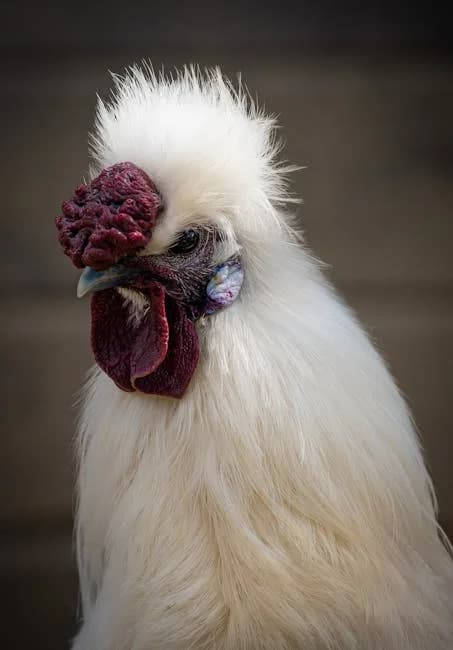
- •What Do Polish Chickens Look Like?
- •Polish Chicken Color Varieties
- •How Big Do Polish Chickens Get?
- •Polish Chicken Temperament
- •How Many Eggs Do Polish Chickens Lay?
- •Crest Care and Vision Management
- •Are Polish Chickens Good for Beginners?
- •Housing and Care Requirements
- •Health Issues to Watch For
- •Frequently Asked Questions
Polish Chicken Overview
| Trait | Details |
|---|---|
| Size | Roosters: 6 lbs, Hens: 4.5 lbs |
| Eggs | 150-200 per year, white, medium to large |
| Temperament | Calm, quirky, can be flighty |
| Cold Hardy | Poor to moderate (crest gets wet/frozen) |
| Heat Tolerant | Moderate |
| Broody | Rarely broody |
| Beginner Friendly | Moderate (crest needs extra care) |
| Lifespan | 7-8 years |
Polish chickens are primarily ornamental and show birds, but they're surprisingly decent layers too. They also come in a popular bantam version for keepers short on space. They won't win any production contests, but 150-200 white eggs per year is more than many people expect from such a fancy-looking breed.
History and Origin
Despite the name, Polish chickens probably didn't originate in Poland. The name likely comes from the Middle Dutch word "pol" meaning "head," referring to their domed skull and crest. Some historians trace crested chickens back to Asian origins, with the birds appearing in Dutch and Italian paintings as early as the 1500s and 1600s.
What we do know is that crested chickens have been in Europe for centuries. The White Crested Black Polish appears in paintings from the 1600s, making it one of the oldest documented chicken varieties. The breed was standardized in the Netherlands and was well-established in Europe before arriving in America.
The American Poultry Association recognized the first Polish varieties in 1874 (the same year as many heritage breeds). Today, they're one of the most popular ornamental chicken breeds worldwide and a staple at poultry shows.
What Do Polish Chickens Look Like?
The crest is obviously the headliner, but Polish chickens have several distinctive features:
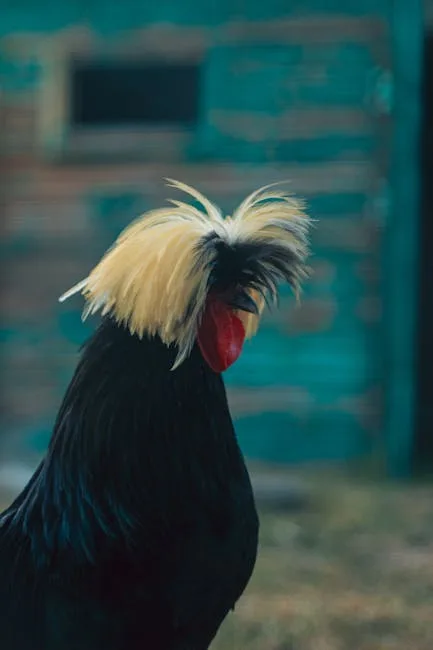
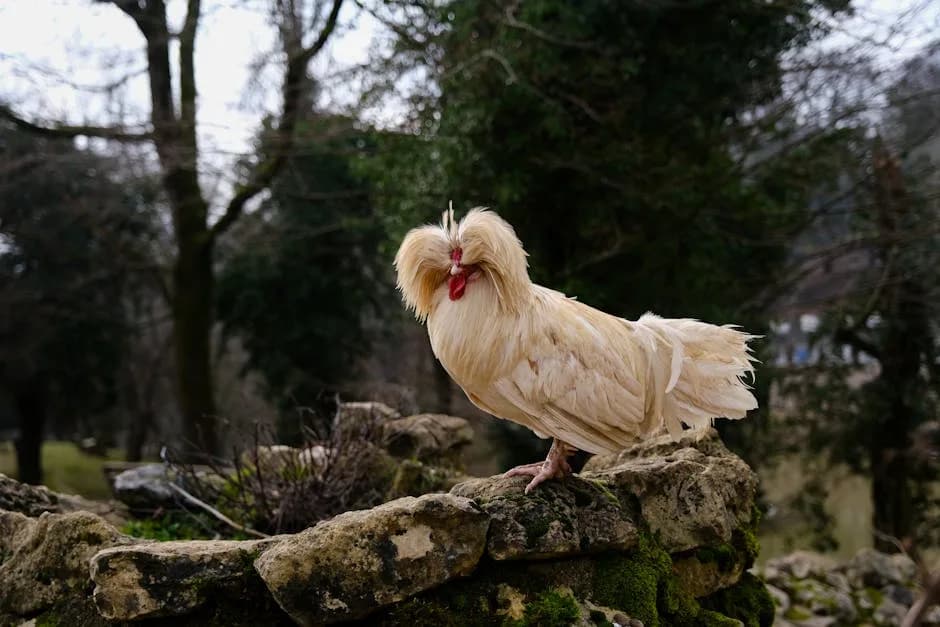
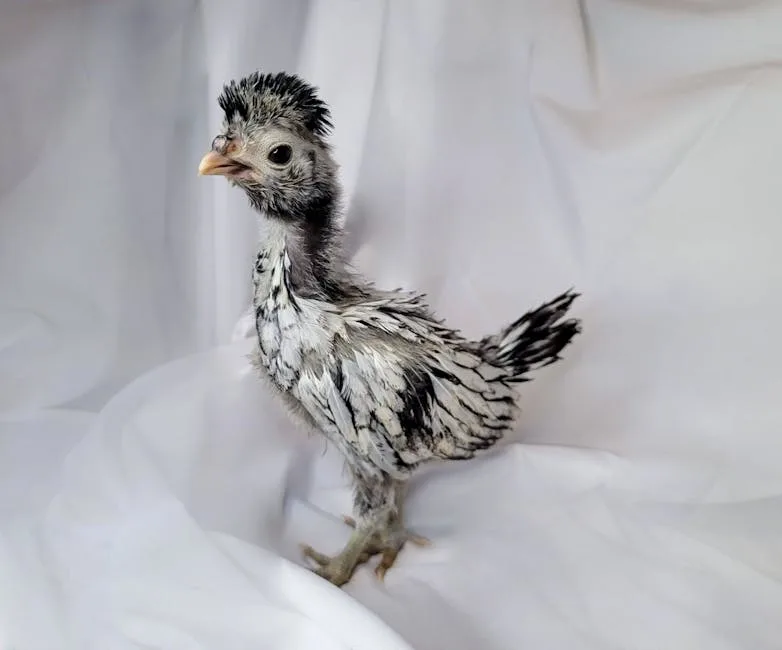
- •Massive feather crest. A pom-pom of feathers erupts from the top of the skull, caused by a bony protuberance (called a knob or vault) on the skull. Hens have rounder, tighter crests; roosters have wilder, more swept-back crests.
- •V-shaped comb. Hidden under all that crest, Polish chickens have a small V-shaped comb (also called a horn comb). You might never see it.
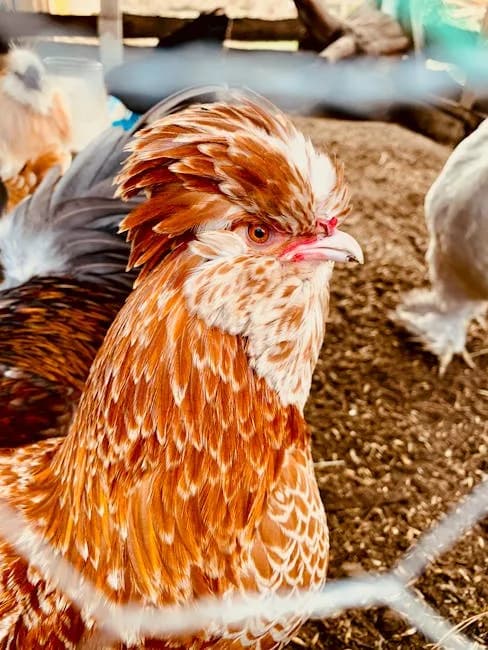
- •Bearded varieties. Some Polish varieties also have a beard and muffs (fluffy cheek feathering), making their heads even more dramatically fluffy.
- •Slate blue or gray legs. Clean, with no feathering.
- •White earlobes. This correlates with their white egg color.
- •Slim, upright body. Polish are light-bodied birds with a graceful, alert posture.
The overall impression is a chicken wearing an extravagant hat. Some people say they look like Phyllis Diller or Tina Turner. Either way, they're showstoppers.
Polish Chicken Color Varieties
The APA recognizes 10 standard Polish varieties, split into bearded and non-bearded:
Non-Bearded Varieties
- •White Crested Black, Black body with a pure white crest. The most iconic and recognizable Polish variety.
- •White Crested Blue, Blue (slate gray) body with a white crest.
- •Golden, Rich golden-bay body with laced feathering.
- •Silver, Silver-white body with black lacing.
- •White, All white.
- •Buff Laced, Buff body with white or cream lacing. Gorgeous birds.
Bearded Varieties
- •Golden, Same coloring as non-bearded, plus beard and muffs.
- •Silver, Silver with beard and muffs.
- •White, All white with beard and muffs.
- •Buff Laced, Buff laced with beard and muffs.
Non-standard colors you'll find from breeders include Black, Blue, Splash, and various laced combinations. Bantam Polish are also available in most varieties and are enormously popular at shows.
The bearded varieties have an advantage beyond looks: the beard and muffs give their faces extra protection from weather and from other chickens pecking at them.
How Big Do Polish Chickens Get?
Polish are on the smaller side for standard breeds:
- •Roosters: 6 lbs
- •Hens: 4.5 lbs
- •Cockerels: 5 lbs
- •Pullets: 4 lbs
- •Bantam roosters: 30 oz
- •Bantam hens: 26 oz
They're lighter than most popular backyard breeds. For comparison, a Rhode Island Red hen weighs 6.5 lbs, and a Brahma hen weighs nearly 10 lbs. Polish are closer in size to Leghorns (5 lbs).
Their light weight means they can fly better than heavy breeds. A 4-foot fence won't contain most Polish chickens. Plan for 5-6 feet, or clip one wing.
Polish Chicken Temperament
Polish temperament is heavily shaped by one thing: they can't see well. That massive crest blocks their peripheral vision and sometimes their forward vision too. This creates some interesting personality traits:
- •Easily startled. Because they can't see what's coming, Polish chickens tend to startle when approached from the side or above. They'll screech and flap when surprised. This isn't aggression; it's just surprise.
- •Calmer when they can see. Trimming the crest feathers around the eyes transforms many Polish chickens from flighty to relaxed. More on that below.
- •Quirky and entertaining. Their limited vision leads to hilarious behavior. They bump into things, walk in unusual directions, and react dramatically to mundane situations. They're comedy chickens.
- •Friendly once they trust you. Many Polish chickens become very tame, especially if handled frequently. Some are notorious shoulder-sitters.
- •Low in the pecking order. Their vision issues make them easy targets for bullying by more assertive breeds. They can't see the peck coming, literally.
- •Not aggressive. Polish chickens rarely start conflicts. They're gentle birds that do best with other gentle breeds.
Reddit chicken keepers frequently describe Polish as "not the brightest" and "like having a tiny, ridiculous friend." They're not dumb; they just can't see, which makes them seem scattered.
How Many Eggs Do Polish Chickens Lay?
Polish are better layers than most people expect:
- •150-200 eggs per year (roughly 3-4 per week)
- •White, medium to large eggs
- •Start laying at 5-6 months (relatively early)
- •Rarely go broody (great if you want consistent eggs)
- •Fair winter layers but production drops in cold weather
The white egg color comes from their Mediterranean heritage (white earlobes typically mean white eggs). If you're building a colorful egg basket, Polish add the white contribution alongside blue from Ameraucanas, dark brown from Marans, and green from Easter Eggers.
Polish were historically classified as good layers, and the Livestock Conservancy describes them as "persistent layers." They're not production machines, but for an ornamental breed, they pull their weight.
Crest Care and Vision Management
This is the most important section for anyone considering Polish chickens. That gorgeous crest needs active management:
Trimming the Crest
Many Polish keepers trim the crest feathers around the eyes to improve vision. You don't need to remove the crest entirely; just clip the feathers that hang over and around the eyes. Use sharp, small scissors and be careful near the eyes.
Trimming makes a dramatic difference in behavior. A Polish chicken that can see is calmer, less flighty, more confident, and less likely to get bullied. If your Polish seems nervous or skittish, a crest trim is the first thing to try.
Keeping the Crest Dry
A wet crest is a serious problem in cold weather. The feathers soak up water like a sponge, and a frozen crest can lead to hypothermia or frostbite on the skull. Strategies include:
- •Covered runs that keep rain and snow off the crest
- •Nipple waterers instead of open dishes (Polish will dunk their crests in regular waterers)
- •Drying off birds that get wet in cold weather
- •Coop ventilation to prevent moisture buildup
Crest Maintenance
- •Check for parasites. Mites and lice love to hide in the dense crest feathers. Part the crest and inspect the skin regularly.
- •Watch for pecking damage. Other chickens sometimes peck at the crest. If you see bald spots or blood, separate the Polish or address the bully.
- •Keep it clean. The crest can trap dirt, food, and debris. A gentle rinse helps keep it in good shape.
Are Polish Chickens Good for Beginners?
Polish chickens are beginner-friendly with a few caveats:
Pros:
- •Entertaining and fun to watch
- •Friendly once tame
- •Decent egg production for an ornamental breed
- •Rarely broody
- •Beautiful and unique
- •Light enough to handle easily
- •Available in many stunning color varieties
Challenges:
- •Crest requires active management (trimming, drying, parasite checks)
- •Get bullied in mixed flocks with assertive breeds
- •Vision issues make them vulnerable to predators
- •Not ideal for very cold or wet climates without covered housing
- •Can be flighty and hard to catch
- •Not cold-hardy compared to pea-combed breeds
Polish work best as part of a flock of other gentle breeds. Pairing them with Silkies, Cochins, or Buff Orpingtons is usually safe. Mixing them with Rhode Island Reds or New Hampshire Reds often leads to bullying.
For general getting-started advice, see our beginner's guide.
Housing and Care Requirements
Space
- •4 square feet per bird inside the coop
- •8-10 square feet per bird in the run
- •Consider a covered run to keep crests dry in rain and snow
Fencing
Polish can fly. Their light weight and relatively normal-sized wings mean a 4-foot fence won't cut it. Use 5-6 foot fencing or clip one wing. Their poor vision actually works in your favor here; they often don't try to fly over fences because they can't see what's on the other side.
Waterers
Use nipple waterers or cup waterers instead of open dishes. Polish will dunk their entire head (and crest) into standard waterers, which soaks the crest and creates hygiene and cold-weather problems. Nipple waterers eliminate this issue entirely. Check our best feeders and waterers guide for options.
Climate
Polish aren't the best cold-weather birds because of their crest. A wet, frozen crest is genuinely dangerous. In cold climates:
- •Keep the coop dry and well-ventilated
- •Provide a covered run
- •Consider using nipple waterers year-round
- •Their V-shaped comb is actually resistant to frostbite; it's the wet crest that's the problem
In hot weather, they manage reasonably well. Their light body weight helps, and the crest doesn't trap as much heat as heavy body feathering. Standard summer care applies.
Feeding
Standard layer feed (16% protein) works fine. Polish are active enough to avoid obesity issues. See our feeding guide for complete details.
Health Issues to Watch For
Crest-Related Problems
The crest creates most of the breed-specific health concerns:
- •Vision impairment leading to injuries, predator vulnerability, and stress
- •Wet crest in cold weather causing hypothermia
- •Parasites hiding in dense crest feathers
- •Pecking damage from other chickens targeting the crest
- •Skull vulnerability. The bony vault that supports the crest is thinner than a normal chicken skull, so head injuries can be more serious
Bullying
Polish are magnets for bullying in mixed flocks. Other chickens peck at the crest out of curiosity or dominance, sometimes pulling out feathers or drawing blood. If bullying is persistent, either remove the bully, separate the Polish, or keep Polish with other gentle breeds only.
Standard Health Issues
Regular chicken ailments like mites, lice, and respiratory infections affect Polish too. The crest just makes parasite detection harder, so be extra diligent with inspections. Part the crest feathers and check skin closely during routine health checks.
Egg-Related Issues
Polish are moderate layers and don't typically have more egg problems than other breeds. Our egg problems guide covers common concerns.
Looking for the right coop? Whatever breed you settle on, the coop you put them in matters as much as the bird itself. Our best chicken coops on Amazon roundup covers current top picks across flock sizes and price ranges, from under-$100 starter coops to walk-in models for larger flocks.
Frequently Asked Questions
Can Polish chickens see through their crest?
Barely. The crest significantly impairs their vision, especially peripheral vision. Some Polish can see straight ahead through gaps in the feathers, while others with very full crests are essentially blind. Trimming the crest feathers around the eyes dramatically improves their quality of life. Most Polish keepers recommend trimming as a standard part of care.
Are Polish chickens good layers?
Polish are moderate layers, producing 150-200 white eggs per year. That's not bad for an ornamental breed, but it won't compete with production breeds like Leghorns or Australorps. They rarely go broody, which means they lay more consistently than some breeds that stop production to sit on eggs.
Do Polish chickens get along with other breeds?
Polish are gentle birds that do poorly with aggressive breeds. Their vision issues make them easy targets for bullying. They do best with other calm, docile breeds like Silkies, Cochins, and Orpingtons. If you're mixing breeds, watch carefully for crest-pecking and separate Polish if bullying occurs.
Are Polish chickens cold hardy?
Polish have below-average cold hardiness, primarily because of the crest. A wet crest in freezing weather is dangerous. In cold climates, you'll need a covered run, nipple waterers (to prevent crest-dunking), and a dry, well-ventilated coop. The birds themselves handle moderate cold fine; it's the crest management that requires extra attention.
Why are Polish chickens so weird?
They're not weird; they just can't see! Most of the quirky Polish behaviors (startling easily, bumping into things, walking in odd directions, screaming when you approach) come from their impaired vision. Trim the crest, and many of these behaviors diminish. The remaining quirkiness is just personality, and most Polish keepers find it endearing.
Polish chickens are pure entertainment. They won't be the backbone of your egg production, but they'll be the bird every visitor remembers. Give them a crest trim, a covered run, and some gentle flockmates, and you'll have one of the most delightful chickens in your yard.
Polish are one of several crested chicken breeds, and that guide compares them to Silkies, Houdans, Sultans, and the rest. For more breed options, explore our breed guides or find your perfect starter flock with our best breeds for beginners.
Sources:
- •Livestock Conservancy. Polish breed page. https://livestockconservancy.org/heritage-breeds/heritage-breeds-list/polish-chicken/
- •The American Poultry Association. Standard of Perfection (reference). http://www.amerpoultryassn.com/
- •University of Kentucky Cooperative Extension. Small Flock Poultry resources. https://poultry.extension.org/
- •The Livestock Conservancy. Heritage breed conservation. https://livestockconservancy.org/
Related Guides
Araucana Chicken Breed Guide: Blue Eggs, Tufts, Care
Araucana chicken breed guide: rumpless bodies, ear tufts, true blue eggs, the lethal tuft gene, care, and how they differ from Ameraucanas.
BreedsChocolate Orpington Breed Guide: Genetics, Eggs, Care
Chocolate Orpingtons explained: the sex-linked chocolate gene, why hens show it and roosters carry it, 120 to 150 tinted eggs a year, care, and where to buy.
BreedsLavender Orpington Breed Guide: Eggs, Color, Care
Lavender Orpingtons are calm, cold-hardy hens that breed true to color and lay 150-250 brown eggs a year. Full guide to looks, eggs, care, and cost.
BreedsNaked Neck Chicken (Turken) Breed Guide: Eggs & Care
Naked Neck chickens, or Turkens, are hardy dual-purpose birds with bare necks. Full breed guide: eggs, temperament, heat tolerance, size, and care.