Buckeye Chicken Breed Guide: Eggs, Size, Temperament
Buckeye chickens are a hardy, dual-purpose American breed with a pea comb. Learn their egg output, mahogany color, temperament, and cold-weather care.
Researched from university extension, USDA, and veterinary sources. How we research.
Buckeye chickens are a rich mahogany, dual-purpose American breed that lay 150 to 200 brown eggs a year and shrug off cold winters like almost no other bird. They carry a pea comb (rare for an American breed), which means frostbite is barely a concern, and they're famous for hunting mice around the coop. If you want a hardy, self-reliant heritage bird with personality and a good origin story, the Buckeye deserves a hard look.
What You'll Learn
- •Buckeye Chicken Overview
- •History and Origin
- •What Do Buckeye Chickens Look Like?
- •How Big Do Buckeye Chickens Get?
- •Buckeye Chicken Temperament
- •How Many Eggs Do Buckeye Chickens Lay?
- •Are Buckeye Chickens Cold Hardy?
- •Are Buckeye Chickens Good for Beginners?
- •Buckeyes as Dual-Purpose Birds
- •Housing and Space Requirements
- •Feeding Your Buckeye Chickens
- •Health Issues to Watch For
- •Buckeye vs Rhode Island Red vs Other Breeds
- •Where to Buy Buckeye Chickens
- •Frequently Asked Questions
Buckeye Chicken Overview
| Trait | Details |
|---|---|
| Origin | United States (Ohio, 1890s) |
| Size | Roosters: 9 lbs, Hens: 6.5 lbs |
| Egg Production | 150-200 eggs/year |
| Egg Color | Brown (medium to large) |
| Comb | Pea comb (frostbite resistant) |
| Temperament | Active, friendly, curious |
| Cold Hardy | Yes, exceptionally |
| Heat Tolerant | Moderate |
| Broody | Occasionally, good mothers |
| Beginner Friendly | Yes |
| Conservation Status | Watch (Livestock Conservancy) |
History and Origin
The Buckeye has the distinction of being the only American chicken breed known to have been developed entirely by a woman. Her name was Nettie Metcalf, and she lived in Warren, Ohio, in the 1890s. She named the breed after her home state, the Buckeye State, and after the deep reddish color of the buckeye tree's nut, which matches the bird's plumage almost exactly.
Metcalf wasn't chasing a show ribbon. She wanted a practical farm bird that could lay through an Ohio winter and still put meat on the table. She started by crossing Barred Plymouth Rocks with Buff Cochins. The result was large but lazy, so she added Black-Breasted Red Game birds to bring back activity, foraging drive, and a leaner, more muscular build. What she ended up with was a compact, mahogany, cold-hardy bird that worked for a living.
Around the same time, breeders in the Northeast were developing the Rhode Island Red. For a while the two lines got tangled together at poultry shows because the colors were similar. Metcalf actually corresponded with Rhode Island Red breeders and, for a time, the birds were shown under overlapping names. She kept selecting for the pea comb and the darker mahogany tone to keep her breed distinct. The Buckeye was admitted to the American Poultry Association's Standard of Perfection in 1904.
The breed nearly vanished during the 20th century as industrial hybrids took over commercial production. By the early 2000s Buckeye numbers were low enough to land them on The Livestock Conservancy's priority list. A dedicated group of breeders, along with the American Buckeye Poultry Club, brought them back from the edge. They're still uncommon, but every backyard flock that includes a few helps keep this Ohio original going.
What Do Buckeye Chickens Look Like?
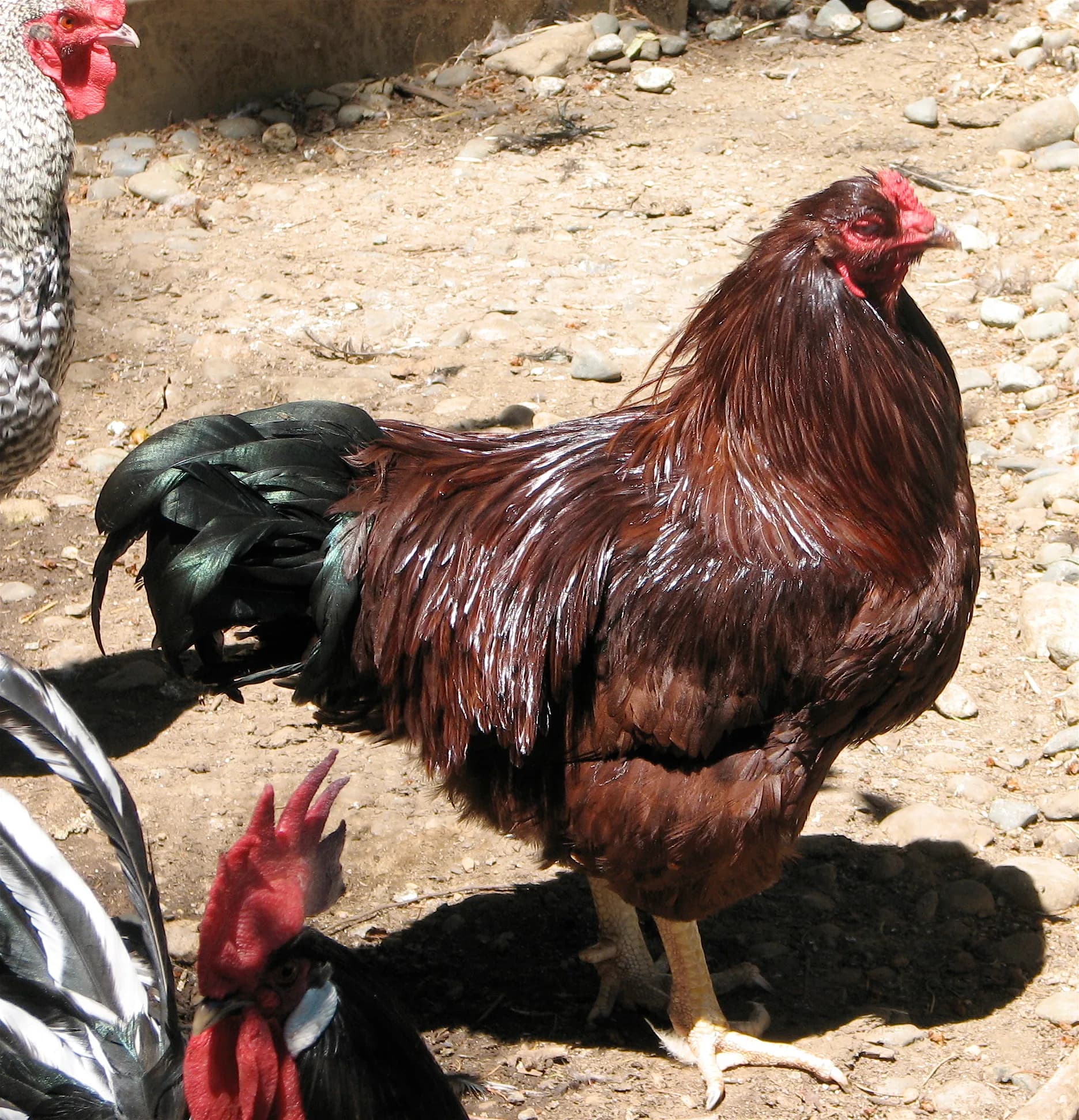
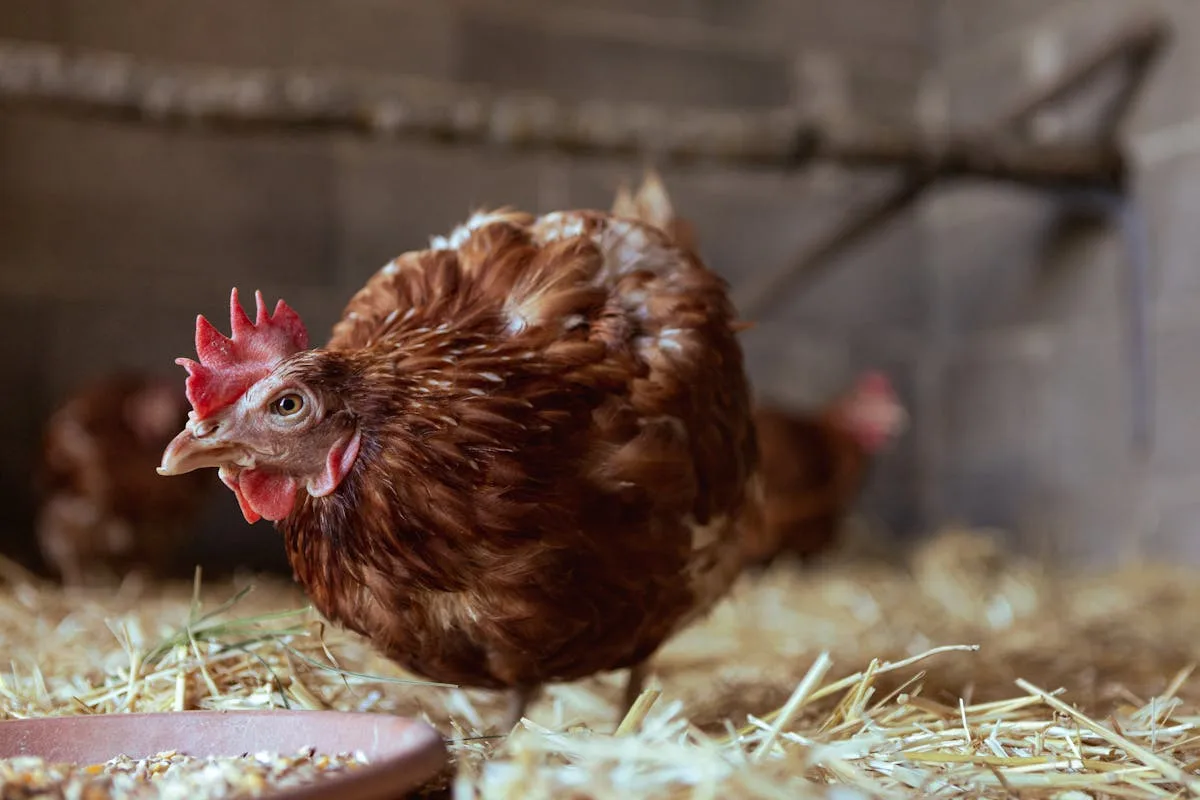
Buckeyes are a handsome, sturdy bird with a look all their own. The body plumage is a deep, lustrous mahogany red, darker and richer than the Rhode Island Red's brick color. Part the back feathers and you'll see a slate-colored bar in the under-fluff, a breed hallmark. The tail carries black or dark feathers, and the wings often show some black in the primaries.
Their most distinctive feature is the comb. Buckeyes wear a small pea comb, three low ridges sitting close to the head. This is unusual for an American breed and it's the single biggest reason they handle cold so well. The comb, wattles, and earlobes are red. Their beak is horn-colored, their eyes are a bright bay red, and their skin and legs are yellow with clean (unfeathered) shanks.
Overall they have a short, meaty, close-coupled body with a broad back and a slightly upright, powerful carriage that hints at their game-bird ancestry. They look like a bird built to move and forage rather than sit still. There is also a bantam version, though the large fowl is far more common in backyard flocks.
How Big Do Buckeye Chickens Get?
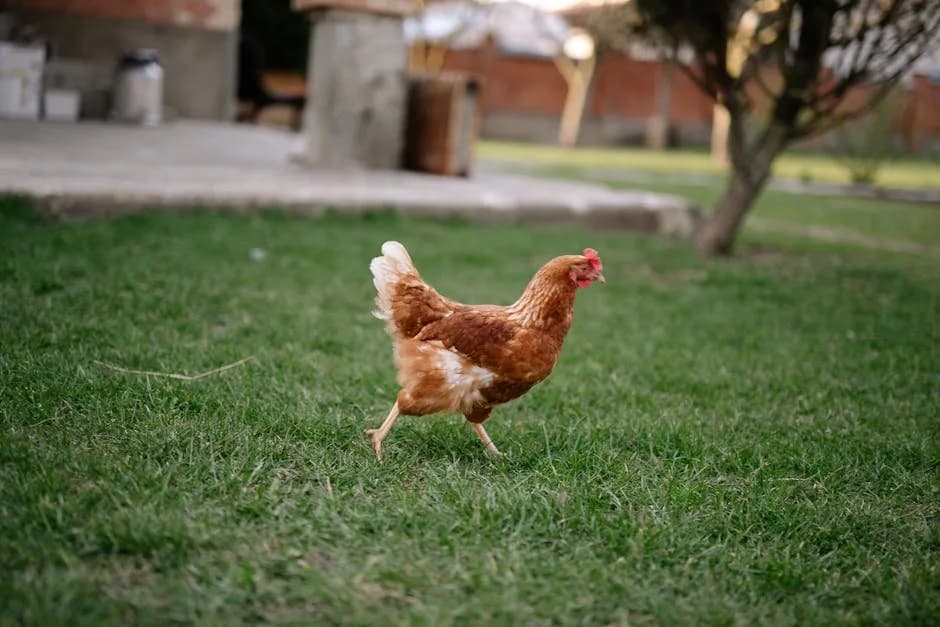
Buckeyes are a solid medium-to-large breed with real heft for a heritage bird. Here's how they measure up:
- •Roosters: 9 lbs (4.1 kg)
- •Hens: 6.5 lbs (2.9 kg)
- •Bantam roosters: about 26 oz
- •Bantam hens: about 22 oz
That puts standard Buckeye cocks among the heavier heritage breeds, a bit larger than a Rhode Island Red rooster and comparable to a New Hampshire Red. They're not giants like the Jersey Giant, but they carry their weight in a compact, muscular frame rather than a tall one.
Growth is moderate. Buckeyes take their time filling out compared to a commercial meat hybrid, usually reaching processing or full size around 20 to 24 weeks. What you get in return is a firm, well-flavored carcass and a bird that stays healthy and active the whole way there.
Buckeye Chicken Temperament
This is where Buckeyes win people over. They're active, curious, and genuinely friendly, and they have a few quirks that make them stand out from your average backyard hen.
People-oriented. Buckeyes tend to be calm and confident around their keepers. Many will follow you across the yard, investigate whatever you're doing, and tolerate handling well. They're not lap chickens by default, but they warm up quickly to people who spend time with them.
Serious foragers. Their game-bird heritage shows. Turn Buckeyes loose and they'll cover ground, scratch, and hunt all day. They're one of the better breeds for meaningfully cutting your feed bill through free-ranging.
Mouse hunters. This is the trait Buckeye owners love to talk about. Buckeyes are known for actively hunting and eating mice and other small rodents around the coop and barn. It's not a myth. Nettie Metcalf herself noted their hawk-like hunting drive, and modern keepers regularly report the same thing.
Talkative. Buckeyes make an unusual range of sounds, including a low, rolling coo that some owners describe as almost dinosaur-like. It's harmless and kind of charming once you get used to it.
A note on confinement. Because they're so active, Buckeyes don't love being cooped up tightly. Bored, crowded Buckeyes can start feather-picking. Give them room to roam or a large run and this problem disappears. Roosters are generally good-natured but, like any assertive breed, an occasional individual can get pushy, so handle cockerels regularly while they're young.
How Many Eggs Do Buckeye Chickens Lay?
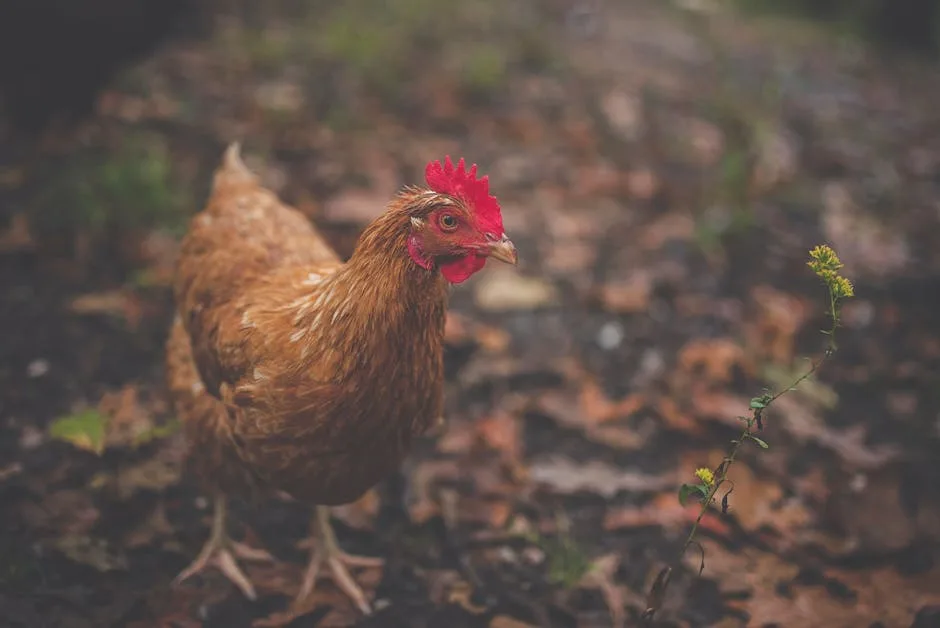
Buckeye hens are dependable layers, especially for a heritage dual-purpose breed. Here are the numbers:
- •Annual production: 150-200 eggs per year
- •Weekly average: 3-4 eggs
- •Egg size: Medium to large
- •Egg color: Brown
- •Start of lay: 6-7 months (a little later than production hybrids)
You won't get the 280-plus eggs a commercial layer produces, but Buckeyes make up for it with consistency. Their standout quality is winter laying. Thanks to that cold-tolerant pea comb and hardy constitution, Buckeye hens often keep laying through cold snaps that shut down more delicate breeds. For anyone in a northern climate who wants eggs in January, that's a real advantage.
Buckeye hens do go broody from time to time, and they're reported to be attentive, capable mothers. If you'd like to hatch chicks under a hen instead of running an incubator, a broody Buckeye is a good candidate. If you'd rather control the process yourself, our egg incubation guide walks through the full 21-day hatch.
Like all breeds, their output dips as daylight shortens. If you want to keep production steadier through winter, our winter chicken care guide covers supplemental lighting and cold-weather management. For a broader look at how Buckeyes stack up on pure output, see our best egg-laying breeds roundup.
Are Buckeye Chickens Cold Hardy?
Yes, and this is arguably the Buckeye's single best trait. They were bred in Ohio winters to keep producing when the temperature drops, and their build reflects it.
The pea comb is the key. A tall single comb has a lot of thin surface area that freezes easily, which is why so many breeds lose comb tips to frostbite. A pea comb sits low and compact against the head, so there's very little exposed tissue to freeze. Combine that with a dense, tight feather coat and a heavy body that holds heat, and you have a bird genuinely built for the cold. The pea comb isn't the only cold-climate solution: the Canadian Chantecler reaches the same frostbite resistance with a tiny cushion comb.
In practice, Buckeyes handle sub-freezing weather with minimal fuss as long as you follow the basics: a dry, draft-free but well-ventilated coop, plenty of dry bedding, and access to unfrozen water. You will rarely need to worry about frostbitten combs the way you would with a single-combed breed. For the full cold-weather playbook, read how to keep chickens warm in winter.
Heat is more of a limiting factor for Buckeyes than cold. Their heavy body and darker plumage mean they run warm, so in hot southern summers make sure they have deep shade, cool water, and airflow. They manage summer fine with reasonable care, but cold is where they excel.
Are Buckeye Chickens Good for Beginners?
Yes, with one small caveat. Buckeyes are one of the more forgiving heritage breeds for a first flock:
Hardy and low-maintenance. They're cold-tolerant, disease-resistant, and free of the fussy health quirks that plague some fancy breeds. That means fewer surprises while you're still learning.
Friendly enough to learn on. Their calm, curious nature makes daily chores, health checks, and handling straightforward. Nervous, flighty breeds make everything harder when you're new. Buckeyes don't.
Great foragers that save on feed. If you have space, Buckeyes will offset a real portion of their diet by ranging, which is a nice bonus for a beginner watching the budget.
Dual-purpose flexibility. You don't have to decide up front whether you want eggs or meat. Buckeyes do both respectably, so you can start with eggs and keep your options open.
The one caveat: Buckeyes want room to roam. If your only option is a small, tight run, a more confinement-tolerant breed may be a better fit, or you'll need to add space and enrichment to prevent boredom-related picking. If you're comparing options, our best chicken breeds for beginners guide lines up the top choices side by side.
Buckeyes as Dual-Purpose Birds
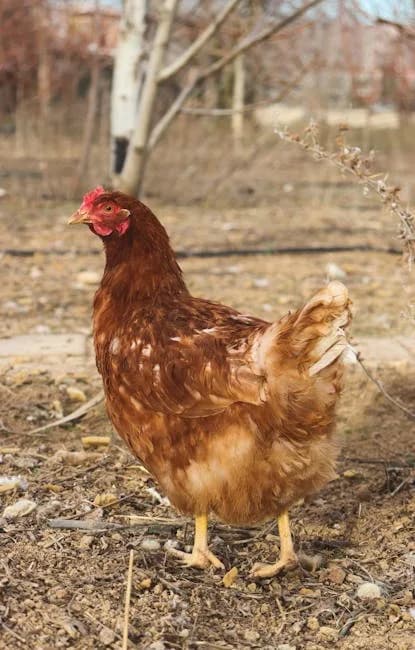
"Dual purpose" means a breed productive enough for both eggs and meat, and the Buckeye was designed for exactly that job from day one.
On the egg side, you're getting 150 to 200 medium-to-large brown eggs a year, with reliable winter production that many breeds can't match. That's plenty to keep a family in eggs year-round from just a few hens.
On the meat side, Buckeyes carry more breast and thigh meat than most heritage breeds, a nod to the Game blood Metcalf added. Roosters reach 9 lbs and dress out into a firm, flavorful carcass. It's a slower path than a Cornish Cross, and the meat is leaner and more textured, the way heritage chicken is supposed to taste. Extra cockerels from a straight-run order make a natural meat crop.
Because they forage so well, Buckeyes are also a strong pick for anyone leaning toward a more self-reliant, pasture-based setup. If meat is part of your plan, our raising chickens for meat guide covers timelines, feed conversion, and processing. And if you want to see how Buckeyes compare to other do-it-all birds, check our dual-purpose chicken breeds overview.
Housing and Space Requirements
Buckeyes aren't picky about housing, but their active nature means space is the one thing you shouldn't skimp on.
Coop space: Plan for at least 4 square feet per bird inside the coop. Buckeyes are a large breed and tight quarters lead to boredom and feather-picking faster with them than with more sedentary breeds.
Run space: Give them a minimum of 10 square feet per bird in the run, and more if you can. Free-range access is ideal. This is a breed that genuinely uses every bit of room you give it.
Roosting bars: Provide 10 to 12 inches of roost per bird. Sturdy bars matter for a bird this heavy.
Nesting boxes: One box for every 3 to 4 hens. Standard 12x12 inch boxes are fine.
Ventilation: Buckeyes are cold-hardy, but that hardiness depends on a dry coop. Never seal a coop up tight to "keep them warm." Trapped moisture causes far more frostbite and respiratory trouble than cold air does. You want ventilation up high, above the birds, with no direct drafts on the roost. Our how to build a chicken coop guide covers ventilation in detail.
Fencing: Buckeyes are heavy and not strong fliers, so containment is easier than with light breeds. A standard run fence holds them well. Because they range so eagerly, though, predator protection matters. See our guide to protecting your flock from predators and our chicken run fencing options.
Feeding Your Buckeye Chickens
Buckeyes don't need a specialized diet, but getting the fundamentals right keeps them healthy and laying.
Chicks (0-8 weeks): Starter feed with 18-20% protein, with clean water available at all times. Our raising chicks week-by-week guide lays out a full schedule.
Pullets (8-18 weeks): Grower feed at 16-18% protein to support steady growth without pushing them to lay too soon.
Laying hens (18+ weeks or once laying begins): Layer feed at 16% protein with added calcium for strong shells. Put out crushed oyster shell free-choice on the side so each hen takes what she needs.
Roosters and non-layers: An all-flock or maintenance feed at around 16% protein. Roosters don't need the extra calcium in layer feed, and too much over time can stress their kidneys.
Foraging and treats: This is where Buckeyes shine. Given range, they'll supplement a meaningful share of their diet with bugs, seeds, and greens, which also keeps them busy and out of trouble. Keep treats and scraps under about 10% of the total diet, and always provide grit if they don't have access to bare ground. For the full breakdown, see our complete chicken feeding guide.
Health Issues to Watch For
Buckeyes are one of the hardier breeds you can keep. They have no notable breed-specific diseases, which is a big part of their appeal. There are still a few general things to stay on top of:
Boredom feather-picking. The one issue tied to the breed's temperament. Confined, under-stimulated Buckeyes can start pulling feathers. The fix is space, forage, and enrichment rather than medicine. Give them room and it rarely happens.
External parasites. Mites and lice affect every breed. Check regularly around the vent and under the wings, and keep a dry dust-bathing spot available. Their reddish plumage can make lice slightly harder to spot than on pale birds, so inspect carefully.
Obesity in confinement. A heavy, food-motivated bird that can't range may put on too much weight, which hurts laying and overall health. Free-range Buckeyes almost never have this problem; confined ones need portion control and space to move.
Bumblefoot. Heavy breeds jumping from high roosts onto hard surfaces can bruise their footpads and develop this bacterial infection. Keep roosts at a reasonable height and use soft bedding underneath.
For a full rundown of warning signs, read our guide to sick chicken symptoms every owner should recognize.
Buckeye vs Rhode Island Red vs Other Breeds
Buckeyes get compared to Rhode Island Reds constantly because of the color and shared history. Here's how they line up against some popular alternatives:
| Trait | Buckeye | Rhode Island Red | New Hampshire Red | Australorp |
|---|---|---|---|---|
| Eggs/Year | 150-200 | 250-300 | 200-280 | 250-300 |
| Egg Color | Brown | Brown | Brown | Brown |
| Weight (hen) | 6.5 lbs | 6.5 lbs | 6.5 lbs | 6.5 lbs |
| Comb | Pea | Single | Single | Single |
| Cold Hardiness | Excellent | Good | Good | Good |
| Foraging Drive | Excellent | Good | Good | Moderate |
| Temperament | Active, friendly | Bold, assertive | Calm, friendly | Very gentle |
| Availability | Rare | Very common | Common | Common |
The short version: if you want the most eggs, a Rhode Island Red or Australorp will out-lay a Buckeye. But if your priorities are cold hardiness, foraging ability, meat quality, and keeping a piece of American poultry history alive, the Buckeye is hard to beat. The pea comb alone makes it a smarter choice than a single-combed breed for anyone in a genuinely cold climate. The Wyandotte is another cold-tolerant option (it uses a rose comb for the same reason), if you want to compare.
The main trade-off is availability. You'll find Rhode Island Reds at every feed store in spring. Buckeyes almost always have to be ordered ahead from a hatchery or breeder.
Where to Buy Buckeye Chickens
Because Buckeyes aren't stocked at most feed stores, plan to order them. Your options:
Hatcheries. Several major hatcheries carry Buckeyes as day-old chicks, including Meyer Hatchery (based in Ohio, the breed's home state), Cackle Hatchery, and Murray McMurray. Expect roughly $4 to $7 per chick depending on quantity and sexing.
Breeders. For birds closest to the breed standard, buy from a dedicated breeder. The Livestock Conservancy's breeder directory and the American Buckeye Poultry Club are the best places to find one. Breeder stock costs more, often $10 to $20 per chick or started bird, but you get better type and genetics.
Hatching eggs. If you run an incubator or have a broody hen, fertile Buckeye eggs are available online, usually $3 to $6 per egg. Our hatching guide covers the process start to finish.
Minimum orders. Most hatcheries require a minimum number of chicks (often 3 to 6, sometimes more) so the birds stay warm in transit. Ordering early in the season gives you the best availability, since Buckeyes sell out faster than common breeds.
Getting set up? Whatever breed you land on, the coop matters as much as the bird. Our best chicken coops on Amazon roundup covers current picks across flock sizes and budgets, from small starter coops to walk-in models.
Frequently Asked Questions
How many eggs do Buckeye chickens lay per year?
Buckeye hens lay about 150 to 200 medium-to-large brown eggs per year, averaging 3 to 4 eggs a week. They aren't the highest-volume layers, but they're notably reliable through cold weather, which is where many other breeds slow down or stop.
Are Buckeye chickens rare?
Yes, they're uncommon but recovering. The Livestock Conservancy tracks them on its conservation priority list (Watch status), an improvement from the more critical status they held in the early 2000s. You generally won't find them at feed stores and will need to order from a hatchery or breeder.
Are Buckeye chickens cold hardy?
Very. They were bred in Ohio for winter production and carry a low pea comb that resists frostbite far better than a tall single comb. Combined with a dense feather coat and heavy body, this makes them one of the best breeds for cold climates.
Do Buckeye chickens really catch mice?
Yes. Buckeyes are widely reported to actively hunt and eat mice and other small rodents around the coop and barn. It traces back to the Black-Breasted Red Game blood in their ancestry, and the breed's own developer noted their hawk-like hunting drive.
What is the difference between a Buckeye and a Rhode Island Red?
Both are red American dual-purpose breeds developed around the same era, but Buckeyes are a deeper mahogany color, carry a pea comb instead of a single comb, have a more compact and meaty body, and show a slate bar in the back fluff. Rhode Island Reds lay more eggs; Buckeyes are more cold-hardy and better foragers.
Are Buckeye chickens good for meat?
Yes. Buckeyes carry more breast and thigh meat than most heritage breeds and roosters reach about 9 lbs. The meat is leaner and firmer than industrial Cornish Cross birds, with the fuller flavor heritage chicken is known for. They grow slower, reaching table size around 20 to 24 weeks.
Are Buckeye chickens friendly?
Generally yes. They're active, curious, and comfortable around people, and they handle well with regular contact. Roosters are usually good-natured, though as with any assertive breed the occasional individual can get pushy, so handle cockerels often while they're young.
Do Buckeye chickens go broody?
Sometimes. Buckeye hens will go broody occasionally and are reported to be attentive, capable mothers, which makes them a reasonable choice for hatching chicks naturally. It's not as frequent as with dedicated setters like Cochins or Silkies, so don't count on it happening on demand.
The Buckeye is a true American original: a cold-hardy, hard-foraging, mouse-hunting dual-purpose bird that came within a few flocks of disappearing. If you value hardiness, self-reliance, and a little history in your backyard, it's one of the most rewarding heritage breeds you can raise. To see how it compares with other top choices, browse our best chicken breeds for beginners guide.
Sources:
- •The Livestock Conservancy. Buckeye Chicken breed page. https://livestockconservancy.org/heritage-breeds/heritage-breeds-list/buckeye-chicken/
- •The American Poultry Association. Standard of Perfection (reference). http://www.amerpoultryassn.com/
- •Oklahoma State University, Department of Animal Science. Breeds of Livestock, Poultry. http://breeds.okstate.edu/poultry/
- •University of Kentucky Cooperative Extension. Small Flock Poultry resources. https://poultry.extension.org/ </content>
Related Guides
Brahma Chicken Breed Guide: Size, Eggs, Temperament
Everything you need to know about Brahma chickens. Size, egg production (150-200/yr), temperament, 3 varieties, and care tips for these gentle giants.
BreedsBlack Sex Link Chicken: Eggs, Size, Temperament & Genetics
The Black Sex Link is a Barred Rock x Rhode Island Red cross you can sex at hatch. Eggs per year, adult weight, temperament, and how the color trick works.
BreedsDelaware Chicken Breed Guide: Eggs, Size, Care
Everything you need to know about Delaware chickens. Covers 200-280 eggs/year, dual-purpose traits, calm temperament, and heritage breed care tips.
BreedsJersey Giant Chicken Breed Guide: Size, Eggs, Care
Everything you need to know about Jersey Giant chickens. Size, egg production, temperament, and care tips for the world's largest purebred chicken breed.