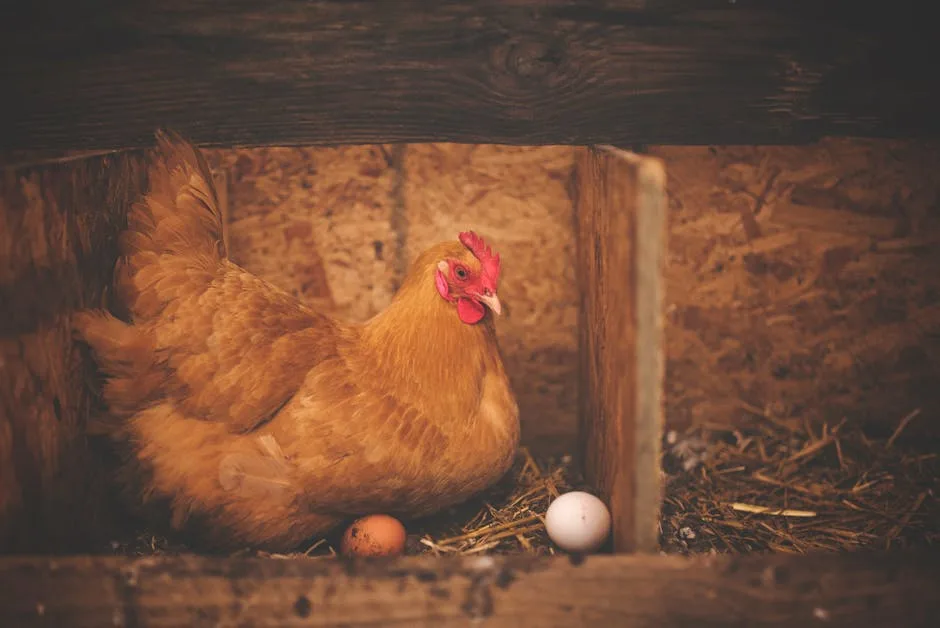
Best Chicken Nesting Box Pads (2026 Reviews)
The best nesting box pads and liners for chickens. Excelsior, hemp, washable pads, and herb blends compared for clean eggs and easy cleanup.
Researched from university extension, USDA, and veterinary sources. How we research.
Affiliate Disclosure: This article contains affiliate links to Amazon. If you buy something through these links, we earn a small commission at no extra cost to you. We only recommend products we genuinely think are worth your money. Full disclosure.
Nesting box bedding is one of those small decisions that affects your eggs every single day. The right material keeps eggs clean, cushions them from cracks, encourages hens to lay in the box (not on the floor), and takes 30 seconds to refresh. The wrong material gets caked with droppings, sticks to wet eggs, or gets kicked out of the box within hours.
This guide covers the four nesting box bedding options worth considering for a backyard flock, when each one makes sense, and the small habits that make any of them work better.
What You'll Learn
- •What makes a good nesting box bedding
- •Best nesting box pads and liners
- •Loose bedding alternatives
- •How often to change nesting box bedding
- •Tips for cleaner eggs
- •FAQ
What Makes a Good Nesting Box Bedding
Before getting into products, here are the four criteria worth caring about:
Egg cushioning. Hens drop their eggs from a standing position. A thin or hard surface means cracked or broken eggs, which leads to egg-eating habits that are nearly impossible to break.
Cleanliness. The bedding either repels droppings and dirt or it traps them. Bedding that traps mess means dirty eggs and faster replacement cycles.
Hen acceptance. Some hens are picky. A box that has bedding the hens do not like ends up empty while they lay on the floor (or worse, in the run). Most chickens accept any of the common options, but a strong-smelling material can occasionally cause refusal.
Cost per month. Some options last 4 to 6 weeks, others 3 to 5 days. The cheaper-up-front option is not always cheaper over a year.
Best Nesting Box Pads and Liners
1. Eaton Pet & Pasture Excelsior Nesting Pads (Best Overall)
Excelsior is shredded aspen wood made into a square pad that fits standard nesting boxes. Eaton Pet & Pasture pads are made in the USA from sustainably harvested aspen, run about 13 inches square, and come in 10-packs.
Check Price on Amazon: Eaton Pet & Pasture Excelsior Pads$27.99 as of Oct 11
What we like:
- •Holds shape better than loose bedding (no kicking out of the box)
- •Naturally absorbs moisture without staying wet
- •Easy to lift the whole pad out for cleaning
- •Aspen has no aromatic oils that bother hens (unlike cedar)
- •Compostable
What could be better:
- •Higher cost per month than loose pine shavings
- •Pads compress over time and lose some cushion
- •Not great if a hen consistently breaks eggs (the pad does not fully protect the egg from a thin spot)
Best for: Most backyard flocks. The default if you do not want to think about bedding.
Lifespan: 4 to 6 weeks per pad with regular spot-cleaning.
2. Precision Pet Excelsior Nesting Pads (Budget Excelsior)
Precision Pet makes a similar excelsior pad at a slightly lower price. The quality is comparable in most batches but more variable than Eaton. If you buy in larger packs (50+), Precision is often the cheaper choice per pad.
Check Price on Amazon: Precision Pet Excelsior Pads$24.99 as of Oct 11
Best for: Larger flocks or buyers who want to stock up.
3. Artificial Grass Nesting Pads (Washable Option)
For keepers who do not want to constantly replace pads, washable artificial grass mats are an option. They are 12 by 12 inches of synthetic turf, designed to be hosed off and reused.
Check Price on Amazon: Washable Artificial Grass Nesting PadsAround $15 to $25
What we like:
- •Reusable for years if rinsed regularly
- •Soft enough to cushion eggs
- •No ongoing replacement cost after the initial purchase
- •Can be sprayed clean with a hose
What could be better:
- •Need to actually rinse them weekly (most keepers skip this and they get gross)
- •Plastic does not absorb moisture (eggs from a recently laid hen can stay wet briefly)
- •Hens take a day or two to accept them if switching from natural bedding
Best for: Suburban keepers with small flocks who do not mind a weekly rinse routine.
4. BUCATSTATE Chicken Nesting Herbs (Add-On, Not a Standalone Bedding)
Nesting herb blends are dried floral and herb mixes (lavender, calendula, mint, oregano, rose petals) marketed for chicken nesting boxes. They are not a replacement for actual bedding but are sprinkled on top to keep the box smelling fresh and to provide some natural insect repellent properties.
Check Price on Amazon: BUCATSTATE Chicken Nesting HerbsThat listing is currently unavailable, so this opens an Amazon search for it.Around $15 to $20 for 21 oz
Worth noting: The egg-production claims on most nesting herb products are unproven. The genuine benefit is keeping boxes smelling pleasant and a mild bug-deterrent effect from the dried herbs.
Best for: Keepers who want the boxes to smell nice. A nice add-on, not a primary bedding.
Loose Bedding Alternatives
If you do not want to deal with replacing pads, loose bedding works fine. Both options below are cheaper per month than commercial pads.
Pine Shavings (Cheapest, Most Common)
Standard pine shavings (the same kind sold for horse stalls) are the default choice across most backyard flocks. Cheap, widely available at any feed store for $7 to $12 per bale, and they last 2 to 4 weeks in a nesting box.
Check Price on Amazon: Bulk Pine ShavingsThat listing is currently unavailable, so this opens an Amazon search for it.Around $20 to $35 per compressed bag
Use kiln-dried pine only. Avoid cedar shavings since the aromatic oils can irritate chicken respiratory systems. See our coop bedding comparison for more on bedding choices.
Hemp Bedding (Best Performance, Higher Cost)
Hemp bedding is newer to the US backyard chicken market but has become popular for nesting boxes. It is highly absorbent (4x the moisture absorption of pine), naturally low-dust, and very soft on eggs.
Check Price on Amazon: Hemp Bedding for Chicken Coops$105.00 as of Oct 11
What we like:
- •Best moisture absorption of any common bedding
- •Almost no dust (good for respiratory health)
- •Composts well after use
- •Lasts longer per inch than pine shavings
What could be better:
- •3x to 4x the cost of pine
- •Less widely available
- •Heavier bag (harder to lug around)
Best for: Keepers prioritizing dust reduction or those with respiratory-sensitive breeds.

How Often to Change Nesting Box Bedding
This is one of the most common beginner questions. The right answer depends on your bedding choice and flock size.
| Bedding Type | Spot Clean | Full Replace |
|---|---|---|
| Excelsior pads | Daily (remove visible droppings) | Every 4 to 6 weeks |
| Pine shavings | Weekly | Every 3 to 4 weeks |
| Hemp bedding | Weekly | Every 6 to 8 weeks |
| Washable artificial grass | Rinse weekly | Replace every 1 to 2 years |
| Straw or hay | Daily (compacts and traps moisture) | Every 1 to 2 weeks |
Spot cleaning means removing any droppings, broken egg material, or wet patches. Full replacement means stripping the box bare and starting over.
If you smell ammonia coming from a box, replace the bedding immediately regardless of the schedule. Ammonia damages chicken lungs and indicates the bedding is past saturation.
Tips for Cleaner Eggs
The bedding itself only does half the work. These habits matter just as much:
Collect eggs at least twice a day. Eggs left in the nest get pooped on, get cracked by later layers, or trigger egg-eating habits. Twice-daily collection is the single biggest factor in egg cleanliness. Our egg collecting baskets guide covers the tools that make this easier.
Keep boxes elevated. Boxes should be 18 to 24 inches off the floor to discourage hens from sleeping in them (and pooping in them overnight).
Use a roosting bar in front of the box. A removable perch in front of each box gives hens a place to land before stepping in, which reduces dirt tracked into the bedding.
Block off boxes at night. Some keepers cover the box openings with a small flap at night so hens cannot enter to sleep. Reopen in the morning for laying. This drastically reduces overnight droppings in the box.
Train a curtain of fabric across the front. Hens like dark, private spaces. A small piece of burlap or fabric across the front of each box increases use and gives some shade.
Replace any egg-eaten material immediately. If a hen breaks an egg in the box, scrub the area clean and replace the bedding. Egg residue on bedding teaches other hens that eggs are food, and that habit is very hard to break.
For more on the broader egg-laying setup, see our complete guide to raising chickens for eggs.
Frequently Asked Questions
What is the best material for a chicken nesting box?
Excelsior pads (shredded aspen) are the most-recommended option for cleanliness, cushion, and ease of replacement. Pine shavings work well at lower cost. Hemp bedding is the premium option for keepers prioritizing dust reduction.
How often should you change nesting box bedding?
Spot clean daily (remove visible droppings or wet patches). Fully replace every 3 to 6 weeks for most bedding types. Replace immediately if you smell ammonia or if bedding is heavily soiled.
Can I use straw or hay in chicken nesting boxes?
You can, but it is one of the worst options. Straw compacts quickly, traps moisture, harbors mites and lice, and breaks down faster than other bedding. Replace every 1 to 2 weeks if you must use it. Pine shavings or excelsior are better.
Are washable nesting pads worth it?
For small flocks (3 to 5 hens) where you can commit to weekly rinses, yes. For larger flocks or busy keepers who forget the rinse routine, they end up gross faster than disposable bedding gets replaced. Honest answer: most keepers eventually stop using them.
What's the difference between excelsior and pine shavings for nesting boxes?
Excelsior comes as a pre-shaped square pad that stays in place. Pine shavings are loose and can be kicked out of the box by hens scratching. Excelsior is roughly 2x more expensive per month but easier to clean and replace.
Do nesting box herbs actually help?
The egg-production and pest-repellent claims are largely marketing. The genuine benefits are mild: pleasant smell, slight moisture absorption from dried plants, and minor insect-deterrent effect from aromatic herbs. Nice to have, not essential.
How many nesting boxes do I need?
One box per 3 to 4 hens. So 3 boxes for a flock of 10 to 12 hens. Hens will often crowd into the same favorite box anyway, but having extras prevents fighting and gives shy hens an option. For box sizing, placement, and how to get hens to use them, see our full chicken nesting boxes setup guide.
Should I put eggs in the nesting box to teach new layers?
A wooden or ceramic "dummy egg" in each box helps train pullets coming into lay. They see the egg, recognize the box as the right place, and start laying there. Remove and replace if the dummy gets mistaken for a real egg and broken.
For most backyard flocks, the sweet spot is excelsior pads with twice-daily egg collection. The pads cost a few dollars per month, eggs stay clean, and replacement is a 30-second job. Skip the marketing-driven claims about herb blends or dramatic productivity boosters and focus on the basics: clean bedding, raised boxes, and frequent collection.
For the broader setup that supports laying, see our complete guide to raising chickens for eggs. For the rest of your gear, browse our best chicken feeders and waterers and best egg collecting baskets roundups.
Sources:
- •University of Kentucky Cooperative Extension. Small Flock Poultry housing. https://poultry.extension.org/
- •University of Missouri Extension. Small flock housing recommendations. https://extension.missouri.edu/publications/g8351
- •Penn State Extension. Poultry housing and equipment. https://extension.psu.edu/animals/poultry
Product prices and availability are accurate as of the date shown and are subject to change. Any price and availability information displayed on Amazon at the time of purchase will apply to the purchase of this product.
Related Guides
Best Chicken Saddles and Hen Aprons (2026 Reviews)
Top chicken saddles and hen aprons to protect bare-backed hens from rooster treading and feather pecking. Honest picks, sizing, and fit.
Gear ReviewsBest Chicken Coop Fans for Ventilation (2026 Reviews)
The best chicken coop fans for summer heat and winter moisture: solar exhaust fans, shutter fans, and quiet inline fans compared, with real prices.
Gear ReviewsBest Chicken Coop Bedding and Litter (2026 Reviews)
The best chicken coop bedding for 2026. Pine shavings, hemp, aspen, and odor-control litter compared, with pros, cons, and pricing for every flock and budget.
Gear ReviewsBest Chicken Nesting Boxes 2026: Top Picks
The best chicken nesting boxes for 2026: plastic, metal roll-out, and multi-hole boxes compared for clean eggs, easy cleanup, and happy hens.